Disclosure: As an Amazon Associate, topratedkitchenware.com earns from qualifying purchases. Prices and availability change; check Amazon for the latest.
Oven towels sit in a gray area. A regular dish towel is a poor heat barrier, since a damp or thin cloth can let heat through fast. Most people who search this term really want a safe way to handle hot pans, whether that is a terry pot holder, a silicone grip or a towel that hangs by the stove.
The six items below mix heat-handling gear with one set of hanging kitchen towels, and we label each by what it really does. We have not used these products ourselves. Heat ratings and sizes should be confirmed on the current listing before buying.
As an Amazon Associate we earn from qualifying purchases. Links below are affiliate links, and they do not change the product information we give.
In this guide
Quick Picks
- Ove Glove Hot Surface Handler
- OXO Good Grips Silicone Pot Holder
- Lodge Silicone Hot Handle Holder
- KitchenAid Albany Kitchen Towel Set
- Ritz Royale Collection Terry Pot Holders
- Aunt Martha's Flour Sack Dish Towels
What to Look For
| Feature | Why it matters |
|---|---|
| Heat rating | Makers state a limit; never use anything beyond it |
| Material | Cotton terry, silicone and aramid blends behave differently near heat |
| Coverage | A mitt covers the hand, a pot holder only the palm |
| Hanging loop | Keeps the towel close to the stove, away from the burner |
Specs at a Glance
| Product | Type | Material | Notes |
|---|---|---|---|
| Ove Glove Hot Surface Handler | Hand glove | Aramid fiber and cotton | Sold as a single glove |
| OXO Good Grips Silicone Pot Holder | Pot holder | Silicone | Flexible grip |
| Lodge Silicone Hot Handle Holder | Handle sleeve | Silicone | Made for cast iron skillets |
| KitchenAid Albany Kitchen Towels | Towel set | Cotton | Check listing for loop |
| Ritz Royale Collection Pot Holders | Pot holder | Cotton terry | Padded |
| Aunt Martha’s Flour Sack Towels | Towel | Cotton | Lint-light cleanup |
The 6 Best Oven Towels and Hot Pan Grips

Top pickBest for quick tray grabs
1. Ove Glove Hot Surface Handler
The Ove Glove is a long-established hand glove made from heat-resistant fiber, designed to grab hot pans and trays without bulky mitts. The maker promotes its flexibility, so you can feel what you hold.
Suits: quick tray grabs. Strengths: finger dexterity. Weaknesses: sold as a single glove. Skip it if you want two-handed coverage.


Best for wet or greasy handles
2. OXO Good Grips Silicone Pot Holder
A flexible silicone holder with a textured surface. Silicone wipes clean, so it suits spills that would stain a cloth pad.
Suits: wet or greasy handles. Strengths: wipe-clean surface. Weaknesses: thin on its own. Skip it if you like a cushioned cloth feel.

Best for cast iron cooks
3. Lodge Silicone Hot Handle Holder
This sleeve slips over the long handle of a cast iron skillet, so the handle is covered while you cook and move the pan. It is a narrow tool with one clear job.
Suits: cast iron cooks. Strengths: stays on the handle. Weaknesses: fits only some handle shapes. Skip it if you cook in many pan types.
View Lodge Hot Handle Holder on Amazon
Best for drying hands and dishes
4. KitchenAid Albany Kitchen Towel Set
A multi-pack of cotton kitchen towels from a well-known appliance brand. These are for drying and wiping near the stove, not for gripping hot pans. Check the listing to see whether they include a hanging loop.
Suits: drying hands and dishes. Strengths: a multi-pack. Weaknesses: not heat protection. Skip it if you need to lift hot pans.
View KitchenAid Albany Towels on Amazon
Best for traditional kitchens
5. Ritz Royale Collection Terry Pot Holders
Ritz is a long-time maker of classic cotton kitchen textiles. A padded terry pot holder is the traditional way to lift a hot lid or handle, and it is gentler on your wrist than silicone.
Suits: traditional kitchens. Strengths: cushioned cotton. Weaknesses: must stay dry to work. Skip it if you cook with wet hands.
View Ritz Royale Pot Holders on Amazon
Best for glass drying
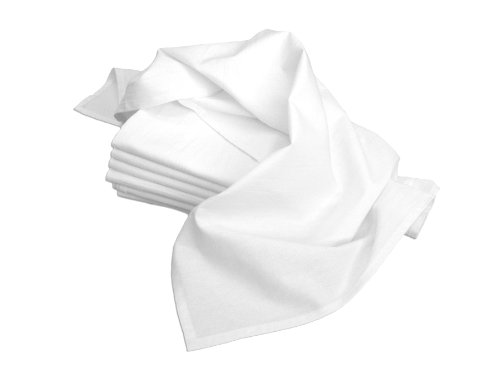
6. Aunt Martha’s Flour Sack Dish Towels
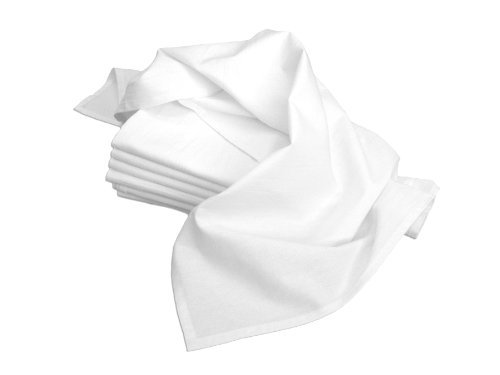
Flour sack towels are thin, lint-light cotton. They are good for drying glass and for wiping counters near the oven, but they are not meant to protect your hands from heat.
Suits: glass drying. Strengths: light weave dries fast. Weaknesses: thin. Skip it if you want hot-pan grip.
Care and Setup
- Keep cloth holders dry, since wet fabric transfers heat quickly.
- Wash cotton items in warm water and air dry.
- Wipe silicone with soap and water.
- Hang towels away from open flame.
Mistakes to Avoid
- Using a thin dish towel to lift a hot pan.
- Draping any cloth over a gas burner.
- Grabbing with a damp holder.
- Ignoring wear or burn marks.
Glove, Pot Holder, Sleeve or Towel: Which Job Fits Which Tool
The first decision is not the material but the job. A glove-style handler wraps the hand, so it suits reaching into an oven, pulling a tray off a rack or lifting a lid where your fingers need some freedom. A pot holder is a flat pad, and it usually protects only the palm and fingertips, so your wrist and forearm stay exposed. A handle sleeve covers one specific part of one specific pan. A kitchen towel is a cleanup tool first and should be treated that way.
Think about the pans you move most often. Flat sheet pans and cake tins are easy to lift with a pad in each hand. Deep roasting pans, Dutch ovens and anything with two loop handles may call for something that covers more of the hand and forearm. Single long skillet handles are where a sleeve helps, because the handle stays covered while the pan sits on the burner or in the oven.
Many cooks end up with two or three tools rather than one. A glove or mitt for the oven, a silicone or cloth holder near the stove and a stack of plain towels for drying is a common mix. If you must pick only one, choose the item that matches the heaviest or most awkward pan you handle each week, and check the maker’s stated heat limit on the listing before relying on it.
Cotton, Silicone and Aramid Blends: How They Behave Near Heat
Cotton terry is soft, cushions well and feels natural in the hand. Its limits are simple. It works best when dry, it can scorch if it touches a flame or a glowing element and it holds stains and odors from splatters. Because it is padded, thickness matters more than weave, so a thin cloth gives less margin than a thick quilted pad.
Silicone is not absorbent, so water and grease do not soak in, and it wipes clean in seconds. That makes it a sensible choice around wet counters and roasting juices. The tradeoff is feel. Silicone can be thinner than a padded cloth, and some people find it slippery or stiff until they get used to it. Textured surfaces help the grip, so look at the product photos and description for that detail.
Aramid fiber blends, like the one in the Ove Glove listing, are made to resist heat while staying flexible, which is why gloves of this type can feel less bulky. The exact temperature rating, how long contact is safe and whether the item is machine washable all vary by maker. Read the manual or the listing for those figures instead of guessing, and treat the stated limit as a ceiling, not a target.
Sizing, Length and Fit Checks
Fit affects safety more than most people expect. A glove that is too loose slides when you lift, and one that is too tight loses dexterity. Check whether the listing describes the size as one-size-fits-most, and whether it is made for the left hand, the right hand or either. The Ove Glove entry above is sold as a single glove, so decide ahead of time whether one is enough for your cooking.
Length is the next check. Reaching into a deep oven or over a wide pot means your forearm gets close to hot surfaces. A short pad leaves your wrist uncovered, while a longer cuff covers more. If you often cook on a gas stove with tall pots, a longer item is worth considering.
For pot holders, compare the pad size to the handles you use. A small square can be hard to wrap around a wide cast iron handle. For a handle sleeve, such as the Lodge one, confirm the shape of your pan’s handle matches what the listing describes. The entry above says it fits only some handle shapes, so measure the handle width and length before ordering.
- Check hand size against the item description.
- Look for the opening length if you cook in deep ovens.
- Measure pan handles before buying a sleeve.
- Note whether a hanging loop or hook is included.
Fire Safety and Safe Storage Near the Stove
Any fabric near a burner is a hazard. Even a towel that is only hung nearby can swing into a flame when you reach across the stove. Hang towels and holders on a hook or oven door handle that is away from the burners, and keep them clear of the top of a hot oven vent. A hanging loop is only useful if the place you hang from is truly out of the way.
Never use a damp cloth to grab something hot. Moisture conducts heat faster, and the steam it creates can cause a burn within moments. If a holder gets wet, swap it for a dry one before you lift anything.
Inspect your gear on a regular schedule. Look for thin patches, holes, scorch marks, stiffness or any melted edges on silicone. A single burned spot can let heat through at the worst time. Keep a small fire extinguisher or lid within reach of the stove, and follow the guidance from your local fire service for kitchen fires. Teach other household members which items are heat protection and which are only for drying, so nobody grabs a flour sack towel to lift a roasting pan.
Signs It Is Time to Replace, and How to Think About Budget
Heat gear wears out quietly. Replace an item when you see charred or thin spots, stuffing that has flattened and gone hard, seams that have opened, silicone that has cracked or become sticky and any fabric that smells scorched even after washing. A holder that has been soaked in grease can also be a concern, since oil in the fibers can burn. If you are unsure, retire it.
On budget, think in tiers without chasing a number. At the entry level, simple cotton pads and plain towels cover everyday needs, and they are easy to replace often. In the middle, silicone holders and gloves add wipe-clean surfaces or flexible handling. At the upper end, you tend to pay for better materials, longer cuffs or specialized shapes, though you should read the specs to confirm that rather than assuming price equals protection.
The best value is usually matching the tool to the task. A dedicated cast iron sleeve may be a better buy for a skillet fan than an expensive general-purpose mitt that never quite fits the handle. Check the return policy and the stated care instructions before you commit, since you will want to confirm fit and comfort at home.
A Short Checklist Before You Choose Oven Protection
Heat protection for your hands is one of the simplest upgrades in a kitchen, but the right item depends on the jobs you do. Before comparing the Ove Glove, OXO and Lodge silicone holders, the KitchenAid towel set, the Ritz pot holders and the Aunt Martha’s flour sack towels, run through this list.
- List the tasks: pulling trays from the oven, lifting a Dutch oven, moving a hot skillet handle, or handling a steaming pot.
- Check whether the item is made for brief contact only or for longer handling.
- Look at the stated heat limit and whether it applies to the whole item or only the outer layer.
- Think about hand size and whether you need a left-right pair or a single piece.
- Decide how you will wash it and how often.
- Check how the item is hung or stored near the stove.
- Read the maker’s notes about moisture, because damp fabric can conduct heat faster.
Which Item Fits Which Task
| Item | Handy for | Watch out for |
|---|---|---|
| Full glove | Reaching into a deep oven, gripping pans firmly | Bulk can reduce fine control |
| Silicone pot holder | Quick grabs, wet spills, easy wiping | Can feel slippery on some surfaces |
| Handle cover | Cast iron skillet handles | Only protects the handle, not the pan sides |
| Terry pot holder | Everyday use and softness | Thin pads can heat through with long contact |
| Flour sack towel | Wiping, drying, light protection | Not designed as heat protection unless the maker says so |
Reading Heat and Material Claims
Listings for kitchen heat protection like to quote high temperature figures, and these numbers can be hard to interpret. A silicone item may be listed for a particular temperature for a short time, while a cotton towel may not state any limit at all. Treat the figure as the maker’s limit for the stated conditions, and do not assume it applies to long contact or to direct contact with a flame or an element.
Look at the construction as well. Quilted layers, interior linings and silicone coatings all change how heat travels. Check whether the item is a single layer or double layer, because a thin single layer gives less buffer. Moisture is a classic pitfall: a wet or damp cloth passes heat to your skin quickly, so keep protection dry and swap it if it gets damp.
Finally, check the fit. A mitt that is too loose can slip, while one that is too tight is hard to put on in a hurry. Length of the cuff matters when you reach into an oven, and a grippy surface helps with heavy cookware.
Safe Habits Around Heat
Good equipment is only half of the picture. Keep towels and holders away from burners and open flames, and do not hang them from an oven handle if the maker warns against it. Use dry, intact items, and replace any that are scorched, thin or torn. Do not use a towel as a substitute for a proper mitt unless it is described for that use.
Clear a path before lifting something hot, tell others in the kitchen that you are carrying it, and set it on a heat-safe surface. For burns or injuries, follow official first aid guidance and seek medical help when needed. For laundry, follow the care label, and avoid fabric softener if the maker advises against it, as some treatments can affect absorbency.
Building a Small Collection That Covers the Whole Kitchen
Few kitchens need a drawer full of heat protection, but one item rarely does every job. A sensible set often includes a pair of full gloves or mitts for the oven, a couple of flat holders for quick grabs, a handle cover for a cast iron skillet and a stack of plain towels for wiping and drying. Keeping the roles separate means your best heat protection stays dry and clean instead of being used to mop up spills.
Think about where each item lives. Gloves are easiest to reach on a hook beside the oven, but not so close that they touch a burner. Holders can hang from a rail near the prep area. Towels belong near the sink, away from the heat. Having a spare set ready means you can swap in a dry one when the first gets damp or stained.
Replace items before they fail. Look for scorch marks, thin spots, loose stitching, peeling coatings or a stiff, cracked feel in silicone. These are signs that the item no longer protects the way it did. Color and pattern matter less than function, but a bright color makes an item easy to find when you are in a hurry. A little thought about the set as a whole saves money and avoids close calls at the stove.
Oven Towel FAQ
Can I use a dish towel as an oven mitt?
It is a poor idea. Thin or wet cloth lets heat through quickly.
Is silicone or cotton better?
Silicone wipes clean and resists moisture. Cotton is softer and cushions better when dry.
Why do some towels have loops?
A loop lets you hang the towel from a handle or hook so it stays within reach.
How hot can oven towels and pot holders get before they fail?
It depends on the material and the maker. Each product states its own heat limit, and some do not state one at all. Check the listing or manual and treat the figure as a ceiling you should stay well under.
Can I wash silicone grips in the dishwasher?
Many makers say their silicone items are dishwasher safe, but that is not universal. Check the care notes on the specific listing. Hand washing with soap and water is the safe default.
How often should I replace cotton pot holders?
There is no fixed schedule. Replace them when they look thin, scorched, stained with grease or flat and hard. Frequent heavy use means earlier replacement.
Are flour sack towels safe for lifting hot items?
No. They are thin and meant for drying and wiping. Use a padded holder, glove or silicone grip designed for heat.
Should I buy gloves or pot holders?
Gloves give more finger control and wrist coverage for oven work. Pot holders are easy to grab and work well for lids and short handles. Many cooks keep both.
Is it safe to hang a towel from the oven door?
It is common, but keep it away from burners and the vent. A towel that hangs at the side of the door is safer than one draped across the front.
Can a heat-resistant glove be used for grilling?
Only if the maker says so. Grill heat can exceed kitchen oven use, so check the stated rating and intended use on the listing before relying on it.
What should I do if a holder catches fire or gets scorched?
Move away from the burner, smother any flame with a lid or use an extinguisher rated for kitchens, and never throw water on a grease fire. Replace a scorched item rather than trusting it again.
The Short Version
For a dexterous grab, the Ove Glove. For a silicone holder, the OXO. For cast iron, the Lodge. For general drying, the KitchenAid Albany. For padded cotton, the Ritz Royale. For light cleanup, the Aunt Martha’s.
How to Judge Oven towels and hot pan grips in Real Daily Use
A listing can tell you the material, the size, and what is in the pack, but it cannot tell you how oven towels and grips will behave on an ordinary Tuesday in your home. The most useful way to judge the picks above is to picture the exact moment you will reach for one: hands wet, floor wet, guests waiting, a hot dish ready, or a cold bathroom first thing in the morning. When that moment is clear, the differences between products stop being abstract and start being practical. A choice that suits a hook beside the oven may be wrong for the side of a grill trolley, even though both jobs use the same broad category of product.
Start with the job you repeat most often, not the job you imagine once a year. For most readers that means lifting a heavy casserole from the oven with both hands, followed closely by sliding a baking tray out far enough to turn food safely. If a product handles those two jobs comfortably, it will probably earn its place. If it only shines in a rare situation, it may end up stored away while a plainer option does the daily work. Write down your top three jobs before you compare the picks, and score each pick against those jobs rather than against a long list of features you may never use.
Next, think about feel and feedback while you work. Good oven towels and grips give you a clear sense that the job is getting done: moisture is being picked up, a surface feels dry, a load feels secure, or a room feels more comfortable. Poor feedback makes you repeat the same motion, use more product, or rush. Pay attention to weight in the hand, how the item behaves when wet or loaded, and whether you can complete the job without swapping to something else halfway through. Those small signals matter more over months of use than a first impression in a photograph.
Finally, judge the whole routine around the product, not the product alone. Where will it live between uses? How will you know when it needs washing, cleaning, or replacing? Who else in the household will use it, and will the system make sense to them without instructions? The best choice is usually the one that fits a baking station with trays and racks and your existing habits with the least friction, because a product that is easy to reach, easy to use, and easy to put away gets used properly every time.
Choosing by Situation: Six Everyday Scenarios
The same household often needs oven towels and grips to do very different work in different rooms. These scenarios show how to match the picks above to real situations, using the strengths and limits already described for each product rather than chasing a single winner for everything.
Scenario: A hook beside the oven
In this setting, the main job is lifting a heavy casserole from the oven with both hands. Put that job first when you compare the picks: look for the option whose described strengths line up with it, and be honest about the weakness that would annoy you most here. Set the product up in a hook beside the oven for a normal week rather than a special occasion, because ordinary use reveals whether the size, feel, and routine are right. If you find yourself working around the product, that is useful information, and a different pick from the list will often suit this room better while the first one moves to a job it handles well.
Scenario: The handle of the oven door for a working towel only while you are nearby
In this setting, the main job is sliding a baking tray out far enough to turn food safely. Put that job first when you compare the picks: look for the option whose described strengths line up with it, and be honest about the weakness that would annoy you most here. Set the product up in the handle of the oven door for a working towel only while you are nearby for a normal week rather than a special occasion, because ordinary use reveals whether the size, feel, and routine are right. If you find yourself working around the product, that is useful information, and a different pick from the list will often suit this room better while the first one moves to a job it handles well.
Scenario: A drawer near the hob
In this setting, the main job is carrying a hot saucepan from hob to counter without rushing. Put that job first when you compare the picks: look for the option whose described strengths line up with it, and be honest about the weakness that would annoy you most here. Set the product up in a drawer near the hob for a normal week rather than a special occasion, because ordinary use reveals whether the size, feel, and routine are right. If you find yourself working around the product, that is useful information, and a different pick from the list will often suit this room better while the first one moves to a job it handles well.
Scenario: The side of a grill trolley
In this setting, the main job is holding a pan handle that has heated up during cooking. Put that job first when you compare the picks: look for the option whose described strengths line up with it, and be honest about the weakness that would annoy you most here. Set the product up in the side of a grill trolley for a normal week rather than a special occasion, because ordinary use reveals whether the size, feel, and routine are right. If you find yourself working around the product, that is useful information, and a different pick from the list will often suit this room better while the first one moves to a job it handles well.
Scenario: A baking station with trays and racks
In this setting, the main job is setting a hot dish down on a protected surface. Put that job first when you compare the picks: look for the option whose described strengths line up with it, and be honest about the weakness that would annoy you most here. Set the product up in a baking station with trays and racks for a normal week rather than a special occasion, because ordinary use reveals whether the size, feel, and routine are right. If you find yourself working around the product, that is useful information, and a different pick from the list will often suit this room better while the first one moves to a job it handles well.
Scenario: A serving counter where hot dishes land
In this setting, the main job is handling cast iron that stays hot long after cooking ends. Put that job first when you compare the picks: look for the option whose described strengths line up with it, and be honest about the weakness that would annoy you most here. Set the product up in a serving counter where hot dishes land for a normal week rather than a special occasion, because ordinary use reveals whether the size, feel, and routine are right. If you find yourself working around the product, that is useful information, and a different pick from the list will often suit this room better while the first one moves to a job it handles well.
A Step-by-Step Routine That Gets Consistent Results
Consistency comes from doing the simple steps in the same order. This routine works alongside any of the picks above and helps you tell whether a disappointing result came from the product or from the way it was used.
- Prepare the space first. Clear the handle of the oven door for a working towel only while you are nearby, make sure you have everything within reach, and check that the oven towel or grip you are about to use is clean, dry where it needs to be, and undamaged.
- Start with the lightest part of the job, which is usually linked to carrying a hot saucepan from hob to counter without rushing. Working from the easy part towards the messy part keeps a clean surface clean for longer.
- Work slowly enough to notice feedback. If you are repeating the same motion with no improvement, pause, adjust your grip, fold, dose, or position, and only then continue.
- Move on to the heavier job, such as holding a pan handle that has heated up during cooking, using a fresh section, a second item, or a clean side whenever the first one is loaded, wet, or dirty.
- Check the result in good light and by touch. A quick check now is far easier than discovering a missed patch, a damp fold, or an unsteady load later.
- Finish the routine properly: put the used oven towel or grip where it belongs, let anything damp dry in the open, and return clean items to a serving counter where hot dishes land so the next person finds the system ready.
- Note what worked. A short mental note about which pick suited which job saves you repeating the same trial and error next week.
After a few rounds of this routine, patterns appear. You will know which pick you reach for when you are in a hurry, which one you trust for setting a hot dish down on a protected surface, and which one guests or family members use without thinking. That lived pattern is the real review, and it is why keeping notes for the first fortnight is worth the small effort.
Comparing the Picks More Closely
Read as a group, the six picks above fall into natural roles. One tends to be the everyday workhorse for lifting a heavy casserole from the oven with both hands. Another is aimed at a specific problem, such as the situation behind holding a pan handle that has heated up during cooking. A third suits people who care most about simple care and storage around a serving counter where hot dishes land, while others trade a little convenience for a particular material, format, or feel. None of those roles is better in the abstract; each is better for a household whose routine matches it.
When two picks look similar, compare them on the job you do most, then on the job you dislike most. The first comparison tells you about daily satisfaction, and the second tells you about frustration. A product that is slightly slower at sliding a baking tray out far enough to turn food safely but far better at handling cast iron that stays hot long after cooking ends may be the wiser buy if the second job is the one that currently makes you reach for something else entirely. Also compare how each pick behaves on its worst day: fully wet, fully loaded, hurried, or used by someone unfamiliar with it.
Avoid choosing on a single headline feature. Size without the right material disappoints, a clever format without comfortable handling gets left in the cupboard, and a beautiful finish that needs fussy care may not suit a busy kitchen or bathroom. The detailed notes under each pick above, including who it suits and when to skip it, are the fastest way to narrow the list to two, and at that point your own top three jobs should make the final call for you.
Troubleshooting Common Problems
Most disappointments with oven towels and grips have ordinary causes and ordinary fixes. Work through this table before replacing a product, because a small change in routine often restores the result you expected.
| Problem | Likely cause | What to try |
|---|---|---|
| A holder feels thin when a pan is heavy | the padding is worn or the grip is being used beyond the job it suits | Use two holders for heavy cookware, check for worn spots, and replace anything that lets heat through quickly. |
| A cotton towel scorches | fabric hung too close to a burner or left on a hot hob | Keep towels away from open flame and hot elements, and never leave one draped where it can fall onto heat. |
| A silicone grip slips | moisture, grease, or a loose fit on the handle | Dry both the handle and the grip, wipe away grease, and choose a size that fits the handle snugly. |
| Heat comes through one spot | a thin patch, damp fabric, or damage in the padding | Stop using the holder for hot work until you have checked it dry and undamaged, because damp fabric passes heat fast. |
| Towels pick up kitchen smells | oils and steam absorbed during busy cooking | Wash working towels often, dry them fully, and keep a separate set for drying dishes. |
If a problem returns after you have tried the fix twice, look for a pattern. Does it happen only in one room, only with one user, or only on the busiest days? Problems tied to a drawer near the hob often turn out to be storage or drying problems, while problems tied to a single product across every room usually mean that pick does not suit your household and another option from the list will serve you better.
Care, Cleaning and Storage in More Depth
Looking after oven towels and grips is mostly about moisture, cleanliness, and giving each item time to recover between uses. Anything that stays damp will smell, weaken, or work less well, so drying deserves as much attention as washing or wiping. Hang, spread, or stand items so air can reach most of the surface, and avoid sealing a damp item in a drawer, bag, or cupboard. In humid weather this matters even more, and a smaller rotation used and dried properly beats a large set stored damp.
Rotate your set deliberately. Using the same favourite every day wears it out while the rest sit unused, and it also means that item never gets a full wash and dry cycle. A simple rotation through a baking station with trays and racks keeps wear even and makes it obvious when one item starts to underperform. When you spot fraying, thinning, lingering odor, damage, or a surface that no longer does its job, retire that item to rougher work or replace it rather than letting it frustrate you daily.
Store clean items where the job happens. A product kept beside a hook beside the oven will be used correctly, while one stored in another room invites shortcuts. Keep used or dirty items in a separate, ventilated spot so nobody mistakes them for clean ones, and keep cleaning products, sharp tools, and heat sources in mind when you choose that spot. A quick monthly tidy, where you wash, inspect, and re-sort the whole set, takes little time and keeps the system honest.
Always let the maker’s care guidance win over general advice. Materials and finishes differ across the picks above, and the listing and label for your exact product describe the temperatures, cleaners, and methods it was made for. Following those notes protects both the product and any surface, fabric, or floor it touches, and it keeps a warranty or returns conversation straightforward if something goes wrong early on.
Before You Order: A Short Decision Worksheet
Answer these questions in order and the right pick usually becomes obvious. First, what is the one job this purchase must succeed at, in plain words? Second, where exactly will it be used and stored, and have you measured that space? Third, who else will use it, and does it suit their hands, habits, and preferences? Fourth, what does care look like each week, and are you genuinely willing to do it? Fifth, which weakness from the reviews above can you live with, and which one would irritate you every single day?
Think about quantity with the same honesty. Buying for setting a hot dish down on a protected surface and handling cast iron that stays hot long after cooking ends at the same time can be sensible, but only when one product genuinely suits both jobs. In many homes a smaller number of well-matched items, plus one backup for laundry or busy days, works better than a large set bought on hope. Consider the season as well: humidity, guests, muddy weather, and holiday cooking all change how hard oven towels and grips work, and a purchase that arrives before your busiest period gets a fairer test.
Finally, plan the first week. Decide where the new item will live, which old item it replaces or supports, and what result will tell you it was the right call. That small plan turns a delivery into a decision you can judge, and it stops a good product being written off because it was tried once, in the wrong room, on the wrong job. If the first week goes well, the routine sections above will help you keep that result for the long term.
More Questions About Oven towels and hot pan grips
How many oven towels and holders does a home cook need?
Two reliable holders or gloves for lifting, plus a few working towels for drying and wiping, cover most kitchens. Having a dry spare matters because a damp holder should not be used on hot cookware.
Should I keep one towel only for hot work?
It helps to separate jobs. A towel that dries glasses should stay clean and lint-free, while holders and grips meant for heat should be checked often for wear and scorch marks.
What should I check before lifting a very heavy dish?
Check that your hands are dry, the holder is dry and undamaged, the path to the counter is clear, and the landing surface is protected. Use both hands and move slowly rather than rushing.
Can I use a holder on a wet handle?
Be careful. Water and steam can carry heat through fabric quickly, so dry the handle first when you can and test your grip before lifting the full weight.
How should I store holders near the stove?
Keep them close enough to reach before you open the oven, but far enough from burners and elements that they cannot fall onto heat or catch while you cook.
Adapting Your Choice to Your Household
No two households use oven towels and grips in quite the same way. A single person in a flat, a family with young children, a home with pets, and a house that hosts guests most weekends will all stress the same product differently. That is why the right pick for a neighbour can be the wrong pick for you, even when you shop from the same list. Think about who creates the most work: children dropping things at mealtimes, a partner who cooks ambitious weekend meals, a pet that sheds or splashes, or visitors who need everything to be obvious without explanation. Choose for that reality first, and let occasional situations come second.
Accessibility deserves a thought as well. Grip, weight, height, and reach all change how a product feels to someone with limited strength, sore joints, or one hand busy holding a child or a pan. Test the motion you will repeat most, whether that is lifting, carrying, folding, wringing, or reaching into a cupboard, and notice whether it feels calm or awkward. A slightly simpler product that everyone in the home can use confidently is usually worth more than a feature-rich one that only one person enjoys. If you are buying for someone else, ask about that repeated motion rather than guessing from the photograph.
Space shapes the decision just as much. In a compact home, oven towels and grips kept around a serving counter where hot dishes land need to store flat, stack neatly, or live in more than one role, because there is no spare cupboard for a single-purpose item. In a larger home the problem is different: items drift between rooms, duplicates multiply, and nobody knows which one is clean. Naming a home for each item, and returning it there, solves more everyday frustration than buying a premium version of the same thing. Measure the shelf, drawer, rail, or floor area before ordering, and picture the item stored as well as in use.
A Two-Week Trial That Tells You the Truth
Give a new purchase a fair, structured trial before you judge it or buy more of the same. In the first few days, use it only for its main job, the one behind lifting a heavy casserole from the oven with both hands, and keep the rest of your routine unchanged. That isolates the product from other changes, so any improvement or irritation is easy to trace.
In the second week, widen the trial to the harder jobs, including holding a pan handle that has heated up during cooking and handling cast iron that stays hot long after cooking ends. This is where limits appear: a product that was pleasant for light work may feel slow, small, or tiring when the job grows. Ask other household members to use it without coaching and watch where they hesitate, because hesitation usually points to a design or storage issue you can fix. If the problem is placement, move the item closer to a hook beside the oven and try again before deciding the product itself is at fault.
At the end of the fortnight, decide in one of three ways. Keep it in its main role if it handled the main job well and caused no new friction. Move it to a secondary role if it disappointed on the main job but proved useful elsewhere in the home. Or return or replace it if it failed the main job and added work to your routine. That clear decision stops cupboards filling with nearly-right purchases, and it turns the notes you made into a sharper brief for the next time you shop from a list like this one.
Related Guides
- 6 Best Bar Mop Towels: Cotton Bar Mops for Home and Bar (2026)
- 6 Best Dish Towels: Terry, Waffle Weave and Cotton (2026)
- 6 Best Flour Sack Towels for Kitchen, Baking and Crafts (2026)
- 6 Best Kitchen Towels: Cotton, Microfiber and Linen (2026)
- 6 Best Reusable Paper Towels: Bamboo, Cotton and Cellulose (2026)