A cappuccino and coffee maker combination lets one machine brew a regular cup of coffee and make espresso-style drinks with steamed or frothed milk. It suits homes where one person wants a cappuccino and another wants a mug of drip. We have not used these products ourselves, so please confirm the details on the current listing before you buy.
The six picks below mix drip-plus-espresso machines, a pod system with a milk frother and capsule machines with a milk option. Capacities, cup sizes and accessories vary, so check the current listing. Brewing and frothing claims are the makers’ own.
As an Amazon Associate we earn from qualifying purchases. Links below are affiliate links, and they do not change the product information we give.
What to Look For
| Feature | Why it matters |
|---|---|
| Machine type | Drip-plus-espresso combos, pod systems and capsule machines work differently |
| Milk system | A steam wand needs practice; an automatic frother is easier |
| Space | Combination machines can be large, so measure your counter |
| Cleanup | Check how easy the milk parts and water tank are to clean |
| Ongoing cost | Pods and capsules cost more per cup than ground coffee |
In this guide
Specs at a Glance
| Machine | Type | Coffee styles | Notes |
|---|---|---|---|
| De’Longhi All-in-One Coffee and Espresso Maker | Drip and espresso combo | Drip coffee and espresso | Steam wand for milk |
| Keurig K-Cafe Single Serve Coffee Latte and Cappuccino Maker | Pod machine | Coffee, latte and cappuccino | Built-in milk frother |
| Hamilton Beach 2-Way Brewer | Pod and drip combo | Pod or ground coffee | Two brewing methods |
| Mr. Coffee Espresso and Cappuccino Machine | Steam espresso machine | Espresso and cappuccino | Milk frother |
| Ninja Luxe Cafe | Espresso and drip style machine | Espresso, coffee and cold brew style drinks | Built-in grinder and frother |
| Nespresso Vertuo Plus with Aeroccino Milk Frother | Capsule machine | Coffee and espresso | Includes milk frother |
The 6 Best Cappuccino and Coffee Maker Combinations
Top pickBest for mixed coffee households
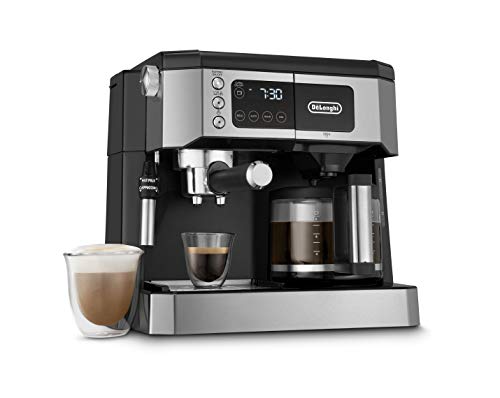
1. De’Longhi All-in-One Coffee and Espresso Maker
A dual machine that brews a pot of drip coffee on one side and espresso on the other, with a steam wand for milk. It suits households that want both in one footprint. Check the listing for current features.
Suits: mixed coffee households. Strengths: two brew systems in one unit. Weaknesses: takes counter space. Skip it if you want a compact machine.

View De’Longhi All-in-One Coffee and Espresso Maker on Amazon

Best for quick single cups
2. Keurig K-Cafe Single Serve Coffee Latte and Cappuccino Maker
A pod machine with a frother that heats and froths milk. It can brew a regular cup and a stronger shot. Check the listing for what is included.
Suits: quick single cups. Strengths: simple pod use. Weaknesses: pod costs add up. Skip it if you want to grind fresh beans.

View Keurig K-Cafe Single Serve Coffee Latte and Cappuccino Maker on Amazon
Best for flexible morning routines
3. Hamilton Beach 2-Way Brewer
A dual-brew machine that can make a single cup or a full pot, depending on your needs. It is a budget-minded option for mixed households. Check the listing for the exact modes.
Suits: flexible morning routines. Strengths: two brewing options. Weaknesses: no milk frother built in. Skip it if you want cappuccino-style drinks.
View Hamilton Beach 2-Way Brewer on Amazon
Best for beginners
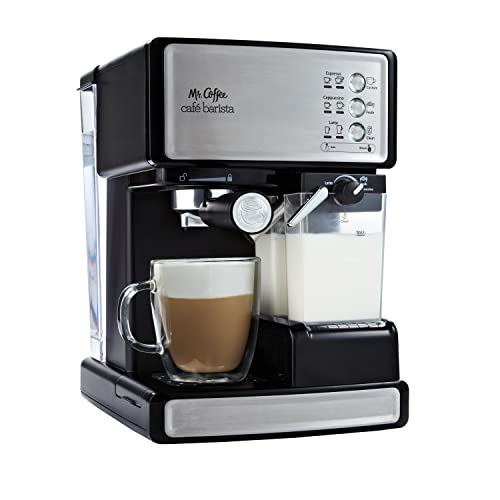
4. Mr. Coffee Espresso and Cappuccino Machine
A basic home espresso machine with a frothing arm for cappuccino. It suits beginners who want to learn about milk drinks without a big outlay. Check the listing for the specifics.
Suits: beginners. Strengths: an entry-level option. Weaknesses: a smaller learning curve than semi-automatic machines. Skip it if you want a coffee pot too.
Best for cooks who want one machine to do it all
5. Ninja Luxe Cafe
A newer multi-function machine from Ninja that markets espresso, coffee and milk drinks in one unit. Check the listing for the features and the latest model.
Suits: cooks who want one machine to do it all. Strengths: many drink styles. Weaknesses: a larger footprint. Skip it if you want a simple machine.
View Ninja Luxe Cafe on Amazon

Best for easy capsule brewing
6. Nespresso Vertuo Plus with Aeroccino Milk Frother
A capsule machine bundled with a separate Aeroccino frother. It brews a range of cup sizes, and the frother makes hot or cold foam. Check the bundle on the listing.
Suits: easy capsule brewing. Strengths: simple operation and a milk frother. Weaknesses: capsule costs. Skip it if you want to use your own beans.

View Nespresso Vertuo Plus with Aeroccino Milk Frother on Amazon
Care and Setup
- Descale the machine on the maker’s schedule.
- Rinse the milk frother after each use.
- Empty and dry the drip tray daily.
- Use filtered water if your water is hard.
Mistakes to Avoid
- Leaving milk in the frother.
- Skipping descaling.
- Buying a combination machine for a tiny counter.
- Ignoring the ongoing cost of pods.
How Combination Machines Differ in Design
A combination machine is not one design but several, and they behave very differently day to day. One type pairs a drip brewer with a small espresso unit in a single housing, so you can make a full pot of coffee and an espresso-style shot separately. A second type is a pod or capsule machine with a milk frother, which brews a cup from a pod and froths milk in a separate chamber or jug. A third is an all-in-one that includes a grinder, a brew unit and a frother, sometimes with several drink styles on a screen.
Each type has a different balance of convenience, control and cost over time. Drip-plus-espresso combos use ground coffee, which is usually cheaper per cup and lets you choose beans, but they take counter space and need cleaning of two systems. Pod machines are fast and tidy, with little to learn, but the ongoing cost of pods is higher and your choice of coffee is limited to what the system supports. All-in-one machines with built-in grinders can taste fresher and offer more variety, but they have more parts to maintain and a higher price.
Think about who is drinking. A household where one person wants a latte and another wants a large mug of plain coffee suits a drip-plus-espresso combo. A single drinker who values speed may prefer a pod system. A home that makes many milk drinks may value an automatic frother.
Read the listing carefully, because the term combination is used loosely. Check whether the machine makes true espresso under pressure or a steam-driven espresso-style shot, since the two behave differently, and look at what the product description says about each mode.
Espresso Pressure and Shot Quality
Espresso is made by forcing hot water through finely ground coffee, and the way a machine does this affects the taste and the crema, the golden foam on top. Pump-driven machines use an electric pump to build pressure, and they are generally the style associated with café espresso. Steam-driven machines use steam pressure and typically produce a milder, less concentrated shot. Pod and capsule systems use their own methods and sealed containers to produce a drink they describe as espresso-style or coffee.
Do not rely on a single pressure figure on the box. The pressure that matters is what reaches the coffee during extraction, and many listings quote a pump’s maximum rather than its working pressure. Use such figures cautiously, and compare descriptions of the brewing method instead.
Other factors shape the shot. Water temperature should be hot but not boiling, and a machine that heats up and holds a steady temperature is more consistent. A pressurized portafilter, common in entry-level machines, is forgiving of grind size and tamping, while a non-pressurized one gives more control but needs a good grinder and practice. If you plan to use pre-ground coffee, a forgiving basket helps.
If you have never made espresso, plan on a learning curve. Start with fresh, correctly ground coffee, use the amount the manual recommends, and adjust one thing at a time. Beginners may prefer pod or automatic machines, while enthusiasts might choose manual controls. Be realistic about how much effort you will put in each morning.
Milk Frothing Methods Compared
Milk is half the experience of a cappuccino, and the machines froth in different ways. A steam wand is a metal arm that releases steam into a jug of milk. It gives the most control over texture, from light foam for a cappuccino to silky microfoam for a latte, but it takes practice and attention. Use cold milk in a cold jug, hold the tip just below the surface to add air, then lower it to swirl and heat.
An automatic frother, often a jug with a whisk disc or a spinning element, heats and froths with the press of a button. Results are consistent and require little skill, and cleanup is usually a quick rinse. The tradeoff is limited control over foam density and temperature, and the jug size caps how much you can make at once.
Some machines use a built-in system that draws milk through a tube into the machine and froths it automatically into the cup. These are convenient but have internal parts that must be flushed and cleaned regularly, and the maker will usually give a cleaning routine. Neglecting that routine can lead to milk residue and off flavors.
Whatever you choose, consider the milk you use. Whole milk froths easily, and lower-fat and plant-based milks behave differently, with some brands designed to froth better than others. Check the maker’s advice for plant-based options if you use them. Always empty and rinse milk parts right after use, because dried milk is hard to remove and spoils.
Size, Footprint and Daily Workflow
Combination machines tend to be large, so measure before you buy. Check the width, depth and height, and remember that you need clearance above the machine to open the lid and fill the water tank, and room to the front for cups. If the machine sits under a cabinet, confirm the top can open fully, since many are filled from above.
Think about the water tank. A larger tank means fewer refills, which matters if you make several drinks, but it also adds weight when carrying to the sink. A removable tank is easier to fill and clean than one that needs a jug. Look at the drip tray, too, because a small tray fills quickly and a full tray can overflow.
Consider the order of operations in your morning. Does the machine need to warm up, and for how long? Can you brew and steam at the same time, or do you need to switch modes and wait for the temperature to change? Single-boiler designs often require waiting between brewing and steaming, which slows things when you make drinks for several people. Ask whether you are willing to wait.
Also look at noise and cup clearance. Tall travel mugs may not fit under the outlet, and some machines are louder than others. If you often brew into a large mug, check the height of the cup space, and think about where you will store pods, filters and accessories nearby so the whole routine feels smooth.
Running Costs, Descaling and Upkeep
The price on the box is only part of what a machine costs you. Pods and capsules usually cost more per cup than ground coffee or whole beans, so estimate how many drinks you make each week and how long you plan to use the machine. A machine that uses ground coffee has a lower cost per cup but may need a grinder, a tamper and other accessories.
Descaling is a necessary chore. Mineral deposits build up inside the heating parts and tubes, especially in hard water areas, and they slow heating, change taste and can eventually damage the machine. Follow the maker’s descaling schedule and use the recommended descaler. Filtered or softened water can reduce scale, but check whether the manual recommends a specific type, as some machines should not use certain water types.
Daily care helps. Empty and dry the drip tray, rinse the water tank, and flush the steam wand right after frothing so milk does not dry inside. Clean removable brew parts as directed and wipe the outside. Leaving milk or old grounds in the machine invites odors and can clog parts.
Replace wear items such as water filters and seals on the maker’s schedule. Check whether replacement parts, such as jugs, filters and gaskets, are available before you buy. If the machine is out of warranty and a repair costs close to a new machine, replacement may be more sensible. Choose a machine whose upkeep you are willing to do.
Which Combo Style Fits Your Mornings
A combination machine tries to do two jobs: brew a regular pot or cup of coffee and produce the espresso and milk for cappuccino. The way each model does that varies, and the design shapes how much counter space and patience it asks for.
| Style | What it does | Keep in mind |
|---|---|---|
| Drip plus espresso side | Brews a carafe and has a separate espresso section | Usually wider and heavier |
| Pod based hybrid | Single servings plus milk frothing | Depends on compatible pods |
| Manual espresso plus drip | Manual shots and a full pot | Takes practice |
Think about who uses it. A household where one person wants a cappuccino and another wants a plain mug needs flexibility, while a solo drinker may prefer a simpler machine.
Milk Frothing Basics
Cappuccino depends on foamed milk, so see how the machine does it. Some models use a steam wand that you control by hand, which gives you a chance to learn but needs technique. Others use an automatic frother that heats and whips the milk with one button.
- Use cold milk straight from the refrigerator for a better foam.
- Fill the frothing jug only to the line the maker suggests.
- Wipe the wand or rinse the frother right after use so milk does not dry on it.
- Be careful around steam and hot surfaces, and follow the manual for safe handling.
Plant based milks froth differently from dairy milk, so experiment and read tips from the maker.
Cleaning and Descaling Habits
A two-in-one machine has more parts to keep clean. Plan for a daily rinse of removable parts and a regular descaling routine that follows the instructions in the manual. Use descaling products the maker recommends, because the wrong ones can damage seals and heating parts.
Empty the drip tray and water tank often, and leave lids open between uses so the interior can dry. If the machine produces weak coffee, slow flow or odd noises, check the manual before doing anything else, and contact support for problems with electrical components rather than opening the housing yourself.
Mistakes to Avoid With Combo Machines
These machines pack many functions into one body, and that complexity makes a few errors common. Knowing them ahead of time makes your first weeks much smoother.
- Overfilling the water tank past the maximum line.
- Grinding or tamping inconsistently, then blaming the machine for weak espresso.
- Letting milk residue dry inside the frother or wand.
- Skipping descaling until performance drops noticeably.
- Pulling the carafe away mid-brew, which can cause drips and overflow.
A Decision Guide by Kitchen Situation
Where the machine will live shapes what you can use. A small counter favors a compact body with a top fill tank, while a roomy kitchen can take a wide dual machine. Look at the height too, since taller machines may not fit beneath wall cabinets when you need to open the lid or remove the tank.
| Situation | Look for |
|---|---|
| Tight counter | Compact footprint and front access |
| Under cabinets | A height that allows lid and tank access |
| Busy family mornings | A large carafe and quick one-button milk |
| Occasional entertaining | Space for several cups beneath the spouts |
Check the ground coffee or pod compatibility on the listing so you know what the machine accepts. Read the instructions for first use carefully, since many makers recommend running water cycles before making a drink. If the machine has electrical issues, stop using it and contact the maker.
Dialling In a Cappuccino You Actually Like
A cappuccino is a ratio before it is a recipe: roughly equal thirds of espresso, steamed milk and airy foam, served in a cup smaller than most people expect. On a combination machine, getting that balance at home is a matter of three small disciplines. The first is the shot itself. Fresh beans, ground consistently and dosed the same way each time, matter more than any machine feature; if your machine uses pods or pre-ground coffee, consistency is built in, and your lever of control moves to choosing a coffee you genuinely like and keeping it fresh. Pull the shot straight into the warmed cup you will serve in, because a small drink loses heat at every transfer.
The second discipline is the milk. Cold milk, a cold jug, and a wand tip placed just below the surface at the start give you the best chance of fine, glossy foam rather than large, soapy bubbles. You are listening as much as looking: a gentle tearing sound while the milk is cold, then a quiet swirl as it warms. Milk that has been steamed until it is scalding hot loses its sweetness, so learn the feel of a jug that is hot to hold but not painful, and stop there. The third discipline is assembly: pour promptly, swirl the milk to keep foam and liquid integrated, and serve straight away. A cappuccino that sits while other drinks are made arrives as a lukewarm shadow of itself, which is why, on a combo machine serving several people, it is better to make each cappuccino completely, one at a time, than to pull all the shots first and foam all the milk after.
Hosting With a Combination Machine
Combination machines change character when guests arrive: the easy two-drink morning becomes a small production line, and a little organisation keeps it fun. Set up before anyone asks: beans or pods counted out, cups warmed and lined up, milk in the jug in the fridge, a cloth for the wand and a small bowl for used pods or grounds. Take orders in a sequence that suits the machine rather than the room; on many combos, drip coffee for the group first, set it aside to stay warm, then make espresso drinks one by one for those who want them, so nobody waits while the machine switches roles repeatedly.
Know the honest limits and plan around them. A home combo machine needs small pauses, a moment to recover heat between shots, a water tank checked before the third drink rather than during it. Build those pauses into the conversation and nobody notices them; discover them mid-order and the queue stalls. Offer a simple menu, cappuccino, plain coffee, tea from the kettle, rather than the full cafe repertoire, and let people watch if they are curious, because half the pleasure of a home cappuccino machine at a gathering is the small theatre of it. The host who has practised on ordinary mornings hosts effortlessly; the machine rewards the routine you already built.
Water, Beans and the Two Inputs That Decide Everything
Every drink from any machine in this guide is mostly water and coffee, so those two inputs outweigh every feature comparison. Water that tastes good cold makes coffee that tastes good hot; heavily chlorinated tap water announces itself in the cup, while water that is extremely soft can leave espresso tasting flat. Many households find the sweet spot in filtered tap water, which also reduces the mineral build-up that makes descaling a frequent chore. Whatever you choose, be consistent, because changing water and beans at the same time makes it impossible to tell which change improved or spoiled the cup.
Beans follow the same logic. Buy in quantities you will finish while they are fresh, store them sealed away from heat and light, and change one variable at a time when you experiment. A combination machine with a built-in grinder rewards whole beans bought little and often; a pod-based combo rewards trying several varieties in small packs before committing to a large box of one. Keep a simple note, even a few words on your phone, of which coffees the household actually enjoyed. Taste memory is unreliable after a fortnight, and the note is what turns random buying into a short, trusted list you reorder with confidence.
Where Combo Machines Fit in a Kitchen’s Life
It helps to think of a combination machine as a five-year appliance decision rather than a gadget purchase. It will occupy counter space permanently, so its footprint and height under your cupboards matter every day, not just on delivery day. It will also shape habits: households that own an easy milk-drink machine drink more milk drinks, entertain a little more casually, and often find the morning coffee run quietly disappears. Choose for the household you are becoming, but be honest about the one you are: a machine with a manual steam wand is a small hobby, and hobbies are wonderful only when somebody wants them.
Finally, consider the machine’s second life and its exit. Parts that wear, seals, carafes, milk containers, water filters, should be replaceable and findable for your model, and the manual should live where you can find it, because the descale instruction you need in year two is written in it. A combo machine that can be cleaned properly, repaired sensibly and understood by everyone in the household will be used daily and missed when it is gone, which is the real definition of a good appliance, far more than any single morning’s perfect cappuccino.
Learning Your Machine’s Temperament
Every combination machine has a temperament: how long it likes to warm up, how many drinks it makes happily in a row, how its wand behaves in the first seconds, how its drip side responds to a full carafe versus a half. The first month with a new machine is best spent learning that temperament deliberately. Make the same drink several ways, changing one thing at a time: the amount of coffee, the milk temperature, the order of operations. Notice when the second shot tastes thinner than the first, or when the wand’s steam runs wet at the start and needs a brief purge into a cloth before it touches milk. These are not flaws; they are the machine’s character, and every model in this guide has some version of them.
Write down what you learn, briefly, somewhere near the machine if the household shares it. Notes like the setting that suits the house beans, or the reminder to purge the wand first, convert one person’s learning into everyone’s competence. Within a few weeks the notes become unnecessary because the habits have formed, and that is the moment a combination machine stops being an appliance you operate and becomes the kitchen’s coffee ritual, which is what you actually bought. Machines that are understood get cleaned, descaled and enjoyed; machines that stay mysterious get blamed, neglected and replaced.
The Economics of the Home Coffee Ritual
Without quoting figures, the shape of the saving is easy to understand. A cafe cappuccino charges you for rent, labour, cups, music and the chair you sit in; a home cappuccino charges you for beans or a pod, milk, water, electricity and the slow wear of a machine you own. For a household that drinks coffee daily, the home ritual pays for the machine over time and then keeps paying, provided the machine is used rather than admired. The honest condition is use: a combination machine that makes two drinks a day is an economy, while the same machine used twice a month is a hobby, and hobbies should be bought for pleasure rather than justified as savings.
The running costs worth planning are the unglamorous ones: filters if your water needs them, descaler, replacement carafes and milk containers, and the coffee itself in the form your machine takes. Pod households should notice that convenience is the thing being bought with each capsule, and judge it as such: worthwhile if the ritual happens because it is easy, wasteful if the drawer fills with flavours nobody finishes. Bean households trade a little daily effort, grinding, dosing, emptying grounds, for flexibility and freshness. Neither is the correct answer; the correct answer is the one whose costs, in money and in effort, your household will still be content to pay in the third year.
When the Household Disagrees: One Machine, Several Rituals
Combination machines exist because households disagree about coffee. One person wants a long, mild mug; another wants a short, strong cappuccino; a third drinks decaffeinated after lunch and tea in the evening, which the kettle handles. The machine’s job in such a house is to make each ritual quick enough that nobody queues and nobody compromises. Help it by organising the station rather than the people: each person’s coffee stored in its own labelled container, cups that are recognisably theirs if that prevents friction, and a shared understanding that water, cleaning and descaling belong to everyone who drinks.
Small courtesies keep a shared machine pleasant. The person who finishes the water fills it. The person who froths milk rinses the jug and wipes the wand immediately, every time, because milk residue is the one neglect a coffee machine never forgives. The person who notices the descale prompt books it into the weekend rather than cancelling it into the future. None of this is about coffee, really; it is about a shared appliance in a shared kitchen, and households that treat it that way find their combination machine becomes a small daily pleasure they hold in common, which is a good return on a counter’s worth of space.
The Cappuccino Cup and Other Small Vessels That Matter
The cup is part of the recipe. A cappuccino served in a large mug becomes mostly warm milk with coffee somewhere inside it, because the ratios were designed for a smaller vessel; the same drink in a properly sized, thick-walled cup, warmed before the shot is pulled, tastes concentrated, hot and balanced. Keep a couple of cups that fit the drink rather than asking the drink to fit the cups you happen to own. The drip side has its own vessel logic: a mug that holds heat without scalding the hand, sized to the amount you actually drink before it cools, beats a novelty bucket that leaves the last third cold.
Weekend Ritual Versus Weekday Fuel
Most households use a combination machine in two modes and should set it up for both. Weekday mode is about speed and reliability: the machine warmed or ready, the everyday coffee stocked, cups where hands expect them, the routine practised to the point of silence. Weekend mode is about pleasure: the better beans, the manual wand work, the second cup nobody is timing. Machines and stations that serve both modes well are arranged so the weekday path is unobstructed and the weekend extras, the special cups, the chocolate, the spare jug, live one step away rather than in the weekday path. Review your station with both mornings in mind and move one thing; the improvement is usually immediate.
Troubleshooting a Drink That Used to Be Better
When a machine’s drinks decline gradually, the cause is almost never a single failure; it is accumulation. Coffee oils coat the brew path, milk residue films the wand and jug, scale narrows the waterways and lowers temperature, and the beans in the hopper or drawer quietly age. Work through the accumulations in order: fresh coffee first, then a thorough clean of everything the drinks touch, then a descale if the machine is due or the water is hard. Taste after each stage. Most machines return to form somewhere in that sequence, and the stage that fixed it tells you which habit to tighten so the decline takes longer to return next time.
Deciding Whether to Repair, Replace or Rethink
Years in, a combination machine may falter, and the decision deserves a framework rather than a mood. Repair when the fault is specific, a pump, a seal, a carafe, and the machine otherwise suits your household’s ritual; the repair buys back a known pleasure. Replace when several systems are tired at once or parts have become hard to find, and replace with the lessons of the old machine in hand: the footprint that worked, the features you used weekly, the ones you never touched. Rethink when the household itself has changed, when the drip drinkers have left home or the espresso hobbyist has become a tea drinker. The best next machine is the one matched to the household that exists now, chosen with the same honesty this guide asks for at the start.
A Note on Decaf Drinkers and Evening Coffee
Combination machines quietly serve the household’s evening ritual as well as its morning one, provided decaffeinated coffee is treated as a first-class citizen. Keep a dedicated, labelled container of decaf beans or grounds so nobody has to guess, and if the machine has a bypass doser or a second hopper arrangement, learn its routine before the evening you need it. The wand and milk side work exactly the same at nine in the evening as at seven in the morning, which makes a small decaf cappuccino one of the easiest dinner-party finishes a home cook can offer. Households that stock and organise the decaf option properly find the machine earning its counter space twice a day rather than once.
Cappuccino and Coffee Maker Combo FAQ
What is a cappuccino and coffee maker combination?
It is a machine that makes both ordinary coffee and espresso-style drinks, often with a milk frother.
Do I need a steam wand?
A wand gives more control, but an automatic frother is easier for beginners.
Are pods cheaper than beans?
Usually not, so consider how much you drink.
How often do I descale?
Follow the maker’s schedule, since it depends on water hardness.
What is the difference between espresso and drip coffee?
Espresso forces hot water through finely ground coffee under pressure for a small, concentrated shot. Drip coffee lets water pass through coarser grounds by gravity, making a larger, milder cup.
Do I need a built-in grinder?
No, but fresh grinding can improve flavor. A machine with a grinder is convenient, but a separate grinder or good pre-ground coffee also works.
Can I use plant-based milk for cappuccino?
Yes, though results vary by type and brand. Some froth better than others. Check the machine maker's advice and be ready to experiment.
How often should I clean the milk system?
Rinse milk parts after every use, and run any deeper cleaning cycle the maker describes. Dried milk spoils and can clog narrow passages.
Why is my espresso weak or watery?
Possible causes are a grind that is too coarse, too little coffee, stale beans or a machine that is not fully heated. Change one variable at a time.
Can a pod machine make real cappuccino?
It can make a cappuccino-style drink with brewed coffee and frothed milk. The taste differs from a pump espresso machine, but many people find it convenient.
Is it worth buying a combination machine if I only drink one type?
Probably not. If you only drink drip, a drip maker is simpler. If you only drink espresso drinks, a dedicated espresso machine gives you more control.
What water should I use?
Fresh, filtered water is a good default, especially in hard water areas. Follow the manual, since some makers recommend specific water types or filters.
Why does my milk foam collapse before I pour it?
Foam collapses when the bubbles are too large, when the milk was overheated, or when it sits too long before pouring. Steam promptly after pulling the shot, keep the wand tip near the surface only at the start to draw in air, then submerge it to heat and swirl, and pour within moments. Swirling the jug and tapping it once on the counter settles the foam into the glossy texture that pours and holds.
Can I make a cappuccino with skimmed milk?
Yes, though the foam behaves differently: skimmed milk foams readily into a light, airy froth but can taste thin and the foam separates faster. Whole milk gives the classic creamy balance, and many plant milks foam best in the versions made for coffee. Whichever you use, cold milk and a cold jug improve the result, and serving promptly matters even more with lighter foams.
What grind should I use for the espresso side?
A fine, even grind made for espresso. Too coarse and the shot runs fast and tastes weak and sour; too fine and it drips slowly and tastes harsh. If your machine has a built-in grinder, adjust in small steps and change nothing else between tests. If you buy pre-ground, choose coffee ground specifically for espresso machines and use it promptly while it is fresh.
How do I stop the drip side tasting stale?
Stale flavour usually comes from old coffee oils in the carafe and brew path rather than from the coffee itself. Wash the carafe and filter basket with hot soapy water regularly instead of only rinsing, run the maker’s cleaning cycle when prompted, and avoid leaving brewed coffee sitting on heat for hours. Brew what you will drink within the hour and make a fresh pot rather than nursing an old one.
Is a thermos carafe or a hot plate better for the coffee side?
A thermal carafe keeps coffee tasting fresh longer because it holds heat without continuing to cook the coffee, while a hot plate is convenient and keeps a glass carafe topped up in temperature but gradually stews the flavour. Households that drink a pot over several hours usually prefer thermal; households that finish a pot quickly will not notice much difference either way.
Can two people with different tastes share one combo machine?
Easily, and this is one of the format’s strengths. One person can live on the drip side while the other uses espresso and the wand, or both can share the espresso side with different pods or beans in turn. The shared disciplines are only water, cleaning and descaling; the drinks themselves can diverge completely, which is precisely what a combination machine is for.
How long should a combination machine take to make a cappuccino?
Once warmed up and set up, a practised home routine takes a few unhurried minutes: pull the shot, steam the milk, pour, and wipe the wand. The first drink of the day takes longer because the machine must heat and you must gather cups, milk and coffee. Speed improves dramatically with a prepared station, and quality improves with not rushing the milk, so aim for calm efficiency rather than cafe pace.
Why does my espresso taste different on the combo machine than at a cafe?
Several honest reasons: cafes use commercial machines with very stable temperature and pressure, freshly ground beans dosed by trained hands, and water treated for the purpose. Your home machine trades some of that precision for convenience and price. You can close most of the gap with fresh coffee, consistent dosing, warmed cups and clean equipment; the remaining difference is the fair price of making it in your own kitchen.
Can I leave milk in the machine’s milk container overnight?
Only if the container is refrigerated as the maker directs, and even then, treat it as fresh food with a short life: smell and taste it, keep it cold, and wash the container and its tubes thoroughly on a regular rhythm rather than topping it up indefinitely. Many households find it simpler and better-tasting to steam milk fresh from a jug each morning and keep the machine’s milk system for occasions.
What size cup should I use for drinks from a combo machine?
Match the cup to the drink: a small cup for espresso and cappuccino so the proportions and temperature hold, a medium mug for drip coffee and longer drinks. An oversized vessel makes a correct drink taste diluted and lets it cool; a warmed, right-sized cup is one of the cheapest quality upgrades in all of home coffee, and it works on every machine in this guide.
Should I warm the milk before steaming it?
No. Start with cold milk straight from the fridge, in a cold jug if you can manage it. Cold milk gives you more time to draw in air and build fine foam before the milk reaches serving temperature, and it produces a sweeter, glossier result. Warm milk foams in a rush, overheats before the texture forms, and is the most common hidden cause of disappointing cappuccinos on capable machines.
The Short Version
For two brew systems, the De’Longhi All-in-One. For a pod-based latte machine, the Keurig K-Cafe. For flexible pots or singles, the Hamilton Beach 2-Way. For a budget espresso machine, the Mr. Coffee. For a multi-function unit, the Ninja Luxe Cafe. For capsules plus foam, the Nespresso Vertuo Plus.