High-end kitchen appliances are countertop machines that favor build quality, precise control and good looks over bare-minimum function. The best ones earn their space by doing a job well every day, not just by sitting on the counter.
The six picks below span baking, cooking, coffee and rice. We have not used these products ourselves, so confirm the sizes, features and care needs on the current listing before buying, and measure your counter space first.
As an Amazon Associate we earn from qualifying purchases. Links below are affiliate links, and they do not change the product information we give.
What to Look For
| Feature | Why it matters |
|---|---|
| Build quality | Metal bodies and sturdy parts tend to last longer |
| Control | Precise settings help you repeat good results |
| Footprint | Premium machines are often large, so measure first |
| Design | Finish and color options matter on an open counter |
| Support | Warranty and parts availability help long-term value |
| Colors | Color options let you match the rest of the room |
In this guide
Specs at a Glance
| Appliance | Job | Style | Notes |
|---|---|---|---|
| KitchenAid Artisan Stand Mixer | Mixing | Tilt-head | Many colors; attachments sold separately |
| Breville Smart Oven Air Fryer Pro | Countertop oven | Convection oven | Multiple cooking functions |
| Wolf Gourmet Elite Countertop Oven | Countertop oven | Convection oven | Premium look and build |
| Zojirushi Neuro Fuzzy Rice Cooker | Rice | Countertop cooker | Fuzzy logic controls |
| Breville Oracle Touch | Espresso | Semi-automatic | Built-in grinder |
| Smeg Retro 2-Slice Toaster | Toasting | Two-slice | Retro design |
The 6 Best High-End Kitchen Appliances
Top pickBest for home bakers
1. KitchenAid Artisan Series Tilt-Head Stand Mixer
A classic stand mixer with a large range of colors and a huge attachment ecosystem. It remains the best-known countertop mixer in many kitchens. It also works as a bread and pasta helper with the right attachments.
Suits: home bakers. Strengths: a legendary range of accessories. Weaknesses: takes a lot of counter space. Skip it if you bake rarely.
View KitchenAid Artisan Mixer on Amazon
Best for small households
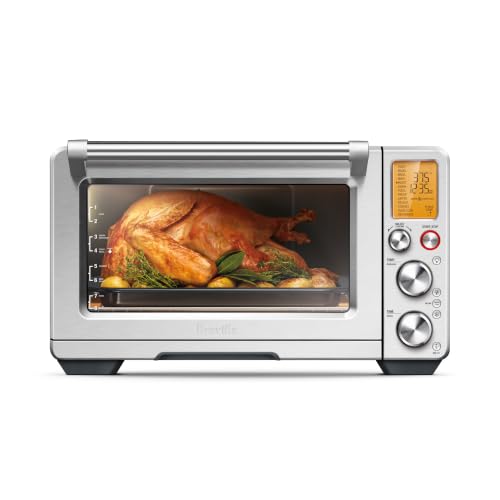
2. Breville Smart Oven Air Fryer Pro
A convection countertop oven that adds air frying to roasting, baking and toasting. It can stand in for a small oven on weeknights. It roasts, bakes and toasts in one box.
Suits: small households. Strengths: many cooking modes. Weaknesses: a big footprint. Skip it if you rarely roast.

Best for cooks wanting a statement oven
3. Wolf Gourmet Elite Countertop Oven
A premium countertop oven from a brand linked with professional ranges. Its look carries the brand’s reputation into a smaller footprint. It aims at cooks who want a professional look.
Suits: cooks wanting a statement oven. Strengths: premium build and design. Weaknesses: a premium commitment. Skip it if you want basic toasting.

Best for frequent rice eaters
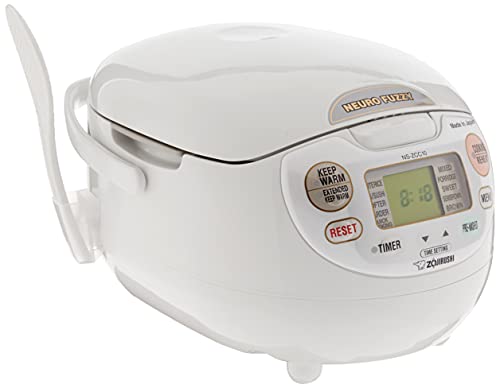
4. Zojirushi Neuro Fuzzy Rice Cooker
A well-regarded rice cooker that uses fuzzy logic controls to adjust cooking. It is a favorite of rice lovers who cook rice often. It keeps rice cooking simple and consistent.
Suits: frequent rice eaters. Strengths: smart controls and consistency. Weaknesses: a dedicated single-purpose machine. Skip it if you rarely cook rice.
Best for espresso enthusiasts
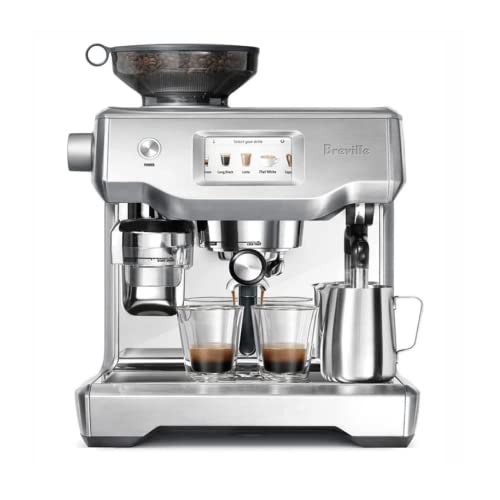
5. Breville Oracle Touch Espresso Machine
A semi-automatic espresso machine with a grinder and touch screen that automates many steps. It offers cafe-style drinks at home. It automates grinding and tamping to make home espresso more approachable, though you still need to learn the milk steps.
Suits: espresso enthusiasts. Strengths: automation with a grinder. Weaknesses: a large footprint. Skip it if you want a simple drip pot.

Best for style-focused kitchens
6. Smeg Retro Style 2-Slice Toaster
A retro-styled toaster in many colors that doubles as decor. It handles bread and bagels, though its main appeal is the look. It is small, but the personality is big.
Suits: style-focused kitchens. Strengths: iconic design. Weaknesses: a style-first design. Skip it if you want basic function.

Care and Setup
- Wipe exteriors with a soft cloth.
- Follow the maker’s guidance on descaling.
- Keep vents clear of obstacles.
- Clean crumb trays and removable parts regularly.
- Store attachments in their own box.
- Unplug before cleaning any appliance.
Mistakes to Avoid
- Buying for looks without measuring.
- Ignoring the maker’s cleaning steps.
- Placing appliances under low cabinets.
- Overloading small ovens.
- Skipping registration of warranties.
- Using the wrong accessory on a mixer.
Deciding What Earns Counter Space
Premium machines make sense when you use them often. Before you spend, list the appliances you reach for every week and the jobs they do. A rice lover who cooks rice several times a week gets more from a dedicated cooker than someone who eats rice once a month. A weekend baker may value a stand mixer more than a person who rarely bakes.
Counter space is limited, and every big appliance competes for it. Ask whether you would leave the machine out or store it in a cabinet. If storing it means you rarely use it, the purchase is hard to justify. Machines that you use daily, such as a toaster or a coffee machine, can reasonably live on the counter.
Be honest about habits. A machine with many functions only helps if you learn to use them. If you prefer simple cooking, a high-end tool with a long manual may frustrate you. If you enjoy projects and tinkering, a more advanced machine can be rewarding.
- List what you use every week.
- Decide whether the machine will stay out or be stored.
- Match complexity to how much you enjoy learning a tool.
Measuring Space, Power and Ventilation
Big appliances need more than floor space. Measure width, depth and height, then add clearance. Many countertop ovens and espresso machines need room at the back and sides for airflow, and they should not sit under low cabinets, where heat and steam can damage the wood. Check the manual for the clearance the maker requires.
Check your electrical setup. High-power appliances such as toaster ovens, kettles and espresso machines can draw a lot of current, and running several on the same circuit may trip the breaker. Plug heavy appliances into separate outlets where possible, and avoid extension cords unless the maker allows them. Look at the cord length so it reaches an outlet without stretching across a walkway.
Weight is also a consideration. A heavy mixer or oven is hard to lift in and out of storage. Pick a spot where it can stay put, and use a non-slip mat if it vibrates. Consider the opening of the door or lid, and make sure it can swing fully without hitting the wall or cabinets.
- Measure with clearance for heat and steam.
- Keep high-power appliances on suitable circuits.
- Check door and lid swing in the planned spot.
Build Materials, Warranty and Repairability
Higher prices often reflect metal housings, better motors and tighter assembly, but not always. Look at what the listing says about construction, such as metal gears, stainless steel cooking parts and sturdy knobs. Plastic is not automatically bad, and some plastic parts are designed for safety or heat resistance, but check how thick and solid parts feel when you can handle them.
Warranty terms matter most on expensive items. Read how long it lasts, what it covers, and what voids it. Some warranties cover motors but not wear parts such as seals, gaskets and bowls. Keep your receipt, register the product if the maker asks, and note the process for claiming repairs.
Repairability is often overlooked. Ask whether replacement parts, such as gaskets, filters, heating elements and attachments, are sold and whether service is available in your area. A machine that cannot be repaired becomes waste when a small part fails. A premium appliance with available parts can last many years, while one without them may not.
- Read what the warranty excludes.
- Check that replacement parts are available.
- Keep receipts and registration details.
Design, Finish and Fit with the Rest of the Kitchen
Appearance is part of why people buy premium appliances, and that is a fair reason. Color options and finishes can tie a kitchen together. Glossy surfaces show fingerprints and splashes, while matte finishes tend to hide marks. Stainless steel is durable but can show smudges. Consider how much wiping you are willing to do.
Think about the rest of the room. A retro look may clash with a modern kitchen, and a bold color may date quickly. Neutral tones are easier to live with, while a standout color can be a feature. If you plan to renovate, choose a finish you can live with through a change in style.
Do not let looks override function. A beautiful toaster that toasts unevenly or a stylish mixer with weak attachments will disappoint. Read the listing for controls, capacity and cleaning access. Check how easy the parts are to remove, since crumb trays, drip trays and bowls need regular washing, and a design that hides dirt is not a plus.
- Glossy shows fingerprints, matte hides them.
- Pick colors you will still like later.
- Do not trade away usability for style.
Maintenance, Descaling and Long-Term Value
Premium machines need regular care to keep performing. Appliances that heat water, such as espresso machines, kettles and steam ovens, collect mineral scale, which reduces performance and can cause failure. Follow the maker’s descaling schedule and use approved solutions. Hard water areas may need more frequent cleaning, or filtered water may help.
Clean removable parts routinely. Crumb trays, drip trays, filters and mixer bowls should be washed according to the manual. Wipe vents and check for blockages. Keep manuals and note the model number for later support. Store attachments in labeled boxes so they do not get lost.
Value depends on use and care. A machine used daily for years can cost less per use than a cheaper one replaced often. On the other hand, a premium appliance used a few times a year costs a lot per use. Replace or repair when performance declines, when safety parts such as cords and plugs are damaged, or when the cost of repair approaches the cost of a new unit.
- Descale water-heating machines on schedule.
- Wash removable parts regularly.
- Judge value by how often you use it.
Planning a Kitchen Around Showpiece Appliances
High-end appliances are often chosen for looks as well as performance, so think about how they will sit in the room before you commit. Walk through the space and decide where each machine will live. Items used daily, such as a toaster or a mixer, deserve a spot on the counter with easy access to power. Heavier machines that are used weekly might sit on a lower shelf or pull-out tray to save your back.
| Appliance type | Where it tends to work best | Planning note |
|---|---|---|
| Stand mixer | Counter near an outlet, or a lift-up shelf | Heavy, so avoid awkward lifting |
| Countertop oven | Counter with clear space above and around it | Needs ventilation clearances from the maker |
| Rice cooker | Near the sink or a dedicated corner | Steam release needs open space |
| Espresso machine | Close to water and a drip tray cleanup area | Requires space for accessories |
| Toaster | Near the breakfast area | Keep crumb tray accessible |
Check the height of your upper cabinets, since steam and heat rise from some appliances. Follow the maker guidance on clearance distances.
Counter Space, Outlets and Circuit Awareness
Premium appliances can draw significant power, and kitchens often have only a few outlets on each circuit. Before you plan to run several at once, check the wattage figures in the manuals. Avoid plugging multiple high-power devices into the same outlet or strip. Never use an extension cord unless the maker says it is suitable.
If you are building or renovating, an electrician can add outlets or a dedicated circuit for heavy appliances. If you are not renovating, spread your use of devices through the day, so the oven, the toaster and the kettle are not all running at once. Keep cords away from hot surfaces and water, and ensure that outlets near the sink are protected as local rules require.
Warranty, Service and Long-Term Ownership
When you invest in a premium appliance, plan for the long term. Read the warranty terms to see what is covered, for how long, and what you must do to keep the coverage valid. Register the product if that is offered, and store the receipt with the manual. Find out whether the maker has a service network or authorized repair centers in your area.
Ask about the availability of replacement parts such as bowls, filters, seals and attachments. A machine with good parts support can serve for many years. Follow the maintenance schedule in the manual, including descaling, cleaning and any recommended servicing. Treating an appliance well is the simplest way to protect your investment.
Everyday Care for Finishes and Surfaces
Stainless steel, enamel, chrome and glossy paint all need slightly different care. Wipe surfaces with a soft cloth and mild soap, and avoid abrasive pads that scratch. Dry the finish to prevent water spots, and follow the maker guidance on cleaning products. Fingerprints on stainless can be removed with a cloth lightly dampened, wiping along the grain.
- Unplug appliances before cleaning.
- Do not immerse electrical bases in water.
- Remove and wash detachable parts as the manual allows.
- Dry everything before storage.
- Keep vents free of dust and grease.
A short wipe after each use keeps the finish looking new and prevents buildup that is harder to remove later.
Deciding What Is Worth Owning
A premium appliance should earn its place. Ask yourself how often you will use it, what it replaces, and whether you enjoy using it. A machine that makes daily life smoother, such as a good toaster or a reliable rice cooker, is easy to justify. A specialized item you use twice a year is harder to defend. Talk to friends who own similar models, read the maker description with care, and think about your habits honestly.
It also helps to begin small. Choose the one appliance that would make the biggest difference, live with it for a while, and add others as your needs become clear. A thoughtful kitchen grows over time, and every piece in it should have a reason to be there.
Noise, Heat and Smell: Living With Strong Machines
Performance machines can be loud, hot or fragrant in ways that a basic model is not. A powerful mixer motor, a steaming espresso unit or a hot countertop oven all change the feel of the room while they run. Think about whether your kitchen opens onto a living area, and whether the noise or the heat will bother anyone nearby. Place hot appliances away from walls and cabinet fronts, and follow the clearance advice in the manual.
New appliances sometimes give off a faint smell during first use, as protective coatings burn off. The manual usually explains what to expect and how to prepare the machine, such as running an empty cycle. Ventilate the room well, and never ignore a strong or persistent odor. If you notice smoke, sparking or a burning smell that does not fade, switch the appliance off, unplug it, and contact the maker.
Gift and Upgrade Questions
Many premium appliances are bought as gifts or as upgrades from older models. For a gift, ask what the recipient already owns, how much space they have and whether they like to cook the kind of food the machine is made for. For an upgrade, think about what the old machine does poorly, and make sure the new one actually fixes it. Consider keeping the old appliance as a backup if you host often.
- What problem would this appliance solve?
- Do I have the space and the power for it?
- Will I enjoy cleaning and caring for it?
- Does the warranty give me confidence?
What High-End Actually Buys Across Different Appliances
This list spans six very different machines — a stand mixer, two countertop ovens, a rice cooker, an espresso machine and a toaster — so it is worth asking what the premium tier means when the products have so little in common mechanically. The answer is consistent across all of them: better temperature control, better build, more thoughtful interfaces, and support that treats the appliance as a long-term possession rather than a disposable gadget. A premium oven holds its temperature honestly, a premium rice cooker manages texture intelligently, a premium mixer feels unstrained at work that would labour a cheap one. You are not paying for a badge; you are paying for the absence of a hundred small disappointments.
The counter-space question
High-end appliances tend to be larger, heavier and designed to live on display, which makes counter planning part of the purchase. Before choosing any pick here, measure the footprint, the height under your cabinets, and the working clearance the appliance needs — room to open an oven door, lift a mixer head, pull an espresso machine’s tank, or let a rice cooker’s steam escape without condensing under a cupboard. The right appliance in the wrong spot becomes an irritation; the same appliance given a proper station becomes the kitchen’s hardest-working square of counter.
Reading the Picks Side by Side
The KitchenAid Artisan Series Tilt-Head Stand Mixer is the baker’s anchor appliance: the familiar tilt-head format with the wide attachment ecosystem, chosen by households whose cooking regularly includes doughs, batters and whipped work, and who value the colour and finish options that let a hard-working machine double as the kitchen’s visual centrepiece. The Breville Smart Oven Air Fryer Pro is the versatility champion, a countertop oven that roasts, bakes, air fries and more, effectively acting as a second oven that heats faster and suits smaller households’ daily cooking. The Wolf Gourmet Elite Countertop Oven aims at the cook who wants countertop convenience with a serious, range-like cooking character and the brand’s cooking-first design priorities.
The Zojirushi Neuro Fuzzy Rice Cooker is the specialist that earns its place by doing one job superbly: its fuzzy-logic cooking adjusts to produce consistent rice across varieties and quantities, which matters enormously in households where rice is a daily staple rather than an occasional side. The Breville Oracle Touch Espresso Machine automates the skilled parts of espresso — grinding, dosing, tamping and milk texturing — while keeping the theatre and quality of a manual setup, suiting drinkers who want cafe results without a long apprenticeship. The Smeg Retro Style 2-Slice Toaster is the design statement of the group, a toaster whose curved retro styling makes it the appliance people notice first, backed by the straightforward browning performance a daily toaster needs.
Choosing among them is really choosing which daily ritual to upgrade. Baking households start with the mixer. Households that roast, reheat and cook small meals constantly get the most from a countertop oven. Rice-centred kitchens feel the rice cooker daily. Coffee households feel the espresso machine hourly. And the toaster is the finishing touch for a kitchen whose workhorses are already sorted — or the first step in building a counter that makes you smile.
Living With Statement Appliances
One station, one job
Premium appliances work best as stations: the mixer with its attachments and bowls within reach, the espresso machine with beans, cups and a knock container beside it, the rice cooker near the rice storage and the serving bowls. Setting up these small ecosystems takes an hour once and pays it back every day, because the appliance is never waiting on a missing accessory stored across the kitchen. It also keeps counters calmer than a random arrangement of machines and their scattered parts.
Cleaning as part of the ritual
Each machine here has a small, specific care routine — crumbs and splashes wiped from ovens while they are still warm but safe to touch, the mixer’s head and bowl washed before dough dries, the rice cooker’s inner lid and steam path cleaned so yesterday’s rice never seasons today’s, the espresso machine’s milk system rinsed the same day, the toaster’s crumb tray emptied before it becomes a smoker. None of these take more than a couple of minutes; all of them are the difference between appliances that look and perform as premium in year five and ones that quietly become ordinary.
When a Countertop Appliance Replaces the Big Oven
One of the quiet revolutions in home cooking is how often a good countertop oven now handles jobs that once meant heating a full-size oven: weeknight roasts for two, reheating leftovers so they crisp instead of steaming, baking a small batch of cookies, roasting vegetables while the main oven is busy with something else. Both the Breville Smart Oven Air Fryer Pro and the Wolf Gourmet Elite are bought with exactly this in mind, and households that cook mostly for one to four people often find the countertop oven becomes the default and the range oven the specialist. The savings are in time and comfort as much as energy: a small cavity heats quickly, does not warm the whole kitchen in summer, and cleans more easily than a full oven after a small, splattery job.
The same logic applies across the list. A stand mixer that handles the dough removes the hardest manual work in baking. A rice cooker that minds itself frees the cook and a hob at the busiest moment of the meal. An espresso machine that automates the fiddly steps turns a weekend treat into a weekday possibility. High-end appliances earn their keep by absorbing work and attention, and the right question for each is not whether it is impressive, but how many times a week it will quietly save you effort.
Buying in the Right Order
Few kitchens acquire all of this at once, and sequence matters. Start with the appliance that touches the most meals in your household — for many that is the countertop oven or the mixer — and live with it until its station and routines are second nature. Add the specialist next: the rice cooker if grains anchor your cooking, the espresso machine if coffee anchors your mornings. Finish with the pieces that are partly about joy and appearance, like the Smeg toaster, once the workhorses are in place. This order means every purchase gets used heavily from the day it arrives, which is the only reliable test of whether the next one is needed at all.
Warranties, service and the long view
Part of the premium proposition is what happens in year three: whether parts exist, whether the maker answers, whether a repair is economically sensible. The brands in this guide have established service networks and parts availability, which is a genuine, if unglamorous, part of what you are buying. Register appliances when you buy them, keep the documentation with the kitchen’s other papers, and treat the first small fault as a service question rather than a replacement trigger. A high-end appliance looked after this way is a decade-long purchase, and its cost per use ends up lower than the cheap appliance replaced three times.
Each Appliance’s Signature Job, Done Properly
The mixer: creaming, kneading and the test of a good sponge
A stand mixer proves itself in the unglamorous fundamentals: butter and sugar creamed to a pale, fluffy mass that gives a cake its lift, egg whites whipped to clean peaks without a tired arm, and dough kneaded steadily while you prepare the filling. Use the mixer at the speeds the recipe intends rather than the fastest available, scrape the bowl for any mixture that matters, and let the machine’s steadiness replace the stop-start rhythm of hand work. That steadiness is the premium difference in practice.
The rice cooker: grains beyond rice
Owners of good rice cookers quickly press them into wider service: other grains, steamed vegetables over the cooking rice, and porridge set up the night before where the machine’s timer allows. The fuzzy-logic cooking that makes the Zojirushi so consistent with rice adapts calmly to these neighbours. Treat the cooker as a grains station rather than a single-recipe gadget and its value in a grain-loving kitchen compounds quickly.
The toaster: the two-minute quality check
A toaster’s whole reputation is decided in two minutes each morning: even browning across the slice, consistent results from the first slice to the second, and crumbs managed without drama. The Smeg’s retro design draws the eye, but it keeps its place in a high-end kitchen only because the daily toast is reliable. Whatever toaster you choose, consistency between slices and between days is the premium trait to test first.
Energy, Noise and the Household Realities
Premium appliances also differ in the background qualities of ownership. Countertop ovens heat a small cavity and so are sparing for small meals. Stand mixers and espresso machines are loud in short, purposeful bursts, which matters in open-plan homes and early-rising households; placing them away from bedroom walls and using them with a little consideration is part of shared-house diplomacy. Rice cookers are the quiet diplomats of the list, working almost silently. None of these qualities appears on a box, yet all of them shape satisfaction across years of daily use, so weigh them alongside the headline abilities when you choose.
Showing Off, Honestly: Design That Earns Its Place
The title of this guide promises appliances worth showing off, and it is worth being clear about what that means in a working kitchen. Display value is not vanity when the appliance is used daily; a machine that looks good gets wiped down, kept ready and used with pride, while an ugly one gets shoved into a cupboard and forgotten. The Smeg toaster and the KitchenAid mixer are the obvious examples here — their designs are inseparable from their appeal — but the same applies to the clean lines of the countertop ovens and the composed presence of the Oracle Touch on a coffee station. The kitchens that show off best are not showrooms; they are working rooms where beautiful tools are visibly mid-life, clean, ready and used. Buy the design you will still enjoy looking at while you are scrubbing the oven tray, and it will never feel like a mistake.
One practical tip ties design to daily life: keep the area around a statement appliance clear. A beautiful machine buried under post, chargers and clutter shows off nothing. A two-minute nightly reset of the appliance stations — surfaces wiped, accessories home, cords tidy — is the cheapest interior design decision in the whole kitchen, and it is what separates the kitchens in magazines from kitchens with the same appliances that somehow never look the part.
A Last Check Before You Commit
Before buying any appliance on this list, run three quick tests on paper. First, the week test: count how many times in the last seven days the appliance would genuinely have been used; fewer than three is a warning. Second, the home test: name the exact spot it will live and what currently sits there, because an appliance without a home becomes clutter with a plug. Third, the year test: picture it in three years, mid-service, with a small fault fixed and its routine second nature — if that picture pleases you, the purchase is sound. High-end appliances reward this kind of honesty, because their whole value proposition is long, frequent, satisfying use.
High-End Kitchen Appliance FAQ
Are high-end appliances worth it?
If you use them often, better build and control can improve daily cooking.
Which appliance gives the most daily use?
It depends on your routine. Coffee makers and toaster ovens see frequent use.
Do premium appliances last longer?
Often, but care and use matter. Check warranty terms on the listing.
How much counter space do I need?
These machines are often large. Measure before you order.
How do I know if a premium appliance is worth buying?
Think about how often you will use it and what it replaces. Frequent use of a well-built machine can justify the cost, while rare use usually cannot.
How much clearance do countertop appliances need?
It varies by model, so check the manual. Ovens and espresso machines often need space at the back, sides and top for heat and steam.
Should I buy extended warranties?
Read the maker's warranty first and see what it covers. An extra plan may be useful on costly items, but compare coverage and exclusions carefully.
Why does my espresso machine or kettle need descaling?
Minerals in water build up inside heating parts. Descaling removes them, which helps the machine heat properly and last longer.
Can I run several heavy appliances on one outlet?
This risks tripping the breaker or overheating wiring. Use separate outlets where possible and avoid extension cords unless the maker allows them.
Do premium appliances last longer?
Often, but care and use matter as much as price. Check warranty terms and whether replacement parts are available.
Which finish is easiest to keep clean?
Matte and brushed finishes tend to hide fingerprints, while glossy surfaces show every mark. Removable trays and smooth surfaces make wiping easier.
Is a countertop oven worth it if I already have a full-size oven?
For most households, yes, because the jobs differ more than the names suggest. A countertop oven heats faster, suits small and medium quantities, reheats food with better texture, and acts as a second oven during big cooking days when the main oven is occupied. If you regularly cook for one to four people, it may become your primary oven in practice. It earns its counter space through frequency, which is why it is the first upgrade many kitchens in this guide’s audience choose.
What makes a rice cooker better than cooking rice on the hob?
Consistency without attention. A quality rice cooker like the Zojirushi in this list manages the cooking curve and resting period automatically, adjusting for the amount and type of rice, and then holds it warm properly. Hob rice can be excellent, but it demands the right pot, the right heat judgement and your presence at the crucial moment. In a household eating rice most days, the cooker removes a daily small stress and frees a burner at the busiest time of the meal.
Does an automated espresso machine make real espresso?
A machine like the Breville Oracle Touch automates the preparation steps — grinding, dosing, tamping, and milk texturing — around a genuine espresso extraction, which is why its drinks satisfy people who know cafe coffee. What it removes is the months of practice, not the quality ceiling for everyday drinks. Purists who enjoy the craft may still prefer a fully manual setup; everyone else gets cafe-style coffee on a Tuesday morning, which is the point of the design.
How do I decide between the two countertop ovens in this guide?
Start with how you cook. The Breville Smart Oven Air Fryer Pro leans into versatility and air frying, suiting households that want one appliance to cover the widest range of weeknight jobs. The Wolf Gourmet Elite leans into a serious, straightforward cooking character for those who prioritise roasting and baking performance and the brand’s approach to controls. Then check the practicalities: interior size against your largest regular dish, counter footprint, and the accessories each includes for the way you cook.
Are colourful or retro appliances a risky style choice?
Only if your taste changes faster than appliances wear out. A toaster like the Smeg, or a mixer in a bold colour, commits the kitchen to a look for years, which is a pleasure when the look is genuinely yours and a regret when it was a passing trend. The safe approach is to choose statement finishes for the appliances you love most and neutrals for the rest, so the kitchen has a focal point rather than a competition.
How long should high-end appliances last?
With normal use and basic care, these are long-term appliances measured in many years, not seasons. Longevity depends on the small disciplines: cleaning routines kept, ventilation respected, appliances not run constantly at their limits, and small faults addressed early through the maker’s service route. Buying from established ranges with parts support, as in this list, is what makes that long life realistic rather than hopeful.
Should I buy appliances from one brand to match?
Matching finishes can look calm and deliberate, and sticking with a brand whose service you trust has practical value. But appliances are tools first: the best mixer, the best oven and the best espresso machine for your kitchen may come from three different makers, as this list itself demonstrates. Let performance and your habits choose the tool, and let colour and finish tie the counter together where the option exists, rather than forcing a full suite for appearance’s sake.
Where should statement appliances sit in a small kitchen?
Give the daily appliances the prime counter and let occasional pieces earn storage solutions instead: a mixer on a lift shelf, the toaster in the breakfast corner, the rice cooker near where rice is stored and served. In a small kitchen the discipline is honesty about frequency — anything used less than weekly should justify prime space or move. Premium appliances are heavy, so plan their homes once and properly rather than shuffling them daily.
What is the best first high-end appliance to buy?
The one attached to your most frequent frustration. If baking is limited by hand mixing, the stand mixer. If every weeknight meal waits on the big oven, the countertop oven. If mornings run on coffee you are not enjoying, the espresso machine. Frequency is the multiplier on every premium trait, so the appliance you will use twice a day returns its cost in satisfaction long before the one used twice a month, however impressive the latter may be.
How do I keep stainless and coloured finishes looking new?
Wipe splashes the day they happen with a soft cloth and warm water, dry after washing to prevent water marks, and use only cleaners the maker approves for the finish. Coloured and retro finishes dislike abrasive pads as much as stainless does. The secret is frequency over force: ten seconds daily keeps any of these appliances showroom-clean, while a monthly deep clean is a battle against weeks of baked-on evidence.
Is it sensible to buy a high-end appliance as a gift?
Yes, when you know the recipient’s kitchen and habits well. A stand mixer for a keen baker or a rice cooker for a household that eats rice daily lands as a genuinely useful luxury. The risks are counter space and duplication, so check both before buying, and include the receipt arrangements quietly in case an exchange serves them better. A premium appliance that fits the kitchen will be used for a decade; one that does not becomes an expensive storage problem.
Do high-end appliances hold their value?
They hold their usefulness, which matters more. Established models from the makers in this guide keep parts and service support for years, stay desirable second-hand because buyers know the names, and most importantly keep performing in your own kitchen long after a budget equivalent would have been replaced. Judge the return in years of daily service rather than resale arithmetic, and the premium tier usually wins its own argument.
How do I avoid buying a premium appliance I will not use?
Track the frustration before you track the products. For one week, note every moment you wished a task were easier, faster or better — dough by hand, the oven heating for two portions, rice watched on the hob, coffee from a machine you dislike. The appliance attached to the most notes is your answer, and it will be used because it was bought to solve a recurring problem rather than to complete a look. This small audit prevents nearly every regretted appliance purchase.
Do countertop ovens cook as evenly as full-size ovens?
A good countertop oven cooks small and medium loads very evenly, often more responsively than a large oven because its cavity heats and recovers quickly. Very large items and the biggest baking trays still belong in the main oven, and dishes should be sized to allow air to circulate rather than filling the cavity wall to wall. For the everyday cooking most households actually do, owners in this guide’s audience commonly find the countertop oven becomes the default within a month.
What accessories are worth buying with a premium appliance?
Only the ones attached to a weekly habit: the extra mixer bowl for the baker who makes components in sequence, the rice cooker’s spare inner pot for households that cook grains back to back, the knock box and right-sized milk jug for the espresso drinker. Accessories bought for imagined occasions become storage problems with brand logos. The disciplined rule is to live with the appliance for a month and let real friction, not a catalogue, nominate each addition.
How do I introduce a new appliance into a busy household’s routines?
Give it one clear job in its first week — the morning toast, the Friday dough, the daily rice — and let it become the obvious tool for that job before asking it to do more. Appliances that arrive with a defined role settle in; appliances bought for everything at once often end up doing nothing in particular. A month of one honest job tells you exactly what the appliance is worth to your kitchen.
The Short Version
For baking, the KitchenAid Artisan. For versatility, the Breville Smart Oven. For a statement oven, the Wolf Gourmet. For rice, the Zojirushi. For espresso, the Breville Oracle Touch. For style, the Smeg toaster. Check the size on each listing. Before you buy, decide which of these machines you will really use every week, then measure your counter, your outlets and the space above them. Premium appliances reward regular use and proper care, and they lose their charm quickly if they spend the year in a cabinet. Read the warranty terms on each listing too. A short test of the controls, if you can handle one in a shop, is worth the trip.