The best kitchen appliances are the ones you use every week. A stand mixer, a multi-cooker, a toaster oven, a food processor, an air fryer and a rice cooker each take on a different job and cover a surprising share of home cooking. Choosing a few well-made appliances beats filling a cabinet with gadgets used once.
The six picks below are long-running models from well-known brands. We have not used these products ourselves, so confirm the capacity, wattage and accessories on the current listing before buying. Sizes and bundles vary, and each appliance is best chosen around the way you cook and the counter space you have. A good test is to picture a normal week of meals and ask which machine would earn its place. If you bake on weekends, the mixer pays off; if you cook after work, a multi-cooker or air fryer saves effort. Keep in mind that bigger is not always better, since a large appliance that never leaves the cabinet is not a bargain.
As an Amazon Associate we earn from qualifying purchases. Links below are affiliate links, and they do not change the product information we give.
What to Look For
| Feature | Why it matters |
|---|---|
| Frequency | Buy appliances for jobs you do weekly, not yearly |
| Capacity | Match it to the household size you cook for |
| Footprint | Countertop space is limited; measure before buying |
| Cleaning | Dishwasher-safe parts make daily use easier |
| Support | Well-known brands tend to have parts and guidance |
In this guide
Specs at a Glance
| Appliance | Type | Brand | Notes |
|---|---|---|---|
| KitchenAid Artisan Series Tilt-Head Stand Mixer | Stand mixer | KitchenAid | Many attachments available |
| Instant Pot Duo 7-in-1 | Multi-cooker | Instant Pot | Pressure cooker, slow cooker and more |
| Breville Smart Oven Pro | Toaster oven | Breville | Convection and presets |
| Cuisinart Custom 14 Food Processor | Food processor | Cuisinart | Large work bowl |
| Cosori Air Fryer | Air fryer | Cosori | Basket-style |
| Zojirushi Neuro Fuzzy Rice Cooker | Rice cooker | Zojirushi | Fuzzy logic control |
The 6 Best Kitchen Appliances
Top pickBest for bakers and dough makers
1. KitchenAid Artisan Series Tilt-Head Stand Mixer
A classic stand mixer for doughs, batters and whipping. The tilt-head design and optional attachments make it a versatile base for baking and more.
Suits: bakers and dough makers. Strengths: a sturdy, widely loved design. Weaknesses: a heavy machine. Skip it if you rarely bake.
View KitchenAid Artisan Series Tilt-Head Stand Mixer on Amazon

Best for busy weeknight cooks
2. Instant Pot Duo 7-in-1
A multi-cooker that handles pressure cooking, slow cooking, rice and more in one pot. It saves time on soups, stews and beans.
Suits: busy weeknight cooks. Strengths: many functions in one pot. Weaknesses: a learning curve for new users. Skip it if you dislike pressure cooking.

Best for small households
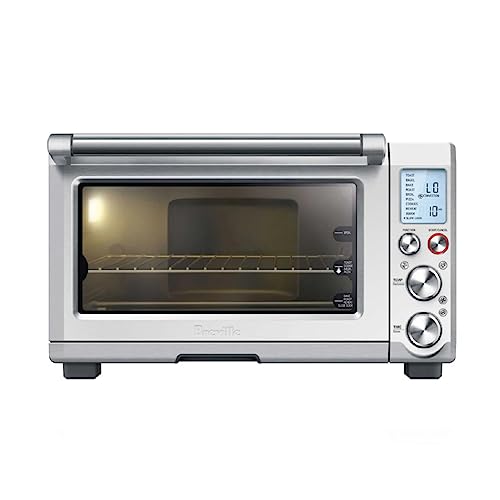
3. Breville Smart Oven Pro
A countertop oven with convection and several presets. It bakes, toasts and roasts small meals without heating a full oven.
Suits: small households. Strengths: a flexible oven in a small footprint. Weaknesses: a large countertop presence. Skip it if you want a basic toaster.
Best for big-batch cooks
4. Cuisinart Custom 14 Food Processor
A large food processor for chopping, slicing, shredding and mixing doughs. It speeds up prep for big batches and meal planning.
Suits: big-batch cooks. Strengths: a roomy bowl and a trusted brand. Weaknesses: many parts to clean. Skip it if you cook for one.
View Cuisinart Custom 14 Food Processor on Amazon
Best for crisping and reheating
5. Cosori Air Fryer
A basket-style air fryer that crisps fries, vegetables and chicken with little oil. Look at the listing for the capacity that suits your household.
Suits: crisping and reheating. Strengths: fast heating and a simple basket. Weaknesses: a loud fan. Skip it if you rarely fry.
View Cosori Air Fryer on Amazon
Best for rice-heavy households
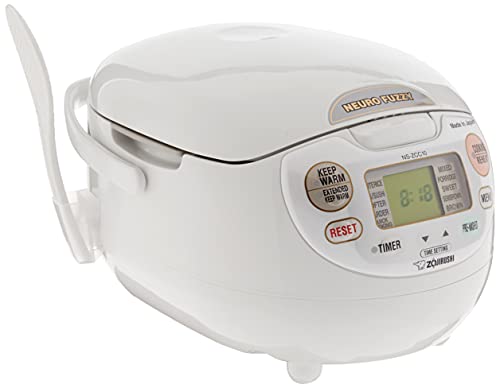
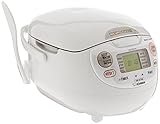
6. Zojirushi Neuro Fuzzy Rice Cooker
A Japanese rice cooker with fuzzy-logic control that adjusts cooking for consistent results. It is a favorite of rice-heavy households.
Suits: rice-heavy households. Strengths: even cooking and reliable results. Weaknesses: a niche use. Skip it if you rarely cook rice.
Care and Setup
- Read each manual before first use and keep it handy.
- Clean after each use so residue does not build up.
- Keep cords clear of hot surfaces and water.
- Give air fryers and ovens space to ventilate.
- Wipe down the exterior and the controls so grease does not collect on buttons.
- Keep the original box if you have room, in case you need to return or move the appliance.
Mistakes to Avoid
- Buying an appliance you will rarely use.
- Ignoring counter space and cabinet space.
- Overloading a motor or basket.
- Skipping the capacity check on the listing.
Plan Around How You Actually Cook
The best way to avoid wasted money on appliances is to audit your habits before you shop. Keep a quick list for two weeks of what you cook and what slows you down. If dinners are rushed and mid-week, a multi-cooker or air fryer may save the most effort. If you bake on weekends, a mixer is more valuable. If you cook rice several times a week, a dedicated rice cooker earns its place quickly. If you rarely cook from scratch, a toaster oven might handle most of your reheating and small meals.
Ask what each appliance would replace. A good appliance reduces the work of another tool, whether that is a pot, an oven, a hand whisk or a trip to buy takeout. If a new machine would only add another way to do something you already do well, think twice.
Think about frequency and effort. An appliance that is quick to set up and clean gets used. One that needs lengthy assembly or a deep clean after every use tends to end up in a cabinet. Consider the household too: a single person has different needs from a family of five, and children, dietary needs and schedules all shape what is practical.
Finally, start small. Buy one appliance that solves a real problem, use it for a month, and only then add another. Resist bundles and gadgets that promise to do everything. A short list of tools you reach for often will serve you better than a crowded counter.
Counter Space, Storage and Power Planning
Appliances take up physical space and electrical capacity, and both deserve planning. Measure the width, depth and height of each machine, including the space it needs to open a lid, tilt a head or vent heat. Then measure the spot where it will live. Remember to leave room around hot appliances such as toaster ovens and air fryers, since they need air to circulate and should be kept away from walls and cabinets, as the manual advises.
Decide which appliances will stay on the counter and which will live in a cabinet. Heavy items, such as stand mixers, are tiring to lift every day, so keep them where you use them. Lighter items you use less often can go in a cabinet, but they must be easy to retrieve.
Check electrical needs. Many appliances draw a lot of power, and running several high-power appliances on the same circuit can trip a breaker. Plug heavy-draw machines directly into a wall outlet instead of a power strip or extension cord unless the manual says otherwise, and avoid using several at once on the same circuit. If you have a small or older kitchen, check how many outlets are available and where they are.
Other things to consider include cord length, which affects placement, ventilation, noise, and whether the appliance sits under a cabinet where steam or heat could cause damage. Planning the layout in advance helps you avoid awkward arrangements.
Capacity and Household Size
Appliance capacity is a common source of regret. A multi-cooker that is too small forces batch cooking, while one that is too large wastes energy and space for small meals. Match capacity to the number of people you usually cook for, and consider how often you host guests or batch-cook for the week.
For example, a rice cooker sized for a family can still make small amounts, but results may vary at very small quantities, so check the manual for minimum amounts. A food processor with a large bowl handles big batches but can be awkward for small jobs, and some have smaller inner bowls. An air fryer with a small basket can cook a meal for one or two, but you may need to cook in batches for a family. A toaster oven’s interior size determines whether it can fit a pan, a pizza or a whole chicken, so check the interior dimensions on the listing.
When you compare appliances, look at the usable capacity, not only the headline number. Some listings state total volume, which includes space you cannot fill. Where possible, use a measure you can picture, such as what size of pan or dish fits.
If your household changes, capacity needs change too. A single person who starts cooking for a partner or growing family may outgrow small appliances. On the other hand, do not buy a huge machine for a future you may not have. Choose for the way you cook now, with a little room to grow.
Cleaning Effort and Parts Availability
How easy an appliance is to clean largely decides how often it gets used. Look for removable parts that are dishwasher safe if you prefer that route, and check whether you must hand wash any of them. Nonstick coatings need gentle care, and lids with gaskets or vents need regular attention. Appliances with lots of small crevices, such as grinders and some blenders, take more time to clean.
A few habits keep upkeep manageable:
- Clean the appliance after each use, while residue is still soft.
- Descale devices that heat water if you have hard water, following the manual.
- Check seals, gaskets and filters on a regular schedule.
- Do not immerse bases or electrical parts in water.
Think about parts and support. Over time, bowls crack, gaskets wear out and attachments get lost. Before you buy, check whether replacement parts, such as inner pots, blades, lids and filters, are available from the maker. A brand with accessible parts and clear service information is easier to live with. Read the warranty terms and keep your receipt and the manual.
Finally, consider repair versus replacement. A simple fix, such as a new gasket or blade, can restore an appliance for a modest cost. Motors, heating elements and electronics are harder to repair, and a failure there may be a sign to replace it. Check recycling options for old electrical items in your area instead of throwing them away.
Safety Habits and Signs It Is Time to Replace
Most appliance accidents come from simple oversights. Read the manual before first use, and follow its limits for capacity, temperature and running time. Keep cords away from hot surfaces, sinks and the counter edge, where they can be pulled. Unplug appliances when you are not using them, especially those with heating elements, and never leave an appliance running unattended unless the manual permits.
Observe how the machine behaves. Signs that something is wrong include unusual smells, smoke, sparks, flickering lights, a motor that struggles, a hot plug or cord, and parts that no longer fit securely. If you notice any of these, stop using the appliance, unplug it and check the manual or warranty guidance. A frayed cord, a cracked housing or a heating element that sparks is a reason to replace the item rather than repair it casually.
Consider these replacement triggers:
- The appliance no longer heats or runs as it did, even after cleaning.
- Nonstick coatings are flaking or peeling.
- Seals leak and replacements are not available.
- Parts are damaged and cannot be replaced.
- The maker has issued a safety notice for your model.
Registering your appliance with the maker, where available, helps you hear about recalls. Keep an eye on official notices, and follow the guidance if one applies. A well-chosen, properly used appliance can last for years, and attention to safety extends that life.
A Checklist Before You Add Any New Appliance
Kitchens fill up with gadgets that seemed like a good idea. Use these questions to decide whether a new appliance will earn its place.
- What job will it do? Name the meals or tasks it will handle each week.
- Does it replace something? A multi-function machine may replace two or three single-purpose ones.
- Where will it live? Measure the counter, shelf or cupboard, including height with the lid open.
- How loud is it? Consider noise if you live in an open-plan space.
- How easy is it to clean? Count the parts you will wash, and check whether they are dishwasher safe.
- What power does it need? Check that your outlets and circuits can handle it, especially with several appliances in use.
- What support exists? Look at the warranty and the availability of spare parts.
Counter, Cupboard and Built-In: Where Appliances Should Live
| Placement | Good for | Consider |
|---|---|---|
| Always on the counter | Items you use daily, like a coffee maker or toaster | Uses space and gets splashes |
| Cupboard or pantry | Weekly or occasional use, such as a slow cooker | Heavy items are tiring to lift |
| Built-in | Ovens, microwaves and dishwashers | Needs planning, and professional installation in many cases |
| Garage or utility room shelf | Seasonal items | Dust, damp and temperature swings |
Using the Manual and Knowing When to Call a Professional
Every appliance comes with a manual, and it holds the most reliable advice about use, cleaning and troubleshooting. Keep manuals in a folder, or save digital copies. Register your appliance if the maker offers it, so you receive safety notices.
Plug-in appliances
Keep cords away from heat and water, avoid overloading outlets and unplug items when you clean them. Do not open or repair electrical parts yourself.
Gas, plumbing and built-in work
Ovens, ranges, dishwashers and refrigerators with water lines call for licensed professionals and the maker installation instructions. Local codes may apply.
Reading a Product Listing With a Cool Head
Product pages emphasize benefits. Look for dimensions, wattage, capacity, included parts, warranty length and care instructions. If you see a claim that sounds too good to be true, find the maker support page for the details.
Make a short list of what matters to you, and rank each choice against it. A simple appliance that you use every day is worth more than a clever one that stays in the box.
Caring for appliances so they last
Clean regularly, descale as directed, use the right accessories and store items dry. Small habits extend life and keep the kitchen safe and pleasant to work in.
A Decision Guide by Cooking Style
A kitchen only has so much counter space, so each appliance has to justify its spot. Think about how you actually cook, then choose from the categories that serve that style.
| If you mostly… | Consider |
|---|---|
| Bake bread, cakes, and cookies | A stand mixer |
| Cook weeknight meals fast | A multicooker or a countertop oven |
| Prep lots of vegetables | A food processor |
| Make rice and grains often | A dedicated rice cooker |
| Want crisp results with little oil | An air fryer |
Counter Space and Storage Checklist
Big appliances can crowd a small kitchen. Run through this list before you buy.
- Measure the width, depth, and height of the space, including clearance under cabinets.
- Check the power cord length and the nearest outlet.
- Decide whether the appliance will live on the counter or in a cabinet. Heavy machines tend to stay out.
- Look at how many attachments or accessories come with it and where you will keep them.
- Make sure the outlet can handle high-wattage devices running at the same time, and avoid overloading a circuit.
Small Habits That Extend Appliance Life
- Read the manual once, then keep it in a drawer.
- Clean after each use according to the maker’s guidance.
- Keep vents clear and leave space for steam to escape.
- Unplug when not in use and wind cords loosely.
Finally, think about the order in which you add equipment. Begin with the appliance that solves your most annoying daily task, use it for a month, and only then consider the next one. This approach prevents the drawer full of single-purpose gadgets that so many kitchens collect. Keep the boxes and receipts for the first few weeks, in case you need to return an item that does not fit your routine or your counter.
How the Six Picks Divide the Work in a Real Kitchen
Look at the six picks together and a pattern emerges: each one owns a job that the others do badly. The KitchenAid Artisan stand mixer handles sustained, heavy mixing that would tire your arms and stall a hand mixer, from bread dough to thick cookie batches. The Instant Pot Duo takes over long, unattended cooking — braises, beans, broths — and compresses it into a fraction of the stovetop time while freeing a burner. The Breville Smart Oven Pro is really a second oven that happens to live on the counter, useful whenever the main oven is occupied, too big for the task, or too slow to preheat for a small tray of food.
The Cuisinart Custom 14 food processor is the prep specialist: slicing, shredding and chopping at a speed no knife work can match, and kneading small doughs when the mixer is busy. The Cosori air fryer covers the crisp-and-fast category — reheating leftovers so they taste fresh, roasting vegetables, cooking frozen foods — with a speed and texture a big oven rarely matches for small portions. The Zojirushi Neuro Fuzzy rice cooker looks like the narrowest pick of the six, yet for households that eat rice several times a week it may be the most used, because it turns a daily side dish into a completely hands-off routine with consistent results.
The practical lesson is to buy for coverage, not for novelty. If two appliances on your wishlist do the same job the same way, one of them will end up in a cupboard. These six overlap very little, which is why the lineup works as a system: prep with the processor, mix with the mixer, pressure cook the main, crisp the side in the air fryer, keep rice warm in the cooker, and use the countertop oven when everything else is spoken for.
A Week of Cooking With This Lineup
On a busy weeknight, the division of labor becomes obvious. Rice goes into the Zojirushi first because it can hold warm without drying out. The Instant Pot handles a chicken stew or a pot of lentils while you are free to do something else entirely. Vegetables destined for crisp edges go into the Cosori, and if garlic bread or a small gratin needs oven space, the Breville takes it without heating the whole kitchen the way a full-size oven does. Dinner comes together with almost no juggling of burners and no single appliance doing a job it is bad at.
Weekend cooking shifts the emphasis. The KitchenAid earns its counter space on baking days, creaming butter and sugar properly, whipping cream without splatter, and kneading dough with a patience no home cook can match by hand. The Cuisinart turns a farmers market haul into prepped ingredients in minutes: shredded cabbage for slaw, sliced onions for a big batch of soup, grated cheese for freezing in portions. Batch cooking for the freezer is where the lineup quietly pays for itself, because each machine removes the tedious part of a different recipe.
Notice what is missing from both days: standing over a pot, reheating leftovers in a way that ruins their texture, and washing a sink full of mismatched tools. Good appliances do not make you a better cook, but they remove friction from the parts of cooking that make people order takeout instead. When you evaluate any of these picks, judge it against your own week, not against an imaginary gourmet routine you will never keep.
Matching Each Appliance to the Cook Who Will Love It Most
The stand mixer suits the baker and the batch cook. If bread, pizza dough, layered cakes or big cookie batches appear in your kitchen even once a month, the KitchenAid Artisan will feel essential; if you bake twice a year, it will feel like furniture. The Instant Pot suits the planner and the weeknight realist — people who like the idea of dried beans without an overnight soak, tough cuts turned tender, and one-pot meals that cook while they do homework, exercise or simply sit down.
The Breville Smart Oven Pro suits households that cook for one or two most nights, anyone whose main oven is unreliable or slow, and anyone who reheats pizza and expects it to taste like pizza. The Cuisinart processor suits cooks who entertain, preserve, or prep in volume, and anyone whose knife skills or patience run out before the onions do. The Cosori air fryer suits snackers, parents reheating food for children, and small households that hate preheating a big oven for a handful of food.
The Zojirushi suits rice households, plain and simple, plus anyone who cooks grains like quinoa or steel-cut oats on a schedule. The honest way to choose among the six is to track a fortnight of your own cooking and count how often each job actually appears. Buy the machine whose job shows up most. Desire is a poor predictor; your last fourteen dinners are a very good one.
Setup Day: Unboxing, First Runs and Breaking In
Every appliance in this guide rewards a slow first hour. Wash removable parts before first use, run water-only or empty first cycles where the manual calls for them, and expect a faint new-appliance smell from heating elements that fades quickly. Register the product if the maker offers it, photograph the model and serial plate with your phone, and save the manual where you can actually find it later — a photo of the key pages is often more useful than the booklet buried in a drawer.
Do a deliberate test run with low stakes. Cook plain rice in the Zojirushi to learn its water line and timing. Run the Instant Pot through a water test so the sounds of pressurizing and releasing stop being mysterious. Toast a single slice in the Breville and check both sides before trusting it with a tray of bruschetta. Pulse a single onion in the Cuisinart to learn how fast it moves from chopped to pureed. These small rehearsals teach you more than any review, including this one.
Finally, decide on homes for cords, attachments and lids before the first real meal. Mixer attachments in a nearby drawer, processor blades stored safely in their case rather than loose, the air fryer basket given a permanent parking spot near the sink for quick washing. Appliances that are easy to put away get put away; appliances that are easy to reach get used. Setup day is when you choose which kind each one will be.
Deep Cleaning Routines That Actually Get Done
The best cleaning routine is the one matched to how the appliance actually soils. The air fryer basket and drawer need a soak after fatty foods, before residue bakes on and starts smoking at the next cook. The Instant Pot sealing ring absorbs odors, so wash it separately, let it dry fully, and consider keeping one ring for savory dishes and another for mild or sweet ones. The rice cooker inner lid and steam vent collect starchy film that quietly affects flavor if ignored for weeks.
For the stand mixer, the real enemies are flour dust in the hinge area and dried batter around the beater shaft; a damp cloth after baking days prevents the gritty buildup that makes the head feel stiff. The food processor bowl and blades should be washed promptly — dried-on food in the blade crevices is the main reason people dread using the machine, and a bottle brush kept nearby solves it. The countertop oven crumb tray, emptied weekly, prevents most smoke and smell complaints blamed on the oven itself.
Set a monthly ten-minute round: wipe heating elements when cool where the manual allows, descale anything that boils water if your water is hard, check cords for damage, and empty and wash every crumb tray, drip pan and filter in the kitchen. Appliances rarely fail suddenly; they decline through accumulated neglect, and nearly all of that decline is reversible with soap, water and a calendar reminder.
Troubleshooting Frustrations Before You Blame the Machine
Most appliance complaints trace back to a handful of causes. Food cooking unevenly in the air fryer usually means the basket was crowded; a single layer with space around each piece fixes it. A pressure cooker that will not come to pressure is usually a sealing ring not seated, a valve left on venting, or too little thin liquid — check those three before assuming a fault. A stand mixer that strains or walks on the counter is almost always being asked to knead too much dough or too stiff a dough for its size; split the batch.
A food processor that leaks is typically filled past its liquid line or assembled with the bowl slightly off its lock. A countertop oven that runs hot often just needs its rack position reconsidered and an inexpensive oven thermometer to translate its dial into reality. A rice cooker producing gummy rice is usually a water-ratio issue or rice that was not rinsed when the variety benefits from rinsing; adjust the water a little at a time rather than changing everything at once.
Keep notes. A sticky note on the cupboard door — the water level that worked, the air fryer time for your favorite frozen snack, the oven rack position for toast — turns the first month of trial and error into permanent knowledge. When something genuinely fails despite all this, that notebook of observations is exactly what customer support will ask you for, and it makes warranty conversations short and productive.
Energy, Heat and Ventilation in a Working Kitchen
Every appliance that cooks also heats the room, and in summer the lineup in this guide is noticeably kinder than a full-size oven. The air fryer and countertop oven concentrate heat in a small cavity and shed less of it into the kitchen, while the pressure cooker keeps most of its heat sealed inside the pot. Planning around this is a small comfort upgrade: on hot evenings, build the meal around the Instant Pot, the Cosori and the rice cooker, and give the big oven the night off entirely.
Ventilation still matters. Steam released from a pressure cooker, moisture from a rice cooker and heat from a countertop oven all rise, and cabinets directly above a steaming appliance suffer over time. Position steam-releasing appliances away from cabinet undersides where you can, run the range hood or crack a window during long cooks, and wipe cabinet faces near the cooking zone during your monthly round. These habits protect the kitchen itself, which is the most expensive appliance you own.
Electrical planning deserves the same calm attention. Countertop circuits in many kitchens are shared, so running the countertop oven and the air fryer at full power on the same circuit at the same moment can trip a breaker mid-dinner. Stagger the heavy draws by a few minutes, plug the biggest appliances into different outlets where the layout allows, and never use lightweight extension leads for heating appliances. None of this is complicated; it is simply the difference between a kitchen designed by habit and one designed on purpose.
Teaching the Household: Shared Appliances, Shared Rules
Appliances last longer and work better when everyone in the house uses them the same way. The household rules worth agreeing are few and simple: lids and seals go back on the appliance or in its spot, not wherever the counter ends; the pressure cooker is never opened until pressure has fully released; the processor blades are washed and stored by the person who used them; and anything that smells wrong, sounds wrong or sparks gets unplugged and reported rather than retried hopefully.
Write the essentials where they will be seen. The water ratio that works for your rice, the air fryer conversion you worked out for your favorite frozen food, the oven rack position for toast — a small card inside the cupboard door above the appliances turns individual discoveries into household knowledge. This sounds humble, and it is, but it is exactly how professional kitchens keep standards across different cooks, scaled down to a family.
Children and guests fit into this system gracefully when the simple tasks are genuinely shared. Measuring rice and water, loading the mixer bowl, pressing the start button on a loaded and lidded machine — these are safe, satisfying contributions that teach the routine. Reserve steam releases, blade handling and hot trays for adults, and the kitchen becomes a place where the appliances serve everyone without anyone needing to be an expert first.
Keeping a Simple Appliance Log
One underrated habit separates households whose appliances serve them for a decade from those whose machines mysteriously disappoint: a simple log. It need not be elaborate — a page in a notebook, a note on your phone, or a card in the drawer with the manuals. Record the purchase date, where the warranty details live, and any setting discoveries that mattered: the rice setting that finally worked, the oven temperature quirk you compensated for, the air fryer timing for the foods you cook most. Future problems become dramatically easier to solve when past observations are written down instead of half remembered.
The log also changes how you shop. When an appliance eventually needs replacing, your notes describe your real usage — how often it ran, what frustrated you, which accessories never left the drawer — and that evidence produces a better next purchase than any amount of browsing. You may discover the replacement should be smaller, or that the feature you paid for last time went entirely unused, or that the humble model outperformed the flagship in your actual kitchen. Manufacturers design for an imaginary average cook; your log describes the real one.
Extend the same page to maintenance. Note when you last descaled, replaced a sealing ring or deep cleaned the oven cavity, and the next round stops depending on memory. Appliances rarely demand much, but they demand it at intervals human memory handles badly, and a two-line note defeats that entirely. It is the least glamorous advice in this guide and, over ten years of ownership, quite possibly the most valuable.
Kitchen Appliance FAQ
Which appliance should I buy first?
The one that matches your most frequent task: a multi-cooker for dinners, a mixer for baking.
How many appliances do I need?
Most households do well with three or four that they use weekly.
Are bundles worth it?
Only if you use the extra pieces; otherwise skip them.
Do these appliances take much space?
Some do. Measure your counter and cabinets before ordering.
How do I decide between a multi-cooker and an air fryer?
Think about what you cook. A multi-cooker suits soups, stews, rice and one-pot meals, while an air fryer crisps and reheats. If you have space for only one, pick the one that matches your most frequent meals.
Is it worth buying the most expensive version of an appliance?
Not always. Pay for features you will use, such as capacity, build quality or easy cleaning. Check what is different between versions on the listing, and avoid paying for extras you will not touch.
Can I plug several appliances into one outlet?
High-power appliances can overload a circuit. Use separate outlets where possible, avoid extension cords for heating appliances unless the manual allows it, and do not run several at once on the same circuit.
How do I store appliances I only use occasionally?
Clean and dry them fully, then store in a cabinet with the cord wrapped loosely. Keep the manual and small parts together in a bag or box so nothing gets lost.
Do I need to read the manual for simple appliances?
Yes, at least for safety, capacity limits and cleaning. Many problems come from using a machine in a way the maker does not recommend. Keep the manual nearby or save a digital copy.
Should I buy appliances in a matching set?
A matching set looks tidy, but function matters more. Pick each appliance for how well it fits your needs. If you like a coordinated look, choose colors or finishes after you have shortlisted the machines.
What should I do with an old appliance?
Check whether it still works and could be passed on, and look for local electronics recycling. Do not put it in regular waste if your area has separate rules. Clear any removable parts and wipe it clean.
How long does it take to feel comfortable with a new appliance?
Most people feel fluent after three or four real uses, provided those uses come close together. An appliance used daily for a week becomes intuitive; the same appliance used once a month feels unfamiliar every time. If you buy one of these picks, plan to use it several times in the first week on simple tasks, and the learning curve largely disappears.
Which of these appliances is the loudest?
The food processor is the loudest in short bursts, and the air fryer fan is the most noticeable over longer cooks. The stand mixer is moderate and varies with speed and load. None should disturb a household through a closed door, but if you cook early while others sleep, the rice cooker and pressure cooker are the considerate choices because they work almost silently.
Can these appliances handle cooking for guests?
Yes, if you assign jobs sensibly. The countertop oven and main oven together cover roasting and baking, the pressure cooker handles a large main or side without attention, and the rice cooker holds a big batch of rice warm through the whole meal. The stand mixer and processor do the heavy prep the day before. Entertaining is where owning complementary appliances, rather than duplicates, pays off most visibly.
What is the smartest order to buy these in?
Start with the appliance that removes your most frequent frustration, then add the one covering the next most common job. For many households that means the air fryer or pressure cooker first, then the countertop oven, then the mixer or processor depending on whether you bake or prep more. Buying in the order of your actual habits means every purchase gets used immediately, which is the real test of a good buy.
Do countertop appliances use a lot of electricity?
Countertop appliances generally use less energy than heating a full-size oven for a small task, simply because the space being heated is smaller and the cooking is often faster. Pressure cooking also shortens cooking time considerably compared with simmering on a stove. Exact consumption varies by model and habit, so the practical rule is to match the size of the appliance to the size of the job.
How do I keep cords and attachments from taking over a drawer?
Give each appliance a small kit: a labeled pouch or box holding its attachments, kept in the drawer or cupboard nearest where the appliance is used. Wrap cords loosely rather than tightly around the unit, which strains the cord over time. If an attachment has not been touched in a year, store it separately in a less prime location rather than letting it crowd the pieces you reach for weekly.
Are these appliances safe around children?
They are standard kitchen appliances, so the usual rules apply: supervise children, keep cords out of reach, treat every hot surface and every release of steam with respect, and let pressure cookers vent fully before opening. Older children can safely help with cold tasks like loading the rice cooker or measuring for the mixer, which is a good way to teach both cooking and caution.
When is repair worth it versus replacement?
Repair makes sense when the fault is a single worn part — a sealing ring, a basket, a blade, a cord — and the motor and body remain sound. Replacement makes sense when performance has declined across the board, when parts are no longer available, or when a newer model would remove a daily frustration rather than just restore the old routine. Checking parts availability before you buy, as this guide recommends, keeps the repair option open for years.
Should I unplug appliances when they are not in use?
Unplugging small appliances you use rarely is sensible, and it is essential for anything you store away. For daily drivers like the rice cooker or countertop oven, a switched outlet you turn off is a practical middle ground. At minimum, unplug before cleaning, before moving an appliance, and during any electrical storm worries — and never pull a plug out by its cord, which damages the cord at its weakest point over time.
How do I stop my countertop oven from smoking?
Almost all countertop oven smoke comes from residue: crumbs in the tray, fat splatter on the walls, or food dripping onto a lower element area. Empty the crumb tray regularly, wipe splatter while it is recent, and use a tray under fatty or drippy foods. If a clean oven still smokes at moderate settings, have it checked rather than assuming it is normal, since persistent smoke from a clean cavity deserves professional attention.
What is the best way to move house with countertop appliances?
Clean and dry everything thoroughly first, because moving boxes and storage turn small residues into smells and pests. Pack blades, attachments and lids inside their own appliance where they fit, cushion glass and ceramic parts separately, and photograph cord and attachment arrangements if a setup was complicated. At the new home, repeat the setup-day routine: test runs, sensible homes for attachments, and a check that the new kitchen’s outlets suit your heaviest combinations.
What should I record when an appliance behaves oddly?
Note the date, what you were cooking, the settings used, and exactly what happened — sounds, smells, error displays, or results that were off. A single odd event is usually a circumstance; a pattern across three logged events is a diagnosis. If you contact the maker, this record turns a vague complaint into a solvable case, and it often reveals the simple explanation yourself before you ever need to call.
The Short Version
For baking, the KitchenAid Artisan. For weeknights, the Instant Pot Duo. For small meals, the Breville Smart Oven Pro. For prep, the Cuisinart Custom 14. For crisping, the Cosori Air Fryer. For rice, the Zojirushi Neuro Fuzzy.