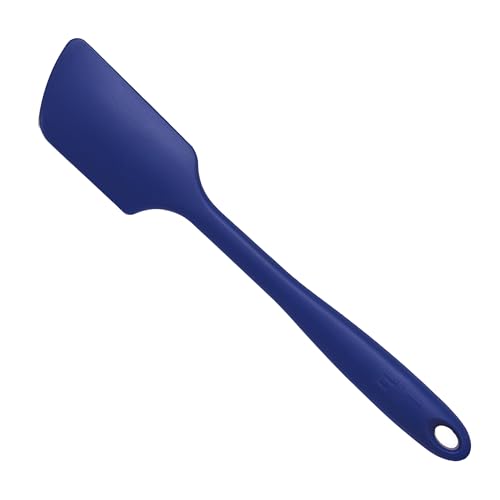
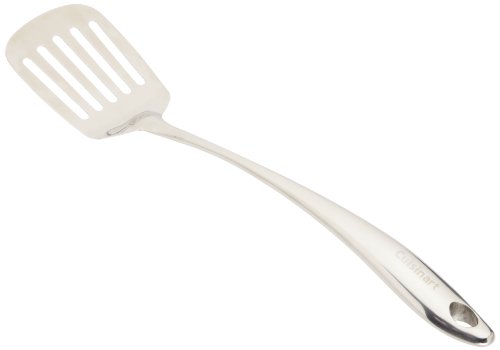
Nylon is a classic material for utensils meant to protect nonstick pans. It is firm enough to flip and stir, but soft enough that it will not scratch a coated surface the way metal does. A nylon set also tends to be light and easy to clean.
The six sets below cover turners, spoons, ladles and spatulas, from single tools to full sets. We compare them on included pieces, heat guidance and how well they fit nonstick pans. We have not used these products ourselves, so please confirm the details, including heat limits, on the current listing before you buy.
As an Amazon Associate we earn from qualifying purchases. Links below are affiliate links, and they do not change the product information we give.
What to Look For
| Feature | Why it matters |
|---|---|
| Heat rating | Nylon softens at high heat, so check the maker’s stated limit |
| Edge | A thin, slightly flexible edge slides under eggs and fish |
| Piece mix | A turner, slotted spoon and ladle cover most tasks |
| Handle | Comfortable, non-slip handles help with control |
| Hanging hole | A hole at the end makes storage tidy |
In this guide
Specs at a Glance
| Set | Material | Size | Notes |
|---|---|---|---|
| OXO Good Grips Nylon Flex Turner | Nylon | Single tool | Flexible edge |
| Calphalon nylon set | Nylon | Multi-piece; check count | Designed for nonstick |
| Rachael Ray nylon tools | Nylon | Multi-piece; check count | Colorful handles |
| Farberware nylon tools | Nylon | Multi-piece; check count | Basic set |
| Chef Craft Select | Nylon | Single tools; check the listing | Simple design |
| KitchenAid Classic nylon | Nylon | Multi-piece; check count | Matching tools |
The 6 Best Nylon Utensil Sets for Nonstick Cookware
Top pickBest for flipping delicate foods
1. OXO Good Grips Nylon Flex Turner
A nylon turner with a thin, flexible edge and a soft, non-slip handle. It slides under eggs, pancakes and fish without scratching, and the long handle keeps your hand away from the heat.
Suits: flipping delicate foods. Strengths: a thin edge and comfortable grip. Weaknesses: a single tool. Skip it if you want a full set.
View OXO Good Grips Nylon Flex Turner on Amazon
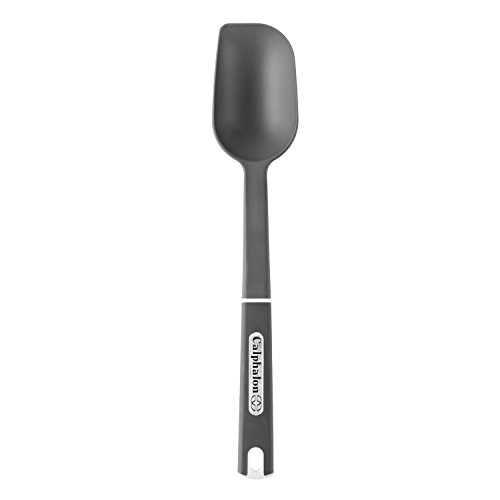
Best for pairing with nonstick pans
2. Calphalon Nylon Kitchen Utensil Set
A multi-piece nylon set from a cookware brand, built to be used with its own coated pans and others. It covers common tasks such as stirring, serving and flipping.
Suits: pairing with nonstick pans. Strengths: a brand tied to cookware. Weaknesses: contents vary by listing. Skip it if you want a single tool.

Best for people who like color
3. Rachael Ray Tools and Gadgets Nylon Set
A set of nylon tools with colorful, grippy handles in the brand’s signature style. It includes the everyday pieces most cooks reach for first.
Suits: people who like color. Strengths: a comfortable grip. Weaknesses: the look will not suit every kitchen. Skip it if you prefer plain tools.
View Rachael Ray nylon set on Amazon
Best for a first kitchen
4. Farberware Nylon Kitchen Tool Set
A basic multi-piece set from a long-established brand, with nylon heads and sturdy handles. It suits shoppers who need a starter collection for everyday stovetop tasks.
Suits: a first kitchen. Strengths: a simple, dependable selection. Weaknesses: heat limits are modest. Skip it if you often cook at high heat.
View Farberware nylon tool set on Amazon

Best for filling gaps in a collection
5. Chef Craft Select Nylon Utensils
Simple nylon tools in a classic style, sold individually in several shapes. The plain design makes it easy to add or replace pieces over time.
Suits: filling gaps in a collection. Strengths: an uncluttered design. Weaknesses: not sold as one big kit. Skip it if you want a matching set.

Best for matching your other KitchenAid gear
6. KitchenAid Classic Nylon Tool Set
A matching set of nylon tools from a major kitchen brand, with handles designed to feel balanced in the hand. It aims to give a coordinated look alongside other KitchenAid items.
Suits: matching your other KitchenAid gear. Strengths: a coordinated set. Weaknesses: contents vary by listing. Skip it if you want separate tools.
View KitchenAid Classic nylon tool set on Amazon
Care and Setup
- Wash by hand or on the top rack if the maker allows.
- Rest tools on a spoon rest, not on the pan edge.
- Keep nylon away from open flames and burner coils.
- Store in a crock or on hooks to prevent bending.
- Replace any tool with melted or chipped edges.
Mistakes to Avoid
- Leaving a nylon tool in a hot pan.
- Using nylon to scrape burnt-on food at high heat.
- Ignoring the heat limit on the label.
- Letting tools sit against a hot burner.
- Keeping tools that are warped or melted.
Nylon, Silicone and Wood: How the Materials Compare
Nylon is one of three common materials for tools that go with coated pans, and each has strengths. Nylon is rigid enough to flip and lift, can be molded into thin edges and is usually light and inexpensive. Its main weakness is heat. It can soften, warp or melt if left against a hot surface or used above the maker’s stated temperature. Silicone tolerates higher temperatures in many designs, is flexible and gentle on coatings, but it can be floppy for heavy lifting unless it has a firm core. Wood is gentle on surfaces, does not conduct heat and has a natural look, but it can stain, absorb odors and crack if soaked or put in a dishwasher.
Which is best depends on the task. Nylon suits turning pancakes, eggs and fish with a thin edge. Silicone suits stirring and scraping sauces and batters. Wood suits long stirring in a pot and is a good choice if you like a classic feel. Many cooks keep a mix.
- Choose nylon for flipping and light stirring at moderate heat.
- Choose silicone if you often cook at higher heat or scrape bowls.
- Choose wood for traditional stirring tools and low-maintenance use.
Read each listing’s temperature rating, because nylon grades differ and the number on the label is the maker’s own.
Heat Ratings and How Nylon Tools Get Damaged
Nylon tools fail more often from heat than from wear, so understanding limits prevents problems. A stated heat rating is the maker’s guide to how hot the tool can be used before it begins to soften. It may be listed in degrees on the packaging or the product page, and if it is not, ask the seller. Remember that the temperature inside a pan can be much higher than what you set on the dial, and the edge of a pan, a burner coil or a flame may be hotter still.
Common causes of melting are resting a tool on the edge of a hot pan, leaving it in a pan while the burner is on, or placing it against a hot element. Nylon turners used for scraping at high heat can deform at the edge. If your cooking style leans toward high heat, consider a tool with a higher stated limit or a different material.
- Rest tools on a spoon rest, not on the pan or burner.
- Do not leave nylon in a hot pan during preheating.
- Keep tools away from open flames and heating coils.
- Replace any tool with softened or melted edges, since fragments could end up in food.
If a tool smells or looks damaged after heating, stop using it. Follow the manual for cleaning and use guidance.
Edge Shape, Flexibility and Tool Types
The shape of a utensil determines what it does well. A turner with a thin, slightly flexible edge slides under eggs, pancakes and fish. A slotted turner lets liquid drain, and a solid one is better for burgers or foods that need support. A wide head covers more surface and supports larger items. A smaller head offers control in small pans. Beveled edges help the tool slide under food without tearing, and rounded corners reduce the chance of scratching coated surfaces.
Stirring spoons and spatulas come in various forms. A flat-edged spatula scrapes the pan corners, a spoon with a deep bowl moves liquids, and a ladle portions soups and sauces. A slotted spoon drains boiled foods. Check the length of the tool, since a short handle can leave your hand near the heat in a deep pan, while a very long handle can feel unwieldy in a small one.
- Choose a thin edge for delicate foods.
- Choose a sturdier head for burgers and heavier items.
- Check that the head is firmly attached to the handle.
- Look for a hang hole or hook for storage.
Having a turner, a spoon, a slotted spoon, a ladle and a spatula covers most tasks, but you can start with fewer tools and add as needed.
Handles, Grip and Everyday Comfort
Handles affect safety and control. A grip that stays comfortable and secure when your hand is wet or greasy helps you avoid slips. Many tools have molded or rubberized grips, while others have all-nylon bodies. Handles that are too thin may fatigue your hand, and those that are too bulky can feel awkward. Look for a shape that suits your grip style and hand size.
Heat transfer through the handle is another point. Nylon does not conduct heat as much as metal, but a long dip into a hot sauce can warm the handle. A handle with a gap between the head and your grip helps. Consider also how the handle meets the head, since a joint can trap food and moisture. One-piece designs are simpler to clean.
- Test the grip with wet hands if you can.
- Look for a balanced weight so the tool does not tip in the pan.
- Check that handle materials are rated for the heat you use.
- Choose colors or labels that help you pick the right tool quickly, if you like.
Left- and right-handed cooks usually use these tools equally well, but angled turners may suit one hand more naturally, so check the listing.
Cleaning, Storage and When to Replace Tools
Nylon tools are easy to clean but benefit from a few habits. Wash them soon after use in warm, soapy water, or place them in the dishwasher if the maker says it is safe, usually on the top rack away from the heating element. Stains from tomato sauce and turmeric can be reduced by washing promptly. Some tools hold odors, so wash thoroughly and dry them completely.
Store them where they will not bend. A crock keeps them upright, hooks keep them straight and a drawer works if there is room. Avoid pushing them against a hot oven or a stove, and keep them away from sharp knives that can nick the edges.
- Check the edge for nicks that could scratch a pan.
- Replace tools that are warped, melted, stained beyond cleaning or cracked.
- Look for loose heads on multi-piece designs.
- Replace worn tools as part of your regular kitchen refresh.
Nylon tools are inexpensive and treated as consumables by many cooks. If you use them heavily or cook at high heat, they will wear sooner. Compare sets by contents and ratings, and replace tools that no longer protect your pans.
Why Utensil Material Matters on Nonstick Surfaces
A nonstick coating is a thin layer, and it can be scratched by hard tools. Metal turners and forks can scrape away the surface over time, which may reduce performance and shorten the life of the pan. Nylon is softer, so it is a common choice for coated cookware. Silicone and some wood tools are also gentle options. Whatever you choose, read the pan maker’s own advice about which utensils to use.
Nylon does have limits. It can soften or melt when it touches very hot surfaces, so avoid resting a spoon on the rim of a hot pan. Look at the heat limit stated by the maker of your utensils, and remember that this number is a maximum for the tool, not a cooking recommendation. If a tool stays in a pan on high heat for a long time, it may warp.
Nylon, Silicone and Wood Compared
| Material | Strength | Watch for |
|---|---|---|
| Nylon | Stiff enough to flip food, gentle on coatings | Heat limit, staining from sauces |
| Silicone | Flexible and heat tolerant | Can feel soft for heavy lifting |
| Wood | Sturdy and kind to surfaces | Needs hand washing and drying |
| Metal | Strong and long lasting | Can scratch coatings |
Many cooks keep a mix of materials. A silicone spatula for scraping, a nylon turner for eggs and fish, and a wooden spoon for stirring thick sauces make a flexible trio.
Which Pieces You Need in a Set
A well-rounded set usually includes a turner, a slotted spoon, a solid spoon, a ladle and a pasta server. Add a whisk or a spatula if you cook batters and sauces. But a large set is not always better, and you may use only a few pieces each week. Think through your usual meals before deciding.
- Turner: eggs, pancakes, fish, burgers
- Slotted spoon: lifting vegetables or eggs from liquid
- Solid spoon: stirring and serving
- Ladle: soups and sauces
- Spatula: scraping bowls and pans
Check that the edges are thin enough to slide under food, since a thick edge can crush delicate items. Make sure the handles are long enough to keep your hand away from heat and comfortable to hold.
Mistakes That Wear Out Utensils Early
Leaving nylon tools resting against a hot burner is the quickest way to damage them. Cutting food inside a coated pan with a utensil edge can leave marks. Soaking for days or washing with abrasive pads can dull the finish. Staining from tomato sauce or curry is mostly cosmetic but can be reduced by rinsing soon after use.
Check tools regularly for melted edges, cracks or rough spots. A chipped edge can scratch your pan or leave bits in the food. Replace damaged pieces rather than keep using them.
Cleaning and Storage
Many nylon sets are dishwasher safe on the top rack, but the maker’s instructions are the final word. Hand washing with warm, soapy water is gentle and works well. Dry them fully, and store them upright in a crock or flat in a drawer, with enough space that handles do not bend. Keep them apart from sharp knives to avoid nicks.
Cooking Tasks and the Tool for Each
It helps to think about the work first, and the tool second. Flipping a fried egg needs a thin, flexible edge. Stirring a soup needs a deep spoon. Serving pasta needs something that grips strands. Scraping a pan needs a flat edge that follows the curve. Having a mental map of tasks makes it easy to see which pieces in a set will earn their space.
| Task | Tool | Tip |
|---|---|---|
| Flipping eggs and fish | Thin turner | Slide under gently to protect the coating |
| Draining boiled items | Slotted spoon | Lift, then rest on a plate |
| Serving soup | Ladle | Choose a deep bowl |
| Turning stir-fry | Spatula or wide spoon | Keep the food moving |
Buying for a Gift or a First Kitchen
A nylon set makes a friendly present for someone setting up a first home, because it covers the basics and works with common cookware. Look for a set with a clear list of pieces, a sturdy hanging hole or holder and handles that feel comfortable. Colors can add fun to a new kitchen.
If you are shopping for yourself, count what you already own. Replacing only the worn pieces may be better than buying a full set. When you do buy, read the maker’s care notes and keep them with the receipt, so you know how to look after the tools for years.
A final thought on comfort: pick up a utensil and imagine stirring a full pot with it for several minutes. A handle that is too thin, too short or too slick turns that into a chore. Rounded edges, a bit of weight at the head and a hole for hanging are small details that make a set pleasant to use every day.
Finally, keep one or two spare tools in a drawer in case a favorite gets damaged. Having a backup avoids the temptation to grab a metal tool in a hurry and scratch a coated pan.
Utensils at Work: The Small Tools That Decide How Cooking Feels
Nobody plans a meal around a spatula, yet the utensils in this guide touch every dish a nonstick pan produces. A turner that slides cleanly under a fish fillet, a spoon that reaches the corner of a saucepan, tongs that grip a sausage without tearing it and a ladle that pours without dripping down the pan side are the difference between cooking that flows and cooking that frays. The sets and pieces here, from the OXO Good Grips nylon flex turner and the Calphalon, Rachael Ray, Farberware, Chef Craft and KitchenAid nylon sets, share one purpose: to work on coated surfaces without damaging them. Within that shared purpose they differ in stiffness, edge shape, handle comfort and how many genuinely useful pieces the box contains.
Nylon’s character defines the category. It is softer than any pan coating, light in the hand, quiet against the pan and forgiving when a cook scrapes a little harder than they should. It flexes, which helps a thin turner slip under delicate food, and that same flex becomes a weakness under a heavy burger or a full pan of roasted vegetables, where the tool bends instead of lifting. Nylon also has a lower tolerance for heat than metal or silicone, so it asks for one firm habit: a nylon tool is a working tool, not a resting tool, and it should never be left sitting in a hot pan or against a hot rim while other jobs are done.
A set should therefore be judged as a small team rather than a count. The turner does the lifting, the spoon does the stirring and serving, the tongs do the gripping, and the ladle and pasta server do their occasional but irreplaceable work. A box with two near-identical spoons and no tongs is weaker than a smaller box whose pieces each own a job. Reading a set list with your own three most-cooked meals in mind will tell you, quickly and accurately, whether its pieces will be in the dishwasher every night or in a drawer every month.
The Core Pieces and Their Real Jobs
- Turner or spatula: lifting eggs, fish, pancakes and burgers; a thin, slightly flexible edge matters most.
- Solid spoon: stirring sauces, serving grains and moving food around a pan without scratching it.
- Slotted spoon: lifting food out of liquid, from poached eggs to vegetables in a pan of their own juices.
- Tongs: turning, arranging and serving; the grip for anything too delicate or too awkward for a turner.
- Ladle: soups, sauces and pancake batter, where controlled pouring prevents mess and waste.
- Pasta server: lifting long pasta and portioning it without a wrestling match.
- Skimmer or slotted turner, where included: draining fried food and lifting items out of shallow oil or water.
Buying Criteria in More Depth
Edge Shape and Flex
The working edge of a turner is its whole reason to exist. A thin, tapered edge slides under food that a blunt edge would push across the pan, and a slight flex lets the blade follow the pan’s surface as it goes. Too much flex, though, and the tool folds under anything with real weight, which is why many cooks keep one flexible turner for eggs and fish and rely on tongs or a firmer turner for burgers and chops. Width matters as well: a wide turner supports a whole fish fillet or a large pancake, while a narrow one is nimbler in a small pan. When a set includes only one turner, its shape decides which jobs the set is genuinely good at, so study that piece first.
Heat Awareness Without Anxiety
Every nylon tool has a heat limit stated by its maker, and the sensible way to treat that limit is as a boundary for contact, not a target to cook at. Brief contact with a hot pan while turning food is the tool’s normal work. Resting on a hot rim, sitting in simmering sauce for the whole cooking time, or being left over a lit burner is misuse, and it is misuse that melts edges, roughens the surface and shortens the tool’s life. Build the simple habit of returning tools to a rest or a cool part of the counter between uses. If your cooking regularly involves very high heat at the pan’s edge, keep a wooden or silicone tool for those moments and let nylon do the gentle majority of the work.
Handles, Balance and Grip
A utensil handle is held with wet, greasy and hurried hands, so shape and texture matter more than appearance. A handle with a little contour or a softer grip section, a direction several makers in this group are known for, stays put in the hand and twists less when a turner is loaded. Length is a balance: longer handles keep hands away from heat and suit deep pans, while shorter ones feel more precise in a small frying pan. Holes or hooks for hanging are a small convenience that becomes significant in a small kitchen, where a utensil rail may be the only storage that keeps tools out of a jumbled drawer.
One-Piece Versus Assembled Tools
Tools moulded in one piece have no joint where water and food can lodge, and they wash cleanly in the sink or dishwasher. Assembled tools, where a nylon head meets a different handle material, can offer a more comfortable grip or a longer reach, but the joint deserves a look: it should be tight, smooth and free of gaps. Either construction can serve well. What matters is that the tool feels solid when it is flexed gently, because a head that wobbles on its handle in the shop will not improve in your kitchen.
Using Nylon Tools Well, Meal by Meal
Technique with soft tools is mostly about angles. Slide a turner in low and flat, letting the pan’s surface guide it, rather than chopping down at food from above. Use the spoon’s edge to reach the corners of a pan where sauces thicken and catch, stirring in a pattern that covers the whole base rather than a circle in the middle. Use tongs as an extension of your fingers, gripping firmly enough to hold and gently enough not to tear, and open and close them a few times away from the pan if they are new to you, because tong control is a small motor skill that improves within one meal.
Heat discipline becomes automatic with a simple station: a small plate, rest or clean section of counter beside the hob where tools land between tasks. That one habit prevents melted edges, keeps handles out of the flame’s path and makes the cooking surface tidier to work at. It also prevents the quieter problem of a tool resting in food at a simmer, absorbing heat along its whole length until its handle is uncomfortably warm and its head has spent far longer at temperature than it was designed for.
At the sink, nylon is undemanding. Most pieces in this group can be washed in warm soapy water or placed in the dishwasher according to the maker’s notes, and stains from tomato, turmeric or curry are cosmetic and fade with washing and light. What nylon does not forgive is storage against heat: a utensil pot kept beside a hot hob, or a drawer under a warming drawer, can slowly warp tools that are never misused at the pan. Store them cool, dry and unforced, and they will keep their shape.
Comparing the Six Options in Practice
The OXO Good Grips entry here is a single, well-focused piece, the nylon flex turner, and it suits a cook who already owns spoons and tongs and simply needs the right tool for eggs, fish and other delicate lifting on nonstick. Buying one excellent turner is often wiser than buying a whole set to obtain one. The Calphalon and KitchenAid sets address the opposite need, a coordinated collection for a kitchen being equipped properly, from makers whose wider cookware many households already own, which appeals to buyers who like handles and styles to match. Between them, piece lists and handle feel are the honest grounds for choosing.
Rachael Ray’s nylon set brings the group’s most expressive styling and a collection shaped around enthusiastic, everyday home cooking, which will suit cooks who enjoy colour at the hob. Farberware’s set is the straightforward, widely available option that has equipped first kitchens for years, easy to understand and easy to add to. Chef Craft’s Select utensils occupy the simple, budget-conscious ground, the kind of pieces bought to fill gaps, equip a second kitchen or replace a worn turner without ceremony. None of these choices is wrong in itself. The mistake is buying a large set when one piece was needed, or one piece when a whole drawer was empty.
Care, Damage and When to Replace a Tool
| Observation | Likely cause | Response |
|---|---|---|
| Edge looks melted or rough | Tool rested in a hot pan or on a hot rim | Replace the tool; damaged edges can scratch coatings |
| Turner bends under ordinary food | Tool is too flexible for that job | Use tongs or a firmer turner for heavy items |
| Persistent stains | Strongly coloured food such as tomato or turmeric | Cosmetic; wash normally and avoid abrasive scouring |
| Handle feels loose at the head | Joint has weakened with use and heat | Retire the tool before it fails in a hot pan |
| Surface feels frayed or fuzzy | Age, heat and wear | Replace it; a rough tool no longer protects the pan |
| Tool has warped in storage | Stored near a heat source or under weight | Store cool and unforced; replace if the edge no longer sits flat |
The replacement rule protects your pans as much as your cooking: a nylon tool in good condition is a coating’s friend, and a melted, frayed or roughened tool is a scratch waiting to happen. Inspect edges when you wash up, and retire damaged pieces promptly rather than demoting them to further use.
Utensils for Every Kind of Cook
The right nylon set depends on the hands and habits of its cook as much as on the pans it will serve, and a few recognisable kitchen types make the choice clearer.
- The daily egg cook: needs one excellent flexible turner above everything else in the drawer.
- The sauce maker: lives by the spoon, and should judge a set by its spoons first.
- The batch cook: needs tongs and a ladle that make large quantities feel manageable.
- The small-kitchen cook: benefits from fewer, multi-purpose pieces that hang rather than fill a drawer.
- The shared-house cook: wants a complete, inexpensive set that everyone can use without instructions.
- The careful cook: will enjoy firmer, well-finished tools and should handle them before buying where possible.
- The gift buyer: should choose a coordinated set matched to the recipient’s pans, not their own.
- The replacement buyer: should buy the single worn piece well, rather than a whole set around it.
Working Technique: Small Skills With Soft Tools
Soft tools reward a slightly different hand than metal ones, and a few small skills make them feel precise rather than floppy at the pan.
- Choke your grip a little closer to the head for delicate work, and further back for leverage.
- Let the pan’s surface guide a turner, keeping its edge low and its angle shallow.
- Support wide food with the whole blade, not its tip, so fillets and pancakes stay whole.
- Use tongs to arrange as well as to turn; placement is half of even cooking.
- Stir sauces in a figure that covers the corners, where thickening and catching begin.
- Tap a spoon on the pan’s edge rather than its rim corner, keeping handles and rims unmarked.
- Rest every tool on a plate or rest between tasks, never across a hot pan.
- Rinse tools promptly after sticky or sugary food, while everything still washes away easily.
What Wears Nylon Tools Out, Ranked Honestly
Nylon tools rarely fail dramatically. They fade through small, repeated mistreatments, most of which are easy to stop once they are recognised.
- Resting in hot pans and on hot rims is the fastest route to melted, roughened edges.
- Propping against a hot oven door or hob grate warps handles stored carelessly mid-cooking.
- Cutting food in the pan with a knife against a turner scars both tool and coating.
- Scrubbing with abrasive pads roughens the smooth surface that makes nylon gentle.
- Storing in a hot place, beside the oven or above a warming drawer, ages tools invisibly.
- Using a flexible turner as a lever for heavy food bends it a little further each time.
- Leaving tools soaking in strong, coloured sauces stains them, though performance survives.
- Dishwasher heat is tolerated by most sets, but repeated rattling against racks dulls edges over time.
Building a Complete Soft-Tool Drawer
A set is a beginning, and most cooks complete their drawer gradually with single pieces chosen for the gaps their own cooking reveals.
- Start with the set whose turner and spoon suit your most-cooked meals.
- Add a second, firmer turner if heavy food bends the flexible one too often.
- Add tongs in a second length if deep pans or the oven shelf feature in your cooking.
- Add a small spatula for jars, bowls and getting the last of a sauce out of a pan.
- Keep a wooden spoon for very hot, long-simmered dishes where nylon should not rest.
- Replace pieces individually as they wear, so the drawer evolves instead of restarting.
- Keep duplicates of the one tool your household reaches for twice in the same meal.
- Review the drawer yearly and retire anything melted, frayed or loose without sentimentality.
A Final Check Before You Buy a Set
A short audit at the point of purchase prevents the commonest disappointment with utensil sets, which is discovering at home that the pieces do not match the pans.
- List your three most-cooked meals and check a named piece in the set against each one.
- Count only pieces with a real job in your kitchen, and ignore the headline number.
- Check tool lengths against your deepest pan and your everyday frying pan.
- Read the maker’s stated heat guidance and be sure your cooking respects it comfortably.
- Look at the turner’s edge and width in photographs, since it is the piece you will judge daily.
- Decide where the tools will live, drawer, pot or rail, and choose handles that suit it.
- Confirm washing guidance matches how your household actually washes up.
- Plan a utensil rest by the hob, the cheapest protector any soft tool can have.
Utensils at Different Ages of Cook
The same drawer serves a teenager learning eggs, a parent cooking nightly and a grandparent with particular hands, and nylon’s lightness and forgiveness suit all three when chosen thoughtfully.
- For learners, a flexible turner and a sturdy spoon cover nearly every early recipe.
- For busy parents, tongs that open and close one-handed are worth more than extra spoons.
- For cooks with weaker grips, a contoured, softer handle is a genuine safety feature.
- For small hands, shorter tools give control that long handles take away.
- For anyone, a tool that feels balanced in the shop will feel right at the hob.
- Let each cook keep a favourite; shared drawers work better with small allowances.
Colour, Staining and Keeping Tools Presentable
Nylon tools live in tomato sauces, curries and berry mixtures, and a relaxed, informed attitude to their appearance keeps them in service longer.
- Expect light-coloured tools to mark; the marks are cosmetic and fade gradually.
- Rinse tools soon after strongly coloured food to keep staining shallow.
- Wash normally rather than scouring, because a roughened surface stains faster next time.
- Keep one darker set for curry nights if appearance matters in your kitchen.
- Store tools dry, since a damp utensil pot breeds smells no washing fully chases.
- Replace a tool for damage to its edge or handle, never merely for its colour.
Serving at the Table With Kitchen Tools
The spoon and turner that cooked the meal often serve it too, and a few habits keep that transition tidy, safe and pleasant for everyone at the table.
- Wipe handles before serving, because a greasy handle at the table is a dropped tool waiting.
- Rest hot tools on a plate or board, never directly on the table surface.
- Choose the slotted spoon when food should arrive without its cooking liquid.
- Let the cook serve the first portions; they know where the pieces are fragile.
- Return tools to the kitchen rather than leaving them sitting in cooling food.
- Wash serving tools with the cooking ones, in the same gentle routine.
A Drawer Audit Worth Doing Once
Once a year, empty the utensil drawer onto the counter and interrogate it; the audit takes ten minutes and usually removes clutter while revealing the one gap worth filling.
- Group the tools by job and notice where duplicates crowd and where gaps sit.
- Flex each turner and inspect each edge for melting, fraying or cracks.
- Check handles and joints for looseness while the tools are clean and dry.
- Retire damaged pieces on the spot rather than returning them to the drawer.
- Note the single tool you reached for and missed most often this year.
- Refill the drawer in job order, with daily tools at the front.
A Note on Tools for Outdoor and Travel Cooking
Nylon utensils travel better than almost any other kitchen tools, which makes a spare set or a retired-but-sound piece worth keeping for picnics, camping and self-catering holidays. They are light, they do not rattle or rust, they will not scratch a borrowed or unfamiliar pan, and they tolerate being washed in a campsite bowl as happily as in a dishwasher. Pack a turner, a spoon and tongs and most outdoor cooking is covered, from eggs in a skillet to vegetables on a portable hob. Keep them in their own roll or bag so edges are protected in transit, and check them on your return for any heat damage picked up around a campfire, where pan rims and grates run hotter than a domestic hob.
Nylon Utensils for Nonstick Cookware FAQ
Why choose nylon over metal?
Nylon is soft enough to avoid scratching coatings, and it is light and easy to handle.
Can nylon melt?
Yes, if it is left on a hot surface or used far above its heat limit. Check the maker’s guidance.
Is silicone better than nylon?
Silicone tolerates higher heat in many cases, while nylon is firmer for flipping. Many cooks use both.
What pieces should a set include?
A turner, a slotted spoon, a solid spoon and a ladle cover most everyday cooking.
Will nylon utensils scratch nonstick pans?
Nylon is generally gentle on coatings, but a damaged or rough edge can still scratch. Check tools for nicks and replace them when worn.
Can I leave a nylon spatula in the pan while it cooks?
It is better not to. Resting it in a hot pan or on the edge can soften or melt it, so use a spoon rest between stirs.
Are nylon utensils dishwasher safe?
Many are, but it varies by product. Check the listing or label, and place them on the top rack if the maker allows.
What should I do if a nylon tool melts a little?
Stop using it and replace it. Make sure no fragments remain in the pan or food, and clean the pan carefully.
Is silicone better than nylon for high heat?
Many silicone tools list higher temperature limits, but ratings vary. Compare the stated limits on each product.
How many utensils do I need for nonstick cookware?
A turner, a spoon, a slotted spoon and a ladle cover most tasks. Add a spatula or tongs if you need them.
How can I remove stains from nylon tools?
Wash them promptly, and try a paste of baking soda and water on stubborn marks. Avoid abrasive pads that could roughen the surface.
Can I use nylon tools on pans other than nonstick?
Yes. Nylon is safe on enamel, steel and iron too, though its flex and heat limits still apply. Many cooks use nylon as their everyday tools and keep metal only for jobs such as scraping a roasting tray or working on a grill.
Why does my turner struggle with burgers?
A flexible turner made for eggs and fish will bend under a heavy burger. Use a wider, firmer turner for heavy food, or lift with tongs, and keep the flexible piece for the delicate work it was designed for.
How many utensils does a small kitchen really need?
A turner, a spoon, tongs and a ladle cover the great majority of daily cooking. Add a slotted spoon and a pasta server if you cook those dishes often. More pieces than that are about convenience, not necessity.
Do nylon utensils stain permanently?
Strongly coloured foods can leave marks that fade gradually with washing and use. Staining does not affect how the tool performs, and gentle washing is better for the surface than aggressive scrubbing.
Is it safe to put nylon utensils in the dishwasher?
Most makers in this group allow it, but check the notes for your set and place tools where they cannot rest against a heating element. Hand-washing is quick and avoids both heat and rattling damage.
When is silicone the better choice than nylon?
When a tool will spend time at higher heat, such as stirring a pan sauce at a lively simmer or working around a very hot pan edge, silicone’s heat tolerance is more comfortable. For everyday lifting and turning on nonstick, nylon’s firmer edge is often handier.
The Short Version
For a flexible turner, the OXO Good Grips. For a cookware-brand set, the Calphalon. For color, the Rachael Ray. For a basic starter, the Farberware. For single pieces, the Chef Craft Select. For a matching set, the KitchenAid Classic.
Related Guides
- 6 Best Silicone Cooking Utensil Sets for Nonstick Pans (2026)
- 6 Best Calphalon Cookware Sets: Nonstick and Stainless (2026)
- 6 Best Caraway Cookware Sets: Ceramic Nonstick Options (2026)
- 6 Best Ceramic Cookware Sets: Nonstick Pots and Pans
- 6 Best Cuisinart Cookware Sets: Stainless and Nonstick (2026)