Burgundy-style glasses are a good fit for red wine because the wide bowl gives the wine room to breathe and gathers its aroma. They are made with Pinot Noir in mind, but they also flatter other light and medium reds. Choosing between them comes down to bowl size, glass weight and how much care you are willing to give.
The six glasses below focus on red wine and range from fine crystal to everyday durable glasses. We have not used these products ourselves, so confirm the capacity, pack size and care instructions on the current listing before you buy. If you pour mostly one style of red, match the glass to that wine. Many people find that one good red wine glass covers most bottles, which makes a set of four or six a sensible buy.
As an Amazon Associate we earn from qualifying purchases. Links below are affiliate links, and they do not change the product information we give.
What to Look For
| Feature | Why it matters |
|---|---|
| Bowl size | Room to swirl helps young reds open up |
| Weight | Light glasses feel finer; heavier ones survive more use |
| Stem or stemless | Stemless is easier to store; stems keep warmth off the wine |
| Rim thickness | A thin rim lets wine flow smoothly |
| Cleaning | Dishwasher safe saves time on big nights |
In this guide
Specs at a Glance
| Glass | Material | Style | Notes |
|---|---|---|---|
| Riedel Performance Pinot Noir | Crystal | Stemmed | Shaped for light reds |
| Riedel O Pinot Noir / Nebbiolo | Crystal | Stemless | Easy to store |
| Riedel Ouverture Red Wine | Machine-made glass | Stemmed | Entry range |
| Gabriel-Glas StandArt | Mouth-blown crystal | Stemmed, all-purpose | One shape for many wines |
| Schott Zwiesel Tritan Forte Burgundy | Tritan crystal glass | Stemmed | Break-resistant |
| Luigi Bormioli Atelier Red Wine | Crystal glass | Stemmed | Dishwasher guidance on listing |
The 6 Best Burgundy Wine Glasses for Red Wine

Top pickBest for light, fruity reds
1. Riedel Performance Pinot Noir Glass
A stemmed crystal glass with a wide bowl, from a line the maker says is designed to bring out wine character. It is a good match for Pinot Noir.
Suits: light, fruity reds. Strengths: a purpose-built shape. Weaknesses: delicate to handle. Skip it if you want a stemless glass.
View Riedel Performance Pinot Noir Glass on Amazon

Best for relaxed drinking
2. Riedel O Pinot Noir / Nebbiolo Tumbler
A stemless version of the Burgundy shape. It sits easily on a shelf or a table and suits casual evenings.
Suits: relaxed drinking. Strengths: easy storage. Weaknesses: your hand warms the wine. Skip it if you prefer a stem.
View Riedel O Pinot Noir / Nebbiolo on Amazon
Best for everyday dinners
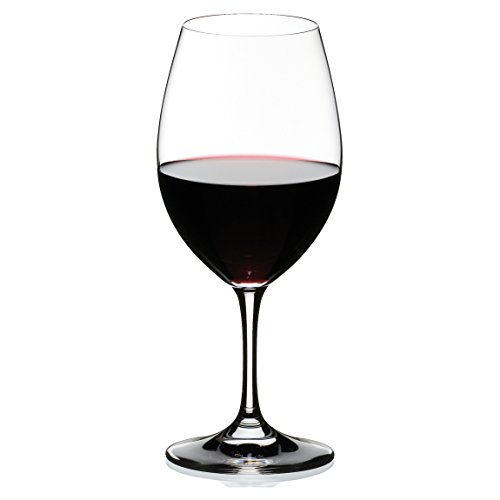
3. Riedel Ouverture Red Wine Glass
An entry-range stemmed glass from Riedel in machine-made glass, with a general red wine shape. It is a simple, approachable set.
Suits: everyday dinners. Strengths: a familiar maker at a gentle step up. Weaknesses: not as fine as crystal. Skip it if you want a Burgundy bowl specifically.
View Riedel Ouverture Red Wine Glass on Amazon

Best for a single glass for all wines
4. Gabriel-Glas StandArt Wine Glass
A mouth-blown Austrian crystal glass designed as a one-shape-for-many-wines option. Its wide bowl works with reds and whites alike.
Suits: a single glass for all wines. Strengths: versatility. Weaknesses: not a pure Burgundy shape. Skip it if you want style-specific glasses.
View Gabriel-Glas StandArt Wine Glass on Amazon
Best for parties
5. Schott Zwiesel Tritan Forte Burgundy Glass
A Tritan crystal glass built to be hardy, with a roomy bowl for red wine. It is a common pick for heavy use.
Suits: parties. Strengths: resistance to chipping. Weaknesses: less ethereal feel. Skip it if you want the thinnest glass.
View Schott Zwiesel Tritan Forte Burgundy on Amazon
Best for modern table settings
6. Luigi Bormioli Atelier Red Wine Glass
An Italian-made crystal glass with a clean, modern shape and a stem sized for red wine service.
Suits: modern table settings. Strengths: a stylish line. Weaknesses: check the bowl size on the listing. Skip it if you need a very large bowl.
View Luigi Bormioli Atelier Red Wine Glass on Amazon
Care and Setup
- Pour only to the widest part of the bowl.
- Wash by hand if the maker advises it.
- Dry with a lint-free cloth, holding the bowl, not the stem.
- Keep glasses upright in the cabinet.
- Use a polishing cloth to remove water spots from the bowl.
- Let a young red sit in the glass for a few minutes before tasting.
Mistakes to Avoid
- Overfilling and losing the aroma space.
- Putting thin crystal in a crowded dishwasher.
- Choosing a glass by looks alone, without checking size.
- Serving every red in the same shape without a thought for the wine.
- Pouring a chilled red straight into a warm glass and warming it too fast.
- Mixing glasses of different heights on the same tray.
Which Reds Suit a Burgundy Bowl
A wide, rounded bowl suits red wines whose charm lies in their aroma. Pinot Noir is the classic match, since the large surface lets delicate scents of fruit, flowers and earth gather in the bowl. Other lighter or more perfumed reds, such as Gamay-based wines and some Nebbiolo styles, can also show well in this shape. If you drink these wines often, a Burgundy glass makes sense as your main red glass.
Fuller, tannic reds like Cabernet Sauvignon or Syrah are usually served in taller glasses with a bit less width, because the shape directs the wine toward the middle of the tongue and tames some of the astringency. That does not mean a Burgundy glass will ruin them; it simply may not flatter them as much. If your cellar is mixed, think about what you pour most. A single Burgundy-style glass, or a flexible all-purpose shape, can cover a household that drinks a bit of everything.
Keep the wine itself in mind. A young, tight red might open up in a big bowl, while an older bottle with fragile aromas can fade quickly if exposed to too much air. Pour a small amount first and see how it develops. The best glass is the one that makes the wine you actually drink more enjoyable, so match the shape to your habits instead of chasing a rule.
Serving Temperature and Pour Size
Temperature changes how red wine tastes as much as the glass does. Reds served too warm taste flat and alcoholic, and reds served too cold taste tight and thin. Light reds such as Pinot Noir often taste best slightly cooler than room temperature, so a short time in the fridge before serving can help. Heavier reds are usually enjoyed a little warmer. Check the producer’s advice when you can.
The glass affects temperature, too. A wide bowl has a larger surface and warms the wine faster, especially when you hold the bowl. If you want to keep the wine cooler for longer, hold the stem or the base, and pour smaller amounts more often rather than filling the glass. Stemless glasses transfer your hand warmth directly, so they suit casual drinking more than careful tasting.
Pour size matters for aroma. Fill the glass only to the widest part of the bowl, leaving space above for scents to gather and for swirling without spills. A generous pour looks nice but suppresses the aroma and warms quickly. If you are serving guests, a modest first pour lets people top up as they like. Keep the bottle nearby, and consider a wine thermometer if you are curious about temperature.
Aeration, Decanting and Letting Wine Open
Many reds improve with a little air. A wide bowl gives the wine more contact with air, which can soften tight young wines and release aromas. Swirling the glass speeds this up, but it works best when the bowl is large enough to swirl without spilling. If a bottle seems closed or sharp at first, give it some time in the glass and taste it again after a few minutes.
Decanting is another option. Young, structured reds may benefit from an hour or so in a decanter, and wines with sediment need to be poured carefully off the deposit. Old, delicate bottles usually need little time and can fall apart if exposed to too much air, so taste along the way. Not every wine benefits from decanting, and the same applies to glass shape.
Do not rely on the glass alone to fix a poor wine. A good glass shows what is there, for better or worse. Use your nose first, then taste, and notice how the wine changes. If it opens beautifully, you can pour more. If it fades, drink it sooner. Keep a notebook if you like to track how different bottles respond to different pours and glass styles.
Stemmed or Stemless in Daily Use
The choice between stemmed and stemless is as much about lifestyle as wine. Stemmed glasses keep your hand away from the bowl, which keeps fingerprints off and prevents warming. They look elegant on a table and feel more formal. The downside is that stems are the weakest point, and tall glasses need more space in cabinets and dishwashers.
Stemless glasses are sturdier, stack more easily and are less likely to tip. They suit casual meals, small kitchens and households with children or pets. The tradeoff is that you will warm the wine with your hand and smudge the bowl. If you like to chill a red slightly, a stemless glass will lose its coolness faster.
Some people keep both: stemmed glasses for guests and special bottles, stemless for everyday use. If you have to pick one, think about where you will drink and how you will wash. Check the height against your shelves, and look at the base width for stability. A glass that fits your hand and routine will get used more than a prized glass that sits in a cupboard.
Caring for Your Glasses and Planning a Set
Most breakage happens during washing and drying. Hold the bowl, not the stem, when you dry, and never twist the two parts in opposite directions. Use warm water and a mild soap, rinse well and dry with a lint-free cloth. If the maker allows the dishwasher, use a gentle cycle, space the glasses so they do not touch and avoid heavy detergent that can cloud the surface. Check the listing for guidance on your specific glass.
Cloudiness can come from hard water or detergent residue. A soak in a mild vinegar solution may help with water deposits, though you should confirm that it is safe for your glass type. Keep the glasses upright in the cabinet so the rim stays protected. Avoid storing them near strong smells, which can linger in the bowl.
When buying a set, think about your usual gatherings. Four or six glasses cover most dinners, while larger parties may need extra. Consider buying one more than you need, because breakage happens. Check that the pack count and capacity are clear on the listing, and think about replacement availability if you pick a discontinued style. A smaller set of glasses you love is better than a large set you rarely use.
Burgundy Glasses for Red Wine FAQ
Can I use a Burgundy glass for Cabernet?
Yes. A larger Bordeaux-style glass is the usual match for Cabernet, but a Burgundy glass will still work.
Stemmed or stemless?
Stemmed keeps your hand away from the wine. Stemless is easier to store and less likely to tip.
Is crystal better than glass?
Crystal is usually thinner and brighter. Tough glass lasts longer in busy homes.
How many should I buy?
A set of four or six covers most dinners. Check the listing for pack count.
Should red wine be served at room temperature?
Many reds taste better slightly cooler than a warm room, especially lighter ones. A short time in the fridge can help. Adjust to your taste.
How full should I fill a Burgundy glass?
Pour to the widest part of the bowl or a little below. That leaves room for aromas and swirling. A generous pour reduces the benefit of the shape.
Do I need a decanter if I have a wide glass?
Not always. A wide bowl helps wine open, but some wines benefit from decanting, especially young structured ones or bottles with sediment. Taste as you go.
Why does my wine taste different in different glasses?
Shape changes how aromas gather and how the wine reaches your palate. Size, rim width and thickness all play a part. Try the same wine in two glasses to notice the difference.
Can I put these glasses in the dishwasher?
Check the listing and the maker's care instructions. Many fine glasses are better washed by hand. If you use a dishwasher, space them out and use a gentle cycle.
How do I remove cloudiness from wine glasses?
Cloudiness may come from mineral deposits or detergent. Gentle hand washing and a mild vinegar rinse can help. Confirm that your glass can take it first.
What size glass is best for everyday drinking?
It depends on your pour and your storage. Larger glasses show more aroma but take more space and break more easily. Choose a size you will actually use.
Bowl Anatomy: Width, Height and Rim Taper
A Burgundy glass looks simple, but three measurements decide how it behaves. The first is the bowl’s widest diameter. A wide belly gives more surface area for the wine, which lets delicate aromatic compounds evaporate and gather in the upper bowl. Pinot Noir is rich in these lighter, floral and fruity volatiles, which is why the shape became associated with it. The second is overall bowl height. A taller bowl gives aromas room to collect before they reach your nose, while a short bowl delivers them quickly but with less layering.
The third, and the one most buyers overlook, is rim taper. A bowl that narrows toward the top acts like a funnel, concentrating aroma at the opening. A glass with a rim nearly as wide as its belly still opens the wine but spreads the scent out. Taper also affects where the wine lands on your tongue when you sip, which subtly changes how acidity and fruit read. Neither choice is correct for every wine, so think of taper as a dial: more taper emphasizes aroma, less taper makes for a more relaxed, casual feel.
Capacity is worth checking as well. Burgundy bowls often hold twenty ounces or more, but you only pour a small amount. A generous bowl lets you swirl without spilling. If you tend to drink a bit faster or entertain in tight spaces, a medium-capacity version in the same family is easier to handle and fits more comfortably on a crowded table.
Thin Rims, Crystal and Durability
Glass thickness changes the experience more than most people expect. A thin rim lets wine flow smoothly onto the tongue with little interruption, while a thick, rolled rim feels heavier and more noticeable. Machine-blown glasses usually have somewhat thicker walls and are cheaper. Mouth-blown or finely machine-finished pieces can be very thin and elegant, but they are more fragile and often cost more per glass.
Material matters for durability. Standard soda-lime glass is inexpensive and fairly resilient to knocks, though it can scratch and cloud with repeated washing. Lead-free crystal, made with minerals such as titanium or zinc oxide in place of lead, can be spun thin while holding strength, and it tends to stay clearer through many dishwasher cycles. Gabriel-Glas, for example, is marketed as lead-free, which is useful if you want crystal clarity without lead concerns. Traditional lead crystal is less common now for drinkware, and many buyers choose lead-free options for everyday use.
If you wash glasses often, consider how the stem connects to the bowl. Pulled stems, formed from one piece of glass, hold up better than stems that are fused on. Look at the foot as well: a wide, flat foot gives stability, while a very small foot makes a tall glass top-heavy. Tall, thin stemware is a common casualty during dishwashing, so check rack height before you commit to a large set.
- Thin rim: elegant, easier pouring flow, more fragile.
- Thicker rim: sturdier for parties and frequent use.
- One-piece stem: stronger and cleaner looking.
Matching Burgundy Glasses to Lighter and Mid-Weight Reds
The Burgundy shape suits more than Pinot Noir. Its wide bowl also works well for other aromatic, medium-bodied wines with moderate tannin and high acidity. Gamay, the grape of Beaujolais, benefits from the extra surface area and shows off its juicy fruit. Nebbiolo, which can be powerfully scented, enjoys the generous bowl, which is why Riedel pairs it with Pinot Noir in some of its ranges. Older reds with delicate aromas also tend to read well in a wide bowl because it lets you chase subtle notes rather than blasting you with alcohol.
Heavier reds with firm tannins, such as young Cabernet or Syrah, are better in a taller bowl with a narrower opening, since the wide Burgundy shape exposes tannin more strongly on the palate. That said, a single good Burgundy glass is a sensible compromise if you own only one style and drink mostly fruit-forward reds. You can use it for lighter whites with more body too, such as aged Chardonnay, where the same generous bowl helps the wine open.
Buying a Set and Giving Glasses as a Gift
Packs of two, four, six and eight are common. Four suits most households and allows for a breakage or two, while six or eight is better if you host dinners. Buying a pack from the same line keeps shapes matched, which matters visually at a table. If you are gifting, check the care instructions and dishwasher safety, and consider including a polishing cloth, since a lovely glass loses its charm quickly with water spots.
If you are unsure between the options in this guide, start with the style you will actually use daily. Sturdy tumbler-style options suit casual drinking, while fine stemware fits dinners and tastings. Buying two of a premium glass plus a larger set of an everyday style is often more useful than a big, uniform premium set.
Choosing Between These Burgundy Glasses for the Reds You Actually Drink
The six glasses in this guide look similar at a glance, because they all share the wide Burgundy bowl, but they suit noticeably different drinkers once you match them to the bottles you open most often. Start by thinking about weight and delicacy in your own cellar rather than about prestige. If most of your reds are young, fruit-forward Pinot Noir and Gamay that you drink within a year or two of buying them, you do not need the thinnest, most specialised bowl to enjoy them. A sturdier everyday glass that survives weeknight washing will get used far more, and a glass that gets used teaches you more about a wine than a fragile showpiece that stays in its box because everyone is nervous about breaking it.
Matching the Picks in This Guide to Different Drinkers
The Riedel Performance Pinot Noir glass is the pick for someone who tastes deliberately, compares bottles side by side and notices small differences in aroma. Its bowl is shaped to lift delicate red fruit and floral notes, so it rewards slower drinking. The Riedel O tumbler removes the stem entirely, which makes it the relaxed option for crowded tables, outdoor meals and homes where glasses get knocked over; you trade a little temperature control, because your hand warms the bowl, for a lot of practical stability. The Riedel Ouverture sits in the middle as a forgiving all-rounder, while the Gabriel-Glas StandArt is the one-glass answer for people who drink both reds and whites and want a single shape that handles both credibly. The Schott Zwiesel Forte Burgundy glass, made from a break-resistant crystal formulation, is the workhorse for households that entertain often and wash glasses in the dishwasher without anxiety. The Luigi Bormioli Atelier brings an elegant, restaurant-like feel at a more approachable level, which makes it a sensible choice for a first proper set.
Troubleshooting Flat Aromas and Harsh First Sips
If a red smells muted in a Burgundy bowl, the problem is rarely the glass itself. Check the pour first: a very small pour in a very large bowl can feel lost, while an overfilled bowl leaves no room to swirl and concentrates alcohol vapour at the rim. Aim for a modest pour, swirl gently for a few seconds, then wait a moment before the first sip so the sharpest vapours clear. Temperature is the second culprit. A red served too warm emphasises alcohol and makes the wine feel flabby, while one served too cold tightens the fruit and exaggerates tannin. A short rest in a cool room, rather than the refrigerator, usually corrects both. Finally, wash residue matters more in a wide bowl than in a narrow one, because the large surface shows every trace of detergent. Rinse glasses in hot water, let them air briefly, and polish with a clean, lint-free cloth before a tasting, and the same bottle will often smell noticeably cleaner and more expressive.
Storage deserves the same realism. Wide bowls do not stack, and forcing them into a crowded cupboard is how rims chip. Store these glasses upright with a little space between bowls, or keep them in the divided box they arrived in if cupboard room is tight. A set that survives is worth more than a larger set that slowly loses a glass every few months.
A Note on Replacing a Single Broken Glass
Breakage is a matter of when, not if, with wide-bowled stemware, so think about replacement before you need it. Open-stock ranges, where single glasses remain available over time, protect a set’s usefulness far better than a boxed set that disappears from sale after a season. When you buy, note the exact range name and bowl size somewhere durable, because Burgundy bowls from the same maker can look nearly identical while differing enough in volume and rim shape to feel mismatched on a set table. If a favourite range is discontinued, replace in pairs and move the odd glasses to everyday duty rather than mixing near-matches at a formal dinner. Treating replacement as part of the original purchase decision, rather than an afterthought, is what separates a set that serves for a decade from one that quietly shrinks into unusability.
Related guides
- 6 Best Crystal Wine Glass Sets: Stemmed Sets for Every Table
- 6 Best Crystal Wine Glasses: Thin-Rimmed Stems to Compare
- 6 Best Decanters for Red Wine: Wide Bases and Easy Pours
- 6 Best Wine Glass Sets: Stemmed, Stemless and Shatter-Resistant (2026)
Frequently Asked Questions
What does rim taper do on a wine glass?
Rim taper is how much the bowl narrows toward the opening. A tapered rim concentrates aromas at the top so they reach your nose more directly, while a straighter bowl spreads them out. It also changes where wine first lands on the tongue, which subtly shifts how acidity and fruit come across.
Is lead-free crystal safe for everyday wine drinking?
Lead-free crystal replaces lead oxide with minerals such as titanium or zinc, so there is no lead to leach into wine. It can be spun thin yet strong, which suits daily use. If a maker does not clearly state that its glass is lead-free, check the product description or ask the manufacturer.
Can I use a Burgundy glass for Beaujolais or Gamay?
Yes. Gamay is fruity, aromatic and fairly high in acidity, so it benefits from a wide bowl that lets the scent develop. A Burgundy glass is a common choice for Beaujolais, and a lightly chilled pour in one is a great way to enjoy the wine.
How do I store tall wine glasses without chipping them?
Store them upright on a shelf with enough clearance above, rather than stacked or hanging from the rim in a cramped rack. Keep a small gap between glasses so they do not touch, and avoid placing them near cabinet doors that slam. Stem racks that hold glasses by the foot are a safer alternative.
Why the Burgundy Bowl Works: Aroma, Air and the First Sip
The wide Burgundy bowl is not a stylistic whim. Delicate red wines, Pinot Noir above all, carry their pleasure in aroma more than in power, and aroma needs two things a narrow glass cannot provide: surface area and headspace. A generous pour in a wide bowl exposes a broad surface of wine to air, and the volume of the bowl above the wine gives the released aroma somewhere to gather instead of escaping. When you raise the glass, that gathered aroma reaches your nose in a concentrated form, which is why the same bottle can smell muted from a small glass and expressive from a Burgundy bowl. The glasses in this guide, from the Riedel Performance to the Gabriel-Glas, are all variations on that single physical idea.
Air does a second job in the bowl: it softens. Young, firm reds often arrive with edges, a grip of tannin and a closed smell, and time in a wide bowl lets those edges relax in a way that benefits the first glass from a bottle in particular. This is not magic and it has limits. A wine that is simply closed may need longer than a meal provides, and an old, fragile wine can fade in a big bowl if it sits too long. The practical habit is to pour, swirl gently, smell, and taste early, then follow the wine as it changes across the evening. A Burgundy glass rewards that attention more than any other common shape, which is why drinkers who love these wines tend to become loyal to it.
Swirling deserves a word of technique. Fill the glass less than you instinctively want to, keep the base on the table while you learn, and move the glass in small circles so the wine climbs the bowl without leaving it. The goal is a thin film coating the inside of the bowl, which releases aroma as it settles. In a wide Burgundy bowl that film covers a large area, and the difference in smell before and after a proper swirl is the quickest demonstration of why the shape exists.
Stemmed or Stemless: Settling the Question for Your Home
This guide’s title poses the question directly, and the honest answer is that both forms have a real case. A stem, as on the Riedel Performance, the Gabriel-Glas StandArt, the Schott Zwiesel Forte and the Luigi Bormioli Atelier here, keeps your hand away from the bowl, so the wine stays at the temperature you poured it and the glass stays free of fingerprints across the bowl. A stem also signals a slower, seated kind of drinking, and it lifts the bowl to a height where swirling feels natural. Its costs are fragility and storage: stems snap, tall glasses demand shelf height, and a dishwasher full of stemware is an arrangement problem.
The stemless form, represented here by the Riedel O tumbler, trades a degree of temperature control for durability, easy storage and a relaxed feel. It fits in low cabinets and dishwashers, survives casual handling better, and suits the sofa, the garden and the picnic in a way stemware never will. Its honest cost is warmth: a hand wrapped around the bowl warms the wine, which matters more for a delicate red served cool than many people expect. The workaround is simple, hold the tumbler by its lower part, set it down between sips, and pour smaller amounts more often.
Choose by setting rather than by doctrine. For seated dinners and the wines you most look forward to, stems serve the wine better. For everyday glasses that must survive real life, stemless serves the household better. Many homes end up with both, a small set of stemmed Burgundy glasses for the table and stemless tumblers for everything else, and that combination, using several picks from this guide across the two roles, is not indecision but good sense.
Comparing the Six Glasses in This Guide
Within the stemmed options, the personalities differ clearly. The Riedel Performance Pinot Noir is the specialist, shaped with light reds in mind by a maker that builds its reputation on matching glass to grape. The Gabriel-Glas StandArt is the generalist’s fine glass, one mouth-blown shape intended to handle many wines well, which suits a household that wants a single excellent glass rather than a cabinet of specialists. The Schott Zwiesel Forte is the entertainer’s answer, a Burgundy bowl in Tritan crystal glass chosen for resistance to the knocks of frequent use. The Luigi Bormioli Atelier sits in the comfortable middle, a stemmed red wine glass from a maker with deep experience, suited to regular dinners without ceremony or anxiety.
The Riedel Ouverture is the gentle entry point, machine-made glass in a general red shape for households building a set for everyday dinners, while the Riedel O takes the Burgundy idea stemless for casual settings. A useful way to choose is to ask where breakage and washing actually happen in your home. Glasses die in sinks and dishwashers far more than at tables, so the household that hand-washes happily can enjoy the finer mouth-blown options, while the household that machine-washes everything should let durability lead and pick accordingly, without any sense of having settled for less.
Serving Red Wine Well in a Burgundy Glass
Temperature is the serving detail most often missed with reds. Delicate reds in a Burgundy glass show best when served slightly cool rather than at a warm room’s temperature, since warmth exaggerates alcohol and dulls aroma. If a bottle has been standing in a warm kitchen, a short rest in a cooler place before pouring does more for it than any glass can. Pour a modest measure, roughly a third of the bowl at most, so there is room to swirl and headspace for aroma to gather. A bowl filled to the brim is a spill waiting and a wine that cannot breathe.
Decanting and the glass work together. A young, firm red can be poured into a decanter first to soften, then into the Burgundy glass to express itself; an older wine should be handled gently and may be better poured straight into the glass in small measures, so it is enjoyed as it opens rather than after it has faded. With food, the wide bowl helps delicate reds alongside dishes that would overwhelm them in a smaller glass, because aroma is half of how a wine stands up to a plate. None of this requires expertise, only the willingness to pour smaller, serve cooler and pay attention to the first glass.
More Burgundy Glass Questions Answered
Can I use a Burgundy glass for white wine?
You can, and the Gabriel-Glas in this guide is designed with exactly that flexibility in mind. A wide bowl flatters aromatic whites served not too cold, though a smaller glass keeps a crisp white’s freshness tighter. For a household buying one fine set, versatility is a virtue, not a fault.
How many Burgundy glasses should a set contain?
Four covers most dinners; six covers entertaining with a spare for the breakage that eventually comes. Buy the count you will wash and store comfortably, and if a maker sells singles or pairs in the same line, replacing a loss later is painless.
Why does the same wine taste different in two glasses here?
Because bowl width, rim shape and glass thickness change how much aroma reaches you, how the wine flows onto your tongue, and even how the glass feels in your hand, which quietly shapes judgment. Taste the same pour side by side in the specialist and the generalist from this guide and the difference stops being theoretical.
Are thin, mouth-blown glasses worth the care they demand?
For the wines and occasions you care most about, many drinkers find they are: the lightness and fine rim genuinely change the experience. For Tuesday’s everyday red, they are unnecessary, and reaching for the durable pick instead is wisdom, not compromise.
How should I wash glasses after red wine?
Rinse promptly so wine does not dry and stain, wash in warm water with a little detergent, and polish dry with a lint-free cloth to prevent spots. Red wine left overnight in a fine glass can leave a tide mark that takes soaking to remove, so a quick rinse before bed is a habit worth having.
What is the best first Burgundy glass to buy?
The one that matches your dominant habit: the specialist stemmed glass if you drink Pinot Noir at the table, the durable Tritan option if you entertain often, the stemless tumbler if your drinking is relaxed and your storage is tight. Start with one good set, live with it, and let experience, not marketing, tell you whether a second shape is needed.
Storing Wide-Bowled Glasses Without Losing Them
Burgundy glasses ask more of a cupboard than almost any other stemware, because the bowl is wide, the stem is tall, and the combination wants to tip and knock. Measure your shelf height and depth before buying, as the main guide advises, and then arrange for separation: glasses stored touching will eventually chip each other at the rim, the thinnest and most important part. A simple rule is one finger’s width between bowls, with the glasses you use most at the front so you are not reaching past the fine ones for the everyday ones.
If cabinet space is truly short, that constraint is information: it points you toward the stemless Riedel O in this guide, which stores like a tumbler, or toward keeping a smaller count of stemmed glasses in a safer place, such as a sideboard, rather than cramming a large set into danger. Boxes with dividers suit households that entertain rarely and store between events. Whatever you choose, never stack stemware, never hang fine Burgundy glasses by their bowls in a crowded rack, and carry them one in each hand at most, by the stem or bowl rather than pinched at the rim. Most breakage happens in transit between table, sink and shelf, so slowing down at exactly those moments preserves a set better than any storage product.
Matching the glass to the bottle you are opening tonight
On any given evening, let the bottle make the decision. A delicate, fragrant red you have been looking forward to deserves the specialist glass and a seated pour, served a touch cool in a modest measure. A robust, everyday red for a casual supper is perfectly happy in the durable or stemless pick, where nobody worries about the glassware and the wine can simply be enjoyed. A very old bottle asks for gentleness: the finest glass you own, small pours, and patience as it changes. Reading the evening this way turns a set of glasses from a display into a small toolkit, each shape with its moment, and it is the habit that makes owning more than one style worthwhile rather than redundant.
What to do when a favorite glass breaks
Breakage in a much-loved set feels worse than the arithmetic of one glass, because sets are about matching. If your line is still sold in smaller packs, replace promptly, since patterns and even shapes are revised over time and a glass bought later may differ subtly from the originals. If the line has changed, consider whether the odd glass can take an honorable role, as the cook’s glass in the kitchen or the one used for casual pours, while the matched set stays together for the table. And let a breakage prompt one honest question: whether the glass died in use, which is an acceptable cost of enjoying fine things, or in storage and washing, which better arrangements, of the kind described above, can prevent next time.
Keep one simple accessory with whichever set you choose: a large, soft, lint-free polishing cloth, used for nothing else. Water spots and fingerprints are the daily enemies of a beautiful bowl, and a dedicated cloth, kept clean and handy, makes the difference between glasses that glow on the table and glasses that look tired before the wine is even poured. It costs little, asks nothing, and quietly upgrades every bottle you serve.
Finally, buy the glasses before the special bottle, not after it. A great wine opened in a household that owns only small, thick glasses is a missed opportunity that cannot be recovered once the bottle is empty, while the right glass, bought once and kept for years, is ready for every bottle that follows.
When friends ask why the wine smells so good tonight, the honest answer is usually in your hand rather than in the bottle. That small realization is the beginning of drinking red wine with real attention, and it is available to anyone who pours a favorite bottle into the right bowl and slows down for it.
Keep notes, if you keep them at all, on the glass as well as the wine for the first few months. Recording which glass you used beside what you tasted teaches you your own preferences faster than any general advice, and soon the choice of glass for a given bottle becomes instinctive.
And when you pour for guests, pour yourself the same wine in the same glass. Sharing the exact experience, rather than drinking from a lesser glass in the kitchen, is both better manners and better information about what your guests are actually tasting.
Over a year of such pours, a pattern emerges that no buying guide can give you: the two or three glasses you reach for without thinking. Let that pattern guide any second purchase, and your cabinet will end up containing exactly the glassware your life requires.
That is also the moment to stop buying glassware for a while and simply enjoy what you own. A well-chosen set, used often and cared for calmly, delivers its value in evenings rather than in objects, and evenings are the point.
Keep the box your finest glasses arrived in if you have room for it. For a house move or long storage, nothing protects a wide bowl and a thin stem as well as the packaging designed for exactly that shape.
If space forbids keeping boxes, wrap each glass individually in soft paper and store the set in a single layer, never nested, in the quietest corner of the cabinet you own.
Small protections like these, applied consistently, are why some households hand down a set of glasses while others replace theirs every couple of years.
The Short Version
For a classic shape, the Riedel Performance. For stemless, the Riedel O. For an entry set, the Riedel Ouverture. For one glass for all wines, the Gabriel-Glas. For tough use, the Schott Zwiesel Tritan Forte. For a modern look, the Luigi Bormioli Atelier. Pick by bowl size, stem style and how rough you are on your stemware.
Related Guides
- 6 Best Red Wine Glasses: Bordeaux, Burgundy and Universal (2026)
- 6 Best Wine Glasses for Red Wine: Bordeaux, Cabernet and Burgundy (2026)
- 6 Best Burgundy Wine Glasses: Crystal and Durable Picks
- 6 Best Bordeaux Wine Glasses for Cabernet: Stemmed and Stemless
- 6 Best Port Wine Glasses: Stemmed Crystal and Glass (2026)

