A cobbler cocktail shaker is the three-piece shaker with a built-in strainer and a small cap. It has a large tin, a top with holes and a lid, so you can shake, strain and pour without extra tools. It is the shape most people picture first when they think of a cocktail shaker, and it is forgiving for beginners. Because all the parts live in one piece of kit, a cobbler is also easy to pack for travel, picnics or a party away from home.
The six shakers below cover steel and mixed-material builds. We have not used these products ourselves, so confirm the capacity, material and parts on the current listing before you buy. Cold metal can stick together, so keep a towel and a little patience on hand. The cobbler design is easy to learn, which makes it a good first shaker for home bartending.
As an Amazon Associate we earn from qualifying purchases. Links below are affiliate links, and they do not change the product information we give.
What to Look For
| Feature | Why it matters |
|---|---|
| Capacity | Pick a size that fits two drinks if you serve guests |
| Strainer | Built-in holes should be fine enough to stop ice chips |
| Cap fit | A snug cap prevents leaks while you shake |
| Material | Stainless steel resists rust and chills fast |
| Cleaning | Three pieces wash easily, but check dishwasher guidance |
In this guide
Specs at a Glance
| Shaker | Material | Type | Notes |
|---|---|---|---|
| OXO Good Grips Cocktail Shaker | Stainless steel and plastic | Cobbler | Non-slip grip |
| Cocktail Kingdom Koriko Hybrid | Stainless steel | Hybrid cobbler | Bar-focused build |
| Viski Summit Cocktail Shaker | Stainless steel | Cobbler | Cap doubles as a measure |
| Barfly Cobbler Cocktail Shaker | Stainless steel | Cobbler | Bar supply brand |
| Mixology & Craft Cocktail Shaker | Stainless steel | Cobbler | Often sold in a set |
| Oggi Stainless Cocktail Shaker | Stainless steel | Cobbler | Simple build |
The 6 Best Cobbler Cocktail Shakers

Top pickBest for home bartenders
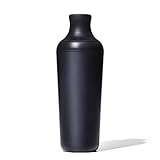
1. OXO Good Grips Cocktail Shaker
A three-piece shaker with a non-slip grip and a built-in strainer. OXO is known for comfortable handles, and this is a practical beginner design.
Suits: home bartenders. Strengths: a comfortable grip. Weaknesses: check the material mix. Skip it if you want all steel.
Best for serious hobbyists
2. Cocktail Kingdom Koriko Hybrid Cocktail Shaker
A steel shaker from a bar-tool brand that bartenders know well. The hybrid design combines a tin with a strainer top.
Suits: serious hobbyists. Strengths: a bar-grade build. Weaknesses: not the cheapest style. Skip it if you want a quick starter.
View Cocktail Kingdom Koriko Hybrid Shaker on Amazon
Best for giftable sets
3. Viski Summit Cocktail Shaker
A stainless steel cobbler shaker from a bar-accessory brand, with a cap that doubles as a small measure.
Suits: giftable sets. Strengths: a neat finish. Weaknesses: the cap measure is small. Skip it if you use a jigger.
View Viski Summit Cocktail Shaker on Amazon
Best for bar-style use
4. Barfly Cobbler Cocktail Shaker
A steel cobbler shaker from a bar supply maker that sells a lot of professional tools.
Suits: bar-style use. Strengths: a plain, durable design. Weaknesses: minimal extras. Skip it if you want a patterned look.
View Barfly Cobbler Cocktail Shaker on Amazon
Best for first bar kits
5. Mixology & Craft Cocktail Shaker
A stainless steel three-piece shaker often sold with other bar tools, which suits people building a kit from scratch.
Suits: first bar kits. Strengths: bundles. Weaknesses: set contents vary. Skip it if you only want the shaker.
View Mixology & Craft Cocktail Shaker on Amazon
Best for everyday drinks
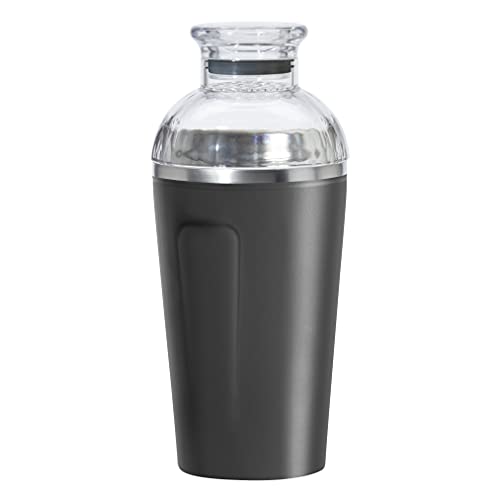
6. Oggi Stainless Steel Cocktail Shaker
A simple stainless cobbler shaker from a home-goods brand, built for ordinary use with a snug cap.
Suits: everyday drinks. Strengths: straightforward design. Weaknesses: fewer features. Skip it if you want a premium finish.
View Oggi Stainless Steel Cocktail Shaker on Amazon
Care and Setup
- Rinse right after use, especially after juice or sugary mixers.
- Dry the pieces before storing them.
- Do not fill beyond about two thirds with ice and liquid.
- Press the cap on firmly, then shake with both hands.
- Wash the strainer top well, since the small holes hold onto pulp.
- Chill the shaker tin with ice water before you build the drink.
Mistakes to Avoid
- Shaking a carbonated drink.
- Leaving the cap on after use, which traps smells.
- Overfilling and causing leaks.
- Forcing a stuck cap instead of tapping it loose.
- Shaking too long and over-diluting a spirit-heavy drink.
- Forgetting to pop the strainer cap off after pouring.
How a Cobbler Shaker Works in Practice
A cobbler shaker has three parts that nest together: a tin that holds the ingredients and ice, a top with a built-in strainer, and a small cap over the strainer holes. You add ingredients and ice to the tin, press the top on, close the cap, and shake. To pour, you pull off the cap and tip the drink out through the holes.
The design suits shaking drinks that contain juice, cream, egg white or syrup, because those ingredients need hard, cold mixing to blend and chill. Stirred drinks made only of spirits, such as a martini-style drink, are usually mixed in a glass with a long spoon instead, since shaking adds more water and cloudiness than you want.
Build the drink with the cheaper or lighter ingredients first and the spirit last if you like, add ice to the tin, then seal. Shake with both hands, firmly, until the outside of the tin is very cold. The point is to chill and dilute to the right degree, not to exhaust yourself, so a short, vigorous shake usually works better than a long gentle one. Pour straight away so the ice does not keep melting into the drink.
Material and Build Choices
Most cobbler shakers are stainless steel because it chills quickly, does not hold flavors and resists rust. Check the listing for the steel finish and thickness, since thin walls can dent and feel flimsy while heavier ones feel more solid in the hand. Some designs add a plastic grip or plastic cap. Plastic parts can improve comfort and insulation but may scratch or stain over time, so check how they attach and whether they are safe for the dishwasher.
Finish also matters in daily use. A brushed or matte finish hides fingerprints and water spots, while a mirror polish looks bright but shows every mark. Plated or colored finishes, such as copper or brass tones, may need hand washing, so read the care notes before you assume they are dishwasher-safe.
Look at how the pieces meet. Parts that fit with a slight taper seal better and are less likely to leak, but they can also lock when cold. A cap with a snug but easy fit is ideal. A strainer with fine, even holes will hold back most ice shards while letting liquid flow, while larger holes pass more pulp and ice. Think about the drinks you make most before choosing.
Choosing the Right Capacity
Capacity is listed in ounces or milliliters, and the number refers to the tin’s volume, not to how much liquid you can shake. Remember that you need space for ice, so a standard cocktail with a couple of ounces of liquid needs a tin that holds considerably more than that. A good rule is to fill it no more than about two thirds with ice and ingredients combined, which leaves room for the contents to move.
- Smaller tins suit one or two drinks, take less cabinet space, and are easy to pack for travel.
- Medium tins are the usual all-round choice for home bartending and handle two drinks at a time.
- Larger tins help when you entertain, but they are heavier when full, harder to grip and slower to chill a single drink.
Think about how you will use it. If you mostly mix one drink after work, a smaller tin is fine. If you host, a larger one saves repeat shakes. Also check that the shaker fits your hand comfortably, since a wide, heavy body is harder to shake for long with smaller hands.
Stuck Caps, Leaks and Other Annoyances
Cobbler shakers have a few well-known quirks, and most are easy to manage once you know why they happen.
- The top sticks. Cold air inside the tin contracts and pulls the top tight. Tap the base of the top with the heel of your hand, or run the outside briefly under warm water. Do not pry with a knife.
- Leaks at the seam. Usually caused by overfilling, an off-center top, or a worn cap. Seat the top firmly and square before you shake.
- Cap pops off. Press it down until it seats, and hold it with a finger while shaking if it feels loose.
- Slow pour. Pulp, egg white or fruit pieces can clog the holes. Rinse the strainer promptly and use a small brush on stubborn spots.
- Drinks taste watery. The shake was too long or the ice was too wet. Use cold, solid ice and shake for a shorter time.
To reduce sticking, avoid cramming the top in with force, and let it sit for a moment after shaking so pressure equalizes. For carbonated mixers, do not shake at all. Build the base drink, strain it, and add the fizzy part at the end, otherwise pressure can push the top off.
Care Over Time and When to Upgrade
A shaker with a simple build can last for years if you rinse it after each use and dry it fully. Sugary and acidic mixers left in the tin can dull the finish or leave a sticky film, and the strainer holes are where residue collects first. If your shaker came with care notes about the dishwasher, follow them, because heat and detergent can cloud some finishes and loosen plastic parts.
Store the pieces separately or loosely nested with the cap off, so moisture can escape and no musty smell builds up. If a smell does develop, a wash with warm soapy water and a dry rinse usually fixes it.
Signs it may be time to replace your shaker include a top that no longer seats cleanly, dents around the rim that cause leaks, rust spots or pitting inside the tin, a cracked or worn cap, and a strainer whose holes have bent or clogged beyond cleaning. When upgrading, think about what annoyed you about the old one: if it stuck, look at a different fit; if it leaked, check the cap and rim design; if the grip felt slippery, look for a textured body. Many people also move to a two-piece style later, but a cobbler remains a practical, all-in-one tool.
Cobbler Shaker FAQ
What is a cobbler shaker?
A three-piece shaker with a built-in strainer and a cap.
Cobbler or Boston shaker?
A cobbler is easier for beginners. A Boston shaker is faster for professionals.
Why does my shaker stick?
Cold metal shrinks and the cap can lock. Tap it with the heel of your hand or warm it slightly.
Do I need a separate strainer?
Not usually. The built-in strainer is enough for most drinks.
How full should I fill a cobbler shaker?
Fill it no more than about two thirds with ice and liquid together. This leaves room for the drink to move and chill properly. Overfilling is a common cause of leaks.
How long should I shake a cocktail?
Shake until the outside of the tin feels very cold, which is usually a short, vigorous effort. Shaking too long can over-dilute the drink. Adjust to your taste and the size of your ice.
Can I put a cobbler shaker in the dishwasher?
It depends on the finish and any plastic parts, so check the product listing or care notes. Hand washing is the safer choice for plated or decorated finishes. Always dry the pieces fully afterward.
Why is my drink leaking from the top?
Usually the tin is overfilled, the top is not seated squarely, or the cap is loose. Seat all parts firmly and check the rim for dents. Worn parts may need replacing.
Can I shake egg white or cream in a cobbler shaker?
Yes, these ingredients benefit from hard shaking. Rinse the strainer straight away afterward, since egg and dairy residue can clog the holes and are harder to clean once dried.
Do I need a jigger as well?
Measuring helps drinks come out the same each time. Some shaker caps double as a small measure, but they may not match your recipes, so a separate jigger is often more accurate.
Is a cobbler shaker good for travel?
Its all-in-one build makes it easy to pack, since there is no separate strainer to carry. Pack it with the cap closed and the pieces dry, and check that the lid is snug so nothing rattles loose.
Cobbler Versus Boston and Other Shaker Styles
The cobbler shaker is the most beginner-friendly style because it is self-contained. A tin, a built-in strainer and a cap all fit together, so you need nothing else to make a drink. That convenience comes with trade-offs, which become clear when you compare it with the other common shakers.
A Boston shaker uses two tins, or a tin and a glass, that seal against each other. It has a larger working volume, is quicker to clean and, with practice, is faster behind a bar. But it needs a separate strainer, and separating the tins takes technique. The Cocktail Kingdom Koriko Hybrid in this guide takes cues from that style. A French or Parisian shaker is a two-piece with a snug lid, offering a neat look but with less straining help.
- Cobbler: all-in-one, easy for home use, can stick when cold.
- Boston: larger, faster, needs a strainer and some skill.
- Parisian: two-piece, stylish, requires a strainer.
If you make a drink or two at a time and want something simple, the cobbler is a sensible choice. If you plan to entertain regularly or want to learn bar technique, a Boston set is worth considering.
Which Drinks Suit a Cobbler Shaker
A cobbler handles the classic shaken drinks well: sours, daiquiris, margaritas, whiskey sours, cosmopolitans and drinks that call for citrus, syrup and a spirit. These benefit from vigorous shaking with ice, which chills, dilutes and aerates the mixture. The built-in strainer holds back ice and most fruit pulp, though fine particles may pass through.
Drinks that do not belong in a shaker include those with carbonated ingredients, since the pressure can build up and force the cap off. Add sparkling wine, soda or beer after shaking, in the glass. Stirred spirit-forward cocktails such as a Manhattan or an old fashioned are normally made in a mixing glass, because shaking clouds them and over-dilutes.
For egg white or cream drinks, many bartenders shake once without ice, called a dry shake, to build texture, then again with ice. A cobbler can do that if the cap is secure. Always hold both the tin and the cap firmly, and avoid overfilling.
Building a Small Home Bar Around Your Shaker
A shaker is only one part of the picture. A few tools make a big difference to results. A jigger for measuring ensures drinks taste consistent from one round to the next. A bar spoon and mixing glass cover stirred drinks. A citrus press helps with fresh juice, which tastes better than bottled. A fine strainer catches pulp and ice chips. Keep a good supply of fresh ice, because small, wet or freezer-flavored ice dilutes quickly and can leave off-flavors.
Start with a short list of drinks you like and buy only the ingredients they need. A simple syrup, a couple of citrus fruits and one or two spirits go a long way. As your skills grow, add bitters and liqueurs. Store open syrups in the fridge and use them within a few weeks.
Finally, pick up the habit of cleaning your tools right away. Sugar and citrus residue dry hard and can leave the cap sticky. A quick rinse, followed by a wash with warm soapy water and a full dry, keeps the shaker working smoothly and free of odors.
Techniques That Improve Every Shaken Drink
Technique matters as much as gear. Fill the tin about two-thirds with ice before you add liquid, so the drink chills fast and the ice does not break apart. Add the cheaper ingredients first, then the spirit, in case you make a mistake. Shake with firm, short strokes for about ten to fifteen seconds, or until the outside of the tin is frosted and cold to the touch. Strain at once, since sitting ice keeps diluting the drink.
Pay attention to dilution. A properly shaken drink gains water from melting ice, which softens alcohol and opens the flavors. Too little shaking leaves it harsh, while too much makes it thin. Use fresh, hard ice from a tray or bag rather than old cubes that smell of the freezer. Pre-chill the glass in the freezer or with ice water, and garnish just before serving. Taste as you practice and adjust sweet or sour with small amounts of syrup or juice. Over time, you will find a rhythm that gives consistent results with any shaker.
One last point on sizing for a crowd: if you regularly make several drinks at once, a cobbler’s small capacity forces you to shake in batches, and the drinks sitting in the glasses warm up while you work. In that case, either shake in two rounds and serve together or consider a larger shaker. For one or two drinks, the cobbler is fine, and that convenience is why it is a favorite at home.
Mastering the Cobbler Shaker: Seal, Shake and Release
Almost every cobbler shaker frustration traces back to one of three moments: the seal before shaking, the shake itself, or the release afterwards. Before any ice goes in, dry the rim of the tin and the inside of the cap with a towel; a wet, sticky rim is the usual cause of both leaks and a cap that later refuses to move. Assemble the shaker in order, press the top down firmly and evenly, and give it a short test shake over the sink with water the first time you use a new shaker. That thirty-second rehearsal teaches you how your particular shaker seals far better than any instruction sheet, and it is much better to learn with water than with a finished drink.
Choosing Among the Six Shakers in This Guide
The OXO Good Grips Cocktail Shaker is the reassuring starter pick, designed around grip, clear measurement and a seal that behaves predictably for beginners. The Cocktail Kingdom Koriko Hybrid brings a professional bar sensibility to the cobbler form, suiting drinkers who make cocktails several times a week and care about how a shaker feels across hundreds of uses. The Viski Summit shaker leans into presentation, with a polished look that belongs on an open bar shelf as much as in the hand. The Barfly Cobbler Cocktail Shaker is the workmanlike option from a bar-supply tradition, built for repeated use and straightforward cleaning. The Mixology and Craft shaker suits buyers who want a complete, giftable starting point and a shaker that feels substantial from the first drink. The Oggi Stainless Steel Cocktail Shaker is the simple, widely available classic, a sensible spare or first shaker for occasional use. Across all six, capacity and cap behaviour matter more than shine: pick the size that matches two drinks at most, and favour the seal you can open calmly when the metal is cold.
Why Shakers Stick, and How to Free Them Calmly
A cobbler cap sticks because cold contracts the metal and a thin film of drink acts like glue. Panic makes it worse, because twisting a small cap against a sealed top mostly strains your wrist. Run warm water over the cap area for a short while, dry your hands, grip the body through a towel and work the cap with steady pressure rather than jerks. If a shaker regularly sticks, check for small dents around the rim, wash it promptly after sweet or egg-white drinks so residue does not dry at the joint, and avoid the dishwasher if the maker advises against it, since harsh cycles can roughen the very surfaces that need to slide. Shake timing helps too: a hard shake of roughly ten to fifteen seconds is enough for most drinks, and shaking far longer mainly makes the shaker colder, the drink more diluted and the cap harder to release, without improving the result in the glass.
Ice: The Ingredient That Decides the Shake
Cobbler shakers are less forgiving of poor ice than larger Boston tins, because their internal volume is smaller and the drink, ice and air compete for the same space. Use fresh, hard, dry-surfaced cubes from the freezer rather than the wet, half-melted ice that has sat in a serving bucket, since wet ice dilutes before you have finished shaking and chills less in the process. Fill the shaker generously with ice after the ingredients go in, seal promptly, and shake hard enough to hear the ice strike both ends; a timid shake in a small shaker produces a warm, under-diluted drink that no recipe can rescue. If your freezer produces small or cloudy cubes, a tray of larger cubes made in advance is one of the cheapest genuine improvements available to a home bar, and every shaker in this guide will show the benefit in the glass.
Related guides
- 6 Best Japanese Cocktail Shakers: Cobbler and Tin (2026)
- 6 Best Parisian-Style Cocktail Shakers and Alternatives
- 6 Best Electric Cocktail Shakers and Mixers
Frequently Asked Questions
Which cocktails should I not shake in a cobbler shaker?
Avoid anything with carbonation, such as sparkling wine or soda, because pressure can push the cap off. Add those after shaking. Spirit-only drinks like a Manhattan are usually stirred, since shaking clouds them and adds too much dilution.
What is a dry shake and can I do it in a cobbler?
A dry shake means shaking without ice first to build foam for egg white or cream drinks, then again with ice. A cobbler can do it if the cap is tight. Hold the cap and tin firmly while you shake.
What tools do I need besides a cocktail shaker?
A jigger for accurate measures is the most useful addition. A bar spoon, mixing glass, citrus press and fine strainer round out a basic kit. Fresh ice and fresh citrus juice improve results more than extra gadgets.
Why does my cobbler shaker taste like metal or soap?
Usually it is residue from poor rinsing or drying. Wash with mild soap, rinse well, and dry fully before storing. Stored damp or with the cap on, it can pick up odors. A new shaker is best washed once before first use.
How a Cobbler Shaker Works, and Where It Can Go Wrong
The cobbler’s elegance is its integration: tin, strainer top and cap in one tool, so a beginner can shake, strain and pour without assembling a kit of separate pieces. That integration is also where its character lives. The built-in strainer holds back the bulk of the ice while letting the drink through, though it will not match a fine strainer’s polish, and small ice shards can pass, which some drinkers like in a shaken drink and others strain out with a second, handheld strainer over the glass. The cap seals the top for shaking and doubles, on some models such as the Viski Summit in this guide, as a small measure, which is convenient for a quick pour and no substitute for a jigger when precision matters.
The design’s famous weakness is temperature. Metal contracts as it chills, and a cobbler shaken hard with ice can seal itself so firmly that the cap, and occasionally the top itself, refuses to move. Every experienced cobbler owner has a story about running a shaker under warm water at the wrong moment of an evening. The prevention is technique: do not over-tighten the cap before shaking, since the cold will tighten it for you, and keep a dry towel for grip when you open it. The cure, when it happens, is warmth around the seam, patience, and never tools applied to thin steel, which dents and then never seals properly again.
Leaks are the other beginner experience, and they are almost always assembly rather than defect: a cap seated at an angle, a top not pressed home, or a shaker filled so full that liquid reaches the seals with every shake. Fill a cobbler no more than comfortably, seat each part deliberately, and give the assembled shaker one firm shake over the sink before you commit to the full performance over the bar. That single rehearsal shake has saved more shirts and floors than any feature a manufacturer could add.
Comparing the Six Shakers in This Guide
The OXO Good Grips is the beginner’s friend in this group, with a non-slip grip that answers the cobbler’s cold, wet handling problem directly and a built-in strainer in a practical, mixed-material build. If your worry is dropping or wrestling a shaker, start here. The Cocktail Kingdom Koriko Hybrid comes from the opposite direction, a bar-focused brand whose hybrid design is made for people who shake often and want professional handling in a cobbler form. The Barfly cobbler sits in the same serious territory, a plain, durable tool from a bar supply maker, with minimal extras and a working bartender’s priorities.
The Viski Summit adds presentation and the cap-as-measure convenience, suiting a home bar where the shaker will be seen and gifted as much as used. The Mixology & Craft shaker is the set option, often sold with companion tools, which suits a first bar being assembled in one purchase, provided you check what the set actually includes on the listing. The Oggi is the simple, unadorned steel cobbler, the straightforward choice for a spare, a starter, or a second shaker for parties when two drinks need shaking at once.
Choose by frequency and by hand. Daily shakers should weight the Koriko and Barfly’s working build; new shakers should weight the OXO’s grip and forgiveness; hosts should consider owning the simple Oggi alongside a finer primary, since a second cobbler at a party is worth more than a second recipe book. In every case, capacity matters: a shaker sized for two drinks, as this guide advises, covers a couple and a small round without the overfilling that causes leaks.
Shaking Technique: Cold, Dilution and Texture
A shaker is not just a container; it is where a drink’s temperature, dilution and texture are decided. Shake with plenty of ice, more than feels economical, because a full load of ice chills faster and more evenly than a few cubes rattling in space. Shake hard, with the shaker moving in a confident arc rather than a gentle rocking, for long enough that the tin frosts and your hands feel the cold through it. A timid shake gives a lukewarm, under-diluted drink that no recipe can rescue, while a vigorous one gives the chill, the slight dilution and the fine aeration that shaken drinks, especially those with citrus or egg white, are made for.
Know what you are shaking and why. Drinks with citrus, dairy or egg are shaken to chill, mix and aerate; spirit-only drinks are usually stirred instead, to chill while keeping them clear and silky, and no shaker, however good, makes a stirred drink’s case. When a recipe does call for egg white, a first shake without ice, the dry shake, builds the foam, and a second with ice chills it, a two-stage technique the cobbler handles perfectly well provided the cap is seated with extra care for the first, pressure-building stage.
Strain with intention. The cobbler’s built-in strainer is your first pass; for drinks where a perfectly smooth texture matters, pour through a small fine strainer held over the glass as well. Serve immediately, since a shaken drink is at its peak in the first minutes, cold, bright and alive in a way it will not be after sitting while you shake the next round.
Cleaning and Keeping Steel Shakers at Their Best
Stainless steel asks little, but it asks promptly. Rinse the three pieces as soon as the round is finished, because citrus and sugar dry into a sticky film and egg white, if a drink used it, becomes genuinely unpleasant by morning. Wash in warm soapy water, rinse clean, and dry rather than leaving the pieces to spot in a rack, since a polished shaker on a home bar is part of the room’s furniture and water spots are the difference between gleaming and tired. Check the maker’s guidance before using a dishwasher, and keep the pieces separated in storage so they do not nest and trap moisture.
Inspect the seals and the fit regularly. A cobbler that has begun to leak at a new place, or whose cap seats less certainly than it did, is telling you that a part has bent or worn, and catching that at the sink is better than discovering it mid-shake. Never force a stuck cap with tools, as covered above, and never use a dented tin for shaking under pressure, since a dent at a sealing surface is a leak that has already happened. Treated with this small respect, a steel cobbler from any maker in this guide will outlast the bar it was bought for.
More Cobbler Shaker Questions Answered
Cobbler or Boston shaker: which should a beginner buy?
The cobbler, for most beginners, because it is one self-contained tool with the strainer built in and nothing to assemble or mislay. The Boston’s two tins are the professional’s choice for speed and volume, but they ask for a separate strainer and a learned sealing technique. Start with the cobbler, and let a genuine need for volume, not fashion, argue for a Boston later.
Why does my shaker leak only sometimes?
Intermittent leaks point to assembly: a cap seated slightly off, a top pressed home unevenly, or a fill level that reaches the seals on some shakes and not others. Slow the assembly down, seat each part squarely, keep the fill moderate, and do the single test shake over the sink described above. A shaker that leaks every time, assembled carefully, has a fit problem worth raising with the maker.
How do I free a cap that cold has sealed shut?
Run warm water over the seam where the cap meets the top, dry the outside for grip, and twist with a towel. Warmth expands the metal just enough to break the seal. Never use hot water suddenly on a frosty shaker, never use tools, and next time, seat the cap firmly rather than tightly, since the shake will tighten it for you.
Can I shake hot drinks or use the shaker for other jobs?
A cobbler is built for cold work. Hot liquids in a sealed shaker build pressure and are a scald risk, so keep it for cocktails and cold mixing. Within that role it is versatile, handling everything from citrus sours to iced coffee for a crowd, provided it is washed promptly afterward.
How full should I fill a cobbler shaker?
Comfortably below the top, with the drink’s ingredients and then ice added in a quantity that still leaves room for the contents to move. Movement is what shaking is; a shaker packed to the brim cannot chill or aerate properly and will find its seals with every motion. When in doubt, shake in two batches rather than one overfilled one.
Does the cap measure replace a jigger?
It replaces it for casual pours and nothing more. A cap measure, such as the Viski’s in this guide, is unmarked or roughly marked and varies by model, while a jigger gives repeatable measures that balanced cocktails depend on. Use the cap for convenience and the jigger for any drink you intend to make the same way twice.
Building a Small Shaking Station at Home
A cobbler works best as part of a small, arranged station rather than as a lone tool pulled from a drawer. Keep it with a jigger for honest measures, a fine strainer for polished pours, a bar spoon for the stirred drinks that should never be shaken, and a towel that lives with the kit, since a cobbler in use is a cold, wet object and the towel will be reached for in every session. Add a supply of good ice, which matters more than any of the tools, and the station is complete. None of this needs a dedicated bar; a tray on a sideboard or a single shelf holds it all, and a tray has the further virtue of catching the drips that shaking, however careful, eventually produces.
Arrange the station where the drinks will be made, not where they will be served, since a shaker in transit across a room is a spill with an appointment. When guests gather, the station becomes a small theater, and a cobbler’s clean, self-contained performance, shake, strain, pour, cap back on, is part of why hosts love the design. Keep a second simple shaker, as suggested with the Oggi above, for the evenings when two drinks must land at once, and the station will handle a party without ever feeling improvised.
Learning three drinks well
A new shaker earns its keep fastest when its owner learns a small repertoire properly rather than a large one approximately. Choose three shaken drinks your household genuinely likes, one citrus-led, one richer, one for guests who prefer something gentle, and make each of them until the measures, the shake and the strain are in your hands rather than in the recipe book. That fluency, built over a few weekends, turns the cobbler from a purchase into a skill, and a skill, unlike a gadget, gets used at every gathering for the rest of its long steel life.
Keep those three recipes, in your own hand, with the station, annotated with what you adjusted and what your regular guests said. A recipe card that carries a household’s actual preferences is worth more than a shelf of cocktail books, because it describes drinks that have already succeeded in your home, with your ice, your shaker and your people.
Add a fourth and a fifth drink to that card only when the first three are truly yours, and let the repertoire grow at the speed of mastery rather than of enthusiasm. A host who makes three drinks beautifully will be remembered longer than one who makes fifteen adequately, and the cobbler, rinsed and gleaming on its tray, will be ready for every one of those evenings without ever asking for more than a towel, a measure of care, and a confident pair of hands.
Confidence, with a shaker, is mostly a matter of small repetitions done properly: the cap seated squarely, the ice generous, the shake wholehearted, the strain clean, the rinse immediate. None of it is difficult, and all of it together is the difference between a drink that was assembled and a drink that was made. Make yours, and let the cobbler take the small bow it has earned since long before any of us were shaking.
Before you order, run one last check that has nothing to do with steel and everything to do with your evenings. Picture the drinks you actually served in the last year, at home, to the people who actually come. If they were mostly shaken, citrus-bright and made in pairs, the cobbler is your tool and the only question left is which of the six here suits your hand and your bar. If they were mostly stirred, built in the glass, or poured from bottles, a shaker of any kind will live a quiet life, and the honest purchase might be the simple Oggi as an occasional tool rather than a flagship you feel obliged to use. Appliances and tools both fail the same way, by being bought for an imagined life instead of the real one, and barware is no exception. The cobbler’s virtue is that for the household whose life does include shaken drinks, it covers the whole of that life in a single, handsome, self-contained object that a beginner can use on the first evening and a practiced host will still be using, with undiminished satisfaction, on the five-hundredth.
Five hundred evenings is not an exaggeration for a piece of stainless steel with no motor, no electronics and nothing to wear out but its owner’s technique. Buy it once, buy it to fit your hand and your household, and then invest in the only upgrade that ever matters for a shaker, which is practice, poured two drinks at a time.
Practice, in this small craft, is indistinguishable from hospitality, since every rehearsal ends with a drink in someone’s hand. That may be the cobbler’s deepest charm: it is a tool whose learning curve is measured in evenings enjoyed rather than in hours spent.
Enjoy the evenings, keep the towel handy, and let the frost on the tin be your timer and your applause at once.
When the tin frosts evenly and the drink pours clear and cold, you will know the technique has arrived, and from that evening onward the shaker is no longer something you are learning but something your home simply has.
Homes are built out of such quiet acquisitions, tools that become fixtures and fixtures that become traditions.
Let yours begin at the next gathering, with the ice ready and the first recipe already chosen.
Chosen, measured and shaken by you, in your own home, for your own people: that is the entire promise of the cobbler, kept nightly.
Keep it nightly, and the shaker will keep its side of the bargain for as long as you care to ask it to.
Steel asks so little, and gives the ritual back so completely, that the bargain has favored drinkers for generations.
Join them at your own bar, one well-shaken round at a time.
The first round is the hardest only in imagination; in the hand, it is mostly ice, confidence and a cap seated squarely.
Trust all three, and pour.
Pour with the glass already waiting and the garnish already cut, because a shaken drink waits for no one and rewards the host who understood that before the ice went in. That readiness, more than any flourish of the shake itself, is what guests actually remember.
The Short Version
For comfort, the OXO Good Grips. For a bar-grade build, the Cocktail Kingdom Koriko Hybrid. For a measuring cap, the Viski Summit. For a plain bar tool, the Barfly. For a kit, the Mixology & Craft. For a simple basic, the Oggi. Choose by material, capacity and the extras you want in the box.

