A fluid bed roaster, also called a hot-air roaster, blows heated air through green coffee beans to roast them evenly. These machines are popular for small home batches because they are fast, compact and give clean flavor.
The six options below include several Fresh Roast models and a few other hot-air approaches. We have not used these products ourselves, so confirm the exact batch size, features and ventilation needs on the current listing before you buy. Everything here is general guidance only, and roasting should be done with good airflow.
As an Amazon Associate we earn from qualifying purchases. Links below are affiliate links, and they do not change the product information we give.
What to Look For
| Feature | Why it matters |
|---|---|
| Batch size | Small batches suit home use and let you try many beans |
| Controls | Adjustable heat and fan help you shape the roast |
| Chaff handling | A good chaff collector keeps the counter clean |
| Roast time | Hot-air roasters are quick, so you learn through repetition |
| Ventilation | Roasting makes smoke, so plan for a vented space |
| Build | Look for stable bases and heat-safe parts |
In this guide
Specs at a Glance
| Roaster | Type | Batch size | Best for |
|---|---|---|---|
| Fresh Roast SR800 | Hot air | Small to medium home batch | Hobby roasting |
| Fresh Roast SR540 | Hot air | Small home batch | Beginners |
| Fresh Roast SR500 | Hot air | Small home batch | Simple controls |
| Fresh Roast SR340 | Hot air | Small home batch | Compact use |
| Mill City Roasters Quest M3 | Hot air | Small home batch | Tinkering |
| Presto PopLite | Hot air popper | Very small batch | Budget experiments |
The 6 Best Fluid Bed Coffee Roasters for Small Batches

Top pickBest for hobbyists who want control
1. Fresh Roast SR800
A well-known hot-air home roaster with adjustable fan and heat and a glass chamber. Check the listing for the batch size and any included extras. Many users add a thermometer to learn how the temperature behaves.
Suits: hobbyists who want control. Strengths: adjustable settings and a visible roast. Weaknesses: a learning curve. Skip it if you want a push-button roaster.
View Fresh Roast SR800 on Amazon

Best for beginners
2. Fresh Roast SR540
An easy hot-air roaster from the same family, with programmable profiles and simple controls. It suits people starting out. The built-in profiles help beginners repeat a good roast.
Suits: beginners. Strengths: easier to learn than many. Weaknesses: fewer options than the SR800. Skip it if you want maximum control.
View Fresh Roast SR540 on Amazon
Best for simple hands-on roasting
3. Fresh Roast SR500
A hot-air home roaster with simple heat and fan controls that has been around for years. Check the listing for the current version. It rewards patience and note-taking with each batch.
Suits: simple hands-on roasting. Strengths: a straightforward design. Weaknesses: few automation features. Skip it if you want preset profiles.
View Fresh Roast SR500 on Amazon
Best for small kitchens
4. Fresh Roast SR340
A compact hot-air roaster with a modest chamber and a simple interface. Confirm the batch size on the listing. It is easy to store between sessions, which helps small spaces.
Suits: small kitchens. Strengths: a small body and an easy interface. Weaknesses: a smaller batch than other models. Skip it if you roast for a large household.
View Fresh Roast SR340 on Amazon
Best for enthusiasts
5. Mill City Roasters Quest M3
A hot-air roaster used by hobbyists who like to tinker with profiles. Check the listing for the exact version and accessories. Hobbyists often use it to run a lot of small experiments.
Suits: enthusiasts. Strengths: strong control and a good following. Weaknesses: a bigger learning curve. Skip it if you want a basic starter.
View Mill City Roasters Quest M3 on Amazon
Best for curious tinkerers
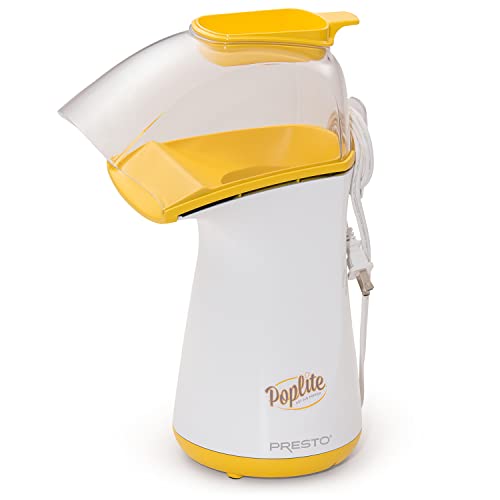
6. Presto PopLite
A hot-air popcorn popper that some hobbyists use for tiny coffee batches. It is not made for roasting, so use at your own risk. Read the maker’s safety guidance first, and treat this as a hobby experiment rather than a recommended method.
Suits: curious tinkerers. Strengths: low cost and easy access. Weaknesses: not designed for coffee, so safety needs care. Skip it if you want a purpose-built roaster.
Care and Setup
- Roast outdoors or under a vent hood, since the process is smoky.
- Clean chaff after every roast to prevent buildup.
- Let the roaster cool fully before storing it.
- Keep a log of time, heat and fan settings for each batch.
- Let beans rest after roasting before you brew.
Mistakes to Avoid
- Roasting in a poorly ventilated space.
- Overfilling the chamber past the maker’s guidance.
- Leaving the roaster unattended.
- Starting with expensive beans before practicing.
- Forgetting to clean chaff, which can be a fire risk.
How Hot-Air Roasting Differs from Other Methods
A fluid bed roaster moves hot air upward through a chamber, lifting and tumbling the beans so they roast while suspended. This differs from drum roasting, where beans tumble in a heated rotating drum and receive heat through contact with metal as well as air. The difference shapes the flavor, the batch size and the way you control the roast.
Because hot air is the main heat source, a fluid bed roaster tends to heat beans quickly and evenly. Many hobbyists describe the cup as clean and bright, though taste is subjective and results depend on the beans and the roast level you choose. The chamber is usually small, so batches are small, which suits home users who want fresh coffee for a week at a time.
Airflow is a key control. More air lifts and moves beans faster and carries chaff away, while less air allows them to rest and heat up. Heat and fan settings interact, and you will learn to adjust them as the roast progresses. If the fan is too weak for the batch, beans can sit and scorch, and if it is too strong, they can bounce out of the chamber.
When comparing models, look at how the listing describes fan and heat control, whether there is a chaff collector and how the chamber is built. A visible glass chamber lets you watch the color change, and that is a great help for learning. Check the manual for the recommended batch weight range.
Batch Size, Throughput and Planning Your Roasting Week
Batch size decides how much coffee you can roast at once and how often you must repeat the process. Home fluid bed roasters usually handle small amounts, and the exact weight range varies by model, so read the listing and the manual rather than guessing. Both underfilling and overfilling cause problems. Too few beans may not circulate well, and too many can fail to lift and roast unevenly.
Think about how much coffee you drink. A household that finishes a bag in a week may be happy with one or two roasts per week. A larger household may find a small chamber tedious, since each roast takes time, plus cooling and cleanup. Estimate the amount of coffee you use weekly and compare it with the batch size.
Roasted coffee tastes best after a short rest and within a few weeks, so roasting small batches more often suits many people. Plan a rhythm: roast on a day when you have time, let the beans rest as the maker or your supplier suggests, and brew as you go. Keep notes on each batch, such as bean type, weight, settings and how it tasted, so you can repeat the ones you like.
Remember that roasting loses weight and moisture, so the finished amount is lower than the green coffee you start with. Keep that in mind when you order green beans, and buy small bags at first until you know how quickly you go through them.
Ventilation, Smoke and Safety
Roasting produces smoke, chaff and heat, and you should plan for all three. The smell can be strong, especially as the beans reach darker roast levels, and smoke can set off alarms in a small, closed space. Roast outdoors, in a garage with an open door, or under a vent hood that vents outside, and keep a clear area around the roaster.
Chaff is the thin skin that flakes off beans during roasting. It is light and flammable, and it can collect in the chamber or collector. Empty and clean the collector as the maker describes, after every roast. Never leave the roaster running unattended, and keep flammable items such as paper towels and curtains well away from it.
Place the roaster on a stable, heat-resistant surface, and make sure the cord and outlet are suitable for the roaster’s power draw. Avoid using extension cords unless the manual allows it. Allow the machine to cool completely before moving or storing it. A metal colander or a dedicated cooling tray is useful for cooling beans quickly after the roast, as fast cooling helps stop the process.
Wear heat-appropriate gloves if the parts get very hot, and keep children and pets away. Read all the safety notes from the maker before your first roast. Please treat repurposed appliances with extra caution, since they are not designed for roasting and may not manage heat safely.
Buying and Storing Green Coffee
A roaster is only as good as the beans you put in it. Green coffee, which is unroasted, keeps far longer than roasted coffee, which is why home roasting appeals to people who like freshness. Buy from sellers that describe the origin, processing method and harvest or crop year, and be cautious about listings that give very little information.
Begin with a small amount of a forgiving, inexpensive bean while you learn. Mistakes are part of the process, and you will waste some beans. Different origins roast differently, as bean density and moisture vary, so what works for one coffee may not work for another. Keep notes on each type.
Store green coffee in a cool, dry, dark place in a breathable container such as a cloth or paper bag inside a closed bin, and keep it away from strong odors, heat and moisture. Avoid refrigerating it, since condensation can harm the beans. Use it within the time the seller recommends, and look for signs of mold or musty smells.
Consider buying a sample set of several small lots so that you can compare origins and decide what you enjoy. Keep a log of the weight in and the weight out, since moisture loss tells you something about how far the roast went. Over time, this record becomes a helpful guide to your own preferences.
Learning Roast Stages and Sensory Cues
You do not need laboratory equipment to learn roasting, but you do need to pay attention. Beans pass through recognizable stages. At first they turn from green to yellow and give off a grassy or bread-like aroma. Then they brown, and as they heat, they begin to crack. The first crack is an audible popping sound that marks a major transition, and many light to medium roasts finish around or shortly after it. A second crack, a quieter, more rapid snapping, occurs later and is associated with darker roasts.
Use sight, smell and sound together. Watch the color change through the chamber, smell the shift from grass to toast to roasted coffee and listen for the cracks. A thermometer can add information, but it should supplement your senses rather than replace them. Note the time at each stage so that you can compare batches.
After the roast, cool the beans quickly, and let them rest in a loosely covered container for a short period before judging them. Many people find flavors improve over the first days. Taste each batch, ideally brewed the same way each time, and write down your impressions.
Do not rush to chase darker or lighter roasts. Small adjustments in heat, airflow and timing are enough to explore. If a roast tastes grassy or sour, it may be underdeveloped, and if it tastes burnt or flat it may have gone too far. Using these notes, make a single change per batch, and you will improve steadily.
Fluid Bed Coffee Roaster FAQ
Is fluid bed roasting good for beginners?
Yes, it is quick and forgiving, though you still need practice and ventilation.
How much coffee can I roast at once?
Small batches only, and the exact amount depends on the model, so check the listing.
Where do I buy green beans?
Many specialty sellers offer green coffee in small bags that are well suited to home roasters.
Do I need a thermometer?
It helps, though many roasters rely on sight, sound and smell.
How is a fluid bed roaster different from a drum roaster?
A fluid bed roaster uses moving hot air to lift and roast the beans, while a drum roaster tumbles them in a heated rotating drum. Fluid bed models are usually compact and heat quickly, and drum roasters have a different heat profile and handling.
What are first and second crack?
They are sounds beans make as they roast. First crack is a popping sound that marks a major stage, and second crack is quieter and faster and occurs later. Many roast levels are described in relation to them.
Can I roast indoors?
Roasting makes smoke and strong smells, so use a vent hood that vents outdoors, a garage with the door open or an outdoor space. Follow the maker's safety guidance and never leave the roaster unattended.
How long should I rest roasted beans?
Many people let beans rest for a short period before brewing, since flavor often develops after roasting. The best timing varies by bean and roast level, so taste across several days.
How should I store green coffee?
Keep it in a cool, dry, dark place in a breathable container away from strong odors and moisture. Avoid the fridge, where condensation can damage it.
Why does my roast taste grassy or sour?
This can mean the beans were underdeveloped. Try a slightly longer roast or adjust heat and airflow, changing one setting at a time and keeping notes.
How do I clean chaff safely?
Wait until the roaster has cooled, then empty the collector and clear the chamber as the manual describes. Do this after every roast because chaff is flammable.
Choosing Between Fixed and Adjustable Roast Control
Fluid bed roasters give you two main levers: airflow and heat. Some models offer both as continuous dials, others tie them together with a few preset steps. The difference shapes how much you can influence a batch. With separate controls you can lower the fan as beans lose moisture and keep heat steady, which is how many home roasters stretch or shorten the development phase. With fixed steps you get a simpler experience but less room for fine adjustment.
If you are new to roasting, a limited set of controls is not a handicap. It removes variables and lets you learn what changes a roast when you only change one thing. If you already roast and want to chase a specific flavor, look for a roaster that lets you alter fan speed mid-roast and a heat setting you can adjust in small increments.
Questions to Weigh
- Can you change airflow while the roast is under way, or only before you start?
- Is there a timer that stops the machine automatically, and can you override it?
- Does the unit have a cooling cycle, or must you tip beans into a separate colander?
Roast Logging and Repeatability
A good roast is only useful if you can make it again. That means writing down what you did: the green bean weight, starting temperature, when you changed settings, when first crack began and when you ended the roast. A simple notebook works, and a free spreadsheet is better because you can compare batches later.
Repeatability depends on conditions you do not control as much as you might expect. Room temperature, wall voltage and even humidity change how a small roaster behaves. A winter garage and a summer kitchen will produce different results with the same settings. Instead of chasing identical clock times, learn to roast by sight, sound and smell, and use the clock as a reference rather than a rule.
Keep batches consistent in size while you learn. A roaster that handles a certain weight well will behave differently when overloaded, because beans that cannot circulate freely heat unevenly. Once your results are predictable, experiment with small changes in weight to see how the machine responds.
If you plan to log temperature, check whether the roaster has a place for a probe and whether you will need an external thermometer. Many small machines do not have a built-in display, which pushes you toward a separate logger. Factor that cost in early.
Noise, Counter Space and Where the Machine Lives
Hot-air roasters use a strong fan, and that fan is not quiet. Expect a steady rushing sound similar to a hair dryer, plus a louder moment as chaff blows around. If you share walls with neighbors or roast early in the morning, that matters. Consider the room, not just the appliance.
Size also matters more than the product photo suggests. A roaster needs clear space above it for heat to escape and room around it for airflow. Place it on a heat-resistant surface, away from cabinets and curtains, and keep a fire extinguisher nearby that is rated for kitchen use. Many people choose a garage, covered porch or a spot beside an open window with a fan to carry smoke outside.
Smoke is heaviest near the end of a roast, particularly for darker profiles, when oils begin to reach the surface. If you can, roast with the machine near an exterior door or a vented range hood, and keep a smoke detector in mind when you pick a spot. A detector that sits directly above the roasting area will probably sound, so be ready to ventilate rather than silence it.
Think about the whole workflow as well. You will need a spot for the cooling tray, somewhere to hold green beans, a scale and a place for roasted coffee to rest. A roaster that fits a counter but leaves no room for these extras can be frustrating in practice.
Cost Over Time: Green Coffee Versus Buying Roasted
People often buy a roaster to save money, and the savings are real but not automatic. Green coffee generally costs less per pound than roasted coffee of similar quality, and it stays fresh far longer. A small roaster pays for itself most clearly if you drink a lot of coffee and buy specialty beans.
There are other costs. Roasting involves loss, since beans shrink as they dry, so a pound of green beans yields noticeably less roasted coffee. Early batches are also learning batches, and some will be underdeveloped or scorched. Budget for a few kilograms of practice beans. Choose inexpensive, forgiving green coffee while you learn, and save rare lots for when your technique is steady.
Shipping can add up as well. Buying green coffee in larger quantities usually lowers the price per pound, but only if you can use it while it is still at its best. Green beans keep for months when stored cool, dry and dark, yet they do fade eventually, so split your order between a large staple coffee and a smaller experimental one. Many roasters keep a simple tally of cost per cup to see whether the hobby truly saves money.
Related guides
Frequently Asked Questions
Can I roast decaf in a fluid bed roaster?
Yes, though decaf behaves differently. It is often denser and browner before roasting, so it can progress faster and its first crack may be quieter. Start with a smaller batch, watch color and smell closely, and expect to adjust your profile compared with regular beans.
Why does my roaster shut off mid-roast?
Many small roasters have a thermal safety that cuts power if the unit overheats, often from a blocked chaff collector, low voltage on a shared extension cord or roasting in a very warm room. Plug directly into a wall outlet, empty the chaff catcher and let the machine cool fully.
How much does a roast lose in weight?
Beans typically lose roughly 12 to 20 percent of their weight as moisture leaves, with darker roasts losing more. Weigh beans before and after roasting to track this, since a consistent weight loss is a useful sign that your batches are repeatable.
Do I need an extension cord or special outlet?
Avoid extension cords when possible, because a roaster draws a high current and a thin cord can overheat or reduce power. Use a wall outlet on a circuit that is not shared with other heavy appliances, and check the wattage listed on your specific model.
Going Deeper: What Really Matters When Choosing Fluid bed coffee roasters for small batches
The first part of this guide gave you the shortlist. This extended section slows the decision down, because fluid bed coffee roasters for small batches reward buyers who think past the headline features and into the daily reality of owning and using them. None of the criteria below appears in large print on a product box, yet together they decide whether a purchase still feels right a year from now. Work through them with your own kitchen, household and habits in view — the right answer is personal, and these are the questions that reveal it.
Batch size and the rhythm of roasting
Fluid bed roasters suit small batches, and the right capacity is the one that matches how much coffee your household drinks while it is fresh. Roasted coffee peaks in the days after roasting and fades over the following weeks, so roasting little and often beats roasting a large amount occasionally. Consider each pick’s comfortable batch range: running a roaster near the middle of its range usually gives the most even results, while pushing maximum loads can strain airflow and stretch roast times. Match the machine to your weekly consumption honestly, and the freshness advantage of home roasting — its entire point — stays intact.
Airflow and heat control
In a fluid bed design, hot air both heats the beans and keeps them moving, so airflow control is roast control. Machines differ in how separately you can adjust heat and fan, and that separation decides how much you can shape a roast: slowing the approach to first crack, extending development, or cooling quickly at the end. Beginners benefit from forgiving presets and clear behaviour; progressing roasters want manual control to repeat and refine. Read the pick descriptions for how control is divided, and choose the level of involvement you will still enjoy when roasting becomes a weekly routine rather than a novelty.
Visibility, sound and judging the roast
Roasting is judged by sight, smell and sound — the colour change, the shift from grassy to sweet aromas, and the audible first crack as beans fracture. A clear viewing chamber is therefore a working instrument, not a design flourish: it lets you watch beans move, confirm they are circulating rather than stuck, and see colour develop. Think about where you will roast, because you need light to judge colour and enough quiet to hear the cracks over the fan. Machines vary in fan noise; if your only roasting spot is a quiet kitchen at night, that detail matters more than it first appears.
Chaff, smoke and cooling
Roasting sheds chaff — the papery skin that comes off the beans — and produces smoke, especially as roasts darken. Good designs collect chaff in a way that is easy to empty and route heat safely. Cooling matters equally: beans continue developing from their own heat after the roast ends, so a machine that cools quickly and thoroughly locks in the roast level you chose. Plan your roasting spot around ventilation — near a window, under an extractor or in a garage — and around a heatproof surface for the hot machine. These practicalities decide whether roasting stays a pleasure or becomes a negotiation with your smoke alarm.
How the Picks in This Guide Compare in Daily Use
The reviews above introduce each option on its own terms. This section steps back and compares them as things you will live with, because the differences that matter most — effort, forgiveness, maintenance, fit with your household — only appear in daily use. Read it with your own routine in mind, and let the picks sort themselves against that routine rather than against each other in the abstract.
Consider Fresh Roast SR800 again with daily life in mind rather than first impressions. The description above sets out what it is and who it suits; the living-with-it question is how its strengths and its stated trade-off feel after a month of ordinary use. If its strength matches the thing you do most often, the trade-off will fade into the background. If its strength serves an occasional need while its weakness taxes a daily one, the honeymoon will be short. That simple projection — strength against routine, weakness against routine — is the most reliable comparison tool in this whole guide.
With Fresh Roast SR540, the detail worth re-reading is the limitation named in its review, because limitations are where ownership is actually decided. Every pick here does its main job well; they differ in what they ask of you in return — space, patience, cleaning attention, or a narrower set of drinks. Ask whether the specific thing it asks is a thing you give easily. A demand that fits your habits is barely a cost. A demand that fights them is a daily tax, and daily taxes, not headline features, are what make people stop using a product they once researched carefully.
Place Fresh Roast SR500 in the context of the other picks rather than judging it alone. This guide deliberately spans different approaches to the same job, so each option defines the others: the convenient ones show what the hands-on ones ask you to give up, and the hands-on ones show what the convenient ones cannot do. If you find yourself torn between this pick and another, name the single difference that separates them and imagine living with that difference for a year. Decisions made on one honest difference age better than decisions made on a blur of features.
Think about Fresh Roast SR340 in the hands of the other people in your household, not only in yours. A product that only its buyer can operate becomes a service that person must provide; a product others can use confidently becomes part of the household. If your household will share it, weight clarity and forgiveness heavily. If it is truly yours alone — your hobby, your ritual, your quiet morning — weight pleasure and control instead. Neither weighting is wrong, but choosing the wrong one for your situation is the most common reason a well-reviewed product disappoints a perfectly sensible buyer.
For Mill City Roasters Quest M3, imagine the second year rather than the second week. What wears, what needs cleaning, what needs replacing, and how available are the parts and the knowledge to do it? Products in this guide were chosen to be keepable — standard sizes, documented care, designs that can be maintained rather than discarded. Still, the ownership stories differ, and the pick whose maintenance rhythm matches your temperament will feel cheaper and better over time than a rival whose care you resent. Long-term fit is a feature; read for it between the lines of each review.
Finally, hold Presto PopLite against the simplest test of all: does it remove a friction you actually feel, or add a capability you only imagine using? Both can justify a purchase, but they justify different ones. Friction-removers pay you back daily and are almost never regretted. Capability-adders pay you back when the imagined occasion arrives — so be honest about how often it will. Running every pick through that test, in the order they appear above, usually leaves one option standing quietly at the end. That quiet one, more often than not, is the right purchase.
A Closer Look at the Details That Decide Satisfaction
A first roasting session teaches the timeline you will use forever. Green beans start pale and grassy, turn yellow and start to smell like hay and then bread, darken through cinnamon tones as sugars develop, and reach first crack, where steam fractures the bean with a sound like small twigs snapping. After first crack, development begins: the minutes — often the seconds — you allow before cooling decide whether the cup tastes bright and sweet or flat and roasty. Fluid bed machines move through these stages briskly because hot air transfers heat efficiently, so your attention must be brisk too. Roast with no distractions the first several times; the timeline becomes familiar quickly.
Resting is part of roasting, and impatience is the beginner’s tax. Freshly roasted beans release carbon dioxide for days, and coffee brewed immediately after roasting tastes muted and uneven because the gas interferes with extraction. Most home roasters find a sweet window opening a few days after the roast and lasting a couple of weeks, varying by bean and roast level. Build your roasting rhythm around that window: roast this week’s batch while last week’s is being drunk. Label every batch with the bean, date and roast notes. Within a month, your labels become a personal reference that no book can give you, because they describe your machine and your palate.
Green coffee buying is the other half of the craft. Green beans keep far longer than roasted ones, so you can hold a small library — a washed coffee for brightness, a natural-process coffee for fruit and body, a dependable all-rounder for daily drinking — and roast each in small amounts. Buy from suppliers who state origin, process and harvest timing, and start with forgiving, well-screened beans while you learn. Keep green coffee in a cool, dry place away from strong smells. The roasters in this guide are small-batch machines; a modest, varied green stash suits them perfectly and keeps the hobby interesting month after month.
Safety and consideration deserve explicit mention because roasting involves serious heat. Never leave a roaster unattended mid-roast, keep it clear of curtains and paper, and let it cool fully before moving or storing it. Dark roasts produce more smoke and oil; respect your ventilation and your neighbours. Chaff is light and flammable when accumulated, so empty collectors as directed rather than letting them pack full. None of this is meant to alarm — roasting at home is a well-established hobby — but the households that enjoy it longest are the ones that treat heat with routine respect from the very first batch.
A Practical Routine: Roasting Day, Step by Step
Set up completely before any heat is applied: beans weighed, jars and labels ready, cooling arranged, ventilation open, and your notes from the last batch in view. Roasting moves quickly once it starts, and every second spent hunting for a jar is a second the beans spend developing past your target. Weigh the green beans, note the batch, and check the machine is clean and its chaff collector empty. This calm preparation is not fussiness — it is the difference between roasting as a craft you control and roasting as an event that happens to you while you watch.
During the roast, divide your attention deliberately between the three senses the process speaks through. Watch the colour and the movement of the beans — they should circulate freely, not stall in dead spots. Smell the progression from grassy to sweet to toasty, which tells you where development stands. Listen for first crack, the milestone that starts your development clock. Note times and settings as you go, in the moment, because memory edits aggressively afterward. When the roast reaches your target, cool the beans quickly and thoroughly, exactly as the machine’s design intends, and record the total time while it is fresh in your mind.
Afterwards, clean while the machine cools: empty the chaff, brush the chamber, and store the roasted beans in a labelled container away from light, with the roast date prominent. Taste with discipline — a first curious cup early, then the batch across its resting window, noting how the flavour opens and settles. Feed those notes back into the next session’s decisions: a touch more development, a slightly smaller batch, a different bean for the morning cup. Roasting improves in loops, and the loop only closes if the tasting notes meet the next roast. That meeting, weekly, is the whole education.
Troubleshooting Roasts That Miss the Mark
A roast that tastes grassy, thin or sharply sour was usually ended too early or developed too little after first crack — the sugars never had time to form. Next batch, extend development modestly and note the change. The opposite fault — flat, ashy or bitter — points to a roast taken too far or cooled too slowly, letting the beans coast into darkness. Because fluid bed roasts move quickly, small timing changes have large effects; adjust in small increments and keep the batch size constant while you learn, since batch size itself changes the roast’s pace and can masquerade as a settings problem.
Uneven roasts — beans at visibly different colours in the same batch — usually mean the beans were not moving freely: too large a load for the airflow, or beans of very mixed size and density. Reduce the batch toward the middle of the machine’s comfortable range and watch the circulation through the chamber. If unevenness persists with a sensible load and even movement, the green coffee itself may be mixed in quality, which no roaster can fully correct. Evenness matters because a mixed batch brews as an average of under- and over-roasted coffee, tasting muddled however carefully you brew it.
If roasts taste good one week and different the next at identical settings, look at the variables that drift: room temperature and humidity affecting the machine’s intake air, green beans ageing or absorbing moisture, and your own judgement of colour under different light. Roast in the same spot, under the same light, with the same batch size, and let your notes carry the comparisons. Home roasting is a craft of small numbers; controlling the quiet variables is most of the skill, and it is why two people with the same machine produce different coffee — one of them is keeping notes.
Matching the Roaster to Your Coffee Life
The daily drip or espresso drinker who goes through coffee steadily is the natural home roaster: a weekly small batch keeps the supply permanently in its freshest window, and the ritual fits the consumption. The occasional coffee drinker should think harder — green beans keep well, but a roaster used twice a year is a cupboard resident, and freshly bought roasted coffee from a good local roaster may serve better. Be honest about rhythm before purchase. These machines reward routine; they are at their best in kitchens where roasting joins the weekly round of baking, brewing and other pleasurable maintenance.
Households that entertain gain a quiet superpower: coffee roasted days before a dinner, ground fresh, served with the story of its making. Guests remember that. If that is you, favour the picks whose batch size covers a gathering’s worth of coffee in one or two roasts, and whose cooling and workflow let you roast the day before without stress. If you roast mainly for one, the smaller, simpler end of the range will be used more and resented less. Capacity bought for imaginary occasions is the classic home-roasting mistake; capacity matched to real occasions is a delight every time it is used.
Consider also the roaster as a gift-giver’s engine. Home-roasted coffee, rested properly and given in a labelled bag with the roast date, is a personal gift that costs little and lands warmly. If that appeals, your effective consumption is higher than your own drinking, and a slightly larger comfortable batch range earns its place. Many home roasters find their hobby quietly expands this way — colleagues, neighbours and family joining the circle of the freshly roasted. Choose the machine that fits the circle you actually expect to serve, and the hobby will grow at the pace your equipment can happily support.
More Questions Worth Asking Before You Decide
How long does a small fluid bed roast take?
Small fluid bed batches typically roast in a matter of minutes rather than the longer cycles of drum roasting, because hot air transfers heat quickly and the batch is small. Exact times vary with batch size, bean density and target roast level. The practical point is that the roast demands your full attention for a short, intense period rather than a long one. Set up everything — cooling, storage, labels — before you start, because once first crack begins there is no pause button and no time to hunt for a jar.
Can I roast indoors without setting off alarms?
Light to medium roasts in a ventilated spot — under a strong extractor or beside an open window — are manageable in most homes. Darker roasts smoke considerably more and are the usual cause of alarm incidents and lingering smells. Many home roasters settle near a window, in a garage or on a sheltered balcony for exactly this reason. Start lighter, learn your space’s tolerance, and treat smoke management as part of site selection for the roaster, just as you would for a grill or a wok station.
How do I know when to end the roast?
End it by a combination of colour, aroma and time after first crack, judged against the flavour you want: shorter development keeps brightness and origin character; longer development adds sweetness, body and roasty notes while muting acidity. Because beans coast after heat stops, end slightly before the colour you ultimately want and cool quickly. Keep notes on each batch and taste against them. Your palate, calibrated by your own records, becomes the reliable instrument — the machine’s settings are just how you repeat what your palate approved.
The Short Version
For hobby control, the Fresh Roast SR800. For easy profiles, the SR540. For simple controls, the SR500. For a compact option, the SR340. For tinkering, the Mill City Quest M3. For a budget experiment, the Presto PopLite, with care.


