A juicer pulls liquid from fruit and vegetables and leaves the pulp behind. Centrifugal machines use a fast-spinning blade and a filter basket, so they are quick and handle whole apples through a wide chute. Slow juicers press produce against a screw, which usually yields drier pulp and works better with leafy greens, though they take longer to feed. Think about how often you will juice, because a machine that is easy to clean tends to get used far more than one that is not.
The six picks below include two centrifugal models and four slow juicers, so you can weigh speed against yield. We have not used these products ourselves, so confirm sizes, parts and warranty terms on the current listing before you buy. Speed, yield and noise claims are the makers’ own.
As an Amazon Associate we earn from qualifying purchases. Links below are affiliate links, and they do not change the product information we give.
What to Look For
| Feature | Why it matters |
|---|---|
| Type | Centrifugal is fast, while slow or cold-press juicers extract more from greens |
| Chute size | A wide chute saves prep time with whole fruit |
| Cleanup | Fewer parts and a simple screen mean less scrubbing after each glass |
| Noise | Slow juicers tend to be quieter than fast ones |
| Pulp control | Check whether the pulp comes out dry or wet |
In this guide
Specs at a Glance
| Juicer | Type | Feed | Notes |
|---|---|---|---|
| Breville Juice Fountain Plus | Centrifugal | Wide chute | Whole-fruit friendly |
| Breville Juice Fountain Cold | Centrifugal | Wide chute | Built to keep juice cooler |
| Omega J8006HDS | Slow masticating | Horizontal auger | Long-running brand |
| Nama J2 Cold Press Juicer | Slow vertical | Wide feed | Easy-clean design |
| Hurom H320N Slow Juicer | Slow vertical | Compact | Quiet running |
| Kuvings Whole Slow Juicer | Slow vertical | Large chute | Whole-fruit slow juicer |
The 6 Best Juicers
Top pickBest for fast daily juicing
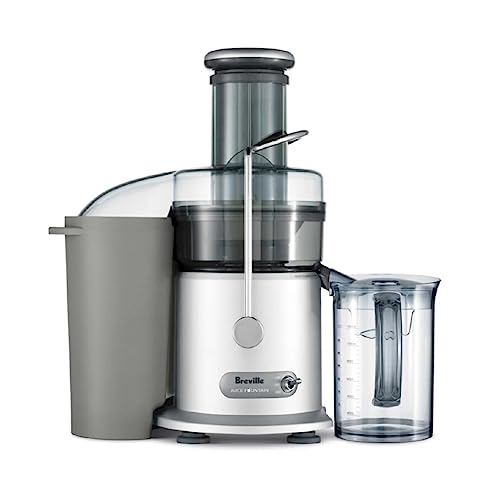
1. Breville Juice Fountain Plus 800JEXL
A fast centrifugal juicer with a wide feed chute that takes whole apples and similar produce. It is a popular choice for people who want a glass quickly. It is a good fit for apples, carrots and oranges when you are in a hurry. Plan on rinsing the filter basket promptly, because dried pulp is the hardest part to clean.
Suits: fast daily juicing. Strengths: speed and a wide chute. Weaknesses: less efficiency with leafy greens. Skip it if you want a quiet machine.

Best for speed with cooler juice
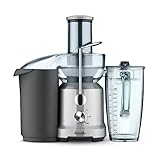
2. Breville Juice Fountain Cold
A centrifugal juicer from the same brand, designed with a cooler extraction path to reduce heat. It keeps the quick feed of a fast machine. Expect the same quick feed with a little less heat in the glass.
Suits: speed with cooler juice. Strengths: a wide chute. Weaknesses: more noise than slow juicers. Skip it if you drink mostly leafy greens.
Best for greens and daily use
3. Omega J8006HDS Nutrition System
A horizontal slow juicer known for dry pulp and a versatile design that also handles nut butters and pasta attachments. It is a durable long-term appliance. Its sturdy build suits households that juice several times a week. Check which strainer and attachments are included with the listing you choose.
Suits: greens and daily use. Strengths: good yield and versatility. Weaknesses: a longer, slower feed. Skip it if you want one-minute juice.
Best for regular juicing at home
4. Nama J2 Cold Press Juicer
A vertical slow juicer with a wide feed opening and a design intended to reduce prep and scrubbing. It is a modern pick for households that juice often. The design aims to cut down on chopping before each batch.
Suits: regular juicing at home. Strengths: less chopping and easy cleanup. Weaknesses: a larger footprint. Skip it if you have limited counter space.
View Nama J2 Cold Press Juicer on Amazon

Best for small kitchens
5. Hurom H320N Slow Juicer
A vertical slow juicer from a Korean brand known for pioneering the style. Its compact build suits smaller counters. A tidy shape makes it easy to leave on the counter. Check the pulp container size on the listing, since a small one needs emptying often.
Suits: small kitchens. Strengths: a quiet run and neat shape. Weaknesses: a narrower feed than some. Skip it if you want a wide chute.
View Hurom H320N Slow Juicer on Amazon
Best for whole-fruit prep
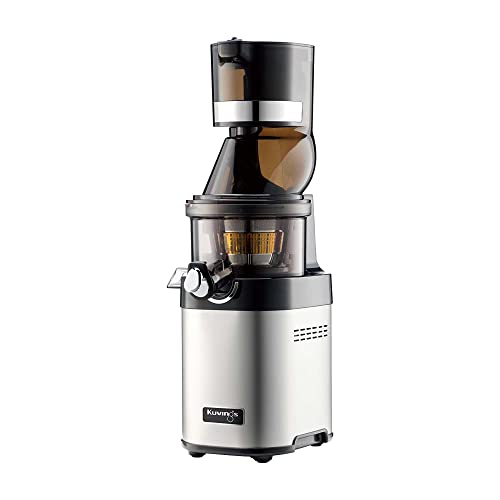
6. Kuvings Whole Slow Juicer
A slow vertical juicer with a large chute meant to take whole fruit with little chopping. It combines slow juicing with quick prep. It is aimed at people who value prep speed over a small footprint.
Suits: whole-fruit prep. Strengths: an easy feed. Weaknesses: a larger body. Skip it if you want a compact juicer.
View Kuvings Whole Slow Juicer on Amazon
Care and Setup
- Rinse parts straight after juicing before pulp dries.
- Use the supplied brush on the screen.
- Cut very fibrous produce into short pieces.
- Dry the parts fully before storing them.
Mistakes to Avoid
- Letting pulp dry on the screen.
- Forcing hard produce through quickly.
- Running a slow juicer without the right parts seated.
- Overlooking counter space.
Centrifugal Versus Slow Juicing Trade-Offs
Centrifugal juicers shred produce against a fast-spinning filter and throw the juice outward. They are quick, take whole fruit through wide chutes and usually have fewer parts to assemble. They tend to be louder and leave wetter pulp, and the juice may separate faster, so it is best to drink it soon after making. They suit busy mornings and mixed fruit and vegetables such as apples, carrots and oranges.
Slow, or masticating, juicers crush and squeeze produce with a screw, or auger, at a lower speed. They usually extract more from leafy greens, herbs and wheatgrass, and the pulp tends to be drier. They are quieter and many people like to make a batch for later. The downside is a smaller chute that often needs chopping, a longer juicing time and more parts to clean. Vertical designs save counter space and are easier to feed, while horizontal designs handle greens and can do other tasks like nut butters or pasta with attachments, if the maker offers them.
Think about your usual recipes. If you mostly drink orange or apple juice, a centrifugal model may be all you need. If you love green juices, the extra yield and calm operation of a slow juicer may be worth the extra time. Remember that results depend on the produce, ripeness and how you feed it.
Yield, Pulp and What to Do with Leftovers
Yield is the amount of juice you get from a given amount of produce. It depends on the machine, the produce and your technique. Do not rely on a single number from a listing. Instead, look at how the maker describes the extraction, whether the pulp ejects into a container, and how dry it looks in the photographs.
Alternate soft and hard produce to help the machine. Feed leafy greens with a firm item like a carrot to push them through. Cut fruit into pieces that fit the chute. Remove large pits and hard stones. Peel citrus, as the pith and skin can taste bitter, unless the maker says otherwise. Let the machine reach full speed before feeding.
Pulp is not just waste. Use it in muffins, soups, veggie burgers, stock or compost. Wetter pulp from a fast juicer can be pressed again by hand through a cloth to get extra liquid. If you juice often, think about the size of the pulp bin, since a small bin means more frequent emptying. A pulp container that is easy to remove and rinse saves time.
Feed Chute Size, Prep Time and Ease of Use
A wide chute accepts whole apples and large pieces, so prep is quick. A narrow chute requires cutting everything into small strips, which adds minutes to each session. Consider how much time you want to spend. A machine that is slow to prep may end up in a cupboard.
Look at the safety features. Most juicers have a locking arm or a cover that must be in place before the motor starts. Use the pusher provided, never a spoon or your fingers. Keep the machine on a stable, dry surface, and keep the cord out of the way. Check the maximum running time suggested in the manual, as some models need rest between batches.
Also consider the footprint and height. A tall vertical juicer may not fit under a cabinet. Weigh the machine if you plan to move it. Think about the noise level and whether the household sleeps late. A smooth assembly process helps as well. Check the instructions to see how many steps are involved, and watch a demonstration if the maker provides one. A simple design that you enjoy using will get more use than a complicated one.
Cleaning Routines That Keep You Juicing
Cleaning is the biggest reason people stop juicing. Rinse parts right after use, before pulp dries on the filter. Use the brush provided to scrub the mesh or screen, working from the inside out, and run water through it to push particles out. A soft brush prevents scratches that can clog the filter over time.
Disassemble according to the manual and wash each part with warm soapy water. Check whether parts are dishwasher safe on the top rack. Some plastics stain from carrots and beets, so rinse quickly and consider a soak with lemon juice or baking soda for stains. Dry parts well to prevent odors and mold.
Wipe the motor base with a damp cloth, never submerging it. Check seals and gaskets for wear, and replace them if they harden or crack. If juice leaks from the bottom of a slow juicer, check that the parts are seated properly and the seal is in place. Store the juicer with the lid off so it can air out. A monthly deeper clean, such as soaking the filter in warm water with a little vinegar, keeps the mesh clear.
Juice Storage, Safety and Sensible Expectations
Fresh juice has no preservatives, so handle it with care. Wash produce well before juicing, and use clean containers. Drink juice soon after making it. If you store it, fill a clean airtight container to the top to reduce air, keep it cold and follow food safety guidance, which usually suggests a short storage period. Slow-juiced drinks often keep a little longer, but they are still perishable. Discard anything that smells or tastes off.
Keep your expectations sensible. Juice is a drink made from fruit and vegetables, and it removes much of the fiber. It is not a replacement for whole produce. If you have health conditions or special dietary needs, ask a qualified professional before changing your diet. Be aware that juice from sweet fruit contains natural sugar.
Before buying, ask these questions: What do I plan to juice most? How much time am I willing to spend on prep and cleaning? Do I have the counter and cupboard space? What is the warranty and are parts available? Replace a juicer when the motor labors, parts crack or the filter wears and cannot be cleaned. If the machine leaks, shakes or smells hot, stop using it and contact the maker.
Which Juicer Fits Which Household
With six picks that split into centrifugal and slow designs, the quickest way to narrow the field is to start with how your household actually lives. Think about who will do the juicing, how often, and at what time of day, then match that to the strengths already listed for each machine.
A busy household that wants a glass before leaving for work is the natural fit for the two Breville centrifugal models. Both have a wide chute, so whole apples and carrots go in with little cutting. The Juice Fountain Cold is the one to look at if you care about a cooler extraction path, while the Juice Fountain Plus is the straightforward speed pick. Neither is the best match for a green-juice routine, and both are louder than the slow machines.
A household that juices several times a week and likes leafy greens should look at the slow group. The Omega J8006HDS suits people who want dry pulp, extra attachments and a long-term appliance, though its feed is slower. The Nama J2 suits people who want less chopping and simpler cleanup and have room for a larger body. The Hurom H320N fits a small kitchen or a shared flat where noise and counter space matter. The Kuvings Whole Slow Juicer suits cooks who want a slow juicer but do not want to spend time cutting produce.
If more than one person will use the machine, pick the one with the simplest assembly. The best juicer on paper is the wrong one if half the household finds it fiddly.
Features That Separate the Top Picks
Once you know the type you want, a handful of practical details separate machines that look alike. Compare them one at a time rather than relying on a single headline claim.
- Feed style: the Breville pair and the Kuvings are built around large openings, the Nama has a wide feed, and the Hurom is the narrower, compact option. A wider opening saves prep but usually means a bigger body.
- Orientation: the Omega is horizontal, which suits greens and extra tasks, while the Nama, Hurom and Kuvings are vertical, which saves counter width and is easier to load.
- Footprint and height: check width, depth and total height with the lid on, especially if the juicer will live under a cabinet.
- Parts count: fewer pieces to wash means the juicer gets used more. Read the parts list in the manual if the listing shows it.
- Pulp and juice containers: check their size and whether they are included, since small containers mean more stops mid-session.
- Attachments: the Omega is noted for extras, but which strainers and accessories come in the box varies by listing.
Speed, yield and noise figures in marketing copy come from the makers, so treat them as claims to compare rather than guarantees. A feature you will use every week is worth more than an impressive extra you will not touch.
What to Check on the Listing Before You Buy
Product pages for juicers often blur details that matter once the box arrives. Spend a few minutes reading the listing closely before you order, and keep the manual or specification sheet open if the maker offers one.
First, confirm the exact model name and number. Several juicers share a brand and a similar look, and an older or different version may appear under a similar title. Make sure the one you are buying matches the one you read about here.
Second, confirm what is in the box. Look for the juicing screen or strainer, pusher, cleaning brush, pulp container and juice jug, and note whether any extra strainers or accessories are included or sold separately.
Third, check the warranty length and what it covers. A motor warranty and a warranty on wearing parts can differ, and the terms can change between sellers. Confirm the seller and the return window too.
Fourth, check parts availability. Screens, seals and augers wear over time, so find out whether the maker sells replacements. A juicer that cannot be repaired or refitted with new parts has a shorter useful life.
Finally, read the care notes for what is dishwasher safe, the maximum continuous running time and any produce the maker advises against. These points tell you more about daily life with the machine than a headline feature does.
Sizing and Counter Space Checks
Juicers are bulkier than they look in photographs, and a machine that does not fit your kitchen tends to end up in a cupboard. Measure before you buy, and think about where it will live between uses.
Start with the space under your wall cabinets. Tall vertical juicers need room above them for loading produce and lifting the lid, so measure the clearance and compare it with the height on the listing. Then check the depth and width of the base, and leave room for the pulp container and juice jug to sit beside it while you work.
Think about weight too. A heavier motor base can feel steady on the counter, but it is harder to carry from a cupboard if you only get it out on weekends. If storage is the plan, check whether the machine breaks down into pieces that stack neatly, and whether the cord wraps away.
Think about power. Plug the juicer into an outlet within easy reach of the work surface, and keep the cord away from the sink and from hot appliances. Avoid running it from a long, light extension cord unless the manual allows it.
Lastly, consider the washing area. You will need space at the sink for the screen, auger and other parts, plus a spot to let everything dry fully before reassembly.
Budget Tiers in Plain Terms
Price usually follows features, build and warranty rather than juice quality alone, and listed prices move often, so compare current figures yourself. Here is a qualitative way to think about the spread.
At the lower end, expect simpler designs, fewer included extras and, often, a narrower feed or more plastic. Centrifugal machines tend to be easier on the budget because they are mechanically simpler, but check which parts are included and what the warranty covers.
In the middle, you tend to find the better-known centrifugal models and more of the entry slow juicers. This is the range where wide chutes, larger pulp bins and simpler cleanup features begin to appear, and where it pays to read the listing closely.
At the higher end, slow vertical and horizontal juicers add sturdier builds, extra strainers, attachments and longer warranties. You are paying for durability, drier pulp and convenience features, which matter most if you juice often. They matter less if you juice a few times a month.
A sensible rule is to spend where your habits are. If you will juice daily, a machine that is easy to clean and feed repays the extra cost over time. If you are unsure you will keep it up, a simpler model lets you find out first.
Common Problems and How to Avoid Them
Most juicer frustrations come from a short list of causes, and many can be avoided with small habit changes. Knowing them in advance also helps you decide which machine to buy.
- Clogging: stringy produce such as celery can wrap around the screw or screen. Cut it into short lengths and feed it steadily, alternating with softer items.
- Weak yield or wet pulp: this can come from a worn or clogged screen, unripe produce or feeding too fast. Clean the screen thoroughly and slow down.
- Leaks: check that seals and gaskets are in place and parts are fully seated before starting.
- Motor straining: forcing hard produce or running past the time suggested in the manual can overheat the motor. Let it rest between batches.
- Staining and odors: rinse right away, dry fully and avoid storing damp parts in a closed box.
- Cracked parts: use only the pusher supplied, and avoid very hot water on plastic pieces unless the manual says it is fine.
If the machine develops a persistent problem, stop using it and check the manual or contact the maker. A juicer that is cared for and used within its limits should serve for years.
Juicer FAQ
Is a slow juicer worth it?
It can be if you juice leafy greens often, since the yield is usually better.
Are centrifugal juicers loud?
They tend to be louder than slow juicers.
How much prep is needed?
Wide chute models need less chopping. Check the chute size.
Can I put parts in the dishwasher?
Some parts can go on the top rack, but check the manual.
Which type of juicer is better for leafy greens?
Slow juicers usually extract more from leafy greens and herbs. Centrifugal models can handle some greens, but the yield is often lower.
Can I juice citrus in any juicer?
Many juicers handle citrus, but check the maker's guidance. Some need peeled fruit, and a dedicated citrus press may be a simpler tool if that is all you juice.
Why does my juice separate?
Juice naturally separates as the solids settle. Fast juicers add more air, which can speed separation. Stir or shake the drink before you drink it.
How often should I replace the filter or screen?
When it is damaged, clogged for good or no longer gives good yield. Check the maker's guidance on lifespan and availability of replacement parts.
Can I make nut milk or frozen desserts in a juicer?
Some slow juicers include attachments for this, but not all do. Check the listing for what is included and the maker's instructions.
Is it safe to juice without peeling?
Many items, like apples and carrots, can be juiced with the peel after washing. Citrus, pineapple and some others are usually peeled. Follow the manual and wash produce thoroughly.
Where should I store the juicer?
Keep it clean and dry in a cupboard or on the counter if you use it daily. Leave the lid off so it can air out between uses.
Do I need to cut produce into small pieces for a slow juicer?
It depends on the feed opening. Wide-chute slow juicers need less chopping, while narrower ones need smaller strips. Check the chute size on the listing and the maker's guidance for firm items like carrots.
Is it worth juicing with the skins on?
Many people leave the skin on items such as apples and carrots after washing them well. Citrus and pineapple are usually peeled, and waxed or damaged skins are best removed. Follow the manual for your machine.
How long can I run a juicer at one time?
Many manuals suggest a maximum continuous running time and a rest period between batches. This varies by model, so check the instructions rather than assuming. Letting the motor cool protects it.
What is the difference between a vertical and a horizontal slow juicer?
Vertical models stand upright, use less counter width and are usually easier to load. Horizontal models lay the auger on its side and are often noted for greens and extra attachments. Both work slowly compared with centrifugal machines.
Can a juicer handle soft fruit like berries or bananas?
Soft, low-water fruit often produces thick puree rather than clear juice, and some makers advise against it. Mix small amounts with watery produce, and check the manual for what the machine accepts.
How do I get stains off the plastic parts?
Rinse right after use and wash with warm soapy water. For carrot or beet stains, a soak with lemon juice or baking soda can help. Keep parts out of harsh cleaners unless the manual allows them.
Should I buy a juicer if I only juice occasionally?
A simple, easy-to-clean model is usually the better fit for occasional use. A large, complicated machine can feel like a chore if you only use it now and then, so weigh cleanup against how often you will juice.
What should I do if the juicer vibrates or walks on the counter?
Make sure the parts are seated properly and the machine is level on a dry, stable surface. An overloaded or unevenly fed basket can cause shaking in a fast juicer. Stop and contact the maker if it continues.
The First Week With a Juicer: A Routine That Sticks
More juicers are abandoned in the first month than in any year after, and the cause is rarely the machine. It is the routine: shopping that does not match the machine’s appetite, prep that takes longer than the drinking, and a cleanup that feels like a penalty. Design the first week deliberately and the habit usually survives. Shop for a short list of forgiving produce, the combinations you already know you like, in amounts the household will genuinely finish. Prep in one session, washing and cutting for two or three juicings at once and storing the pieces cold and ready, so that a weekday juice is an assembly job rather than a project. Juice at a fixed point in the day, attached to an existing habit such as breakfast or the return from a walk, because habits attached to other habits survive.
Clean immediately, every time, while the pulp is wet and the parts rinse in a minute. The single decision that predicts whether a juicer is still in use at six months is whether its owner cleans it in the moment or leaves it for later; later, with dried pulp cemented into a screen, is where juicers go to be resented. By the end of the first week you should know your machine’s real prep time, its real cleanup time, and the two juices your household asks for again. Those three facts, and not any specification, are the foundation the rest of your juicing life is built on.
Matching the Machine to the Produce You Actually Juice
The centrifugal and slow divide in this guide is really a divide in diet. The Breville Juice Fountain Plus and Juice Fountain Cold are built for speed with firm produce: apples, carrots, cucumbers, citrus and the hard fruits and vegetables that a busy household juices in volume. They reward the drinker who wants a glass quickly and who juices in batches for a family. The slow machines, the Omega J8006HDS, the Nama J2, the Hurom H320N and the Kuvings Whole Slow Juicer, press and squeeze rather than shred and spin, and they come into their own with leafy greens, wheatgrass-style ingredients, soft fruits and the mixed, green juices that centrifugal machines handle wastefully. They also tend to produce a juice that keeps its character a little better in the refrigerator, which matters to the household that juices once for two days.
Be honest about your basket. A household whose juicing is ninety percent apple, carrot and orange gains little from a slow machine’s virtues and will feel its slower pace as a tax. A household whose ambition is kale, spinach, herbs and celery will find a centrifugal machine’s yield on those ingredients disappointing enough to end the habit. The produce decides the machine; the machine then decides whether the habit lives. If your basket is genuinely mixed, the deciding question is which half of it you would miss more, because every juicer in this guide is a compromise that favours one half of the produce aisle over the other.
Yield, Taste and the Economics of the Pulp Bin
Yield is the specification everyone asks about and the one most easily misunderstood. A juicer that extracts a little more juice from the same produce is genuinely cheaper to run over a year, especially with expensive greens, but yield must be judged on your produce, in your hands, because feeding technique moves the number as much as engineering does. Slow, steady feeding, alternating soft and firm pieces, and giving the machine time to press rather than forcing it, will raise the yield of any slow juicer and calm the behaviour of any centrifugal one. Taste follows similar rules: juice made from cold, fresh produce, drunk promptly, tastes vivid in any machine, while juice from tired produce tastes tired in the finest machine in this guide.
The pulp bin is not a failure report; it is an ingredient with a reputation problem. Carrot and apple pulp belong in muffins, soups and stocks; green pulp belongs in compost, where it returns to the garden that grew it; citrus pulp can be frozen for baking. Households that find a use for the pulp feel better about the whole enterprise, because the economics of juicing improve and the small guilt of waste disappears. Households that juice soft fruit should accept a wetter pulp as the price of the flavour, and households that juice mostly greens should choose the machine whose dry pulp proves it took the job seriously.
Noise, Speed and the Household Around the Machine
A centrifugal juicer at full voice is one of the loudest appliances in a kitchen, and that fact shapes when and whether it gets used in a household with sleeping children, thin walls or early risers. Its saving grace is brevity: the noise lasts for the short time the produce takes to pass through. A slow juicer is far quieter and far slower, trading a long, calm hum for the centrifugal’s short shout. Neither is better in the abstract. The household that juices at dawn should weight quiet heavily; the household that juices for a crowd at noon should weight speed. Stand in your kitchen, picture the actual hour of your juicing, and let that hour vote.
Placement matters for the same reason. A juicer that lives on the counter gets used; a juicer that must be assembled from a cupboard, with its pulp bin located and its parts married, gets used on weekends and then on holidays and then rarely. If counter space is the constraint, measure the machine’s footprint and its height under your cabinets, and consider which appliance it displaces. The juicer that wins the counter is the juicer that wins the habit, and in this category the habit is worth more than any single performance figure.
More Questions From New Juicer Owners
How do I stop my juice from tasting bitter?
Bitterness usually enters through pith, peel and proportion. Citrus should be peeled before juicing in most machines, since the pith carries a bitterness that overwhelms the fruit; leafy greens should be balanced with something sweet and bright rather than juiced in stern isolation; and ginger, lemon rind and herbs should be dosed with restraint until you know your household’s tolerance. Taste the juice before pouring it into glasses, and adjust the next batch rather than mourning this one. A juice that is a little too green is fixed by an apple; a juice that is far too bitter is a lesson, and lessons are cheaper in this category than in most.
Can I juice ahead for the whole week?
You can juice ahead for a couple of days with good results if the juice is stored cold, in a container filled to the brim to limit air, and kept unopened until it is drunk. Beyond that window, flavour and colour fade in ways no machine can prevent, and the habit of weekly juicing usually collapses under the taste of its own fifth day. A rhythm of juicing two or three times a week, in amounts the household finishes within a day or two, keeps both the juice and the motivation fresh. If your schedule truly allows only one session, freeze the extra juice in portions and accept a small loss of freshness as the price of the routine that survives.
What produce should a beginner start with?
Start with the combinations that forgive: apple with carrot and a little ginger, cucumber with apple and mint, orange with carrot. These juice well in every machine in this guide, taste good to almost everyone, and teach you the feeding rhythm without the clogging, bitterness or stern flavours that leafy and fibrous produce can bring. Add greens gradually, in partnership with the sweet and the firm, and let your household’s palate walk toward the serious juices rather than being marched there. A juicer habit that begins with pleasure tends to be the one still running when the ambitious one has been sold.
Maintaining the Screen and the Seals
The screen or strainer is the heart of every juicer here and the part that decides whether the machine ages gracefully. Produce leaves minerals and fine fibres in its mesh, and a screen cleaned casually will slowly strangle the machine’s yield while convincing its owner that the motor is tiring. Use the brush the maker provides, or a firm brush of your own, under running water immediately after juicing, working the mesh from both sides. An occasional soak helps when a film has built, and the parts should be dried before reassembly so nothing ferments quietly in a seam. Seals and gaskets deserve the same attention: rinse them, check them for nicks, and reseat them carefully, because a tired seal announces itself as a leak at exactly the moment the machine is full of beetroot.
Know the signs of a screen that needs replacing rather than cleaning: juice that backs up, pulp that is suddenly wet in a slow juicer, a mesh that is visibly damaged or distorted. Replacing a screen restores a machine to something close to its first month, and it is almost always a better use of money than replacing the machine in a temper. Keep the model details with the manual, order the part that belongs to your machine, and treat the screen as the consumable it is rather than as a permanent part that has betrayed you.
Juicing for a Family Without Losing the Morning
Family juicing is a logistics problem wearing an apron. The winning pattern is a short menu, agreed the night before, produce washed and cut into a container, and the machine assembled and waiting. Juice in one continuous run, pouring each person’s glass as the combination changes only if your household insists on individual recipes; most families are happier with a house juice and a small variation, such as ginger for the adults, than with four separate productions. Children who choose the fruit, feed the machine under supervision where the design allows, and name the morning’s juice become children who drink it, which is the entire point of the exercise. Clean the machine together, immediately, and the whole production from fridge to glasses to a clean counter can fit inside the time a cooked breakfast would take, provided the prep was done ahead and the menu stayed short.
How do I choose between two machines that both fit my produce?
Decide by the cleanup and the counter. When two machines juice your basket equally well, the one whose parts you would rather wash daily, and whose shape your counter can adopt permanently, is the one that will still be juicing in a year. Performance ties are broken by domestic details in this category, because the performance happens for minutes a day and the domestic details happen every day. If a shop or a friend lets you handle both, assemble and disassemble each; your hands will file the verdict before your head has finished the comparison.
Is it sensible to own both a fast and a slow juicer?
For most households, no: the counter and the cleaning will punish the ambition, and one machine matched to the dominant half of the basket will do nearly all the work. The exception is the household that genuinely juices in two modes, a fast family batch at the weekend and slow green juices on weekdays, and that has the space to keep both assembled and ready. Buy the second machine only after the first has been in steady use long enough to prove the habit is real; a second juicer bought to rescue a failing habit merely gives the habit two machines to abandon.
Match the machine to the basket, the basket to the week, and the cleanup to the moment, and juicing stops being a resolution and becomes a routine. That is the only transformation this category has ever really sold, and every machine in this guide is capable of it in the right kitchen.
What should I do with a juicer during a holiday or a busy month?
Clean it thoroughly, dry it completely, and store it assembled in its place if you can, so that returning to the habit is a matter of shopping rather than archaeology. A machine put away dirty for a month will greet you with a smell that can end the habit permanently. If the busy season is predictable, freeze a small stock of your favourite juice in portions before it begins, and let the machine rest clean and ready; the first juice after the break should be an easy favourite, not an ambitious cleanse, because habits restart on pleasure far more reliably than on virtue.
Restart on pleasure, shop for the forgiving basket, and clean in the moment: three small rules that will carry a juicing habit through busy months, holidays and the natural ebb of enthusiasm, long after the specifications that sold the machine have been forgotten.
How do I keep the habit going when the seasons change the produce?
Let the menu follow the market rather than fighting it. The juices of summer, cucumber, melon and citrus, give way naturally to autumn’s apple, pear and root vegetables, and to winter’s citrus and stored apples, and a household that rotates with the seasons gets variety without effort and produce at its cheapest and best. Keep a short written list for each season on the refrigerator, built from what your machine handles well, and the question of what to juice this week answers itself at the market stall.
A seasonal list, a clean machine and a fixed hour: build those three, and the juicer you choose from this guide will still be earning its counter space when next year’s produce arrives.
That is all any appliance can honestly promise, and in a kitchen it is a great deal.
Choose for it, and juice well.
The Short Version
For speed, the Breville Juice Fountain Plus. For cooler juice, the Breville Juice Fountain Cold. For versatility, the Omega. For easy cleanup, the Nama. For compact size, the Hurom. For whole fruit, the Kuvings.
Related Guides
- 6 Best Masticating Juicers for Celery: Slow and Cold Press
- 6 Best Centrifugal Juicers for the Home Kitchen (2026)
- 6 Best Centrifugal Juicers for Daily Use: Fast and Easy
- 6 Best Masticating Juicers for Greens and Wheatgrass
- 6 Best Juicers for Celery Juice: Slow and Fast (2026)

