A Parisian shaker, sometimes called a French shaker, is a two-piece cocktail shaker made of a metal cup that fits into a second cup or a glass. It has no built-in strainer and no cap, so you pair it with a separate strainer. Bartenders like it for its simple design, quick cleanup and elegant look.
The six shakers below include true two-piece designs and closely related styles that serve the same job. We have not used these products ourselves, and we avoid capacities and dimensions we cannot verify. Please confirm size, material and any included accessories on the current listing before you buy.
Think about how you shake. A heavier shaker chills faster and feels steadier, while a lighter one is easier to carry. Whichever you choose, pair it with a good strainer and a jigger to complete a simple home bar setup.
Because few products are sold under the exact name, we picked the strainerless tin shakers closest to the Parisian idea and added a few three-piece options for anyone who wants a built-in strainer. Read each description to see which style you are getting.
As an Amazon Associate we earn from qualifying purchases. Links below are affiliate links, and they do not change the product information we give.
What to Look For
| Feature | Why it matters |
|---|---|
| Material | Stainless steel resists dents and chills drinks quickly |
| Fit | The two parts should seal tightly without sticking |
| Weight | Heavier tins feel stable; lighter ones are easier to carry |
| Capacity | Larger tins suit two or more cocktails at once |
| Strainer | Because Parisian shakers lack one, you need a separate strainer |
In this guide
Specs at a Glance
| Shaker | Style | Material | Notes |
|---|---|---|---|
| Cocktail Kingdom Koriko Hybrid | Two-piece tins | Stainless steel | Bar-standard tin set |
| Cocktail Kingdom Leopold Cobbler | Three-piece | Stainless steel | Built-in strainer |
| OXO Good Grips Cocktail Shaker | Three-piece | Stainless steel | Non-slip grip |
| Viski Admiral Cocktail Shaker | Three-piece | Stainless steel | Polished finish |
| Barfly Boston Shaker | Two-piece tins | Stainless steel | Professional bar tin |
| Cresimo Cocktail Shaker Set | Three-piece | Stainless steel | Sold with a bar tool kit |
The 6 Best Parisian Cocktail Shakers
Top pickBest for serious home bartenders
1. Cocktail Kingdom Koriko Hybrid Cocktail Shaker
A two-piece tin set from a supplier popular with professional bartenders. It follows the same simple, strainerless idea as a Parisian shaker, so you add your own strainer.
Suits: serious home bartenders. Strengths: a trade-standard design. Weaknesses: it needs a separate strainer. Skip it if you want an all-in-one shaker.
View Koriko Hybrid Shaker on Amazon
Best for beginners
2. Cocktail Kingdom Leopold Cobbler Shaker
A three-piece stainless steel shaker with a built-in strainer and cap. It is the more traditional style, suited to people who want everything in one piece.
Suits: beginners. Strengths: a built-in strainer. Weaknesses: more parts to clean. Skip it if you prefer a simpler two-piece shaker.
View Leopold Cobbler Shaker on Amazon

Best for everyday cocktails
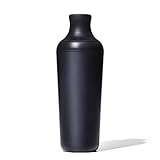
3. OXO Good Grips Cocktail Shaker
A stainless steel shaker with a non-slip grip and a built-in strainer. It is a practical choice for casual home use.
Suits: everyday cocktails. Strengths: a comfortable, non-slip grip. Weaknesses: not a pure Parisian design. Skip it if you want a strainerless tin.

Best for display and gifts
4. Viski Admiral Cocktail Shaker
A polished stainless steel shaker with a stylish look. It suits people who want a shaker that looks good on a bar cart.
Suits: display and gifts. Strengths: a polished appearance. Weaknesses: polished metal shows fingerprints. Skip it if you want a matte finish.

Best for practiced shakers
5. Barfly Boston Cocktail Shaker
A two-piece Boston shaker from a bar supply maker. The tin fits into another tin or a glass, in the same spirit as a Parisian shaker.
Suits: practiced shakers. Strengths: a professional bar design. Weaknesses: it takes practice to seal. Skip it if you are new to shaking.
View Barfly Boston Shaker on Amazon
Best for new home bartenders
6. Cresimo Cocktail Shaker Set
A stainless steel shaker sold with bar tools such as a jigger and spoon. It is an easy way to start a home bar in one purchase.
Suits: new home bartenders. Strengths: a kit with helpful extras. Weaknesses: contents vary by listing. Skip it if you want only a shaker.
View Cresimo Cocktail Shaker Set on Amazon
Care and Setup
- Rinse the shaker right after use so sugar does not stick.
- Dry it fully to avoid water marks.
- Chill the tin before you shake.
- Keep a Hawthorne strainer and a fine strainer nearby.
- Wash by hand if the maker recommends it, to protect the finish.
Mistakes to Avoid
- Overfilling the shaker with ice.
- Forgetting a strainer with a strainerless design.
- Shaking carbonated drinks.
- Using the dishwasher on polished finishes.
- Shaking too gently, which leaves the drink under-chilled.
Parisian Versus Boston and Cobbler Styles
Three shaker families cover most of what home bartenders use, and knowing how they differ helps you pick the right one. The Parisian, or French, shaker is a two-piece design: a metal cup with a second, slightly larger metal cup that fits over it. It looks tidy and sleek, with no cap and no built-in strainer, and the two cups are closed together by a tight friction fit.
The Boston shaker is also two pieces, but typically a metal tin paired with either a second tin or a glass. The glass version lets you see the drink as you build it, and the all-metal version is more durable and chills quickly. Boston-style shakers are the standard in many bars because they are fast and roomy. They require a separate strainer and a bit of technique to seal and break open.
The cobbler is a three-piece design: a base, a built-in strainer and a cap. It is the easiest to use for beginners, since pouring is neat and nothing extra is needed. The drawbacks are more parts to clean, a strainer that can clog with ice or muddled fruit, and a cap or lid that can stick when cold.
Which suits you? If you value a simple look and quick cleanup and are happy to use a separate strainer, the Parisian is appealing. If you want everything in one piece, a cobbler is friendlier. If you plan to make many drinks or learn bar technique, Boston-style tins reward practice. Many people end up with more than one style as their habits develop.
Getting a Good Seal and Opening It Again
Because friction fit shakers have no screw threads or caps, the seal comes from how the two cups meet. Fit matters: the cups should seat snugly without being so tight they lock. Check the listing for details about how the pieces are designed to fit, and note whether the maker describes it as leak-resistant. No two-piece shaker is guaranteed to be leak-proof if used poorly.
To seal, set the smaller cup into the larger one at a slight angle and give it a firm tap with the heel of your hand. Hold the shaker with one hand on each end, keeping it away from your face. Cold makes metal contract, which tightens the seal during shaking. If you plan to shake hard, make sure the seal is secure before you start.
To open, give the side of the larger cup a sharp tap with the heel of your hand near the seam, or squeeze the sides to release the seal. Practice with water and ice before using real ingredients so you learn the feel. A shaker that is very hard to open may be too tightly fitted, or the cold may have pinched it. Let it warm for a few seconds and try again.
Avoid forcing a stuck shaker with tools, which can dent the metal. Dents ruin the fit. Rinse the shaker promptly after use, dry the edges, and avoid stacking heavy items on the cups. Store them separate or loosely nested so that the rims stay round and the fit stays good.
Strainers, Jiggers and the Rest of the Kit
A strainerless shaker needs good companions. The most common choice is a Hawthorne strainer, a flat metal piece with a coiled spring that fits over the tin and holds back ice. A julep strainer is a perforated bowl-shaped piece used with a mixing glass or tin. A fine mesh strainer, held under the pour, catches small ice shards and pulp for a smoother drink. Many drinkers use both a Hawthorne and a fine strainer for fruit-heavy cocktails.
Check that the strainer you choose fits your shaker’s rim. Rim diameter varies, and a strainer that sits loosely lets ice through. If you are buying a set, read the listing for compatibility and confirm sizes where it says to.
A jigger is the next essential. It measures liquids so drinks come out consistently. Look for a jigger with clear measurement marks inside and a comfortable, sturdy shape. Bar spoons, muddlers and a citrus press expand your options. You do not need everything at once, and it is better to start with a few well-chosen tools.
Consider cleaning and storage. Metal tools last long and are usually easy to rinse. Springs on strainers can trap bits of fruit and need a quick brush. A small tray or drawer organizer keeps everything together, and a clean towel helps dry parts. As you build the kit, keep in mind how much counter space you have, and favor tools you will use weekly.
Materials, Weight and Finish
Most cocktail shakers are stainless steel, and the differences are in the quality and finish. Stainless steel resists rust and staining, conducts cold well and stands up to frequent use. Thicker steel feels more solid and resists denting, while thinner steel is lighter and cheaper but dents more easily, which can affect the seal on a two-piece shaker.
Finishes range from brushed and satin to mirror polish, and some shakers have colored or plated coatings. Polished surfaces look striking but show fingerprints and scratches. Coatings and plating can wear, chip or tarnish with heavy use or dishwasher cycles, so check the maker’s care advice. Some listings mention specific alloys. Treat these as the maker’s claims and look for clear information on materials.
Weight affects the feel of shaking. A heavier shaker is stable and chills well, but it can tire the arm. A lighter one is easy to handle and carry. Choose according to your hands and style. Look at the capacity as well: larger tins make more than one drink at once but can feel unwieldy for a single serving.
Think about how the shaker will be washed. Hand washing is usually safest, and some makers state that parts are dishwasher-safe. Dishwasher detergent can dull polished finishes over time. Dry shakers thoroughly to prevent water spots. If you pick a glass-and-metal pairing, remember that glass can chip and cold-to-hot changes can crack it, so handle with care.
Building a Simple Home Bar Around Your Shaker
A shaker is one tool in a small system. A sensible home setup includes the shaker, a strainer, a jigger, a bar spoon, a cutting board and knife for garnishes, and a few good glasses. Ice is a key ingredient, so plan for it. Fresh, cold, hard ice dilutes slowly and chills well, while small or wet ice melts quickly and waters the drink down.
Learn a few classic drinks that use shaking: sours, daiquiris and similar citrus-based recipes. The shaker shines when you combine citrus, sweeteners and spirits. Drinks made of only spirits and bitters are usually stirred rather than shaken. Knowing which technique suits which drink avoids cloudy, over-diluted results.
Shake with confidence but not forever. A vigorous shake with plenty of ice chills and dilutes the drink, and the right time depends on the recipe and ice. Follow trusted recipes at first, and adjust to taste. Pour straight away so the drink does not keep diluting in the tin.
Buying questions to ask: Is it a true two-piece shaker, or a related style? Does the listing say which strainer fits? What material and thickness is used? Is it easy to open and clean? Does the set include what I need or will I buy separately? Budget tiers range from basic stainless sets to heavier, professional-grade tins. Choose according to how often you will mix drinks, and replace a shaker that dents, leaks or no longer seals well.
Parisian Cocktail Shakers FAQ
What is a Parisian shaker?
It is a two-piece shaker without a built-in strainer. The smaller cup fits into the larger one.
How do I open it?
Tap the side of the larger cup firmly with the heel of your hand to break the seal.
Do I need a strainer?
Yes. A Hawthorne strainer is the usual partner for a two-piece shaker. Add a fine mesh strainer for drinks with muddled fruit or herbs.
How long should I shake?
Most recipes call for about ten to fifteen seconds, until the outside of the shaker feels very cold.
Why is my Parisian shaker stuck shut?
Cold contracts the metal and tightens the fit. Let the shaker warm for a few seconds, then tap the side of the larger cup near the seam with the heel of your hand.
Can I use a cobbler's strainer on a Parisian shaker?
Only if the rim sizes are compatible. Most people use a separate Hawthorne or fine mesh strainer. Check the listing for compatibility details.
Are Parisian shakers good for beginners?
They are simple but need a separate strainer and some practice with sealing and opening. Beginners often find a three-piece cobbler easier to start with.
What drinks should I shake rather than stir?
Drinks containing citrus juice, dairy, cream or egg are usually shaken. Spirit-only drinks are generally stirred.
Should I put hot liquids in a shaker?
No. Hot liquids can create pressure and make the metal difficult to handle. Use cool ingredients and ice for shaking.
Can I wash a shaker in the dishwasher?
Many stainless shakers allow it, but it can dull polished or coated finishes. Follow the maker's instructions and dry thoroughly.
How do I prevent dents?
Store the cups carefully, avoid dropping them and do not pry them apart with tools. Dents harm the seal.
Stirred Versus Shaken: Knowing When to Use the Shaker
A shaker is not the right tool for every cocktail. The general rule is that drinks containing citrus juice, egg white, cream or syrups that need blending are shaken, while drinks made only of spirits, vermouth and bitters are stirred. Shaking chills quickly, adds a measure of dilution and creates a lively, slightly cloudy texture. Stirring produces a clear, silky drink with less aeration.
This matters when you pick equipment. If you mostly make sours, margaritas and daiquiris, the shaker is the main workhorse of your bar. If you lean toward martinis, Manhattans and old fashioneds, a mixing glass and long spoon will see more use, and the shaker becomes a secondary tool. Think about the drinks you make most often and buy accordingly.
Many home bartenders end up using both methods across a single evening, so it helps to have a mixing glass nearby even if the shaker is your favorite piece. Some drinks fall in a gray area, and recipes sometimes disagree. When you are unsure, follow the recipe once as written, taste the result and adjust the method the next time to match your preference.
Typical Shaken Drinks
- Sours and fizzes built on lemon, lime or grapefruit juice.
- Drinks with egg white, which need vigorous shaking to build foam.
- Creamy or tropical cocktails that call for thorough blending of thick ingredients.
Ice, Dilution and Chilling Technique
The ice you use does as much for a cocktail as the shaker does. Fill the shaker about two-thirds with cold, solid cubes, since wet or small, cracked ice melts too fast and waters down the drink. Larger cubes chill efficiently with less dilution, and ice straight from a freezer works better than ice that has been sitting out.
Shake with confidence for around ten to fifteen seconds, until the outside of the shaker is frosty and too cold to hold comfortably. Short shakes leave drinks warm and unbalanced, while very long ones over-dilute. Dilution is not a flaw, since a cocktail needs water to soften alcohol and bring flavors together, but it should be deliberate. When your drink tastes sharp and harsh, it often needs more chilling and dilution rather than a different recipe.
Temperature of ingredients also plays a role. Spirits kept in the freezer or juices stored in the refrigerator start colder and need less dilution to reach the right chill, while room-temperature ingredients require more shaking. Fresh citrus juice is best squeezed the same day, because bottled or older juice can taste flat and change the balance of a sour. Strain immediately after shaking, since leaving a drink sitting on ice continues to water it down.
Volume, Capacity and How Much You Plan to Make
Shakers come in different capacities, and the right one depends on the number of drinks you make at a time. A smaller shaker suits a single cocktail and fits nicely in a small cabinet. A larger one can handle two drinks at once, which is useful for entertaining.
Leave enough room for ice and shaking. If a shaker is nearly full of liquid before the ice goes in, the contents cannot move freely, and the cocktail will be poorly chilled. A good rule is to choose a shaker with at least twice the volume of one drink so there is room for ice and motion. For a crowd, consider making drinks in batches rather than forcing a small shaker to do double duty, or have a second shaker ready.
The shape of the interior also affects performance. A taller, narrower shaker moves ice in a long path and chills efficiently, while a wide squat one gives ice more room to bounce around. Neither is wrong, but a design that fits comfortably in one hand makes a long evening of drink making easier. If you have small hands or limited grip strength, test how the shaker feels when full, because a full shaker can be heavier than expected.
Gifting and Display on a Bar Cart
A shaker often ends up on display, so its look can matter. Polished stainless steel looks bright and classic, while brushed, matte or colored finishes hide fingerprints and water spots better. Copper, gold or black coatings add style but may need gentler handling to protect the finish.
If you are buying one as a gift, a simple, well-made shaker is a thoughtful choice because it is useful and does not need to match anyone’s taste in glassware. Add a few small extras, such as a good jigger, bitters or a recipe book, to turn it into a complete present. Check that the shaker comes with a good seal and includes clear care instructions, since a gift that leaks on first use is disappointing.
For daily use, prioritize function over looks. A plain steel shaker that seals reliably and rinses easily will outlast a decorative one that scratches or dents.
When you do want something that looks the part, favor a finish that matches the other pieces in your set. A matching jigger, strainer and bar spoon in the same metal looks intentional on a tray, and many makers sell coordinated tools. It is a small detail, but it makes a home bar look cohesive without costing much more than buying pieces separately.
What Living With a Parisian Shaker Teaches You
The Parisian shaker’s appeal is obvious the first time you hold one: it looks like the shaker in an old film, all curves and polish. Living with it teaches the practical side. The two-piece design seals by fit rather than by a gasket, which means the seal is excellent when the pieces are clean and correctly seated, and stubborn when they are not. Every owner learns the small ritual — a firm twist as the pieces meet, a confident shake, and a practiced tap or twist to open. None of this is difficult, but it is a skill, and the first week with a Parisian involves more stuck lids and drips than the first week with a cobbler shaker does.
Cold is the other teacher. A metal shaker frosts in your hands as you shake, which is part of the pleasure and part of the challenge: the same thin walls that chill a drink quickly also numb fingers during a long shake. Owners adapt without thinking — a bar towel around the base, a shake timed to the drink rather than to bravado, a rest between rounds when making drinks for a group. If you regularly make several drinks in a row for guests, that comfort factor is worth weighing as honestly as looks when you choose between the styles in this guide.
The Parisian has no built-in strainer, which surprises people who arrive from a cobbler shaker. You will use a separate strainer over the glass, and most owners quickly decide that is an advantage: a good separate strainer gives a cleaner pour and a finer result when you double-strain for a drink that must be silky. It does mean one more tool to wash and one more thing to have to hand before you start. Set up your station — shaker, strainer, jigger, glass — before the ice goes in, and the Parisian feels effortless; improvise mid-drink and it feels like a handful.
Over months, the style rewards the bartender who makes drinks in small numbers with attention. It is the shaker of the one perfect drink at the end of the day, the two drinks for a guest you want to impress. For a party of ten, most owners quietly reach for a Boston set or make a batched drink instead. That is not a failure of the Parisian; it is the shape knowing its job. Choose it for the drinks you make most often, and it will feel less like equipment and more like a habit you enjoy.
Reading the Six Shakers in This Guide as a Decision
The Cocktail Kingdom Koriko Hybrid is the Parisian-style pick for someone who wants the look with fewer of the style’s traditional frustrations, since it is designed to bridge styles. It suits the home bartender who has read about stuck Parisian lids and wants the silhouette anyway. If you are buying your first serious shaker and expect to make drinks weekly, a forgiving design like this protects your enthusiasm during the learning weeks, which is worth more than purity of form.
The Cocktail Kingdom Leopold, by contrast, is a cobbler shaker, and it earns its place here as the all-in-one answer: cap, strainer and body in a single polished object. Choose it if you want the fewest separate tools and a shaker that a guest could pick up and use without instruction. The Viski Admiral also works as a complete shaker with a strong decorative streak, suiting a bar cart where the shaker is on display between drinks. With both, check that the cap seals well and removes without a fight once the shaker is cold, because that is where cobbler designs earn or lose their owners.
The OXO Good Grips shaker is the practical household choice, built around not leaking and not punishing mistakes. It suits shared kitchens, newer bartenders, and anyone whose priority is a drink made without a puddle on the counter. The Barfly Boston set sits at the other pole: two tins, no ornament, the working tool of professional bars. It is the fastest shaker here for making drink after drink and the easiest to clean, but it asks you to learn the seal and the strainer as separate skills. Buy it if you are serious about technique; skip it if you want the object itself to be beautiful.
The Cresimo set is the answer to a different question — not which shaker, but how to start from nothing. A set that bundles the shaker with the basic tools suits a first bar, a gift, or a holiday home where nothing exists yet. Its shaker will teach you the fundamentals, and you can upgrade individual tools later as you learn which ones you actually use. Read this guide as a map of intentions: display, technique, convenience, or a complete start — and the right pick usually names itself.
Shaking Technique That Makes the Style Shine
A Parisian shaker rewards a deliberate shake. Fill it no more than two-thirds full, because the drink and ice need room to travel end to end; an overfilled shaker sloshes instead of crashing, and the drink comes out under-chilled and under-diluted. Add ice after the ingredients so the cold hits everything at once, seal with a twist, and shake hard in a smooth arc — over the shoulder is the classic path because it keeps the seal pointed away from you and your guests if it ever lets go.
Time the shake to the drink. A drink built on citrus and egg white wants a longer, harder shake to build texture; a drink that is mostly spirits wants a shorter one, enough to chill and dilute without battering it. Listen to the ice: it should sound like a clean rattle at the start and soften as the drink chills and the edges melt. That change in sound, more than any counted second, is the experienced bartender’s timer. Stop, strain promptly, and do not let the finished drink sit on its ice, because dilution continues while you admire your work.
Straining is where the Parisian setup shows its quality. Hold the strainer firmly over the shaker’s mouth and pour in one steady motion; a hesitant pour dribbles down the side. For drinks with citrus or egg white, double-strain through a fine strainer into the glass to catch ice shards and pulp, giving the silky surface that makes a drink look professional. Practice the pour once with water and ice before the first real round — two minutes of rehearsal that saves the embarrassment of learning on a guest’s drink.
Opening a stuck shaker is a technique, not a strength contest. Cold contracts the metal and vacuum does the rest. Run warm water over the seam for a few seconds, dry your hands, and twist rather than pull. If it still resists, a gentle tap of the seam against the edge of a towel-covered counter usually breaks the seal. Never pry with a knife, which dents rims and ruins future seals. And learn the preventive habit: clean, dry rims seal and release predictably, while sticky rims from the last drink are the main cause of a shaker that will not open.
Care, Storage and Keeping the Finish Worth Looking At
A display shaker lives two lives — tool and ornament — and care has to serve both. Wash it straight after use, because citrus and sugar dry into a film that dulls polish and makes the next seal sticky. Warm water, a soft cloth and a small amount of mild detergent handle almost everything; dry immediately and polish with a clean dry cloth if the shaker lives on a bar cart, since air-drying leaves spots on a mirror finish. Fingerprints are the daily tax on a beautiful shaker, and a ten-second buff when you put it away keeps it looking like the object you bought.
Interior care matters as much as the shine. Ice slowly scratches the inside of any shaker, which is normal and harmless, but dents are not: a dented rim is a leaking rim, so store the shaker where it cannot fall or be crushed by heavier pans. Keep the pieces nested only if they are fully dry; trapped moisture between the two parts can leave marks and a stale smell. If the shaker develops a metallic note in drinks, a wash with warm water and a little baking soda, well rinsed, usually clears it.
Sets and separate tools deserve the same order. Keep the strainer, jigger and shaker together in one place so making a drink never starts with a search, and wash them as a group so nothing is left sticky in a drawer. Bar towels earn their keep here — one for hands and spills during service, one kept clean and dry for polishing. It is a small system, but it is the same system professional bars use, scaled down: everything has a place, everything is cleaned as it is used, and the station is ready before the first guest arrives.
Over years, judge the shaker by its seal rather than its shine. A Parisian that still meets with a clean, confident fit after hundreds of drinks is a good shaker, even if the finish has softened. If the fit loosens or the rim warps, drinks will leak no matter how careful you are, and that — not a scratch — is the sign to replace it. Buy the replacement from the same tradition you enjoyed, and keep the old shaker for mixing without ice or for a second station. Tools that have served well tend to find second jobs in a home bar.
The Drinks That Suit the Style, and How to Serve Them Well
A Parisian shaker earns its place through a particular family of drinks: shaken classics where chill, dilution and a clean strain matter, and where the presentation — the frosted metal, the pour at the table’s edge of the bar — is part of the hospitality. Sours are its natural home, because a sour lives or dies on the quality of its shake: the citrus must be cold, the texture lifted, the dilution exact. Practice your house sour until you can make it identically twice in a row, because that repeatability, more than any recipe collection, is what guests experience as skill, and the Parisian’s balance in the hand makes the practice a pleasure rather than a chore.
Egg white drinks deserve a special word, because they ask the most of any shaker and reveal the Parisian’s character honestly. The dry shake — ingredients shaken first without ice to build the foam, then again with ice to chill — needs a seal you can trust at room temperature and then under cold contraction. Work over the sink for your first attempts, keep a towel in hand, and learn your particular shaker’s temperament before you perform the drink for an audience. Once mastered, a well-made egg white sour served from a beautiful shaker is one of home bartending’s great small triumphs, and it is entirely technique: no rare ingredient, no expensive bottle, just cold, air and confidence.
Serving order is a host’s quiet craft. When you make drinks for several guests with one shaker, build them in an order that respects their ingredients: drinks without egg white first, since they rinse clean fastest between rounds; the most delicate flavors before the most assertive; and your own drink last, because the host’s glass can wait in a way a guest’s cannot. Rinse the shaker with cold water between different drinks, shake the water out thoroughly, and never let a rinse’s residue dilute the next build. A single shaker, managed this way, serves a small party without a second set of tools — which is how most home bars actually run.
The garnish and the glass complete what the shaker begins. Have both ready before the ice goes in, because a finished drink sitting in its shaker while you hunt for a glass is a drink over-diluting in front of you. Strain promptly, garnish with the restraint the drink’s style asks for, and serve immediately: a shaken drink is at its peak for minutes, not for the length of a conversation about how it was made. The Parisian’s beauty can tempt a host into ceremony at exactly the wrong moment. Let the ceremony be in the making, where it improves the drink, and let the serving be swift, where it preserves it.
Finally, learn the shaker’s limits as hospitality, not as failure. For a crowd, batch the base of a drink in advance and shake to order in small rounds, or choose a stirred or built drink for the many and keep the shaker for the few. A host who shakes two perfect drinks at a time, all evening, with good humor, will be remembered better than one who attempts six at once and serves them warm and uneven. The Parisian style comes from an era of small bars and deliberate service; honoring that pace is not nostalgia, it is the technique the object was designed around.
Keep one house drink that you make in this shaker better than anywhere else — the drink friends request by name when they visit. Every home bar benefits from a signature, and the Parisian, with its looks and its ritual, gives a signature the right stage. Write the recipe down, keep its ingredients stocked, and let the rest of your repertoire rotate around that fixed point. A shaker with a signature drink is a tool with a purpose; a shaker without one is just waiting for occasions that a repertoire creates.
More Questions, Answered
Is a Parisian shaker a good first shaker?
It can be, if you like the style enough to learn its small techniques — the twist seal, the separate strainer, the way to open it when cold. If you want the most forgiving start, a cobbler or a practical sealed shaker from this guide is easier in week one. Many bartenders end up owning both styles for different occasions.
Why does my shaker leak during shaking?
Usually the seal: rims that are wet with drink or sticky from a previous round do not seat cleanly. Wipe the rims, seat the pieces with a firm twist, and do not overfill. A dented rim leaks no matter what you do, so check the edges against the light if leaking persists with clean rims.
Do I need a separate strainer with every shaker in this guide?
Only with the Parisian and Boston styles, which have no built-in straining. Cobbler-style shakers strain through their cap assembly, though many owners still use a fine strainer over the glass for drinks that need a particularly clean finish. A separate strainer is inexpensive and improves almost every setup.
Can I put a metal shaker in the dishwasher?
Most survive it, but hand washing protects the finish and the fit, which are the two things you paid for in a Parisian-style shaker. Dishwasher heat and detergent dull polish over time. A quick hand wash takes under a minute and keeps the shaker looking like furniture as well as working like a tool.
How do I stop the shaker burning my hands with cold?
Use a bar towel around the body for long shakes, and shorten the shake by starting with good, cold, hard ice, which chills efficiently. Shaking in shorter bursts with a brief pause also helps when making several drinks. Numb fingers are a sign to adjust technique, not a test of endurance.
Should I shake with the shaker pointed in a particular direction?
Keep the seal end pointed away from guests and from yourself, so that if a seal ever lets go under pressure, the drink goes somewhere forgivable. Over-the-shoulder shaking does this naturally. It is a small habit learned once and kept forever, and it is the mark of someone who has thought about the tool rather than just its looks.
How do I make two different drinks quickly with one Parisian shaker?
Make the cleaner, more delicate drink first, rinse the shaker with cold water and shake it dry, then build the stronger-flavored drink. Keep both recipes’ ingredients and glasses set out before you start. Speed at a home bar comes from arrangement, not haste, and a planned order of drinks is most of the arrangement.
Frequently Asked Questions
Why does my cocktail taste watery?
It may have been shaken too long, shaken with melting wet ice or built with too little spirit and too much juice. Use solid cold ice, shake for about ten to fifteen seconds and measure with a jigger so the balance of spirit, sweet and sour stays consistent.
Can I use a shaker to make mocktails?
Yes. A shaker is useful for non-alcoholic drinks that contain juice, syrup or herbs, because it chills and blends them quickly. Rinse it well afterward so strong flavors do not carry over into your next drink.
Is a heavier shaker better?
Not necessarily. Weight can make a shaker feel solid and keep it cold, but a heavy one is tiring to shake repeatedly. Choose a weight you find comfortable, along with solid construction and a reliable seal, rather than assuming heavier means better.
How should I store a cocktail shaker?
Dry it completely and store it with the pieces separated or loosely set together, so trapped moisture cannot cause odors or tightness. Keep it in a cabinet away from heat and avoid stacking heavy items on it, which can dent the thin metal.
The Short Version
For a bar-standard tin set, the Koriko Hybrid. For a built-in strainer, the Leopold Cobbler. For comfort, the OXO. For style, the Viski Admiral. For a pro tin, the Barfly Boston. For a starter kit, the Cresimo.

