Pizza dough is a demanding job for any mixer. It is often stiff, it needs thorough kneading to develop gluten, and home pizza makers tend to bake several pies in a session. A good pizza dough mixer needs a strong motor, a stable body and a bowl large enough for your batch.
The six mixers below range from home stand mixers to spiral dough mixers aimed at pizzerias and serious hobbyists. We have not used these products ourselves, and we avoid wattage and capacity figures we cannot verify. Please confirm bowl size, dough capacity and electrical requirements on the current listing before you buy.
Spiral mixers, which turn the bowl while a fixed hook kneads, are especially popular for pizza because they handle large amounts of dough with little heat. Planetary stand mixers are more versatile for general baking, but they may need a smaller batch for stiff pizza dough.
Hydration also matters. Neapolitan-style dough is usually softer and wetter, while New York-style dough is firmer, so the mixer that suits one style may be less suited to another. Be honest about the style you make most.
As an Amazon Associate we earn from qualifying purchases. Links below are affiliate links, and they do not change the product information we give.
What to Look For
| Feature | Why it matters |
|---|---|
| Mixer type | Spiral mixers excel at stiff dough; planetary mixers are more versatile |
| Motor strength | Pizza dough puts steady load on the motor |
| Bowl capacity | Match the bowl to the batch size you make |
| Build | Metal gears and a heavy base resist wear and walking |
| Power needs | Larger commercial mixers may need special circuits |
In this guide
Specs at a Glance
| Mixer | Type | Class | Notes |
|---|---|---|---|
| KitchenAid Commercial 8-Quart | Planetary stand mixer | Heavy-duty | Large bowl; bowl-lift |
| KitchenAid Professional 5 Plus | Planetary stand mixer | Home | Bowl-lift; family batches |
| VEVOR Spiral Dough Mixer | Spiral | Commercial-style | For larger batches |
| Happybuy Dough Mixer | Spiral | Commercial-style | Aimed at small bakeries |
| Sunmile Spiral Dough Mixer | Spiral | Commercial-style | Pizza and bread dough |
| Hamilton Beach Professional | Planetary stand mixer | Home | Large bowl |
The 6 Best Pizza Dough Mixers

Top pickBest for serious home pizza makers
1. KitchenAid Commercial Series 8-Quart Bowl-Lift Stand Mixer
A heavy-duty bowl-lift stand mixer with a large bowl, built for foodservice-style use. It can handle bigger batches of dough than typical home models.
Suits: serious home pizza makers. Strengths: a large bowl and a strong build. Weaknesses: it is big and heavy. Skip it if you bake small batches.

Best for weekly pizza makers
2. KitchenAid Professional 5 Plus Stand Mixer
A bowl-lift stand mixer sized for a family kitchen. It is steadier than a tilt-head model and suits regular pizza nights.
Suits: weekly pizza makers. Strengths: a bowl-lift design and wide attachment range. Weaknesses: check dough capacity. Skip it if you bake for crowds.
View KitchenAid Professional 5 Plus on Amazon
Best for pizzerias and ambitious hobbyists
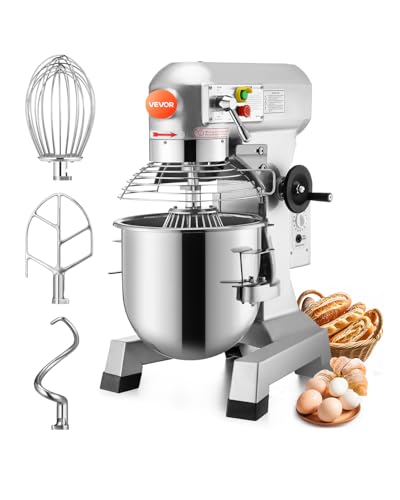
3. VEVOR Spiral Dough Mixer
A commercial-style spiral mixer that turns the bowl while a fixed hook kneads. It is meant for larger pizza and bread dough batches.
Suits: pizzerias and ambitious hobbyists. Strengths: a dough-first design. Weaknesses: a large footprint and power needs. Skip it if you only make a pie or two.
View VEVOR Spiral Dough Mixer on Amazon
Best for small commercial kitchens
4. Happybuy Dough Mixer
A spiral-style dough mixer aimed at small bakeries and food businesses. It is built to knead dense dough without overheating.
Suits: small commercial kitchens. Strengths: a spiral kneading action. Weaknesses: check electrical needs. Skip it if you need a compact home unit.
View Happybuy Dough Mixer on Amazon
Best for pizza shops
5. Sunmile Spiral Dough Mixer
Another spiral mixer for pizza and bread dough in food service settings. It follows the same dough-first idea as other spiral designs.
Suits: pizza shops. Strengths: a specialist design. Weaknesses: model details vary, so read the listing. Skip it if you want a multi-purpose mixer.
View Sunmile Dough Mixer on Amazon
Best for casual pizza nights
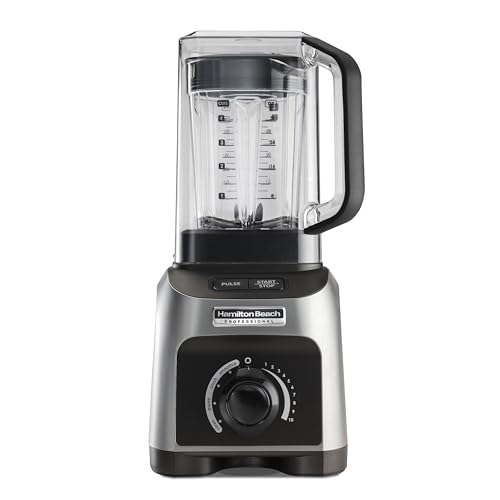
6. Hamilton Beach Professional Stand Mixer
A home stand mixer with a larger bowl and a strong-looking build. It is positioned as a step up from entry-level models.
Suits: casual pizza nights. Strengths: a roomy bowl. Weaknesses: not made for very stiff dough. Skip it if you make large batches.

Care and Setup
- Start on a slow speed and add water gradually.
- Keep dough temperature in mind, since long kneading warms it.
- Clean the hook and bowl straight after use.
- Place heavy mixers on a sturdy, level surface.
- Let the dough rest after mixing so it relaxes before shaping.
Mistakes to Avoid
- Exceeding the dough capacity of the bowl.
- Buying a commercial unit without checking power needs.
- Kneading stiff dough on high speed.
- Leaving the machine unattended while it mixes.
Dough Styles and the Kneading They Need
Different pizza styles ask for different things from a mixer. Softer, wetter doughs, such as many Neapolitan-style recipes, are sticky and relatively easy on the motor, but they need good gluten development, which is partly achieved by time and folding as well as by kneading. Firmer, lower-hydration doughs, such as some New York-style or thick-crust recipes, are denser and put more strain on the machine.
The type of flour matters too. Higher-protein flours form stronger gluten and make a stiffer, more elastic dough, while softer flours produce a more tender but less resilient one. Check your recipe’s guidance rather than assuming that any flour works with any mixer.
Total dough weight is the other key factor. A pizza night for a family may need only a few dough balls, while a party or a small business needs far more. A mixer that handles a small batch comfortably can struggle with a large one, so be clear about the amount you mix most often, and about the heaviest batch you will ever make. Choose a machine that handles that heavier load with room to spare rather than at the limit, because running near the limit shortens the life of the motor and gears.
Tips for Mixing Dough Without Overheating It
Kneading generates friction, and friction warms dough. Warm dough ferments too fast, becomes slack and sticky, and loses the flavor that a slower rise would give. Controlling temperature is therefore a real part of mixing pizza dough.
- Use cool water: start with water cooler than you would use for sandwich bread, and adjust according to the temperature of your kitchen and flour.
- Check the dough: a probe thermometer after mixing tells you if you need to adjust the water temperature next time.
- Add water in stages: pour in most of the water first, mix until it is absorbed, then add the rest gradually.
- Start slow: a low speed wets the flour without straining the motor. Increase speed only as the recipe and manual advise.
- Rest the dough: a short rest after the first mixing lets flour hydrate and can reduce the kneading time needed.
- Add salt and yeast sensibly: follow your recipe about when to add them, since direct contact can affect yeast.
Watch the dough, not just the timer. It should come together into a smooth mass that pulls from the sides of the bowl. If it climbs the hook, climbs out of the bowl or the motor sounds strained, stop and check the batch size and speed.
Spiral Mixer Bowl and Hook Details
If you are considering a spiral mixer, a few physical details are worth checking. Spiral mixers use a fixed hook and a rotating bowl, which folds and stretches the dough. Bowls can be fixed or removable, and some machines have a safety guard that stops the motion when raised. Check the listing for whether the bowl and hook are stainless steel, how the guard works and whether a timer or two speeds are included.
Two speeds are common: a slower speed for mixing ingredients together and a faster one for developing gluten. A timer lets you repeat a mixing time reliably. Check the listing for the control layout and see whether the buttons look easy to use with floury hands.
Think about the practical side. Spiral mixers are heavy and need a stable base, and they have a footprint that can be large for a home kitchen. Some need electrical supplies that differ from standard household outlets, so confirm voltage and plug type on the listing and have a qualified electrician check your wiring if you are unsure. Think about cleaning, too: a bowl that is easy to scrape and a smooth hook make cleanup quicker. Finally, consider how you will get the dough out, since a deep bowl with sticky dough can be tiring to empty.
Stand Mixer Limits With Stiff Pizza Dough
Many home pizza makers use a planetary stand mixer, and it can work well within limits. The most important rule is to respect the maker’s stated dough capacity and to stay under it, particularly with firm dough. Bowl-lift designs generally hold up to dense dough better than tilt-head designs because the head is fixed, but this is a general tendency rather than a guarantee, so check the manual.
Use the dough hook and keep to a low speed. Do not walk away from the mixer while it kneads stiff dough, since it can move on the counter or strain. If you notice the motor heating up, a burning smell or the machine slowing, stop and let it rest. Making two smaller batches is better than one that overloads the machine.
Weigh your ingredients and add water gradually, so the dough does not become too stiff to move. If the dough climbs the hook, stop, scrape it down and carry on. You can also knead briefly by hand at the end to finish.
If you find yourself regularly pushing the limits of your stand mixer, it may be time to think about a larger bowl-lift model or a dedicated spiral mixer. Compare the type of work you do with the machine’s stated capacity, and ask the maker if the manual is unclear.
Maintenance and Signs of Strain
A mixer used for dough works hard, so care pays off. Clean the bowl and hook soon after use, since dried dough is hard to remove. Scrape off the bulk with a plastic scraper, and wash in warm water. Wipe the housing with a damp cloth and keep flour out of vents and controls.
Follow the manual for lubrication, gear checks and service intervals. Some machines are meant to be opened only by a technician. Check feet, guards and any locking mechanisms from time to time. Place the mixer on a flat, stable surface, and allow space around it for ventilation.
Signs of strain include a motor that slows or labors, a burning smell, a machine that walks across the counter, noisy gears, a hook that wobbles, a bowl that no longer sits true, and dough that no longer comes together as it used to. If these signs appear, reduce the batch size and check the maker’s guidance. If problems continue, have the machine inspected before using it again. Keep records of service and the date of purchase in case you need to make a warranty claim, and check whether the warranty applies to your kind of use, particularly for commercial-style machines used in a business.
Pizza Dough Mixers FAQ
Spiral or planetary?
Spiral mixers handle stiff dough in large batches. Planetary mixers do more jobs.
Can a home mixer make pizza dough?
Yes, within the maker’s dough limits. Use smaller batches for stiff dough.
Do I need a commercial mixer?
Only if you make many pies or large batches regularly.
How long should pizza dough be kneaded in a mixer?
It depends on the recipe, the flour and the machine, so follow your recipe's timing. Watch for a smooth, elastic dough rather than relying on the clock alone.
Why does my dough climb the hook?
It often happens when the dough is wet or the batch is small relative to the bowl. Scrape it down, adjust the water or batch size, and use a low speed.
Can I mix pizza dough ahead of time?
Many recipes use a long, cool rise in the refrigerator for flavor. Mix according to your recipe and keep the dough covered. Let it come to a suitable temperature before shaping.
What should I check before plugging in a large spiral mixer?
Check the voltage, plug type and any circuit requirements on the listing and manual. If unsure, ask a qualified electrician to confirm your supply is suitable.
Is it worth buying a second bowl for a stand mixer?
If you make several batches back to back, a second bowl saves washing time. Check that it is made for your model before you buy.
How do I know the dough is mixed enough?
It should look smooth and feel elastic, and pull away from the bowl. Many bakers test by stretching a small piece to see if it forms a thin, strong film.
Can I knead dough by hand to finish?
Yes. A short hand knead at the end can help you judge texture and correct small problems. It can also reduce strain on a stand mixer.
Hydration, Batch Size and What a Mixer Can Really Handle
Capacity numbers on a mixer are usually measured in quarts of bowl volume or in pounds of flour, and the two are not interchangeable. A bowl listed at 8 quarts does not mean you can mix 8 quarts of dough. Dough expands as it ferments, but during mixing the concern is how much resistance the mass creates for the motor and hook. Stiffer, lower-hydration dough is harder on the machine than wetter dough of the same weight.
Hydration is the ratio of water to flour by weight. Many pizza doughs sit in a range from the low sixties to the seventies in percentage terms, and wetter doughs feel looser and stickier while drier ones feel firm and tight. A bagel-style stiff dough, with low hydration, puts the most strain on a mixer. If the manufacturer lists a maximum flour weight, treat it as a ceiling for the stiffest dough, and stay comfortably below it if you often make firm doughs.
A Simple Way to Plan
- Decide your typical batch: how many pizzas, and how many grams of dough per ball.
- Add up total dough weight, then back out the flour using your recipe’s hydration and other ingredients.
- Compare that flour weight with the mixer’s rated limit, leaving a margin of at least 20 to 25 percent.
This margin matters more for stand mixers like the KitchenAid models in this guide than for spiral machines, because a planetary mixer tends to show strain sooner on heavy batches. A spiral model such as the VEVOR, Happybuy or Sunmile options is designed around dense dough, though its stated bowl size still sets a real limit.
Home Kitchen Versus Pizzeria Volume
Where you are using the mixer shapes everything. A home cook making two or three pizzas for dinner has little in common with a small shop mixing several batches before service. The right machine for one is overkill for the other.
- Occasional home baking: a stand mixer you already use for other tasks may be enough, particularly with a hook suited to bread dough and moderate hydration.
- Frequent weekend pizza nights: a larger-capacity stand mixer, or a compact spiral if you have the space and want less strain on your equipment.
- Pop-up, catering or small shop: a dedicated spiral mixer, where batch size, repeatability and durability matter more than versatility.
It is easy to overbuy. A commercial-style unit that takes up a corner of a home kitchen, weighs a great deal and needs a dedicated outlet may sit unused if you bake only occasionally. Equally, a lighter machine pushed past its capacity every weekend will wear out faster than expected.
Noise, Footprint and Kitchen Fit
Measure before you order. Spiral mixers are tall and heavy, often with a fixed head and a bowl that rotates, and they need a stable, level surface. A bowl-lift stand mixer has a similar footprint to a large appliance and needs overhead clearance when the bowl is raised or lowered. Check cabinet height if you plan to store it under a shelf.
Noise is another factor. Strong motors and gears produce more sound under load, and a long kneading cycle is audible in an open-plan home. If you live in an apartment or mix early in the morning, look for owner feedback about volume rather than assuming a bigger machine is louder or quieter. Weight also matters for safety: a heavy unit can be difficult to move, so decide on a permanent spot rather than planning to lift it on and off a counter.
Electrical Needs and Safety Features
Larger mixers draw more power. Check the voltage and amperage rating against your outlets, and avoid extension cords or shared circuits with other high-draw appliances like toasters or microwaves. Some commercial-style spiral machines come in different electrical configurations, so confirm the plug type and voltage match your home before you buy.
Safety features are worth noticing. A bowl guard or safety cage that stops the machine when lifted prevents hands from reaching the hook while it spins. Look for a clear emergency stop and a stable base. If children are in the house, treat the mixer like any power tool: keep it unplugged when not in use and out of reach when mixing.
Flour Choice and Fermentation Habits
The mixer does not make the pizza by itself. Flour strength, usually shown as protein content, changes how much kneading the dough needs and how it feels. Higher-protein flours form stronger gluten but also absorb more water and can strain a motor. Many pizza makers choose flours labeled for bread or pizza, and adjust water to suit.
Cold fermentation, where dough rests in a refrigerator for a day or longer, develops flavor and reduces how hard the mixer must work, because time does some of the gluten development. Combining a shorter mix with a longer rest often gives easier handling than trying to knead to full strength in a single session. That is a good strategy for lighter-duty machines.
What Dough Day Looks Like With Each Kind of Mixer
Owning a dough mixer changes pizza night from a project into a routine, but the routine differs sharply between a stand mixer and a spiral mixer. A stand mixer day is flexible: the same machine that kneads your dough in the morning can whip, grind or roll pasta in the afternoon, and it stores as a familiar countertop appliance. A spiral mixer day is focused: the machine does one job, kneading, and does it with a calm efficiency that shows most when you make dough often or in larger amounts. Neither routine is superior; they suit different kitchens, and the happiest owners are the ones who chose for the week they actually live, not the bakery they imagine.
Batch size is where the difference first bites. Pizza dough is usually made in small home batches, and a stand mixer handles a single batch of a few pizzas comfortably when you respect its capacity. Push it — double batches, low-hydration dough, flour added too fast — and a stand mixer strains, walks on the counter, and heats the dough with friction from a hook working hard. A spiral mixer takes the same dough in stride, because its bowl and hook move together in a way that kneads more and fights less. If your pizza nights regularly feed a crowd, that headroom stops being a luxury and becomes the reason dough day stays enjoyable.
Timing changes too. Spiral mixers typically bring a dough together quickly and evenly, which suits a baker working to a schedule of rises and bakes. Stand mixers ask for a little more supervision — stopping to scrape, checking the dough’s development, giving the motor a rest on stiff doughs. Many home bakers come to enjoy that involvement; it is the difference between driving and being driven. Decide honestly whether you want to watch your dough or simply collect it when it is ready, and the category chooses itself more often than the brand does.
The last difference is what happens between dough days. A stand mixer earns its counter space all week. A spiral mixer, for most homes, sits idle between pizza sessions, which means it must justify storage — a low shelf, a cart, a corner of a pantry — rather than a prime counter spot. Measure the storage you actually have, including the height and the weight you are willing to lift, before the excitement of a first bake makes the decision for you. Dough equipment is heavy, and a mixer that is a struggle to move is a mixer that quietly stops being used.
Reading the Six Mixers in This Guide as a Shortlist
The two KitchenAid entries frame the stand mixer choice. The Commercial Series bowl-lift model is the heavy-duty end of the home stand mixer world, suited to frequent, larger batches and to a baker who also asks a lot of the machine’s other jobs. The Professional 5 Plus is the step many households actually need: serious dough capacity for family pizza nights without going to a commercial footprint. Between them, the honest question is how many pizzas you make in a session and how many sessions you run in a month; the answers point to one or the other more reliably than any feature list.
The VEVOR and Happybuy spiral mixers bring the bakery design into home budgets, and they suit the baker whose pizza habit has outgrown a stand mixer — weekly dough, bigger batches, or a low-hydration style that punishes a hook-and-bowl machine. The Sunmile spiral offers the same idea in a form aimed at smaller home batches, which makes it the spiral to consider if you love the method but cook for two or three. With any spiral, check the minimum batch as carefully as the maximum: a big bowl kneads a tiny dough poorly, because the dough cannot engage the hook properly.
The Hamilton Beach Professional stand mixer is the value route into capable dough making, suited to a baker who makes pizza regularly but not relentlessly and wants one machine for the kitchen’s other mixing work too. Set against the KitchenAids, the trade is refinement and long-term ecosystem against price and simplicity. None of the six is a mistake; they are six answers to how often, how much, and how single-minded your dough making is. Write down your real batch size and frequency before you shop, and the shortlist usually shrinks to two on its own.
One more lens helps: flour. Think in terms of the flour weight in your usual batch, because mixer capacities are honestly expressed in flour, not in finished dough or in bowl volume. A machine loafing through your batch will knead better and last longer than a machine at its limit, however impressive its headline size. If your usual batch sits near a mixer’s ceiling, step up a class rather than hoping technique will compensate. Dough is unforgiving arithmetic, and the mixer feels every gram of it.
Kneading Well: Technique for Stand and Spiral Alike
Good kneading starts before the mixer is switched on. Add most of the flour and all of the water first and mix just until no dry flour remains, then rest the shaggy dough briefly. That short rest — bakers call it an autolyse — hydrates the flour and shortens the real kneading the machine must do, which means less motor strain, less friction heat, and a dough that comes together smoothly instead of climbing the hook. Add salt and any remaining flour once the dough has formed, in small additions, letting each disappear before the next.
Watch the dough, not the clock. In a stand mixer, a ready pizza dough has pulled cleanly from the sides of the bowl, wraps the hook, and looks smooth and elastic when you stop and stretch a small piece. In a spiral, the dough forms a coherent mass that rides around the bowl and shows a satiny surface. Under-kneaded dough tears when stretched and bakes up dense; over-kneaded dough — rarer at home, but possible with a powerful spiral left running — turns slack and sticky as its structure breaks down. Stop and check every couple of minutes near the end; dough tells you when it is done if you are willing to touch it.
Temperature is the silent ingredient. Friction warms dough, and warm dough ferments faster and can overshoot its schedule while you are still shaping. If your kitchen is warm or your mixer works hard, start with cooler water so the finished dough lands in a sensible range. Bakers who make pizza weekly learn their machine’s warming habit in two or three sessions and adjust the water without thinking. Keep a simple note — water temperature, knead time, how the dough behaved — and your fifth batch will be noticeably more consistent than your first.
After kneading, the mixer has done its part and time does the rest. Move the dough to a lightly oiled container, cover it, and let fermentation, not more kneading, build the flavor and texture pizza is loved for. Resist the urge to fix a dough that merely looks rough at this stage; many doughs that seem unimpressive off the hook relax into excellent pizza after a proper rise. The mixer’s job is development, the rise’s job is character, and confusing the two leads to overworked dough and underwhelming crusts.
Care, Flour Dust and Keeping the Machine Honest
Flour is a mixer’s natural enemy over time, not because it damages anything in one session, but because it migrates — into seams, vents and the hinge points of a stand mixer, and around the bowl drive of a spiral. Wipe the machine down after every dough session while the flour is still loose, with a dry cloth first and a barely damp one after. Flour paste made by wetting dust and leaving it is far harder to remove later. Pay attention to the area under the machine too; a ring of flour under the base is the sign of a mixer that walked during kneading, which is information about your batch size, not just a mess.
Hooks, bowls and attachments wash simply in warm soapy water, but dry them fully before storage, especially in the crevices where dough hides. A piece of dried dough left on a hook will reappear in the next batch if it softens loose, and it is the kind of small contamination that makes a baker distrust a good dough. Inspect the hook’s coating if it has one; once a coating chips, it tends to keep chipping, and replacing the hook is cheaper than wondering about flakes in food.
Motors speak, and owners should listen. A stand mixer that strains, slows dramatically or smells hot on a dough it once handled is telling you the batch is too big, the hydration too low, or the machine needs a rest and a service. Split the batch, add the flour more gradually, and give the motor pauses on stiff doughs. Spiral mixers are calmer by design, but their belts and bearings still appreciate not being run dry or overloaded beyond their bowl’s intent. Machines that are listened to last for decades; machines that are ignored fail mid-recipe, usually on the day guests are coming.
Keep a small dough-day kit with the mixer: a bench scraper, a scale, a container for the rise, and your notes. Having everything in one place turns pizza dough from an expedition into a habit, and habits are what these machines are really for. The best mixer in this guide is the one that disappears into your routine — set up in minutes, cleaned in minutes, and ready again next week without a thought.
A Dough Troubleshooting Clinic: Reading What Your Mixer Made
Every disappointing pizza begins as a dough that was trying to tell you something, and the mixer is where most of those messages are sent. Learn to read them and your failure rate collapses. A dough that comes off the mixer smooth and elastic but bakes up tough usually fermented too long or was shaped with too much force, not under-kneaded — the mixer’s work was fine and the clock was the culprit. A dough that tears when you stretch it on the bench, after a full knead, is more often under-developed or too cold than under-mixed; give it warmth and rest before you give it more machine time, because rest develops dough gently where extra kneading develops it roughly.
Stickiness is the complaint that fills forums, and it has three different causes that look identical in the bowl. A dough can be sticky because its hydration is genuinely high, in which case time and folds will organize it; because it is under-kneaded, in which case the mixer has more work to do; or because it is over-warm, in which case everything feels slack and greasy and the answer is a cooler room or cooler water next time. Diagnose before treating: stretch a small piece. If it stretches thin and smooth, the dough is developed and merely wet — proceed with confidence and floured hands. If it tears instantly, it needs development, not flour. Adding flour to a developed, sticky dough to make it feel familiar is how good recipes quietly become mediocre ones.
Dryness has its own diagnostics. A dough that never comes together, that leaves flour in the bowl’s corners and cracks when stretched, may simply need water — added a spoonful at a time, with patience, because flour absorbs slowly and a hasty second spoonful overshoots. But chronic dryness across batches points elsewhere: flour varies in absorbency between brands and seasons, scales drift, and a recipe written for one flour drinks differently with another. Keep a note of the flour you used and how the dough felt, and within a few batches you will know your flour’s personality and adjust the water on sight, the way bakers have always done.
The mixer itself sends messages worth hearing. A stand mixer whose dough climbs and stalls may be telling you the batch is at its comfortable limit; a spiral that leaves a smear of unmixed dough at the bowl’s base may be under-filled rather than faulty. Temperature is a message too: a dough that leaves the mixer noticeably warm in a cool kitchen has been worked hard, and its fermentation will run ahead of the recipe’s timetable. None of these are failures. They are the ordinary communications of a working bakery, scaled to a kitchen, and the baker who reads them calmly — adjusting water, time, temperature or batch size one at a time — is the baker whose pizzas improve every month instead of oscillating between triumph and mystery.
Keep a dough diary for your first season and consult it before you change equipment. Most home bakers who believe they need a better mixer actually need a better record: the same recipe, made five times with notes, teaches more than five recipes made once each in a new machine. When the diary shows a consistent problem that technique cannot fix — batches that always strain the motor, a household that has outgrown the bowl — then the diary itself has made the equipment case, and the upgrade, whichever pick in this guide it points to, will be bought with knowledge rather than hope.
Finally, remember that dough is alive and the mixer is only its first environment. Flour, water, yeast and time do the transforming; the machine merely organizes the beginning. A baker who respects that order — who blames the schedule before the motor, the water before the hook — will make excellent pizza in any of the six machines in this guide. The clinic’s whole curriculum fits in one sentence: watch the dough, change one thing, write it down. Everything else in this article is commentary on that sentence, and your own diary will soon be better commentary than any guide can offer.
More Questions, Answered
Can a stand mixer really handle pizza dough every week?
Yes, if the batch size respects the machine. Keep flour amounts within what the bowl and motor handle comfortably, add flour gradually, and let the dough rest partway through kneading on stiff recipes. Weekly bakers who work within those limits use stand mixers for years; the failures come from doubled batches and very dry doughs.
Why does my dough climb the hook instead of kneading?
Climbing usually means the dough is too dry, the batch is too small for the bowl, or the hook is working a dough that has not yet come together. Add liquid a spoonful at a time, scrape the dough down, and let the initial rest hydrate the flour before kneading. A dough at the right consistency wraps and folds instead of climbing.
Is a spiral mixer worth it for a small household?
Only if you bake often. The Sunmile-style smaller spirals suit keen small households, but a couple making pizza twice a month will usually get more total value from a good stand mixer that also does the kitchen’s other work. Frequency, not household size alone, is the deciding factor.
How do I know when to stop kneading?
Stop and stretch a small piece of dough thin. If it stretches into a translucent sheet without tearing quickly, the dough is developed. If it tears immediately, knead a little more and test again. Check every couple of minutes near the end, because dough moves from nearly there to ready faster than most new bakers expect.
Should I oil the bowl before the dough rises in it?
A light film of oil in the rising container stops sticking and makes the dough easy to turn out. Do not rise the dough in the mixer bowl if you need the machine for anything else, and avoid heavy oiling, which can fry the base of the dough where it pools. A thin, even film is all the job needs.
My dough windowpanes well but the crust is bland. Is the mixer at fault?
Almost certainly not. Blandness lives in fermentation and salt, not in kneading. A longer, slower rise — including an overnight rest in the fridge — builds the flavor that kneading cannot, and correctly weighed salt wakes up what fermentation built. Keep the same mixing routine and change the schedule; the difference will convince you.
Can I knead by hand to finish a dough the mixer started?
Yes, and many bakers do exactly that: the machine does the heavy early work, and a few minutes of hand kneading or folding at the end lets you feel the dough’s true state. It is a good diagnostic habit as well as a pleasant one. Just flour your hands lightly and work on a clean surface so you do not tear the surface the mixer built.
Frequently Asked Questions
What hydration should I use for pizza dough?
Many home recipes fall somewhere in the low-to-high sixties percent range for water by flour weight, with wetter doughs in the seventies for more open, airy crusts. Higher hydration is stickier and harder to shape. Start moderate, then adjust upward once handling feels comfortable and your flour is familiar.
How much flour can my mixer handle?
Use the manufacturer’s stated maximum flour or dough weight, and leave a margin of 20 percent or more for stiff doughs. Ratings usually assume a certain hydration, so a dense dough puts more load on the motor. If the machine strains, hums or heats up, reduce the batch.
Can I use a food processor instead of a mixer?
A strong food processor can mix small batches of pizza dough in under a minute, but capacity is limited and the dough can warm up quickly. It works for one or two pizzas. For larger batches or low-hydration doughs, a dedicated mixer is easier on both the dough and the machine.
Does the type of flour change how long I mix?
Yes. Higher-protein flour usually needs more development time and absorbs more water, while softer flours develop faster and can break down if overmixed. Follow your recipe’s guidance, then check the dough by feel: smooth, elastic and slightly tacky is a good sign.
The Short Version
For heavy home use, the KitchenAid Commercial 8-Quart. For family pizza nights, the KitchenAid Professional 5 Plus. For spiral kneading, the VEVOR. For small bakeries, the Happybuy. For pizza shops, the Sunmile. For casual use, the Hamilton Beach Professional.

