Fresh sugarcane juice is made by squeezing stalks between rollers, and most home or small-stall machines do exactly that. The main choices are an electric press with steel rollers, a hand-crank model that needs no power and a regular slow juicer that can handle short pieces of cane.
The six picks below span all three approaches. We have not used these machines ourselves, and we avoid figures we cannot confirm. Check the current listing for the roller material, motor type and stalk size the machine accepts, since many sellers use similar names and photos.
As an Amazon Associate we earn from qualifying purchases. Links below are affiliate links, and they do not change the product information we give.
What to Look For
| Feature | Why it matters |
|---|---|
| Drive | Electric presses are fast; hand cranks need effort but no power |
| Rollers | Stainless steel rollers resist rust and are easier to clean |
| Stalk size | Make sure the feed opening takes the width of your cane |
| Cleaning | Parts that come apart quickly are easier to keep sanitary |
In this guide
Specs at a Glance
| Machine | Drive | Build | Best for |
|---|---|---|---|
| VEVOR electric sugarcane juicer | Electric motor | Steel rollers | Small stalls and busy homes |
| Happybuy electric sugarcane juicer | Electric motor | Steel rollers | Frequent juicing |
| Goplus electric sugarcane juicer | Electric motor | Steel build | Home or small business |
| Hand-crank sugarcane press | Manual | Cast or steel rollers | Off-grid use |
| Omega masticating juicer | Electric slow auger | Plastic and steel | Cane pieces and greens |
| Tribest Greenstar twin-gear juicer | Electric twin gear | Multi-part auger | Cane, fibrous vegetables |
The 6 Best Sugarcane Juicer Machines

Top pickBest for small stalls and heavy home use
1. VEVOR electric sugarcane juicer
A commercial-style electric machine with steel rollers, sold for small food stalls and for home use. Sellers describe it as a freestanding unit with a feed opening for whole stalks. Check the listing for power requirements before you order.
Suits: small stalls and heavy home use. Strengths: a motor drive that does the squeezing for you. Weaknesses: it is a bulky machine that needs space. Skip it if you only juice a few stalks a year.
View VEVOR electric sugarcane juicer on Amazon
Best for frequent juicing in a small business
2. Happybuy electric sugarcane juicer
Another commercial-style electric press from a seller known for equipment aimed at small businesses. Check the listing for roller material, motor type and how many rollers it uses. Confirm the plug type and voltage for your country.
Suits: frequent juicing in a small business. Strengths: an easy electric option. Weaknesses: listings are similar across brands, so details need checking. Skip it if you need a compact appliance.
View Happybuy electric sugarcane juicer on Amazon
Best for home and light commercial use
3. Goplus electric sugarcane juicer
An electric cane press from Goplus, which sells many household and light-commercial products. It is meant for squeezing sugarcane into fresh juice on a countertop or table. Look at owner feedback on motor noise.
Suits: home and light commercial use. Strengths: electric operation. Weaknesses: specs vary by version. Skip it if you want a manual press.
View Goplus electric sugarcane juicer on Amazon

Best for off-grid use and low-volume juicing
4. Hand-crank sugarcane press
A manual press that you turn by hand to feed stalks through the rollers. It needs no power, so it suits places without a ready outlet. Bolting it to a sturdy table helps keep it stable.
Suits: off-grid use and low-volume juicing. Strengths: no electricity and a simple design. Weaknesses: it takes effort and is slower. Skip it if you juice large quantities.
View Hand-crank sugarcane press on Amazon
Best for people who already want a quality slow juicer
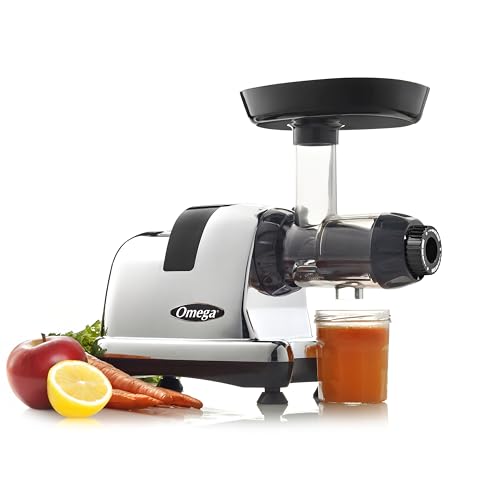
5. Omega masticating juicer
A well-known slow juicer brand that can work with short pieces of cane in some cases. Check the maker guidance first, since stalk toughness can strain household juicers. Cut the cane into short, narrow pieces if the maker allows it.
Suits: people who already want a quality slow juicer. Strengths: strong all-round juicing. Weaknesses: it is not a purpose-built cane press. Skip it if sugarcane is your main goal.
View Omega masticating juicer on Amazon
Best for fibrous crops and leafy greens
6. Tribest Greenstar twin-gear juicer
A twin-gear slow juicer known for handling fibrous vegetables. Some owners use it on cut cane, but check what the maker allows before trying it.
Suits: fibrous crops and leafy greens. Strengths: thorough extraction. Weaknesses: it is a complex machine with many parts. Skip it if you only plan to juice cane.
View Tribest Greenstar twin-gear juicer on Amazon
Care and Setup
- Rinse rollers and trays right after juicing, since sugar turns sticky.
- Dry steel parts fully to prevent rust.
- Peel or scrub the cane well before pressing it.
- Lubricate hand-crank gears as the maker advises.
Mistakes to Avoid
- Forcing a thick stalk into a narrow feed.
- Leaving juice on the machine for hours.
- Buying a household slow juicer expecting it to handle whole stalks.
- Skipping a good wash of the stalk first.
Roller Press or Slow Juicer: Which Approach Fits
Sugarcane is tough, fibrous and full of sweet juice, so the machine has to do real work. A purpose-built cane press squeezes whole stalks between rollers, and it can pass the same piece through more than once to extract more. That design is made for the task, and it suits anyone who plans to juice cane often, whether for a household or a small stall.
A slow juicer uses an auger to crush and press produce, and some can handle short, peeled pieces of cane. This can be a sensible use of a machine you already own, but the fibers are hard on parts that were designed for softer produce. The feed chute is narrow, so you must cut the cane into small, thin sections, which adds preparation time. Always check what the maker says about hard or fibrous items, since forcing cane through a household machine can strain the motor and void a warranty.
Think about volume. If you only want a glass of cane juice now and then, using an existing slow juicer on small pieces may be enough. If you want to juice by the stalk, a roller press is more practical. If you do not have a juicer, buying a general-purpose one for cane alone is a poor match, so consider your other juicing needs too.
Motor, Drive and Power Considerations
Electric cane presses use a motor to turn the rollers, and the power and gearing decide how well the machine copes with thick stalks. A motor that is too weak will stall or overheat. Check the listing for motor details and for any duty cycle guidance, since some machines are designed for continuous use and others need rest periods.
Voltage and plug type deserve a careful look. Machines sold on large marketplaces may be built for a particular supply, and using the wrong voltage can damage the unit or create a hazard. Confirm that the machine matches your local electrical supply, and use a properly rated outlet. Do not use a thin extension cord with a high-power machine.
Hand-crank presses avoid these concerns altogether. They rely on your effort and a gear or lever system, and they suit places without reliable power. Look at the handle length and the gear design, since a longer handle gives more leverage. Some presses can be fitted with a motor later, but check the maker’s guidance.
Noise and vibration are also worth noting. A motorized press can be loud, so consider where you will use it. A stable base, rubber feet and a sturdy table reduce movement and keep the machine safe while it runs.
Preparing and Feeding the Cane
Good juice starts with good cane. Choose stalks that are fresh and firm, without mold, deep cracks or a sour smell. Wash them well, and scrub the surface to remove dirt. Some people peel the outer rind, especially if they are using a slow juicer, while a press can usually handle unpeeled stalks. Check the machine’s guidance for what is recommended.
Cut stalks to a length that fits the machine and your working space. Trim the ends, and remove leaves and nodes that could snag. For a roller press, feed the stalk steadily, and do not force it. If the rollers resist, stop and check for a jam. For a slow juicer, cut into narrow, short pieces and feed them one at a time, giving the auger time to clear each piece.
Pass the cane through more than once if the machine allows it, since a second pass can extract more juice. Keep your hands clear of the rollers, and use a pusher or a tool rather than your fingers when needed. Keep children and pets away from the machine while it runs.
Prepare a clean container for the juice, and have strainers ready. Cane juice contains fine fiber and some foam, and many people strain it before serving. Add a squeeze of lime or a little ginger if you like, but taste first.
Sanitation, Rust Prevention and Juice Handling
Sugary juice turns sticky and attracts insects and bacteria, so clean the machine right after use. Remove the removable parts, rinse them with warm water and scrub with a soft brush. Take extra care with the rollers and the gaps behind them, where sugar and fiber collect. Use mild detergent, and rinse thoroughly.
Dry steel parts completely. Even stainless steel can show spots if left wet, and cast iron or coated steel can rust more readily. After drying, a light wipe with food-safe oil on bare metal surfaces may help, but follow the maker’s advice and wipe away excess before the next use.
For hand-crank models, check gears and bearings for wear and lubricate them as the manual directs, using food-safe lubricant where parts could touch the juice. Keep lubricant away from rollers and trays.
Fresh cane juice is perishable. It darkens as it oxidizes, and it can ferment in warm conditions. Chill it quickly, drink it soon after pressing and do not leave it sitting on a warm counter. If you plan to sell juice, check local food safety rules for equipment, licensing and hygiene, since requirements differ by place.
Store the machine in a dry, clean place with a cover, and inspect it before the next use for rust, cracks or insects.
Space, Assembly and When to Replace
Cane presses can be big and heavy, so plan the space first. Measure the footprint, the height and the area needed for feeding long stalks. Allow room for a tray, a container and a place to stand. A stable table or stand matters, since a heavy machine can shake or tip while running.
Many machines arrive partly assembled, with instructions that may be brief. Read them carefully, tighten fasteners and check that guards and safety covers are in place. If a part seems missing or the instructions are unclear, contact the seller before using the machine. Keep the manual and any spare parts together.
Think about parts availability. Rollers, belts, gears and trays wear out, so check whether replacements are sold and whether the seller offers support. A machine with limited parts support may be hard to repair.
It is time to replace a machine when rollers are worn smooth and no longer grip, when gears or bearings are damaged, when the motor overheats or stalls regularly, or when rust and cracks affect safety and hygiene. For a hand-crank press, loose mounting or bent handles are warning signs. A damaged machine is unsafe, so stop using it until it is repaired or replaced.
How the Picks in This Guide Differ in Daily Service
The machines in this guide split first by drive and only then by size. The VEVOR electric sugarcane juicer represents the mainstream electric approach: powered rollers, a feed chute sized for prepared cane, and a routine built around steady throughput. The Happybuy electric sugarcane juicer and the Goplus electric sugarcane juicer occupy the same broad territory with their own balances of footprint, finish and ease of stripping down for washing. If you are juicing for a family or a small stall, these three are where the honest comparison happens, because they assume electricity is available and that cleaning time counts as part of the job.
The Hand-crank sugarcane press changes the equation entirely by removing the motor. A hand press asks for effort and rewards you with silence, simplicity and nothing electrical to fail, which suits occasional use and places where power is unreliable. At the other end of the bench, the Omega masticating juicer and the Tribest Greenstar twin-gear juicer are not cane machines at all in the dedicated sense; they are heavy-duty juicers that can be pressed into cane service with careful preparation. That distinction matters, because a general juicer asked to crush cane works far outside the task its feed chute and strainer were designed around.
Choose by volume and honesty about your routine. A stall or a household that juices several times a week will repay a dedicated electric machine in saved effort and faster cleaning. Occasional juicing, a festival stall or a garden party points toward the manual press or toward preparing cane carefully for a strong general juicer you already own. The most expensive mistake in this category is buying throughput you never use and then avoiding the machine because stripping and washing it feels like an event.
Preparing Cane So the Machine Does Not Have to Fight It
Cane preparation decides how hard any of these machines works. Start by scrubbing the stalks, since field dirt travels straight into the juice path, and trim away damaged or dried sections that add fiber without adding juice. Cut pieces to a length your machine’s chute accepts without forcing, and split very thick stalks lengthwise so the rollers or press meet a profile they can grip. Forcing an oversized piece is the fastest route to a stall, a bent part or a motor that trips its protection mid-session.
Freshness changes the workload too. Cane that has dried for days after cutting yields less juice and pushes back harder, while fresh cane feeds smoothly and rinses clean more easily. If you buy in bundles, juice the oldest stalks first and store the rest cool and shaded, ideally standing in a little water if you will use them soon. Frozen cane should thaw fully before pressing; a half-frozen core feeds unevenly and can shock rollers and gears with sudden resistance.
Work in a rhythm the machine likes. Feed steadily rather than in bursts, let each piece clear before the next enters, and keep a bowl ready so pressed stalks do not pile up against the outlet. If the sound changes or the feed slows, stop and clear rather than pushing harder, because a jam cleared early takes seconds while a jam forced deeper can mean dismantling the roller housing. These habits sound basic, yet they are the difference between the smooth service the VEVOR electric sugarcane juicer is capable of and a frustrating afternoon with any machine on this list.
Juice Handling: Freshness, Straining and Safe Storage
Sugarcane juice is at its best within minutes of pressing, when its grassy sweetness is bright and its color is pale. It oxidizes quickly, darkening and flattening as it stands, so plan to press close to serving time and in quantities you will actually use. A squeeze of lime or a little ginger, added at serving, is the traditional answer to both flavor and appearance, slowing the dull look while adding the lift that plain juice loses as it sits.
Strain according to the machine and the drinker. Dedicated presses pass fibrous flecks that a simple mesh strainer catches, and children and cautious drinkers usually prefer the smoother result. Serve over plenty of ice in hot weather, both for temperature and because the slight dilution suits the juice’s sweetness. If you must hold juice for later the same day, refrigerate it promptly in a clean, filled-to-the-brim container to limit air contact, and expect a gentler version of the fresh drink rather than the same experience.
Hygiene deserves the same attention as flavor, because raw juice has no cooking step to rescue it. Wash hands and preparation surfaces, keep the cane off the floor, and clean the machine’s juice path the same day without exception, since sugary residue feeds rapid spoilage and attracts insects overnight. Anyone pressing for sale should follow local food rules for raw juice, which exist precisely because this drink is served unprocessed. Good handling is invisible when it is done well, and it is what lets a home press like the Hand-crank sugarcane press or a busier electric unit serve juice you can offer guests with confidence.
Troubleshooting Pressing Problems and Their Usual Causes
Low yield is the complaint that starts most troubleshooting, and its causes are usually upstream of the machine. Dry or old cane gives little juice no matter how strong the rollers are, and pieces fed too quickly can pass through under-pressed. Test with the freshest stalk you have, feed it slowly, and pass the pressed piece through a second time if your machine’s design allows it; many presses leave worthwhile juice behind on a single pass, especially with thinner stalks.
Stalling and tripping point to resistance the machine cannot clear. Check for a piece that entered crooked, a buildup of fiber around the rollers, or a stalk far thicker than the rest of the batch. Clear the jam with the machine off and unplugged, never with fingers near the rollers, and use the reverse function only if the maker provides one. If stalls happen on ordinary cane at modest feed rates, the machine may be undersized for your volume, which is the practical argument for stepping from a general juicer toward a dedicated unit like the Happybuy electric sugarcane juicer or Goplus electric sugarcane juicer.
Off flavors and dark juice trace back to cleanliness and time. Residue from a previous session sours quickly in a warm kitchen and will season the next batch unpleasantly, while juice left standing darkens regardless of how clean the machine is. Metallic notes can come from pressing cane that picked up soil or from a damaged surface in the juice path, both worth investigating before the next session. Keep a short log of cane source, freshness and settings; patterns appear quickly on paper that stay invisible in memory.
Extra Questions Readers Ask About Cane Juicing
Can a regular kitchen juicer handle sugarcane safely?
Only strong machines, only with careful preparation, and only in small amounts. Cane must be peeled, cut small and fed slowly, and even then the strain is far beyond what fruit and vegetables impose. Centrifugal juicers are generally a poor match because their baskets and speeds are not built for fibrous stalks. If cane becomes a regular habit, a dedicated press protects both the juice quality and the juicer you rely on for everything else, which is why this guide treats general machines like the Omega masticating juicer as occasional stand-ins rather than equals.
How do I know cane is fresh enough to buy?
Look for firm stalks with a clean, slightly waxy rind and no sour smell at the cut ends. Freshly cut ends look moist and pale rather than dry, dark or cracked. Heavy stalks for their size usually carry more juice, while light, rattly ones have dried out. Buy from a seller who cuts or trims in front of you when you can, and plan to juice within a short window of purchase. At home, trim a small piece and taste it; fresh cane is sweet and clean, and stale cane announces itself immediately.
What should I do with the pressed fiber afterward?
The pressed stalk, called bagasse, is bulky but not useless. Gardeners dry it for mulch, and it composts well when mixed with greener material so the pile does not mat down. Keep it out of the machine area while you work, because loose fiber near rollers and belts invites mess and pests. If you juice in quantity, agree a disposal routine before the session rather than improvising around a growing pile. At minimum, bag it the same day; sweet residue attracts insects faster than almost anything else in a kitchen.
Setting Up a Juicing Station That Cleans Up Fast
Where you juice decides how often you juice. Set the machine on a stable, washable surface near water, with room on one side for prepared cane and on the other for pressed fiber, so the work flows in one direction and nothing crosses back over the clean side. Keep a bowl of clean water and a cloth within reach for hands and spills, because cane juice is sugar water and every drip left standing becomes a sticky magnet for dust and insects by evening.
Stage the session before you switch on. Cane scrubbed, trimmed and cut; containers ready; strainer and serving vessels out; a bag open for fiber. Five minutes of staging turns pressing into a rhythm instead of a scramble, and a rhythm is what keeps feeding steady and jams rare. If children or guests are watching, give them the safe jobs, carrying whole cane and finished juice, and keep every other hand away from the feed side of the machine while it runs.
Cleanup begins the moment the last stalk is pressed, not after the juice is enjoyed. A rinse of the juice path while residue is wet takes a fraction of the time the same job takes an hour later, and it protects the next session’s flavor. Dry parts before reassembly so moisture does not sit in seams, and leave the machine open to the air for a while in a humid climate. Owners of every pick here, from the Hand-crank sugarcane press hand press to the busiest electric unit, report the same truth: the station routine, not the motor, decides whether juicing feels easy.
Costs, Yields and Whether a Dedicated Machine Pays for Itself
Judge a cane press the way a small stall would: by cost per glass over its life. Add the machine, any spare parts and your time honestly, then set it against what fresh cane juice costs to buy, if it can be bought near you at all. Households that juice weekly usually find the arithmetic friendly within a season or two, while monthly juicers should weigh the manual and dual-purpose picks more kindly, since their lower commitment matches the use they will actually get.
Yield is the variable that swings the calculation most. Fresh, heavy cane pressed carefully gives generously; dry cane gives little and makes every machine look weak. Buying cane well, from a source with turnover, and pressing it promptly protects both flavor and economics. Keep rough notes of bundle cost and glasses produced for the first few sessions; the pattern tells you your true cost per glass and whether a step up to a stronger dedicated unit like the VEVOR electric sugarcane juicer would genuinely pay in your kitchen.
Resale and second lives soften the risk. Dedicated presses hold value among home juicers and small vendors, and a well-kept manual press is nearly immortal. Buy the machine your current habit justifies, keep it clean and documented, and upgrade only when your log, not your enthusiasm, says the volume is real. That discipline is how small stalls grow without waste, and it works exactly the same on a home counter.
Teaching Another Person to Run the Machine Safely
A juicer that only one person can run is a bottleneck and, in a small business, a risk. Teach the second operator the whole routine, not just the pressing: cane inspection, preparation sizes, feed rhythm, the sound of a happy machine and the sound of one asking for help. Supervise the first sessions fully, then let the new operator run a session while you only watch, correcting grip, pace and cleanup order. Competence transfers through doing, not through a lecture beside a running machine.
Write the house rules where the machine lives: power off before clearing anything, hands never in the feed path, cane sizes on a sample stick or a marked line rather than in someone’s memory. A physical gauge for cane length and thickness prevents more jams than any warning, because it turns judgment into measurement. Keep the manual and your own session notes with the machine, including the quirks your particular unit has taught you.
Cleanup deserves the same teaching care as pressing, because the operator who presses should be able to strip, wash and reassemble the machine without inventing a step. Label parts that only fit one way if the design allows confusion, and photograph the assembled juice path before the first strip-down; that photo has rescued many reassembly puzzles. A machine two people understand is used more, maintained better and forgiven its small demands.
Refresh the lesson when anything changes: a new cane supplier, a different stalk thickness, a replacement part. Habits tuned to old material can strain a machine on new material within one session. The five minutes spent recalibrating together is the cheapest maintenance in this entire guide, and it protects every pick here, from the simple Hand-crank sugarcane press to the hardest-working electric unit on the list.
A Final Decision Checklist Before You Buy
And if two picks still seem equal after all of this, choose the one whose maker supports it better where you live: clearer documentation, easier spare parts and a range that stays available for replacements. Small differences in the product itself fade within weeks of use, while support is the gift that keeps arriving for years. That tie-breaker, applied calmly, ends most deadlocks in this guide, and it has the extra virtue of being right even when the products themselves are too close to call.
Before you settle on a final choice, run one last comparison against your own routine rather than against the marketing. List the three jobs your sugarcane juicer will do most often, in the order you actually do them, and check the pick you favor against each one in turn. Most disappointment in this category comes from a product that excels at a job its owner rarely gives it, while being merely adequate at the daily task. A few minutes with that list is the cheapest insurance in the whole purchase, and it frequently moves readers one place up or down this guide’s list, which is exactly what a list is for.
It also helps to decide in advance what would make you return or replace the purchase, because that decision is clearer before a box is open than after a week of hoping a mismatch improves. A fit that is wrong, a part that does not seal, seat or connect as described, or a result that falls short on the first honest test are all legitimate reasons to act quickly while returns are simple. Minor unfamiliarity is not; most products in this guide have a short learning curve, and the second or third use is the fairer test. Knowing the difference in advance protects both your money and your patience.
Finally, keep the paperwork and the product details together somewhere you will find them in a year: the exact model name, the date it went into use and any spare parts you bought with it. Future you, ordering a replacement part or checking whether a new accessory fits, will be grateful for thirty seconds of filing today. Good ownership in this category is mostly that, a series of small, unglamorous habits that keep a well-chosen product performing the way it did in its first week, long after the excitement of choosing it has faded.
One more check is worth making before you order: measure the space, surface or cupboard where this purchase will actually live, and compare those numbers with the product’s stated dimensions rather than its photographs. Listings are shot to flatter, and scale is the first casualty of flattering photography. A product that fits its home gets used daily; one that must be stored awkwardly, dragged out or worked around will be quietly resented within a month, however well it performs. Two minutes with a tape measure has saved more purchases in this category than any other single habit.
If you are buying for someone else, weight the forgiving end of this guide more heavily than you would for yourself. A gift succeeds when it fits the recipient’s routine without asking them to change it, so favor the pick that tolerates varied habits, washes easily and does not depend on accessories they do not own. Include the receipt or a note of the exact model, and mention care in one friendly sentence rather than a lecture. The best-regarded gifts in this category are the ones still in daily use a year later, and that outcome is decided by fit long before it is decided by quality.
Sugarcane Juicer FAQ
Can a regular juicer handle sugarcane?
Some slow juicers can process short, peeled pieces, but whole stalks usually call for a purpose-built press. Follow the maker guidance.
How should I keep the juice fresh?
Drink it soon after pressing and chill it quickly. Cane juice darkens and ferments if left out.
What goes well with the juice?
Lime, ginger and mint are common additions.
Do I need to peel sugarcane before juicing?
It depends on the machine. Roller presses often take unpeeled, well-washed stalks, while slow juicers usually need peeled, short pieces. Check the maker's guidance.
How much juice can I expect from one stalk?
It varies with the variety, freshness, length and the machine. Fresh, juicy stalks and multiple passes through a press give better results.
Why does cane juice turn dark?
Oxidation darkens it soon after pressing. Chilling the juice quickly, drinking it fresh and adding a little lime juice can slow the change.
Can I freeze fresh cane juice?
Many people do, in clean containers with some headspace. Quality can change, so it is best enjoyed fresh, and you should follow safe food-handling practices.
Is a hand-crank press hard to use?
It takes effort, especially with thick stalks, but a good leverage design helps. It suits small quantities and places without power.
What should I do with the leftover fiber?
The pressed fiber, known as bagasse, can go to compost in many cases. Check local rules, and avoid dumping it down a drain.
How do I stop the machine from jamming?
Feed steadily, use stalks that fit the opening, trim hard nodes and clean the rollers regularly. If a jam occurs, switch off and unplug the machine before clearing it.
Sourcing Cane: Fresh, Frozen and Where to Look
The machine is only half the equation, because juice quality depends heavily on the cane you feed it. In tropical regions, fresh stalks are sold at farmers’ markets and grocery stores. Elsewhere, you may find them at Asian, Latin American or Caribbean markets, usually cut into lengths of a few feet. Ask when the stalks were cut, since cane dries and sours with age.
Good stalks feel heavy for their length, firm all the way along, and show no mold, sour smell or sticky weeping at the cut ends. Dry, hollow-sounding or shriveled sections yield little juice. Thin stalks run through some machines more easily, while thick ones may need trimming or a wider roller gap.
Frozen peeled or cut cane is sometimes sold in sections. It can work, but thaw it fully before pressing and expect somewhat lower sweetness and flavor than freshly cut stalks. Canned or bottled cane juice is a different product altogether and gives no reason to own a press. If you cannot find reliable cane nearby, consider that before spending on a machine, since a juicer without a steady supply of stalks will sit unused.
Throughput Planning: Home, Party and Small Vending
How much you plan to press changes which machine makes sense. For a household making a few glasses on weekends, a modest roller press or a slow juicer handles the job, and cleanup time matters more than speed. For parties, an electric roller unit that pulls stalks through quickly saves time, though you will still want a helper to feed and clear fiber.
If you are thinking about selling juice at markets or events, the equation changes. Commercial use brings food-safety rules that vary by location, covering licensing, sanitation, washing facilities and ingredient handling. Check your local health department before purchasing. Machines built for home use may not meet commercial requirements for materials or cleaning access, and a heavier-duty unit with stainless contact surfaces becomes more relevant.
A useful way to estimate demand: figure out how many glasses you want per session and divide by an assumed yield per stalk, then plan to buy a little more cane than the math suggests. Yield varies with stalk freshness and machine, so build in margin rather than counting on a precise number.
Safety Around Rollers, Gears and Feed Openings
Roller presses crush hard fiber with substantial force, which makes them more hazardous than many kitchen appliances. Treat the feed area with respect.
- Never push stalks with your fingers. Use the supplied pusher or a length of cane long enough to keep hands clear.
- Unplug the unit before clearing a jam or cleaning the rollers, and wait for the rollers to stop.
- Keep loose sleeves, jewelry and hair away from the feed opening.
- Place the machine on a stable, dry surface with the cord clear of juice spills.
- Keep children and pets away while it runs.
Electric models near liquid deserve extra care. Juice splashes happen, so keep the motor housing and plug away from the collecting vessel, and use a grounded outlet. A hand-crank press removes electrical risk but still has crushing points, so the same hand-clearance habits apply.
Troubleshooting Poor Extraction and Odd Noises
If a machine produces less juice than expected, work through the likely causes before blaming it. Dry or old cane is the most common reason, so test with fresh stalks. Next, check the roller gap; if the manual allows adjustment, tightening it squeezes harder but also increases motor load and the risk of jamming. Wet, sticky buildup on the rollers can reduce grip, so clean them between batches.
Unusual sounds deserve attention. A rhythmic squeak often points to dry bearings or gears needing food-safe lubricant per the manual, while a grinding noise can indicate a hard knot or an overloaded motor. Stop immediately, unplug and inspect instead of pushing through. Rust on exposed iron parts appears quickly in humid conditions, so dry thoroughly after washing.
Questions to Ask Before Choosing a Machine
Start with the contact surfaces. Parts that touch juice should be easy to wipe or disassemble, because cane sugar ferments and attracts insects quickly. Ask whether the rollers are adjustable, whether spare parts are sold, and whether the motor has a reverse function for clearing jams. Think about power supply and voltage as well; a machine designed for a different electrical standard needs a proper converter and is best avoided. Estimate how often you will use it, because an occasional juicer may be better served by a simple manual press than a large electric unit that demands storage space. Finally, check the warranty terms and return process before ordering, since heavy equipment is expensive to ship back.
Frequently Asked Questions
Where can I buy sugarcane for juicing?
Look in Asian, Latin American and Caribbean grocery stores, farmers’ markets and some larger supermarkets, where stalks are sold in cut lengths. Choose firm, heavy stalks without mold or sour odor, and ask how recently they were cut. Frozen cane is an option but is less flavorful.
Is fresh sugarcane juice very sugary?
Yes, it is naturally sweet and contains a significant amount of sugar, so treat it as a sweet beverage rather than a health drink. Serving small glasses, often over ice or with lime or ginger, is common. Anyone managing blood sugar should check with a health professional.
Can I run ginger or lime through the machine with the cane?
Many people press a small piece of ginger alongside a stalk, and squeeze lime directly into the glass. Check the manual first, since fibrous or acidic items can stress some presses. Adding lime after pressing is simpler and keeps the machine clean.
How long does cleanup usually take?
Plan on ten to twenty minutes, depending on the model, since sticky juice and fiber need to be rinsed off rollers and trays soon after use. Machines with few removable parts and smooth surfaces clean faster, and waiting until the juice dries makes it much harder.
The Short Version
For a commercial-style press, the VEVOR. For frequent juicing, the Happybuy. For a household-level machine, the Goplus. For no power, the hand-crank press. For a slow juicer you may already want, the Omega. For fibrous crops, the Tribest Greenstar.

