Disclosure: topratedkitchenware.com is reader-supported. When you buy through links on our site, we may earn an affiliate commission from Amazon and other retailers, at no extra cost to you.
Where to buy
Here is the verified shortlist for best grills for cold weather. Grilling in cold weather is a fight against physics: propane pressure drops as temperatures fall, wind strips heat from every lid opening, and grills take far longer to preheat. The six verified picks below are all gas models chosen for output, lid design and burner count — the traits that decide winter performance. Each name links to its Amazon listing, where you can check the latest price on Amazon and confirm the current configuration.
- Nexgrill 4-Burner Stainless Gas Grill with Side Burner
- Weber Spirit E-425 Gas Grill
- Electactic Stainless Steel 4-Burner Gas Grill with Side Burner
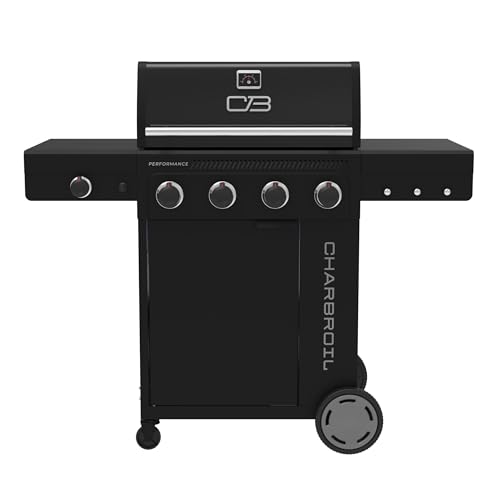
- Char-Broil Performance Series 4-Burner Gas Grill Cabinet
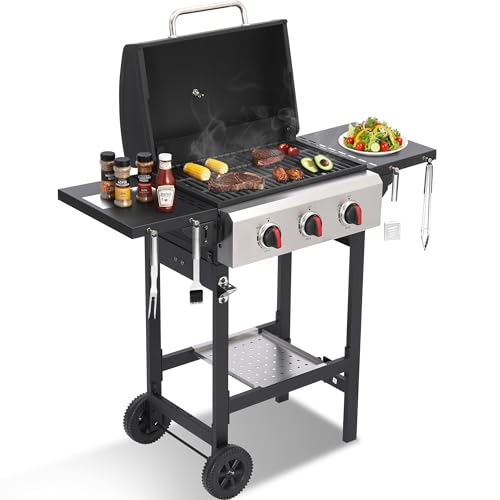
- IdeaMaxx 3-Burner Propane Gas Grill
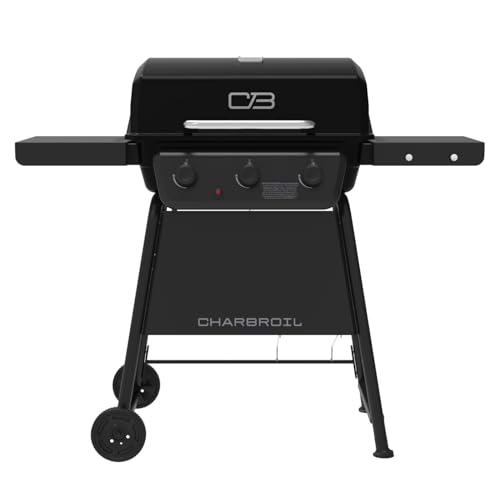
- Char-Broil Classic 3-Burner Propane Gas Grill
Start with the first-listed pick if you want the shortest route: Check on Amazon for the current configuration of the Nexgrill 4-Burner Stainless Gas Grill with Side Burner. Read the full guide ↓ for the reasoning, the honest limitations of every pick, and the checks that matter more than any headline claim.
The best grills for cold weather are the ones that treat winter as a design condition rather than an inconvenience. When the temperature drops, a propane tank delivers less pressure, a thin lid leaks the heat you paid for, and a grill that felt powerful in July can struggle to sear in January. Cold-weather grilling rewards reserve output, multiple burners for zoning against the chill, and the discipline to cook with the lid down.
All six picks here are propane gas grills, because instant ignition and controllable output are what winter cooking demands; the ranking runs from a 60,000 BTU stainless flagship down to a compact three-burner, with honest notes on where each one’s winter ceiling sits. You will also find the fuel and safety habits that matter as much as the hardware — tank management in the cold is half the battle. Grillers in milder but windy climates will find overlap in Best Grills For Coastal Areas, and those equipping a year-round outdoor kitchen can compare Best Grills For Chefs for control-focused thinking.
Key Takeaways
- Reserve output is the winter specification: a grill working hard in July loafs in January, and vice versa.
- Propane tanks lose pressure in deep cold — keep a full spare, and store the in-use tank out of the wind.
- Lid discipline decides winter results: preheat longer, open briefly, cook closed.
- Multiple burners let you build a hot side and a holding side, which matters more when ambient air is freezing.
- Compact grills heat faster but also cool faster; big grills are slower to warm and steadier once hot.
- Never grill in a garage or enclosed space in winter — cold is uncomfortable, carbon monoxide is dangerous.
In this guide
Quick Picks: Best grills for cold weather
Badges rank winter capability: heat reserve, recovery after the lid opens, and how forgiving each grill is when the weather is doing its worst.
| Pick | Badge | Why it is here | Link |
|---|---|---|---|
| Nexgrill 4-Burner Stainless Gas Grill with Side Burner | Best Overall for Cold Weather | 60,000 BTU, 626 square inches and a stainless body — the biggest heat reserve here. | Check on Amazon |
| Weber Spirit E-425 Gas Grill | Best Sear in the Cold | A dedicated Sear Zone with Boost Burners concentrates heat exactly where winter steals it. | Check on Amazon |
| Electactic Stainless Steel 4-Burner Gas Grill with Side Burner | Best Mid-Size Winter Pick | Stainless four-burner with a side burner for complete winter menus. | Check on Amazon |
| Char-Broil Performance Series 4-Burner Gas Grill Cabinet | Best Cabinet Pick | Cabinet design shelters the tank and storage from the worst of the weather. | Check on Amazon |
| IdeaMaxx 3-Burner Propane Gas Grill | Best Compact for Cold Snaps | Three burners and cast iron grates in a compact cart that preheats quickly. | Check on Amazon |
| Char-Broil Classic 3-Burner Propane Gas Grill | Best Small-Patio Winter Grill | A simple three-burner with porcelain-coated grates for sheltered winter patios. | Check on Amazon |
How These Picks Were Chosen
This is a research-led guide. We ranked the verified pool on the specifications that predict cold-weather performance: total published output, burner count, cooking area, grate and body materials, and design features such as enclosed cabinets and dedicated sear zones. We did not freeze-test these grills, and no claim here pretends otherwise; the rankings apply established cold-weather principles — propane behaviour, heat loss, thermal mass — to the makers’ published data.
Two principles dominate. First, reserve: in deep cold a grill may deliver noticeably less effective heat, so a model with output to spare in summer is merely adequate in winter, while a marginal summer grill fails. Second, recovery: every lid opening in January dumps hard-won heat, and the grills that regain temperature fastest are those with strong output and grates that store heat, such as cast iron. Cabinet designs earned credit for sheltering the tank, because a wind-chilled tank is a weak tank.
We were equally clear about ceilings. The compact picks are fair-weather friends drafted into winter: they will cook in a cold snap on a sheltered patio, and their reviews say exactly where their limits bite. Readers whose winters are mild will find even the smallest pick sufficient; readers grilling through northern winters should start at the top of this list. Event and shared-space winter cooking raises extra questions, addressed in Best Grills For Concession Stands and Best Grills For Commercial Use At Condo.
The 6 Best Grills for Cold Weather

Nexgrill 4-Burner Stainless Gas Grill with Side Burner
Badge: Best Overall for Cold Weather
Strengths
- 60,000 BTU is the largest heat reserve in this pool
- 626 square inches let you cook in batches without crowding
- Double-door cabinet shelters the tank from wind chill
Trade-offs
- Big grill means a long preheat in deep cold
- Stainless needs a wipe to stay smart through slush season
- Large footprint to house all winter
At a glance
- Fuel: Propane gas
- Burners: 4 plus side burner
- Output: 60,000 BTU
- Cooking space: 626 sq in
- Body: Stainless steel, double-door cabinet
- Extras: Built-in thermometer, electronic ignition
The big Nexgrill is the winter flagship because winter is a game of reserves. Sixty thousand BTU behind 626 square inches means that when January taxes the system — cold tank, cold air, cold food — this grill still has searing heat left over. The cabinet earns its keep too: a propane tank sheltered from wind chill delivers steadier pressure than one standing exposed on an open cart.
Plan around its mass. A grill this size takes a genuinely long preheat in deep cold, so light it early and let it heat-soak while you prep indoors. Once hot, it is the steadiest platform here, holding zones through a whole winter menu. For households that grill year-round without apology, this is the pick.
Winter note: light this grill earlier than feels reasonable — twenty minutes in deep cold — and cook the menu in descending order of thickness, so the thickest cuts get the fully heat-soaked grate and the quick items ride the recovery. Its cabinet keeps the spare tank’s valve from icing into stubbornness on the coldest mornings.
Best for: serious year-round grillers in genuinely cold climates / Not suited for: small patios or impatient cooks in deep winter
Check on Amazon to confirm the current configuration of the Nexgrill 4-Burner Stainless Gas Grill with Side Burner before you buy.

Weber Spirit E-425 Gas Grill
Badge: Best Sear in the Cold
Strengths
- Sear Zone with Boost Burners concentrates maximum heat in one area
- Porcelain-enamelled cast-iron grates store heat through the flip
- Four burners zone well for mixed winter menus
Trade-offs
- Premium-tier position in its class
- No cabinet, so the tank stands more exposed — position it out of the wind
- Accessory rails are extras, not winter essentials
At a glance
- Fuel: Propane gas
- Burners: 4
- Sear zone: Sear Zone with Boost Burners
- Grates: Porcelain-enamelled cast iron
- Accessory system: Weber Works rails
- Colour: Black
Where the Nexgrill wins on total reserve, the Spirit E-425 wins on concentration. Its Sear Zone with Boost Burners focuses the grill’s fiercest heat into one patch of grate — exactly the tool winter demands, because a small, very hot zone defeats the cold better than a large, lukewarm one. Steaks and chops get their crust there, then move to the gentler burners to finish with the lid down.
The porcelain-enamelled cast-iron grates are the second winter asset: mass that stores heat and returns it to the food when a cold steak lands. Position the grill so the tank sits out of the prevailing wind, give it a full preheat, and this is the most precise cold-weather cooking tool in the guide.
Winter note: use the Sear Zone as the grill’s winter engine and the outer burners as its harbour — crust in the zone, finish in the harbour, rest indoors. The enamelled grates shrug off the freeze-thaw of a covered winter on the deck better than most surfaces in this pool.
Best for: cooks who sear seriously all winter / Not suited for: buyers wanting enclosed tank storage
Check on Amazon to confirm the current configuration of the Weber Spirit E-425 Gas Grill before you buy.

Electactic Stainless Steel 4-Burner Gas Grill with Side Burner
Badge: Best Mid-Size Winter Pick
Strengths
- Stainless body shrugs off snow-season weather
- Four burners plus a side burner for pots of winter sides
- Built-in thermometer for lid-down cooking
Trade-offs
- 42,000 BTU is mid-pack reserve for the coldest nights
- Stainless shows winter grime and wants a wipe
- No enclosed cabinet for the tank
At a glance
- Fuel: Propane gas
- Burners: 4 plus side burner
- Output: 42,000 BTU
- Body: Stainless steel
- Extras: Built-in thermometer
The Electactic is the balanced winter pick: stainless construction that treats snow and slush as weather rather than damage, four burners for zoning, and a side burner that earns its place in winter — a pot of beans or a pan of sauce cooks outside while the main grate handles the meat, keeping the whole meal on one station.
Its reserve is honest mid-pack. At 42,000 BTU it handles cold weather on a reasonably sheltered patio without drama, but in the deepest cold on an exposed deck you will feel the difference against the two picks above. Match it to a normal suburban winter and it is a strong, durable answer.
Winter note: the side burner earns a specific winter job — a pot of something hot and ready the moment the grill food lands, because winter meals punish delay. Keep its lid down when idle; a snow-filled side burner is a small, avoidable sadness.
Best for: households grilling through a typical winter on a sheltered patio / Not suited for: exposed sites in severe cold
Check on Amazon to confirm the current configuration of the Electactic Stainless Steel 4-Burner Gas Grill with Side Burner before you buy.

Char-Broil Performance Series 4-Burner Gas Grill Cabinet
Badge: Best Cabinet Pick
Strengths
- Cabinet base shelters tank and gear from the weather
- Four burners plus side burner cover full winter menus
- Enclosed storage keeps winter accessories dry and ready
Trade-offs
- Pool data lists no output figure, so winter reserve must be judged by format
- Black finish needs cover discipline through freeze-thaw
- Cabinet can trap damp if covered while wet
At a glance
- Fuel: Propane gas
- Burners: 4 plus side burner
- Format: Cabinet style
- Model: 463253925
- Colour: Black
The Performance Series cabinet grill makes its winter case the same way it made its coastal one: enclosure. A tank behind cabinet doors sits in stiller, slightly warmer air than a tank on an open cart, and steadier tank pressure is steadier heat. The cabinet also stores the winter kit — brush, gloves, thermometer — dry and at hand, which is what keeps people grilling in February instead of waiting for May.
The unknown here is output: the pool data does not publish a figure, so we rank it by format rather than numbers, below the picks with proven reserves. Treat it as a capable mid-winter grill for ordinary cold, keep it covered dry, and it will not embarrass you when the temperature drops.
Winter note: this cabinet design keeps the winter kit — brush, gloves, probe — dry at the point of use, which is the difference between a February cookout and a February excuse. Vent the cabinet on fine days so stored gear does not sit in trapped damp.
Best for: organised winter grillers who value sheltered storage / Not suited for: severe-cold cooks who need published maximum output
Check on Amazon to confirm the current configuration of the Char-Broil Performance Series 4-Burner Gas Grill Cabinet before you buy.

IdeaMaxx 3-Burner Propane Gas Grill
Badge: Best Compact for Cold Snaps
Strengths
- Compact cart preheats faster than the big grills
- Cast iron grates hold heat through each flip
- Foldable shelves tuck it into a garage corner between cooks
Trade-offs
- 38,200 BTU is a modest reserve in deep cold
- No side burner or cabinet
- Smaller area means batches on winter crowd nights
At a glance
- Fuel: Propane gas
- Burners: 3
- Output: 38,200 BTU
- Grates: Cast iron
- Shelves: Foldable side shelves
- Colour: Black
The IdeaMaxx is the cold-snap pick: small enough to heat up quickly, with cast iron grates that behave like heat batteries once they are hot. For a household that grills through autumn and mild winter — and fires up on the odd freezing weekend — its balance of quick preheat and real grate mass is genuinely sensible.
Know its ceiling. In deep, windy cold its 38,200 BTU works hard just to hold temperature, and you will cook in smaller batches with the lid firmly down. That is a fair trade for its size and storability, and the foldable shelves mean it winters in a garage corner rather than under a tarp.
Winter note: this compact cart’s fast preheat makes it the weeknight winter pick — home, grill lit, dinner in the time a big grill is still warming. In a hard freeze, cook in two smaller batches rather than one crowded one and its cast iron grates will hold up their end.
Best for: compact households grilling through mild to moderate winters / Not suited for: severe cold or winter crowd cooking
Check on Amazon to confirm the current configuration of the IdeaMaxx 3-Burner Propane Gas Grill before you buy.

Char-Broil Classic 3-Burner Propane Gas Grill
Badge: Best Small-Patio Winter Grill
Strengths
- Porcelain-coated grates clean easily after winter cooks
- Simple three-burner layout with little to go wrong
- Compact size suits sheltered patios and quick preheats
Trade-offs
- 30,000 BTU is the smallest reserve here — deep cold will expose it
- No cabinet or side burner
- Best kept as a fair-to-cool-weather grill with winter cameos
At a glance
- Fuel: Propane gas
- Burners: 3
- Output: 30,000 BTU
- Cooking area: 360 sq in
- Grates: Porcelain-coated
- Shelves: Side shelves
The Char-Broil Classic closes the list with its role stated plainly: it is a good small grill that can cook in cold weather within limits, not a winter specialist. On a sheltered patio in a cold snap, with a full preheat and the lid down, it will produce a proper dinner. Its porcelain-coated grates clean up easily, which matters when your fingers are cold.
In sustained deep cold, its 30,000 BTU simply has less to give, and cooks will feel it in longer preheats and gentler sears. If your winters are mild and your patio sheltered, that may never matter. If they are not, this guide’s upper half exists for you.
Winter note: keep this grill’s ambitions seasonal — brilliant from autumn through spring’s cool edges, and a fair performer in a sheltered cold snap. In the deep weeks, give it the lee-side position and a full tank, and it will not embarrass the household.
Best for: mild-winter households on sheltered patios / Not suited for: anyone grilling through a northern winter
Check on Amazon to confirm the current configuration of the Char-Broil Classic 3-Burner Propane Gas Grill before you buy.
Comparison Table
Winter turns on reserve and recovery. Output figures are the makers’ published pool data; where a maker does not publish output, the table says so and the ranking leans on format instead.
| Pick | Badge | Fuel | Cooking space | Standout feature | Link |
|---|---|---|---|---|---|
| Nexgrill 4-Burner Stainless Gas Grill with Side Burner | Best Overall for Cold Weather | Propane | 626 sq in | 60,000 BTU, cabinet storage | Check on Amazon |
| Weber Spirit E-425 Gas Grill | Best Sear in the Cold | Propane | Not published in pool data | Sear Zone with Boost Burners | Check on Amazon |
| Electactic Stainless Steel 4-Burner Gas Grill with Side Burner | Best Mid-Size Winter Pick | Propane | Not published in pool data | Stainless body, side burner | Check on Amazon |
| Char-Broil Performance Series 4-Burner Gas Grill Cabinet | Best Cabinet Pick | Propane | Not published in pool data | Cabinet-sheltered tank | Check on Amazon |
| IdeaMaxx 3-Burner Propane Gas Grill | Best Compact for Cold Snaps | Propane | Not published in pool data | Cast iron grates, quick preheat | Check on Amazon |
| Char-Broil Classic 3-Burner Propane Gas Grill | Best Small-Patio Winter Grill | Propane | 360 sq in | Porcelain-coated grates | Check on Amazon |
How to Choose a Grill for Cold Weather
Reserve output: the winter specification
In summer, almost any grill in this pool feels strong. Winter reveals the truth, because cold air, cold food and a cold-soaked grill all tax the same burners. As a working rule, choose one tier hotter than your summer instinct: if a three-burner served you in July, a four-burner with strong output is your January grill. The published totals in this guide — from the Nexgrill’s 60,000 BTU down to the Classic’s 30,000 — are the single best predictor of winter satisfaction, read alongside grate material and lid fit.
Propane in the cold: tank management
Propane vaporises more slowly as temperature falls, and a tank also chills itself as gas is drawn off — which is why a grill can fade mid-cook on the coldest night even with fuel remaining. Countermeasures: start winter cooks with a full tank, keep a full spare stored upright and sheltered, position the in-use tank out of the wind (a cabinet helps), and never bring a tank indoors or warm it with any external heat source. If output fades in deep cold, swapping to the warmer spare is the safe, standard fix.
Lids, grates and thermal mass
A winter grill is a heat bank. Cast iron grates and heavy lids store heat and return it when cold food lands; thin components swing with every lid opening. The Weber’s porcelain-enamelled cast iron and the IdeaMaxx’s cast iron grates earn their winter reputations here. Cook closed, open briefly and decisively, and batch your lid openings — turn everything in one opening rather than peeking at each piece. These habits, detailed in the how-to below, are worth as much as a burner upgrade. Grillers comparing formats for a permanent outdoor kitchen can cross-check Best Grills For Cooking for the wider field.
Position and shelter
A grill placed in the lee of the house, out of the prevailing wind, performs a class above the same grill on an exposed corner. Wind is a bigger heat thief than ambient cold. If you can add a windbreak that keeps safe clearances — never a flammable screen close to the grill — do it. And keep the path from kitchen to grill short and lit; winter grilling fails socially, not technically, when the cook must cross an icy deck twelve times.
How to Grill in Cold Weather: Setup, Heat Management and Safety
Cold-weather grilling is ordinary grilling with longer preheats, stricter lid discipline and respect for fuel behaviour. The sequence below assumes a propane grill from this guide.
- Start with a full tank and a full spare; check connections, and clear snow or ice from the grill, the vents and the area around it.
- Position the grill out of the wind with safe clearances, on a stable, ice-free surface — never in a garage, porch enclosure or under a low overhang.
- Preheat with the lid down for at least fifteen to twenty minutes in deep cold; the grates must be heat-soaked, not just the air inside.
- Prep everything indoors so the cook is a series of short, decisive trips: food seasoned, tools ready, platters warm.
- Cook with zones: a hot side for searing, a gentler side for finishing and holding, and keep the lid closed between turns.
- Batch your lid openings — turn or move everything in one opening, then close and let the grill recover.
- Rest cooked food indoors, and shut down properly: burners off, tank valve closed, grill covered once cool and dry.
Adjust your timing expectations rather than your standards. Winter cooks run longer, especially for thick cuts, so lean on a probe thermometer instead of summer timings. Keep the thermometer’s probe wire from pinching in the lid, and bring the thermometer indoors between uses — cold-soaked electronics read slowly. With those adjustments, winter grilling is not a compromise sport: many cooks find the cold, still air and a hot grill one of the year’s pleasures.
Troubleshooting
Problem: the grill will not reach searing temperature → the tank is cold-soaked or low. Swap to a full, sheltered spare tank, confirm the grill is out of the wind, and extend the preheat; if flames stay weak with a fresh tank, inspect burner ports for blockages once cool.
Problem: heat collapses every time the lid opens → normal physics, managed by habit: preheat longer so grates store more heat, open less often, and finish food in the gentler zone with the lid down rather than hovering.
Problem: the igniter clicks but will not light in the cold → cold and damp affect ignition. Dry the electrode area, check the battery if fitted, and light with a long lighter through the lighting hole per the maker’s instructions if needed — never reach across the grate.
Why There Is No Charcoal Pick in This Guide
The assigned pool for cold weather is entirely propane gas, and the guide says so rather than padding the list. Charcoal can grill beautifully in winter — a kettle’s coal fire is fierce — but it asks the cook to stand over a chimney starter in the cold and manages its heat less precisely when the wind rises. Gas’s instant ignition and dial control are why winter belongs to it in most households. If your heart is with charcoal, the kettle guides in Best Grills For Chefs cover the fire-management skills that winter charcoal demands.
Winter Safety, Stated Plainly
Three rules outrank every recipe. Never grill in a garage, enclosed porch or any space where carbon monoxide can collect — the cold does not change the chemistry. Keep the grill on a stable, ice-free footing with its normal clearances from siding and overhangs, even when the tempting sheltered spot is too close to the house. And manage propane respectfully: tanks live outdoors, upright, and are never warmed artificially. A cold cook is a pleasure; a shortcut is not. Dress for the weather, keep trips few and planned, and winter grilling stays what it should be — the cook enjoying the season, not enduring it.
The Winter Menu: Food That Loves the Cold Season
Winter grilling has its own canon. Thick chops and steaks with real fat caps baste themselves in the cold air’s stillness; sausages and chicken pieces forgive the season’s slower pace; root vegetables — carrots, parsnips, whole onions — turn sweet and smoky in the gentle zone while the mains sear. Whole cabbage wedges and halved squash are winter grill signatures: dense foods that want exactly the long, lid-down roasting a cold-weather grill does best.
Dessert belongs out there too: apples and pears soften beautifully in the cooling grill after the mains, using heat you have already paid for. A winter cookout that ends with hot fruit and something warm to drink converts more fair-weather grillers than any argument.
Dressing the Cook: Comfort Is a Technique
The limiting factor in winter grilling is rarely the grill; it is the cook’s willingness to stand beside it. Dress in layers with nothing dangling near the grate, wear gloves that let you work tongs rather than defeat them, and keep a clear, lit, ice-free path between kitchen and grill. Prep indoors to the point where each trip outside has one purpose. A headlamp on dark evenings is the winter griller’s least glamorous and most useful accessory.
Plan the social shape too: winter guests cluster indoors and emerge for the reveal, so cook food that holds gracefully — roasts, chops, tray vegetables — rather than a sequence of fragile items demanding an audience at the grate. The meal lands warmer, and so does the company.
Spring Wake-Up: After the Hard Months
A grill that worked through winter deserves a proper spring service: burners inspected and ports cleared, ignition tested, grates scrubbed back and re-oiled, the cabinet or cart checked for the damp that freeze-thaw works into seams. Replace the parts winter took — a tired igniter, a perished hose — before the first big spring cook rather than during it.
Then note what the season taught you: which position sheltered best, which menu the household asked for twice, how many tanks the winter actually used. Write it on the inside of the cover with a marker if you must. Next winter’s grilling is only ever as good as this winter’s notes.
Batch Cooking for the Freezer: Winter’s Quiet Advantage
Cold weather is the natural season for batch grilling: cook double, eat half now, and freeze the rest in the portions weeknight dinners need. The big picks here were almost designed for it — a full grate of chicken pieces, chops or sausages costs barely more time and fuel than a half grate, and the cold ambient air even helps food cool promptly before packing. A household that batch-grills twice a month all winter eats home-grilled food on nights when nobody would light a grill from cold.
Label with the date and the cut, freeze flat where you can, and rotate stock so winter’s abundance does not become spring’s archaeology. The grill that earns its keep in January is usually the one whose owner found this rhythm.
Grilling Through the Holidays
Holiday cooking is where a winter grill proves itself in public: a large joint or a whole bird roasted lid-down outdoors frees the oven for everything else, and the grill’s zones handle the supporting cast — root vegetables in the gentle area, bread warmed at the edge. The reserve-output picks in this guide carry a holiday load without drama; the compact picks should be given a supporting role and a realistic menu.
Plan the day backwards from the table, add generous preheat time, and keep the cook’s trips few and purposeful. A holiday meal that arrives calmly is the best advertisement winter grilling ever gets, and it converts more households than any specification sheet.
Fuel Storage and the Winter Shed
Winter propane logistics deserve one clear routine: tanks stored upright, outdoors, in a sheltered spot that stays accessible after snow; the in-use tank checked before big cooks; and a rotation that uses the oldest fuel first. Never store tanks in living spaces or enclosed garages, and never let snow bury a tank’s valve where meltwater can freeze it solid. A clear path to the tank is part of the grill station in winter, as real as the grate.
Charcoal owners reading out of curiosity face the mirror-image rule: fuel stored sealed and dry indoors, because damp charcoal in January is a misery no technique rescues. Either fuel, the principle is identical — winter rewards the household whose supplies were arranged in autumn.
The Two-Grill Winter: A Note for the Committed
Households that grill all winter in serious climates often arrive at a two-grill answer: a big, high-reserve grill for weekends and gatherings, and a compact, fast-heating grill for weeknights, when a twenty-minute preheat is the difference between grilling and not grilling. This guide’s list contains both halves — the Nexgrill or Weber above, the IdeaMaxx below — and the pairing costs less than most single flagships while covering the whole calendar.
The same logic runs in summer, reversed: the compact grill does the quick weeknight work while the flagship rests for the weekend. Owners who think in pairs stop asking one grill to be two things, and both grills live easier, longer lives for it.
Keeping the Winter Grill Ready Between Cooks
A winter grill should be left ready, not merely stored: grates brushed and oiled, grease tray checked, cover fitted once the grill is dry, tank valve closed, and a clear note of the tank’s state if your household shares cooking duties. Snow brushed off the cover after storms keeps meltwater out of seams and lightens the load on the fabric. Five minutes of readiness after each cook is what makes the next spontaneous winter cookout possible.
Readiness is also a safety habit: a grill that is inspected constantly, in small moments, rarely surprises anyone with a failed hose or a dead igniter in front of guests. Winter punishes neglected equipment faster than any other season; the ready grill simply declines to be punished.
The Morning-After Grill: Winter Breakfasts
A winter grill earns affection fastest at breakfast. The same heat-soaked grate that seared last night’s chops will cook sausages, thick bacon, mushrooms and tomatoes for a houseful of people who have come in from the cold, while bread toasts at the gentle edge and a pot on the side burner — where the pick has one — keeps coffee-adjacent things hot. Cold, still morning air and a hot grill is a combination summer cannot offer.
Breakfast is also the forgiving school for winter technique: cheap ingredients, short cooks, immediate feedback. New winter grillers should serve two breakfasts before attempting a celebration dinner; the preheat discipline and lid habits learned over sausages transfer intact to the expensive cuts.
Cold-Weather Grilling for Beginners
Start in autumn, not in a January blizzard. The shoulder season teaches the winter habits — longer preheats, lid discipline, tank awareness — at temperatures that forgive mistakes, on food that forgives them too. By the time real cold arrives, the routine is muscle memory and the season holds no surprises. Beginners who start in deep winter are learning three hard things at once, and usually conclude wrongly that winter grilling itself is the problem.
Choose forgiving first menus: sausages, chicken thighs, thick burgers, root vegetables — foods with wide windows of doneness that let the new winter cook watch the grill instead of the clock. Keep a probe thermometer in hand and a warm kitchen ten steps away. Two or three successful cold cooks build the confidence that carries a household through the whole season.
Finally, dress the part from the first autumn cook. The beginner who establishes the layers, the gloves, the clear path and the headlamp as part of the ritual never has the miserable, underdressed cook that turns people against winter grilling for years. Comfort is not softness; it is the technique that keeps the cook at the grill long enough to cook well.
Why Winter Grilling Converts People
Almost everyone who grills through one winter keeps the habit, and the reason is not toughness — it is that winter grilling is genuinely pleasurable in ways summer cannot copy. The air is still and clean, the grill’s heat is a physical comfort to stand beside, the food tastes heightened by contrast, and the cook gets a few minutes of crystalline quiet that the season otherwise rarely offers. The equipment in this guide is simply what removes the friction between a household and that pleasure: reserve heat, honest lids, tanks that behave. Buy the friction away once, and every winter afterwards pays the dividend.
Common Buying Mistakes
The classic winter mistake is grilling in the garage “because it is freezing”. Carbon monoxide does not care about your comfort, and neither do house fires. The grill stays outside, properly clearanced, every time.
Second is judging a grill by summer performance. Buyers who choose a marginal grill in July discover its true ceiling in January. If you grill year-round, buy on winter criteria — reserve output, grate mass, lid fit — and summer will take care of itself.
Third is neglecting the tank. Starting a freezing cookout on a quarter tank, or leaving the tank exposed to wind chill on an open cart, manufactures the fade people blame on the grill. Full tank, sheltered position, spare on hand.
Fourth is summer timing. Winter food takes longer, and cooks who serve by the clock instead of the thermometer serve raw chicken and grey steaks. A probe thermometer is the winter griller’s essential tool.
Final Recommendation
For committed cold-weather grilling, the Nexgrill 60,000 BTU stainless model is the first choice: the largest reserve in this pool, cabinet shelter for its tank, and the area to cook winter menus in confident batches. It treats January as a season, not an obstacle.
Choose the Weber Spirit E-425 if searing precision is your winter priority, the Electactic for a balanced stainless station, and the Char-Broil Performance if sheltered storage matters most. The IdeaMaxx and Char-Broil Classic serve milder winters and sheltered patios honestly. Whatever you pick, add the habits — full tanks, long preheats, lid discipline — because in cold weather the cook’s routine is half the equipment.
Still deciding between the front-runners? Compare the Weber Spirit E-425 Gas Grill and the Electactic Stainless Steel 4-Burner Gas Grill with Side Burner side by side on Amazon, where you can check the latest price on Amazon and confirm the current configuration of each before you commit.
Frequently Asked Questions
Why does my propane grill get weaker in cold weather?
Propane vaporises more slowly as its temperature falls, and drawing gas chills the tank further, so pressure and output drop. A full tank, a sheltered position out of the wind, and a full spare to swap in are the standard countermeasures. Never warm a tank artificially or bring it indoors.
How long should I preheat a grill in winter?
At least fifteen to twenty minutes with the lid down in deep cold — longer than summer, because the grates and body must heat-soak, not just the air. A grill that feels hot at the lid but has cold grates will not sear.
Can I grill in the snow?
Yes, with preparation: clear snow and ice from the grill and your footing, position out of the wind, preheat longer, and cook with the lid down. Keep the grill outside with normal clearances — snow changes the comfort, not the safety rules.
Is a bigger grill always better for cold weather?
Bigger grills carry more reserve and steadier heat once hot, but they preheat more slowly and suit households that cook in quantity. A compact grill on a sheltered patio serves a small household well. Match reserve to your climate severity and your batch sizes.
Should I store my propane tank indoors in winter?
No. Propane tanks are stored outdoors, upright, in a sheltered spot — never in a house, garage or enclosed space. A cabinet base or a lee-side position protects the in-use tank from wind chill while keeping it safely outside.
What foods grill best in cold weather?
Dense, forgiving foods shine in winter: thick steaks and chops, chicken pieces, sausages, root vegetables and anything that benefits from lid-down roasting. Delicate items still work but demand tighter timing. Many winter grillers lean into roasts and smoked-style cooks the cold season suits.
Can I leave my grill uncovered in winter if it is under a porch roof?
A roof helps against snow load but not against damp air, wind-blown precipitation or freeze-thaw condensation. A fitted cover under the roof is still the better practice, fitted only when the grill is cool and dry. The combination of roof plus cover is the kindest storage a winter grill can have short of a garage.