Disclosure: topratedkitchenware.com is reader-supported. When you buy through links on our site, we may earn an affiliate commission from Amazon and other retailers, at no extra cost to you.
Where to buy
The six models below are the verified picks for this guide to best grills for cooking steaks that doesn t make a mess. Each name links to its Amazon listing, where you can check the latest price on Amazon, confirm the current configuration, and read current owner feedback before you decide.
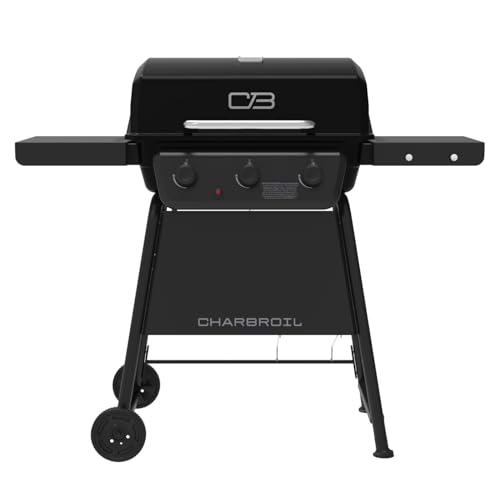
- Char-Broil Classic 3-Burner Propane Gas Grill — Best Easy-Clean Gas Pick
- Electactic 4-Burner Gas Grill with Side Burner — Best Stainless Pick
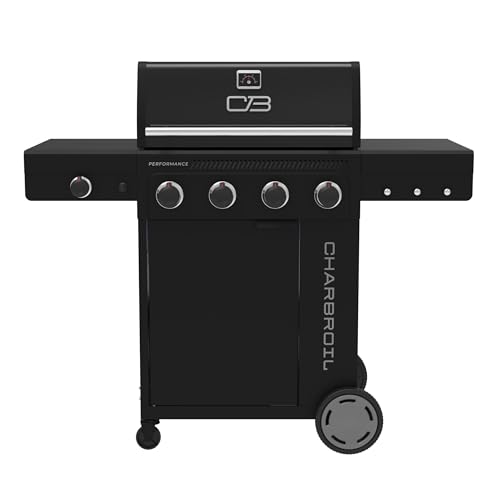
- Char-Broil Performance Series 4-Burner Gas Grill — Best Enclosed Design
- Nexgrill 4-Burner Propane Gas Grill — Most Powerful Low-Mess Pick
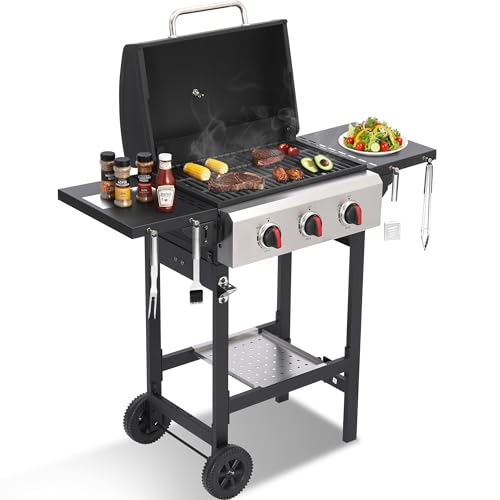
- IdeaMaxx 3-Burner Propane Gas Grill — Best Space-Saving Pick
- Weber Spirit E-425 Gas Grill — Best Overall for Low-Mess Steaks
Read the full guide ↓ for the reasoning behind every badge, the honest limitations of each pick, and the buying checks that matter more than any headline claim.
Steak night should end with dinner, not with a degreasing project, so this guide to the best grills for cooking steaks that doesn t make a mess judges six verified grills on a double standard: they must sear a steak properly, and they must contain the splatter, drippings and grease that steak cooking creates. Every pick here is a gas grill — a deliberate result of the verified pool — because gas eliminates ash entirely and routes drippings into managed trays instead of onto your patio.
Low-mess steak cooking is mostly design, not luck. Porcelain-coated and cast-iron grates that release food cleanly, grease trays that actually catch what drips, lids that contain splatter during the sear, and cabinets that keep the whole operation tidy — those are the features weighed in every review below, alongside honest searing credentials. A grill that sears beautifully but sprays grease across your deck boards has failed this particular brief. If you are comparing neighbouring questions as you shop, our notes on Best Grills For Dad cover the closest overlapping search, and the two guides are written to be read together rather than as duplicates.
The guide also covers the low-mess method itself: trimming and drying steaks so they spatter less, searing with the lid working for you, the two-minute post-cook routine that prevents next week’s flare-ups, and the ground protection that keeps decks and patios clean under any grill.
Key Takeaways
- All six verified picks are gas grills: no ash, managed grease trays, contained splatter.
- Dry steak surfaces spatter far less — pat steaks dry before they meet the grate.
- A clean grease path is the low-mess secret; yesterday’s drippings cause today’s flare-ups and smoke.
- Sear with the lid down once the crust sets to keep splatter inside the grill.
- A drip mat under the grill protects decks and patios from the drips no design fully prevents.
In this guide
Quick Picks
Short on time? This table is the whole guide to best grills for cooking steaks that doesn t make a mess in brief. The badge beside each pick here is used again, word for word, in its detailed review below, so you can jump straight to the model that matches your situation.
| Pick | Badge | Headline specification | Listing |
|---|---|---|---|
| Char-Broil Classic 3-Burner Propane Gas Grill | Best Easy-Clean Gas Pick | 30,000 BTU output | Check on Amazon |
| Electactic 4-Burner Gas Grill with Side Burner | Best Stainless Pick | 42,000 BTU output | Check on Amazon |
| Char-Broil Performance Series 4-Burner Gas Grill | Best Enclosed Design | 4 burners plus a side burner | Check on Amazon |
| Nexgrill 4-Burner Propane Gas Grill | Most Powerful Low-Mess Pick | 60,000 BTU output | Check on Amazon |
| IdeaMaxx 3-Burner Propane Gas Grill | Best Space-Saving Pick | 38,200 BTU output | Check on Amazon |
| Weber Spirit E-425 Gas Grill | Best Overall for Low-Mess Steaks | 4 burners | Check on Amazon |
Within this all-gas line-up, the differences are about containment style: open carts with accessible trays, enclosed cabinets that hide the whole grease system, fold-down designs for small spaces, and one premium pick whose sear zone and grate system make it the tidiest serious steak machine of the six.
How These Picks Were Chosen
Every pick in this guide to best grills for cooking steaks that doesn t make a mess was cross-checked against a verified product pool before a single word was written. That means each model below is a real, currently listed grill of the right type, confirmed through retailer data on 2026-11-20, and only confirmed products received an Amazon link and a product image. Where a specification appears in this article — burner count, output, cooking area, grate material, included features — it comes from the verified listing data for that exact model. Where the listing does not state a figure, this guide leaves it out rather than filling the gap with a plausible guess.
This is a research-led guide, not a hands-on laboratory test, and it does not pretend otherwise. The comparison draws on manufacturer specifications, listing data, owner feedback patterns, and the accumulated buying knowledge for this category: how grills behave across a season, which parts wear first, and which conveniences owners actually use after the novelty fades. Badges were assigned by fit, not by price or by brand reputation. The best overall pick is the one that serves the widest range of households well; every other badge names the specific job that pick does better than the rest of the line-up.
Two rules shaped the writing throughout. First, no static prices are printed anywhere in this guide, because grill pricing moves with seasons and promotions and a printed figure would mislead you within weeks; each pick instead links out so you can check the latest price on Amazon at the moment you shop. Second, no fixed scores or counts are quoted, for the same reason. What does not change — format, capacity, fuel, control style, cleaning burden — is compared in full, because those are the things you will live with for years.
Readers who arrived here from Best Grills For Decks will find the same discipline applied: fit for the stated job first, specification-sheet bragging last.
The 6 Best Picks Reviewed: Best grills for cooking steaks that doesn t make a mess
Every review weighs searing power and mess control together, and each trade-off list names the cleaning or containment compromise honestly — because a low-mess guide that hides a fiddly grease tray would fail its own purpose.

Char-Broil Classic 3-Burner Propane Gas Grill
Badge: Best Easy-Clean Gas Pick
Strengths
- Three burners give a real hot zone and a cooler holding zone
- 360 sq. in. area suits everyday family dinners
- Porcelain-coated grates clean up easily after cooking
Trade-offs
- No side burner for sauces or sides
- Output is modest for very thick cuts in cold weather
- Side shelves are fixed rather than fold-down
At a glance
- 30,000 BTU output
- 3 burners
- 360 sq. in. cooking area
- Porcelain-coated grates
- Side shelves
Gas changes the rhythm of everyday cooking. You turn the knobs, the burners light, and within minutes the grates are ready, which is why a grill like this tends to get used on an ordinary Tuesday and not only on planned weekends. Temperature control is dial-based and repeatable: set a burner lower and it stays lower, so holding a gentle zone for vegetables or for resting meat becomes a habit rather than a fire-management exercise. For low-mess steak work, this pick earns its place through containment: drippings fall to a managed grease path instead of the patio, the lid keeps searing splatter inside, and there is no ash to sweep, spill or track indoors afterwards.
In daily use, the details that decide whether a gas grill stays in your rotation are unglamorous. Ignition should work first time, every time. The grease tray should slide out without a fight. The lid should feel planted rather than tinny when you lift it one-handed while holding tongs in the other. Judge this pick by those everyday touches as much as by its headline output, because they are what you will notice across hundreds of cooks, long after the first impressive sear is forgotten.
For heat management, treat the burners as zones rather than as one big oven. Keep one side hot for searing and the other moderate for finishing, and move food between zones instead of constantly adjusting knobs. That two-zone habit solves most flare-up trouble as well: when dripping fat makes flames jump, sliding the food to the cooler zone for half a minute calms everything down without losing the cook or drying the meat out.
Best for: everyday steak cooks wanting easy cleanup on porcelain-coated grates / Not suited for: cooks chasing the absolute maximum searing output
Check on Amazon to confirm the current configuration and check the latest price on Amazon before ordering.

Electactic 4-Burner Gas Grill with Side Burner
Badge: Best Stainless Pick
Strengths
- Four burners plus a side burner cover mains and sauces together
- Stainless steel body suits exposed patio storage
- Built-in thermometer helps you cook to temperature, not guesswork
Trade-offs
- Less established brand than the long-running names here
- Four-burner footprint is too wide for narrow balconies
- Stainless panels show fingerprints and need regular wiping
At a glance
- 42,000 BTU output
- 4 burners plus a side burner
- Stainless steel construction
- Built-in thermometer
Gas changes the rhythm of everyday cooking. You turn the knobs, the burners light, and within minutes the grates are ready, which is why a grill like this tends to get used on an ordinary Tuesday and not only on planned weekends. Temperature control is dial-based and repeatable: set a burner lower and it stays lower, so holding a gentle zone for vegetables or for resting meat becomes a habit rather than a fire-management exercise. For low-mess steak work, this pick earns its place through containment: drippings fall to a managed grease path instead of the patio, the lid keeps searing splatter inside, and there is no ash to sweep, spill or track indoors afterwards.
In daily use, the details that decide whether a gas grill stays in your rotation are unglamorous. Ignition should work first time, every time. The grease tray should slide out without a fight. The lid should feel planted rather than tinny when you lift it one-handed while holding tongs in the other. Judge this pick by those everyday touches as much as by its headline output, because they are what you will notice across hundreds of cooks, long after the first impressive sear is forgotten.
For heat management, treat the burners as zones rather than as one big oven. Keep one side hot for searing and the other moderate for finishing, and move food between zones instead of constantly adjusting knobs. That two-zone habit solves most flare-up trouble as well: when dripping fat makes flames jump, sliding the food to the cooler zone for half a minute calms everything down without losing the cook or drying the meat out.
Best for: patio cooks who want stainless surfaces that wipe down fast / Not suited for: shoppers wanting the most established brand support
Check on Amazon to confirm the current configuration and check the latest price on Amazon before ordering.

Char-Broil Performance Series 4-Burner Gas Grill
Badge: Best Enclosed Design
Strengths
- Cabinet base hides the propane tank and stores tools
- Four burners plus side burner handle a full menu at once
- Enclosed design looks tidy on a finished deck
Trade-offs
- Cabinet assembly takes longer than open-cart designs
- Enclosed base needs a ventilation check before each use
- Heavier to move once assembled
At a glance
- 4 burners plus a side burner
- Cabinet-style base
- Model 463253925
Gas changes the rhythm of everyday cooking. You turn the knobs, the burners light, and within minutes the grates are ready, which is why a grill like this tends to get used on an ordinary Tuesday and not only on planned weekends. Temperature control is dial-based and repeatable: set a burner lower and it stays lower, so holding a gentle zone for vegetables or for resting meat becomes a habit rather than a fire-management exercise. For low-mess steak work, this pick earns its place through containment: drippings fall to a managed grease path instead of the patio, the lid keeps searing splatter inside, and there is no ash to sweep, spill or track indoors afterwards.
In daily use, the details that decide whether a gas grill stays in your rotation are unglamorous. Ignition should work first time, every time. The grease tray should slide out without a fight. The lid should feel planted rather than tinny when you lift it one-handed while holding tongs in the other. Judge this pick by those everyday touches as much as by its headline output, because they are what you will notice across hundreds of cooks, long after the first impressive sear is forgotten.
For heat management, treat the burners as zones rather than as one big oven. Keep one side hot for searing and the other moderate for finishing, and move food between zones instead of constantly adjusting knobs. That two-zone habit solves most flare-up trouble as well: when dripping fat makes flames jump, sliding the food to the cooler zone for half a minute calms everything down without losing the cook or drying the meat out.
Best for: deck owners who want the grease system hidden inside a cabinet / Not suited for: cooks who relocate their grill often
Check on Amazon to confirm the current configuration and check the latest price on Amazon before ordering.

Nexgrill 4-Burner Propane Gas Grill
Badge: Most Powerful Low-Mess Pick
Strengths
- High 60,000 BTU output sears confidently even in wind
- Large 626 sq. in. space fits entertaining-size loads
- Electronic ignition and a double-door cabinet add daily convenience
Trade-offs
- Big and heavy once built, so pick its spot carefully
- High output burns through propane faster on long cooks
- More parts to assemble than compact grills
At a glance
- 60,000 BTU output
- 4 burners plus a side burner
- 626 sq. in. cooking space
- Built-in thermometer
- Electronic ignition
- Double-door cabinet
Gas changes the rhythm of everyday cooking. You turn the knobs, the burners light, and within minutes the grates are ready, which is why a grill like this tends to get used on an ordinary Tuesday and not only on planned weekends. Temperature control is dial-based and repeatable: set a burner lower and it stays lower, so holding a gentle zone for vegetables or for resting meat becomes a habit rather than a fire-management exercise. For low-mess steak work, this pick earns its place through containment: drippings fall to a managed grease path instead of the patio, the lid keeps searing splatter inside, and there is no ash to sweep, spill or track indoors afterwards.
In daily use, the details that decide whether a gas grill stays in your rotation are unglamorous. Ignition should work first time, every time. The grease tray should slide out without a fight. The lid should feel planted rather than tinny when you lift it one-handed while holding tongs in the other. Judge this pick by those everyday touches as much as by its headline output, because they are what you will notice across hundreds of cooks, long after the first impressive sear is forgotten.
For heat management, treat the burners as zones rather than as one big oven. Keep one side hot for searing and the other moderate for finishing, and move food between zones instead of constantly adjusting knobs. That two-zone habit solves most flare-up trouble as well: when dripping fat makes flames jump, sliding the food to the cooler zone for half a minute calms everything down without losing the cook or drying the meat out.
Best for: big-batch steak cooks who still want managed, contained grease / Not suited for: solo cooks with minimal space
Check on Amazon to confirm the current configuration and check the latest price on Amazon before ordering.

IdeaMaxx 3-Burner Propane Gas Grill
Badge: Best Space-Saving Pick
Strengths
- Cast iron grates deliver strong sear marks and heat retention
- Foldable side shelves shrink the footprint for storage
- Solid output for its class makes weeknight cooking quick
Trade-offs
- Three burners give fewer zones than four-burner rivals
- Fold-down shelves hold less weight than fixed tables
- Newer brand with a shorter track record
At a glance
- 38,200 BTU output
- 3 burners
- Cast iron grates
- Foldable side shelves
Gas changes the rhythm of everyday cooking. You turn the knobs, the burners light, and within minutes the grates are ready, which is why a grill like this tends to get used on an ordinary Tuesday and not only on planned weekends. Temperature control is dial-based and repeatable: set a burner lower and it stays lower, so holding a gentle zone for vegetables or for resting meat becomes a habit rather than a fire-management exercise. For low-mess steak work, this pick earns its place through containment: drippings fall to a managed grease path instead of the patio, the lid keeps searing splatter inside, and there is no ash to sweep, spill or track indoors afterwards.
In daily use, the details that decide whether a gas grill stays in your rotation are unglamorous. Ignition should work first time, every time. The grease tray should slide out without a fight. The lid should feel planted rather than tinny when you lift it one-handed while holding tongs in the other. Judge this pick by those everyday touches as much as by its headline output, because they are what you will notice across hundreds of cooks, long after the first impressive sear is forgotten.
For heat management, treat the burners as zones rather than as one big oven. Keep one side hot for searing and the other moderate for finishing, and move food between zones instead of constantly adjusting knobs. That two-zone habit solves most flare-up trouble as well: when dripping fat makes flames jump, sliding the food to the cooler zone for half a minute calms everything down without losing the cook or drying the meat out.
Best for: small-deck steak cooks thanks to foldable shelves and cast iron grates / Not suited for: cooks feeding large groups in one batch
Check on Amazon to confirm the current configuration and check the latest price on Amazon before ordering.

Weber Spirit E-425 Gas Grill
Badge: Best Overall for Low-Mess Steaks
Strengths
- Dedicated Sear Zone with Boost Burners is built for high-heat work
- Porcelain-enameled cast-iron grates combine searing with easier care
- Weber Works rails accept snap-on accessories for prep and serving
Trade-offs
- Premium-tier positioning in this line-up
- Four-burner size is more grill than a solo cook needs
- Accessory ecosystem can tempt extra spending
At a glance
- 4 burners
- Sear Zone with Boost Burners
- Porcelain-enameled cast-iron grates
- Weber Works rails
Gas changes the rhythm of everyday cooking. You turn the knobs, the burners light, and within minutes the grates are ready, which is why a grill like this tends to get used on an ordinary Tuesday and not only on planned weekends. Temperature control is dial-based and repeatable: set a burner lower and it stays lower, so holding a gentle zone for vegetables or for resting meat becomes a habit rather than a fire-management exercise. For low-mess steak work, this pick earns its place through containment: drippings fall to a managed grease path instead of the patio, the lid keeps searing splatter inside, and there is no ash to sweep, spill or track indoors afterwards.
In daily use, the details that decide whether a gas grill stays in your rotation are unglamorous. Ignition should work first time, every time. The grease tray should slide out without a fight. The lid should feel planted rather than tinny when you lift it one-handed while holding tongs in the other. Judge this pick by those everyday touches as much as by its headline output, because they are what you will notice across hundreds of cooks, long after the first impressive sear is forgotten.
For heat management, treat the burners as zones rather than as one big oven. Keep one side hot for searing and the other moderate for finishing, and move food between zones instead of constantly adjusting knobs. That two-zone habit solves most flare-up trouble as well: when dripping fat makes flames jump, sliding the food to the cooler zone for half a minute calms everything down without losing the cook or drying the meat out.
Best for: serious steak households wanting a sear zone with tidy, premium containment / Not suited for: bargain hunters and very small balconies
Check on Amazon to confirm the current configuration and check the latest price on Amazon before ordering.
Comparison Table
| Pick | Badge | Fuel | Key specification | Listing |
|---|---|---|---|---|
| Char-Broil Classic 3-Burner Propane Gas Grill | Best Easy-Clean Gas Pick | gas | 360 sq. in. cooking area | Check on Amazon |
| Electactic 4-Burner Gas Grill with Side Burner | Best Stainless Pick | gas | Stainless steel construction | Check on Amazon |
| Char-Broil Performance Series 4-Burner Gas Grill | Best Enclosed Design | gas | Model 463253925 | Check on Amazon |
| Nexgrill 4-Burner Propane Gas Grill | Most Powerful Low-Mess Pick | gas | 626 sq. in. cooking space | Check on Amazon |
| IdeaMaxx 3-Burner Propane Gas Grill | Best Space-Saving Pick | gas | Cast iron grates | Check on Amazon |
| Weber Spirit E-425 Gas Grill | Best Overall for Low-Mess Steaks | gas | Porcelain-enameled cast-iron grates | Check on Amazon |
No prices and no fixed scores appear in this table, deliberately, because both change too often to print honestly. The comparison sticks to what does not change: format, fuel, capacity and control style. Shoppers comparing this guide with Best Grills For Dual Purpose will see the same six-model discipline applied to a neighbouring question.
How to Choose the Right Grill for Best grills for cooking steaks that doesn t make a mess
Start with space, not with features. Measure the spot where the grill will live, including the room you need to stand in front of it, open the lid fully, and set down a tray. Then work backwards to a cooking area that matches your real life: a household that grills for two on weeknights and six on weekends needs a different grate from a household feeding twelve at every gathering. Oversizing is the quiet budget mistake in this category — a grill that is too big heats slowly for small cooks, uses more fuel, and dominates a small patio — while undersizing turns every party into frustrating batches.
Fuel is the second decision, and it is really a decision about your habits. Gas offers push-button starts, dial-precise temperatures, and cleanup measured in minutes, which is why gas grills get used more often in most households. Charcoal offers deeper fire flavour, higher peak radiant heat, and a lower-tech machine with fewer parts to fail, at the cost of startup time and ash handling. Pellet and electric options exist in the wider market, but every verified pick in this guide burns gas or charcoal, so the honest comparison here is between those two proven routes.
For low-mess cooking, inspect the grease journey before anything else: where do drippings land, what tray catches them, how does that tray come out, and can it go in a sink? Then look at the cooking surface — grates that release food cleanly need less aggressive scraping, which means less scattered debris. Finally, consider the surround: cabinets contain splatter and hide supplies, side shelves keep raw and cooked platters separated, and a level, hard surface under the grill makes the inevitable drip easy to wipe rather than a stain to explain.
Finally, judge the ownership details before the showroom details. Look at how the grease is managed, because a grill that is annoying to clean gets cleaned less and performs worse over time. Check grate material: cast iron sears beautifully and rewards light seasoning care, porcelain-coated grates balance searing with easier cleaning, and plain chrome grates on portable models ask for gentle handling. Check how the lid feels, whether the thermometer is built in, whether shelves fold when storage space is tight, and whether replacement parts for that brand are easy to find. A grill is a five-to-ten-year purchase; buy the one whose weekly routine fits your patience.
How to Grill Steaks the Low-Mess Way
Setup begins before the first cook. Assemble the grill on a flat surface, keep every fastener finger-tight until the frame is square, then tighten in sequence. For a gas model, connect the propane tank, open the valve slowly, and brush soapy water over the connections: growing bubbles mean a leak, and the fix is to close the valve, reseat the fitting, and test again before any ignition. For a charcoal model, confirm the dampers move freely and the ash catcher seats properly, because airflow and ash handling are your two main controls for the entire life of the grill.
Season new grates before real food goes on. Heat the grill empty for fifteen to twenty minutes to burn off manufacturing residues, let it cool slightly, then wipe the grates with a thin film of high-heat cooking oil on a folded paper towel held with tongs. Repeat the light oil coat after the first few cooks. This small ritual prevents sticking far more reliably than any spray applied in a panic while food is already tearing on cold, dry metal.
The low-mess steak routine starts at the cutting board. Trim loose fat flaps that would drip and flare, pat the surfaces dry, and bring one tray out for raw steaks and a clean one for cooked — cross-contamination aside, a single-tray system is how juices end up across your side shelves. Sear with the lid down once the crust has set, rest the steaks on the warm zone rather than a cold plate that sweats, and while the grill is still warm, brush the grates and slide out the grease tray before residues bake on. Two minutes now replaces twenty minutes of scrubbing later.
Cleaning works best as a two-level routine. After each cook, while the grates are still warm, brush them down and empty or check the grease management parts once the grill has cooled. Once a month in heavy season, scrape the inside of the lid and firebox, wash removable trays with hot soapy water, and inspect gas burner ports for blockages or charcoal vents for ash build-up. A covered grill stored dry will outlast an uncovered one by years, and a thirty-second cover habit is the cheapest maintenance there is.
Troubleshooting. Problem: the grill will not reach high heat → for gas, check the tank level, the regulator connection, and whether a burner was lit with the lid closed long enough to trip a safety flow limiter; for charcoal, confirm the dampers are open and the ash has not choked the airflow. Problem: constant flare-ups → trim excess fat, move food to a cooler zone until the flames settle, and clean the grease path, because most flare-up cycles are yesterday’s drippings burning off. Problem: food sticks and tears → the grates were cold, dry, or dirty; preheat fully, oil the grate rather than the food, and wait for a natural release before forcing a turn.
Grease Management, Explained: Trays, Cups and Burner Shields
Every gas grill routes drippings somewhere: onto angled shields above the burners, where much of the fat vaporises into flavour smoke, and from there into a tray or cup below. The system only works when each stage is clean. Blocked shields pool grease until it ignites; overflowing cups drip onto decks. Knowing your grill’s exact path — findable in its manual and visible in its design — turns cleaning from a chore into a two-minute habit with a clear checklist.
Charcoal cooks reading along should note the contrast: charcoal has no grease path at all, which is precisely why no charcoal model appears in this verified line-up. Ash plus rendered fat is the messiest combination in outdoor cooking, and any honest low-mess guide has to say so.
Protecting Decks and Patios Under Any Grill
Even the tidiest grill drips occasionally — a tray carried carelessly, a splatter at the lid’s edge. A heat-resistant grill mat sized wider than the grill catches those moments and rinses clean with a hose. Keep the grill a sensible distance from siding and railings, both for heat safety and because grease mist travels further than you expect on a breezy evening.
Deal with spots quickly: warm soapy water handles fresh drips on most surfaces, while set grease on decking may need a deck-safe degreaser and patience. Prevention beats cure at every step — level the grill so drippings run to the tray rather than the leg, and empty the tray before it is full rather than after it announces itself.
Two neighbouring searches are worth a look before you order: Best Grills For Fall and Best Grills For Fathers Day ask the same underlying question from different angles — how much grill, of which type, for the cooking you actually do. Answer that question first and the model choice usually becomes obvious.
Common Buying Mistakes
The most common mistake behind searches like best grills for cooking steaks that doesn t make a mess is buying for the biggest cook of the year instead of the typical cook of the month. A grill sized for a once-a-year party spends fifty weeks being slower and thirstier than it needs to be for ordinary dinners. Buy for your regular household plus a comfortable margin, and borrow or batch-cook for the rare crowd.
The second mistake is ignoring the surface the grill will stand on. Heat, dripping grease, and rolling wheels all interact with decks, balconies, and lawns differently. A grill that is perfect on a concrete patio can stain deck boards, wobble on grass, or break a balcony rule in an apartment building. Check your surface, your building or local rules, and your clearance from siding and railings before the grill arrives, not after.
The third mistake is judging only the first cook. Almost every grill in this guide can produce one good dinner. The differences that matter — ignition reliability, ash and grease handling, grate care, parts availability, cover fit — reveal themselves across a season. That is why the detailed reviews above weigh ownership routine as heavily as cooking power, and why the cheapest path to a better grill is usually maintaining the one you buy properly.
Final Recommendation
Start with the Weber Spirit E-425 Gas Grill, the Best Overall for Low-Mess Steaks pick in this guide. Its dedicated sear zone delivers a serious steak crust, its porcelain-enameled cast-iron grates release food cleanly and wipe down easily, and the whole system is built to contain the process. For the cook who wants steak-house results without the steak-house cleanup, it is the most complete answer in this line-up.
If its trade-offs are the ones that bother you, the honest alternatives are the Char-Broil Performance Series 4-Burner Gas Grill (Best Enclosed Design) and the Char-Broil Classic 3-Burner Propane Gas Grill (Best Easy-Clean Gas Pick). Choose the cabinet model if hiding the grease system matters most, or the three-burner classic for the simplest tray routine of all. Readers still weighing Best Grills For Fathers Day should settle the fuel and size questions first, because those two choices eliminate most of any shortlist.
Frequently Asked Questions
Why are all the picks in this guide gas grills?
Because the verified pool for this low-mess brief is entirely gas, and honestly so: gas grills produce no ash and route drippings into trays, which are the two biggest mess sources in steak cooking. A charcoal grill can be kept tidy with discipline, but it starts with a structural disadvantage for this specific job.
How do I stop steak grease from staining my deck?
Combine the grill’s own grease tray discipline with a grill mat underneath, keep the grill level so drippings run to the tray, and wipe fresh drips the same evening. Most permanent stains come from an overflowing tray discovered weeks later, not from the cooking itself.
Does searing with the lid down really reduce mess?
Yes. Once the initial crust has set, closing the lid contains the fine splatter that otherwise mists side shelves, railings and the cook. It also steadies the temperature. Just avoid closing the lid over an active grease flare — move the food to a cool zone first, let the flames settle, then close up.
How often should the grease tray be emptied?
Check it after every fatty cook and empty it before it is more than half full. In heavy steak season, that usually means a quick slide-out, scrape and wash every few cooks. It is the single highest-value cleaning habit in this entire guide.
How long should a grill in this class last?
With basic care — grates brushed after cooks, grease parts emptied, the grill kept covered and dry — a mid-range gas or charcoal grill should serve for years of regular use. The parts that usually age first are igniters, grates, and charcoal trays, so brands with easy replacement-part access hold a real long-term advantage. Longevity depends far more on the cleaning and storage routine than on small differences in the original specification sheet.
Do I need a cover and special tools right away?
A fitted cover is the one accessory worth buying immediately, because weather is the main enemy of outdoor cooking equipment. For tools, a long pair of tongs, a wide spatula, a sturdy grate brush or scraper, and an instant-read thermometer cover almost everything; the thermometer matters most, because cooking to temperature ends the guesswork that ruins more grilled food than any equipment shortcoming. Add specialty tools only when a recipe you actually cook demands them.
One habit separates satisfied grill owners from frustrated ones: a short pre-cook checklist. Fuel level, clean grates, an empty grease tray or ash catcher, tongs and a thermometer within reach, and a clear landing space for finished food. Two minutes of setup prevents nearly every mid-cook scramble, and it costs nothing but attention.
Think about wind and weather as part of the equipment decision. A grill placed in a constant crosswind will cook unevenly and frustrate you no matter how good its specification sheet looks, while the same grill in a sheltered corner with safe clearance becomes predictable. Position first, accessories second: most performance complaints are placement problems in disguise.
Keep a simple cooking log for the first season. Note the food, the zone setup, the damper or dial settings, and the result. Patterns appear quickly — which zone runs hot, how long preheating really takes on a cold evening, which cuts need indirect finishing — and a grill you understand this well will outperform a more expensive grill you are still guessing at.
When comparing two finalists, compare the cost of ownership rather than the cost of purchase: replacement grates, igniters, covers, and fuel efficiency across a season. A design with widely available parts and a standard propane connection or standard charcoal format will almost always be the calmer long-term buy, even when a rival looks more exciting on the first page of its listing.
Fuel planning deserves a paragraph of its own. Gas cooks should keep a spare tank or a reliable exchange routine, because a tank always seems to empty itself mid-cook on the busiest evening of the month. Charcoal cooks should store fuel dry and in quantity, and standardise on one consistent fuel type for a season: switching between briquettes and lump every week makes your fire behaviour a moving target and slows down the learning that makes charcoal cooking satisfying.
Temperature is the cook’s real language, whatever the fuel. A lid thermometer tells you the air temperature near the top of the grill, which is useful for roasting and smoking but only loosely related to the heat at the grate where searing happens. An instant-read thermometer for the food itself removes the guesswork that matters most. Use the lid gauge for trends, the probe for decisions, and your notes from previous cooks to connect the two on your particular grill.
Finally, buy the grill you can get parts for. Igniters, grates, burner tubes, charcoal trays and damper parts are wear items on every design in this guide, and the brands with established parts pipelines turn a five-year failure into a ten-minute repair. Before ordering, spend two minutes confirming that the wear parts for your finalist are actually listed and available; that small check protects the entire purchase better than any extended feature list.