Disclosure: topratedkitchenware.com is reader-supported. When you buy through links on our site, we may earn an affiliate commission from Amazon and other retailers, at no extra cost to you.
Where to buy
The six models below are the verified picks for this guide to best hand smokers for cooking. Each name links to its Amazon listing, where you can check the latest price on Amazon, confirm the current configuration, and read the newest owner feedback before you decide.
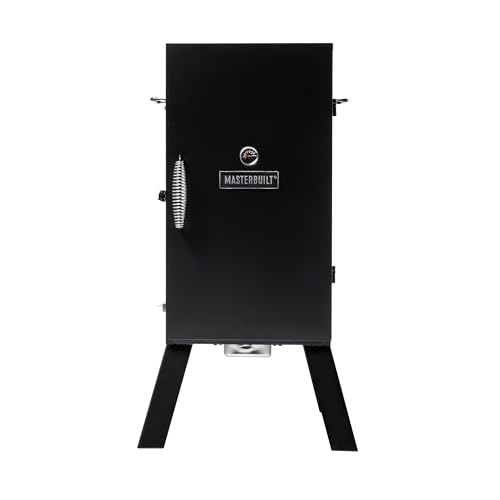
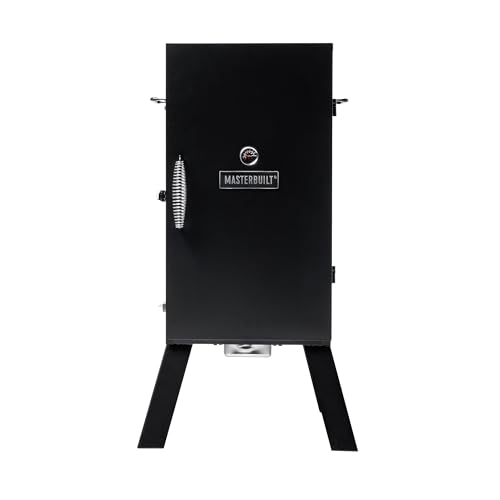
- Masterbuilt 30-Inch Analog Electric Smoker MB20070210
- EAST OAK 30-Inch Electric Smoker, Matte Black
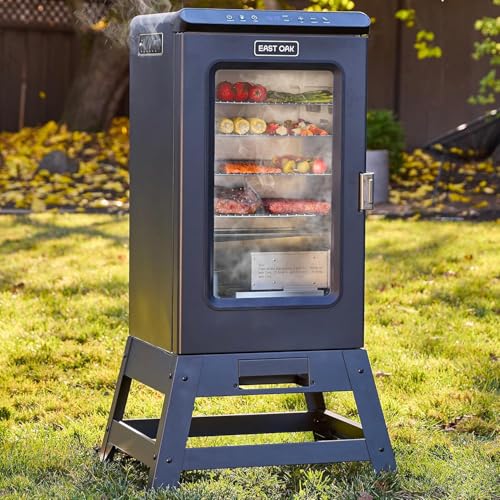
- EAST OAK 30-Inch Electric Smoker with Stand, Polar Night
- Royal Gourmet SE2805 28-Inch Electric Smoker
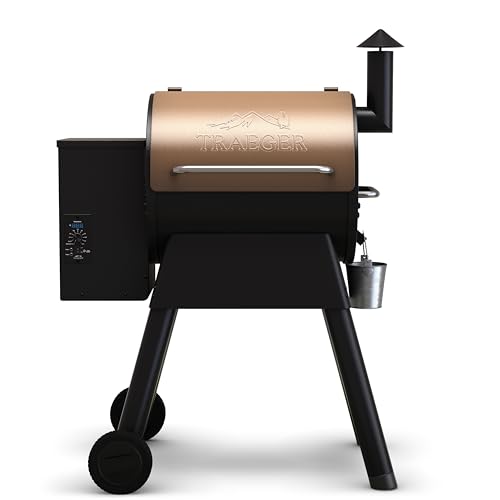
- Traeger Pro 22 Wood Pellet Grill and Smoker
- Pit Boss 700 Carbon Series Wood Pellet Grill and Smoker
Read the full guide ↓ for the ranking logic, the honest limitations of every pick, and the buying checks that matter more than any headline claim.
The best hand smokers for cooking are not a single product type, and this guide starts by saying so. Some shoppers use the phrase hunting for a handheld smoking gun; the verified picks for this guide are something more substantial: six full-size smokers you run by hand, four electric cabinets and two wood pellet grill-smokers, all built to cook food properly rather than just perfume it. If you want to cook brisket, ribs, salmon, sausage, and vegetables with real wood smoke at home, you are in the right place. If you only want a pocket cold-smoke tool for finished plates, none of these is that tool, and the reviews below will not pretend otherwise.
What unites the six picks is hands-on cooking with honest feedback. The electric cabinets (Masterbuilt, two EAST OAK models, and a compact Royal Gourmet) burn wood chips over an electric element, which makes temperature a setting rather than a fire-tending chore. The pellet models (Traeger Pro 22 and Pit Boss 700 Carbon) burn compressed hardwood, feed it automatically, and add genuine grilling to the smoking brief. Between them they cover 454 to 725 square inches of cooking space, analog dials through to LCD controllers, and routines from set-it-and-check-occasionally to actively engaged. Every pick gets a badge, three strengths, three trade-offs, a spec box drawn only from verified listing data, and a clear verdict.
The rest of the guide is built to make the choice stick: how the picks were chosen, a side-by-side comparison table, a buying guide that does the capacity maths in proteins rather than square inches, a complete first-session walkthrough with troubleshooting, and a mistakes section drawn from the errors new owners repeat most. Shoppers who started from cleanup questions like Best Hand Soap For Smokers usually land here next, because the cooking is the part worth planning and the cleanup, as the how-to section shows, is a ten-minute routine once you know it.
Key Takeaways
- Two fuel families, one goal: electric cabinets burn wood chips; the Traeger and Pit Boss burn hardwood pellets and also grill.
- Cooking space runs 454 to 725 square inches; match it to your largest regular cook, not your largest imaginable one.
- Probes, windows, and side loaders all serve one purpose: keeping the door shut so temperature and smoke stay stable.
- The pellet picks add a 450 to 500 degree top end, which turns one appliance into a smoker and a grill.
- Check the latest price on Amazon for each pick, and confirm fuel type and footprint before ordering.
- No fixed scores appear in this guide; the trade-offs under each pick are the honest comparison.
In this guide
Quick Picks
| Pick | Badge | Why it earns its place | Listing |
|---|---|---|---|
| Masterbuilt 30-Inch Analog Electric Smoker MB20070210 | Best for Simplicity | One analog dial and a proven cabinet: cooking first, gadgets nowhere. | Check on Amazon |
| EAST OAK 30-Inch Electric Smoker, Matte Black | Best for Long Cooks | Digital 12-hour timer and side loader on a 725 sq in cabinet that rolls to storage. | Check on Amazon |
| EAST OAK 30-Inch Electric Smoker with Stand, Polar Night | Best for Comfort | Built-in probe and a mobility stand: proper cooking at standing height. | Check on Amazon |
| Royal Gourmet SE2805 28-Inch Electric Smoker | Best Compact Pick | 454 sq in and three grates: the weekly-cooking size, with an honest 1350W element. | Check on Amazon |
| Traeger Pro 22 Wood Pellet Grill and Smoker | Most Versatile | Smoke, grill, bake, roast, braise, and BBQ in one pellet unit with an 18 lb hopper. | Check on Amazon |
| Pit Boss 700 Carbon Series Wood Pellet Grill and Smoker | Best Pellet Value in Space | 718 sq in of pellet cooking with LCD control and a 180 to 500 degree range. | Check on Amazon |
Notice the deliberate spread: the guide’s first three picks are cabinets for cooks who think in shelves and hanging space, the fourth shrinks that idea for small households, and the last two switch to pellet grills for cooks who think in flat grate area and weeknight grilling. Your cooking style, more than any feature list, should decide which half of the table you shop in.
How These Picks Were Chosen
The method behind this guide is verification first, opinion second. Each of the six picks comes from a verified pool for the smokers group: brand, model identity, and listing details were confirmed before inclusion, and the spec boxes in the reviews contain only what those verified listings state. Where a listing is silent, the review is silent too. That is why you will not find invented wattages, guessed dimensions, or borrowed features from a different model anywhere below, even where a gap makes a pick look plainer than its marketing would like.
With identities fixed, the comparison weighed usable cooking area, fuel and how it is replenished, temperature control and monitoring, cleaning burden, storage footprint, and versatility across a home cooking repertoire. Badges follow that weighing. The analog Masterbuilt takes the simplicity badge because its single dial is genuinely the easiest control here; the Traeger takes versatility because 6-in-1 cooking is a verified design fact, not a slogan. Readers comparing fuel philosophies will find Best Hardwood Smokers a useful companion, since the pellet picks burn hardwood in compressed form while the cabinets burn it as chips.
The honesty limit: this is a research-led guide, not a laboratory test. We make no claim to have cooked identical briskets on all six machines. Research done properly still settles most buying questions, because most disappointment in this category comes from mismatched expectations (wrong size, wrong fuel, wrong feature priorities) rather than from small performance differences between competent machines. The reviews therefore spend as much space on who should skip each pick as on who should buy it.
The 6 Best Hand Smokers for Cooking at Home
Masterbuilt 30-Inch Analog Electric Smoker MB20070210
Badge: Best for Simplicity
Strengths
- Analog dial control is the simplest interface in this guide: set it, and there is nothing to program wrong
- Masterbuilt is a long-running smoker brand, so the design language and accessories are well understood
- At 535 square inches it is the most compact cabinet here, which suits smaller patios and smaller cooks
Trade-offs
- No digital timer, probe readout, or window, so monitoring means opening the door or using a separate thermometer
- The smallest cooking area in the guide limits whole-pack brisket and multi-rack rib sessions
- Analog control is typically less precise at holding a narrow temperature band than digital control
At a glance
- Form: 30-inch vertical electric smoker
- Temperature control: analog dial
- Chrome smoking racks
- Cooking area: 535 sq in
- Model: MB20070210
- Finish: Black
It is a 30-inch vertical electric smoker in black with analog temperature control, chrome smoking racks, and 535 square inches of cooking area, sold as model MB20070210.
The appeal here is deliberate simplicity. An analog dial cannot crash, lose a Bluetooth connection, or hide a setting inside a menu. You trade precision and feedback for that simplicity, and the honest way to close the gap is a separate leave-in thermometer, which many experienced electric-smoker owners use regardless of what the cabinet offers. As a first cabinet or a second, smaller unit, the logic is sound.
As a cooking machine, the analog Masterbuilt teaches the fundamentals fastest because nothing is automated away. You set the dial, you watch your own thermometer, you learn how smoke colour and meat colour relate. For home cooking that education is valuable, and the 535 square inch chamber covers the weekly repertoire of most households: a chicken, a small shoulder, a side of salmon, a rack or two. It is the pick for cooks who want to be the control system.
Best for: first-time smoking cooks and anyone who prefers manual control / Not suited for: cooks who want digital timing, a built-in probe, or crowd capacity

EAST OAK 30-Inch Electric Smoker, Matte Black
Badge: Best for Long Cooks
Strengths
- Digital 12-hour timer matches the real length of brisket and pork shoulder cooks better than short-cycle timers
- Side chip loader keeps smoke topped up without opening the cabinet mid-cook
- Wheels plus the joint-largest cooking area here make it the easiest big cabinet to live with
Trade-offs
- No built-in meat probe or viewing window, unlike its Mist Silver sibling, so monitoring is less built in
- Matte Black finish shows ash and grease splatter more honestly than lighter finishes
- Digital controls add a failure mode that the analog Masterbuilt simply does not have
At a glance
- Form: 30-inch vertical electric smoker
- Cooking area: 725 sq in
- Side wood chip loader
- Digital timer: 12-hour
- Easy-rolling wheels
- Finish: Matte Black
It is a 30-inch outdoor electric smoker in Matte Black with 725 square inches of cooking area, a side chip loader rated by the listing for up to six times longer smoking on a single load, a digital 12-hour timer, and easy-rolling wheels.
Where the Mist Silver EAST OAK is built around watching the cook, this one is built around timing it. A 12-hour digital timer is a practical feature, not a gimmick: it covers an overnight pork shoulder without a second setting cycle, and the wheels mean the cabinet can live in a garage corner rather than owning a permanent patio spot. If your cooks are long and your storage is tight, this is the EAST OAK logic that fits.
Cooking low and slow is a scheduling exercise as much as a culinary one, and this cabinet is scheduled correctly: the timer spans the longest standard cooks, the side loader feeds smoke without breaking the seal, and the wheels solve the storage problem that stops big cabinets being used. For the cook whose calendar is built around Saturday brisket, it removes the three frictions (timer resets, door openings, and moving the unit) that make long cooks feel like work.
Best for: cooks whose signature dishes are brisket and shoulder, and garage-storage households / Not suited for: cooks who monitor by window or built-in probe
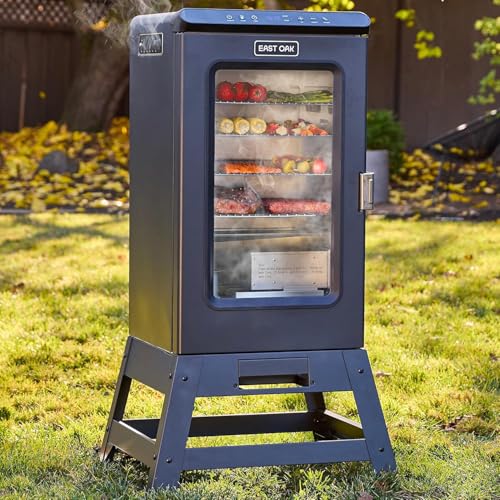
EAST OAK 30-Inch Electric Smoker with Stand, Polar Night
Badge: Best for Comfort
Strengths
- Built-in meat probe covers the single most important measurement in low-and-slow cooking
- The mobility stand raises the cabinet to a comfortable working height and makes moving it a one-person job
- Side loader keeps long cooks uninterrupted, matching the probe for set-and-monitor cooking
Trade-offs
- No viewing window, so visual checks still mean opening the door
- Shares its cabinet and capacity with the other EAST OAK models, so you are paying for the stand and probe trim
- A stand adds footprint, which matters on genuinely small balconies
At a glance
- Form: 30-inch vertical electric smoker
- Cooking area: 725 sq in
- Built-in meat probe
- Mobility stand included
- Side wood chip loader
- Finish: Polar Night
It is a 30-inch outdoor electric smoker in a Polar Night finish with 725 square inches of cooking area, a built-in meat probe, a mobility stand, and a side chip loader for longer uninterrupted smoke.
This variant is about ergonomics as much as smoke. A cabinet on a stand loads and unloads at waist height instead of floor level, which sounds minor until you are lifting a hot, heavy pork shoulder at hour ten. Pair that working height with the built-in probe and the side loader, and the whole cook becomes a standing, monitoring job rather than a kneeling, guessing one.
Home cooking happens in real kitchens and gardens, often after a working day, and comfort decides whether smoking becomes a habit or an annual event. The stand puts loading at waist height and the probe puts doneness on a readout, so a ten-hour cook becomes supervision rather than labour. For cooks feeding family regularly, that ease compounds: the smoker that is pleasant to use is the smoker that gets used, and used smokers cook better food than neglected ones.
Best for: cooks who run long sessions and value ergonomics and probe feedback / Not suited for: small-balcony cooks and anyone wanting a viewing window

Royal Gourmet SE2805 28-Inch Electric Smoker
Badge: Best Compact Pick
Strengths
- The smallest footprint in this guide, which is a genuine feature for balconies and small backyards
- A stated 1350W element is honest, useful data for judging heat-up and recovery
- Three grates in a compact cabinet keep small-batch variety possible: fish above, poultry below, vegetables alongside
Trade-offs
- At 454 square inches it is the tightest cabinet here; large briskets and full rib racks will not fit comfortably
- Analog control only, with no probe, timer, or window built in
- Compact cabinets lose proportionally more heat when opened, so door discipline matters more
At a glance
- Form: 28-inch vertical electric smoker
- Cooking area: 454 sq in
- Power: 1350W
- Temperature control: analog, adjustable
- Cooking grates: 3
- Model: SE2805
It is a 28-inch vertical electric smoker in black with 454 square inches of cooking area, a 1350W element, analog adjustable temperature control, and three cooking grates, sold as model SE2805 for outdoor backyard use.
Compact smokers get dismissed as starter toys, which misses their real role. A 454 square inch cabinet heats faster, uses less electricity per cook, and stores in spaces the 725 square inch cabinets cannot. For a household that smokes a salmon side, a small chicken, or a single rack far more often than it cooks for a crowd, the smaller cabinet is not a compromise; it is the correct size, used more often because it is easier to run.
Most home smoking is not a brisket festival; it is a salmon side on Friday, wings on Sunday, a small chicken midweek. The Royal Gourmet is sized for that reality. It heats quickly, its three grates keep a mixed small cook organised, and its analog control keeps the routine to minutes. Cooks who buy it for what it is, a frequent-use small smoker, consistently get more smoked food out of it than neighbours with giant cabinets they dread setting up.
Best for: small households and balcony cooks smoking modest quantities often / Not suited for: cooks feeding crowds or smoking the largest cuts whole

Traeger Pro 22 Wood Pellet Grill and Smoker
Badge: Most Versatile
Strengths
- True 6-in-1 range: it smokes low and slow, then grills, roasts, and bakes in the same unit
- An 18 lb hopper is the largest pellet supply among the pellet picks in most of these guides, feeding long cooks without refills
- Meat probe included, and pellet heat is fan-driven, which evens out hot spots across the grate
Trade-offs
- It burns pellets, not chips or split hardwood, so running costs and fuel storage differ from the electric cabinets
- At 450°F maximum it sears respectably but is not a dedicated high-heat steak station
- Pellet grills have augers, fans, and controllers, so there is more machinery to maintain than in an electric cabinet
At a glance
- Form: wood pellet grill and smoker
- Cooking area: 572 sq in
- Functions: grill, smoke, bake, roast, braise, BBQ (6-in-1)
- Meat probe included
- Maximum temperature: 450°F
- Pellet hopper: 18 lb
It is a wood pellet grill and smoker with 572 square inches of cooking area, 6-in-1 versatility across grilling, smoking, baking, roasting, braising, and BBQ, a meat probe, a 450°F maximum temperature, and an 18 lb pellet hopper.
The Pro 22 is the pick that refuses to be only a smoker. Pellet fuel is hardwood, compressed and fed automatically, so the smoke flavour is real wood smoke with push-button temperature discipline. For households that would otherwise buy a grill and a smoker, one pellet unit that does both jobs credibly is the strongest space and budget argument in any of these guides, provided you accept pellet fuel as your one fuel.
For cooking breadth nothing else here competes. The Pro 22 smokes at the low end, then roasts a chicken, bakes, and grills at up to 450 degrees, all on hardwood pellets fed from the largest hopper in this guide. A household replacing both a grill and a smoker with this one unit gains patio space and loses nothing it actually used. The cooking trade is pellet fuel: you store bags, you clean an auger system occasionally, and in exchange every outdoor cooking job lives in one machine.
Best for: cooks who want one outdoor appliance to smoke and grill, and pellet-fuel fans / Not suited for: chip-cabinet loyalists and anyone avoiding auger and fan maintenance

Pit Boss 700 Carbon Series Wood Pellet Grill and Smoker
Badge: Best Pellet Value in Space
Strengths
- 718 square inches is near the top of this guide for cooking space, in a grill format rather than a cabinet
- A 180°F to 500°F range covers cold-end smoking through to genuinely useful grilling heat
- LCD digital controller plus meat probe gives clear, modern temperature feedback
Trade-offs
- The 13.5 lb hopper is smaller than the Traeger Pro 22 supply, so very long cooks need a refill check
- Pellet fuel only: no chip or split-wood option
- A wide grill footprint stores differently from a vertical cabinet and needs its own floor space
At a glance
- Form: wood pellet grill and smoker
- Cooking space: 718 sq in
- Temperature range: 180°F to 500°F
- LCD digital controller
- Meat probe included
- Pellet hopper: 13.5 lb
It is a wood pellet grill and smoker in black with 718 square inches of cooking space, an LCD digital controller, a 180°F to 500°F temperature range, a meat probe, and a 13.5 lb pellet hopper.
Pit Boss built its name on giving pellet cooking more space per purchase than the premium brands, and the 700 Carbon follows that pattern. The wide, shallow grill chamber suits ribs laid flat, multiple chickens, and tray cooking better than a tall cabinet does, and the 500°F top end means weeknight grilling is not an afterthought. If your smoking is mostly flat food in generous quantities, this format fits your cooking better than a tower.
The Pit Boss 700 cooks in the grill format: a wide chamber where ribs lie flat, spatchcocked chickens spread out, and trays slide in easily. Its 718 square inches rival the biggest cabinets while its 500 degree top end keeps weeknight grilling honest. For cooks whose smoking menu is mostly flat food in generous amounts, and whose smoker must double as the family grill, this is the format that fits the cooking, with digital control and a probe keeping the long sessions supervised.
Best for: cooks who lay food flat in quantity (ribs, chickens, trays) and grill as often as they smoke / Not suited for: cabinet-style cooks who hang and stack, and anyone needing the biggest hopper
Comparison Table
| Pick | Badge | Capacity note | Format | Listing |
|---|---|---|---|---|
| Masterbuilt 30-Inch Analog Electric Smoker MB20070210 | Best for Simplicity | Temperature control: analog dial | Form: 30-inch vertical electric smoker | Check on Amazon |
| EAST OAK 30-Inch Electric Smoker, Matte Black | Best for Long Cooks | Cooking area: 725 sq in | Form: 30-inch vertical electric smoker | Check on Amazon |
| EAST OAK 30-Inch Electric Smoker with Stand, Polar Night | Best for Comfort | Cooking area: 725 sq in | Form: 30-inch vertical electric smoker | Check on Amazon |
| Royal Gourmet SE2805 28-Inch Electric Smoker | Best Compact Pick | Cooking area: 454 sq in | Form: 28-inch vertical electric smoker | Check on Amazon |
| Traeger Pro 22 Wood Pellet Grill and Smoker | Most Versatile | Cooking area: 572 sq in | Form: wood pellet grill and smoker | Check on Amazon |
| Pit Boss 700 Carbon Series Wood Pellet Grill and Smoker | Best Pellet Value in Space | Cooking space: 718 sq in | Form: wood pellet grill and smoker | Check on Amazon |
Two rows of this table deserve a second look. First, format: cabinets stack food vertically on racks, pellet grills spread it on a grate, and your menu (hanging sausage and stacked trays versus flat ribs and whole chickens) should pick the format. Second, top-end heat: only the two pellet picks grill, so if one appliance must do everything outdoors, your shortlist is two names long and the decision becomes hopper size and chamber shape.
Capacity comparisons mislead when read as pure numbers. A 725 square inch cabinet and the 718 square inch Pit Boss hold similar totals arranged completely differently. Picture your three most common cooks, lay them out mentally in each chamber, and the right format usually announces itself before any feature comparison begins.
How to Choose a Smoker for Cooking: Capacity, Fuel, and Control
Start the choice with your menu, written down. List the five things you will actually smoke in the next three months. If the list is brisket, shoulder, and ribs for gatherings, capacity and long-cook features lead: look at the 725 square inch cabinets and the big pellet chambers. If the list is salmon, chicken, wings, and vegetables for a household, the compact and mid-size picks will serve you better and more often. If the list includes grilled weeknight dinners, only the pellet picks qualify, because electric cabinets do not grill. This single exercise eliminates more wrong purchases than any review, including this one.
Next, choose your control style honestly. Analog dials (Masterbuilt, Royal Gourmet) are set-and-trust: simple, durable, and blind. Digital controls add timers and steadier holding; probes add doneness data; the Pit Boss LCD adds clarity; the Traeger adds pellet automation. Each layer of assistance costs a little money and a little simplicity, and returns a little attention. Cooks who enjoy tending should not pay to be replaced; cooks with jobs, children, and doorbells should not romanticise tending. There is a version of this mistake in every category, and it is always the same: buying for the cook you wish you were.
Fuel deserves a plain comparison. Wood chips for the cabinets are cheap, compact to store, and come in many species; a bag lasts many cooks and the smoke is mild and clean. Hardwood pellets for the Traeger and Pit Boss are also real wood, compressed for automatic feeding; they cost more per cook, need dry storage in quantity, and deliver push-button temperature control plus grilling heat. Readers researching the pellet side often arrive via Best Hardwood Pellets For Smokers; the short version is that pellet quality (hardwood content, low dust) matters to auger health as much as to flavour. Pick the fuel whose shopping, storage, and cleanup fit your household, because you will repeat that routine for years.
Finish with logistics: footprint, storage route, outlet access, and weather protection. A smoker that lives under a cover on the patio gets used; one that must be dragged from a shed gets used twice. Wheels and stands in this guide are not accessories, they are usage features. Also confirm the electrical basics for cabinet models: a suitable outdoor outlet within cord reach, and no long lightweight extension cord, which can starve an element and sag temperatures on every cook that follows.
How to Cook With a Smoker: A Complete First Session
A complete first session runs in four phases: preparation, the smoke itself, the rest, and cleanup. Preparation is mostly patience: rub the meat and let it stand, load chips or pellets, fill the water pan where fitted, and preheat until the temperature is stable and the smoke runs thin and pale. Rushing this phase is the root of most first-cook problems, because food loaded into a still-climbing, thick-smoking cabinet starts its cook in the worst conditions the machine can offer.
During the smoke, your job description is short: keep the door or lid shut, feed smoke fuel on schedule, and watch temperatures. Every opening costs heat that an electric element or a pellet fire must then replace, and repeated openings turn a steady cook into a sawtooth. This is where probes earn their keep. Doneness is a temperature and a texture, not a time: a shoulder is done when it probes tender, a chicken when its thickest parts reach safe temperature, fish when it flakes and stays moist. Recipes give times as planning guides; the food itself gives the verdict.
- Run a new smoker empty once, per the manual, to clear manufacturing residues.
- Rub the meat simply (salt, pepper, one rub) and let it lose its fridge chill while the smoker preheats.
- Load dry chips or check pellet supply; fill the water pan if your model and recipe call for it.
- Preheat to a stable cooking temperature with thin, pale smoke before loading food.
- Load food with gaps for circulation; insert a probe into the thickest part, away from bone.
- Cook with the door shut; replenish chips via the loader or check the hopper on schedule.
- Finish to temperature and tenderness, then rest the meat wrapped before serving.
- Clean racks, trays, and pans while residues are fresh; empty cooled ash and chips.
Troubleshooting, in the pattern worth learning. Problem: food tastes bitter → smoke was too thick or fuel smouldered dirty; use dry chips, moderate loads, and wait for thin smoke. Problem: temperature will not hold → check door openings, wind, and power supply before blaming the element. Problem: the cook runs hours long → the stall is normal on large cuts; wrap or wait, and start earlier next time rather than hotter. Problem: dry chicken → it cooked past its temperature; pull by probe, rest properly, and consider the water pan next session.
Cleanup is the unglamorous half of cooking with smoke, and it is where hand care becomes a real topic: grease and smoke resin cling to skin through a whole session, which is why the companion search Best Hand Wash For Cigar Smokers exists in the same cluster of questions cooks ask. Wash racks and hands promptly, empty grease before it sets, and wipe the cabinet interior while it is still warm enough for residues to release. Ten minutes now prevents the rancid, acrid notes that otherwise season your next cook for free.
Chips Versus Pellets: The Flavour Question, Answered Plainly
Both fuels are hardwood; the difference is form and delivery. Chips smoulder in a tray over an element, producing smoke in pulses that the cook manages by reloading. Pellets burn in a fire pot fed by an auger, producing smoke continuously as a by-product of the heat itself. In the food, cabinet smoke tends to taste cleaner and lighter, pellet smoke a touch more integrated, and both are unmistakably real wood smoke. Blindfolded, most eaters cannot name the fuel; they can always name thick, dirty smoke, which either system can produce when rushed.
The practical differences matter more than the flavour debate. Chips are cheap and store in a cupboard; pellets need dry, bulky storage. Cabinets cannot grill; pellet units can. Pellet systems have moving parts that need occasional cleaning; cabinets have almost none. Choose on routine and repertoire first, and let flavour, which is good on both sides, be the tiebreaker it deserves to be.
Building a Home Smoking Repertoire, Cook by Cook
The cooks who get value from a smoker build a repertoire in a sensible order. Start with pork shoulder and whole chicken: forgiving, inexpensive, and instructive. Add salmon and ribs once temperature discipline feels natural, because fish punishes inattention and ribs punish impatience. Then attempt brisket, the cut that combines cost, length, and the stall into one examination. Sausage, jerky, cheese, and vegetables branch off the main line whenever curiosity strikes; the RYHOFOUD-style bundle logic and the water pan exist for exactly those branches.
Keep brief notes on each cook: fuel, weather, times, and what you would change. Three lines per session turns a winter of weekends into genuine skill faster than any new accessory. The social side grows alongside; readers who plan gatherings around the smoker sometimes browse local questions in the spirit of Best Hang Out For Smokers Sacramento, but the reliable foundation is simpler: a repertoire of five cooks you can produce calmly, on schedule, for people you like.
Planning a Smoking Day Around Real Life
The difference between cooks who smoke monthly and cooks who smoke twice a year is rarely equipment; it is planning that fits a real day. Work backwards from the table. Decide when people will eat, allow the meat its honest cooking window plus a generous rest, and let that arithmetic choose your start time, even when the answer is unfashionably early. Build the day in blocks: preparation and preheat, the long supervised middle where the smoker mostly minds itself, and the finishing block where sides, sauces, and resting all compete for attention. The middle block is the gift of the machines in this guide: electric and pellet smokers hold their line through it, which means the cook can shop, work, or be with the guests instead of performing vigilance beside a fire for six hours.
Plan the supporting cast with the same care. Sides that tolerate the oven or the hob keep the smoker free for the main event; sauces can be made the day before and usually improve for it; bread and salads ask nothing of the heat at all. Decide in advance what happens if the cook runs long, because large cuts sometimes do: a first course that stretches, a holding plan of a warm oven and a wrapped rest, and a relaxed cook are worth more than any garnish. Finally, plan the ending while you still have energy: foil, towels, and a cooler or low oven ready for the rest, serving boards clean, and the cleanup kit (hot water, a scraper, a bin for cooled ash) staged before the first slice is cut. Cooks who plan the day this way discover that smoking is not a performance with an audience of hungry critics, but a rhythm with long, pleasant gaps, and they tend to volunteer for the next one.
A last planning habit separates calm smoking days from frantic ones: the contingency shelf. Keep a small stock of the things cooks discover they need mid-session (extra foil for wrapping and resting, a spare probe battery where relevant, a backup bag of chips or pellets stored dry, heatproof gloves that actually live beside the smoker rather than in a kitchen drawer). None of it is expensive, and all of it converts a potential mid-cook errand into a shrug. The cook who never has to leave a hot smoker to hunt for foil is not luckier than other cooks; they simply had one organised afternoon, once, and have been reaping it ever since.
Common Buying Mistakes
Mistake one: buying a handheld smoking gun expectation in a full-size smoker purchase, or the reverse. They are different tools; this guide covers cooking smokers, and says so at the top, because mismatched expectations are the top cause of returns in this category. Mistake two: judging by capacity numbers alone, without picturing your actual cooks laid out in the chamber. Mistake three: opening the door constantly, then blaming the machine for temperature swings the cook caused.
Mistake four: cooking to the clock. Recipes estimate; probes decide. Mistake five: neglecting fuel quality, using damp chips or dusty pellets and then diagnosing the resulting dirty smoke as a machine fault. Mistake six: skipping cleanup until residues harden, which converts a ten-minute routine into an hour of scraping and flavours the next cook with the last one. Mistake seven: running an electric smoker on a long, thin extension cord and wondering why temperatures sag.
The thread through all seven is that smoking rewards cooks who manage a few simple variables carefully. None of the picks in this guide fails at its job; cooks fail picks by mismatching size, fuel, format, or routine. The buying guide above exists to prevent exactly that, so use it before the reviews, not after them.
Final Recommendation
If one pick must be named first for cooking at home, it is the EAST OAK Matte Black for cabinet cooks and the Traeger Pro 22 for cooks who also grill, and the honest guide should say both. The EAST OAK combines the joint-largest cabinet, a long-cook timer, a side loader, and wheels into the most complete cabinet routine here. The Traeger is the single-appliance answer, smoking and grilling on hardwood pellets with the largest hopper in the guide.
Within the cabinets, the Masterbuilt analog is the simplicity choice, the stand-mounted EAST OAK is the comfort choice, and the Royal Gourmet is the small-household choice that will quietly out-cook oversized rivals on frequency alone. The Pit Boss 700 is the flat-and-plenty pellet alternative. Match the pick to your menu, your space, and your patience, in that order, and any of the six will cook well for you.
Start your shortlist with the Masterbuilt 30-Inch Analog Electric Smoker MB20070210 if you want the guide’s first choice, compare it against the EAST OAK 30-Inch Electric Smoker, Matte Black for the closest alternative, and keep the EAST OAK 30-Inch Electric Smoker with Stand, Polar Night in view if its particular strengths match your cooking better. Check the latest price on Amazon for each before you decide, and confirm dimensions and fuel type against your own space one last time.
Frequently Asked Questions
What is a hand smoker for cooking?
In this guide the phrase means a full-size smoker you operate by hand to cook food: electric cabinets that burn wood chips, and pellet grill-smokers that burn hardwood pellets. It does not mean a handheld smoking gun, which only adds cold smoke to finished food and cannot cook. The distinction is stated openly because the wording is genuinely ambiguous.
Electric chips or hardwood pellets: which tastes better?
Both produce real hardwood smoke. Chips give a cleaner, lighter smoke and cost little to run; pellets give continuous smoke with automatic temperature control and add grilling. Most cooks choose on routine and versatility rather than flavour, since good technique on either fuel tastes better than poor technique on the other.
How long does a pork shoulder take?
Plan on a long session: large shoulders commonly take the better part of a day at low-and-slow temperatures, and the well-known stall can add hours. Cook to tenderness and internal temperature, not to a schedule, start earlier than feels necessary, and remember that rested meat holds well wrapped, so finishing early is a smaller problem than finishing late.
Can these smokers also grill burgers and steaks?
The electric cabinets cannot; they are low-and-slow machines. The Traeger Pro 22 (to 450 degrees) and the Pit Boss 700 (to 500 degrees) grill credibly as well as smoke, which is their main versatility argument. If grilling matters weekly, choose from the pellet pair; if it does not, the cabinets are simpler and cheaper to run.
Do I need a water pan?
A water pan, fitted to models like the RYHOFOUD in the wider pool and common across cabinets, adds moisture and steadies temperature, which helps fish, poultry, and long cooks. It is a useful tool, not a requirement: plenty of excellent smoked food is cooked dry. If your model includes one, use it for lean and long cooks first and judge the difference yourself.
How do I stop smoked food tasting bitter?
Bitterness almost always means dirty smoke: chips loaded too heavily, damp fuel smouldering, or food loaded while smoke was thick and white. Use dry chips in moderate amounts, wait for thin pale smoke before loading, and keep the exhaust path as the manual directs. Pellet cooks should keep the fire pot and auger clean so fuel burns rather than smoulders.
What size smoker does a family need?
For a household cooking one main protein at a time, 454 to 543 square inches is enough and will be used most. For regular gatherings, multiple racks, or whole briskets, step up to the 710 to 725 square inch class. Buy for your largest regular cook; the once-a-year feast can be handled in batches or with help from the oven.