Disclosure: topratedkitchenware.com is reader-supported. When you buy through links on our site, we may earn an affiliate commission from Amazon and other retailers, at no extra cost to you.
Where to buy
The six models below are the verified picks for this guide to best food processors powerful. Linked names lead to the Amazon listing for that model, where you can check the latest price on Amazon and confirm the current configuration before you decide. Picks reviewed without a link are covered in full in the reviews below, with the reason for their prose-only status stated openly in this guide.
- Cuisinart Pro Custom 11-Cup Food Processor (DLC-8SBCYP1)
- Ninja Professional Plus Food Processor (BN601)
- Cuisinart Mini Food Processor (3-Cup)
- Hamilton Beach 10-Cup Food Processor (70730)
- BLACK+DECKER 8-Cup Food Processor (450W)
- Cuisinart Core Custom 4-Cup Mini Chopper (MCH-4)
Read the full guide ↓ for the ranking logic, the honest limitations of every pick, and the buying checks that matter more than any headline claim.
Power is the most marketed and least verified claim in food processors, which is why the search for the best food processors powerful enough for hard work needs an evidence rule. This guide applies a strict one: a pick is linked as a powerful machine only if its verified listing title states a wattage or an explicit power figure. On that rule, exactly two of the six picks qualify: the Ninja Professional Plus, listed at 1000 peak watts, and the BLACK+DECKER 8-Cup, stated at 450W. The other four, including a respected 11-cup Cuisinart whose title states no wattage at all, are reviewed in full as prose-only picks, because this guide will not call a machine powerful on reputation.
That discipline cuts both ways, and the guide is honest about it. A missing wattage in a title does not prove a weak motor, just as a peak-watts figure does not prove sustained strength. What the rule guarantees is that every power claim you read here can be checked against the listing itself, and that the comparison between the two linked machines, peak watts versus a plain watt figure, is explained rather than hidden. Readers who need power for one specific hard job should also read Best Food Processors Powerful Nut Butter, where the evidence bar is higher still, and Best Food Processors That Can Knead Dough, where dough work tests motors in a different way.
Below, the reviews separate three ideas that marketing merges: stated power, bowl capacity to use that power, and the function set that directs it. A strong motor in a mini bowl is a different tool from a strong motor under a family-size bowl, and the right choice depends on whether your hard loads are small and frequent or large and occasional. The buying guide explains how to read wattage claims critically, including the peak-versus-continuous distinction that decides real-world straining and stalling.
Key Takeaways
- Only two listings state a power figure in the title: the Ninja at 1000 peak watts and the BLACK+DECKER at 450W. They are the linked picks.
- Peak watts and continuous watts are different measures. Compare like with like, and treat any unstated figure as unknown, not as zero or as high.
- A respected 11-cup model stays prose-only here because its title states no wattage. That is an evidence decision, not a quality verdict.
- Power only matters with a bowl and function set that can use it: capacity and named functions complete the picture.
- For most hard household jobs, stated mid-range power plus sensible batch sizes beats headline numbers used carelessly.
In this guide
Quick Picks
These are the six verified picks for best food processors powerful at a glance. Badges are used consistently here and in the detailed reviews, so you can track a recommendation from this summary to its full review without confusion.
- Best Classic Full-Size: Cuisinart Pro Custom 11-Cup Food Processor (DLC-8SBCYP1) — 11-cup bowl, slicing and shredding with included discs, in a dishwasher-safe design. Reviewed in full below (prose-only in this guide).
- Most Powerful: Ninja Professional Plus Food Processor (BN601) — 9-cup bowl, Auto-iQ presets to chop, slice, puree and mix dough, with 3 blades and a feed chute with pusher. Check on Amazon
- Best Mini Alternative: Cuisinart Mini Food Processor (3-Cup) — 3-cup (24 oz.) bowl, chop and grind via an auto-reversing SmartPower blade. Reviewed in full below (prose-only in this guide).
- Best Large-Bowl Option: Hamilton Beach 10-Cup Food Processor (70730) — 10 cups bowl, slicing, shredding, mincing and puree, with an Easy Clean bowl scraper. Reviewed in full below (prose-only in this guide).
- Best Stated-Power Value: BLACK+DECKER 8-Cup Food Processor (450W) — 8-cup bowl, shred, slice, mince, grind and puree with a stainless steel blade and attachments. Check on Amazon
- Best Compact Chopper: Cuisinart Core Custom 4-Cup Mini Chopper (MCH-4) — 4-cup bowl, chops and grinds with an auto-reversing stainless steel SmartPower blade. Reviewed in full below (prose-only in this guide).
How These Picks Were Chosen
This guide is research-led. The pick pool was verified against Amazon listing data through the Creators API, and every specification quoted here, capacity, power, blade, discs or programme, comes from the verified listing title for that model. Picks were compared on stated capacity, stated functions, control style and the fit between the machine and the specific job in the keyword. No hands-on testing is claimed, no price or rating figure is quoted, and no specification has been borrowed from a different model or a different listing.
The linking rule for this guide was stated wattage in the verified listing title. Each title was read for an explicit power figure: two contain one, four do not. Linked picks therefore carry checkable power claims, and prose-only picks are described by their stated capacities and functions only, with the absence of a wattage figure noted in each review so readers can weigh it themselves. No motor size has been inferred from brand, price tier or model reputation anywhere in this guide, and the peak-watts caveat is applied openly to the highest figure quoted.
Best Food Processors Powerful: The 6 Picks, Reviewed in Detail
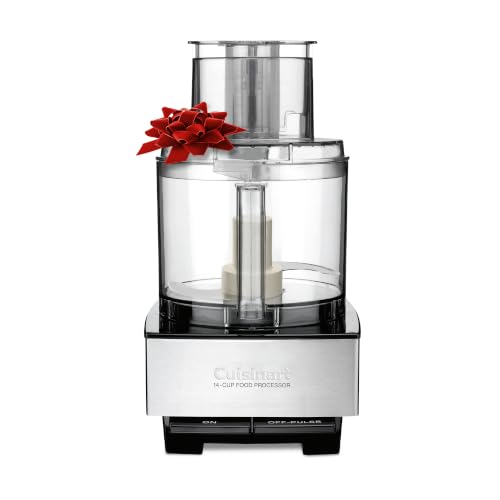
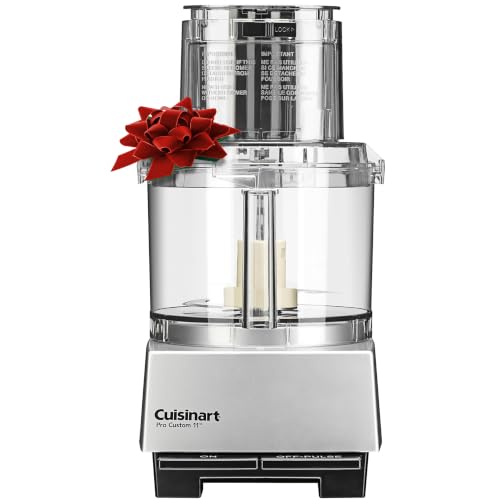
Cuisinart Pro Custom 11-Cup Food Processor (DLC-8SBCYP1)
Badge: Best Classic Full-Size
The Cuisinart Pro Custom 11-Cup Food Processor (DLC-8SBCYP1) is built around a 11-cup work bowl, with power described in its listing title as not stated in the listing title. Its stated work is slicing and shredding with included discs, in a dishwasher-safe design. That combination defines the machine before any opinion is added: it tells you the batch sizes it can attempt, the loads it is designed to meet, and the jobs its maker is willing to promise in writing. Everything in this review follows from those stated facts and from how they interact with the job this guide is about.
On the power question, the Cuisinart Pro Custom 11-Cup Food Processor (DLC-8SBCYP1) states not stated in the listing title, works with a 11-cup bowl, and lists slicing and shredding with included discs, in a dishwasher-safe design. An 11-cup classic with discs named in the title, but no wattage stated, so it cannot be linked under a powerful headline without inventing the very figure this guide exists to verify. Judge power as a system: the figure tells you what the motor claims, the bowl tells you how much food that claim must move, and the functions tell you whether the hard jobs you care about are even part of the design. A machine that strains is usually not underpowered in the abstract; it is overloaded in the specific batch you gave it, which is a sizing lesson as much as a motor lesson.
Strengths
- 11-cup bowl is a true full-size capacity in a slightly smaller footprint than the 14-cup models
- Slicing and shredding discs are explicitly included per the listing title
- Dishwasher-safe design lowers the clean-up cost of a full-size machine
Trade-offs
- No wattage, puree or dough function is stated in the listing title
- No feed-tube dimensions are given in the title, so whole-vegetable claims cannot be verified from it
- Chrome finish shows fingerprints and splashes readily
Key specifications (from the verified listing title)
- Capacity: 11-cup work bowl
- Discs: Slicing and shredding discs (per listing title)
- Care: Dishwasher safe
- Finish / model: Chrome, DLC-8SBCYP1
In ownership terms, dishwasher-safe parts are named in the listing title, which keeps routine cleaning straightforward. Storage follows from the format: a 11-cup bowl is the footprint you are committing to, whether that means a permanent place on the counter or a planned cupboard home. The cooks who get the most from a machine in this class are the ones whose repeat recipes match its stated functions, who load it with a little headroom rather than to the rim, and who treat pulse control as the main technique rather than an afterthought. Judged that way, this model earns its badge in this guide on the strength of what its listing actually promises, and its limits are stated just as plainly so you can weigh them against your own kitchen.
One honest limitation deserves emphasis: no wattage, puree or dough function is stated in the listing title. That does not disqualify the machine, but it should shape the jobs you plan for it.
Best for: readers who want this machine’s stated strengths for the narrower role described in this review / Not suited for: buyers who need the linked, fully evidenced pick for this guide’s main task.
This pick is reviewed prose-only in this guide, for the evidence reason stated in How These Picks Were Chosen, so it carries no Amazon link and no product image here.

Ninja Professional Plus Food Processor (BN601)
Badge: Most Powerful
The Ninja Professional Plus Food Processor (BN601) is built around a 9-cup work bowl, with power described in its listing title as 1000 peak watts (listed as 1000PW in the title). Its stated work is Auto-iQ presets to chop, slice, puree and mix dough, with 3 blades and a feed chute with pusher. That combination defines the machine before any opinion is added: it tells you the batch sizes it can attempt, the loads it is designed to meet, and the jobs its maker is willing to promise in writing. Everything in this review follows from those stated facts and from how they interact with the job this guide is about.
On the power question, the Ninja Professional Plus Food Processor (BN601) states 1000 peak watts (listed as 1000PW in the title), works with a 9-cup bowl, and lists Auto-iQ presets to chop, slice, puree and mix dough, with 3 blades and a feed chute with pusher. The 1000 peak watts figure is the highest stated number in the pool, and the preset programmes for puree and dough give that power directed jobs to do. Judge power as a system: the figure tells you what the motor claims, the bowl tells you how much food that claim must move, and the functions tell you whether the hard jobs you care about are even part of the design. A machine that strains is usually not underpowered in the abstract; it is overloaded in the specific batch you gave it, which is a sizing lesson as much as a motor lesson.
Strengths
- 1000 peak watts is the highest power figure stated anywhere in this pool
- Auto-iQ presets for puree and dough mixing remove guesswork for beginners
- Puree and dough are both named in the title alongside slicing, a complete function set
Trade-offs
- Peak watts are not the same measure as a continuous watt rating, so compare carefully
- 9-cup bowl is smaller than the 14-cup Cuisinart models for very large batches
- Preset-led control gives less manual finesse than a simple pulse for delicate work
Key specifications (from the verified listing title)
- Capacity: 9-cup bowl
- Power: 1000 peak watts, listed as 1000PW in the title
- Programmes: Auto-iQ presets: chop, slice, puree, mix dough
- Blades / feeding: 3 blades, feed chute and pusher
- Care / model: Dishwasher-safe parts, BN601, grey
In ownership terms, dishwasher-safe parts are named in the listing title, which keeps routine cleaning straightforward. Storage follows from the format: a 9-cup bowl is the footprint you are committing to, whether that means a permanent place on the counter or a planned cupboard home. The cooks who get the most from a machine in this class are the ones whose repeat recipes match its stated functions, who load it with a little headroom rather than to the rim, and who treat pulse control as the main technique rather than an afterthought. Judged that way, this model earns its badge in this guide on the strength of what its listing actually promises, and its limits are stated just as plainly so you can weigh them against your own kitchen.
One honest limitation deserves emphasis: peak watts are not the same measure as a continuous watt rating, so compare carefully. That does not disqualify the machine, but it should shape the jobs you plan for it.
Best for: cooks whose regular work matches the Most Powerful brief described above / Not suited for: buyers whose main jobs fall outside the stated functions and capacity in this review.
Check on Amazon — check the latest price on Amazon and confirm the current configuration before ordering.
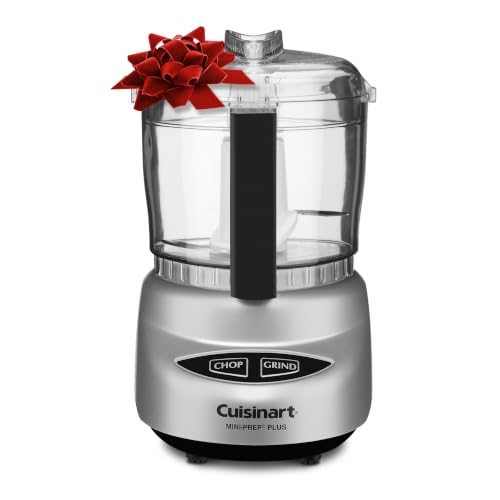
Cuisinart Mini Food Processor (3-Cup)
Badge: Best Mini Alternative
The Cuisinart Mini Food Processor is built around a 3-cup (24 oz.) work bowl, with power described in its listing title as not stated in the listing title. Its stated work is chop and grind via an auto-reversing SmartPower blade. That combination defines the machine before any opinion is added: it tells you the batch sizes it can attempt, the loads it is designed to meet, and the jobs its maker is willing to promise in writing. Everything in this review follows from those stated facts and from how they interact with the job this guide is about.
On the power question, the Cuisinart Mini Food Processor (3-Cup) states not stated in the listing title, works with a 3-cup (24 oz.) bowl, and lists chop and grind via an auto-reversing SmartPower blade. No wattage is stated, and the mini bowl caps the load regardless: whatever its motor, this is a small-batch tool, reviewed as such. Judge power as a system: the figure tells you what the motor claims, the bowl tells you how much food that claim must move, and the functions tell you whether the hard jobs you care about are even part of the design. A machine that strains is usually not underpowered in the abstract; it is overloaded in the specific batch you gave it, which is a sizing lesson as much as a motor lesson.
Strengths
- Auto-reversing blade gives a true chop mode and a separate grind mode in one small bowl
- 24 oz. bowl is honestly sized for herbs, garlic, nuts and small sauce batches
- Brushed chrome body wipes clean and suits a small counter footprint
Trade-offs
- 3-cup bowl is a mini format, so family-size batches need splitting
- No slicing or shredding discs are named in the listing title
- No wattage is stated in the listing title, so power claims cannot be verified from the title alone
Key specifications (from the verified listing title)
- Capacity: 3-cup / 24 oz. work bowl
- Blade: Reversible SmartPower blade, auto-reversing for chop and grind modes
- Finish: Brushed chrome
- Role in title: Mini chopper
In ownership terms, the listing title does not headline dishwasher-safe parts, so check the care details on the listing before assuming every component can go in the dishwasher. Storage follows from the format: a 3-cup (24 oz.) bowl is the footprint you are committing to, whether that means a permanent place on the counter or a planned cupboard home. The cooks who get the most from a machine in this class are the ones whose repeat recipes match its stated functions, who load it with a little headroom rather than to the rim, and who treat pulse control as the main technique rather than an afterthought. Judged that way, this model earns its badge in this guide on the strength of what its listing actually promises, and its limits are stated just as plainly so you can weigh them against your own kitchen.
One honest limitation deserves emphasis: 3-cup bowl is a mini format, so family-size batches need splitting. That does not disqualify the machine, but it should shape the jobs you plan for it.
Best for: readers who want this machine’s stated strengths for the narrower role described in this review / Not suited for: buyers who need the linked, fully evidenced pick for this guide’s main task.
This pick is reviewed prose-only in this guide, for the evidence reason stated in How These Picks Were Chosen, so it carries no Amazon link and no product image here.
Hamilton Beach 10-Cup Food Processor (70730)
Badge: Best Large-Bowl Option
The Hamilton Beach Food Processor & Vegetable Chopper (70730) is built around a 10 cups work bowl, with power described in its listing title as not stated in the listing title. Its stated work is slicing, shredding, mincing and puree, with an Easy Clean bowl scraper. That combination defines the machine before any opinion is added: it tells you the batch sizes it can attempt, the loads it is designed to meet, and the jobs its maker is willing to promise in writing. Everything in this review follows from those stated facts and from how they interact with the job this guide is about.
On the power question, the Hamilton Beach 10-Cup Food Processor (70730) states not stated in the listing title, works with a 10 cups bowl, and lists slicing, shredding, mincing and puree, with an Easy Clean bowl scraper. The 10-cup bowl invites large loads, which is precisely why the missing wattage figure matters here more than on any mini in the guide. Judge power as a system: the figure tells you what the motor claims, the bowl tells you how much food that claim must move, and the functions tell you whether the hard jobs you care about are even part of the design. A machine that strains is usually not underpowered in the abstract; it is overloaded in the specific batch you gave it, which is a sizing lesson as much as a motor lesson.
Strengths
- 10-cup bowl is genuinely full-size for family prep without mini-chopper batch splitting
- Puree is named in the title, which matters for soups, sauces and hummus-style work
- Included bowl scraper reduces the stop-and-scrape routine that slows big bowls down
Trade-offs
- No wattage is stated in the listing title, so motor strength cannot be verified from the title
- Full-size bowl needs real cupboard or counter space compared with the minis in this guide
- Disc and blade details beyond the named functions are not spelled out in the title
Key specifications (from the verified listing title)
- Capacity: 10-cup work bowl
- Functions named in title: Slicing, shredding, mincing, puree
- Extras: Easy Clean bowl scraper included
- Construction: Stainless steel (per listing title)
In ownership terms, the listing title does not headline dishwasher-safe parts, so check the care details on the listing before assuming every component can go in the dishwasher. Storage follows from the format: a 10 cups bowl is the footprint you are committing to, whether that means a permanent place on the counter or a planned cupboard home. The cooks who get the most from a machine in this class are the ones whose repeat recipes match its stated functions, who load it with a little headroom rather than to the rim, and who treat pulse control as the main technique rather than an afterthought. Judged that way, this model earns its badge in this guide on the strength of what its listing actually promises, and its limits are stated just as plainly so you can weigh them against your own kitchen.
One honest limitation deserves emphasis: no wattage is stated in the listing title, so motor strength cannot be verified from the title. That does not disqualify the machine, but it should shape the jobs you plan for it.
Best for: readers who want this machine’s stated strengths for the narrower role described in this review / Not suited for: buyers who need the linked, fully evidenced pick for this guide’s main task.
This pick is reviewed prose-only in this guide, for the evidence reason stated in How These Picks Were Chosen, so it carries no Amazon link and no product image here.

BLACK+DECKER 8-Cup Food Processor (450W)
Badge: Best Stated-Power Value
The BLACK+DECKER Food Processor and Vegetable Chopper (450W) is built around a 8-cup work bowl, with power described in its listing title as 450W, stated in the listing title. Its stated work is shred, slice, mince, grind and puree with a stainless steel blade and attachments. That combination defines the machine before any opinion is added: it tells you the batch sizes it can attempt, the loads it is designed to meet, and the jobs its maker is willing to promise in writing. Everything in this review follows from those stated facts and from how they interact with the job this guide is about.
On the power question, the BLACK+DECKER 8-Cup Food Processor (450W) states 450W, stated in the listing title, works with a 8-cup bowl, and lists shred, slice, mince, grind and puree with a stainless steel blade and attachments. A plainly stated 450W is a mid-range figure, honestly presented, and paired with grind and puree functions it covers the hard everyday jobs of a family kitchen. Judge power as a system: the figure tells you what the motor claims, the bowl tells you how much food that claim must move, and the functions tell you whether the hard jobs you care about are even part of the design. A machine that strains is usually not underpowered in the abstract; it is overloaded in the specific batch you gave it, which is a sizing lesson as much as a motor lesson.
Strengths
- 450W is stated plainly in the title, so the power claim is verifiable rather than vague
- Grind and puree are both named functions, which widens the job range beyond basic chopping
- 8-cup bowl splits the difference between mini choppers and the largest 14-cup machines
Trade-offs
- 450W is a mid-range figure, not a high-power flagship number
- Full food-processor format still takes more storage than a 3 to 4-cup mini
- Attachment count and disc thicknesses are not detailed in the listing title
Key specifications (from the verified listing title)
- Capacity: 8-cup work bowl
- Power: 450W (stated in listing title)
- Blade: Stainless steel blade
- Functions named in title: Shred, slice, mince, grind, puree (with attachments)
In ownership terms, the listing title does not headline dishwasher-safe parts, so check the care details on the listing before assuming every component can go in the dishwasher. Storage follows from the format: a 8-cup bowl is the footprint you are committing to, whether that means a permanent place on the counter or a planned cupboard home. The cooks who get the most from a machine in this class are the ones whose repeat recipes match its stated functions, who load it with a little headroom rather than to the rim, and who treat pulse control as the main technique rather than an afterthought. Judged that way, this model earns its badge in this guide on the strength of what its listing actually promises, and its limits are stated just as plainly so you can weigh them against your own kitchen.
One honest limitation deserves emphasis: 450W is a mid-range figure, not a high-power flagship number. That does not disqualify the machine, but it should shape the jobs you plan for it.
Best for: cooks whose regular work matches the Best Stated-Power Value brief described above / Not suited for: buyers whose main jobs fall outside the stated functions and capacity in this review.
Check on Amazon — check the latest price on Amazon and confirm the current configuration before ordering.
Cuisinart Core Custom 4-Cup Mini Chopper (MCH-4)
Badge: Best Compact Chopper
The Cuisinart Core Custom 4-Cup Mini Chopper (MCH-4) is built around a 4-cup work bowl, with power described in its listing title as not stated in the listing title. Its stated work is chops and grinds with an auto-reversing stainless steel SmartPower blade. That combination defines the machine before any opinion is added: it tells you the batch sizes it can attempt, the loads it is designed to meet, and the jobs its maker is willing to promise in writing. Everything in this review follows from those stated facts and from how they interact with the job this guide is about.
On the power question, the Cuisinart Core Custom 4-Cup Mini Chopper (MCH-4) states not stated in the listing title, works with a 4-cup bowl, and lists chops and grinds with an auto-reversing stainless steel SmartPower blade. Chops and grinds are stated, wattage is not, and the 4-cup bowl keeps loads small, so its power question is less consequential than its size limit. Judge power as a system: the figure tells you what the motor claims, the bowl tells you how much food that claim must move, and the functions tell you whether the hard jobs you care about are even part of the design. A machine that strains is usually not underpowered in the abstract; it is overloaded in the specific batch you gave it, which is a sizing lesson as much as a motor lesson.
Strengths
- Auto-reversing blade separates chopping from grinding instead of one blunt compromise motion
- Dishwasher-safe parts keep a small daily-use tool from becoming a washing-up chore
- 4-cup bowl is the roomiest of the mini choppers in this pool
Trade-offs
- Mini format means no slicing or shredding discs are part of the title description
- No wattage is stated in the listing title
- White and stainless finish shows splashes more than darker bodies
Key specifications (from the verified listing title)
- Capacity: 4-cup mini work bowl
- Blade: Auto-reversing stainless steel SmartPower blade
- Care: Dishwasher-safe parts
- Model / finish: MCH-4, White/Stainless Steel
In ownership terms, dishwasher-safe parts are named in the listing title, which keeps routine cleaning straightforward. Storage follows from the format: a 4-cup bowl is the footprint you are committing to, whether that means a permanent place on the counter or a planned cupboard home. The cooks who get the most from a machine in this class are the ones whose repeat recipes match its stated functions, who load it with a little headroom rather than to the rim, and who treat pulse control as the main technique rather than an afterthought. Judged that way, this model earns its badge in this guide on the strength of what its listing actually promises, and its limits are stated just as plainly so you can weigh them against your own kitchen.
One honest limitation deserves emphasis: mini format means no slicing or shredding discs are part of the title description. That does not disqualify the machine, but it should shape the jobs you plan for it.
Best for: readers who want this machine’s stated strengths for the narrower role described in this review / Not suited for: buyers who need the linked, fully evidenced pick for this guide’s main task.
This pick is reviewed prose-only in this guide, for the evidence reason stated in How These Picks Were Chosen, so it carries no Amazon link and no product image here.
Comparison Table
The table below compares the six picks on the attributes their listings actually state. Where a listing states no power figure, the table says so rather than estimating one. Use it beside the detailed reviews, not instead of them, because fit for best food processors powerful depends on the interaction of capacity, functions and control, not on any single column.
| Pick | Badge | Capacity | Power (as stated) | Stated functions | Listing |
|---|---|---|---|---|---|
| Cuisinart Pro Custom 11-Cup Food Processor (DLC-8SBCYP1) | Best Classic Full-Size | 11-cup | not stated in the listing title | slicing and shredding with included discs, in a dishwasher-safe design | See review |
| Ninja Professional Plus Food Processor (BN601) | Most Powerful | 9-cup | 1000 peak watts (listed as 1000PW in the title) | Auto-iQ presets to chop, slice, puree and mix dough, with 3 blades and a feed chute with pusher | Check on Amazon |
| Cuisinart Mini Food Processor (3-Cup) | Best Mini Alternative | 3-cup (24 oz.) | not stated in the listing title | chop and grind via an auto-reversing SmartPower blade | See review |
| Hamilton Beach 10-Cup Food Processor (70730) | Best Large-Bowl Option | 10 cups | not stated in the listing title | slicing, shredding, mincing and puree, with an Easy Clean bowl scraper | See review |
| BLACK+DECKER 8-Cup Food Processor (450W) | Best Stated-Power Value | 8-cup | 450W, stated in the listing title | shred, slice, mince, grind and puree with a stainless steel blade and attachments | Check on Amazon |
| Cuisinart Core Custom 4-Cup Mini Chopper (MCH-4) | Best Compact Chopper | 4-cup | not stated in the listing title | chops and grinds with an auto-reversing stainless steel SmartPower blade | See review |
Buying Guide: How to Choose
How to read wattage without being misled
Two numbers dominate listings: a plain watt figure and a peak-watt figure. A plain figure generally describes the motor’s rated power. A peak figure describes a maximum reached briefly, often at start-up or under sudden load, and it is not directly comparable with a rated figure from another brand. Neither number alone predicts whether a machine will stall on your batch, because blade design, bowl geometry and batch size all intervene. Use stated wattage as a threshold check, is the figure present and plausible for the class, then judge the system: capacity, named functions and sensible loading. Any guide that ranks machines by wattage alone, including across the peak and rated divide, is selling you a number rather than advising you.
Which hard jobs actually need power
Not every processor job tests a motor. Slicing, shredding and ordinary chopping are light work. The honest power jobs are sustained and resistant: grinding hard dry ingredients, pureeing thick mixtures, kneading dough where the function is stated, and processing frozen or very dense loads. If your cooking rarely includes those, a mid-range stated figure and a good bowl will serve you for years, and paying for headline power buys little. If those jobs are weekly, power moves to the top of the list, alongside the dough-specific evidence in Best Food Processors That Can Knead Dough and the pie dough discussion in Best Food Processors That Make Pie Crust Also, where short, controlled bursts matter more than sustained strength.
Power, noise, heat and motor care
Stronger work is louder and hotter work. Any motor run hard on dense loads will warm up, and responsible use means staged runs with rests, smaller batches when a load resists, and never forcing a stalled blade by holding the button and hoping. Thermal cut-outs exist because motors need protection; a machine that stops on an overloaded batch is often protecting itself correctly. Build the rest breaks into your method, scrape down while the motor rests, and the same machine will feel more powerful in practice than a stronger one abused continuously. Owner discussions gathered in Best Food Processors Reddit return to this loading discipline again and again.
How to Work a Powerful Processor Hard Without Abusing It
Power is a partnership between the motor and your loading habits. These steps keep hard jobs inside what any good machine can sustain.
- Cut before you process: even, modest pieces give the blade a load it can accelerate instead of a single mass it must fight.
- Load in stages for dense work. Add hard ingredients in portions, letting each portion break down before the next joins it.
- Pulse to start, then run. Pulses free trapped pieces and reveal whether the batch size is honest before you commit to a continuous run.
- Rest the motor on long jobs. Stop to scrape down, and let that pause cool the motor as well as redistribute the food.
- Listen actively. A rising strain note, slowing blade or a hot smell means reduce the load now, not after the batch.
- Finish and clean promptly: hard jobs leave compacted residue, and a clean, dry machine is ready to work at full strength next time.
Troubleshooting
Problem: the machine stalls on a dense load → Stop immediately. Remove part of the batch, cut pieces smaller, and restart in pulses. A stall is information about batch size, not an invitation to hold the power on.
Problem: the motor cuts out and will not restart → It has likely overheated and triggered protection. Unplug, empty part of the load, and let the machine cool fully before trying again with a smaller batch. Repeated cut-outs on modest loads deserve a warranty conversation.
Problem: results are uneven despite strong power → Power does not fix geometry. Overfilled bowls and uneven piece sizes chop unevenly at any wattage. Reduce the load, even the pieces, and use the scrape-down pause as part of the method.
Peak Watts, Rated Watts and the Honest Middle
The most useful habit a buyer can build is translating every power claim into a question: peak or rated, stated or implied, and paired with what bowl and functions? The Ninja’s 1000 peak watts and the BLACK+DECKER’s stated 450W cannot be ranked by subtraction, because they measure different moments in a motor’s life. What can be said honestly is that both manufacturers chose to state a figure, that the Ninja’s class and presets aim it at harder directed work, and that the BLACK+DECKER’s figure is a respectable mid-range rating for family jobs. Roundups that pretend otherwise are compared in Best Food Processors Reviewed.
When Power Is the Wrong Priority
Plenty of households search this keyword and need something else entirely: a quieter machine, a smaller bowl, better slicing, easier cleaning. Power is the priority only when your recipe list proves it: regular dough, thick purees, hard grinding, frozen work. Audit your last month of cooking before you buy. If the hard jobs appear twice, buy for the everyday jobs and borrow power occasionally with smaller batches and patience. That audit, honestly done, saves more money than any discount, and it is the advice this guide would give a friend as readily as a reader.
It is worth understanding what a motor actually does with a hard load over time. The first seconds demand a surge as the blade accelerates food from rest. Sustained grinding or pureeing then holds the motor under load, generating heat that must go somewhere. Machines manage that heat with mass, airflow and protective cut-outs, none of which appear in a headline watt figure. This is why two machines with similar stated figures can behave differently across a long job, and why staged working with rests is not a workaround for weak machines but the correct technique for all of them.
A final, practical test before you buy: write down the three hardest jobs you genuinely expect, with batch sizes. Match that list against the linked picks’ stated figures, capacities and functions, line by line. If every job is covered with headroom, you have found your machine and can stop reading power claims altogether. If one job is not covered, decide whether it is frequent enough to change the purchase. That small exercise converts an abstract specification into a decision about your own cooking, which is where buying guides either earn their keep or do not.
Common Buying Mistakes
- Comparing a peak-watt figure directly with a rated-watt figure as if they were the same measure.
- Calling a machine powerful, or weak, when its listing states no power figure at all.
- Buying headline power for a mini bowl, where capacity, not the motor, sets the limit.
- Forcing stalled loads instead of reducing batch size, the fastest way to shorten a motor’s life.
- Ignoring functions: power without a stated puree, grind or dough function has nowhere useful to go.
Final Recommendation
If stated power is your deciding factor, the Ninja Professional Plus is the headline pick: the highest power figure in the pool, with presets that direct it at puree and dough work. The BLACK+DECKER 8-Cup is the honest mid-range alternative, with a plainly stated 450W and a function set that covers grind and puree for family cooking. The prose-only picks are not condemned by this guide; the 11-cup Cuisinart and the 10-cup Hamilton Beach may suit many kitchens, but their titles state no wattage, so a guide about power cannot link them as powerful. Check the latest price on Amazon for the two linked machines, and let your recipe audit, not a headline number, make the final call.
Start your shortlist here: Check on Amazon — Ninja Professional Plus Food Processor (BN601).
Frequently Asked Questions
What wattage makes a food processor powerful?
There is no single threshold, because bowl size and job type change what a figure means. As a rough orientation, a stated mid-range figure handles family chopping, grinding and pureeing with sensible batches, while the highest stated figures aim at sustained hard work. What matters most is that a figure is stated at all, and whether it is a peak or a rated measure.
Are peak watts the same as regular watts?
No. Peak watts describe a brief maximum, often at start-up or under sudden load. A regular watt figure describes rated power. The two cannot be compared directly across brands, which is why this guide reports each figure exactly as its listing states it and explains the distinction instead of ranking by subtraction.
Why is a well-known 11-cup model not linked here?
Because its verified listing title states no wattage. This guide links power claims only where the listing itself states a figure. The model is reviewed in full on its stated merits, capacity and discs, and may be a fine purchase; it simply carries no verifiable power claim for a guide with this title.
Does more power mean better chopping?
Not for ordinary work. Even chopping depends more on bowl loading, piece size and pulse technique than on wattage. Power shows its value on sustained, resistant jobs: thick purees, hard grinding, dough where stated, and dense or frozen loads.
How do I stop a powerful processor from stalling?
Cut pieces evenly and modestly, load dense ingredients in stages, pulse before running continuously, and rest the motor during long jobs. A stall is feedback about batch size. Reduce the load rather than forcing the motor, and the machine will last longer and perform better.
Is a powerful mini chopper a good compromise?
Only for small hard jobs. A mini’s limit is its bowl, not its motor, so power cannot turn it into a batch machine. If your hard jobs are small and frequent, a mini with a stated grind function may serve; if they are large, buy capacity and stated power together.