Disclosure: topratedkitchenware.com is reader-supported. When you buy through links on our site, we may earn an affiliate commission from Amazon and other retailers, at no extra cost to you.
Where to buy
Shoppers comparing the best small lp gas grills usually want two things at once: an honest shortlist and a clear view of what each option actually is. The six products below are the verified options for this guide; linked names lead to their Amazon listings so you can check the latest price on Amazon, while prose-only entries are named in plain text because they clash with the keyword’s core promise — the reason is stated in each one’s review.
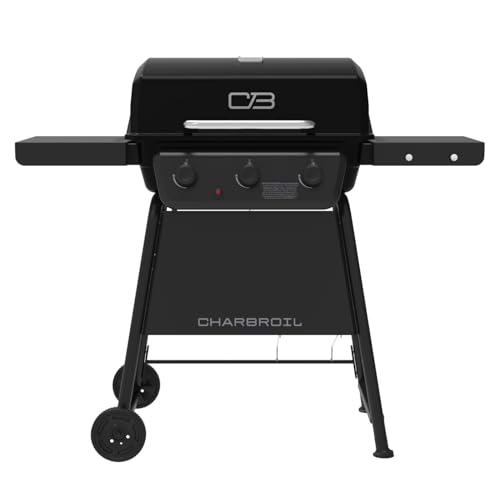
- Char-Broil Classic 3-Burner Propane Gas Grill — Best Overall; propane gas grill (3-burner).
- Electactic Stainless Steel 4-Burner Gas Grill with Side Burner (prose-only) — Best for Small Spaces; propane gas grill (4-burner, full-size cart).
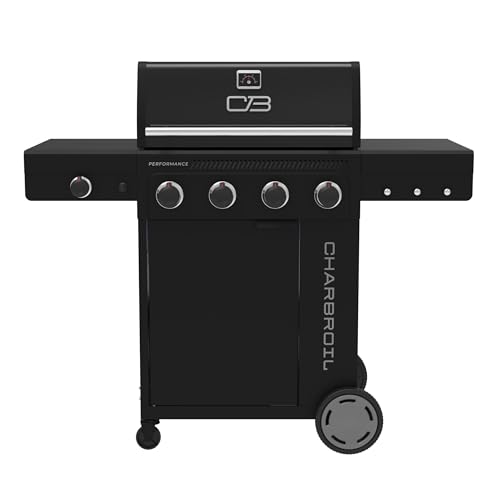
- Char-Broil Performance Series 4-Burner Gas Grill Cabinet with Side Burner (prose-only) — Best Value Cart; propane gas grill (4-burner cabinet cart).
- Nexgrill Propane 4-Burner Gas Grill with Side Burner (prose-only) — Best Premium; propane gas grill (4-burner, full-size cart).
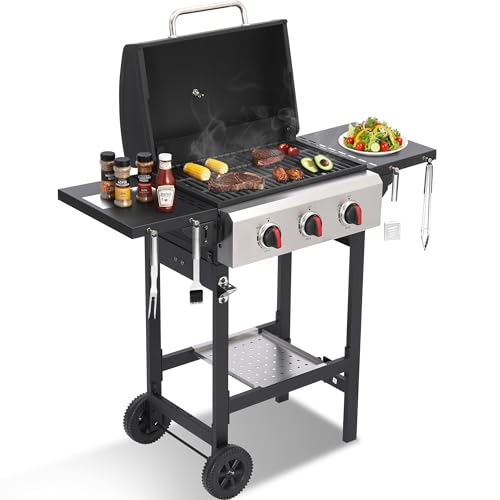
- IdeaMaxx 3-Burner Propane Gas Grill with Cast Iron Grates — Most Versatile; propane gas grill (3-burner, folding shelves).
- Weber Spirit E-425 Gas Grill (prose-only) — Best for Beginners; propane gas grill (4-burner, full-size cart).
Two of the six verified grills genuinely fit the small LP brief and carry links; the four full-size four-burner carts are reviewed prose-only so you can see exactly what upsizing would mean.
Read the full guide ↓
LP gas — liquid propane, the exchangeable tank under most American grills — is the default fuel of backyard cooking, and the best small lp gas grills are the ones that keep propane’s instant, controllable heat while shrinking the cart to small-patio scale. This guide is strict about that second word. Of the six verified grills in its pool, only two honestly qualify as small: a compact 360-square-inch three-burner and a three-burner with folding shelves. The other four are full-size four-burner carts, and they are reviewed prose-only — fairly, on their merits, but with no links and no pretence that they are small grills.
That strictness is the guide’s value. Small LP grills are bought for balconies, small decks and households of two to four, and their virtues are quick preheats, modest fuel use and storage that does not dominate the patio. Judge every pick below against those virtues and the linked choices make sense; judge by raw burner count and you will buy a family cart by accident.
If two burners would cover your cooking, the narrower shortlist in Best Small 2 Burner Gas Grills is worth a look before you buy a third burner.
Key Takeaways
- LP means propane tank fuel: instant ignition, fine control, and a tank to exchange — plan the spare before a party, not during it.
- Only two pool picks are honestly small — the Char-Broil Classic 3-Burner (360 sq. in.) and the folding-shelf IdeaMaxx 3-Burner — and they carry this guide’s links.
- The four 4-burner carts (Electactic, Char-Broil Performance, Nexgrill, Weber Spirit E-425) are prose-only: capable grills, wrong size for this keyword.
- Three burners on a small grate give real two-zone cooking; that zoning matters more than total BTU.
- Porcelain-coated grates (Char-Broil) clean easily; cast iron (IdeaMaxx) sears harder and asks for seasoning.
- No prices or ratings are printed — check on Amazon for the current figure on the exact configuration.
In this guide
Quick Picks
| Pick | Badge | Type | Key features |
|---|---|---|---|
| Char-Broil Classic 3-Burner Propane Gas Grill | Best Overall | Propane gas grill (3-burner) | 30,000 BTU; 360 sq. in. cooking area; porcelain-coated grates; side shelves; compact design |
| Electactic Stainless Steel 4-Burner Gas Grill with Side Burner | Best for Small Spaces | Propane gas grill (4-burner, full-size cart) | 42,000 BTU; side burner; built-in thermometer; stainless steel body |
| Char-Broil Performance Series 4-Burner Gas Grill Cabinet with Side Burner | Best Value Cart | Propane gas grill (4-burner cabinet cart) | 4 burners; side burner; enclosed cabinet base; black finish (model 463253925) |
| Nexgrill Propane 4-Burner Gas Grill with Side Burner | Best Premium | Propane gas grill (4-burner, full-size cart) | 60,000 BTU total; 626 sq. in. cooking space; side burner; built-in thermometer; electronic ignition; double-door cabinet |
| IdeaMaxx 3-Burner Propane Gas Grill with Cast Iron Grates | Most Versatile | Propane gas grill (3-burner, folding shelves) | 38,200 BTU; cast iron grates; foldable side shelves; portable outdoor positioning; black finish |
| Weber Spirit E-425 Gas Grill | Best for Beginners | Propane gas grill (4-burner, full-size cart) | 4 burners; Sear Zone with Boost Burners; porcelain-enamelled cast-iron grates; Weber Works rails; black finish |
Read the Type column before the badges: it separates the two genuine small LP grills from the four full-size carts that are present as honest, prose-only contrasts.
How These Picks Were Chosen
This guide is research-led, and it says so plainly: the picks were not cooked on in our own test yard. Every product below comes from a verified pool checked against Amazon’s Creators API on 2026-11-21 — listing title, brand and image confirmed against the live catalog — and only products whose identity could be verified that way were considered at all. Where a verified product genuinely matches the keyword’s core promise — the fuel type, and the small or portable size where the keyword asks for it — it carries purchase links and an official image. Where a verified product clashes with that core promise, it is still reviewed, but prose-only: no link, no image, and the mismatch stated in its review and in the sources file. That rule is why some famous-name grills in this guide carry no links.
The comparison worked through the factors that separate grills in daily use. First, fuel, because charcoal, propane and electric grills create entirely different routines — lighting time, flavour, cleanup and where you are allowed to use them. Second, honest size: primary grate area and burner count, judged against the word ‘small’ when the keyword uses it, rather than against whatever a listing chooses to call compact. Third, heat zoning — how many burners, whether a sear zone or side burner exists — because zoning decides whether you can cook a steak and asparagus at the same time. Fourth, the ownership chores: grate material and its care, ash or grease management, folding parts, covers and storage.
A note on numbers in this guide: it prints no prices, because grill pricing moves with seasons and sales, and no star ratings or review counts, because those change daily and would be stale within weeks. Use the ‘check on Amazon’ links on linked picks to see the current figure for the exact configuration. What stays stable — and what this guide concentrates on — is the iron itself: burners, grates, vents, shelves and the routine each grill creates on a real patio.
The 6 Best small lp gas grills Picks, Reviewed in Detail
Each review states size and fuel plainly, gives three strengths and three trade-offs from its verified listing details, and ends with a blunt best-for verdict. Prose-only reviews say exactly why the grill lost its links.

Char-Broil Classic 3-Burner Propane Gas Grill
Badge: Best Overall
The Char-Broil Classic 3-Burner is the honest small-grill shape in this pool: 360 square inches of cooking area, 30,000 BTU across three burners, porcelain-coated grates and side shelves, in a body the listing itself calls compact. Three burners on a small grate is a useful combination — you can run one side hot for searing and the other gentle for finishing — without the footprint or fuel appetite of the four- and six-burner carts elsewhere in these pools.
In an LP lineup, the Char-Broil Classic 3-Burner Propane Gas Grill makes its case on the propane virtues — instant light, dial control, no ash — so weigh it on how its size and zoning serve your actual cooks, not on how its specification compares with a charcoal fire it was never trying to be.
Strengths
- 360 sq. in. grate is genuinely compact-grill territory
- Three burners allow a hot zone and a gentle zone side by side
- Porcelain-coated grates are forgiving to clean
Trade-offs
- Porcelain coating chips if scraped with metal tools
- Side shelves are fixed prep space, not folding storage space
- No side burner for sauces or sides
At a glance: Type: Propane gas grill (3-burner); Key features: 30,000 BTU; 360 sq. in. cooking area; porcelain-coated grates; side shelves; compact design.
Best for: Small patios and balconies where a compact cart grill must still cook for a family / Not suited for: Large gatherings that need a big primary grate
Check on Amazon to check the latest price on Amazon and confirm the current configuration before you buy.
Electactic Stainless Steel 4-Burner Gas Grill with Side Burner
Badge: Best for Small Spaces
Prose-only pick: it is a full-size multi-burner cart grill, which clashes with the ‘small’ core of this keyword (Rule 5). It is reviewed in full below, but it carries no purchase link and no image in this guide.
The Electactic is a full-size four-burner stainless cart grill with a side burner and a built-in thermometer, rated at 42,000 BTU. As a general backyard grill it is well specified, but four burners and a full cart footprint are the opposite of the small-grill brief in the keywords where it appears in this wave, which is why it is reviewed honestly here as a prose-only alternative rather than a linked small-grill pick.
In an LP lineup, the Electactic Stainless Steel 4-Burner Gas Grill with Side Burner makes its case on the propane virtues — instant light, dial control, no ash — so weigh it on how its size and zoning serve your actual cooks, not on how its specification compares with a charcoal fire it was never trying to be.
Strengths
- 42,000 BTU across four burners for flexible zoning
- Side burner handles sauces, corn and side dishes
- Stainless steel body and built-in thermometer
Trade-offs
- Full-size cart footprint, not a small grill
- Four burners burn more fuel for small meals
- Stainless surfaces show grease marks and need wiping
At a glance: Type: Propane gas grill (4-burner, full-size cart); Key features: 42,000 BTU; side burner; built-in thermometer; stainless steel body.
Best for: Households that actually want a full-size cart grill instead of a small one / Not suited for: Small patios, balconies or anyone shopping strictly for compact size
Char-Broil Performance Series 4-Burner Gas Grill Cabinet with Side Burner
Badge: Best Value Cart
Prose-only pick: it is a full-size multi-burner cart grill, which clashes with the ‘small’ core of this keyword (Rule 5). It is reviewed in full below, but it carries no purchase link and no image in this guide.
The Char-Broil Performance Series 4-Burner is a cabinet-style cart grill with a side burner and enclosed storage below the firebox. It is a mainstream family grill from an established maker, but a four-burner cabinet cart is a full-size appliance: in small-grill guides it belongs in the prose-only seats, described fairly for readers who decide their space can stretch, not presented as a compact pick.
In an LP lineup, the Char-Broil Performance Series 4-Burner Gas Grill Cabinet with Side Burner makes its case on the propane virtues — instant light, dial control, no ash — so weigh it on how its size and zoning serve your actual cooks, not on how its specification compares with a charcoal fire it was never trying to be.
Strengths
- Enclosed cabinet hides the tank and stores tools
- Side burner adds a second cooking station
- Established maker’s mainstream family format
Trade-offs
- Cabinet cart is full-size, not small or portable
- Four burners are more grill than two-person meals need
- Cabinet interiors need cleaning to stay rust-free
At a glance: Type: Propane gas grill (4-burner cabinet cart); Key features: 4 burners; side burner; enclosed cabinet base; black finish (model 463253925).
Best for: Families with room for a full-size cabinet grill / Not suited for: Balconies, small decks or portable use
Nexgrill Propane 4-Burner Gas Grill with Side Burner
Badge: Best Premium
Prose-only pick: it is a full-size multi-burner cart grill, which clashes with the ‘small’ core of this keyword (Rule 5). It is reviewed in full below, but it carries no purchase link and no image in this guide.
The Nexgrill 4-Burner is the big-grate option in this pool: 626 square inches of cooking space, 60,000 BTU including its side burner, electronic ignition and a double-door cabinet. Those are party-grill numbers. In any guide whose keyword promises small, this model is a prose-only contrast pick — the grill you choose when you abandon the small brief on purpose because you cook for crowds.
In an LP lineup, the Nexgrill Propane 4-Burner Gas Grill with Side Burner makes its case on the propane virtues — instant light, dial control, no ash — so weigh it on how its size and zoning serve your actual cooks, not on how its specification compares with a charcoal fire it was never trying to be.
Strengths
- 626 sq. in. grate is the largest class in this pool
- 60,000 BTU total output with a side burner
- Electronic ignition and built-in thermometer
Trade-offs
- Far beyond small-grill size by any measure
- Big grate wastes fuel on small weeknight meals
- Cabinet cart needs a permanent parking spot
At a glance: Type: Propane gas grill (4-burner, full-size cart); Key features: 60,000 BTU total; 626 sq. in. cooking space; side burner; built-in thermometer; electronic ignition; double-door cabinet.
Best for: Crowd cooking where the small-grill brief no longer applies / Not suited for: Small spaces or small households

IdeaMaxx 3-Burner Propane Gas Grill with Cast Iron Grates
Badge: Most Versatile
The IdeaMaxx 3-Burner pairs 38,200 BTU with cast iron grates and — the detail that earns its place in small and portable guides — foldable side shelves. Folding shelves change the storage math: the grill cooks like a three-burner and parks like a smaller one. Cast iron grates hold searing heat well and reward the small amount of seasoning care they ask for.
In an LP lineup, the IdeaMaxx 3-Burner Propane Gas Grill with Cast Iron Grates makes its case on the propane virtues — instant light, dial control, no ash — so weigh it on how its size and zoning serve your actual cooks, not on how its specification compares with a charcoal fire it was never trying to be.
Strengths
- Foldable side shelves shrink the parked footprint
- Cast iron grates sear and hold heat well
- 38,200 BTU is strong output for a three-burner
Trade-offs
- Cast iron needs seasoning and dry storage habits
- Three burners still need a cart-sized parking spot
- Folded shelves mean no prep space while stored
At a glance: Type: Propane gas grill (3-burner, folding shelves); Key features: 38,200 BTU; cast iron grates; foldable side shelves; portable outdoor positioning; black finish.
Best for: Small patios and campers who need shelves that fold away after cooking / Not suited for: Anyone wanting a true tabletop grill that travels in a car trunk
Check on Amazon to check the latest price on Amazon and confirm the current configuration before you buy.
Weber Spirit E-425 Gas Grill
Badge: Best for Beginners
Prose-only pick: it is a full-size multi-burner cart grill, which clashes with the ‘small’ core of this keyword (Rule 5). It is reviewed in full below, but it carries no purchase link and no image in this guide.
The Weber Spirit E-425 is the premium name in this pool: four burners, a Sear Zone with Boost Burners, porcelain-enamelled cast-iron grates and Weber Works accessory rails. Its build reputation is deserved, but the E-425 is a full-size four-burner cart, so in small-grill guides it is a prose-only reference — the quality benchmark readers can aspire to when space is not the constraint, not a small grill.
In an LP lineup, the Weber Spirit E-425 Gas Grill makes its case on the propane virtues — instant light, dial control, no ash — so weigh it on how its size and zoning serve your actual cooks, not on how its specification compares with a charcoal fire it was never trying to be.
Strengths
- Sear Zone with Boost Burners for steakhouse-style crusts
- Porcelain-enamelled cast-iron grates are durable and even
- Weber Works rails accept a wide accessory system
Trade-offs
- Full-size four-burner cart, not a small grill
- Premium-tier positioning within this pool
- Over-specified for two-person weeknight cooking
At a glance: Type: Propane gas grill (4-burner, full-size cart); Key features: 4 burners; Sear Zone with Boost Burners; porcelain-enamelled cast-iron grates; Weber Works rails; black finish.
Best for: Quality-first buyers with room for a full-size grill / Not suited for: Small patios, balconies or portable use
Comparison Table
| Pick | Type | Key features |
|---|---|---|
| Char-Broil Classic 3-Burner Propane Gas Grill — Check on Amazon | Propane gas grill (3-burner) | 30,000 BTU; 360 sq. in. cooking area; porcelain-coated grates; side shelves; compact design |
| Electactic Stainless Steel 4-Burner Gas Grill with Side Burner | Propane gas grill (4-burner, full-size cart) | 42,000 BTU; side burner; built-in thermometer; stainless steel body |
| Char-Broil Performance Series 4-Burner Gas Grill Cabinet with Side Burner | Propane gas grill (4-burner cabinet cart) | 4 burners; side burner; enclosed cabinet base; black finish (model 463253925) |
| Nexgrill Propane 4-Burner Gas Grill with Side Burner | Propane gas grill (4-burner, full-size cart) | 60,000 BTU total; 626 sq. in. cooking space; side burner; built-in thermometer; electronic ignition; double-door cabinet |
| IdeaMaxx 3-Burner Propane Gas Grill with Cast Iron Grates — Check on Amazon | Propane gas grill (3-burner, folding shelves) | 38,200 BTU; cast iron grates; foldable side shelves; portable outdoor positioning; black finish |
| Weber Spirit E-425 Gas Grill | Propane gas grill (4-burner, full-size cart) | 4 burners; Sear Zone with Boost Burners; porcelain-enamelled cast-iron grates; Weber Works rails; black finish |
The comparison table’s honest story is size: two grills under the small brief and four above it. If your patio can take a cart, the prose-only rows show what the extra space buys; if it cannot, the decision is already made.
How to Choose the Right Grill for This Brief
Start with the keyword itself, because it contains the two decisions that matter: the best small lp gas grills brief fixes your fuel expectations and your size expectations before any brand enters the conversation. LP propane is assumed throughout: every pick in the pool burns it, so your real choices are size, burners and grates.
Size honestly. Primary grate area is the number that predicts your life with the grill: under roughly 400 square inches is genuine small-grill territory for households of two to four; beyond that you are buying a family cart, which may be right for you but should be chosen knowingly, not by a listing that calls everything compact. Burner count interacts with size — two or three burners on a small grate give real zoning, while a single burner gives simplicity at the cost of an indirect zone.
Then judge heat by construction, not headline BTU. A sealed firebox, a grate with some weight to it and burners that cover the grate evenly will out-cook a larger paper figure in a leaky box. Grate material sets your maintenance religion: porcelain-coated steel for easy care, cast iron for searing mass with seasoning duties, chrome for light weight with a gentle cleaning hand.
Finally, plan the unglamorous half: where it parks, whether shelves fold, how the tank or ash is handled, whether a cover exists for it, and whether your balcony or site rules allow its fuel at all. A grill that fits your space, your rules and your storage will be used weekly; a technically superior grill that fights all three becomes furniture.
The same compact carts are compared from a barbecue-first angle in Best Small Barbecue Gas Grills.
How to Grill Well on a Small Grill, Step by Step
Set up. Step 1: place the grill on a stable, level surface with the maker’s clearances from walls and railings. Step 2: check the grate is clean and lightly oiled before it gets hot. Step 3: connect the LP tank, open the valve slowly and check connections with soapy water if anything smells of gas. Step 4: preheat with the lid down until the grate is properly hot — ten to fifteen minutes for gas, longer for charcoal. Step 5: set up two heat zones wherever the format allows, hot side and safe side, before any food goes on.
Cooking. Dry food surfaces with paper towel, season, and lay pieces away from you. Leave food alone until it releases naturally from the grate; forcing it tears the crust you are trying to build. Use the lid for anything thicker than a finger, move finished pieces to the safe zone, and rest meat on a warm plate while vegetables take the hot zone.
Cleanup. Brush the grate while warm, let ash cool completely before disposal in a metal container, empty and wipe the drip tray, and cover or store the grill dry. Small grills reward this five-minute routine disproportionately, because their parts are light and weather finds them quickly.
Troubleshooting. Problem: food sticks badly → the grate was not hot enough or was dirty; preheat longer and brush before oiling. Problem: constant flare-ups → excess fat or marinade is dripping; trim, drain and move food to the safe zone until flames settle. Problem: one side cooks much faster → a clogged burner port, uneven coals or wind; clean ports, redistribute coals, or shield the grill from the breeze.
Spelling variants aside, Best Small Barbeque Gas Grills covers the same small-gas territory from another entry point.
Propane Practicalities: Tanks, Burners and Small-Grill Fuel Use
A standard LP tank is a commitment device: it lasts many cooks on a small grill, then empties at the worst possible moment unless you keep a spare or a gauge. Small grills sip fuel compared with four-burner carts — another quiet dividend of buying small — because there is less firebox to heat and fewer burners lit for a two-person dinner. Store tanks upright, outdoors and away from the grill’s heat, and never bring a tank indoors, including into a garage attached to the house, whatever the weather is doing.
Burner care is the other propane routine. Spider webs and grease clog burner ports and create the yellow, lazy flames owners blame on regulators. A soft brush and a port-cleaning pass each season keep the flame blue and even; if a burner lights reluctantly after winter storage, suspect the ports before the parts catalog.
For the gas-barbecue framing of this size class, see Best Small Gas Barbecue Grills.
Balcony and Small-Patio Rules for LP Grills
Before the grill, the rules: many leases and local codes restrict propane on balconies, limit tank sizes, or require distances from the building that a small balcony cannot provide. Measure your usable rectangle honestly — grill footprint plus working room plus the maker’s clearances — and remember that folding shelves, like the IdeaMaxx’s, shrink storage size but not cooking clearances. Where LP is banned entirely, the honest answer is an electric grill, which is a different guide; do not let a propane purchase talk you out of your own lease.
Apartment readers should check their constraints against Best Small Gas Grills For Balcony before ordering anything.
Heat zoning is the skill that separates grilling from merely cooking outdoors. Even a two-burner grill can run a hot side and a safe side: sear over direct heat, then move food to the gentler zone to finish without burning. On charcoal, bank the coals to one side and the same two-zone fire appears. Nearly every recipe worth grilling — thick steaks, bone-in chicken, whole vegetables — is easier with two zones, so when you compare grills, value a layout that zones well over a headline BTU figure that only describes the whole firebox at full blast.
BTU numbers deserve scepticism. A grill’s total BTU says how much gas it can burn, not how hot the grate gets or how evenly it cooks; a well-sealed smaller firebox with fewer BTU often out-sears a leaky large one. Grate material matters as much: cast iron holds a reservoir of heat that marks food properly, while thin steel rides every gust of wind. Read BTU as a rough class marker, then look at sealing, grate weight and burner layout for the real story.
Preheating is not optional, and it is not quick. A gas grill wants a good ten to fifteen minutes with the lid down before food touches the grate; charcoal wants its coals fully ashed over, which takes longer. Food on a cold grate sticks, steams instead of searing, and loses the crust that justifies grilling in the first place. Build the preheat into your routine — light the grill before you season the food, not after — and most ‘my grill does not sear’ complaints disappear.
The lid is a cooking tool, not a rain cover. Lid down, a grill becomes a convection oven that cooks thick food evenly and melts cheese properly; lid up, it is a broiler that only heats from below. Thin foods — asparagus, shrimp, thin burgers — cook happily either way, but anything thicker than your thumb needs lid time. Learn your grill’s lid-down behaviour, including its hot spots, and you have learned most of grilling.
Resting meat is part of the recipe. A steak or chop pulled straight onto a cutting board spills its juices onto the board; the same meat rested under loose foil for five to ten minutes keeps them in the slice. Small grills help here more than owners expect: cook in a deliberate order, rest the early items on the warming area or a warm plate, and everything reaches the table hot together instead of in a sad sequence.
Wind is the invisible variable in small-grill cooking. A light grill on an exposed balcony loses heat from its firebox walls, and burners or coals on the windward side run differently from the sheltered side. Position matters: a corner, a wall at the grill’s back, or simply rotating the grill so its vents face away from the breeze can stabilise temperatures more than any accessory. On very windy days, choose thicker foods and lid-down methods that forgive fluctuation.
Cleaning little and often beats the seasonal deep clean. Brush the grate while it is still warm after cooking, empty ash only when it is fully cold, wipe grease from shelves and handles before it bakes on, and check the drip tray before it overflows onto a patio. Five minutes after each cook keeps a small grill pleasant for years; the alternative — a spring weekend with a scraper and degreaser — is how grills become chores their owners avoid.
Thermometers end arguments. A lid thermometer tells you the air temperature near the lid, which can differ substantially from the grate where the food sits, and neither tells you the inside of a chicken thigh. An instant-read thermometer used in the food itself is the single most useful grilling accessory at any grill size: it replaces guessing, colour myths and cut-and-peek juice loss with a number you can trust.
Marinades and rubs behave differently on small grills. Sugar-heavy sauces burn fast over the concentrated heat of a compact firebox, so apply them in the last minutes rather than from the start. Dry rubs are the small grill’s friend — they season without dripping, flare less, and suit the shorter distance between food and flame. For charcoal, remember that marinade drips become flare-ups; shake pieces off before they meet the grate.
Vegetables deserve a plan, not the leftover corner. On a small grate, vegetables cooked in a grill basket or on a preheated griddle plate get char without falling through, and dense vegetables like potatoes and corn benefit from a par-cook indoors before their grill finish. Cook vegetables while the meat rests and a small grill feeds vegetarians and carnivores from the same fire without a second appliance.
Storage is a design feature. A grill that folds, hangs or fits a storage box gets stored; a grill that must be wrestled gets left outside. When you compare small and portable models, rehearse the storage in your head: where does it live in January, how does it get there, and does anything have to move first? The honest answers predict whether the grill will still be used in its third year.
Safety scales down slower than grills do. A small grill still produces carbon monoxide, still flares, and still needs clearance from siding, railings and overhangs — check the maker’s stated clearances rather than eyeballing them. Keep a spray bottle for minor flare-ups on gas grills, never water a grease fire, and let charcoal ash sit in a metal container for at least two days before it goes near anything combustible.
Think about the second season, not just the first cook. Burners clog, igniters tire, grates wear and charcoal baskets rust; models from established makers with listed spare parts survive these birthdays, while orphan designs become landfill at the first failed part. Before buying, glance at whether the maker sells replacement grates and burners for the model family. Longevity is partly engineering and partly logistics.
Accessories should follow experience, not precede it. Live with the grill for a month of real cooks. The gaps that remain — a basket if vegetables fall through, a griddle plate if breakfast outdoors appeals, a cover if storage is outdoors — are your true accessory list, bought against felt problems. A small grill bought with a cart of speculative accessories is a large purchase pretending to be a small one.
Neighbours are part of balcony grilling. Smoke drifts, and a considerate routine — grilling at reasonable hours, keeping the fire clean so it smokes less, choosing gas or electric where charcoal smoke would pour into the flat above — keeps the peace that keeps you grilling. Many a balcony grill has been retired not by rules but by relationships; cook like someone who lives in a community, because you do.
Finally, judge a small grill by your Tuesdays, not your parties. The big gathering happens twice a year and can be handled with batch cooking, a borrowed grill or an oven assist. The weeknight cook — four burgers, some corn, twenty minutes — happens a hundred times, and it is there that a right-sized grill earns its space: fast to light, quick to clean, pleasant to stand beside. Buy for the hundred, improvise for the two.
Seasoning a new grill is a short ritual with long benefits. Run it empty at cooking temperature to burn off manufacturing residues, let it cool, wipe the grate, and oil the grate lightly before the first real cook. On cast iron, that first heat-and-oil cycle begins the seasoning layer that every later cook maintains. Skipping the burn-off is how a first meal acquires a flavour nobody ordered, so treat the empty first run as part of unboxing, not as wasted fuel.
Two-zone cooking deserves a second mention because it is the technique that makes small grills punch above their size. Keep one side fierce and one side gentle, and you hold both a searing station and a finishing oven in a single small firebox. Chicken goes skin-side over the fierce side, then finishes gently without burning; thick steaks reverse the order. Once two-zone thinking becomes habit, grate size stops being the limit it first appeared to be.
Fuel quality shows up on the plate. Fresh propane burns the same every time, which is propane’s quiet virtue, but charcoal varies enormously: lump charcoal burns hotter and cleaner than briquettes, while briquettes burn longer and more evenly. Match the fuel to the cook — lump for fast searing, briquettes for a long, steady session — and store both dry, because damp charcoal is the leading cause of the smoky, struggling fire that gives charcoal a bad name.
A grill brush is a safety item, not just a cleaning one. Worn wire brushes can shed bristles that end up in food; inspect the brush, replace it when it looks tired, and consider bristle-free alternatives such as coiled brushes or a ball of foil held in tongs on a hot grate. Clean the grate while it is warm, when residue releases easily, and the job takes a minute instead of a workout.
Plan the menu around the grill’s rhythm rather than against it. Items that tolerate waiting — corn in husks, sausages, vegetable skewers — forgive a small grate’s sequencing, while a table of made-to-order thin steaks punishes it. Batch by thickness, rest what finishes early under foil, and let the grill work in waves. Guests experience this as abundance arriving steadily; only the cook knows it was logistics.
Leftovers are a grilling strategy. A small grill run for dinner can deliberately cook tomorrow’s lunch in its second batch, when the fire is already hot and the grate already seasoned by the first round. Grilled vegetables, chicken and corn all keep well and reheat kindly. Cooking once for two meals halves the setup and cleanup cost per meal, which is exactly the arithmetic that makes a small grill a weeknight appliance instead of a weekend project.
Weatherproofing the routine matters as much as weatherproofing the grill. A small light for evening cooks, a side surface that does not wobble, tongs that live by the grill rather than in a distant drawer — these small systems decide whether grilling feels effortless in November as well as in June. Build the station once, keep it stocked, and the grill gets used in the months when other people’s grills are already under their covers for the year.
Common Buying Mistakes
Buying grate area you will never fill. A huge grate heated for two burgers wastes fuel, heats slowly at the edges and tempts you to cook everything at once badly. Count your realistic largest cook honestly — for most households it is smaller than their imagination — and buy one size above that, not three.
Believing the word ‘portable’ or ‘compact’ in a listing title. Portability is physics, not marketing: weight, folded size, handles and lid locks decide it, and a four-burner cart with folding shelves is still a four-burner cart. Judge by grate area, burner count and format, the way this guide’s prose-only decisions did.
Ignoring local rules. Many apartment balconies ban charcoal or any open flame, and some ban gas while allowing electric. Check your lease and local code before falling for a grill you may not legally light — the best grill is the one you are allowed to use where you live.
Skipping the cover and the storage plan. Grills die of weather more than of cooking. A small grill that lives outdoors uncovered will rust its grates and burners seasons early. Budget the cover, plan the dry corner, and fold or store portable models indoors between uses.
Neglecting grate care by material. Porcelain-coated grates want plastic or wooden tools and gentle brushing; raw cast iron wants seasoning and dry storage; chrome wants a soft hand. Each material in this guide is fine — the failures come from treating one like another.
Forgetting fuel logistics. Propane means a tank to exchange or refill, charcoal means bags to store dry and ash to dispose of safely, electric means an outlet within cord reach. The grill is the cheap decision; the fuel routine is the one you live with every single cook.
Final Recommendation
For most small-LP shoppers the answer is the Char-Broil Classic 3-Burner: genuinely compact at 360 square inches, three burners for zoning, easy-care porcelain grates. Choose the IdeaMaxx instead if folding shelves decide your storage, or if cast-iron searing matters more than easy cleaning. The four prose-only carts are good grills for a different keyword — buy one only if you have consciously traded the small brief for family-cart capacity.
And if a side burner is on your must-have list, Best Small Gas Grills With Side Burner ranks that feature specifically.
To act on this guide: start with the Char-Broil Classic 3-Burner Propane Gas Grill; start with the IdeaMaxx 3-Burner Propane Gas Grill with Cast Iron Grates — each link lets you check the latest price on Amazon and confirm the current configuration.
Frequently Asked Questions
Is LP gas the same as propane?
Yes. LP stands for liquefied petroleum gas, and the grill fuel sold in exchangeable tanks is propane. A grill described as LP, propane or LPG in this category is describing the same tank fuel; natural gas, by contrast, is a plumbed utility fuel and needs a different, incompatible grill.
Can I run a small LP grill on a balcony?
Only where your lease and local code allow it, with the maker’s clearances respected. Many apartment balconies restrict or ban propane. Check first; where it is banned, an electric grill is the lawful substitute, not a smaller propane grill used quietly.
How many people can a small grill actually feed?
In batches, more than its grate suggests. A grate in the 200 to 400 square inch class cooks four to six burgers at once, and two relaxed batches feed a table of eight without anyone waiting long. The honest limit is mixed grilling — steaks, corn and vegetables all at once — where a small grate forces sequencing. Cook in courses and a small grill feeds a party; demand everything simultaneously and you need a bigger firebox.
Do I need a side burner?
Only if your cooking says so. Side burners earn their space for sauces, beans, corn and keeping a pan of onions going beside the grate. If your grilling is proteins and vegetables on the grate itself, a side burner is weight, cost and one more burner to clean. Notice that in this guide the side-burner models are mostly the larger carts — the feature and the size tend to arrive together.
How long should a grill at this level last?
Years, if weather and cleaning are handled. The firebox and frame of a decent grill outlast its consumables: grates, burners, igniters and charcoal baskets are the parts that wear. Choose a maker that sells those parts, keep the grill covered or stored dry, and clean little and often, and a small grill is a long-term appliance rather than a seasonal purchase.
What should I verify before ordering?
The fuel type and format in the exact listing, the primary grate area, how it stores, and the current price on Amazon through this guide’s links — model families share names across sizes, and the difference between the small one and its big sibling is the entire point of this guide.