Disclosure: As an Amazon Associate, topratedkitchenware.com earns from qualifying purchases. Links on this page are affiliate links; they cost you nothing extra. Prices and availability change often, so check the current Amazon listing before you buy.
Knowing how to clean personal blender properly is what keeps a personal blender fast, fresh-tasting and leak-free: the routine is a quick rinse after every use, a proper wash for the cup, gasket and blade base on a regular rhythm, and careful handling of blades that stay genuinely sharp. This guide gives the full step-by-step method, the safety rules and the troubleshooting for smells, film and residue.
Key Takeaways
Rinse immediately and cleaning stays a thirty-second job. Wash the gasket groove and threads, where residue and smells actually live. Handle the blade base like a knife. Never immerse a motor base, and never use hot liquids in a sealed cleaning blend. Dry everything openly before storing so odours cannot set in.
In this guide
What You Need
Required: warm water, washing-up liquid, a soft sponge, a bottle brush sized for the cup, and a clean tea towel. Optional but useful: bicarbonate of soda for odour paste, a small soft brush for threads and the gasket groove, and a spare gasket so a worn one can be retired without downtime. You do not need abrasive pads, bleach soaks or specialty products, and abrasives actively harm the cup by scratching it.
Safety and Before You Start
Treat the blade base like an exposed knife, because that is functionally what it is. When washing it, keep your fingers on the plastic body, use a brush rather than a sponge pressed over the blades, and never leave it hidden under suds in a sink where someone else will reach in. Dry it where you can see it. If you have children in the house, the blade base lives out of reach, screwed onto a cup or stored high, exactly as you would store a sharp knife.
A personal blender only runs when its cup and blade base are seated and locked correctly, and that interlock is a safety feature, not an inconvenience. Never try to defeat it, never run the motor with the cup held loosely in place, and never reach for a workaround if the machine refuses to start. A refusal usually means the cup is not aligned, the base is cross-threaded, or the gasket is displaced. Unplug, reseat everything calmly, and only then try again.
Unplug the base before any cleaning begins. The motor base itself is wiped with a damp cloth only; it is never immersed and never held under a tap. Keep the blade base visible at all times during washing, never buried under suds.
How to Clean a Personal Blender, Step by Step
Step 1: Rinse Immediately After Use
The fastest cleaning routine is an immediate rinse. As soon as you pour or drink, rinse the cup, lid and blade base under warm water so nothing dries onto the surfaces. Dried smoothie residue, especially around the gasket and under the blade base threads, is what turns a thirty-second rinse into a scrubbing job later. A quick rinse right away also keeps odours from setting into the plastic, which matters when tomorrow’s drink is savoury rather than sweet.
Step 2: Wash the Cup Properly
Once a week or so, give the cup a proper wash with warm water, a small amount of washing-up liquid and a soft sponge or bottle brush. Pay attention to the threads, the gasket groove and the underside of the blade base, where residue hides. Some owners blend warm water with a drop of washing-up liquid for a few seconds to loosen film, then rinse thoroughly; that is a cleaning blend only, never something to drink, and it should be warm, never hot. Rinse until no suds remain.
Step 3: Clean the Blade Base Without Hurting Yourself
Hold the blade base by its plastic body, blades pointing away from your fingers, and clean around the blades with a brush rather than a sponge pressed across them. Work residue out of the threads with the small brush. Rinse under running water while keeping your grip on the body, shake off water, and set it somewhere visible to dry. If you would not wash a chef’s knife carelessly, do not wash this carelessly either.
Step 4: Remove, Wash and Refit the Gasket
The humble gasket decides whether your blender leaks. Remove it gently when your model’s design allows, wash it, dry it, and refit it sitting flat in its groove with no twists. A gasket that is stretched, nicked or permanently flattened will weep no matter how tightly you screw the base on, and replacement gaskets and cups are a normal running cost of the category. Keep food residue from drying under the gasket, because that is where stale smells usually live.
Step 5: Try a Warm Cleaning Blend for Film
For a light film inside the cup, add warm water and a single drop of washing-up liquid, fit the blade base, and run a few seconds. Warm means comfortable to touch, never hot, because a sealed cup and hot liquid are a pressure hazard. Empty, rinse thoroughly until no suds remain, and remember this blend is a cleaning method only. Rinse the blade base and gasket again afterwards, since soapy water reaches everywhere the smoothie did.
Step 6: Wipe the Motor Base
With the machine unplugged, wipe the base with a cloth dampened in warm water, paying attention to drips that ran down during a leak or an enthusiastic pour. Dry it before plugging back in. Never spray cleaner directly onto the base and never let liquid pool around the coupling where the cup seats.
Step 7: Dry Openly and Store Smart
Store the blade base with the same respect you give a knife block. The blades stay sharp for a long time, and a blade base loose in a drawer or washing-up bowl is an unpleasant surprise for reaching fingers. Many owners keep the blade base screwed onto an empty cup, which protects both the blades and their hands. However you store it, keep it dry, visible, and out of the jumble where it can be grabbed blindly.
Persistent smells in a personal blender cup usually come from residue in the gasket groove or from storing the cup sealed while still damp. Wash, rinse and then store the cup open or loosely covered so air can circulate. A paste of bicarbonate of soda and water, applied with a soft cloth and rinsed away, helps lift odours from plastic without scratching it. Avoid abrasive pads on the cup; scratches cloud the plastic and give tomorrow’s residue more texture to cling to.
Troubleshooting and Common Mistakes
If a blend leaks, stop the motor, unplug, and work through the seal chain in order: gasket seated flat and undamaged, cup rim clean and uncracked, blade base threaded straight and firmly hand-tight, fill level below the line. Nine leaks out of ten are one of those four. Do not simply tighten harder and continue; a cross-threaded base tightened with force can crack the cup. Clean, inspect, reseat, and test with water over the sink before trusting it with breakfast.
A gritty result usually means the cycle was too short or the layering was wrong, not that the machine is broken. Seeds, skins and frozen pieces need time in the vortex. Pause, shake, and run a second short cycle. If grit persists, check your ratios: a cup that is mostly frozen solids with a splash of liquid cannot form the flow that smooths a drink. Add liquid gradually across future blends until you find the ratio your ingredients need.
The common mistakes are predictable: leaving the cup to soak sealed, which breeds odour; scrubbing with abrasive pads, which clouds and scratches plastic; putting the blade base loose in a washing-up bowl, which endangers the next person to reach in; and skipping the gasket, which is where most smells and leaks begin. Each is avoided by the routine above rather than by stronger chemicals.
Gear That Makes Cleaning Easier
The machines below are described in prose; whichever you own, the cleaning routine is the same.
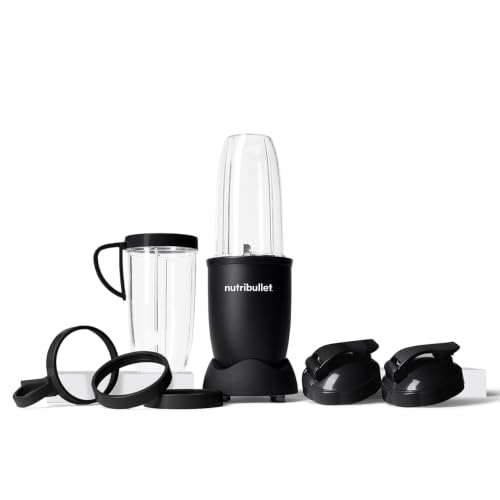
NutriBullet Pro
The NutriBullet Pro sits in the premium tier of personal blenders and suits the daily user who blends frozen fruit and leafy greens most mornings and wants a larger cup and a more powerful feel than entry models offer. Its extractor blade design and screw-on cup system follow the classic personal blender pattern, so everything in this guide about layering, gaskets and short cycles applies directly. Best for committed daily smoothie makers with counter space for a slightly larger base. Not suited for anyone who blends only occasionally, where its tier is hard to justify, or for thick nut-butter jobs no personal blender should attempt.
Best for: readers whose routine matches the profile above. Not suited for: anyone expecting full-size blender or food processor jobs from a personal format. This pick is presented in prose only here; check the current Amazon listing before you buy.

Ninja Fit
The Ninja Fit occupies the mid tier and appeals to buyers who want a recognisable brand, a compact base and cups sized for a single serving with a travel lid for the commute. Its blade base and cup system reward the same careful seating and gasket checks described throughout this guide, and it handles the standard frozen-fruit breakfast load when you respect liquid-first layering. Best for commuters and gym-goers who want one dependable cup-and-go routine. Not suited for households blending for several people at once, who will feel the single-serve format quickly.
Best for: readers whose routine matches the profile above. Not suited for: anyone expecting full-size blender or food processor jobs from a personal format. This pick is presented in prose only here; check the current Amazon listing before you buy.

Hamilton Beach Personal Blender
The Hamilton Beach Personal Blender is the entry-tier representative of the category: a simple, compact machine with a travel-cup format aimed at straightforward drinks without ceremony. It suits students, first-time buyers and anyone testing whether a blending routine will stick before spending more. Expect to work with its limits kindly: smaller frozen loads, a little more liquid, and patient short cycles. Best for simple fruit drinks and cold coffee in small spaces. Not suited for heavy daily frozen loads or thick mixtures, where a step up in tier will feel more capable in everyday use.
Best for: readers whose routine matches the profile above. Not suited for: anyone expecting full-size blender or food processor jobs from a personal format. This pick is presented in prose only here; check the current Amazon listing before you buy.

Magic Bullet Blender
The Magic Bullet is the long-running name that introduced many households to the personal blender format, positioned in the entry-to-mid tier with a small footprint and a press-down style of operation on many versions. It suits light-duty blending: drinks, small sauces and dressings in modest volumes. Treat it as a light-load machine, keep frozen pieces small, and let short cycles do the work. Best for beginners, small kitchens and occasional use. Not suited for demanding daily frozen blends, where owners tend to outgrow it and step up a tier.
Best for: readers whose routine matches the profile above. Not suited for: anyone expecting full-size blender or food processor jobs from a personal format. This pick is presented in prose only here; check the current Amazon listing before you buy.
Maintenance and Keeping It Working
A compact motor has a duty cycle, and respecting it is the difference between a machine that lasts years and one that smells of hot electrics by spring. Blend in short bursts, let the motor rest between hard cycles, and stop if you smell overheating or hear the pitch sagging under load. Frozen loads, thick mixtures and back-to-back drinks for a crowd are the usual culprits. One drink at a time, with pauses, is the pace these machines were designed for.
Extra cups are the accessory that genuinely changes ownership. A second cup means one can be in the wash while the other is in your bag, and households where two people blend in the morning stop negotiating over a single cup. Before buying spares, confirm they match your exact model family; cups that look identical often have different threads or tabs. Genuine matching cups seat and seal properly, while a near-fit cup is a leak with a delivery date.
Read the manual for your specific model, even if you read nothing else. It states the maximum run time, the fill line meaning, which parts can be immersed, and which can go in a dishwasher, and those details differ between brands in ways that matter for safety and warranty. Keep it with the appliance or photographed on your phone. Every generic guide, including this one, is a companion to that document, never a replacement for it.
Whether cups and lids can go in a dishwasher depends on the model, and the manual is the only authority that matters. Even when a cup is listed as dishwasher-safe, many owners hand-wash to protect the plastic from clouding and the gasket from heat distortion, and to keep the blade base out of the dishwasher entirely. Heat and harsh detergents age seals faster than gentle hand washing. When in doubt, the sink routine in this guide takes under a minute and preserves the parts that keep the machine leak-free.
Related Guides
how to choose a personal blender is a personal blender worth it personal blender buying guide best personal blenders best blenders for smoothies with ice best blenders for thick smoothies best blenders for soups and smoothies
The Problem Log: What Repeated Cleaning Sessions Teach You
Keep a simple problem log for the personal blender across the next few cleaning sessions, noting the soil, the method you used, and the result, because patterns in that log solve problems that single attempts cannot. Write down which soils actually occur in your house rather than cleaning for imaginary ones, since most routines fail by fighting the wrong residue with the wrong patience. Note the water you are working with, because hard water leaves its own film that can masquerade as a dirty surface long after the real soil is gone. Record how long each soak, rest, or drying stage genuinely took, since the honest timings turn a vague routine into one you can plan around on busy days.
When a mark survives cleaning, log what it survived: the agent, the tool, and the duration, so the next attempt escalates intelligently instead of repeating the same effort louder. Track which tools you reach for and which stay in the cupboard, and retire the unused ones from the kit so the routine stays small enough to actually happen. Where a shortlist names specific examples, such as NutriBullet Pro, run these same checks against that listing line by line rather than assuming the general verdict transfers unchanged. Apply the identical test to Ninja Fit as well, on the same day and under the same conditions, because a fair comparison needs one ruler rather than two moods.
- Log soil, method, and result each session
- Record the honest soak and dry timings
- Photograph stubborn marks in the same light
- Note where odour or film returns first
- Delete one unsupported step each month
- Keep the two-minute busy-night version on a card
If Hamilton Beach Personal Blender is also in contention, give it the same worksheet and let the three sets of answers sit side by side before anyone reaches for a checkout button. Note the first place odour returns, if it does, because that location is usually a seam, a seal, or a stored-damp problem rather than a general cleanliness failure. Log the mistakes separately from the results: the rushed dry, the wrong cloth, the forgotten rinse, since most recurring problems are one repeated shortcut wearing different costumes. Write down what the manufacturer actually instructs for your model, in your own words, and keep it near the sink, because memory edits instructions generously over time.
Record how the personal blender looks and performs the day after cleaning, not only immediately after, since some residues and moisture problems announce themselves overnight. Note any change in surface feel, sound, or fit after cleaning, because those small signals are the early warnings that a routine is helping or quietly harming. Keep track of the consumables you actually finish, and how long each lasts, so restocking becomes a calendar habit instead of an emergency discovered mid-clean. If someone else cleans the personal blender differently, log their method and its result without prejudice, because households often discover the better routine by accident.
Review the log monthly and delete one step that the evidence does not support, since routines grow by addition and only stay usable by subtraction. Escalate to the maker’s support only with the log in hand, because dates, methods, and results turn a vague complaint into a question they can actually answer. Photograph stubborn marks before and after each new method, in the same light, so progress that feels invisible becomes measurable instead of a matter of mood. Note the storage conditions between uses with the same care as the wash itself, since a clean personal blender stored damp can undo an hour of good work in a day.
Frequently Asked Questions
How often should I deep-clean a personal blender?
Rinse after every use and do a full wash of cup, lid, gasket and blade base at least weekly with daily use, or whenever residue or odour appears. The gasket groove and threads deserve attention at every full wash, because that is where film builds. If drinks start tasting stale, clean first; the cause is almost always residue, not the ingredients.
Can I put a personal blender cup in the dishwasher?
It depends on the model, and the manual is the authority. Even when a cup is dishwasher-safe, hand washing protects the plastic from clouding and the gasket from heat distortion, and the blade base is best kept out of the dishwasher. When in doubt, the sink routine takes under a minute and preserves the seals that keep the machine leak-free.
How do I remove smells from a personal blender cup?
Wash thoroughly, including the gasket and its groove, then apply a paste of bicarbonate of soda and water with a soft cloth, rinse, and dry the cup openly rather than sealed. Most odours live in the gasket area or come from storing the cup damp and closed. Repeat the paste treatment if needed, and replace a gasket that keeps its smell after honest washing.
Is it safe to blend soapy water to clean the cup?
A few seconds with warm water and one drop of washing-up liquid is a common, effective method, provided the water is warm and never hot. A sealed cup with hot liquid builds pressure and can force the seal. Rinse until every trace of suds is gone, and treat the blend strictly as cleaning, never as something to drink.
Why does my personal blender leak after cleaning?
Usually the gasket was refitted twisted, left damp and displaced, or the blade base was threaded slightly crosswise during reassembly. Remove the gasket, dry it, seat it flat in its groove, thread the base on straight and hand-tight, fill below the line, and test with water over the sink before the next real blend.
How do I clean around the blades safely?
Grip the blade base by its plastic body with blades pointing away, use a brush instead of a sponge across the blades, and keep the unit visible rather than under suds. Rinse under running water while holding the body, and dry it in sight. Store it screwed onto an empty cup or out of reach, exactly as you would store a sharp knife.
Deeper Notes: Gym in Daily Practice
The gym-bag routine is the use case this category was practically invented for. Blend at home, swap the blade base for a travel lid, and the cup rides in your bag. The details that matter are a lid that truly seals, a cup shape that fits your bag’s side pocket, and a routine for rinsing the cup at the gym or as soon as you get home. A cup left sealed and warm in a bag all day will smell like a poor decision by evening.
Deeper Notes: Breakfast in Daily Practice
Breakfast is where a personal blender pays rent daily. The whole job, from fridge to first sip, can fit inside the time a kettle takes to boil, and washing up is one cup and one lid. Prep helps: portion fruit into freezer bags at the weekend, keep your usual liquid and add-ins beside the machine, and the weekday version of you will actually use it. Appliances earn their keep through routines, and few routines are as repeatable as a morning blend.
Deeper Notes: Coldcoffee in Daily Practice
Cold coffee drinks are a sweet spot for personal blenders, as long as every ingredient starts cold or at room temperature. Coffee, milk or an alternative, ice and something sweet blend into a café-style drink in seconds. What you must never do is pour hot coffee into the sealed cup and blend it; heat and a sealed container are a dangerous pairing, covered in the safety sections of this guide. Brew ahead, chill, then blend, and the result is better anyway.
Deeper Notes: Sauces in Daily Practice
Small-batch sauces, dressings and marinades are the underrated second job of a personal blender. A single cup handles a vinaigrette, a herb sauce or a marinade for tonight’s dinner without dirtying a full-size jug you then have to wash. The cup’s narrow shape suits small volumes that would splatter uselessly around a big blender jar. Just remember the same rules: room-temperature or cold ingredients, lid seated, short cycles, and taste between bursts because there is no undoing an over-blended dressing.
Deeper Notes: Dips in Daily Practice
Dips sit at the edge of what a personal blender does well. Soft dips with enough liquid, such as a yoghurt-based sauce, blend happily, while very thick, dry mixtures like a dense bean dip can stall the vortex and overwork the motor. Add liquid a spoonful at a time, stop and stir with the motor off, and accept a slightly textured result. If thick dips are a weekly staple rather than an occasional experiment, that is a genuine reason to look at a food processor instead.
Deeper Notes: Nuts in Daily Practice
Whole nuts are a hard limit worth respecting. A personal blender can handle small amounts of soft or pre-soaked nuts and can dust a few nuts into a smoothie, but making smooth nut butter is a long, hot, high-load job these compact motors are not built for. Pushing them through it risks a burnt-out motor and a cup of gritty paste. If nut butter matters to you, buy the right tool for it and let the personal blender do the jobs it is genuinely good at.
Deeper Notes: Hotsafety in Daily Practice
The single most important safety rule in this category: never blend hot liquids in a sealed personal blender cup. Heat creates steam, steam creates pressure, and a sealed cup under pressure can force its lid or blade base off and spray scalding liquid. This is not a cautious footnote; it is the rule that prevents the worst injury these machines can cause. For soups and hot drinks, use an appliance designed and vented for hot blending, and let a personal blender handle cold and room-temperature jobs only.
Deeper Notes: Pressure in Daily Practice
Pressure is also why you should never fill a personal blender cup to the brim or blend anything carbonated. Blending whips air and movement into the contents, ingredients expand and slosh, and a cup with no headroom stresses its seal. Respect the maximum fill line marked on the cup, leave clear space above it, and keep fizzy drinks out entirely. If a cup ever feels warm or the lid feels strained after blending, set it down, let it settle, and open it carefully away from your face.
Deeper Notes: Texture in Daily Practice
Texture control in a personal blender is about time and ratio, not settings. Most models offer one speed, so you steer with liquid quantity and cycle length: less liquid and shorter cycles for a thick, spoonable result, more liquid and a second cycle for a pourable drink. Seeds and skins break down further the longer they spend in the vortex, so a smoothie that is gritty at thirty seconds may be smooth after a pause and a second short run. Taste and look between cycles rather than committing to one long blast.
Deeper Notes: Bowls in Daily Practice
Thick smoothie bowls expose the limits of a small cup honestly. The mixture needs to be thick enough to hold toppings, which means minimal liquid, which means the vortex struggles. The workable technique is patience: very little liquid, frozen fruit in small pieces, stop-and-shake cycles, and accepting a result you eat with a spoon rather than pour. If bowls are your main reason for buying, weigh that heavily in your choice and read the sections here about motor strain before you decide.
Deeper Notes: Kids in Daily Practice
For family kitchens, a personal blender makes individual drinks simple: each person gets their own cup, their own combination, and no arguments about what went into a shared jug. Adults should run the machine, seat the blade base, and handle all washing of the blade unit, because the blades are genuinely sharp. Children can choose ingredients and press nothing until the cup is locked and an adult is present. Those ground rules keep the appliance a pleasure rather than a hazard.
Deeper Notes: Traveluse in Daily Practice
Taking a personal blender travelling works when you plan for power and washing. A compact base fits a suitcase corner, but check voltage compatibility before plugging in abroad, and remember you will be washing the cup in a hotel sink, which is another argument for the immediate-rinse habit. Cordless portable models exist for this niche, with their own trade-offs in power and capacity. For a weekend away, honestly assess whether you will blend enough to justify the space.
Deeper Notes: Value in Daily Practice
Value in this category is measured in uses per week, not in features on a box. A modest machine used every morning for two years is better value than a premium machine used twice and shelved. Before buying, count the jobs you will genuinely hand it: breakfast drinks, post-workout blends, cold coffee, small sauces. If that list is weekly and real, the category pays for itself in convenience quickly. If the list is aspirational, the honest answer may be to wait.
Deeper Notes: Used in Daily Practice
Buying a used personal blender deserves caution. Check the cup for cracks and clouding, the gasket for nicks and flat spots, the blade base for bent blades or a burnt smell, and the motor for grinding noises. Missing cups and tired gaskets are common, and replacements add up. A used machine with a worn seal is not a bargain; it is a leak you paid for. If you cannot inspect the seal and run the machine with water, the safer purchase is a new entry-level model.
Deeper Notes: Counterfit in Daily Practice
Stick to established brands and authorised sellers for a category where the blade base and gasket are precision-fit parts. Unbranded copies may look identical in photos while using threads, seals and blade steel that do not match the original, and a seal that almost fits is the one that fails mid-blend. The picks in this guide are presented as prose descriptions precisely so you can compare genuine listings carefully and check the current Amazon listing before you buy.
Deeper Notes: Trouble Stall in Daily Practice
When the motor hums but the blades barely move, the load is packed too tightly or too dry. Unplug before you do anything, remove the cup, shake it hard, and add a little liquid. Spoon out a few frozen pieces if the cup is a solid brick. Never poke anything into the cup while it is on the base, and never try to free the blades with your fingers. Restart with a short cycle once the contents can actually move.
Deeper Notes: Env in Daily Practice
A personal blender can be the lower-waste choice in a smoothie routine because it blends in the cup you drink from, cutting washing-up water and removing the large jug from the equation. Making drinks at home also means reusable cups instead of single-use café cups for the same routine. None of that requires grand claims; it is simply the arithmetic of one small appliance used often. Buy once, maintain the seals, replace cups rather than whole machines when they wear, and the footprint stays modest.
Deeper Notes: Capacity in Daily Practice
Capacity is the first honest filter with a personal blender, because the cup is both the blending jar and the serving container. A cup that looks generous on a product page fills fast once you add liquid, fruit, ice and anything leafy, and every blend needs headroom so the vortex can pull ingredients down toward the blades. If you regularly make drinks for two people, a single-serve cup means blending twice, which is still quick but changes the routine. Match cup size to your real serving, not your most ambitious one.
Deeper Notes: Travel in Daily Practice
The travel lid is what turns a personal blender from a counter appliance into a grab-and-go routine. A good lid seals firmly, opens without dribbling down your shirt, and survives being tipped sideways in a gym bag or car cup holder. Test the seal over the sink the first few times, learn how the lid seats, and never assume a lid is locked just because it looks closed. That small habit prevents the one mess every personal blender owner remembers.
Deeper Notes: Blades in Daily Practice
Blade design matters more than most listings admit. Personal blenders typically use a flat extractor-style blade base that screws onto the cup, and the seal between blade base, gasket and cup rim is where leaks are born. Keep that rim clean and undamaged, seat the gasket flat every time, and tighten the base firmly by hand. A blade base that is cross-threaded or sitting on a stray seed will spray your breakfast across the counter the moment the motor starts.
Deeper Notes: Frozen in Daily Practice
Frozen fruit is the everyday stress test for this category. Berries, mango and banana pieces blend smoothly when there is enough liquid for the vortex to form, but a cup packed solid with frozen chunks and almost no liquid will cavitate, spin air, and strain the motor. Let very hard frozen pieces sit in the liquid for a few minutes, cut large pieces smaller, and add liquid first so the blades start in fluid rather than in a frozen brick.
Deeper Notes: Greens in Daily Practice
Leafy greens reward good layering. Put liquid in first, then greens, then softer ingredients, and save frozen fruit and ice for the top, furthest from the blades once the cup is inverted onto the base. That order lets the greens get pulled into the moving liquid early instead of plastering themselves against the cup wall. If a few leaves survive the first cycle, stop, shake the cup, and run one short second cycle rather than running the motor continuously.
Deeper Notes: Ice in Daily Practice
Ice separates honest personal blenders from optimistic ones. Small cubes and crushed ice are far kinder than large, dense cubes straight from a tray, and a modest handful blends more evenly than a cup crowded with ice. Add ice after some liquid is already moving when your model allows staged adding, and listen to the motor: a labouring, dropping pitch means the load is too hard or too dry. Working in short cycles protects both the texture and the machine.
Deeper Notes: Noise in Daily Practice
A personal blender is loud in short bursts rather than for long stretches, and that changes how the noise feels in real life. Thirty to sixty seconds of high-pitched blending at breakfast may matter in a flat with thin walls or a sleeping baby next door. Blending on a folded tea towel softens vibration against the worktop, and prepping ingredients the night before shortens the morning cycle. If noise is a deciding factor, plan your routine around it rather than hoping any model will be quiet.
Deeper Notes: Space in Daily Practice
Counter space is where personal blenders quietly win against full-size machines. The base is small enough to live beside the kettle, the cups store in a normal cupboard, and there is no large jar dominating the drying rack. That footprint is exactly why the category suits small kitchens, dorm rooms, caravans and office kitchenettes. Measure your under-cabinet clearance with a cup seated on the base if you plan to store it assembled, because that assembled height surprises people.
Deeper Notes: Cord in Daily Practice
Cord length and storage sound trivial until the only free socket is behind the coffee machine. A compact base with a short cord needs to live near a socket, so decide its home before you buy rather than after. Some bases have cord wrap underneath; using it keeps the worktop tidy and the cord away from hob heat. Never run the cord across a sink or a hot surface, and unplug the base before you wipe it down or move it.
Deeper Notes: Pulse in Daily Practice
Short cycles are the core technique of this whole category. Personal blenders are built for bursts, not for running continuously while you answer the door. Blend, stop, look, shake or tamp ingredients down with the motor off, then blend again. That rhythm gives a smoother result, protects the motor from overheating, and lets you stop at the texture you actually want instead of overshooting into a thin drink. Treat the one-minute mark as an outer limit for a single run unless your manual says otherwise.
Deeper Notes: Layering in Daily Practice
Layering is free performance. Liquid first, powders and soft ingredients in the middle, frozen pieces and ice last, furthest from the blades when the cup flips onto the base. Liquid first means the blades start spinning in something that moves, the vortex forms quickly, and heavier pieces fall into the stream gradually instead of jamming the blade in the first second. If you remember only one technique from any guide to this category, make it that order.
Deeper Notes: Dorm in Daily Practice
In a dorm room or shared house, a personal blender earns its place by being fast, small and easy to clean in a shared sink. It handles breakfast drinks, instant coffee drinks made cold, and small batches of sauce without commandeering the communal kitchen. The social rules matter as much as the specs: blend at civilised hours, rinse immediately, and never leave your cup drying on the shared rack for a day. A compact machine that you actually wash is worth more than a powerful one you avoid.
Deeper Notes: Office in Daily Practice
An office kitchenette is a natural home for a personal blender if your workplace allows small appliances. Lunch drinks, afternoon pick-me-ups and blended cold coffee all fit a short break, and the cup goes back to your desk with you. Check the office rules first, keep the base clean, and be honest about noise: a sixty-second blast carries in an open-plan space. Blending at lunch rather than during a quiet morning is the difference between a perk and a complaint.
Deeper Notes: Gym in Daily Practice
Seen from another day of ownership, the same point returns in a new form. The gym-bag routine is the use case this category was practically invented for. Blend at home, swap the blade base for a travel lid, and the cup rides in your bag. The details that matter are a lid that truly seals, a cup shape that fits your bag’s side pocket, and a routine for rinsing the cup at the gym or as soon as you get home. A cup left sealed and warm in a bag all day will smell like a poor decision by evening.
Deeper Notes: Breakfast in Daily Practice
Seen from another day of ownership, the same point returns in a new form. Breakfast is where a personal blender pays rent daily. The whole job, from fridge to first sip, can fit inside the time a kettle takes to boil, and washing up is one cup and one lid. Prep helps: portion fruit into freezer bags at the weekend, keep your usual liquid and add-ins beside the machine, and the weekday version of you will actually use it. Appliances earn their keep through routines, and few routines are as repeatable as a morning blend.
Deeper Notes: Coldcoffee in Daily Practice
Seen from another day of ownership, the same point returns in a new form. Cold coffee drinks are a sweet spot for personal blenders, as long as every ingredient starts cold or at room temperature. Coffee, milk or an alternative, ice and something sweet blend into a café-style drink in seconds. What you must never do is pour hot coffee into the sealed cup and blend it; heat and a sealed container are a dangerous pairing, covered in the safety sections of this guide. Brew ahead, chill, then blend, and the result is better anyway.
Deeper Notes: Sauces in Daily Practice
Seen from another day of ownership, the same point returns in a new form. Small-batch sauces, dressings and marinades are the underrated second job of a personal blender. A single cup handles a vinaigrette, a herb sauce or a marinade for tonight’s dinner without dirtying a full-size jug you then have to wash. The cup’s narrow shape suits small volumes that would splatter uselessly around a big blender jar. Just remember the same rules: room-temperature or cold ingredients, lid seated, short cycles, and taste between bursts because there is no undoing an over-blended dressing.
Deeper Notes: Dips in Daily Practice
Seen from another day of ownership, the same point returns in a new form. Dips sit at the edge of what a personal blender does well. Soft dips with enough liquid, such as a yoghurt-based sauce, blend happily, while very thick, dry mixtures like a dense bean dip can stall the vortex and overwork the motor. Add liquid a spoonful at a time, stop and stir with the motor off, and accept a slightly textured result. If thick dips are a weekly staple rather than an occasional experiment, that is a genuine reason to look at a food processor instead.
Deeper Notes: Nuts in Daily Practice
Seen from another day of ownership, the same point returns in a new form. Whole nuts are a hard limit worth respecting. A personal blender can handle small amounts of soft or pre-soaked nuts and can dust a few nuts into a smoothie, but making smooth nut butter is a long, hot, high-load job these compact motors are not built for. Pushing them through it risks a burnt-out motor and a cup of gritty paste. If nut butter matters to you, buy the right tool for it and let the personal blender do the jobs it is genuinely good at.
Deeper Notes: Hotsafety in Daily Practice
Seen from another day of ownership, the same point returns in a new form. The single most important safety rule in this category: never blend hot liquids in a sealed personal blender cup. Heat creates steam, steam creates pressure, and a sealed cup under pressure can force its lid or blade base off and spray scalding liquid. This is not a cautious footnote; it is the rule that prevents the worst injury these machines can cause. For soups and hot drinks, use an appliance designed and vented for hot blending, and let a personal blender handle cold and room-temperature jobs only.
Deeper Notes: Pressure in Daily Practice
Seen from another day of ownership, the same point returns in a new form. Pressure is also why you should never fill a personal blender cup to the brim or blend anything carbonated. Blending whips air and movement into the contents, ingredients expand and slosh, and a cup with no headroom stresses its seal. Respect the maximum fill line marked on the cup, leave clear space above it, and keep fizzy drinks out entirely. If a cup ever feels warm or the lid feels strained after blending, set it down, let it settle, and open it carefully away from your face.
Deeper Notes: Lidlock in Daily Practice
Seen from another day of ownership, the same point returns in a new form. A personal blender only runs when its cup and blade base are seated and locked correctly, and that interlock is a safety feature, not an inconvenience. Never try to defeat it, never run the motor with the cup held loosely in place, and never reach for a workaround if the machine refuses to start. A refusal usually means the cup is not aligned, the base is cross-threaded, or the gasket is displaced. Unplug, reseat everything calmly, and only then try again.
Deeper Notes: Bladesafety in Daily Practice
Seen from another day of ownership, the same point returns in a new form. Treat the blade base like an exposed knife, because that is functionally what it is. When washing it, keep your fingers on the plastic body, use a brush rather than a sponge pressed over the blades, and never leave it hidden under suds in a sink where someone else will reach in. Dry it where you can see it. If you have children in the house, the blade base lives out of reach, screwed onto a cup or stored high, exactly as you would store a sharp knife.