Disclosure: topratedkitchenware.com is reader-supported. When you buy through links on our site, we may earn an affiliate commission from Amazon and other retailers, at no extra cost to you.
Where to buy
This guide to best air fryers that dehydrate brings together six verified picks you can order online today. Each name below links to its Amazon listing, and every detailed review further down carries its own Check on Amazon link so you can check the latest price on Amazon for the exact model you are reading about. Prices in this category move often, which is why this guide links out instead of printing figures that would age badly.
- Ninja Foodi 8 Qt DualZone DZ201 — Best Overall for Dehydrating. Best for families who want dual-basket flexibility in a smaller footprint.
- OLIXIS Dual Basket 9.5 Quart Air Fryer — Most Flexible Temperature Range. Best for cooks who want the widest listed temperature flexibility in a basket machine.
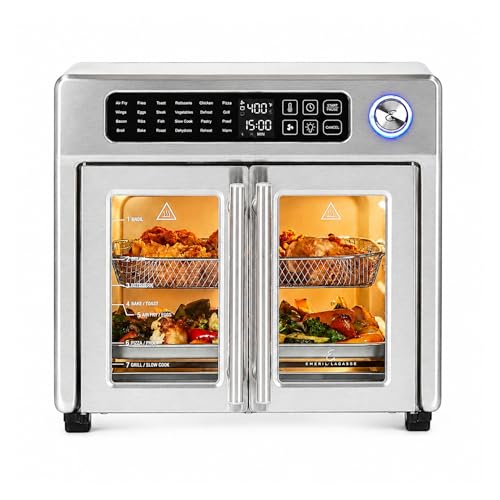
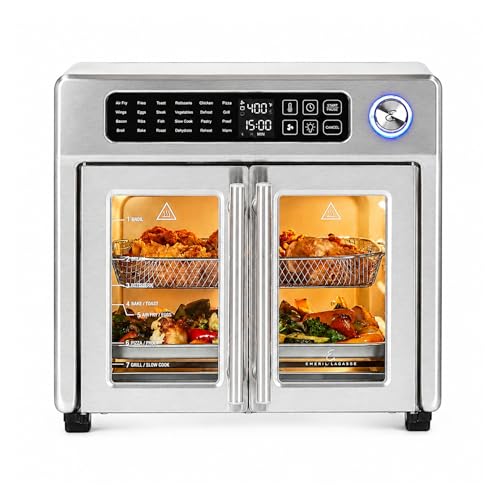
- Emeril Lagasse 26QT French Door Air Fryer Oven — Best Large-Cavity Drying. Best for households wanting one wide oven for pizzas, trays and family batches.
- Nuwave Bravo XL Pro Air Fryer Toaster Oven — Best Premium Drying Oven. Best for serious home cooks replacing or backing up a main oven.
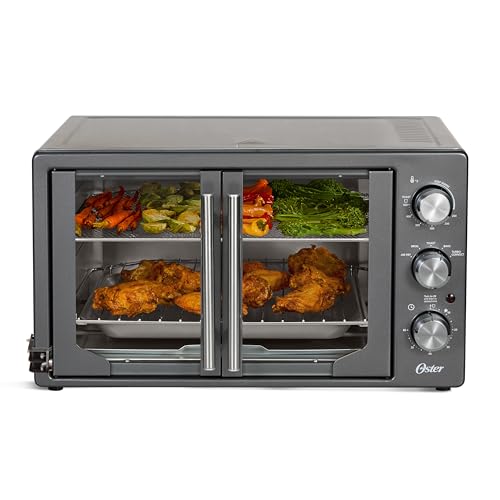
- Oster Extra-Large French Door Air Fryer Oven — Best Simple French Door. Best for families who want simple presets and a genuinely large flat cavity.
- Emeril Lagasse Everyday 360 Air Fryer Oven — Best Everyday Drying Oven. Best for cooks who value rotisserie and even oven-style circulation.
Read the full guide ↓ for badges, honest trade-offs, a comparison table and the buying advice that helps you choose between them.
Drying food at home changes what an air fryer is for. Shoppers looking for the best air fryers that dehydrate usually want more than crispy fries: they want apple chips that snap, herbs dried before they wilt, jerky made to their own seasoning, and garden gluts preserved instead of wasted. Dehydrating is slow, gentle cooking, and it exposes weaknesses that fast air frying hides. A machine needs low, steady temperatures, hours of runtime, and enough flat space to spread food in a single layer. This guide judges six verified picks on exactly those terms, while still checking that they air fry well the rest of the week.
The basket-versus-oven question matters more for drying than for any other job. Baskets dry small batches neatly and their sync features help when you are also cooking dinner, but their deep, narrow shape limits tray area. Oven fryers spread fruit, herbs and jerky across racks, which is how drying works best, though they ask for more counter and more cleaning. Neither shape wins automatically; your harvest size decides. A windowsill herb grower and a family with an apple tree need different machines, and both are represented below.
If your shortlist is drifting toward a neighbouring question, our companion guide on Best Air Fryers That Toast looks at that angle with the same care.
One more thing before the picks: dehydrating rewards patience and punishes shortcuts. Food must be sliced evenly, spaced so air can move, and given time rather than heat. Every review below is honest about batch size and shape limits, because the most common disappointment with drying is simply buying too little flat space for the food you grow, buy or hunt. Use the how-to section for temperatures and timing principles, and the detailed reviews to match a machine to your drying ambitions.
Key Takeaways
- Dehydrating needs low steady heat, long runtime and flat single-layer space above all else.
- Oven-style fryers dry larger batches because racks spread food the way drying requires.
- Dual baskets suit small, frequent drying jobs and can dry while dinner cooks in the other basket.
- Even slicing and spacing matter more than any preset; crowded food dries unevenly.
- Check that a model lists a dehydrate function before assuming it can run low and slow.
- All six picks here list dehydrating among their functions or formats suited to it.
In this guide
Quick Picks
Six picks, six distinct jobs. The badges below are used again in the detailed reviews, so you can track a favourite from this summary straight to its full assessment, its strengths and trade-offs, and its honest limitation.
| Pick | Badge | Who it suits |
|---|---|---|
| Ninja Foodi 8 Qt DualZone DZ201 | Best Overall for Dehydrating | Best for families who want dual-basket flexibility in a smaller footprint |
| OLIXIS Dual Basket 9.5 Quart Air Fryer | Most Flexible Temperature Range | Best for cooks who want the widest listed temperature flexibility in a basket machine |
| Emeril Lagasse 26QT French Door Air Fryer Oven | Best Large-Cavity Drying | Best for households wanting one wide oven for pizzas, trays and family batches |
| Nuwave Bravo XL Pro Air Fryer Toaster Oven | Best Premium Drying Oven | Best for serious home cooks replacing or backing up a main oven |
| Oster Extra-Large French Door Air Fryer Oven | Best Simple French Door | Best for families who want simple presets and a genuinely large flat cavity |
| Emeril Lagasse Everyday 360 Air Fryer Oven | Best Everyday Drying Oven | Best for cooks who value rotisserie and even oven-style circulation |
How These Picks Were Chosen
For this guide we filtered the verified air fryer pool for one non-negotiable: a listed dehydrate function or a format and temperature range that genuinely supports low, slow drying. That immediately favoured oven-style machines and the dual baskets that list dehydrating among their functions, and it removed pure high-heat fryers from contention. We then weighted tray or basket area, because drying capacity is measured in flat spread, not quarts, and temperature flexibility, because fruit, herbs and jerky each want different gentle heat.
We were equally careful about what we did not claim. Drying times vary with humidity, slice thickness and starting moisture, so this guide teaches principles rather than promising exact hours for your kitchen. We did not invent test batches or quote fixed scores. Instead, each review explains how the machine’s shape and listed functions translate to drying work, names its batch-size limit plainly, and links out so you can check the latest price on Amazon when you are ready.
Readers comparing across the range often also work through Best Air Fryers That You Can See Cooking, which covers the adjacent decision in detail.
The 6 Best Picks in Detail
Each review follows the same honest pattern: what the machine is, its badge, three strengths, three trade-offs, the specifications confirmed in its verified listing, who it suits and who it does not, and a link to check the latest price on Amazon.

Ninja Foodi 8 Qt DualZone DZ201
Badge: Best Overall for Dehydrating
Strengths
- Proven DualZone layout in a slightly smaller footprint than the XL version
- Syncing features reduce the juggling when protein and vegetables finish apart
- Basket format crisps fries, wings and reheats with very little fuss
Trade-offs
- Smaller than the XL sibling, so very large family batches need two runs
- Basket walls limit toast, pizza and flat tray cooking
- Like all dual baskets, it is tall and wide for a small galley kitchen
Key specifications from the verified listing
- Total capacity listed as 8 quart, split into two independent baskets
- Six functions listed: air fry, roast, broil, bake, reheat, dehydrate
- Smart Finish and Match Cook listed
- DualZone two-basket design
The Ninja Foodi DZ201 brings the same DualZone idea down to 8 quart total, with two independent baskets and the same six listed functions as its larger sibling: air fry, roast, broil, bake, reheat and dehydrate. Smart Finish style syncing and Match Cook handle the timing problem that makes dual baskets worthwhile in the first place. For many households this is the balanced version of the concept, big enough for family dinners without claiming quite as much counter.
For drying, the Ninja Foodi 8 Qt DualZone DZ201 earns attention through its dual-basket layout. Dehydrate is one of its six listed functions, and the second basket means a small drying batch can run while dinner cooks separately. Spread food in a single layer with breathing room, keep slices even, and this format handles the long, gentle runs drying demands. Its realistic limit is batch size: when the harvest is large, you will dry in successive runs, which is normal for countertop machines and worth planning around rather than discovering mid-season.
Between drying sessions, this machine still has to earn its counter space as a fryer and cooker, and that dual life is where it justifies itself. Use the dehydrate setting for small frequent jobs, rotate trays or shake baskets once or twice during long runs for even results, and clean promptly afterwards because dried-on sugars and jerky marinades harden if left. The trade-offs above matter most if drying becomes a weekly harvest ritual rather than an occasional experiment.
Best for: families who want dual-basket flexibility in a smaller footprint / Not suited for: very large batches or flat tray and pizza cooking

OLIXIS Dual Basket 9.5 Quart Air Fryer
Badge: Most Flexible Temperature Range
Strengths
- Wide listed temperature range gives flexibility from gentle drying to hot crisping
- Ceramic crisper plate is a distinctive alternative to standard nonstick plates
- Shake reminder and sync setting address the two easiest mistakes to make
Trade-offs
- Less established brand support network than Ninja or Breville in the US
- Dual baskets still cannot handle a large pizza or wide sheet pan
- Ten functions take time to learn if you only want simple fries
Key specifications from the verified listing
- Total capacity listed as 9.5 quart across two baskets
- Functions listed include bake, broil, defrost and dehydrate
- Independent temperature control listed as 80 to 450 degrees Fahrenheit
- Ceramic crisper plate and shake reminder listed
- Sync setting listed
The OLIXIS is a 9.5 quart dual-basket machine with ten listed functions, independent temperature control across a wide listed range, a ceramic crisper plate, a shake reminder and a sync setting. On paper it is the feature-stacker of the basket group, trying to answer every small annoyance basket owners mention: uneven crisping, forgotten shaking, and two foods finishing at different times. Its grey finish and two-basket layout target family kitchens that cook in pairs.
For drying, the OLIXIS Dual Basket 9.5 Quart Air Fryer earns attention through its dual-basket layout. Its listed temperature range starts low, which is exactly what gentle drying asks for, and dehydrate appears among its listed functions. Spread food in a single layer with breathing room, keep slices even, and this format handles the long, gentle runs drying demands. Its realistic limit is batch size: when the harvest is large, you will dry in successive runs, which is normal for countertop machines and worth planning around rather than discovering mid-season.
Between drying sessions, this machine still has to earn its counter space as a fryer and cooker, and that dual life is where it justifies itself. Use the dehydrate setting for small frequent jobs, rotate trays or shake baskets once or twice during long runs for even results, and clean promptly afterwards because dried-on sugars and jerky marinades harden if left. The trade-offs above matter most if drying becomes a weekly harvest ritual rather than an occasional experiment.
Best for: cooks who want the widest listed temperature flexibility in a basket machine / Not suited for: buyers who want the longest-established support network
Emeril Lagasse 26QT French Door Air Fryer Oven
Badge: Best Large-Cavity Drying
Strengths
- French doors and a wide cavity handle sheet pans, pizzas and larger roasts
- Broad preset list lowers the learning curve for oven-style air frying
- Included accessories mean you can start with more than a single rack
Trade-offs
- Large oven footprint demands dedicated counter space and clearance
- More racks and accessories mean more pieces to wash and store
- Preset-heavy controls reward reading the manual before first use
Key specifications from the verified listing
- Capacity listed as 26 quart with an extra large interior
- French door design
- One-touch preset options listed in the title
- Six cooking accessories included, per the listing title
- Countertop convection cooker format
The Emeril Lagasse 26 quart model is a French door countertop oven first and an air fryer second: a wide convection cavity, a long list of one-touch presets and six included accessories, per the listing title. French doors open with a single pull and give you both hands for a hot pan, which matters at this size. It suits households that want one appliance to handle pizza night, sheet pan dinners, toast and air fried favourites in a single layer.
For drying, the Emeril Lagasse 26QT French Door Air Fryer Oven earns attention through its oven cavity. Its wide cavity and multiple accessories give you rack space to spread fruit and jerky flat, the way drying works best. Spread food in a single layer with breathing room, keep slices even, and this format handles the long, gentle runs drying demands. Its realistic limit is batch size: when the harvest is large, you will dry in successive runs, which is normal for countertop machines and worth planning around rather than discovering mid-season.
Between drying sessions, this machine still has to earn its counter space as a fryer and cooker, and that dual life is where it justifies itself. Use the dehydrate setting for small frequent jobs, rotate trays or shake baskets once or twice during long runs for even results, and clean promptly afterwards because dried-on sugars and jerky marinades harden if left. The trade-offs above matter most if drying becomes a weekly harvest ritual rather than an occasional experiment.
Best for: households wanting one wide oven for pizzas, trays and family batches / Not suited for: cramped counters or anyone wanting a one-basket wash-up

Nuwave Bravo XL Pro Air Fryer Toaster Oven
Badge: Best Premium Drying Oven
Strengths
- Very wide listed temperature range suits both gentle and very hot cooking
- Large 30 quart class cavity fits family meals and batch cooking
- Probe feature listed in the title helps with thicker proteins
Trade-offs
- One of the largest footprints here, so measure cabinets carefully
- Huge preset library can overwhelm cooks who want three buttons
- Oven style needs preheating habits that basket owners may not expect
Key specifications from the verified listing
- Capacity listed as 30 quart
- Temperature range listed as 50 to 500 degrees Fahrenheit
- Preset programs and a probe feature listed in the title
- Described as PFAS free in the listing title
- Stainless steel finish and grill combo format
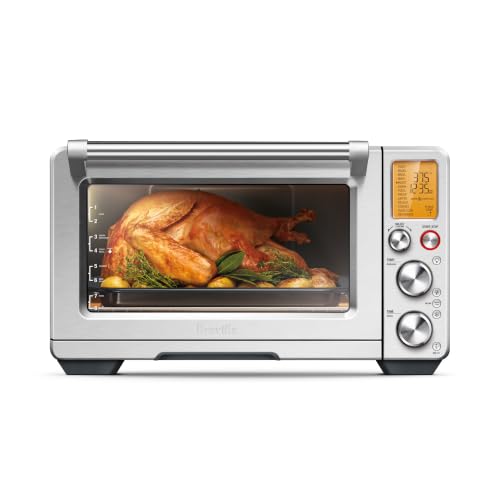
The Nuwave Bravo XL Pro is the large-format oven in this line-up, listed at 30 quart with a very wide temperature range, a long preset library and a probe feature in the title, finished in stainless steel and described as PFAS free. It is built for cooks who treat a countertop oven as a true second oven: roasts, gratins, batch bakes and air fried foods spread out properly rather than stacked. Expect to give it a permanent, measured home.
For drying, the Nuwave Bravo XL Pro Air Fryer Toaster Oven earns attention through its oven cavity. Its very wide listed temperature range reaches the gentle lows drying needs while its large cavity spreads serious batches. Spread food in a single layer with breathing room, keep slices even, and this format handles the long, gentle runs drying demands. Its realistic limit is batch size: when the harvest is large, you will dry in successive runs, which is normal for countertop machines and worth planning around rather than discovering mid-season.
Between drying sessions, this machine still has to earn its counter space as a fryer and cooker, and that dual life is where it justifies itself. Use the dehydrate setting for small frequent jobs, rotate trays or shake baskets once or twice during long runs for even results, and clean promptly afterwards because dried-on sugars and jerky marinades harden if left. The trade-offs above matter most if drying becomes a weekly harvest ritual rather than an occasional experiment.
Best for: serious home cooks replacing or backing up a main oven / Not suited for: minimalists who want three buttons and a small footprint

Oster Extra-Large French Door Air Fryer Oven
Badge: Best Simple French Door
Strengths
- French doors open wide for safe loading of large pans
- Straightforward preset set keeps daily use uncomplicated
- Generous pan fit makes it a genuine second oven, not just a fryer
Trade-offs
- Six presets is a short list if you want specialist programs
- Extra-large body is overkill for a solo cook making small sides
- French doors need front clearance every time you load food
Key specifications from the verified listing
- Extra-large French door countertop oven format
- Six cooking presets listed
- Fits pans listed as 15 by 12 inch
- Auto-shutoff timer listed
- French door access to the full cavity
The Oster is an extra-large French door countertop oven with six cooking presets and room for pans listed at 15 by 12 inch, plus an auto-shutoff timer. Its appeal is simplicity at scale: wide doors, a big flat cavity and a short, understandable function list. Households that mostly bake, roast, toast and air fry family-size trays, and who are tired of squeezing pans into a smaller oven, are its natural audience.
For drying, the Oster Extra-Large French Door Air Fryer Oven earns attention through its oven cavity. Its broad flat cavity suits tray drying for family-size batches of fruit, vegetables and snacks. Spread food in a single layer with breathing room, keep slices even, and this format handles the long, gentle runs drying demands. Its realistic limit is batch size: when the harvest is large, you will dry in successive runs, which is normal for countertop machines and worth planning around rather than discovering mid-season.
Between drying sessions, this machine still has to earn its counter space as a fryer and cooker, and that dual life is where it justifies itself. Use the dehydrate setting for small frequent jobs, rotate trays or shake baskets once or twice during long runs for even results, and clean promptly afterwards because dried-on sugars and jerky marinades harden if left. The trade-offs above matter most if drying becomes a weekly harvest ritual rather than an occasional experiment.
Best for: families who want simple presets and a genuinely large flat cavity / Not suited for: specialist cooks wanting a long list of dedicated programs
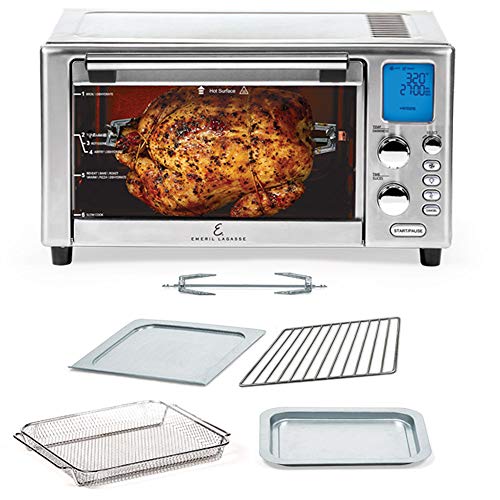
Emeril Lagasse Everyday 360 Air Fryer Oven
Badge: Best Everyday Drying Oven
Strengths
- Nine-in-one versatility includes rotisserie, which basket models cannot offer
- Oven format spreads food in a single layer for even browning
- Familiar oven controls suit cooks who dislike basket shaking routines
Trade-offs
- Oven trays and drip areas need more scrubbing than a single basket
- Rotisserie capacity is limited to smaller birds and roasts
- No dual-zone syncing, so two foods at different settings need timing by hand
Key specifications from the verified listing
- Nine-in-one countertop oven format
- Convection described in the listing title
- Rotisserie included among the listed functions
- Everyday countertop oven format
The Emeril Lagasse Everyday 360 is a nine-in-one countertop oven built around full-circulation convection, with rotisserie among its listed functions. Where basket models shake food in a deep bin, this oven spreads food across racks so air reaches every surface at once. It is a good conceptual fit for cooks who roast, bake and reheat as often as they air fry, and who like the idea of a small chicken turning on a spit.
For drying, the Emeril Lagasse Everyday 360 Air Fryer Oven earns attention through its oven cavity. Its multi-rack oven format and full-circulation convection suit even drying across a spread-out layer. Spread food in a single layer with breathing room, keep slices even, and this format handles the long, gentle runs drying demands. Its realistic limit is batch size: when the harvest is large, you will dry in successive runs, which is normal for countertop machines and worth planning around rather than discovering mid-season.
Between drying sessions, this machine still has to earn its counter space as a fryer and cooker, and that dual life is where it justifies itself. Use the dehydrate setting for small frequent jobs, rotate trays or shake baskets once or twice during long runs for even results, and clean promptly afterwards because dried-on sugars and jerky marinades harden if left. The trade-offs above matter most if drying becomes a weekly harvest ritual rather than an occasional experiment.
Best for: cooks who value rotisserie and even oven-style circulation / Not suited for: dual-zone cooking at two temperatures at once
Comparison Table
One view of all six: format, the headline capacity or size fact confirmed in the listing, and the badge each pick earned. Use it to build a shortlist of two, then read those two detailed reviews closely.
| Pick | Format | Headline size fact | Badge | Listing |
|---|---|---|---|---|
| Ninja Foodi 8 Qt DualZone DZ201 | Dual basket | Total capacity listed as 8 quart, split into two independent baskets | Best Overall for Dehydrating | Check on Amazon |
| OLIXIS Dual Basket 9.5 Quart Air Fryer | Dual basket | Total capacity listed as 9.5 quart across two baskets | Most Flexible Temperature Range | Check on Amazon |
| Emeril Lagasse 26QT French Door Air Fryer Oven | Countertop oven | Capacity listed as 26 quart with an extra large interior | Best Large-Cavity Drying | Check on Amazon |
| Nuwave Bravo XL Pro Air Fryer Toaster Oven | Countertop oven | Capacity listed as 30 quart | Best Premium Drying Oven | Check on Amazon |
| Oster Extra-Large French Door Air Fryer Oven | Countertop oven | Extra-large French door countertop oven format | Best Simple French Door | Check on Amazon |
| Emeril Lagasse Everyday 360 Air Fryer Oven | Countertop oven | Nine-in-one countertop oven format | Best Everyday Drying Oven | Check on Amazon |
How to Choose: best air fryers that dehydrate without overspending or undersizing
For drying, shop by flat area first and headline capacity second. Ask how much food you can spread in one layer: that is your true batch. Oven racks answer that question generously, dual baskets modestly. Then check the low end of the temperature range and confirm dehydrate is a listed function, because a fryer that cannot run low and steady for hours is a fryer, not a dryer. If you plan jerky, favour machines whose controls let you hold gentle heat for long stretches without constant restarting.
Next, think about rhythm. Small, frequent drying, herbs this week and apple chips next, suits a dual basket that already lives on your counter for dinners. Seasonal, larger preserving suits an oven format you can load with racks. Also consider the rest of your week: the best drying machine is still mostly a fryer and cooker, so its air frying, roasting and reheating should match your normal meals. Buy the machine your ordinary cooking wants, with the drying shape your harvest needs, and the two uses will reinforce each other.
Warranty and support rarely headline a listing, yet they shape year three more than any preset. Before you buy, note how the brand handles replacement parts for your model: baskets, crisper plates, racks and crumb trays are the wear items, and a machine whose parts are easy to reorder stays useful far longer than one that becomes unusable when a coating wears. Keep your order confirmation and the model number somewhere findable, register the product if the brand offers it, and you have turned a small admin task into years of easier ownership.
Think about the second cook of the day, not just the first. Many households air fry lunch leftovers, an after-school snack and then dinner, and the machine that suits that rhythm is the one that reheats without drama, wipes down in seconds between uses and does not need a full preheat ceremony for a handful of nuggets. If that sounds like your kitchen, weight simplicity and quick turnaround heavily in your choice, and treat specialist functions as bonuses rather than reasons to buy. Appliances earn loyalty through ordinary repetitions, not occasional performances.
Frozen food deserves its own honest paragraph, because for many buyers it is half the point. Fries, nuggets, wings and vegetables from frozen cook brilliantly in moving hot air, often better than in a conventional oven, provided you give them space and a shake or turn halfway. Very dense frozen items, thick chicken pieces especially, still need a thermometer and patience rather than bravado. Choose a machine whose capacity lets your usual frozen batch sit in one layer, and your weeknight cooking becomes calmer immediately.
If you are upgrading from an older fryer, list what annoyed you about it before you shop. A basket that stuck, a cavity that was too small, controls that beeped at every press, a door that dripped condensation: your annoyance list is the most personal buying guide you own. Check each candidate against it directly. An upgrade that fixes your top two annoyances is a genuine upgrade even if the new machine looks similar on paper, while one that repeats them at a higher tier is just a more expensive version of the same frustration.
Presentation is not a shallow concern. Food cooked in a single visible layer, browned evenly and served straight from a tray looks like cooking you meant to do, and that matters when an appliance is feeding guests as well as family. Oven formats plate naturally from trays and racks, while baskets ask for a quick transfer to a warm serving dish. Neither is a barrier, but if you entertain often, the machine that goes from cooking to table with the least fuss will be the one you reach for when people are coming.
Lastly, give any new machine a fair first fortnight before you judge it. The first cooks in unfamiliar equipment are calibration, not verdicts: hot spots reveal themselves, your staple settings settle, and the cleaning routine becomes muscle memory. Most disappointment in this category is really unfamiliarity wearing off too slowly because the owner expected instant mastery. Cook your normal menu, adjust one variable at a time, keep the short settings notebook this guide recommends, and by the end of week two you will know the machine properly, which is when it starts to feel indispensable.
Consider the weekly menu test before you commit to any model in this category. Write down the five meals you actually cook most, in the order you cook them, and check each one against the machine in front of you: does it fit, does the function list cover it, and does the clean-up afterwards match your energy at the end of a weekday? A fryer that passes your real menu test will feel like a bargain for years, while a fryer bought for an aspirational menu, the roasts you never roast, the dehydrating you never start, quietly becomes expensive storage. This simple exercise prevents more bad purchases than any specification comparison.
Energy use is worth a calm thought, not a worry. Countertop fryers and ovens heat a small, insulated space, so for small and medium meals they generally use less energy than heating a full-size oven, especially when you skip a long preheat. The savings shrink for very large batches that need two runs, which is another reason sizing honestly matters. If you cook for one or two, a compact machine run once beats a large oven run twice on every measure: time, energy, washing and counter goodwill. Match the cavity to the meal and the economics mostly take care of themselves.
Controls deserve more respect than they get in listings. A dial you can turn with greasy fingers, a display you can read from standing height, and buttons that respond first time all decide whether a machine feels friendly at seven in the morning and at the end of a long day. Touch panels look sleek and wipe clean, but some cooks find them fussy with wet hands. If several people in the household cook, including teenagers or grandparents, choose the control style the least technical person will enjoy, because the machine belongs to everyone who uses it.
Noise and heat are the two ownership details nobody mentions until the first summer. All air fryers move a lot of air and make a fan noise you will hear across a kitchen; none in this guide is silent, and open-plan homes notice it most. They also vent warm air, so placement away from heat-sensitive items and with the clearance the manufacturer asks for is part of good ownership. A short test in the first week, cooking your loudest, hottest staple meal, tells you whether the spot you chose works before the machine settles in permanently.
Accessories are a quiet budget line worth planning. Parchment liners, a small rack that fits your basket or oven, and heat-safe tongs matched to nonstick surfaces all protect the machine and improve results, while a pile of novelty accessories usually ends up in a drawer. Buy the two or three helpers your menu genuinely needs, learn them well, and skip the bundle boxes. The same restraint applies to extended features inside the machine itself: a shorter list you master beats a long list you scroll past, every single cook.
Finally, think about where the machine sleeps. A fryer used daily earns a permanent counter spot, and that permanence should be part of the buying decision: measure the exact footprint, the door or basket clearance, and the distance to a socket, then picture it there in six months. Appliances that must be hauled from a cupboard get used weekly at best. The best machine in this guide is the one that fits your kitchen’s geography so well that cooking with it becomes the path of least resistance on an ordinary Tuesday.
For the related question of Best Air Fryers To Cleanyp, we have a dedicated guide that picks up where this one leaves off.
How to Dehydrate Food Well in an Air Fryer
- Slice food evenly, aiming for uniform thickness so every piece finishes together; a mandoline helps for fruit and vegetables.
- Remove surface moisture: pat jerky dry after marinating, and toss fruit slices briefly in lemon water if you want to slow browning.
- Arrange in a single layer with gaps between pieces; air must touch every surface, so never overlap to squeeze more in.
- Start at the gentle settings recommended for your food type and give it time; drying is measured in hours, not minutes.
- Check progress in the last third of the run, rotating trays or turning pieces so edges and centres finish together.
- Test doneness properly: fruit should be pliable with no wet pockets, herbs should crumble, and jerky should bend and crack without breaking cleanly.
- Cool completely before sealing in airtight containers, then check the next day for condensation and return the batch for more time if any appears.
Troubleshooting
Problem: Edges dry while centres stay moist → what to do: slices were uneven or the layer was crowded; slice uniformly, spread with gaps, and rotate trays halfway through the run.
Problem: Dried fruit turns dark and leathery → what to do: the temperature ran too hot or the run went too long; lower the heat, shorten the final stage, and check earlier next batch.
Problem: Jerky feels greasy after drying → what to do: the cut was too fatty or marinade was not patted off; choose lean cuts, trim visible fat, and blot pieces before they go in.
You may also find it useful to see how the same machines fare in our guide to Best Air Fryers To Get before you settle.
What You Can Realistically Dry in a Countertop Machine
Start with the foods that forgive beginners. Apple and pear slices dry evenly and taste concentrated, banana chips reward ripe fruit, and herbs dry quickly at the gentlest settings before they lose colour. Tomatoes, especially cherry tomatoes halved, become intensely savoury, and citrus slices dry into garnishes and gifts. Jerky is the project most buyers have in mind, and it is very achievable: slice lean meat evenly, marinate for flavour and safety, and dry until it bends and cracks without snapping. Fruit leathers from puree are possible in oven formats with a suitable tray. What countertop machines do less well is bulk: a whole orchard harvest belongs in a dedicated large dehydrator, while these six picks shine at steady, kitchen-scale batches.
Food safety deserves a clear word. Drying preserves by removing moisture, and even, complete drying is what makes the result keep. Slice uniformly so thick pieces do not lag behind thin ones, do not crowd the tray, and store dried food in airtight containers once fully cool, checking after a day for any condensation, which means it needs more time. For jerky, follow current food safety guidance on meat preparation and temperatures from a trusted source, and treat your first batches as learning runs. Done carefully, a countertop dryer turns gluts and leftovers into a pantry, which is a genuinely satisfying use of an appliance.
When you are ready to compare the neighbouring use case, Best Air Fryers To Purchase walks through it pick by pick.
Basket Drying Versus Oven Drying, Honestly Compared
Basket machines dry in a deep, compact space. That shape is efficient for small batches: a couple of apples, a handful of herbs, a modest strip of jerky. Air moves fast in a small cavity, and dual baskets add a trick no oven can match, drying in one basket while the other cooks dinner. The limit is geometry. Deep baskets encourage layering, and layered food dries unevenly, so your true capacity is one spread layer per basket, far less than the quart figure suggests. For occasional, small-scale drying, that is perfectly fine and keeps the appliance compact.
Oven machines dry the way dedicated dehydrators do: flat, spread out, on racks. You can lay a whole sliced harvest in one run, rotate racks halfway, and see everything through the door without disturbing it. The costs are counter space, a longer clean when sugars stick, and more parts to store. If drying is a seasonal ritual in your house, with tomatoes in summer and apples in autumn, the oven shape repays you every batch. If drying is a monthly experiment, a basket you already use daily is the smarter home for it. The picks in this guide deliberately include both shapes so you can choose by habit, not hype.
Common Buying Mistakes
Buying by quarts for a drying job
Quarts measure volume, drying needs area. A deep basket with a big quart figure can dry less food per run than a smaller oven with wide racks.
Crowding to finish faster
Overlapping slices trap moisture and dry unevenly, which ruins texture and keeping quality. Smaller, spread batches beat one stuffed batch every time.
Using high heat to speed things up
Hot air cooks the outside and seals in moisture. Drying is gentle by design; patience is the technique, not a flaw in the machine.
Sealing food while it is still warm
Trapped steam condenses inside the container and undoes your work. Cool completely, check the next day, and only then put the batch away.
Final Recommendation
If drying is a headline reason for buying, choose the oven-style pick whose rack space matches your typical batch, and let its air frying carry your weeknight cooking. If drying is a delightful extra on top of daily frying, a dual basket with a listed dehydrate function gives you that extra without surrendering counter to a larger oven. Both routes are represented at the top of this guide for exactly that reason.
Before you order, picture your biggest realistic drying day, count the trays or baskets it needs, and check the latest price on Amazon for the model that fits it. Slice evenly, spread thin, give it time, and your first successful batch of apple chips or jerky will make the machine feel indispensable.
If you want a fast answer, start with one of these three and read its detailed review above: Ninja Foodi 8 Qt DualZone DZ201, OLIXIS Dual Basket 9.5 Quart Air Fryer, Emeril Lagasse 26QT French Door Air Fryer Oven. Between them they cover the most common households this guide serves, and each links to its listing so you can check the latest price on Amazon today.
And if your household’s needs overlap both topics, Best Air Fryers To Purchasee is the natural next read in this series.
Related guides
Frequently Asked Questions
Can an air fryer really replace a dedicated dehydrator?
For kitchen-scale batches, yes: fruit, herbs, vegetables and jerky all dry well in the machines here. For very large harvests, a dedicated dehydrator with many trays still wins on volume. Most households find countertop batches match how they actually cook and garden.
How long does dehydrating take in an air fryer?
Hours, and it varies with slice thickness, moisture and your kitchen humidity. Thin fruit slices finish fastest, dense or marinated foods take longest. Use the doneness tests in the how-to section rather than a clock alone.
Which foods should a beginner dry first?
Apples, herbs and cherry tomatoes are forgiving and fast to learn on. They teach you slicing, spacing and doneness testing with low stakes, before you move on to jerky or fruit leathers.
Do I need special trays for drying?
Oven models use their racks, sometimes with parchment or a mesh sheet for small pieces like herbs. Basket models work with the crisper plate for a single layer. Keep pieces from falling through gaps and you have what you need.
How do I store dried food safely?
Cool it completely, seal it airtight, and check for condensation after a day; any moisture means more drying time. Store away from heat and light, label with the date, and use oldest batches first.
Can I dehydrate and cook dinner at the same time?
With a dual basket, yes: one basket can dry gently while the other cooks at frying temperatures, because the zones are independent. Oven models commit their whole cavity to one job at a time.