Disclosure: topratedkitchenware.com is reader-supported. When you buy through links on our site, we may earn an affiliate commission from Amazon and other retailers, at no extra cost to you.
Where to buy
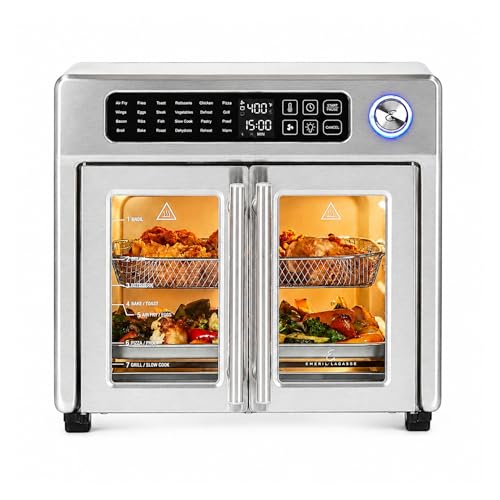
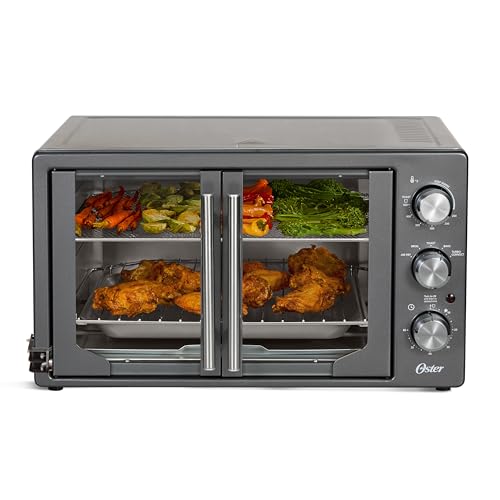
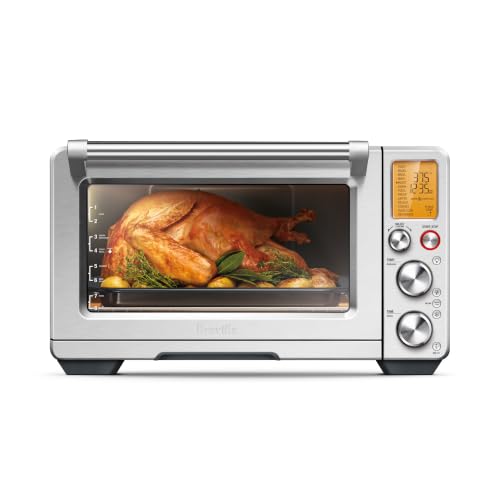
This guide to the best air fryers with window design applies a strict rule, and it is fairer to state it up front: a pick is linked here only when its verified listing title actually states a viewing window. One pick in this pool does — the Chefman dual basket, whose listing names Easy View Windows outright. The other five are strong machines, reviewed in full below, but their listings describe French doors, oven formats and baskets without ever stating a viewing window, so in a guide whose entire topic is the window, they are covered in prose only, with no link and no product image.
- Cuisinart Air Fryer Toaster Oven TOA-FD70 — Best French Door Design (prose only in this guide: the listing states a French-door design and does not state a viewing window).
- Cuisinart Air Fryer Toaster Oven Combo TOA-55 — Best Compact Classic (prose only in this guide: the listing does not state a viewing window).
- Gourmia French Door Air Fryer Toaster Oven — Best Preset Range (prose only in this guide: the listing states a French door design and does not state a viewing window).
- Ninja Prestige Smart XL Countertop Oven DT501 — Best for Big Batches (prose only in this guide: the listing does not state a viewing window).
- Chefman 6 Quart Dual Basket Air Fryer — Best Confirmed Viewing Windows. Linked pick: the listing states Easy View Windows.
- Ninja Foodi 10 Qt DualZone XL DZ401 — Best for Families (prose only in this guide: the listing does not state a viewing window, and the basket format is closed).
Read the full guide ↓ for why a window changes how you cook, how each pick was judged, and what to do if the model you love does not state one.
The appeal of the best air fryers with window designs is easy to understand, and it grows on you with use: the first time you catch a cheese topping at its exact golden moment instead of thirty seconds past it, the feature stops sounding like a luxury and starts sounding like the control the appliance always should have had. Air frying asks you to judge doneness by colour — the exact moment fries turn golden, cheese bubbles, or chicken skin deepens — and a closed basket or door forces you to choose between guessing and opening the machine, dumping the heat you have built and extending the cook. A viewing window removes that choice. You watch, you judge, you act at the right second. For new air fryer owners especially, that visibility is the difference between food that is nearly right and food that is right.
What shoppers discover quickly, though, is that “window” is used loosely in this category. Some listings name the feature outright. Others show a glass-fronted oven in photographs while the listing text itself talks only about doors and functions. This guide works from verified listing text, not photographs, because text is what can be checked. Under that rule, exactly one pick here earns a link — and this guide would rather link one pick honestly than six picks hopefully. If your priority is the oven format itself rather than the confirmed window, Best Air Fryers With Toaster Oven judges the same oven family on format, fit and functions.
Key Takeaways
- A viewing window’s real value is judgement: watching colour develop lets you stop cooking at the right moment without opening the machine and losing heat.
- Only one pick in this pool states the feature in its verified title — the Chefman dual basket, with Easy View Windows — and it is the only linked pick in this guide.
- The five prose-only picks are not accused of lacking windows in reality; their listings simply do not state one, and this guide links only on stated evidence.
- Windows help most with toast, cheese-topped dishes, baked goods and anything breaded, where surface colour is the doneness signal.
- A window is worth less if it is small, dark or constantly fogged — design details that vary and that listings rarely describe, so temper expectations accordingly.
- If a confirmed window is your top requirement in basket form, the Chefman is the direct answer here; if it is a nice-to-have, the prose-only ovens remain excellent machines to verify directly, and the prose reviews below give you each one’s full cooking picture so verification is the only step left.
In this guide
Quick Picks
Six picks, six distinct jobs — but in this guide, check the linked status before the badge. Linked means the listing states a viewing window; prose only means it does not, whatever the machine’s other virtues.
| Pick | Badge | Who it suits |
|---|---|---|
| Cuisinart Air Fryer Toaster Oven TOA-FD70 | Best French Door Design — prose only | Cooks who love French-door style and 12 inch pizza capacity |
| Cuisinart Air Fryer Toaster Oven Combo TOA-55 | Best Compact Classic — prose only | Smaller kitchens wanting the classic Cuisinart oven |
| Gourmia French Door Air Fryer Toaster Oven | Best Preset Range — prose only | Families cooking wide trays with preset help |
| Ninja Prestige Smart XL Countertop Oven DT501 | Best for Big Batches — prose only | Cooks wanting one powerful oven for family batches |
| Chefman 6 Quart Dual Basket Air Fryer | Best Confirmed Viewing Windows — linked | Couples and small families who cook by eye |
| Ninja Foodi 10 Qt DualZone XL DZ401 | Best for Families — prose only | Large households cooking two foods at once |
How These Picks Were Chosen
This is a research-led guide, not a hands-on lab test. Every pick was cross-checked against its verified Amazon listing data through the Creators API on 2026-11-20, and only facts present in those verified titles — format, capacity, functions and named features — are used as specifications here. For this keyword, one named feature mattered above all: the words that state a viewing window.
The Chefman’s title states Easy View Windows. That is the whole basis of its linked status, and it is a solid one. The two Cuisinarts and the Gourmia state French-door or oven designs; the Ninja DT501 states a countertop oven format; the Ninja DZ401 is a closed dual basket whose title mentions no window. Oven doors in this class are commonly glazed in practice, and the prose reviews below discuss each machine’s door design as listed — but “commonly” is not “stated”, and a guide about windows that linked unstated windows would be guessing with your money. So the rule held: stated window, linked; unstated, prose.
What was compared across the pool beyond the window question: format, capacity, function lists, sync features on the dual baskets, and fit facts on the ovens. Price was not a ranking factor and no fixed prices or ratings appear here, because both change constantly. Readers who end up choosing a prose-only oven should verify the current listing’s full description for the window detail before ordering — listings are fuller than titles, and the check takes a minute. The surface-material question that often travels with window shopping is handled in Best Air Fryers Without Non Stick Coating.
The 6 Best Air Fryers With Window Designs
Cuisinart Air Fryer Toaster Oven TOA-FD70
Badge: Best French Door Design — prose only in this guide
Strengths
- Artisan French-door design with seven functions: air fry, toast, bake, broil, roast, pizza and warm.
- Fits a 12 inch pizza, as listed, in a stainless steel countertop oven.
- The French-door format is built around seeing and reaching the whole tray at once.
Trade-offs
- The verified listing states the French-door design but does not state a viewing window, so it cannot be linked in this guide.
- French doors need side clearance to swing.
- A design-led model in a higher tier than basic ovens.
Mini spec box
- Format: Air fryer toaster oven combo, French-door design
- Functions: Air fry, toast, bake, broil, roast, pizza, warm (7)
- Fit: Fits a 12 inch pizza, as listed
- Finish: Stainless steel
- Model: TOA-FD70
- Window statement in listing: None stated
As an oven, the TOA-FD70 is the style pick of this pool: French doors that open together, a full hybrid function set, and the weekly-pizza fit fact most families actually use. Its design is centred on access and visibility in spirit. But this guide’s currency is stated fact, and the verified title spends its words on the door design and functions without ever claiming a viewing window. It is therefore reviewed here in prose, without a link or image. If you love this machine — many cooks do — treat the window question as a verification task on the full current listing or in person, not as something this guide can confirm for you.
Best for: design-led cooks who will verify the door glazing themselves / Not suited for: shoppers who want the window confirmed in the listing before buying
Cuisinart Air Fryer Toaster Oven Combo TOA-55
Badge: Best Compact Classic — prose only in this guide
Strengths
- The classic Cuisinart oven format in a 0.6 cubic foot cavity that suits smaller kitchens.
- 1800W with convection capability and a 450°F maximum temperature, as listed.
- Fits a 12 inch pizza and includes a removable crumb tray for easy daily cleaning.
Trade-offs
- The verified listing does not state a viewing window.
- The compact cavity means family batches may need two rounds.
- A focused seven-function list without extras like dehydrating.
Mini spec box
- Format: Air fryer toaster oven combo, countertop
- Capacity: 0.6 cu. ft., as listed
- Power: 1800W, as listed
- Maximum temperature: 450°F, as listed
- Fit: Fits a 12 inch pizza, as listed
- Features: Convection capability, removable crumb tray
- Window statement in listing: None stated
The TOA-55 remains the balanced classic of the hybrid world: right-sized for couples, properly powered, and honest about its job. In a general oven guide it links without hesitation. Here it meets the same evidentiary wall as its sibling — a detailed verified title covering power, capacity, convection and the crumb tray, with no viewing window stated. Prose-only is the result. Shoppers who rank a compact oven first and a confirmed window second will find it worth the minute it takes to check the full listing description for the door detail.
Best for: couples and small kitchens who prioritise the classic oven format / Not suited for: shoppers who need the window stated before purchase
Gourmia French Door Air Fryer Toaster Oven
Badge: Best Preset Range — prose only in this guide
Strengths
- Nine-slice capacity with twelve cooking presets and a digital display.
- French door design with dishwasher-safe trays for easy cleanup.
- Adjustable time and temperature alongside the presets for manual control.
Trade-offs
- The verified listing states the French door design but does not state a viewing window.
- A wide footprint, like all French door models.
- Preset-led design will not appeal to minimalist cooks.
Mini spec box
- Format: Toaster oven air fryer combo, French door design
- Capacity: 9-slice capacity, as listed
- Presets: 12 cooking presets
- Airflow: FryForce 360° technology, as listed
- Controls: Digital display, adjustable time and temperature
- Window statement in listing: None stated
The Gourmia is the convenience family pick: a family’s worth of toast in one pass, presets for the week’s staples, and doors that make tray access easy. It is easy to picture cooking with it by eye — which is precisely why this guide must be careful. Picturing is not confirming. The verified title details capacity, presets and airflow and does not state a viewing window, so the Gourmia is covered in prose only. Judge it as an excellent family oven whose window status you should verify on the full listing if that feature is decisive for you.
Best for: families wanting preset convenience and big toast capacity / Not suited for: shoppers who want the window claim in writing first
Ninja Prestige Smart XL Countertop Oven DT501
Badge: Best for Big Batches — prose only in this guide
Strengths
- Ten functions and 1800W in a stainless steel countertop oven.
- Fit facts lead the pool: a 12 lb turkey, and 20 cookies baked at once, as listed.
- Genuine second-oven capability for households that cook at scale.
Trade-offs
- The verified listing does not state a viewing window.
- Premium tier, with an XL footprint to match.
- Oversized for small households and light use.
Mini spec box
- Format: Countertop oven, 10-in-1
- Power: 1800W, as listed
- Capacity notes: Fits a 12 lb turkey; bakes 20 cookies, as listed
- Functions include: Air fry, bake, toast, pizza, reheat
- Finish: Stainless steel
- Window statement in listing: None stated
On cooking power alone, the DT501 might top this page: it is the batch machine, the holiday helper, the second oven. But this page is about windows, and its verified title — thorough on functions, power and fit — never states one. The result is the guide’s clearest illustration of its own rule: excellence elsewhere does not substitute for the named attribute. It stays prose-only, recommended warmly as an oven, and flagged honestly as unconfirmed on the one feature this keyword is about. Large households comparing scale across formats can also scan Best And Biggest Air Fryers before deciding which question — size or window — matters more to them.
Best for: big-batch cooks who will verify the door detail directly / Not suited for: shoppers who want a stated window guarantee

Chefman 6 Quart Dual Basket Air Fryer
Badge: Best Confirmed Viewing Windows — linked pick
Strengths
- The verified listing states Easy View Windows — the confirmed window evidence this guide requires, on both baskets.
- Two independent 3 quart baskets with Sync Finish let a main and a side end together.
- Hi-Fry for a hard finishing blast, auto shutoff, and dishwasher-safe baskets for daily ease.
Trade-offs
- Three quarts per basket suits couples and small families, not crowds.
- The baskets are nonstick, which will not suit coating-focused shoppers.
- Windows show you the food, but small baskets still need a shake for even browning.
Mini spec box
- Format: Dual basket air fryer
- Capacity: 6 quart total; two independent 3 quart baskets
- Window: Easy View Windows, as listed
- Features: Sync Finish, Hi-Fry, auto shutoff
- Baskets: Nonstick, dishwasher safe, as listed
- Controls: Digital
- Colour: Black
Here is the pick the keyword actually describes. The Chefman puts a stated viewing window on each of its two baskets, which solves the dual-basket version of the visibility problem beautifully: two different foods, two different timetables, and you can watch both brown without opening either basket and breaking the heat. Wings in one side, wedges in the other, and the moment each reaches the colour you want is visible rather than guessed. Sync Finish then lands them together, and the Hi-Fry setting exists for exactly the final browning push the windows help you time.
It suits couples and small families who cook by eye and are learning — or teaching — air frying judgement. The honest limitation is size: 3 quart baskets are two-person portions, and a household of five will outgrow them. But on the evidence standard of this guide, it stands alone: the one machine here whose listing promises the window in writing.
Best for: couples and small families who want confirmed viewing windows on a dual basket / Not suited for: large families needing bigger baskets
Ninja Foodi 10 Qt DualZone XL DZ401
Badge: Best for Families — prose only in this guide
Strengths
- Two independent 5 quart baskets give family portions single-layer room.
- Six functions with Match Cook and IQ Boost cover the weeknight repertoire.
- The largest basket capacity in this guide.
Trade-offs
- A closed basket design, and the verified listing states no viewing window — checking food means opening a basket.
- The largest footprint of the basket models here.
- Overkill for one or two people.
Mini spec box
- Format: Dual basket air fryer, DualZone XL
- Capacity: 10 quart total; two independent 5 quart baskets
- Functions: Air fry, roast, broil, bake, reheat, dehydrate (6-in-1)
- Features: Match Cook, IQ Boost
- Colour: Grey
- Window statement in listing: None stated
The DZ401 is the capacity champion of this pool and a genuinely excellent family machine — and it is the clearest possible contrast with the linked pick. Its baskets are closed, its title states no window, and cooking with it means trusting timers and opening baskets to check. For many families that trade is fine; the machine’s size and zone system repay it. But a shopper whose search began with the word “window” deserves to see the contrast stated plainly rather than smoothed over, which is what this prose-only review does.
Best for: large families who prioritise capacity over visibility / Not suited for: cooks who want to watch food without opening the basket
Comparison Table
One view of all six: format, the window evidence in the verified title, and linked status. In this guide, the evidence column is the decision.
| Pick | Format | Window evidence in verified title | Badge | Listing |
|---|---|---|---|---|
| Cuisinart Air Fryer Toaster Oven TOA-FD70 | French door oven | Not stated | Best French Door Design | Prose only in this guide |
| Cuisinart Air Fryer Toaster Oven Combo TOA-55 | Countertop oven | Not stated | Best Compact Classic | Prose only in this guide |
| Gourmia French Door Air Fryer Toaster Oven | French door oven | Not stated | Best Preset Range | Prose only in this guide |
| Ninja Prestige Smart XL Countertop Oven DT501 | Countertop oven | Not stated | Best for Big Batches | Prose only in this guide |
| Chefman 6 Quart Dual Basket Air Fryer | Dual basket | Easy View Windows stated | Best Confirmed Viewing Windows | Check on Amazon |
| Ninja Foodi 10 Qt DualZone XL DZ401 | Dual basket | Not stated; closed baskets | Best for Families | Prose only in this guide |
How to Choose an Air Fryer With a Window
Demand the words, not the photograph. Product photography can make any oven door look like a feature window. The check that protects you is textual: does the listing name a viewing window, an easy-view window or a windowed door as a feature? In this pool, exactly one title does. Make that your first filter on any model, anywhere.
Think about which foods you judge by eye. Windows earn their keep on toast, grilled cheese, pizza, baked goods, breaded items and skin-on proteins — foods whose doneness is written on their surface. They matter less for foods you cook by timer and habit, like frozen staples you have made a hundred times. If your cooking is mostly the second kind, a closed machine’s other virtues may outweigh visibility.
Consider format honestly. A window on a basket, like the Chefman’s, lets you monitor small, fast foods at close range. A glazed oven door monitors whole trays. The cooking styles differ more than the windows do, so choose the format for your meals and then verify the window within it — not the other way round. Readers comparing the largest formats for family trays can weigh Best And Largest Air Fryers alongside this guide.
Plan for the window’s upkeep. A window you cannot see through is furniture. Grease film builds on interior glass in any fryer that cooks fatty food, so the model you choose should let you wipe the window area easily, and your routine should include a quick wipe while the machine is warm after fatty cooks. Visibility is a habit as much as a feature.
Weigh the window against your second priority. Few buyers want only a window; most also care about capacity, surfaces or format. Rank your second priority before you shop, because it decides your fallback: if it is capacity, the prose-only DZ401 is your verify-first alternative; if it is oven format, the Cuisinart pair; if it is cooking surfaces, the coating-focused guides linked from this article. A clear second priority turns this guide’s single linked pick from a limitation into a shortlist with one confirmed answer and several well-described candidates.
How to Cook by Eye: Using a Viewing Window Well
- Learn your colour landmarks. Pale gold, deep gold, and the first dark edges mean different things for fries, pastry and chicken skin. Watching a few cooks through the window teaches your eye faster than any timer chart.
- Resist the first open. When you feel the urge to check, look through the window first. Most checks are reassurance, not necessity, and each opening costs heat and time.
- Use the window for the finish. The last minutes are where colour moves fastest. Park yourself nearby at the end of a cook and pull food at the shade you actually want.
- Pair watching with one shake. Windows do not turn food. One shake or turn halfway, timed by what you see, beats a schedule of repeated openings.
- Check cheese and sugar early. Cheese toppings and sweet glazes can move from bubbling to burnt in a minute at high heat; the window exists for exactly these.
- Keep the glass clean. Wipe the window area after fatty cooks so the next cook is as visible as the first.
Troubleshooting window cooking
Problem: the window fogs during cooking → what to do: moisture from food is condensing on cooler glass; it usually clears as the cook progresses and the cavity equalises. Avoid opening the door to wipe it — you will lose more heat than the view is worth.
Problem: food browns faster than the timer suggests → what to do: trust your eyes over the chart. Your ingredients, their thickness and your machine’s habits vary; the window’s whole purpose is to let you act on what you see.
Problem: you cannot see the lower basket or tray clearly → what to do: swap positions midway for two-item cooks, so each item spends time in the most visible spot during its finishing minutes.
Why Listings and Reality Differ on Windows
It is worth understanding why this guide’s results look so stark, because the same pattern repeats across appliance shopping. Titles are written to carry the features a brand most wants indexed and advertised: capacity, wattage, functions, trademarked systems. A glazed oven door may be treated by the maker as part of the base design rather than a headline feature, and so never make it into the title at all — while a basket window, being unusual, is headline-worthy and gets named, as the Chefman’s is. The lesson is not that the prose-only ovens are hiding anything. It is that titles are marketing documents, and a careful buyer verifies the specific attribute they care about in the fullest available description, or in person, before money moves. Video can help here too: seeing a machine operated in a real kitchen shows door glazing and visibility in a way text cannot, and Best Air Fryers Youtube explains how to use video reviews without being misled by them.
What a Window Actually Changes in Your Cooking
It helps to be precise about the benefit, because a window is sometimes sold as a luxury finish when it is really a control instrument. Air frying has three judgement moments. The first is the shake point: food should be turned when the top surface has set and coloured enough to hold together, not at an arbitrary halfway beep. The second is the finish: the gap between deeply golden and burnt can be under two minutes for cheese, sugar glazes and thin items. The third is the rescue: spotting that one item in a mixed batch is racing ahead, so it can be pulled early. A window serves all three moments. A timer serves none of them — it only tells you what an average version of your food might need.
There is also a learning effect that compounds. Cooks who can watch develop calibration: they build a mental library of what “done” looks like at each stage, for their machine and their ingredients. That library transfers to every future cook, including cooks in other appliances. Cooks behind closed doors build a different skill — faith in other people’s timings — which works until an ingredient changes thickness, moisture or starting temperature, and then fails all at once. For households teaching teenagers or new cooks, the window is quietly the best instructor in the kitchen.
None of this makes closed machines bad. Experienced cooks with stable repertoires often prefer the simplicity and capacity of a closed dual basket like the DZ401, and their results prove the point. The window’s value is highest where uncertainty is highest: new recipes, mixed batches, colour-critical finishes and learning cooks. Match the feature to your uncertainty, and you will value it correctly — neither as a gimmick nor as a necessity.
Basket Windows and Oven Doors: Two Different Instruments
Although this guide links only the basket window, because only it is stated, the two window forms deserve comparison for readers verifying oven models themselves. A basket window, like the Chefman’s Easy View Windows, sits close to small food and shows it at near life size; it is an instrument for fries, wings, nuggets and other fast, small items whose finish is a matter of seconds. Its weakness is scope: you see one basket’s contents, from one angle, and the food at the back still hides behind the food at the front.
A glazed oven door is a panorama instead: a whole tray, a pizza, a roasting chicken, visible in one view, with the front-to-back gradient of browning readable at a glance. Its weakness is distance and angle — you view through a door, often slightly downward, and interior lighting decides how truthful the colours look. When you verify an oven model from this guide’s prose list, those are the qualities to check: Is the door genuinely glazed across a useful area? Is there interior light? Can you see the tray’s back edge? A door that answers yes to all three delivers the window experience in oven form; a small or dark pane delivers the idea of it.
The Chefman’s linked status, then, is not a claim that baskets beat ovens at visibility. It is a claim about evidence. If your verification of an oven pick satisfies you on the three questions above, that oven may serve your window purpose just as well in practice — this guide simply cannot make that promise on a title that never mentions a window, and it leaves the judgement, properly, to your own check.
A Week of Cooking by Eye
Consider how the linked pick fits an ordinary week, because that is where a window stops being a specification and becomes a habit. Monday is salmon and green beans in the two baskets: the fish’s surface tells you when it has firmed and glossed, the beans when their tips have charred just enough, and neither basket opens until its food is ready. Tuesday is a frozen staple night, the one meal where the window matters least — timers rule, and that is fine. Wednesday is breaded chicken, the window’s showcase: the crumb’s colour is the only reliable signal, and pulling each piece at deep gold rather than by the clock is the difference between crisp and scorched.
Thursday is leftovers — pizza slices and roast potatoes reheated until their surfaces come back to life, a transformation you quite literally watch happen. Friday is a cheese-topped bake that needs its bubbling peak caught in a one-minute window. The weekend brings the teaching cooks: a child or a partner learning the machine, watching fries change colour and building the judgement library described above, without a single blast of lost heat. Across that week the window is decisive perhaps nine times, useful twenty times, and irrelevant twice. Whether that arithmetic justifies choosing the Chefman over a larger closed machine is a household decision — but it is the right arithmetic to use, rather than a vague feeling that windows are nice.
Notice, too, what the week does not require: any change to recipes, timings on paper, or technique. The window layers onto cooking you already do. That is the mark of a genuinely useful feature, and it is why — when a listing states it plainly, as the Chefman’s does — this guide is willing to build an entire recommendation around it.
What Listings Rarely Tell You About Windows
Even where a window is stated, three qualities decide how useful it will be, and listings almost never specify them. The first is size and placement: a window that shows the centre of the basket but not its edges will hide the pieces that brown fastest. The second is interior light: a lit cavity renders colours truthfully, while an unlit one can make golden food look pale and tempt you into overcooking. The third is the glass’s behaviour under grease: some panes film quickly with fatty cooking, others stay clearer longer, and none of this is knowable from a title.
This is the honest limit of research-led buying, and it cuts both ways. It is why this guide refuses to link unstated windows — and also why, for the one stated window here, it describes the feature’s confirmed existence and its cooking value without inventing optical specifications the listing does not provide. If window quality is your deciding factor between the linked Chefman and a verified oven model, the tiebreaker is seeing both in person or on unedited video, watching the same food cook. Text, including this guide’s, has taken you as far as text can; the last step belongs to your eyes, which is fitting for this particular feature.
Common Buying Mistakes
- Assuming every oven door counts as a stated window. If the feature matters to you, require it in writing. This guide’s linked pick is the one whose listing states it.
- Buying the window and forgetting the format. A window on the wrong machine — too small, wrong shape for your meals — will not be used happily for long.
- Opening anyway. Owners who check by opening out of habit get none of the window’s benefit. Build the look-first habit in the first week.
- Letting the glass film over. A neglected window quietly becomes no window. Wipe it while warm after fatty cooks.
- Overvaluing visibility for timer foods. If your cooking is mostly set-and-forget staples, capacity and zones may serve you better than any window; the DZ401’s prose review makes that case honestly.
Final Recommendation
If a confirmed viewing window is the requirement, this guide’s answer is singular and confident: the Chefman dual basket, the one pick whose verified listing states Easy View Windows, with two zones and a sync finish wrapped around them. Buy it for couples and small-family cooking, and enjoy cooking by eye from the first meal — salmon on Monday, breaded chicken on Wednesday, and every colour-judged finish in between, watched rather than guessed, week after week.
If you arrived here window-curious rather than window-committed, the prose-only picks remain a strong field — the Cuisinart TOA-55 for compact classic value, the Gourmia for family presets, the Ninja DT501 for batch power — provided you verify the door and window detail on the full current listing before ordering, and weigh reliability and format with the help of Best And Reliable Air Fryers. What this guide will not do is upgrade any of them to a linked window pick on inference. The evidence is the guide, and a guide that holds its line on a small thing can be trusted on the large ones: capacity, functions and fit are all reported here from the same verified listings, with the same refusal to guess.
Whichever route you take, confirm the measurements against your counter and check the latest price on Amazon on the day you order, because listings and pricing in this category change. And when the machine arrives, spend its first week deliberately cooking by eye — look before you open, every time — because the cooks who build that habit in week one are the ones still praising their window in year three.
Frequently Asked Questions
Why is only one pick linked in this guide?
Because only one pick’s verified listing title states a viewing window: the Chefman’s Easy View Windows. The other five listings describe doors, formats and functions without stating a window. This guide links on stated evidence for the keyword’s core attribute, so the others are reviewed in prose only. It is a stricter standard than most roundups apply, and it is applied deliberately.
Do countertop oven air fryers have windows?
Many oven-format machines have glazed doors in practice, which is why the oven picks here are plausible window candidates. But plausibility is not a listing claim. The verified titles of the four oven picks in this pool do not state a viewing window, so this guide treats the attribute as unconfirmed for them and recommends checking the full listing description for the exact model before buying.
What foods benefit most from a viewing window?
Anything judged by surface colour: toast, pizza and cheese-topped dishes, pastries and baked goods, breaded items, and skin-on chicken. These foods can move from perfect to overdone quickly at the end of a cook, and watching that finish — without opening the machine — is the window’s core value.
Does opening the basket really lose that much heat?
Enough to matter for finishing. Air fryers hold a small volume of very hot air; opening a basket or door exchanges much of it for room air, and the machine then spends time and energy rebuilding temperature while the food’s surface cools. Occasional checks are fine and sometimes necessary. The window simply removes the need for most of them.
How do I keep an air fryer window clean?
Wipe the window area with a soft, damp cloth while the machine is still warm after cooking, especially after fatty foods. For built-up film, a paste of baking soda and water applied gently, left briefly and wiped away works without abrasives. Avoid scouring pads on glass and coatings alike, and make the wipe part of your shutdown routine so film never gets the chance to bake hard.
Is a window worth paying for on a basket air fryer?
If you cook by eye, teach others to cook, or make many colour-judged foods, yes — the Chefman shows how naturally windows pair with dual baskets. If your cooking is mostly familiar frozen staples on known timers, the benefit shrinks, and capacity or zone features may be worth more to you. The honest answer depends on your habits, which is why this guide presents both the linked pick and the prose-only alternatives in full.
Can a window replace a food thermometer?
No, and it should not try. A window judges surfaces — colour, bubbling, crisping — and surfaces are an excellent guide to texture and a poor guarantee of internal temperature for thick proteins. Use the window for everything it is good at, and a thermometer for the one thing it cannot do: confirming that the centre of a thick chicken breast or a joint of meat has reached a safe temperature. The two tools complement each other, and confident cooks use both without feeling that either diminishes the other.
Do windows make an air fryer less efficient?
Any glazed area loses a little more heat than an insulated wall, but in practice the effect runs the other way: cooks with windows open the machine far less often, and every avoided opening keeps far more heat than the glass loses across a whole cook. The net result for real households is that window models are at least as efficient in use as closed ones, because behaviour dominates construction at this scale. What matters is that you actually use the window instead of checking by habit.
What should I do if the model I want does not state a window?
Verify before you buy: read the full listing description and specifications for the exact model, check the manufacturer’s own product page, or view the machine in person or on video. If the window is confirmed there, buy with confidence. If it remains unstated everywhere, treat the model as a closed design for decision purposes — however good it is otherwise — and weigh it against the confirmed option in this guide.