A home bar does not need a huge collection. A good barware set for a home bar starts with a few dependable pieces: a shaker, a strainer, a bar spoon, a jigger, a mixing glass and a few glasses to serve in. You can buy these one by one and build your own set, which often gives better quality than a single boxed kit.
The six pieces below are well-known building blocks for a home bar set, from professional-style tools to everyday glassware. We have not used these products ourselves, so the descriptions come from general product knowledge. Please confirm size and what is included on the current listing before buying.
As an Amazon Associate we earn from qualifying purchases. Links below are affiliate links, and they do not change the product information we give.
What to Look For
| Feature | Why it matters |
|---|---|
| Core tools | Shaker, strainer, spoon and jigger cover most recipes |
| Material | Stainless steel lasts; glass tools suit stirred drinks |
| Glassware | Rocks and coupe glasses cover a wide range of drinks |
| Weight | Heavier tools feel steadier in the hand |
| Cleaning | Rinse right away and dry to avoid spots |
In this guide
Specs at a Glance
| Piece | Role | Material | Notes |
|---|---|---|---|
| OXO Good Grips Cocktail Shaker | Shaking | Stainless steel | All-in-one shaker with a built-in strainer |
| Cocktail Kingdom Hawthorne Strainer | Straining | Stainless steel | Coiled spring edge |
| Barfly Bar Spoon | Stirring | Stainless steel | Long twisted handle |
| Cocktail Kingdom Yarai Mixing Glass | Stirring | Glass | Patterned, thick glass |
| Cocktail Kingdom Leopold Jigger | Measuring | Stainless steel | Two sides for two measures |
| Spiegelau Perfect Serve Coupe | Serving | Glass | Stemmed cocktail glass |
The 6 Best Barware Sets for Home Bars

Top pickBest for beginners
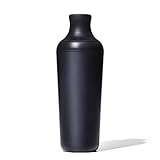
1. OXO Good Grips Cocktail Shaker
A stainless steel shaker with a built-in strainer and a measuring cap, so one piece does the work of several. It is a friendly starting point for a home bar.
Suits: beginners. Strengths: easy to use and clean. Weaknesses: not the style of a pro tin. Skip it if you prefer a two-piece shaker.

Best for anyone with a tin shaker
2. Cocktail Kingdom Hawthorne Strainer
A classic coiled-spring strainer made for use on a shaking tin. It holds back ice and fruit pieces while you pour.
Suits: anyone with a tin shaker. Strengths: a bartender-style design. Weaknesses: only fits certain tin sizes well. Skip it if your shaker already strains.
View Cocktail Kingdom Hawthorne Strainer on Amazon

Best for stirred drinks
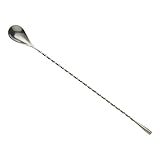
3. Barfly Bar Spoon
A long stainless steel bar spoon with a twisted shaft, used for stirring and layering drinks. Barfly is a familiar name in bar tools.
Suits: stirred drinks. Strengths: a reach for tall glasses. Weaknesses: a single tool. Skip it if you only shake.

Best for stirred cocktails
4. Cocktail Kingdom Yarai Mixing Glass
A thick, patterned glass for stirring drinks like the Manhattan and Negroni. It doubles as a handsome piece on a bar tray.
Suits: stirred cocktails. Strengths: a stable, thick build. Weaknesses: breakable. Skip it if you rarely stir drinks.
View Yarai Mixing Glass on Amazon
Best for recipe followers
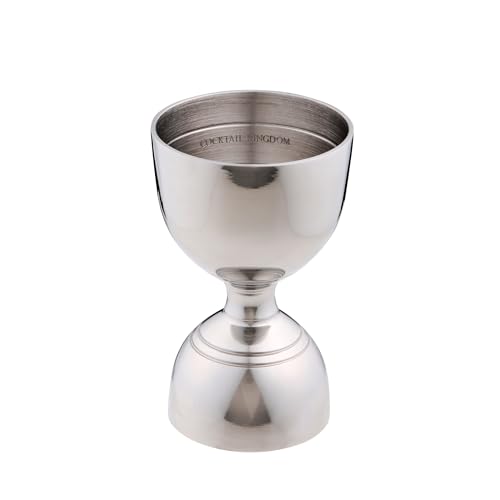
5. Cocktail Kingdom Leopold Jigger
A double-sided stainless steel jigger for measuring spirits and mixers. Accurate pours are the secret to repeatable drinks.
Suits: recipe followers. Strengths: two measures in one tool. Weaknesses: check which sizes the listing offers. Skip it if you free-pour.
Best for up cocktails
6. Spiegelau Perfect Serve Coupe
A stemmed cocktail glass from a respected glass maker, shaped for drinks served up. It rounds out the set with something to serve in.
Suits: up cocktails. Strengths: a refined shape. Weaknesses: stemware needs careful washing. Skip it if you serve on the rocks.
View Spiegelau Perfect Serve Coupe on Amazon
Care and Setup
- Rinse tools right after use and dry them with a soft cloth.
- Hand wash glassware with a stem.
- Store tools together in a tray or caddy.
- Keep a clean towel on the bar for spills.
- Keep the strainer and spoon in a cup near the shaker so they are always together.
- Wipe the mixing glass dry after rinsing to avoid water spots.
Mistakes to Avoid
- Buying a huge kit of tools you will never use.
- Skipping a jigger and over-pouring.
- Stirring in a thin glass that can crack with ice.
- Washing delicate stemware in a dishwasher.
- Buying only one tool at a time without a plan for the full set.
- Using a jigger with markings you cannot read in dim light.
Shaker Styles Compared
The shaker is usually the first piece people buy, and the choice comes down to three common styles. A cobbler shaker has a built-in strainer and a cap, so it is a self-contained tool that suits beginners. A two-piece tin, often called a Boston style, uses two metal cups that seal together and needs a separate strainer. A Parisian style is a pair of cups that fit into one another and also usually needs a strainer.
The all-in-one style is easiest to use because there is nothing else to assemble, but the built-in strainer can clog with fruit pulp or muddled herbs, and the cap can stick when it is cold. Two-piece tins are quicker to empty, easier to clean and handle larger batches, but they take a little practice to seal and to open. If you already have a Hawthorne strainer, a tin is a natural fit.
Whichever you pick, check capacity on the listing and think about how many drinks you make at once. A small shaker is fine for one or two cocktails, but it feels cramped if you entertain. Also look at the wall thickness and finish: sturdy stainless steel with a smooth seam is easier to clean and holds up to ice.
- Choose the all-in-one style if you want simplicity.
- Choose a two-piece tin if you plan to learn a bartender-style routine.
- Confirm that the strainer you own fits the cup you choose.
Stirring Versus Shaking: Which Tools Do Which Job
A set of tools earns its place when each piece matches a technique. As a general guide, drinks made mostly of spirits, such as a Manhattan or a Negroni, are stirred in a mixing glass so they stay clear and silky. Drinks that contain citrus juice, egg white, cream or syrups are usually shaken so the ingredients combine and chill quickly.
This matters when deciding what to buy. If your favorite recipes are shaken, a shaker, jigger and strainer cover nearly everything, and a mixing glass can wait. If you lean toward stirred classics, a mixing glass, a long bar spoon and a julep or Hawthorne strainer become the core kit. People who enjoy both can build up gradually.
The bar spoon deserves a look. A long handle reaches the bottom of a tall glass, and a weighted or twisted shaft makes it easier to spin the spoon smoothly between your fingers. A small flat or disc end at the top can double as a muddler for gentle crushing of herbs, though check the listing to see if the end shape suits your use.
- Shaken drinks: citrus, cream, egg and juice cocktails.
- Stirred drinks: spirit-forward cocktails served clear.
- Build drinks directly in the glass for simple highballs and mixed drinks over ice.
Jigger Sizes and Accurate Pours
A jigger is the small tool that decides whether a cocktail tastes balanced or off. Most are double-sided, with a larger and a smaller cup, but the exact measures differ between models, and between ounce and milliliter markings. Look at the listing to see the sizes and whether it has internal measuring lines for smaller amounts.
Two shapes are common. A traditional cone-shaped jigger is fast to use but can be harder to read at the line. A narrow, tall design with interior markings tends to be easier to measure accurately but can feel fussier. Pick the style that you can read quickly in dim light.
Accuracy matters most for recipes with only a few ingredients, since a small excess of lime or syrup can change the drink. If you plan to follow recipes written in ounces, buy a jigger marked in ounces; if you use metric recipes, choose one with milliliter markings or a clear conversion.
A good habit is to measure each ingredient the same way every time, then adjust to taste on the second round. Keep a note of the tweaks you like, and you will quickly learn which ratio you prefer. Rinse the jigger between sweet and sour ingredients so flavors do not carry over.
Choosing Glassware for the Drinks You Make
Glassware turns a good drink into a nice one, but you do not need a cabinet full. Start with what you will use. A rocks glass handles spirits over ice, an old fashioned or a negroni. A coupe or similar stemmed glass suits drinks served up, without ice. A tall highball glass covers gin and tonics, mules and anything topped with soda.
When comparing options, think about capacity, weight and cleaning. A glass that is too small will not hold the drink plus the ice, and a very large glass can make a modest pour look lonely. Thick-walled glass resists chipping, while thin glass feels refined but breaks more easily. Check whether the glass is dishwasher safe, because stemware often is not.
Storage is a practical limit. Stemmed glasses take more room than tumblers, and a small bar cart may only fit a few. Buy sets in numbers that match how many guests you usually host, and consider glasses that stack safely.
- Pair the glass to the drink: stirred and served up in a coupe, over ice in a rocks glass, tall drinks in a highball.
- Chill glasses in the freezer or with ice water before serving for cold drinks.
- Match the glass size to the pour you make most often.
Building a Bar in Stages on Any Budget
Home bars do not need to be bought all at once, and a staged approach avoids duplicates. Think in three tiers. A starter tier covers a shaker, a jigger and a strainer, which is enough for most sours and simple mixed drinks. A middle tier adds a bar spoon, a mixing glass and a few good glasses, which opens up stirred classics. A fuller tier adds extras such as a muddler, a citrus press, ice molds and a small knife and board for garnishes.
Within each tier, spend more on pieces you use constantly, such as the jigger and shaker, and less on items you use rarely. Heavy, well-finished stainless steel tends to last, so a single good tool can outlast several cheap replacements. Boxed kits can be convenient if the pieces are what you would have chosen anyway, but check the contents, since kits sometimes include items you will not use.
Before buying, ask yourself a few questions. Which three cocktails will I make most often? Do I have space to store the tools? Do I need to follow a recipe or will I free-pour? Answer those first and the shopping list becomes short.
- Start with the tools needed for your three favorite drinks.
- Add one piece at a time as you find gaps.
- Replace tools when seams leak, plating wears or glass chips.
Home Bar Barware FAQ
What do I need first?
A shaker, a jigger and a strainer cover most cocktails.
Is a boxed kit better than single pieces?
Kits are convenient. Single pieces let you pick quality for each tool.
How many glasses should I buy?
Start with a pair of each shape you use and add more as you host.
What order should I buy pieces in?
Start with a jigger and a shaker, since they cover most shaken drinks. Add a strainer next, then a bar spoon and mixing glass for stirred cocktails. Glassware comes last, because rocks glasses and coupes can be added as you learn which drinks you make most often.
Do I need both a shaker and a mixing glass?
Not at first. A shaker covers shaken drinks, and you can stir spirit-forward drinks in a sturdy glass or pitcher until you want a dedicated mixing glass. Add one when you find yourself making stirred cocktails often.
What size jigger should I buy?
Choose a double-sided jigger that matches the units in your recipes, ounces or milliliters. Check the listing for the exact measures and for interior markings if you want smaller amounts.
Is stainless steel the best material for bar tools?
It is the most common because it is durable, easy to clean and resists staining. Glass suits mixing glasses, and some tools come in decorative finishes, so check care notes for plated surfaces.
Can I wash barware in the dishwasher?
Many stainless tools are dishwasher safe, but plated or decorative finishes and delicate stemware often are not. Check the product listing or maker instructions, and hand wash if unsure.
Which glasses cover the most drinks?
A rocks glass and a stemmed coupe or similar glass handle a wide range of cocktails. Add a highball glass if you make tall drinks with soda.
How do I stop my shaker from sticking shut?
Do not overfill it, and avoid shaking until the metal is extremely cold. Tap the seam gently with the heel of your hand to release the seal. Let it warm for a moment if it is stuck.
When should I replace barware?
Replace tools when seams leak, finishes flake or glass chips, since chipped glass is a safety issue. Springs on strainers can also stretch or collect residue and may be worth replacing.
What a Barware Set Is Missing: Gaps Worth Planning For
Most starter collections cover shaking, straining, stirring, and measuring, yet several small pieces fall outside the usual set. A fine mesh strainer for double straining shaken drinks removes ice shards and citrus pulp, and a juicer handles the fresh citrus that separates a good sour from a flat one. A muddler, a peeler for twists, and a small paring knife round out the garnish side. None of these need to come from a premium line, and most are inexpensive.
The Hawthorne strainer, bar spoon, jigger, and shaker described above handle most classic recipes, but ice management is the biggest missing piece for many home bars. Good ice decides the quality of a stirred drink more than most tools. Consider silicone molds for large cubes, which melt slowly and keep spirit-forward drinks from watering down. A small ice bucket with tongs is a quiet quality-of-life upgrade.
Lastly, think about storage. Bottles, shaker, and glasses need a home that is easy to reach and reasonably dry. A tray or bar cart keeps everything in one place, which also helps you notice when something is missing before guests arrive.
Material Finishes: Stainless, Copper, Brass and Glass
Bar tools come in several finishes, and the choice is partly about looks and partly about care. Polished and brushed stainless steel is easy to clean, resists rust, and does not react with citrus. Copper and brass look striking but can tarnish and may react with acidic juices if left sitting. Some copper pieces are lined with stainless for this reason. Matte black or gold plating adds style, yet coatings can wear at contact points like strainer edges and shaker seams.
Glass mixing vessels, such as the Yarai-style mixing glass, give you a clear view of dilution and chill, and they look attractive on display. They also demand gentler handling, since thick glass can chip when knocked against a hard sink. A cloth on the base of the sink or a silicone mat cuts the odds of breakage.
When two products seem equal, weigh the maintenance you are prepared to do. If you hate polishing, choose plain stainless. If a display piece matters, a plated or copper tool is fine as long as you dry it right after use and avoid abrasive scrubbers.
Handling and Technique Basics for New Home Bartenders
Good tools reward good habits, and a few technique points cover most mistakes. When shaking, fill the tin with ice, seal firmly, and shake hard for about ten to fifteen seconds until the outside is frosty. Stirred drinks need around thirty seconds with a smooth rotation of the spoon along the inside wall of the mixing glass. Always strain into a chilled glass for the cleanest finish, and chill glasses in the freezer for a few minutes beforehand when you can.
Measure every pour at first. A jigger removes guesswork, and recipes are balanced around exact ratios. Once you know how a drink should taste, you can adjust sweetness or acidity by a quarter ounce at a time. Taste before you serve, using a straw or a spoon, since juice varies in tartness from lemon to lemon.
- Pre-chill glassware whenever possible.
- Use fresh, hard ice rather than cloudy freezer-burned cubes.
- Strain citrus drinks through a fine strainer for a clean texture.
- Clean tools right after use so sugar and juice do not dry on.
Giving Barware as a Gift
A bar tool set is a popular gift, and a few choices make it more useful. Pick the recipient’s preferred drink first, since someone who loves old fashioneds benefits more from a quality mixing glass and spoon than from a large shaker. A thoughtful combination, such as a jigger, bar spoon, and strainer paired with a cocktail book, beats a large boxed set with filler pieces.
Check that the pieces are sturdy and not purely decorative, and include a gift receipt in case the recipient already owns a shaker. Glassware like a coupe is a graceful add-on that does not require much knowledge to appreciate.
Storing and Displaying Barware at Home
Storage affects how often you actually make drinks. Tools kept in a drawer behind unrelated items tend to stay there, while a small rack, tray, or shelf in plain view invites use. Keep the shaker, strainer, jigger, and spoon together in one container so you can set up in under a minute. Stand the spoon upright so water drains from the twisted shaft, and store the shaker open and dry to avoid trapped moisture and odor.
Glassware needs more care. Stemmed pieces like the coupe are best kept upright on a shelf or hung from a rack, not stacked, since rims chip easily. Avoid storing glasses directly over a stove, where grease settles, and give the shelf a light wipe before you display it. A small cloth near the bar, kept only for drying glassware, prevents lint and spots.
If space is tight, consider a compact bar cart or a wall-mounted shelf with a lip. Both keep tools within reach while freeing counter space. Wherever you store the set, keep bottles out of direct sunlight, since heat and light dull the flavor of many spirits and liqueurs over time.
Related guides
- 6 Best Wine Aerator and Decanter Sets for Home Use
- 6 Best Cocktail Pick Sets for Home Entertaining (2026)
- 6 Best Commercial Juicers for Juice Bars and Cafes
- 6 Best Whiskey Decanter Sets for Home Bars
Frequently Asked Questions
Do I need a muddler for a basic home bar?
Not at first. A muddler matters for drinks like mojitos and old fashioneds where herbs, fruit or sugar cubes are pressed in the glass. You can start with the shaker, jigger, spoon and strainer, then add a muddler once you know you make those drinks regularly.
What is double straining and when should I do it?
Double straining means pouring through the Hawthorne strainer and a fine mesh strainer at once. It catches ice shards and pulp, giving a smoother texture. It is most useful for drinks with muddled fruit, fresh herbs or egg white, and for any cocktail served up in a coupe.
Is a glass mixing glass better than a metal one?
Neither is better outright. Glass lets you see the chill and dilution and looks good on a counter, but it is more fragile. A metal vessel is tougher and chills quickly. Choose by how much care you want to take and how you plan to use it.
How do I keep silver and brass bar tools from tarnishing?
Wash tools soon after use, dry them fully, and store them in a dry spot. Avoid leaving them in contact with citrus juice or salty brine. For polished finishes, a soft cloth removes fingerprints, and a mild polish made for the specific metal handles light tarnish.
Choosing Barware Sets for Home Bars: A Closer Look at What Actually Matters
A home bar succeeds or fails on friction. If making a drink means hunting for a jigger in one drawer, a shaker in another and glasses from a high shelf, the bar exists mostly as an idea. A well-chosen barware set removes that friction by giving the core tools and glasses one home and one style. The sets above lean differently — some towards mixing tools, some towards glassware — so choosing well means knowing which side of your bar is currently weaker.
Most buyers compare barware sets on the obvious points first and only discover the details that matter after a few weeks of use. The sections below slow the decision down and look at the qualities that decide whether a barware set for a home bar still feels right once the novelty has worn off. None of them requires expert knowledge; they simply ask you to match the product to the way you actually live, serve and clean up.
Tools first or glassware first
Audit your bar honestly. If you own decent glasses but improvise measuring and shaking, a tool-led set transforms your drinks. If you own tools but serve everything from tumblers meant for juice, a glassware-led set transforms the experience. Buying more of what you already have covered is the most common home-bar mistake, and sets make it easy because the bundles all look complete in photographs.
The core three tools, done properly
For mixed drinks, the jigger, shaker and strainer decide quality. A jigger with clear internal markings speeds accurate measuring; a shaker that seals reliably and opens without a struggle keeps service calm; a strainer that fits the shaker and holds back ice cleanly finishes the job. In any tool-led set, judge these three pieces first and let everything else be a bonus.
Glassware matched to your drinks
Home bars usually need two glass shapes done well rather than five done thinly: a rocks glass for spirit-forward drinks and a taller glass for long drinks, or stemware if wine features heavily. Check capacities against your typical serves and prefer glasses with some weight in the base. Glassware you enjoy holding gets used; awkward glassware gets politely avoided by everyone, including you.
Finish and cleaning load
Polished steel shows every fingerprint; brushed finishes forgive them. Gold and copper tones look wonderful and usually ask for hand-washing and gentle drying. Soda, citrus and tonic will test whatever you choose nightly. Pick the finish your household will maintain without resentment, because a home bar that looks grubby loses its magic faster than a plain one that gleams.
Room to grow
Your taste will move. A set built on classic shapes and standard tools accepts additions gracefully: a mixing glass later, a second glass style, a better peeler. Highly themed sets resist additions and can date quickly. Unless the theme is the point of your bar, favour the classic end of the list and let personality come from bottles, garnish and the drinks themselves.
How the Six Picks Differ in Everyday Use
Specifications only tell half the story with barware sets. The other half is how each pick behaves on an ordinary evening: how it feels in the hand, how much attention it asks for, and how forgiving it is when you are busy, tired or serving guests. Read the six picks below as six answers to the same question, each tuned to a slightly different buyer.
OXO Good Grips Cocktail Shaker
Start with the job this pick does best, because that is where it separates itself from the rest of the list. In the summary table above it is described as: all-in-one shaker with a built-in strainer. Weigh the side of the set you lack — tools or glasses — at twice the importance of the side you already own, because a set only upgrades the half of your bar that was actually weak. Think about how it will be used in your home specifically: who will handle it, how often it will come out, where it will live between uses, and what will annoy you first if you choose badly. If that description matches your routine, it deserves to be on your shortlist even if it is not the headline recommendation.
Cocktail Kingdom Hawthorne Strainer
This is the pick to study if the first option does not quite fit your space, your habits or the way you like to work. In the summary table above it is described as: coiled spring edge. Weigh the side of the set you lack — tools or glasses — at twice the importance of the side you already own, because a set only upgrades the half of your bar that was actually weak. Think about how it will be used in your home specifically: who will handle it, how often it will come out, where it will live between uses, and what will annoy you first if you choose badly. Buyers whose priorities line up differently will be happier with one of the neighbouring picks, and there is no shame in that.
Barfly Bar Spoon
Treat this one as a deliberate alternative rather than a runner-up: it makes a different trade-off, and for some buyers that trade-off is the right one. In the summary table above it is described as: long twisted handle. Weigh the side of the set you lack — tools or glasses — at twice the importance of the side you already own, because a set only upgrades the half of your bar that was actually weak. Think about how it will be used in your home specifically: who will handle it, how often it will come out, where it will live between uses, and what will annoy you first if you choose badly. The honest test is how often you will use it in the way it was designed to be used, not how impressive it looks on a shelf.
Cocktail Kingdom Yarai Mixing Glass
This pick suits buyers who read the first options and found them either more or less than they need. In the summary table above it is described as: patterned, thick glass. Weigh the side of the set you lack — tools or glasses — at twice the importance of the side you already own, because a set only upgrades the half of your bar that was actually weak. Think about how it will be used in your home specifically: who will handle it, how often it will come out, where it will live between uses, and what will annoy you first if you choose badly. Choose it for that strength, accept the compromise that comes with it, and it will feel like the right purchase for years.
Cocktail Kingdom Leopold Jigger
Look closely at this one if you value a particular strength over all-round balance, because that is the ground it competes on. In the summary table above it is described as: two sides for two measures. Weigh the side of the set you lack — tools or glasses — at twice the importance of the side you already own, because a set only upgrades the half of your bar that was actually weak. Think about how it will be used in your home specifically: who will handle it, how often it will come out, where it will live between uses, and what will annoy you first if you choose badly. If its weakness touches something you do every single time, look at the pick before or after it instead.
Spiegelau Perfect Serve Coupe
The last pick on the list is not an afterthought; it covers a type of buyer the earlier options serve less well. In the summary table above it is described as: stemmed cocktail glass. Weigh the side of the set you lack — tools or glasses — at twice the importance of the side you already own, because a set only upgrades the half of your bar that was actually weak. Think about how it will be used in your home specifically: who will handle it, how often it will come out, where it will live between uses, and what will annoy you first if you choose badly. Shortlist it, compare it directly with the pick ranked nearest to it, and let your own routine break the tie.
Home Bar Workflows: Weeknight Drinks to Full Gatherings
A barware set for a home bar earns its keep in moments, not in product photos. The situations below are the ones that separate a satisfying purchase from a cupboard ornament, and each one points back to a quality already covered in the reviews above.
The weeknight single drink
This is where a home bar proves itself. Tools in one place, glass within reach, ice in the freezer: a drink in five unhurried minutes. Sets that keep the core tools together — on a stand, a tray or in one drawer — win this scenario outright. If your current routine involves washing a measuring jug because the jigger is missing, any organized set will feel like a revelation.
Friends over for cocktails
For a small group, work in a fixed pattern: build drinks in the shaker, strain into the set’s glasses, rinse tools in a bowl of water kept by the sink, repeat. Matching glassware makes a round of drinks look like an occasion, and having enough glasses in the set avoids the mid-evening wash-up shuffle. Choose set sizes with your real guest count in mind, not your largest imaginable party.
A mixed evening: wine, beer and spirits
Real gatherings are not cocktail-only. The barware set handles the spirit serves while wine and beer look after themselves, and the set’s glasses should be the ones guests are handed for water too, so the table stays coherent. This is where versatile glass shapes beat specialized ones: a good rocks glass serves whisky, a short mixed drink and water across one evening without complaint.
Resetting the bar afterwards
The set you reset in five minutes is the set you will use again next weekend. Rinse tools, wash glasses, dry steel, return everything to its home while the evening winds down rather than the next morning. Sets with stands and trays reset fastest because every piece has a visible place; a missing piece announces itself instead of vanishing into a drawer of unrelated utensils.
Barware Care for Home Bars: Small Habits, Long Life
Dry steel tools after washing, every time. Water left sitting in a jigger or on a strainer spring is what turns bright tools spotty, and the spring is always the first casualty. A quick towel-dry takes seconds and keeps a set looking new for years. If your water is hard, this habit matters twice as much, because mineral spots build into a dull film that polishing barely reverses.
Wash glassware with attention to rims and bases. Lipstick, oils and dishwasher film collect exactly where lips meet glass. A soft sponge, warm water and a proper dry with a lint-free cloth keep glasses sparkling; heavily fragranced detergents can perfume glass and, through it, the next drink. Store glasses upright on a clean shelf or mat, not nested inside each other, where rims chip against each other silently.
Keep the bar area itself clean. Bottles drip, citrus sprays and tonic fizzes over, and the surface under a home bar quietly becomes sticky in a way that makes every tool feel grubby. A weekly wipe of the whole station — bottles, tools, surface, tray — restores the sense of occasion that makes a home bar worth having. It is maintenance of mood as much as of equipment.
Retire and replace single pieces without drama. A sprung strainer, a chipped glass, a jigger whose markings have worn away: replace the piece in a sympathetic style and keep the set in service. Home bars are working equipment, not museum pieces. The goal is a bar that always works beautifully tonight, not a pristine set that nobody dares to use.
More Questions About Barware Sets for Home Bars
What is the minimum a home bar set should contain?
For mixed drinks: a shaker, a jigger and a strainer, plus glasses suited to your usual serves. For a wine-and-spirits bar: suitable glasses and, if you use one, a decanter. Everything beyond that core is refinement. A small set with an excellent core serves you better than a large set whose core pieces are the weakest things in it.
Should home bar glasses match exactly?
Matching glasses make rounds of drinks look deliberate and simplify buying and replacing. They do not need to be identical across every style — rocks glasses matching each other and tall glasses matching each other is enough. Perfect uniformity across a whole bar matters to photographers; coherent families matter to hosts, and they are much easier to maintain.
How many glasses should a home bar set include?
Enough for your typical gathering plus one spare for breakage or a late arrival. For most homes that means four to six of the main shape. Buying for the biggest party you might host once a year leaves you storing glasses you resent; borrowing or mixing in everyday glasses for a rare big night is the pragmatic answer.
Are stands and trays worth it?
If counter space allows, yes: they convert a pile of tools into a station, speed up both service and reset, and protect surfaces. In a small kitchen, a single drawer with an insert does the same job less visibly. What matters is the principle — one defined home for the tools — rather than the furniture that provides it.
When should I upgrade beyond a set?
When a specific drink you love exposes a specific weakness: a mixing glass for stirred drinks, a finer jigger for small measures, a second glass shape for a new favourite. Upgrade in response to drinks, not in response to catalogues. A home bar that grows one justified piece at a time stays coherent and stays used.
A Simple Way to Decide
Decide by naming your bar’s current weakness in one sentence — no tools, no glasses, no organization — and choosing the set that fixes that sentence. Then check the finish against your willingness to hand-wash and dry, and the glass count against your typical Friday, not your biggest party. The set that fixes the real weakness with the least new burden is the one that will still be earning its place in three years.
Finally, buy for the routine you have, not the routine you imagine. A barware set for a home bar that suits your real habits will be used weekly and enjoyed for years, while a more impressive one that fights your space, your cleaning habits or your taste will quietly stop coming out of the cupboard. The right pick above is the one whose strengths match your most common situation and whose weaknesses land on things you rarely do.
Final Checks Before You Buy
One last habit separates happy buyers from disappointed ones with barware sets: they check the unglamorous details before ordering. Measure the space where the barware set for a home bar will live, read what is actually included in the box, and confirm the care instructions suit the way you really clean up after a gathering. Those five quiet minutes prevent most returns, most breakages and most of the frustration described in the problem sections above. If a detail cannot be confirmed from the listing, choose the pick whose design depends least on that detail.
Check the listing photographs as carefully as the description. With barware sets, the photographs reveal what marketing language smooths over: proportions against a human hand or a familiar object, the finish in ordinary light, the parts that will be handled daily. Zoom in on joins, rims, hinges, seams and controls — whatever your chosen pick asks your fingers to trust. A listing with many honest angles is usually a product with nothing to hide, and a listing with only glamour shots deserves a slower decision.
Think about the second year, not just the first week. In the first week every barware set for a home bar is exciting; in the second year it is either a habit or a storage problem. Ask whether replacement parts, matching additions or simple repairs will still be available, whether the style will still please you when it is familiar rather than new, and whether the care routine still sounds acceptable on an ordinary tired evening. Purchases that survive this thought experiment rarely disappoint.
Consider who else will use it. A barware set for a home bar chosen for one person’s hands and habits often serves a whole household in practice: partners, older children, guests who help themselves. If other people will handle it regularly, favour the pick that is intuitive without instruction and forgiving of slightly rough treatment. The most elegant option is not always the most democratic one, and household peace is a legitimate product feature that no specification table lists.
The Short Version
To start easy, the OXO shaker. For straining, the Hawthorne. For stirring, the Barfly spoon and the Yarai glass. For measuring, the Leopold jigger. For serving, the Spiegelau coupe. B

