A brewing coffee maker is an automatic drip machine that heats water and pushes it over the grounds for you. The best ones control water temperature and spread the water evenly across the bed, which pulls more flavor from the same coffee. Some models are simple one-button machines. Others offer programmable brewing and adjustable strength.
The six machines below cover the main styles, from a hand-built carafe brewer to a programmable multi-serve machine. We have not used these products ourselves, so confirm the cup capacity, carafe type and features on the current listing before you buy. Our notes are meant as a starting point for your own checks. If you are choosing between machines, think about how many cups you pour each morning and whether you want the coffee to stay hot for an hour or more.
As an Amazon Associate we earn from qualifying purchases. Links below are affiliate links, and they do not change the product information we give.
What to Look For
| Feature | Why it matters |
|---|---|
| Water temperature | Water that is too cool gives weak, sour coffee |
| Showerhead | A wide spray head wets all the grounds evenly |
| Carafe type | Thermal carafes keep coffee hot without a heating plate |
| Capacity | Match the cup count to how many people you serve |
| Programming | A timer lets you wake to fresh coffee |
In this guide
Specs at a Glance
| Brewer | Type | Carafe | Notes |
|---|---|---|---|
| Technivorm Moccamaster KBGV Select | Drip brewer | Glass carafe on a hot plate | Made in the Netherlands |
| Breville Precision Brewer | Drip brewer | Glass or thermal, by version | Adjustable brew settings |
| OXO Brew 9 Cup | Drip brewer | Stainless thermal carafe | Rainmaker showerhead |
| Ninja Specialty Coffee Maker | Drip and specialty brewer | Carafe with milk frother | Multiple brew styles |
| Bonavita Connoisseur | Drip brewer | Glass or thermal, by version | Simple controls |
| Cuisinart Coffee Center | Combo brewer | Carafe plus single serve | Two ways to brew |
The 6 Best Brewing Coffee Makers

Top pickBest for coffee fans who want one reliable pot
1. Technivorm Moccamaster KBGV Select
A hand-assembled Dutch brewer that is famous for hot, fast brewing and a copper heating element. It has few controls and a simple, classic design.
Suits: coffee fans who want one reliable pot. Strengths: good build quality. Weaknesses: few settings. Skip it if you want programmable features.

Best for people who like to adjust
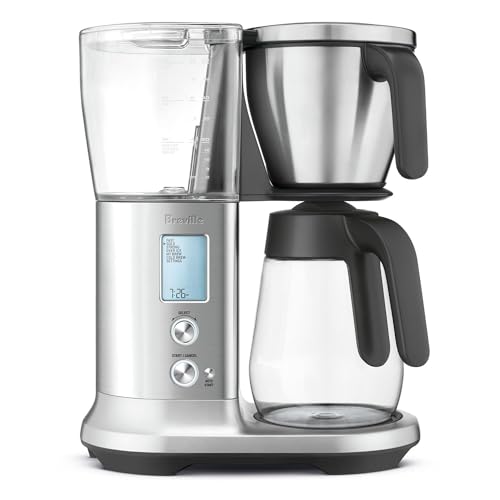
2. Breville Precision Brewer
A drip machine with several adjustable settings, including brew temperature and flow rate, so you can tune the cup to your beans.
Suits: people who like to adjust. Strengths: a lot of control. Weaknesses: more buttons to learn. Skip it if you want push-and-go.

Best for a small household
3. OXO Brew 9 Cup Coffee Maker
A drip brewer with a stainless thermal carafe and a showerhead designed to spread water over the grounds. It has a simple, tidy layout.
Suits: a small household. Strengths: a thermal carafe. Weaknesses: mid-size capacity. Skip it if you brew for a crowd.
View OXO Brew 9 Cup Coffee Maker on Amazon
Best for variety seekers
4. Ninja Specialty Coffee Maker
A machine that offers several brew styles, including a strong, concentrated setting for iced drinks and lattes, and includes a milk frother in many versions.
Suits: variety seekers. Strengths: many brew modes. Weaknesses: a bigger footprint. Skip it if you want plain drip coffee.
View Ninja Specialty Coffee Maker on Amazon

Best for people who want a clear, clean cup
5. Bonavita Connoisseur Coffee Brewer
A drip brewer with a simple interface and a pre-infusion step, in which the grounds are wetted before the main brew begins.
Suits: people who want a clear, clean cup. Strengths: a simple design. Weaknesses: limited extras. Skip it if you want a clock or a timer.

Best for mixed households
6. Cuisinart Coffee Center Brew Basket
A combination machine that brews a full carafe or a single cup, aimed at households where one person wants a different drink.
Suits: mixed households. Strengths: two brewing modes. Weaknesses: a wider body. Skip it if counter space is tight.
View Cuisinart Coffee Center Coffee Maker on Amazon
Care and Setup
- Run a descaling cycle on a regular schedule, as the maker advises.
- Wash the basket and carafe after each use.
- Use fresh, filtered water for a cleaner taste.
- Level the grounds in the basket before you brew.
- Store the carafe lid off between uses so it can air out.
- Replace water filters or use filtered water if your tap water is hard.
Mistakes to Avoid
- Using stale coffee that has lost its aroma.
- Skipping descaling and letting mineral build-up slow the machine.
- Grinding too fine, which can cause the basket to overflow.
- Leaving coffee on a hot plate for hours.
- Choosing a large machine when you only brew a mug or two.
- Forgetting to check the carafe type before ordering.
Brew Temperature, Contact Time and Extraction
Coffee flavor comes from how much of the ground coffee dissolves in the water, which is called extraction. Too little gives a thin, sour cup, and too much gives a bitter, harsh one. Three things control it in a drip machine: water temperature, the time water spends in contact with the grounds, and how evenly the water wets them. A machine that heats water into the range recommended by coffee organizations and spreads it evenly makes balanced coffee more consistently.
Many inexpensive machines run cooler than ideal or heat unevenly, which can lead to weak, flat coffee. Check the listing for any statement about brew temperature or certification, and treat it as information from the maker. Some machines also vary in how long the water takes to pass through. Fast brews can under-extract, while very slow ones can over-extract, especially with fine grounds.
You control some of this yourself. Grind size and dose change contact time and strength: finer grounds slow the flow and extract more, coarser grounds do the opposite. If your coffee tastes sour, try a slightly finer grind or more coffee, and if it tastes bitter, try coarser. A pre-infusion step that wets the grounds first can help release gas and improve extraction. Use fresh water and fresh beans for the best results.
Grind Size, Dose and Water Quality
A good machine cannot fix poor ingredients. Fresh, whole beans ground just before brewing taste better than pre-ground coffee that has sat for weeks. A burr grinder gives a more even particle size than a blade grinder, which produces a mix of dust and chunks. Uneven grounds extract unevenly and can taste both sour and bitter in the same cup.
Match the grind to the basket shape. Flat-bottom baskets generally work with medium grinds, while cone-shaped filters may suit slightly different settings. Check the machine’s guidance, and adjust in small steps. Weigh your coffee for repeatable results, and keep a note of what you use. Many people start with a common ratio of coffee to water, then adjust to taste. The ratio is personal, so do not be afraid to change it.
Water makes up most of your cup. Heavily chlorinated or very hard water can affect taste and cause scale buildup in the machine. Filtered water may improve flavor, but extremely soft or distilled water can extract poorly. Use clean, fresh water each time, and descale when the machine needs it. If the machine has a built-in filter, replace it on schedule. Paper filters also matter: rinse them first to remove paper taste if you like, and use the right size for your basket.
Carafe Types and Keeping Coffee Hot
How the coffee is held after brewing matters. Glass carafes on a hot plate keep coffee warm, but the heat can cook the coffee and give it a stewed, bitter taste if it sits for a long time. Thermal carafes with vacuum insulation keep coffee hot without a heating element, preserving flavor longer. They are well suited to people who drink coffee slowly or serve it later.
Consider practical points. Glass carafes let you see the level but can break. Thermal carafes are sturdier but can be harder to clean inside and do not show how much is left. Check the lid and pour spout for drips, and the handle for comfort. Make sure the carafe is easy to fill and fits under the dripper. A removable carafe lid reduces drips when you pull the carafe out mid-brew, if the machine has a pause feature.
Capacity ratings often refer to small cups of a few ounces, so a nine-cup machine may give fewer standard mugs than you expect. Check the actual volume in ounces or liters, if listed, and match it to the number of people you serve. Small households may prefer a smaller carafe so coffee is fresher. If you brew for a crowd, a larger capacity or a second carafe may be worth considering. Choose by how much you drink at once and how long coffee sits before you finish it.
Programming, Timers and Everyday Convenience
Convenience features can make a machine a daily pleasure or a source of frustration. A timer lets you set the machine the night before so coffee is ready when you wake. Check that the clock and timer are easy to set and that the display is readable. Some machines forget the settings after a power cut, so you may need to reset them.
Other features include brew strength settings, pause-and-serve functions, auto shutoff and adjustable hot plate temperature. A pause-and-serve valve lets you pour a cup while the machine is still brewing, though it can affect the final flavor if done early. Auto shutoff is a safety feature that turns the machine off after a period. Consider whether a feature is worth the complexity. A machine with many buttons can be harder to use, while a simple one with a single switch is reliable.
Think about the footprint. Measure the space under cabinets, particularly if you need to open the lid or fill the reservoir from above. Check the reservoir size and whether it is removable. A clear water window helps you see the level. Look at the cord length and the location of the outlet. If you share a kitchen, think about noise: some machines gurgle, beep or hiss. Pick a model whose daily habits fit your routine, not just the one with the longest list of features.
Descaling, Cleaning and Replacement Signs
A coffee maker needs regular cleaning to keep tasting good. Wash the carafe, lid and basket after each use, since oils from coffee build up and turn rancid, adding off flavors. Wipe the exterior and the hot plate. Leave the reservoir lid open to dry between uses so mold does not grow.
Scale from minerals in water builds up inside the heating system and slows brewing, lowers temperature and eventually can stop the machine from working. Descale on the maker’s schedule, using a descaling solution or the method the manual recommends. Run clean water through afterward to rinse out any taste. Hard water areas may need more frequent descaling. Do not mix cleaning products unless the maker says it is safe.
Signs it is time to replace include coffee that comes out weak or lukewarm even after descaling, brewing that takes much longer than it used to, leaks, unusual noises, a cracked reservoir or a heating plate that no longer works. Compare repair costs with the price of a new machine. When shopping, check the warranty, replacement parts such as carafes and baskets, and customer support. A machine with available parts will last longer. With regular care, a good drip machine can make consistent coffee for many years.
Brewing Coffee Maker FAQ
What makes a better drip machine?
Good water temperature and even water spread. Those two features affect flavor more than the brand name.
Thermal or glass carafe?
A thermal carafe keeps coffee hot without a heating plate. A glass carafe lets you see the level but needs a hot plate.
Do I need a programmable machine?
Only if you like to wake to coffee already brewed. Otherwise a basic machine is fine.
How much coffee do I use?
Follow the manual. A common approach is to weigh the grounds and water for a repeatable cup.
Why does my coffee taste sour?
It is usually under-extracted, which can come from water that is too cool, a grind that is too coarse or too little coffee. Try a finer grind or a stronger dose.
How often should I descale?
It depends on your water hardness and how often you brew. Follow the maker's schedule, and descale sooner if brewing slows or the machine runs hot.
Is it okay to leave coffee on the hot plate?
You can, but the flavor tends to turn bitter with time. A thermal carafe keeps coffee hot without that effect.
What grind size should I use for drip coffee?
A medium grind is the usual starting point. Adjust finer or coarser depending on taste and the basket shape.
Should I use filtered water?
Clean, fresh water gives better taste, and filtering can help if your tap water has strong flavors. Avoid distilled water unless the maker approves.
Can I brew less than a full carafe?
Many machines work best near full capacity. Check the manual for the minimum recommended amount, since very small batches may brew unevenly.
How long do coffee makers last?
It varies by model, water and care. Regular cleaning and descaling help, and replacement makes sense when performance drops or repairs cost too much.
Certifications and What Brew Standards Tell You
Some drip machines carry a certification from a coffee industry body, and it is worth knowing what that label actually covers. The usual standards look at three things: whether the water reaches a window of roughly 195 to 205 degrees Fahrenheit at the coffee bed, whether a full pot finishes in about four to eight minutes, and whether the water is spread across the grounds rather than dumped in one spot. A machine that meets all three is far more likely to produce an even extraction than one that does not, regardless of how many buttons it has.
The catch is that a certificate is a snapshot of a standard test, not a promise about your kitchen. Water quality, grind and dose still matter. Treat a certification as a useful filter when you are comparing two machines at similar prices, and treat the absence of one as neutral rather than negative. Plenty of solid brewers never submit to testing, and a handful of cheap machines that boast about “barista quality” have no standard behind the claim at all. If a listing quotes a brew temperature, look for whether it is the water temperature in the tank or at the grounds, since the two can differ by several degrees.
Showerheads, Spray Patterns and Even Saturation
The part of a brewer that sprays water over the grounds has an outsized effect on flavor. A single drip hole concentrates water in the middle of the basket, so the center over-extracts and the edges barely get wet. A multi-hole showerhead spreads the water across the bed, which wets the grounds more evenly and reduces the bitter-and-sour combination that uneven brewing creates.
- Look for a wide, flat head with several outlets rather than a single nozzle.
- Check whether the head sits close to the basket. A big gap lets water cool as it falls.
- Pay attention to whether the machine has a pre-infusion or bloom step, which wets the grounds briefly and lets trapped gas escape before the main pour.
You cannot always judge this from a product photo, but descriptions and owner manuals often name the feature. If a machine is described only by its carafe and its timer, assume the spray design is basic and plan to stir the slurry once or twice if the coffee tastes uneven.
Filters: Paper, Metal and Basket Shape
Basket geometry changes how the bed behaves. A cone-shaped basket funnels water through a deeper, narrower layer of grounds, while a flat-bottom basket makes a wider, shallower bed. Cones tend to give a slightly cleaner, more uniform result, and flat baskets are more forgiving of small batches and uneven grinds. Neither is wrong, and the machine already dictates which you get, so check that the filters you buy match the shape.
Filter material matters just as much:
- Paper traps oils and fine particles, giving a bright, clean cup. It is cheap and disposable, and rinsing the paper with hot water first removes a papery taste.
- Permanent metal mesh lets oils and a little sediment through, giving a heavier body and a slightly cloudier cup. It saves money over time but needs thorough rinsing so old oils do not turn rancid.
- Cloth sits between the two, but it needs careful washing and replacement.
If you drink coffee mostly for flavor clarity, paper is the safer choice. If you like a fuller mouthfeel and do not mind a few fines at the bottom of the mug, a good mesh basket is a reasonable long-term saving.
Fitting a Machine to Household Size and Counter Space
A brewer that is too large wastes coffee, and one that is too small leaves you brewing twice. Count how many mugs you pour on a typical morning, then work out the capacity in standard five-ounce cups versus real mug size. Many machines label a cup as five or six ounces, so a ten-cup brewer may fill only about five large mugs. If you often have guests, a bigger carafe or a thermal server is more valuable than any extra program mode.
Counter fit deserves a quick measurement before you order. Check the height with the lid open, since tall tanks and flip-up lids can collide with cabinets. Think about where you will fill the tank and whether you can slide the carafe out without lifting the machine. A removable water reservoir helps if the outlet sits far from the sink.
For solo drinkers, a smaller brewer, or one that brews a good half-pot, can reduce waste. For busy households, consider whether you would rather have a single large batch kept hot in a thermal carafe, or two shorter brews. Either way, plan your routine around the machine you buy rather than expecting it to adapt.
A final practical point: run a plain water cycle when the machine is new, and again after descaling, so no factory residue or cleaner reaches the first pot. Write the date of that first cycle on the box or manual. When coffee later tastes off, you will know whether the machine, the beans or the water changed, and you can fix one thing at a time instead of guessing.
It also pays to keep the manual, since descaling steps, filter sizes and warranty terms are all spelled out there. Many brewing problems that look like a defective machine turn out to be a clogged spray head, an old filter pack or a grind that is too fine, so check those first.
Dialling In a New Brewer: A Two-Week Method That Works
Most disappointment with a new drip machine comes from changing everything at once. A calmer method gives better coffee and teaches you what your machine actually does. For the first few pots, change nothing except the coffee itself: use fresh beans, a medium grind and a consistent dose, and simply learn the brewer’s baseline. Then adjust one variable at a time over the following days. If the cup tastes thin and sour, grind slightly finer or use a little more coffee. If it tastes bitter and drying, grind coarser or reduce the dose slightly. Keep brief notes on the bag or a phone note; after two weeks you will have a setting you can return to, instead of a vague memory that one pot was somehow better.
Choosing Between the Brewers in This Guide by Household
The Technivorm Moccamaster KBGV Select suits a household that values a simple, repairable machine and brews a full pot most mornings; its strength is consistency rather than features. The Breville Precision Brewer is the experimenter’s machine, with control over temperature, flow and bloom for people who enjoy adjusting variables and brewing smaller specialty batches as well as full pots. The OXO Brew 9 Cup is the straightforward family choice, designed to make a reliably good pot with minimal decisions before the first cup. The Ninja Specialty Coffee Maker serves households divided between drip drinkers and people who want concentrated coffee for iced or milk-based drinks from the same counter footprint. The Bonavita Connoisseur is the compact, standards-focused option for smaller kitchens that still want a proper bloom cycle and even extraction. The Cuisinart Coffee Center Brew Basket fits homes that want drip coffee and single-serve convenience in one unit, accepting some compromise in each direction in exchange for one appliance instead of two.
Water, Filters and the Quiet Causes of Bad Pots
Water is most of what is in the cup, so its flavour sets a ceiling no machine can exceed. If your tap water tastes strongly of chlorine, let a jug stand uncovered for a while or use a simple filter jug, and the improvement is often immediate. Scale is the slower problem: mineral build-up narrows spray holes, drops brew temperature and produces the uneven extraction that tastes like a faulty machine. Descale on the schedule your water hardness demands rather than waiting for a warning light or a sour pot. Filters matter too. A stale pack of paper filters can add a papery note, and a reusable metal filter lets more oils and fine particles through, giving a heavier cup that some drinkers love and others find muddy. Try both with the same coffee before blaming the brewer; the cheapest component in the system is frequently the one shaping the flavour you are chasing.
Setting Up the Counter So the Routine Sticks
Where a brewer lives decides how well it gets used and maintained. Keep it close enough to the sink that filling the reservoir and rinsing the carafe are single trips, but not so close that splashes reach the machine’s vents and controls. Leave clearance above the unit for the lid or basket to open fully, and check that clearance before buying if your counters sit under low cabinets, because several machines in this guide are tall once open. Store beans or ground coffee away from the brewer’s warmth and steam rather than beside it, in a sealed container out of direct light. Keep the descale solution, spare filters and the manual in the same cupboard, and maintenance stops being a treasure hunt. A thoughtfully placed machine gets cleaned on schedule; an awkwardly placed one gets forgiven until the coffee quietly worsens.
Finally, judge any brewer in this guide by its tenth pot rather than its first. The first pot shows what the machine can do; the tenth shows what your routine, water and cleaning habits let it do every ordinary morning, and that is the coffee you actually bought it for.
Frequently Asked Questions
Is a flat-bottom or cone filter better for drip coffee?
Neither wins outright. Cone baskets make a deeper bed that tends to extract a little more evenly, while flat-bottom baskets handle small batches and slightly uneven grinds more forgivingly. The machine decides the shape, so the practical step is to buy the matching filter size and adjust grind slightly if the cup tastes thin or harsh.
Should I use paper or metal filters in a drip machine?
Paper gives a cleaner, brighter cup because it traps oils and fine particles. Metal mesh produces a heavier body with a little sediment and saves on disposable filters, but it needs careful rinsing. Choose paper for clarity and metal if you prefer body and want to cut ongoing costs.
How long should a full pot take to brew?
Most standards aim for roughly four to eight minutes for a full carafe. Much faster can mean underextracted, sour coffee, and a much longer brew can leave it bitter. If your machine runs outside that range, try adjusting the grind or checking for scale buildup that slows or speeds the flow.
What does the bloom step do in a coffee maker?
A bloom, or pre-infusion, wets the grounds with a small amount of water and pauses briefly so trapped carbon dioxide can escape. That helps the main pour make better contact with the coffee, which is especially noticeable with fresh roasts. Machines without it can still make good coffee if the grounds are freshly ground.
Brewing Better Coffee: The Variables That Actually Matter
An automatic drip machine handles heating and pouring, but the quality in the cup still depends on a handful of variables you control. The first is the coffee itself: fresh beans, ground shortly before brewing, will outperform stale grounds in any machine in this guide, including the most adjustable one. The second is the ratio of coffee to water. Too little coffee gives a thin, sour cup no showerhead can rescue; too much gives a heavy, muddled one. If your coffee disappoints, change the ratio before you change the machine, and change it in small steps, brewing the same beans the same way so you can actually taste the difference.
Water is the third variable, and the most overlooked. Water with a strong chlorine smell will carry that smell into the cup, while very hard water slowly coats the inside of any brewer with scale and changes how it heats. If your tap water tastes good on its own, it will usually brew well. If it does not, filtered water is one of the cheapest upgrades in all of coffee. The fourth variable is temperature stability, which is where the machines in this guide separate themselves: designs such as the Technivorm Moccamaster and the Bonavita Connoisseur built their reputations on heating water properly and delivering it evenly, while more feature-rich machines such as the Breville Precision Brewer let you adjust temperature and flow to chase a particular result.
The last variable is time, in two senses. Contact time, how long water spends with the grounds, shapes extraction: too short and the cup is weak and sharp, too long and it turns bitter. Pre-infusion, the brief wetting of the grounds before the main brew that the Bonavita offers, helps the bed of coffee bloom and settle so the main flow extracts more evenly. You do not need to master all of this to enjoy good coffee. You need to know which lever to pull when a cup tastes wrong, and now you do: sour and thin usually means under-extracted, bitter and heavy usually means over-extracted, and the fixes are ratio, grind and freshness, in that order.
Comparing the Six Brewers in This Guide
The Technivorm Moccamaster and the Bonavita Connoisseur are the purists of this group. Both focus on doing the basic job properly, with few settings to learn and a clear, clean cup as the goal. Between them, the Moccamaster is the hand-built, long-haul choice with its copper heating element and simple layout, while the Bonavita adds a pre-infusion step and tends to be the easier recommendation for someone who wants excellent drip coffee without treating the machine as a hobby object. If your mornings are busy and your taste is exacting, either will please you, and the choice comes down to design preference and which carafe version suits your kitchen.
The Breville Precision Brewer and the OXO Brew sit at the other end of the control spectrum in different ways. The Breville is for the drinker who wants to experiment, adjusting temperature and flow and trying different brew styles, while the OXO is for the drinker who wants the machine to make those decisions quietly and present a well-made pot from a thermal carafe with minimal fuss. The Ninja Specialty and the Cuisinart Coffee Center answer a different question entirely: not how to brew one perfect pot, but how to cover many kinds of drinks in one footprint. The Ninja adds specialty and iced styles and a frother for milk drinks, and the Cuisinart pairs a carafe brewer with a single-serve side for households where one person wants a pot and another wants a single cup.
Choose by being honest about your household’s real pattern. A family that drinks two pots of plain drip every day gains little from specialty modes and much from a thermal carafe and a reliable showerhead. A household of one coffee enthusiast gains little from a large carafe and much from adjustability. A mixed household, with different drinks at different times, is exactly who the combo designs were built for, and their compromises are worth it precisely there.
Glass Carafe on a Hot Plate or Thermal Carafe?
This single choice shapes daily satisfaction more than most buyers expect. A glass carafe on a warming plate, as on many versions of the Moccamaster and Bonavita in this guide, lets you see the coffee level at a glance and keeps the pot hot as long as the plate runs. The cost is flavor over time: coffee held on heat continues to cook, and a pot that tasted bright when fresh grows harsh after an hour or more on the plate. If you brew and drink within a short window, glass and a plate are simple and satisfying.
A thermal carafe, as on the OXO Brew and thermal versions of other machines here, keeps coffee hot by insulation rather than by applying heat. The coffee still ages, but it ages more gently, and a pot brewed in the morning remains pleasant far longer. Thermal carafes are heavier, hide the coffee level, and need a rinse rather than a glance to tell you what is left. They also travel to the table and the home office better, with no cord tying the pot to the machine. Households that brew once and sip all morning should lean thermal; households that brew, pour and finish should lean glass, and neither group should leave coffee sitting for hours and blame the machine for what time did to it.
Daily Care, Descaling and Keeping a Brewer Honest
Most drip machines decline slowly rather than failing suddenly, and the cause is usually scale and old coffee oils. Rinse the carafe and basket daily, wash them with warm soapy water regularly, and never leave wet grounds sitting in the basket overnight, where they grow stale smells that season the next pot. A machine that has begun to brew slowly, gurgle unusually or produce coffee that tastes flat despite fresh beans is usually asking to be descaled. Use the maker’s recommended method or a standard descaling solution, run rinse cycles afterward until no trace of the descaler remains, and note the date, because descaling on a rough schedule beats descaling in a crisis.
Water choice, discussed above, sets how often this job comes around. Hard water areas may need attention several times a year; soft water areas far less. Spray heads and showerheads deserve a wipe as well, since they sit directly above the coffee and collect splashes and oils. On machines with removable showerheads, an occasional rinse keeps the spray pattern even, which protects the even extraction the design promises. Finally, replace any reusable filters that have absorbed persistent odors, and if you use paper filters, store them away from strong kitchen smells, because paper picks up odors that end up in the cup.
More Brewing Coffee Maker Questions Answered
How much coffee should I use per pot?
Start with a consistent measure you can repeat, brew, taste, and adjust in small steps. A stronger ratio suits milk and sugar; a slightly gentler one suits drinking black. The right answer is the ratio that makes your beans taste balanced in your machine, and you will find it faster by changing one thing at a time than by following anyone’s exact numbers, including ours.
Why does the second pot of the day taste better than the first?
Often because the machine is fully warmed up and because the first pot seasoned a clean carafe and basket. It can also be your palate: the first cup of the morning is judged by a sleepy tongue. If the difference is large and consistent, check that your first brew is not suffering from stale water that sat in the machine overnight, and consider running fresh water through regularly.
Should I grind beans the night before to save time?
Ground coffee stales noticeably within hours, so grinding the night before trades flavor for convenience. If mornings demand it, a programmable machine such as the combo and adjustable models in this guide, loaded the night before, is the honest compromise. If flavor is the priority, grind in the morning; a good grinder takes less than a minute and the difference is real.
Can I brew a half pot in a full-size machine?
Yes, with care. Keep the coffee-to-water ratio the same, and check whether your machine has a small-batch setting, since a showerhead designed for a full bed can under-wet a shallow one. Machines differ here, so taste the result and adjust the grind slightly finer if a half pot tastes weak.
How long does brewed coffee stay good?
Coffee is at its best soon after brewing and declines steadily from there. In a thermal carafe it stays enjoyable far longer than on a hot plate, but even then, a pot brewed in the morning is a shadow of itself by evening. Brew quantities you will actually drink within a few hours, and brew again rather than reheating, since reheating, especially in a microwave, flattens what was left of the flavor.
What should I check before blaming the machine for bad coffee?
Bean freshness, ratio, water taste, and whether the machine needs descaling, in that order. Most disappointing pots trace back to one of those four, and all four are cheaper to fix than a replacement brewer. Only when fresh beans at a sensible ratio in a clean, descaled machine still taste wrong should you suspect the machine itself.
Setting Up a Morning Routine That the Machine Serves
The best brewer is the one that fits a routine you will actually keep. If you wake and need coffee immediately, a programmable start or a machine that brews fast from a cold start, as several in this guide do, matters more than exotic settings. Prepare what you can the night before without hurting quality: set out cups, fill the machine with fresh water if the design allows, and keep beans and filters where they belong. Grinding in the morning, as discussed above, is the one step worth protecting, and everything else can be arranged around it.
Households with staggered mornings benefit from thinking in two shifts. Brew a pot sized for the first risers in a thermal carafe, and let later risers pour from the carafe rather than from a plate that has been cooking the coffee. Or brew smaller pots more often, accepting a little more effort for fresher coffee each time. There is no single right pattern, but there is a wrong one: brewing a large pot at dawn and expecting it to serve everyone beautifully until midday. Match the machine and the carafe to your household’s actual rhythm, and the daily experience improves more than any single feature on a specification list could make it.
Troubleshooting a Disappointing Pot
When a pot tastes sour and thin, think under-extraction: the water took too little from the coffee. Try a slightly finer grind, a little more coffee, or check that the machine is brewing at full temperature and has been descaled. When a pot tastes bitter and heavy, think over-extraction: try a slightly coarser grind, a little less coffee, and confirm you are not leaving the pot on a hot plate long enough to cook it. When a pot tastes fine one day and dull the next with the same beans, suspect water that sat in the machine, grounds that sat in the basket, or a carafe that needed a proper wash rather than a rinse.
Overflow and grounds in the cup have mechanical causes worth checking before anything else: a basket overfilled with coffee, a filter that folded or was the wrong size, or a carafe that was not seated so the drip-stop stayed closed. Slow brewing and sputtering point to scale, as covered above. Work through these simple causes in order, change one thing at a time, and taste again. Systematic troubleshooting sounds dull, but it is how a frustrating machine becomes a understood one, and most drip problems surrender to it within a pot or two.
Storing beans so the machine can do its job
Even the best brewer cannot recover flavor that storage has already taken. Keep beans in an airtight container, away from light, heat and the strong smells of a pantry, and buy quantities you will use while they are still fresh rather than stockpiling for months. Avoid storing beans in the refrigerator, where moisture and odors work against them, and be cautious with the freezer unless you portion carefully and let a portion come fully to room temperature before opening it, so condensation does not dampen the beans. Grind only what you need for the pot you are about to brew. These habits are unglamorous, cost nothing beyond a decent container, and do more for the cup than the difference between several of the machines in this guide. Treat the brewer as one part of a small system, beans, water, storage and routine included, and the system will reward you every single morning.
Keep a small notebook or a note on your phone for the first month with a new machine: beans used, ratio tried, and a word or two on the result. It feels excessive for a week and invaluable by the month’s end, because it turns vague impressions into a recipe you can repeat on your busiest morning without thinking at all.
That record is also your best evidence if something genuinely goes wrong with the machine later, since it shows what changed and when, rather than leaving you to guess whether the brewer or the beans moved first.
The Short Version
For a classic, the Technivorm Moccamaster. For control, the Breville Precision Brewer. For a thermal carafe, the OXO Brew. For variety, the Ninja Specialty. For a clean, simple cup, the Bonavita. For two ways to brew, the Cuisinart Coffee Center. Each is a different style, so pick on carafe type and how much control you want.


