Cast iron is heavy, slow to heat and very good at holding heat. A well-kept skillet sears, bakes and goes from the stovetop to the oven to the table. The big divide is the finish: seasoned bare iron needs oil and care, while enameled iron is coated and easier to maintain.
The six skillets below cover seasoned, smooth-machined and enameled types. Finish, origin, oven limits and care notes come from each product’s listing page. We have not cooked with these pans ourselves. Check weight and handle details on the product page.
As an Amazon Associate we earn from qualifying purchases. Links below are affiliate links, and they do not change the product information we give.
Our Picks

Top pickBest for searing and baking
1. Cast Iron Skillet 3-Piece Set w/Cookbook – Heavy-Duty
A Cast Iron Skillet 3-Piece Set w/Cookbook – Heavy-Duty (cast iron skillet), per the listing. Check price on Amazon.
Good for: searing and baking. Watch out: Heavy; needs seasoning.
Best for searing and baking
2. Cuisinel 12-Inch Large Cast Iron Skillet with Lid Pre-Seasoned
A Cuisinel 12-Inch Large Cast Iron Skillet with Lid Pre-Seasoned (cast iron skillet), per the listing. Check price on Amazon.
Good for: searing and baking. Watch out: Heavy; needs seasoning.

Best for searing and baking
3. Cast Iron Set 6 Piece PFAS-Free Pre-Seasoned Pots and Pans Set
A Cast Iron Set 6 Piece PFAS-Free Pre-Seasoned Pots and Pans Set (cast iron skillet), per the listing. Check price on Amazon.
Good for: searing and baking. Watch out: Heavy; needs seasoning.

Best for searing and baking
4. EWFEN Cast Iron Skillet 3-Piece Set Heavy-Duty Professional
An EWFEN Cast Iron Skillet 3-Piece Set Heavy-Duty Professional (cast iron skillet), per the listing. Check price on Amazon.
Good for: searing and baking. Watch out: Heavy; needs seasoning.
In this guide
What Pre-Seasoned Really Means
Pre-seasoned cast iron has been coated with oil and baked at the factory so the surface starts with a thin protective layer. That layer helps prevent rust and gives food a head start toward non-stick behavior. It is a good starting point, not a finished surface. Most cooks build up the seasoning over time by cooking with fat and by adding thin layers of oil at home.
Seasoning is a polymerized layer of oil that bonds to the metal. It is not a coating that stays perfect forever, and acidic or watery foods, harsh scrubbing and long soaking can wear it down. When this happens, the pan is not ruined. It can be re-seasoned at home with a little oil and oven heat, following the maker’s directions.
Check each listing to see how the seasoning is described and what the maker says about first use. Some recommend a wash and a thin coat of oil before the first meal, others suggest starting with fatty foods such as bacon or sausage to strengthen the layer. Early cooking may be a bit sticky with delicate foods such as eggs, which is normal while the surface develops.
- Pre-seasoned means ready to cook with, not fully non-stick.
- Expect the surface to darken and improve with regular use.
- Read the maker’s care page for the exact first-use steps.
Matching Pan Size to Your Cooking
Cast iron skillets come in a range of diameters, and the right choice depends on the number of people you cook for and the dishes you make. A smaller pan suits eggs, a single steak or a side dish, while a larger one handles family meals, cornbread and chicken thighs. If you can buy only one, a mid-sized skillet is the most flexible, but you should check the listed diameter and depth.
The cooking surface is smaller than the stated size on the top rim, so look for the measurement of the bottom if it is given. Depth matters for shallow frying, braising and baking. Deeper pans hold more food and splatter less, while shallow pans make it easier to flip and slide food out.
Multi-piece sets in this guide give you several sizes at once. A set can be good value if you will use each piece, but if you only need one pan, a single, well-chosen skillet takes up less space. Consider your stove too. Pans that are larger than the burner heat unevenly, and heavy pans need a sturdy cooktop. Check that the base is flat, which matters for glass or ceramic cooktops.
Lids add versatility for steaming and braising. If a pan comes with one, check how well it fits and whether the lid is also cast iron, since that affects weight.
Weight, Handles and Ergonomics
Cast iron is heavy, and the weight is part of both its charm and its drawback. Heavy pans hold heat well and give a steady sear, but they are harder to lift, especially when full. Think about whether you can comfortably lift and pour from a pan, and whether anyone else in the household will use it.
Handle design makes a big difference. A long handle gives leverage but gets very hot on the stove or in the oven, so you need a handle cover or mitt. Some skillets have a helper handle on the opposite side, which makes lifting safer. Check whether the handle has a hole for hanging, and whether the shape feels comfortable in your hand.
Pour spouts on the rim help with draining grease, though they are not always on both sides. Right-handed and left-handed cooks may prefer different positions. A smoother cooking surface is easier to clean and to release food from, while a rougher surface can hold seasoning better. Surface texture varies between makers, so read the description and any notes.
- Use a silicone sleeve or towel on hot handles.
- Lift with two hands when the pan is full.
- Keep the pan away from edges of the counter where it might fall.
Everyday Cleaning and Care
Cleaning cast iron is simpler than its reputation suggests. After cooking, let the pan cool a little, then rinse it with hot water and use a brush or non-abrasive scraper to remove food. Many makers now say a small amount of mild soap is fine, but follow your maker’s guidance. Avoid soaking and avoid the dishwasher, which can strip seasoning and cause rust.
Dry the pan right away, either with a towel or by warming it on the stove for a moment. Then wipe a very thin layer of cooking oil over the cooking surface. A thin layer is the key. Too much oil can turn sticky. Store the pan in a dry place, and if you stack pans, place a paper towel between them to prevent scratching.
For stuck-on food, simmer a little water in the pan, loosen the residue with a wooden spatula and then clean as usual. Coarse salt can serve as a gentle scrub. Avoid cooking highly acidic foods such as tomato sauce for long periods in a young seasoning layer.
If you see rust, scrub it off with steel wool or a scouring pad, wash and dry, then re-season. Rust is a surface problem and usually fixable. Check the manufacturer references for care details specific to your pan.
Seasoned or Enameled?
| Type | Good at | Watch out for |
|---|---|---|
| Seasoned cast iron | Searing, baking, grows nonstick with use | Hand wash and dry; re-oil to keep the seasoning |
| Smooth-machined cast iron | Lighter feel; slicker surface from the start | Higher cost; same care as seasoned |
| Enameled cast iron | No seasoning; easier cleaning | Enamel can chip; do not overheat empty |
Specs at a Glance
| Skillet | Finish | Origin and size | Notes from the listing |
|---|---|---|---|
| Lodge 10.25 in | Pre-seasoned | 10.25 in | Hand wash only; induction compatible; PFAS-free |
| Lodge 12 in | Pre-seasoned | 12 in | Hand wash only; oven safe; made without PFOA or PTFE |
| Field Company No.12 | Pre-seasoned, machine polished | Made in the USA; 13.4 in | Lighter, smoother than rough castings; hand wash; smooth-surface induction compatible |
| Stargazer 12 in | Seasoned, smooth | Made in the USA; 12 in | Machined cooking surface; hand wash; induction compatible |
| Le Creuset Signature | Enameled | 11.75 in | Enamel resists dulling and staining; broiler safe |
| STAUB 10 in | Enameled | Made in France; 10 in | Oven safe to 900 F; works on all stovetops including induction |
The 6 Best Cast Iron Skillets

Top pickBest for first-time cast iron buyers
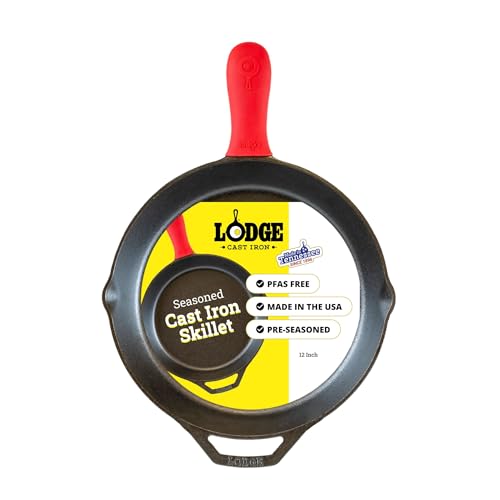
1. Lodge Pre-Seasoned 10.25 Inch
The classic pre-seasoned skillet, listed as induction compatible, hand wash only and PFAS-free.
Suits: first-time cast iron buyers. Strengths: a simple, widely known pan. Weaknesses: a rougher surface than premium pans. Skip it if you want a polished surface.

View Lodge Pre-Seasoned Cast Iron Skillet 10.25 Inch on Amazon

Best for family-size cooking
2. Lodge Pre-Seasoned 12 Inch
The larger Lodge skillet, made without PFOA or PTFE, oven safe and hand wash only.
Suits: family-size cooking. Strengths: a larger surface in the same line. Weaknesses: heavy. Skip it if you want a lighter pan.

Best for cooks who want a premium, smooth cast iron
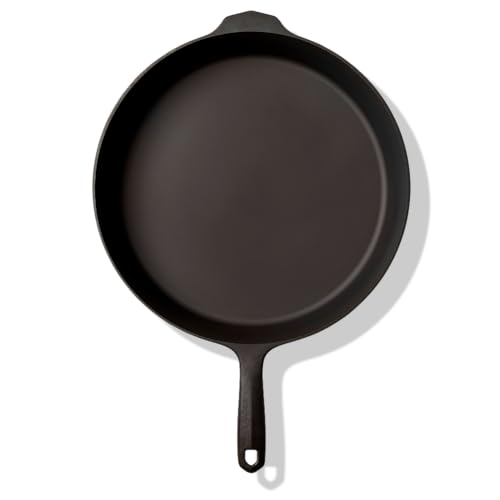
3. Field Company No.12
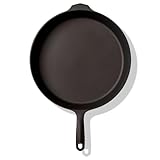
A 13.4 inch skillet made in the USA, machine polished for a smoother and lighter feel, pre-seasoned and compatible with smooth-surface induction.
Suits: cooks who want a premium, smooth cast iron. Strengths: a smooth surface and American manufacture. Weaknesses: a large size and a high cost. Skip it if you cook for one.

Best for a smooth-surface alternative to Lodge
4. Stargazer 12 Inch
A 12 inch skillet made in the USA with a machined smooth cooking surface, listed as oven safe, hand wash only and induction compatible.
Suits: a smooth-surface alternative to Lodge. Strengths: a machined surface and American manufacture. Weaknesses: a premium pan. Skip it if you want the lowest cost.


Best for no-seasoning cast iron
5. Le Creuset Signature Enameled Skillet, 11.75 Inch
An enameled cast iron skillet with an enamel that the listing says resists dulling, staining, chipping and cracking, ready to use without seasoning, and broiler safe.
Suits: no-seasoning cast iron. Strengths: no upkeep seasoning and a colorful finish. Weaknesses: enamel can chip. Skip it if you want bare iron.

View Le Creuset Signature Iron Handle Skillet 11.75 Inch on Amazon

Best for serious searing and oven use
6. STAUB Cast Iron 10 Inch Fry Pan
A 10 inch enameled fry pan made in France, oven safe to 900 F per the listing, with a smooth enamel bottom that works on all stovetops including induction.
Suits: serious searing and oven use. Strengths: a very high oven limit. Weaknesses: premium cost. Skip it if you want a larger pan.

Cast Iron Care
- Wash with a brush and hot water; dry right away on low heat.
- Wipe a thin coat of oil on bare iron after drying.
- Avoid long soaking and dishwashers.
- Let enameled pans cool before washing to protect the enamel.
Mistakes to Avoid
- Leaving bare iron wet, which causes rust.
- Cooking acidic foods for long periods in newly seasoned pans.
- Heating an empty enameled pan on high.
- Lifting a hot handle without a mitt.
What a Machined Surface Changes
Traditional cast iron comes out of the mold with a slightly rough, pebbled interior. Some makers grind, machine or polish that surface until it is smooth. The difference is easy to see and feel, and it changes how the pan behaves in a few ways.
A smooth interior gives food less to grip, so eggs, fish and thin pancakes often release more easily, especially while the seasoning is young. The surface can also be easier to wipe clean, and metal spatulas slide more freely. Smooth pans are sometimes thinner and lighter, because the finishing process allows for a more refined casting, though weight varies by maker and size, so check the listing.
A rough surface has its own advantages. The texture can hold seasoning well, and many cooks find that classic pebbled pans become very slick with years of use. They also tend to cost less. In everyday cooking, the difference between a good smooth pan and a well-used rough pan can be small. What matters more is how often you cook with the pan and how well you maintain it.
If you are choosing between the two, think about your priorities. If you want a pan that feels refined from the first day and are willing to pay for it, a smooth pan is appealing. If you want a rugged, economical pan that will improve with use, a classic pan is a sound choice. Read the listing to see how each maker describes the finish.
Cooktops, Oven, Broiler and Fire
One reason cast iron is so popular is its range. Still, each heat source has its own habits, and the listing and manual should guide your choices.
- Gas: Iron heats evenly on a flame that is sized to the pan. Keep the flame beneath the base so the handle does not become excessively hot.
- Electric coil and radiant: Iron needs a flat base to make full contact. Warp or rocking creates uneven heat.
- Glass and ceramic tops: The weight and the rough base can scratch the surface, so lift the pan instead of sliding it. A smooth base is gentler.
- Induction: Cast iron is generally compatible, but check the listing. Heat can come on quickly, so start lower than you would on gas.
- Oven and broiler: Bare iron is typically fine at high oven temperatures. For enameled pans, check the maker’s limits for the pan and any knob or handle components, and whether broiler use is allowed.
- Grill and campfire: Bare iron is well suited to these, while enameled pieces may be damaged by direct flame, so follow the maker’s guidance.
Whichever source you use, preheat gradually and place the pan on the burner before turning it on. Use mitts and trivets, since iron stays hot long after you turn off the heat. If you cook on more than one surface, check that the pan works on all of them before you buy.
Living with an Enameled Skillet
Enameled skillets attract people who want cast iron’s heat retention without the seasoning routine. The enamel is a glass-like coating fused to the iron, and its behavior differs from bare iron in several ways.
Enamel does not rust and does not need seasoning, so cleaning is simpler. It tolerates acidic ingredients, so tomato sauces and wine reductions are not a problem. It is also available in a range of colors. Light interiors show browning clearly, which helps you judge heat, while darker interiors hide marks.
The trade-offs are the cooking surface and the care. Food can stick more readily to enamel than to a well-seasoned pan, so use enough fat and moderate heat. Avoid heating an empty pan on high, which can stress the coating. Use wooden, silicone or nylon utensils to protect the surface, and avoid knocking the pan on hard edges, since a hard impact can chip the enamel. Let the pan cool before washing to prevent thermal shock, and use a soft sponge rather than harsh abrasives. If food is stuck, soak with warm water and baking soda. Check the maker’s guidance on dishwasher use, since hand washing is generally gentler.
Chips on the rim are common and usually cosmetic, but chips on the cooking surface that expose bare iron deserve attention, and you should consult the maker’s advice.
Weight, Balance and Handle Ergonomics
A skillet is a tool you lift, tilt and carry, so ergonomics determine how often it gets used. The weight on the listing gives a starting point, but balance and handle shape matter just as much.
A pan with the weight concentrated in the base and a long handle can feel front-heavy when full, while a pan with a shorter handle and a helper loop feels more balanced for two-handed lifting. A handle that is too thin can bite into the palm, and a handle that is too thick can limit grip. A gently curved, rounded handle is usually more comfortable, and a small hole at the end can allow hanging.
Consider whether you will lift the pan with one hand for flipping and swirling, or whether you will mostly leave it on the burner. If you plan to flip food or pour from the pan, choose a size and weight you can control. Pour spouts on the rim help when you transfer sauces or fat. Check the rim shape too, since a flared edge makes spooning easier.
If you have wrist or hand limitations, a lighter pan or a smaller diameter may be a better option, and a silicone sleeve provides a thicker, softer grip. Always use a mitt, and never rely on a wet towel, which can conduct heat quickly.
Choosing by Budget and Spotting Wear
The skillets in this guide span several price tiers, and thinking about what each tier offers helps you decide. Entry-level seasoned pans are rugged and inexpensive, and they suit people who want to try cast iron or need an everyday workhorse. Smooth-machined pans from specialty makers cost more and offer a refined surface and often a lighter feel. Enameled pans sit at a higher level and offer easy care at the expense of some durability.
Before you buy, ask: Do I want a seasoned surface that improves over time, or an enameled one that needs less upkeep? Is the size right for my stove and the number of people I cook for? Does the listing confirm compatibility with my cooktop? What does the maker say about oven limits, handle materials and cleaning? Is the weight manageable?
Signs that a skillet needs replacing include cracks in the body or handle, a base so warped that it spins on the burner, deep pitting that cannot be cleaned and, for enameled pans, chipped enamel on the cooking surface. Everyday issues such as rust, stickiness and dullness can usually be fixed with scrubbing, drying and re-seasoning.
Which Skillet Fits Which Household
With six pans on the list, the quickest way to decide is to start with who is cooking and how often. The details below use only what the listings in this guide say, plus general knowledge about cast iron.
- One or two people, everyday meals: The Lodge 10.25 inch and the STAUB 10 inch are the smaller pans here. A 10 inch pan fits a couple of chicken thighs, a few eggs or a single steak without crowding the burner.
- A family or batch cooking: The Lodge 12 inch, Stargazer 12 inch, Le Creuset 11.75 inch and Field Company No.12 at 13.4 inches give more surface. Larger pans hold more food in one layer, which helps browning, but they are heavier and take more shelf space.
- Cooks who dislike seasoning routines: The two enameled pans, Le Creuset and STAUB, need no seasoning, and cleaning is simpler. The trade-off is that enamel can chip and food can stick if the heat is too high.
- Cooks who want a smooth surface: The Field Company and Stargazer are described as smooth or machined. Lodge pans have a rougher surface, which many people grow to like.
- Induction households: Several listings mention induction compatibility, so confirm the exact model you are buying before you rely on it.
If you are still unsure, a pre-seasoned pan from the Lodge line is the simplest way into cast iron, and you can move to a smooth or enameled pan later once you know how you cook. Many households end up with two pans, one bare iron for searing and baking and one enameled for acidic dishes.
Seasoning: What It Is and How It Builds
Seasoning is a thin layer of oil that has been heated until it bonds to the iron. It is not a flavor and it is not a coating that sits on top like paint. With each round of cooking and each light coat of oil followed by heat, the layer grows slightly thicker and more even. That is why a pan feels slicker after months of use than it does on day one.
Pre-seasoned pans arrive with a first layer already applied at the factory. It is a starting point, not a finished surface. Expect early meals to stick a little more than they will later, and plan to cook with enough fat while the layer builds. Fried foods, roasted vegetables and seared meats all help, because they put fat on the surface and heat it.
A few habits protect the layer:
- Dry the pan fully after washing, then wipe on a very thin coat of oil.
- Keep the coat thin. Too much oil can turn tacky or blotchy after heating.
- Avoid simmering acidic sauces for long periods in a young pan.
- Use a pan scraper or brush for stuck bits rather than harsh abrasives.
If the surface turns dull, gray or patchy, it usually needs more oil and more cooking rather than replacement. Check the maker’s care page for the method it recommends, because oil choices and oven steps differ.
Preheating and Heat Control
Cast iron heats slowly and unevenly at first, then holds heat for a long time. That behavior rewards patience. Place the pan on the burner and warm it gradually, so the whole base reaches a similar temperature. A pan that is heated too fast on a small burner can develop a hot spot in the center while the edges stay cool.
Once hot, iron recovers well when cold food goes in, which is why it sears so effectively. Still, loading too much food at once drops the temperature and causes steaming instead of browning. Cook in batches if the pan is crowded, and pat meat dry before it goes in.
Some practical points on heat:
- Medium heat is enough for most cooking once the pan is warm. Iron keeps heat so well that high settings are rarely needed.
- Add oil after the pan is warm, not before, so it does not burn while you wait.
- Let the pan cool on its own after cooking. Plunging a very hot pan into cold water risks cracking the iron or stressing enamel.
- Remember that handles get hot too. Leave a mitt or sleeve on the handle as a reminder.
With enameled pans, be even more careful with empty heating on high. Use moderate heat, add some fat, and check the maker’s guidance on temperature limits for the pan.
Choosing the Right Diameter and Depth
Diameter on a listing can be measured at the rim or at the cooking surface, so the floor of the pan may be a little smaller than the stated number. If you cook for several people, check the listing for the cooking surface size and the depth of the sides.
Think about what you cook most. Shallow sides suit flipping, searing and sliding food out, while deeper sides handle shallow frying, braised dishes and baked recipes like cornbread or skillet cookies. A deeper pan holds more liquid and spatters less, though it can make turning food slightly harder.
Match the pan to your burner as well. A very wide pan on a small burner leaves the outer ring cool, which creates uneven browning. If your cooktop has a small burner, a smaller skillet may work better, or you can preheat longer to let the heat spread across the base.
Finally, think about storage and handling. A big pan that no one wants to lift will stay in the cupboard. If you are between sizes, the smaller one is often used more often, while the larger one makes sense if you regularly cook for a group. Check the listed weight before you buy, since it varies by size and maker.
What to Check on the Listing Before You Buy
The listing pages carry the details that matter most, and a few minutes of reading can prevent a return. Here is a short checklist to use with any pan in this guide.
- Exact size and model: Lodge sells several skillet sizes, so confirm you are looking at the 10.25 or 12 inch version you want.
- Finish: Look for pre-seasoned, machine polished, smooth or enameled. Each one has a different care routine.
- Cooktop compatibility: If you cook on induction or glass, check that the listing mentions it.
- Oven and broiler limits: Enameled pans and any pans with non-iron handle parts can have limits, so read the listed temperatures.
- Origin and weight: Some makers list country of manufacture and weight, and these can vary between sizes.
- Care notes: Hand wash only is common for bare iron. Check what the maker says about soap, dishwashers and utensils.
- Return policy: Heavy pans can arrive with a rough casting or a chipped coating, and a clear return window helps.
When a detail is missing from the listing, check the maker’s own product page or manual rather than assuming. Some listings share text across several sizes, so the numbers can apply to a different version.
Everyday Habits That Keep a Skillet in Good Shape
A cast iron pan lasts a long time if it is used often and dried every time. The habits are simple, and they become automatic within a few weeks.
Store the pan somewhere dry with air around it. If you stack pans, put a paper towel or a thin cloth between them so the surfaces do not scrape each other, and so any trace of moisture has somewhere to go. Keep lids slightly ajar or off during storage, since trapped moisture can cause rust spots.
Use the right tools. Wood, silicone and nylon utensils are gentle on every finish. Metal spatulas are generally fine on bare iron, but they can scratch enamel, so match the tool to the pan.
Cook with the pan often. Frequent use keeps the surface oiled and teaches you how your cooktop heats it. A pan that sits in a cabinet for months can pick up dust or a sticky film, which usually washes off with warm water and a brush before you dry and re-oil it.
If you see a small orange patch, scrub it with a brush, dry the pan, apply a thin coat of oil and heat it briefly. Treat it early, and it rarely turns into a larger problem. For enameled pans, check the maker’s guide before using any scouring product.
Cast Iron FAQ
Do I need to season a pre-seasoned pan?
It is ready to use, but the seasoning builds up with cooking and oil.
Can cast iron go on induction?
Generally yes. The Lodge 10.25, Stargazer and Staub listings say so.
Is smooth better than rough?
Smooth pans feel slicker from the start. Rough pans work fine too.
Is a smooth cast iron skillet worth the higher cost?
It depends on your priorities. Smooth pans often release food more easily at first and may be lighter, but a well-used classic pan can perform very well. Compare the listings and consider how you cook.
Can I use a cast iron skillet on a glass cooktop?
Often yes, but the weight and a rough base can scratch the surface. Lift the pan rather than sliding it, and check your cooktop manual.
Can I use an enameled skillet over a campfire?
Direct flame and extreme heat may damage enamel. Check the maker's guidance, and consider bare iron for outdoor cooking.
Why does food stick in my enameled pan?
Enamel does not develop a seasoned surface, so food can stick if the heat is too high or the fat is too low. Preheat gently, use enough fat and keep the heat moderate.
What should I do about a chip in the enamel?
A small chip on the outer rim is often cosmetic, but a chip that exposes iron on the cooking surface should be checked against the maker's guidance. You may need to stop using the pan.
How can I tell if my pan is warped?
Place it on a flat surface and press on the rim. If it rocks or spins, it may be warped, which causes uneven heating and can be hard to use on glass or induction.
Do I need a pour spout on a skillet?
It is not essential, but pour spouts make it easier to transfer sauces and fat. Check the rim shape on the listing if this matters to you.
Which skillet size is best for a household of two?
A 10 inch pan is often enough for two people, as it holds a couple of portions without crowding the burner. If you like to cook larger cuts or bake in the pan, a 12 inch skillet gives more room. Check the listed weight before choosing, since larger pans are noticeably heavier.
Can I cook acidic foods in a bare cast iron skillet?
Short cooking times with acidic foods like tomatoes are usually fine in a well-seasoned pan. Long simmering can wear down a young seasoning layer and may add a metallic taste. An enameled pan handles acidic dishes more easily.
How thin should the oil coat be after drying?
Very thin, so the surface looks lightly sheened rather than wet. Too much oil can turn tacky or blotchy after heating. Wipe the pan with a clean cloth until it looks nearly dry.
Why does my skillet smoke when I preheat it?
Smoke usually means oil or food residue is burning, or the heat is set higher than needed. Lower the heat, make sure the pan is clean, and add oil only once the pan is warm. A small amount of smoke from a new pan can also come from the first layers of seasoning.
Is it safe to put a hot skillet under cold water?
It is best to avoid it. Sudden temperature change can stress the iron and the enamel on coated pans. Let the pan cool until it is warm to the touch before washing.
Should I buy one large skillet or two smaller ones?
One pan is fine if you cook for the same group each time and have a burner that suits it. Two pans give flexibility, such as a smaller one for eggs and a larger one for family meals. Consider storage space and weight too.
Do smooth pans need different care than rough ones?
The basic routine is the same: wash by hand, dry fully and apply a thin coat of oil. Smooth surfaces can be easier to wipe clean, but they still rely on seasoning for good release. Follow each maker's care guide for details.
Cooking Through the Week in One Skillet
It helps to picture what a skillet actually does across a normal week, because that picture decides which of the pans in this guide suits you. Monday might be eggs at low heat, where a well-seasoned surface and a patient preheat matter more than anything else. Eggs punish impatience: a pan heated too fast, or food added before the surface is ready, sticks in any skillet, seasoned or smooth. The fix is boring and reliable — warm the pan gently, add the fat, let it shimmer, then add the food and leave it alone until it releases.
Midweek is usually where the skillet earns its reputation: chicken thighs seared skin-side down, pork chops, or a pan of sausages and peppers. Here the heavy base and high sides of a larger skillet shine, because the food needs room and the fat needs somewhere to go that is not your cooktop. Crowding is the most common home mistake with any of these pans. Food packed tight steams in its own juices and never browns, whatever the surface is made of. Two batches in a hot pan beat one crowded batch every time.
The weekend is when the skillet’s oven life matters: cornbread, a frittata finished under the broiler, a fruit crisp, or a steak started on the stove and finished in the oven. This is where the difference between the seasoned pans and the enameled ones in this guide becomes practical rather than theoretical. The seasoned pans go anywhere, including under a fierce broiler and over a fire. The enameled pans handle all ordinary oven work beautifully and clean up more easily afterwards, but their makers set limits that are worth respecting, especially around broilers and sudden temperature changes.
Searing, Sauces and the Fond You Should Not Waste
The brown crust a cast iron skillet builds is only half the prize. The other half is the fond, the browned residue left in the pan after searing, which is the foundation of a quick pan sauce. Once the meat is resting, pour off excess fat, return the pan to a moderate heat and add a splash of stock, wine or even water. The liquid will hiss and loosen the fond as you stir with a wooden spoon, and in a minute you have the base of a sauce that tastes like far more work than it was. A knob of butter and a squeeze of lemon at the end is all most weeknight sauces need.
This technique works in both seasoned and enameled skillets, with one difference in approach. In a seasoned pan, keep acidic sauces brief, especially while the seasoning is young; a few minutes of deglazing will not harm a mature pan, but simmering a tomato sauce for an hour belongs in the enameled skillet or a different pot. In the enameled pan, watch the heat as you deglaze: adding cold liquid to a screaming-hot enameled surface is exactly the thermal shock the makers warn about, so let the pan cool for a moment first.
The same thinking applies to gravies, pan reductions and the quick sauce for a pork chop. Cast iron’s heat retention keeps the sauce at a gentle simmer without constant adjustment, which is one of the quiet pleasures of cooking in these pans once you have done it a few times.
Matching the Skillet to Your Cooktop and Your Hands
The best skillet on paper is a poor buy if it fights your cooktop or your wrists. On gas, almost any of these pans works, and the main question is burner size: a large skillet on a small burner heats unevenly, with a hot centre and cool edges, so rotate the food or choose the burner that best matches the base. On electric coil and smooth-top ranges, a flat base matters more, and heavy pans should be lifted rather than slid to protect the surface. On induction, the pan must be magnetic, which cast iron is, but the same lifting advice applies with extra force because the glass is the expensive part.
Hands matter just as much. A full cast iron skillet is a two-handed object for most people, and the helper handle opposite the main handle is not decoration; it is how you move the pan safely when it is loaded and hot. If you have weak wrists or grip issues, the honest answer may be a smaller diameter, which holds less but gets used happily for years, rather than the largest pan in the guide sitting untouched because it is a struggle to lift. Oven mitts or a thick towel are part of the system too, because every handle on these pans gets hot, including the ones that look like they should not.
Storage follows from the same practicality. A skillet that lives on the cooktop or on an accessible hook gets used; a skillet buried at the bottom of a stack gets avoided. If you stack pans, a cloth or paper towel between them protects both the seasoning and any enamel, and keeps the rattle down when you pull one out.
More Practical Notes Before You Decide
Rust is the fear that keeps people from buying bare cast iron, and it is worth demystifying. Rust appears when a pan is left wet or stored damp, and light surface rust is a cosmetic problem with a simple remedy: scrub it away, dry the pan thoroughly with heat, and apply the thinnest possible coat of oil. The pan is not ruined, and the seasoning rebuilds with ordinary cooking. Deep pitting from long neglect is a different matter, but that takes real abandonment, not one forgotten washing-up.
A word about soap, because the old rule against it refuses to die. Modern dish soap is mild, and washing a seasoned skillet with a little soap and a brush will not strip a healthy layer of seasoning, which is bonded polymerised oil rather than a film of grease. What seasoning dislikes is prolonged soaking and aggressive scouring day after day. Wash, dry promptly on the heat, and the pan will outlast the argument.
Eggs are the test everyone applies to a new skillet, and they are a fair one if you judge correctly. A new pre-seasoned pan will not behave like a mature nonstick surface on day one, and scrambled eggs are the hardest case because they are wet, delicate and cooked at low heat. Fried eggs with a little patience and enough fat are the realistic early test; scrambled eggs get easier as the seasoning builds over the first months of cooking.
When you cook fish in cast iron, two habits make the difference. Dry the surface of the fish thoroughly, because surface moisture is what glues delicate fillets to any pan, and preheat properly before the fish goes in. Then resist moving it. Fish releases when the crust forms, and trying to turn it early tears the skin and leaves half the fillet behind. A thin metal spatula, slid under with confidence, is the right tool for the job.
Baking in the skillet deserves more attention than it gets. Cornbread baked in a preheated skillet develops a crust that a cold baking tin cannot match, and the same preheat gives skillet cookies and fruit crumbles their crisp edges. Remember that the pan stays hot long after it leaves the oven, so the handle needs a mitt or a cover on it the moment the pan lands on the counter, especially in a busy kitchen where someone else may grab it.
A second, smaller skillet is the upgrade most single-skillet households eventually make, and it is a better purchase than a second large one. The small pan handles eggs for one, a single grilled sandwich, reheating a portion of leftovers and toasting spices or nuts without washing the big pan. Between them, the pair covers nearly everything a household cooks in a week, and both will still be working decades from now.
Inherited and second-hand skillets are worth rescuing. A pan that wobbles may simply have a build-up of old seasoning on the base, and a pan that looks rough often cooks beautifully once it is cleaned and reseasoned. Check for cracks, which are fatal, and for severe warping, which matters most on flat cooktops. Everything else — rust, gunk, a dull grey surface — is labour, not damage, and many cooks find the rescue half the pleasure.
If food suddenly starts sticking in a pan that used to behave, work through the simple causes before blaming the seasoning. Most often the preheat has crept shorter, the heat has crept higher, or the food is going in cold and wet. A few careful sessions — proper preheat, dry food, enough fat, patience before turning — usually restore the pan’s manners without any reseasoning ritual at all.
First Month With a New Skillet: What to Expect
A new cast iron skillet, whatever its finish, has a settling-in period, and knowing what is normal saves a lot of unnecessary worry. With a pre-seasoned pan, the first week usually brings a few surprises: eggs may stick more than the advertising led you to hope, the surface may look patchy after the first washes, and a faint metallic note can appear in delicate foods. All three are ordinary. The factory seasoning is a foundation rather than a finished surface, and it evens out as you cook with fat and heat. Choose forgiving first meals — grilled sandwiches, roasted vegetables, seared chicken thighs, cornbread — and the pan will improve visibly within a fortnight.
With an enameled pan the settling-in is about the cook rather than the surface. The main adjustment is heat discipline: enamel rewards a gentler ramp-up and punishes an empty pan left on a high burner while you chop. The first month is when you learn how your burner behaves with this pan, which settings hold a simmer, and how long the pan keeps food warm at the table. Keep a note of the settings that worked for your regular dishes and the guesswork disappears quickly.
By the end of the first month, a bare iron pan that has been cooked in most days will release fried eggs respectably, show a deeper and more even colour, and need nothing more than its wash, dry and oil routine. If yours has not improved, the cause is almost always technique rather than the pan: preheats that are too short, heat that is too high, or food that goes in cold and wet. Slow down for one week of careful cooking before concluding anything about the skillet itself.
Two Pans, One Kitchen: Pairing Bare and Enameled Iron
Many households end up owning one bare iron skillet and one enameled skillet, and the pairing is worth planning rather than drifting into. The bare iron pan takes the violent work: hard searing, broiler finishing, baking over fierce heat, and anything involving a fire or a grill. It is also the pan for shallow frying, where splashed oil and high heat would age an enameled surface faster than necessary. Because it can be reseasoned, it forgives experiments and rough handling in a way enamel never will.
The enameled pan takes the wet and acidic work: tomato sauces, wine-braised dishes, curries, and anything that simmers long enough to trouble a young seasoning layer. It is also the pan you carry to the table, because it looks presentable and does not need to be dried on the heat the moment it is washed. Leftovers can sit in it in the fridge without the worry that moisture will find a bare iron surface overnight.
If you are choosing which to buy first, start with the pan that matches the cooking you do most. A household that sears and bakes daily should begin with bare iron; a household whose signature dishes are sauces and braises should begin with enamel. The second pan, when it comes, will feel less like a duplicate and more like the missing half of a system, and between the two there is very little in home cooking that cannot be done well.
A Note on Lids, Trivets and the Supporting Cast
A skillet does not work alone, and a few inexpensive companions make it noticeably easier to live with. A lid that fits, even approximately, turns the pan into a shallow braiser and keeps splatter down when you fry; many households find that a lid from another pot serves perfectly well. A sturdy trivet protects the table and the counter from a pan that stays hot long after the cooking ends, and it removes the temptation to rest the pan on a folded towel, which can scorch. A handle cover or a pair of proper mitts, kept in the same drawer every time, prevents the most common cast iron injury, which is simply forgetting that the handle is hot.
Finally, keep a stiff brush and a pan scraper by the sink dedicated to the skillet. Having the right cleaning tools within reach is what turns the wash, dry and oil routine from a chore you postpone into a two-minute habit you barely notice, and that habit, repeated for years, is the whole secret of cast iron.
The Short Version
For the classic, the Lodge 10.25 or 12 inch. For a smooth premium pan, the Field Company No.12 or Stargazer. For enameled iron, the Le Creuset Signature or the STAUB 10 inch.
Related Guides
- 6 Best Dutch Ovens: Enameled and Bare Cast Iron Compared (2026)
- How to Handle Small Rust Spots on Seasoned Cast Iron
- How to Dry Seasoned Cast Iron Before Storage
- 6 Best Cast Iron Skillet Sets: 3-Piece and Lid Bundles (2026)
Manufacturer References
- Lodge seasoned cast iron cleaning and care — Manufacturer care guidance for seasoned cast iron; enameled cookware has different care instructions.
These links are manufacturer information, not our own test results. Match the exact model and regional version; they do not verify every claim in every seller listing.