A cocktail napkin holder keeps small napkins flat, tidy and within reach on a bar top or counter. Some are weighted wire frames that hold flat stacks, while others are tabletop dispensers that feed one napkin at a time.
The six holders below include both styles from foodservice and barware makers. We have not used these products ourselves, so confirm the napkin size they accept, the material and the dimensions on the current listing before buying. Capacity claims are the makers’ own.
As an Amazon Associate we earn from qualifying purchases. Links below are affiliate links, and they do not change the product information we give.
What to Look For
| Feature | Why it matters |
|---|---|
| Napkin size | Cocktail napkins are small, so the holder must fit them folded or flat |
| Style | Wire frames hold flat stacks; dispensers feed one at a time |
| Weight | A heavy base resists wind and bumped elbows |
| Material | Metal and plastic clean differently and look different on a bar |
| Refill | Easy refilling saves time on a busy night |
In this guide
Specs at a Glance
| Holder | Type | Material | Notes |
|---|---|---|---|
| San Jamar Venue Tabletop Dispenser | Dispenser | Plastic | Foodservice brand |
| Tork Xpressnap Tabletop Dispenser | Dispenser | Plastic or metal, by model | Built for cafes and bars |
| Winco Napkin Holder | Frame | Metal | Restaurant supply style |
| Tablecraft Napkin Dispenser | Dispenser | Metal or plastic, by model | Check the napkin size |
| Update International Napkin Holder | Frame | Metal | Simple design |
| Carlisle Napkin Dispenser | Dispenser | Plastic | Commercial maker |
The 6 Best Cocktail Napkin Holders for a Bar
Top pickBest for a busy bar top
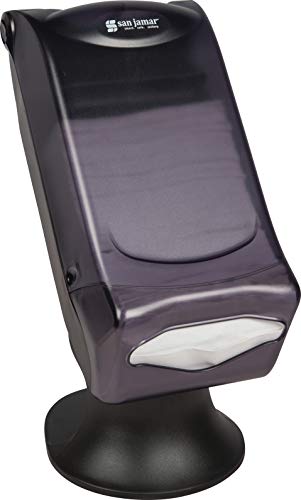
1. San Jamar Venue Tabletop Napkin Dispenser
San Jamar supplies many restaurants. The Venue is a tabletop dispenser that feeds napkins one at a time, which cuts waste on a busy bar.
Suits: a busy bar top. Strengths: controlled, one-at-a-time napkins. Weaknesses: check that it takes small cocktail napkins. Skip it if you want a decorative piece.
View San Jamar Venue Napkin Dispenser on Amazon

Best for counters with heavy traffic
2. Tork Xpressnap Tabletop Napkin Dispenser
Tork is a hygiene products brand, and Xpressnap is its napkin dispenser line used in cafes and bars. It dispenses one napkin at a time.
Suits: counters with heavy traffic. Strengths: a widely used system. Weaknesses: it may need Tork napkins, so check the listing. Skip it if you use your own napkins.
View Tork Xpressnap Dispenser on Amazon
Best for flat cocktail napkins
3. Winco Napkin Holder
Winco is a restaurant supply brand. Its napkin holders are metal frames that hold a flat stack, with a simple look that suits a casual bar.
Suits: flat cocktail napkins. Strengths: simple and washable. Weaknesses: stacks are open to the air. Skip it if you want a closed dispenser.
View Winco Napkin Holder on Amazon

Best for a bar with a set napkin size
4. Tablecraft Napkin Dispenser
Tablecraft makes tabletop serviceware for restaurants. Its napkin dispensers come in several styles, so match the model to the napkin size you use.
Suits: a bar with a set napkin size. Strengths: a maker that supplies foodservice. Weaknesses: the models differ a lot. Skip it if you cannot check the fit first.
View Tablecraft Napkin Dispenser on Amazon
Best for a minimal look
5. Update International Napkin Holder
Update International supplies restaurants with metal serviceware. Its napkin holder is a plain frame that keeps flat napkins in a neat stack.
Suits: a minimal look. Strengths: a durable, no-frills design. Weaknesses: no feed control. Skip it if you want one napkin at a time.
View Update International Napkin Holder on Amazon
Best for a high-use bar
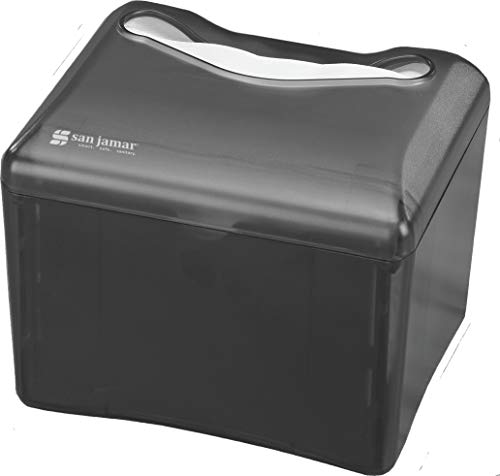
6. Carlisle Napkin Dispenser
Carlisle is a commercial foodservice brand. Its napkin dispensers are plastic tabletop units made for daily commercial use.
Suits: a high-use bar. Strengths: a commercial build. Weaknesses: plastic styling. Skip it if you want metal.
View Carlisle Napkin Dispenser on Amazon
Care and Setup
- Wipe the holder with a damp cloth and let it dry before refilling.
- Keep it away from spills and condensation so napkins stay dry.
- Refill with napkins folded to the size the holder expects.
- Place it where guests can reach it without leaning over drinks.
Mistakes to Avoid
- Buying a dispenser made for full-size napkins and using cocktail napkins.
- Putting a light plastic holder where it can tip.
- Overfilling and jamming the feed slot.
- Skipping the dimensions on the listing.
Fitting the Holder to Your Napkins
The most common mistake with napkin holders is buying one that does not fit the napkins you plan to use. Cocktail napkins come in small sizes, and they may be sold flat, folded in half or folded in quarters. Dispensers are usually designed for a particular fold, and a mismatch can lead to jams, torn napkins or napkins that spill out in a heap. Before you order, check the folded dimensions of your napkins and compare them to the holder’s stated napkin size.
Brand-specific dispensers add another wrinkle. Some systems are built around that maker’s own napkins, so the feed mechanism relies on a certain fold or paper type. If you want to choose your own napkin style, whether plain, printed or branded for an event, confirm that the dispenser accepts them. If the listing does not say, look for questions and answers from other buyers, or contact the seller.
Open frames are more forgiving because they simply hold a flat stack, but they still need to match the napkin footprint. A stack that is much smaller than the frame will slide around, while one that is too large will not sit properly. If you use more than one napkin style, an adjustable or generous frame can help. Take a measurement of a real napkin, folded the way you will use it, and keep it handy while you shop.
Dispenser or Open Frame: Which Suits Your Setup
The two styles solve different problems. A dispenser feeds one napkin at a time, so guests tend to take only what they need, which reduces waste and keeps the stack tidy. This is useful on a busy bar top where many hands reach in. A dispenser also protects napkins from drips and dust, because most of the stack is enclosed. The trade-off is that refilling and cleaning take more steps, and jammed feeds can be annoying.
An open frame holds a flat stack under a weighted bar or wire, so you can grab napkins freely. It is simple, quick to refill and easy to wipe down. It suits a home bar or a casual setting where tidiness matters less than speed and where napkins are used up quickly. The downside is that napkins are exposed, so splashes, wind and handling can make a mess, and guests may take several at once.
- Choose a dispenser if you want portion control and a neat look at a busy counter.
- Choose an open frame if you want quick refills and simple cleaning.
- Choose a weighted base if your bar is outdoors or in a drafty spot.
Think about who will use the holder. Staff in a working bar may prefer a system built for speed, while a host at a party may want something decorative. Consider your guests and how fast napkins disappear.
Placement on a Working Bar Top
Where you put the holder affects how useful it is. Napkins should be within easy reach of guests, but away from the splash zone where drinks are made and garnishes are cut. Corners, spaces between seats and the edge of the bar near service stations are common spots. Avoid putting the holder next to a sink, ice well or any area that stays wet, since moisture ruins napkins.
Consider the footprint. A bar top is valuable real estate, and a large dispenser can crowd glasses, menus and condiments. Measure the base and height, and check that it does not block sight lines between bartender and guests. If you are tight on space, a slim or vertical dispenser may fit better than a wide frame.
Stability is another factor. A holder that slides when someone pulls a napkin is frustrating, and a light one can tip on a busy night. Look for a weighted base or a non-slip underside. If the bar surface is delicate, check that the base will not scratch it, and consider a small mat beneath. At outdoor bars, wind can blow napkins away, so a frame with a bar that presses on the stack helps. Reposition and test the holder during service, and move it if it causes problems.
Materials, Finish and Cleaning Routines
Napkin holders are exposed to spills, sticky fingers and cleaning sprays, so the material makes a difference. Metal frames and dispensers, especially stainless steel, are sturdy and easy to wipe down, though some finishes can show fingerprints or scratch. Plastic holders are lighter and often cheaper, and they come in many colors, but they can stain, crack or yellow with age. Check the listing for the material and any care notes.
Look at the design for places where dirt can hide. Tight corners, seams and narrow slots can trap crumbs and sticky residue, while smooth surfaces wipe clean quickly. Dispensers with removable parts are easier to clean thoroughly. If you work in a space where sanitation matters, choose a design that you can wipe or wash with your usual cleaning products, and confirm that those products will not damage the finish.
Make cleaning part of the routine. Empty and wipe the holder regularly, dry it completely before refilling and replace napkins that have been splashed or have gone limp. Dried sugar and syrup can make dispensers sticky and cause jams. Inspect the springs, plates and hinges on dispensers for wear, and replace the unit if parts bend, rust or no longer hold the stack. A clean, well-maintained holder keeps the bar looking tidy and avoids waste.
Estimating Napkin Supply and Refills
Running out of napkins mid-service is an easy problem to avoid with a little planning. Think about how many guests you expect and how many drinks each person is likely to have. A common approach is to estimate a few napkins per guest per hour, then adjust based on your event. Outdoor gatherings and messy garnishes use more, and a quiet evening uses less. Keep a spare stack nearby so refills are quick.
Holders differ in capacity, and a smaller one will need refilling more often. If the listing gives a capacity, check what it means in practice, since napkin thickness and fold change how many fit. If you are hosting a large party, consider using two holders at opposite ends of the bar to spread traffic and reduce crowding.
- Store spare napkins in a dry place away from the bar’s splash zone.
- Refill before the stack is empty, so guests are not left without.
- Pull a few napkins out slightly in dispensers so the first ones are easy to grab.
Choose napkin quality that suits the drinks, too. Thin napkins tear when wet, while thicker ones absorb condensation better. Consider what is best for your drinks and the glass you use, and refill accordingly.
Choosing Between the Picks in This Guide, One by One
Six options is a lot to hold in your head at once, so it helps to work through the shortlist for this cocktail napkin holder guide pick by pick, using only what the reviews above already establish. Each pick below is framed the same way: who it suits, what it does best, and the limitation to accept with open eyes. Read the six in order and mark the one whose weakness bothers you least — that simple test resolves most shortlists faster than chasing an abstract idea of the single best option.
Consider the San Jamar Venue Tabletop Napkin Dispenser if its particular balance of trade-offs matches how you actually work. The guide above notes that it suits a busy bar top, and that its appeal rests on controlled, one-at-a-time napkins. Set against the other picks, that makes it the natural shortlist entry when those qualities matter more to you than all-round convenience. Its honest limitation is worth weighing just as carefully: check that it takes small cocktail napkins. Skip it if you want a decorative piece. If that limitation touches something you do every day, another pick in this guide will serve you better; if it touches something you rarely do, it is a fair price in kind for the strengths you gain. The mistake to avoid is choosing it for a use case it was never aimed at, then blaming the product for a mismatch that was visible from the start.
The Tork Xpressnap Tabletop Napkin Dispenser earns its place for a narrower reason than the headline suggests. It suits counters with heavy traffic, with a widely used system as the qualities that separate it from the rest of this list. Read it as a specialist rather than a default: when your routine lines up with what it does well, it can outperform a more general pick, and when your routine does not, its drawback — it may need Tork napkins, so check the listing. Skip it if you use your own napkins — will be the thing you notice daily. A useful test is to picture your most ordinary session, not your most ambitious one, and ask whether this is the pick you would reach for then. Ordinary sessions are where satisfaction is actually decided.
With the Winco Napkin Holder, the decision comes down to priorities. It is aimed at flat cocktail napkins, and it stands out for simple and washable. Those are real advantages, but they sit alongside a clear compromise: stacks are open to the air. Skip it if you want a closed dispenser. Compared with the neighbouring picks in this guide, it asks you to accept that compromise in exchange for doing its main job in its own way. If you have read the other reviews and found yourself nodding at this one’s strengths while shrugging at its weakness, that reaction is usually the right signal. If the weakness made you hesitate, trust the hesitation and look at the pick whose strengths match the task you found yourself defending.
Consider the Tablecraft Napkin Dispenser if its particular balance of trade-offs matches how you actually work. The guide above notes that it suits a bar with a set napkin size, and that its appeal rests on a maker that supplies foodservice. Set against the other picks, that makes it the natural shortlist entry when those qualities matter more to you than all-round convenience. Its honest limitation is worth weighing just as carefully: the models differ a lot. Skip it if you cannot check the fit first. If that limitation touches something you do every day, another pick in this guide will serve you better; if it touches something you rarely do, it is a fair price in kind for the strengths you gain. The mistake to avoid is choosing it for a use case it was never aimed at, then blaming the product for a mismatch that was visible from the start.
The Update International Napkin Holder earns its place for a narrower reason than the headline suggests. It suits a minimal look, with a durable, no-frills design as the qualities that separate it from the rest of this list. Read it as a specialist rather than a default: when your routine lines up with what it does well, it can outperform a more general pick, and when your routine does not, its drawback — no feed control. Skip it if you want one napkin at a time — will be the thing you notice daily. A useful test is to picture your most ordinary session, not your most ambitious one, and ask whether this is the pick you would reach for then. Ordinary sessions are where satisfaction is actually decided.
With the Carlisle Napkin Dispenser, the decision comes down to priorities. It is aimed at a high-use bar, and it stands out for a commercial build. Those are real advantages, but they sit alongside a clear compromise: plastic styling. Skip it if you want metal. Compared with the neighbouring picks in this guide, it asks you to accept that compromise in exchange for doing its main job in its own way. If you have read the other reviews and found yourself nodding at this one’s strengths while shrugging at its weakness, that reaction is usually the right signal. If the weakness made you hesitate, trust the hesitation and look at the pick whose strengths match the task you found yourself defending.
Setting Up a Bar Top That Guests Can Actually Use
A napkin holder earns its keep as part of a small system. Place it where drinks are set down, not where they are made: guests reach for a napkin when a glass sweats or a spill threatens, and that moment happens at the serving edge of the bar. Keep it within easy reach of the seats, stocked before anyone arrives, and paired with a small bin nearby so used napkins have somewhere to go. A holder that guests cannot find, or that is empty by the second round, has failed at its only job.
Think about the traffic pattern of your space. On a home bar cart, the holder belongs on the top tier beside the finished drinks; on a counter, near the corner where people gather. Avoid placing it behind bottles or beside the ice bucket, where reaching hands knock things over and meltwater soaks the napkins. A week of hosting will show you the natural spot — watch where guests set glasses down and where they look when something drips, and move the holder there.
Napkin Quality and Refilling Habits
The holder is only half the purchase; the napkins themselves decide how the setup feels. Thin, flimsy napkins tear when damp and force guests to take three at once, which empties the holder and litters the bar. A slightly denser napkin, folded consistently, presents neatly and does its job singly. When refilling, fan the stack lightly and avoid cramming: an overstuffed holder grips the napkins so the first pull takes five, while an underfilled one lets them slump and look tired. The sweet spot is a stack that slides as one when tugged gently.
Build refilling into your hosting rhythm. Check the holder when you refresh the ice, and keep the spare pack in the same drawer or shelf every time so restocking takes seconds. For gatherings, a second small stack near the food often prevents the bar stack from vanishing. At the end of the night, return unused napkins to the holder rather than leaving them loose; a tidy bar top the next morning is a small but real pleasure, and it keeps the napkins clean for next time.
Matching the Holder to the Setting
A family kitchen counter, a garden party and a dedicated home bar ask different things of a holder. Dispenser styles protect napkins from splashes and sticky fingers, which suits busy households and outdoor use. Open wire or weighted styles present napkins more casually and suit a styled bar where looks matter and traffic is gentle. Neither is better in the abstract; the right answer follows the setting. If children, pets or breezes are part of your hosting reality, containment wins. If the bar is a showpiece for two guests at a time, presentation can lead.
Consider the surface underneath, too. On polished wood, a holder with a smooth or padded base avoids scratches when it is dragged; on stone or tile, weight matters less because friction does the work. Outdoors, wind is the silent enemy — an open stack on a breezy patio will decorate the garden within the hour, so choose a design that shields or weights the stack. These small environmental checks, made once, prevent the daily annoyances that make people quietly stop using a holder at all.
A Slower Decision Routine Before You Order
Most disappointment with a cocktail napkin holder is not caused by a bad product; it is caused by a quick decision made on the wrong criterion. The criteria table near the top of this guide is short for a reason — those are the checks that actually predict whether you will be happy. Work through them in the order below, in writing if necessary, before you commit to any of the six picks.
Start with napkin size. The guide’s table puts it plainly: cocktail napkins are small, so the holder must fit them folded or flat. Do not treat that as a box to tick and move on. Picture it in your own space and routine — where this cocktail napkin holder will live, who else will use it, and how often. A criterion that looks minor on a product page becomes major when it is part of a daily habit, and minor daily friction is what quietly pushes a purchase into a cupboard. If a pick is weak on the criterion that matters most in your routine, that weakness outweighs several strengths elsewhere.
Start with style. The guide’s table puts it plainly: wire frames hold flat stacks; dispensers feed one at a time. Do not treat that as a box to tick and move on. Picture it in your own space and routine — where this cocktail napkin holder will live, who else will use it, and how often. A criterion that looks minor on a product page becomes major when it is part of a daily habit, and minor daily friction is what quietly pushes a purchase into a cupboard. If a pick is weak on the criterion that matters most in your routine, that weakness outweighs several strengths elsewhere.
Start with weight. The guide’s table puts it plainly: a heavy base resists wind and bumped elbows. Do not treat that as a box to tick and move on. Picture it in your own space and routine — where this cocktail napkin holder will live, who else will use it, and how often. A criterion that looks minor on a product page becomes major when it is part of a daily habit, and minor daily friction is what quietly pushes a purchase into a cupboard. If a pick is weak on the criterion that matters most in your routine, that weakness outweighs several strengths elsewhere.
Start with material. The guide’s table puts it plainly: metal and plastic clean differently and look different on a bar. Do not treat that as a box to tick and move on. Picture it in your own space and routine — where this cocktail napkin holder will live, who else will use it, and how often. A criterion that looks minor on a product page becomes major when it is part of a daily habit, and minor daily friction is what quietly pushes a purchase into a cupboard. If a pick is weak on the criterion that matters most in your routine, that weakness outweighs several strengths elsewhere.
Start with refill. The guide’s table puts it plainly: easy refilling saves time on a busy night. Do not treat that as a box to tick and move on. Picture it in your own space and routine — where this cocktail napkin holder will live, who else will use it, and how often. A criterion that looks minor on a product page becomes major when it is part of a daily habit, and minor daily friction is what quietly pushes a purchase into a cupboard. If a pick is weak on the criterion that matters most in your routine, that weakness outweighs several strengths elsewhere.
Finish the routine by re-reading the review of your leading pick one more time, looking only for reasons not to buy it. If the reasons you find are things you can genuinely live with, you have made a sound choice. If they are things you are merely hoping will not matter, keep looking — the other five picks exist precisely because no single cocktail napkin holder suits everyone.
Three Mistakes That Lead to the Wrong Choice
Placing it by the prep area
Napkins stored where drinks are made get splashed, handled with wet hands and depleted by the host rather than used by guests. The holder belongs at the serving point. If you also want napkins at the prep area, that is a second, separate stack — one holder cannot serve two stations well.
Overfilling to avoid refills
Cramming the holder makes the first napkin hard to pull and the next four come with it, which wastes more napkins than refilling ever would. A moderate stack, checked during natural pauses in hosting, works better and looks better. Refilling takes ten seconds when the spare pack lives nearby.
Ignoring the wind and splashes
An open holder beside an ice bucket or on a breezy patio loses napkins to meltwater and gusts, and soggy napkins are worse than none. Match the design to the environment: enclosed or weighted where water and wind are present, open where the bar is sheltered and calm.
Living With It: The First Month and Beyond
In the first month, treat placement as an experiment. Start where you think guests will want it, then watch. If you find used napkins accumulating at the other end of the counter, the holder is in the wrong place — move it to where the evidence points. The best position is the one guests use without thinking, and you find it by observation, not by symmetry.
Keep the holder clean in the same pass as wiping the bar. Sticky rings and dust gather around anything that sits still, and a grubby holder undermines the tidy impression it exists to create. A quick wipe when you restock, and a proper wash now and then for washable designs, keeps it looking like part of the bar rather than an afterthought.
Over time the holder becomes part of your hosting checklist: ice, glassware, garnishes, napkins stocked. That checklist is the real product. Hosts who run it automatically look relaxed because the small failures — no napkin for a spill, no bin for the used one — simply stop happening, and guests remember the ease without ever knowing why.
More Questions About Choosing and Using One
How many napkins should I put out for a gathering?
Plan generously: guests use napkins for drinks, snacks and small spills, and usage rises with food service. Fill the holder and keep a full spare pack within reach. Running out mid-evening is the only real failure; leftover napkins return to the pack and cost nothing.
Do dispensers work with any napkin size?
No — dispensers are built around a folded size, and the wrong napkin either jams or slumps. Check the fold dimensions your chosen model expects before ordering napkins in quantity. Open holders are far more forgiving of size, which is one reason they suit occasional hosts.
Where should a second holder go?
Wherever drinks migrate: a side table, the garden table, beside the snacks. Drinks rarely stay at the bar all evening, and napkins should follow them. A small second holder is cheaper than the drips on furniture that its absence invites.
How do I stop napkins blowing away outdoors?
Use a dispenser or a weighted design, place it out of the main breeze, and keep the stack modest so fewer edges catch the wind. In strong wind, bring the holder under cover and hand napkins with drinks instead — some conditions defeat any holder.
Three Readers, Three Different Right Answers
Abstract rankings matter less than fit, so consider three typical readers of this cocktail napkin holder guide and notice how the same shortlist resolves differently for each. Their situations are composites, but the reasoning is the reasoning you should apply to your own circumstances, using the reviews above as the evidence base.
The first-time buyer has never owned one and wants the fewest possible surprises. For this reader, the San Jamar Venue Tabletop Napkin Dispenser is the natural landing place: it suits a busy bar top, and its case rests on controlled, one-at-a-time napkins. Crucially, its known limitation — check that it takes small cocktail napkins. Skip it if you want a decorative piece — is one this reader is well placed to accept, because it does not collide with the use they actually have in mind. The lesson generalises: the right pick is rarely the one with the fewest weaknesses, but the one whose weaknesses fall where you will never step. Read your own situation into these three sketches, decide which reader you most resemble, and let that resemblance — not the numbering in the list — order your shortlist.
The upgrader already owns a basic version and is replacing it because one specific frustration finally outweighed the rest. For this reader, the Winco Napkin Holder is the natural landing place: it suits flat cocktail napkins, and its case rests on simple and washable. Crucially, its known limitation — stacks are open to the air. Skip it if you want a closed dispenser — is one this reader is well placed to accept, because it does not collide with the use they actually have in mind. The lesson generalises: the right pick is rarely the one with the fewest weaknesses, but the one whose weaknesses fall where you will never step. Read your own situation into these three sketches, decide which reader you most resemble, and let that resemblance — not the numbering in the list — order your shortlist.
The host or gift buyer is choosing for other people’s use, or for a household where several people will share it. For this reader, the Update International Napkin Holder is the natural landing place: it suits a minimal look, and its case rests on a durable, no-frills design. Crucially, its known limitation — no feed control. Skip it if you want one napkin at a time — is one this reader is well placed to accept, because it does not collide with the use they actually have in mind. The lesson generalises: the right pick is rarely the one with the fewest weaknesses, but the one whose weaknesses fall where you will never step. Read your own situation into these three sketches, decide which reader you most resemble, and let that resemblance — not the numbering in the list — order your shortlist.
Cocktail Napkin Holder FAQ
What size are cocktail napkins?
They are small, square napkins, often folded to a compact size. Sizes vary by brand, so compare against the holder’s stated fit.
Wire frame or dispenser?
A frame is simple and looks neat. A dispenser controls waste and keeps napkins cleaner.
Can I use these at home?
Yes. Foodservice holders work well on a home bar, and many are easy to wipe clean.
How many napkins should a bar holder hold?
That depends on the model, so check the listing. A small holder that you refill often keeps napkins fresher and looks neater than a huge one that sits half empty on the bar for days.
Should the holder be weighted?
A weighted or wide base helps, particularly outdoors or near a busy walkway. Light plastic holders can tip when a stack gets low, so look for a stable footprint and place the holder away from the edge of the bar.
Do cocktail napkin holders fit regular dinner napkins?
Often not. Cocktail napkins are smaller, and holders are sized for them. Check the stated napkin size on the listing.
Why does my dispenser keep jamming?
Napkins that do not match the fold or size the dispenser expects are a common cause. Humidity and overfilling can also contribute. Use the recommended napkin type and refill gently.
Can I wash a napkin holder in the dishwasher?
Only if the listing says it is dishwasher safe. Metal parts may rust and plastic can warp. Wiping by hand is often safer.
How do I stop napkins blowing away outdoors?
Use a weighted frame with a bar that rests on the stack, or a dispenser that encloses the napkins. Placing the holder away from the wind also helps.
Are branded napkins a good idea?
They can add a nice touch for events, but confirm that they fit your holder. Check the size and fold before ordering a large quantity.
What material is best for a busy bar?
Metal is durable and easy to clean, while plastic is lighter and comes in more colors. Choose based on how hard the holder will be used. Check the listing for details.
Should I put a holder on every bar stool section?
Not always. One or two within easy reach of guests is usually enough for a small bar. Add more at a busy or long bar.
Home Bar, Cocktail Party or Working Counter: Three Different Buyers
Napkin holders look like a minor purchase, yet the right one depends heavily on who is using it. Three buyers dominate, and each has different priorities.
The home bar owner wants something that looks good, is easy to refill and does not need commercial supplies. A simple metal frame such as the Winco or Update International style is a natural fit, because you can load any flat stack of cocktail napkins and wipe it clean in seconds. Appearance counts more than portion control when you are the only person reaching for a napkin.
The party host needs a holder that survives a crowd. Guests grab napkins with wet hands, drop them and reach across other people. A weighted frame or an enclosed dispenser helps keep the stack tidy over several hours. If the event is outdoors, wind is a factor, and open stacks are more exposed.
The working bar or cafe owner needs speed, durability and cleaning ease. A commercial dispenser such as the San Jamar or Tork style is designed for repeated use, and the one-at-a-time feed supports napkin control. In this setting, the ability to refill quickly during a rush matters as much as the look.
- Home bar: choose style, simple refilling and an easy wipe-down.
- Party host: choose a stable base and a stack that will not scatter.
- Working bar: choose a commercial feed, tough material and fast refilling.
Napkin Paper: Ply, Fold and Absorbency
The holder is only half of the system, and the napkins you load into it change how well it works. Cocktail napkins are usually sold in one, two or three plies. A single ply is thin and economical, but it tears when wet. Two-ply napkins are a common balance of cost and strength, while three-ply napkins feel more substantial and absorb condensation better.
Fold matters because dispensers expect a specific shape. Some feed napkins that are interfolded, so pulling one draws the next into position. Others hold a flat stack that you take from the top. If a dispenser is built for interfolded napkins, a standard folded stack may jam or tear. Match the napkin product to the holder’s description, and if the listing is unclear, check buyer questions before ordering a case.
Think about the drink. Cold drinks sweat, and a thin napkin turns into a soggy pad. A chunkier napkin or a bar mat may suit tall glasses, while a lighter napkin works for stemmed glasses. Printed or colored napkins can transfer dye when wet, so check for colorfastness if you serve drinks that sit on them for a long time.
Finally, store spare napkins in a dry cabinet or sealed bag. Humidity softens paper and causes jams, which is a quiet reason dispensers misbehave in a steamy kitchen or near an ice well.
Keeping the Bar Top Tidy: Pairing the Holder With Other Gear
A napkin holder rarely sits alone. It shares space with straws, stirrers, picks, coasters and condiments, and the arrangement affects how quickly guests find what they need. A common approach is to group small items by use. Napkins and straws sit near the guest side of the bar, while garnish tools and picks stay on the bartender side where hands are busy.
Consider height and sight lines. A tall dispenser placed in front of a bar rail can block your view of guests, and a low frame near the edge may be knocked over. A bar caddy or tray can hold the holder and small items together, which makes it easy to move the whole set when you wipe the counter. If you use a caddy, check that the holder’s base fits inside it.
Think about cleanup, too. At the end of the night, pick up the holder and wipe the counter underneath, because sugary spills often collect there. A non-slip pad or a thin mat keeps the holder in place and protects the bar surface. Choose items in a consistent finish if the look matters to you, since mixing black plastic with brushed metal can feel messy.
Hygiene and Practical Habits for Shared Napkins
Napkins are touched by many hands, so sensible habits keep a shared holder pleasant. Dispensers that feed one napkin at a time reduce the number of hands touching the rest of the stack, which can be a quiet advantage in busy places. Open frames let guests touch several napkins when pulling one, so refresh them more often.
Wipe the outside of the holder when you clean the counter, and empty and wash it on a schedule that matches how heavily it is used. Replace damp or stained napkins instead of leaving them in place, and avoid topping up a stack with a new pack on top of old, damp napkins. In places that serve food, follow local guidance about food-contact surfaces and cleaning products. For a personal bar at home, a weekly wipe is usually enough, but a more active setup deserves a more frequent routine.
Frequently Asked Questions
How many plies should cocktail napkins have?
Two-ply is a common balance of cost and strength, while three-ply absorbs condensation better. Single-ply is cheapest but tears when wet. Pick based on the drink and glass, and check that your holder accepts the thickness.
What is an interfolded napkin and why does it matter?
Interfolded napkins are stacked so that pulling one draws the next into position. Many dispensers are built for this, and ordinary folded stacks can jam. Check the holder listing for the fold style it expects before you buy napkins.
Can I put a napkin holder in a bar caddy?
Yes, if the base fits. Measure the holder and the caddy compartment before ordering. A caddy keeps napkins, straws and picks together and makes counter cleaning faster, but a bulky dispenser may need a separate spot.
Do printed cocktail napkins bleed color when wet?
Some can, especially with cold, sweating glasses. Look for colorfast descriptions or test one with a damp glass before a big event. Light or plain napkins are a safer choice if the glass will sit on them for a long time.
The Short Version
For one-at-a-time napkins, the San Jamar Venue. For a cafe-style system, the Tork Xpressnap. For a metal frame, the Winco. For a model choice, the Tablecraft. For a plain frame, the Update International. For commercial plastic, the Carlisle.

