A cocktail shaker set bundles the basic tools for mixing drinks at home: a shaker, a strainer, a jigger and usually a bar spoon. For a beginner, the best set is easy to use, comes with clear sizing and does not leak when you shake.
The six sets below include classic three-piece shakers, two-piece tins and complete bartender kits with recipe guidance. We have not used these products ourselves, so confirm what is in the box, the capacity and the care instructions on the current listing before buying. Any leak-proof or rust-proof claim is the maker’s own.
As an Amazon Associate we earn from qualifying purchases. Links below are affiliate links, and they do not change the product information we give.
What to Look For
| Feature | Why it matters |
|---|---|
| Style | Three-piece shakers have a built-in strainer; tins are faster but need a separate strainer |
| Material | Stainless steel is durable and easy to chill |
| Capacity | Enough room for ice plus two drinks makes shaking easier |
| Tools included | A jigger and spoon save buying them separately |
| Seal | A snug lid or tin seal keeps the drink from spraying |
In this guide
Specs at a Glance
| Set | Style | Material | Notes |
|---|---|---|---|
| OXO Good Grips Cocktail Shaker | Three-piece | Stainless steel | Measurement markings, per the maker |
| Cocktail Kingdom Koriko Shaking Tin Set | Two-piece tins | Stainless steel | Bartender favorite |
| Cresimo Cocktail Shaker Set | Kit | Stainless steel | Tools included |
| Mixology and Craft Bartender Kit | Kit | Stainless steel | Often includes a recipe guide |
| Barillio Elite Cocktail Shaker Set | Kit | Stainless steel | Bar tools bundled |
| Soing Bartender Kit | Kit | Stainless steel | Starter tool bundle |
The 6 Best Cocktail Shaker Sets for Beginners

Top pickBest for newcomers who want the simplest setup
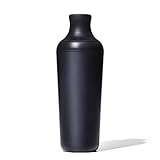
1. OXO Good Grips Cocktail Shaker
OXO is a kitchen tool brand known for comfortable grips. This stainless steel shaker is a three-piece design, so the strainer is built into the lid and you do not need a separate one.
Suits: newcomers who want the simplest setup. Strengths: an all-in-one design and an easy-to-hold body. Weaknesses: you may want to buy a jigger separately. Skip it if you want a full kit.

Best for beginners who plan to grow
2. Cocktail Kingdom Koriko Weighted Shaking Tin Set
The Koriko is the shaking tin set used in many professional bars. Two tins fit together to seal, and it takes a little practice to open them after shaking.
Suits: beginners who plan to grow. Strengths: a pro-grade tool that lasts. Weaknesses: a steeper learning curve and a separate strainer. Skip it if you want a ready-to-pour shaker.
View Cocktail Kingdom Koriko Shaking Tin Set on Amazon
Best for a home bar starter
3. Cresimo Cocktail Shaker Set
A stainless steel kit that bundles a shaker with bar tools such as a strainer and a measuring jigger. Check the listing for the exact pieces in the box.
Suits: a home bar starter. Strengths: multiple tools in one purchase. Weaknesses: contents vary between listings. Skip it if you prefer to choose each tool.
View Cresimo Cocktail Shaker Set on Amazon

Best for beginners who want guidance
4. Mixology and Craft Bartender Kit
This kit is built around a shaker and a set of bar tools, and listings often mention a recipe guide, which helps first-timers learn classics.
Suits: beginners who want guidance. Strengths: a complete starter bundle. Weaknesses: check the piece list. Skip it if you only need a shaker.

Best for gift buyers and new hosts
5. Barillio Elite Cocktail Shaker Set
A stainless kit sold with a shaker and common bar tools. It is aimed at people setting up a home bar who want everything in one box.
Suits: gift buyers and new hosts. Strengths: a bundled approach. Weaknesses: fewer details to compare. Skip it if you want a single pro-grade tool.
View Barillio Elite Cocktail Shaker Set on Amazon
Best for trying many recipes
6. Soing Bartender Kit
Another multi-piece stainless bundle that includes a shaker and accessories. It suits someone who wants to try several drink styles without buying piece by piece.
Suits: trying many recipes. Strengths: a broad starter selection. Weaknesses: pieces vary in feel. Skip it if you want premium tools.
View Soing Bartender Kit on Amazon
Care and Setup
- Rinse the shaker right after use so sugars and juices do not dry inside.
- Wash by hand, or follow the listing if it allows the dishwasher.
- Dry the parts fully before storing them to avoid spots.
- Do not leave the lid sealed when the shaker is empty and stored.
Mistakes to Avoid
- Filling the shaker to the brim, which makes it hard to seal.
- Shaking carbonated drinks, which can build pressure.
- Skipping a jigger and guessing the pours.
- Pulling a tin apart before tapping it to release the seal.
Three-Piece, Tins and Glass Hybrids
Shakers come in a few main designs, and knowing the differences helps you choose a first one. The three-piece style has a base, a lid with a built-in strainer and a cap. It is easy to use because the strainer is part of the tool, and it is less likely to leak if the lid fits well. The downsides are that the small strainer holes can clog with fruit or herbs, and the parts can stick together when cold.
Two-piece tin shakers are favored in many bars. You fill one tin, cover it with the other and seal it by tapping. They are fast and easy to clean, and they hold more. The downside is that you need a separate strainer, and it takes practice to seal and open them without spilling. Some sets combine one tin and one glass, which lets you see the drink being made, though the glass adds a risk of breakage.
For a beginner, think about how often you will make drinks and what you want to learn. A three-piece shaker is forgiving. A tin set builds skills and can be a good next step. Many people start with a three-piece and add tins later. Whichever style you choose, make sure the pieces fit together snugly. A loose seal leads to leaks, and an overly tight seal can be hard to break. Check the listing for the contents and capacity.
How to Shake a Drink, Step by Step
Start by chilling your glass with ice or placing it in the freezer. Measure your ingredients with a jigger, pouring them into the shaker base first, then add ice. Put in the ice last, which prevents dilution before you are ready. Fill the shaker about two thirds with ice, because plenty of ice chills faster and dilutes less than a few cubes.
Seal the shaker firmly and hold it with both hands, one on the top and one on the base. Shake hard and with rhythm for around fifteen seconds, until the outside is cold and frosted. Then strain the drink into your chilled glass. If you used a tin, tap the side of the tin near the seal to loosen it, and separate carefully.
Shaking suits drinks with juice, cream, egg white or syrups, because it mixes thoroughly and adds a light texture. Stirred drinks, made with spirits only, are usually stirred gently with a bar spoon in a mixing glass to keep them clear and silky. Learn both methods. Take notes on each recipe so you can adjust sweetness, sourness and dilution, and taste each drink before serving. Small changes make a noticeable difference.
Ice, Measuring and Balance
Ice is an ingredient. Large, dense cubes melt slowly, chilling a drink without watering it down. Small or wet ice melts faster and dilutes more. For shaking, use cubes that are solid and cold, and do not reuse the ice from the shaker for serving. For serving over ice, use fresh ice in the glass.
Measurement is the key to repeatable drinks. A jigger with clear markings helps you pour accurate amounts, and many recipes rely on ratios, such as a spirit, a sour and a sweetener. Begin with simple formulas and adjust to taste. Fresh citrus juice usually tastes better than bottled, and it is worth squeezing it just before shaking.
Balance comes from sweetness, acidity and strength. If a drink tastes too sharp, add a little more sweetener. If it tastes flat or too sweet, add acid. Sip, adjust and retry. Keep a small notebook of your favorite proportions. A bar spoon, a muddler and a fine strainer help you handle herbs and fruit. Fine straining removes small ice shards and pulp, giving a cleaner texture. As you gain confidence, experiment with garnishes and glassware.
What a Starter Bar Kit Should Include
Beginner kits can feel like a bargain, but the best ones contain tools you will actually use. A shaker, a jigger, a bar spoon and a strainer are the core. A muddler is helpful for mint and fruit, and an ice scoop or tongs keep your hands off the ice. Additional items such as bottle openers, pour spouts and stands are optional.
Look at the quality of each tool. A jigger should have clear measurement marks and a balanced shape. A bar spoon should be long enough to reach the bottom of your mixing glass. Strainers should fit snugly and have a spring that holds firmly. Check whether the pieces are stainless steel and whether the finish seems durable. Weak parts, such as thin handles, can bend or break with regular use.
Consider how much you need. A kit with many accessories may include items that sit in a drawer. Choose a set that matches the drinks you plan to make. If you like sours and margaritas, focus on a good shaker and jigger. If you enjoy stirred drinks, ensure you have a mixing glass and bar spoon. Look at storage too, since kits with a stand or caddy keep tools tidy but need counter space.
Cleaning, Leaks and When to Replace
A shaker handles sugary, acidic and dairy-based ingredients, so clean it right after use. Rinse with warm water, wash with mild soap and dry the parts before reassembling. Leaving citrus juice in a stainless shaker can cause spots over time. If a listing permits the dishwasher, follow its guidance, but hand washing generally keeps finishes in better shape.
Leaks often come from poor assembly or worn parts. Check that the lid sits straight, the cap is on and the tins are properly aligned. If a three-piece lid sticks, run warm water over the outside, which expands the metal slightly, and twist gently. Do not force it. Avoid shaking carbonated drinks, which can build pressure and pop the lid.
Over time, dents, bent rims or loose strainer springs can prevent a tight seal. A shaker that leaks consistently, or tins that no longer fit together, should be replaced. Rust spots on cheap steel are another sign. Replace worn rubber or silicone parts if available. Keep the tools dry and store them in a clean drawer, so they are ready when friends arrive.
Choosing Between the Picks in This Guide, One by One
Six options is a lot to hold in your head at once, so it helps to work through the shortlist for this cocktail shaker set guide pick by pick, using only what the reviews above already establish. Each pick below is framed the same way: who it suits, what it does best, and the limitation to accept with open eyes. Read the six in order and mark the one whose weakness bothers you least — that simple test resolves most shortlists faster than chasing an abstract idea of the single best option.
Consider the OXO Good Grips Cocktail Shaker if its particular balance of trade-offs matches how you actually work. The guide above notes that it suits newcomers who want the simplest setup, and that its appeal rests on an all-in-one design and an easy-to-hold body. Set against the other picks, that makes it the natural shortlist entry when those qualities matter more to you than all-round convenience. Its honest limitation is worth weighing just as carefully: you may want to buy a jigger separately. Skip it if you want a full kit. If that limitation touches something you do every day, another pick in this guide will serve you better; if it touches something you rarely do, it is a fair price in kind for the strengths you gain. The mistake to avoid is choosing it for a use case it was never aimed at, then blaming the product for a mismatch that was visible from the start.
The Cocktail Kingdom Koriko Weighted Shaking Tin Set earns its place for a narrower reason than the headline suggests. It suits beginners who plan to grow, with a pro-grade tool that lasts as the qualities that separate it from the rest of this list. Read it as a specialist rather than a default: when your routine lines up with what it does well, it can outperform a more general pick, and when your routine does not, its drawback — a steeper learning curve and a separate strainer. Skip it if you want a ready-to-pour shaker — will be the thing you notice daily. A useful test is to picture your most ordinary session, not your most ambitious one, and ask whether this is the pick you would reach for then. Ordinary sessions are where satisfaction is actually decided.
With the Cresimo Cocktail Shaker Set, the decision comes down to priorities. It is aimed at a home bar starter, and it stands out for multiple tools in one purchase. Those are real advantages, but they sit alongside a clear compromise: contents vary between listings. Skip it if you prefer to choose each tool. Compared with the neighbouring picks in this guide, it asks you to accept that compromise in exchange for doing its main job in its own way. If you have read the other reviews and found yourself nodding at this one’s strengths while shrugging at its weakness, that reaction is usually the right signal. If the weakness made you hesitate, trust the hesitation and look at the pick whose strengths match the task you found yourself defending.
Consider the Mixology and Craft Bartender Kit if its particular balance of trade-offs matches how you actually work. The guide above notes that it suits beginners who want guidance, and that its appeal rests on a complete starter bundle. Set against the other picks, that makes it the natural shortlist entry when those qualities matter more to you than all-round convenience. Its honest limitation is worth weighing just as carefully: check the piece list. Skip it if you only need a shaker. If that limitation touches something you do every day, another pick in this guide will serve you better; if it touches something you rarely do, it is a fair price in kind for the strengths you gain. The mistake to avoid is choosing it for a use case it was never aimed at, then blaming the product for a mismatch that was visible from the start.
The Barillio Elite Cocktail Shaker Set earns its place for a narrower reason than the headline suggests. It suits gift buyers and new hosts, with a bundled approach as the qualities that separate it from the rest of this list. Read it as a specialist rather than a default: when your routine lines up with what it does well, it can outperform a more general pick, and when your routine does not, its drawback — fewer details to compare. Skip it if you want a single pro-grade tool — will be the thing you notice daily. A useful test is to picture your most ordinary session, not your most ambitious one, and ask whether this is the pick you would reach for then. Ordinary sessions are where satisfaction is actually decided.
With the Soing Bartender Kit, the decision comes down to priorities. It is aimed at trying many recipes, and it stands out for a broad starter selection. Those are real advantages, but they sit alongside a clear compromise: pieces vary in feel. Skip it if you want premium tools. Compared with the neighbouring picks in this guide, it asks you to accept that compromise in exchange for doing its main job in its own way. If you have read the other reviews and found yourself nodding at this one’s strengths while shrugging at its weakness, that reaction is usually the right signal. If the weakness made you hesitate, trust the hesitation and look at the pick whose strengths match the task you found yourself defending.
Learning to Shake: Your First Month of Practice
Shaking is a physical skill with a short learning curve and a long refinement. Start with water and ice in the shaker and practise the motion — a hard, rhythmic shake driven from the shoulders, keeping the tins sealed and pointed away from guests. Ten to fifteen seconds of vigorous shaking is the working range for most drinks; the tin should frost and the sound of the ice should change as it breaks down and chills. Practising with water teaches the seal, the grip and the pour without wasting a single lime, and it reveals leaks at your kitchen sink rather than over a guest’s shoes.
Then make the same simple drink repeatedly — a daiquiri is the classic teacher — changing one variable at a time. Shake longer, shake shorter, use bigger ice, use smaller ice, and taste the difference each time. This is how bartenders develop judgement: not from reading, but from controlled repetition. Keep the recipe fixed and your notes brief. Within a dozen rounds you will hear and feel when a shake is done, and that sense transfers to every shaken drink you will ever make.
The Supporting Cast: What a Set Does and Does Not Include
A shaker set bundles the shaker with some mix of jigger, strainer, spoon, muddler and pourers, but no bundle is complete for every drink. What matters is that the pieces you use daily are good: the shaker seals, the jigger measures the volumes you actually pour, and the strainer fits the shaker’s mouth. Pieces you rarely touch can be modest. Before buying, list the drinks you intend to make in your first months and check the set against them; a set missing the one tool your favourite drink needs is worse value than a smaller set that covers it.
Two gaps appear in almost every beginner setup. The first is a fine strainer for double-straining shaken drinks that contain pulp, seeds or small ice shards — many sets omit it. The second is a reliable way to make and store good ice, which no set includes and every drink needs. Budget a little attention for both and your set will feel complete in practice, whatever its box count claims. Tools are a system, and the shaker is only its centre.
Seals, Leaks and Other Beginner Troubles
Every beginner meets the stuck or leaking shaker. Leaks usually mean the tins were not seated firmly, the seal was wet and dirty, or the shake was timid at the start when pressure is building. Seat the tins with a confident tap, shake hard immediately, and keep the seam pointed away from people until you trust it. A stuck shaker is the opposite problem and the happier one: cold contracts the metal and locks the seal. A tap on the side at the seam, or a few seconds of patience as it warms, frees it — never twist with force or pry with a knife.
Taste troubles are the other beginner staple. A drink that tastes thin was probably over-shaken with wet ice or under-measured; a drink that tastes harsh was under-diluted or built with tired citrus. Juice citrus the same day, measure with the jigger even when you feel confident, and shake with fresh, hard ice. Beginners blame recipes; the fix is almost always in ice, juice and measurement — the unglamorous trio that decides nearly every drink you will serve.
A Slower Decision Routine Before You Order
Most disappointment with a cocktail shaker set is not caused by a bad product; it is caused by a quick decision made on the wrong criterion. The criteria table near the top of this guide is short for a reason — those are the checks that actually predict whether you will be happy. Work through them in the order below, in writing if necessary, before you commit to any of the six picks.
Start with style. The guide’s table puts it plainly: three-piece shakers have a built-in strainer; tins are faster but need a separate strainer. Do not treat that as a box to tick and move on. Picture it in your own space and routine — where this cocktail shaker set will live, who else will use it, and how often. A criterion that looks minor on a product page becomes major when it is part of a daily habit, and minor daily friction is what quietly pushes a purchase into a cupboard. If a pick is weak on the criterion that matters most in your routine, that weakness outweighs several strengths elsewhere.
Start with material. The guide’s table puts it plainly: stainless steel is durable and easy to chill. Do not treat that as a box to tick and move on. Picture it in your own space and routine — where this cocktail shaker set will live, who else will use it, and how often. A criterion that looks minor on a product page becomes major when it is part of a daily habit, and minor daily friction is what quietly pushes a purchase into a cupboard. If a pick is weak on the criterion that matters most in your routine, that weakness outweighs several strengths elsewhere.
Start with capacity. The guide’s table puts it plainly: enough room for ice plus two drinks makes shaking easier. Do not treat that as a box to tick and move on. Picture it in your own space and routine — where this cocktail shaker set will live, who else will use it, and how often. A criterion that looks minor on a product page becomes major when it is part of a daily habit, and minor daily friction is what quietly pushes a purchase into a cupboard. If a pick is weak on the criterion that matters most in your routine, that weakness outweighs several strengths elsewhere.
Start with tools included. The guide’s table puts it plainly: a jigger and spoon save buying them separately. Do not treat that as a box to tick and move on. Picture it in your own space and routine — where this cocktail shaker set will live, who else will use it, and how often. A criterion that looks minor on a product page becomes major when it is part of a daily habit, and minor daily friction is what quietly pushes a purchase into a cupboard. If a pick is weak on the criterion that matters most in your routine, that weakness outweighs several strengths elsewhere.
Start with seal. The guide’s table puts it plainly: a snug lid or tin seal keeps the drink from spraying. Do not treat that as a box to tick and move on. Picture it in your own space and routine — where this cocktail shaker set will live, who else will use it, and how often. A criterion that looks minor on a product page becomes major when it is part of a daily habit, and minor daily friction is what quietly pushes a purchase into a cupboard. If a pick is weak on the criterion that matters most in your routine, that weakness outweighs several strengths elsewhere.
Finish the routine by re-reading the review of your leading pick one more time, looking only for reasons not to buy it. If the reasons you find are things you can genuinely live with, you have made a sound choice. If they are things you are merely hoping will not matter, keep looking — the other five picks exist precisely because no single cocktail shaker set suits everyone.
Three Mistakes That Lead to the Wrong Choice
Shaking drinks that should be stirred
Spirit-only drinks like martinis and Manhattans turn cloudy and over-aerated in a shaker and lose their silky texture. Shake drinks with citrus, egg white or cream; stir the rest. Knowing which is which — and owning the mixing glass for the stirred half — matters more than shaker technique itself.
Free-pouring from day one
Guessing measures feels like freedom and produces random drinks. Use the jigger until your standard drinks are consistent, because you cannot improve a recipe you cannot repeat. Accuracy first is not pedantry; it is how you learn what each ingredient contributes and what to adjust.
Letting the set live dirty
Citrus and sugar dry into a sticky film that flavours the next drink and corrodes finishes over time. Rinse everything as you go, wash properly the same evening, and dry before storing. A clean set is faster to use, better to taste from, and lasts for years instead of seasons.
Living With It: The First Month and Beyond
In the first month, keep the set assembled and visible on the counter or bar. Tools that must be fetched from a cupboard get used half as often, and practice is the whole point of the beginner stage. Make one drink well rather than five drinks approximately; a daiquiri you can produce blindfolded teaches more than a tour of the whole cocktail book.
Wash and dry the tins the same night, every time, and store them nested or apart according to the maker’s guidance — trapped moisture between tins is where odours begin. Check the strainer’s spring and the jigger’s markings occasionally; small wear is normal, but a strainer that no longer fits its tin will announce itself at the worst moment if you never test it.
By the end of a season of regular use, you will know exactly which piece of the set you would upgrade first and which you will never replace. That knowledge is the real graduation from beginner equipment: your next purchase, if any, will be targeted and small, because the set taught you your own habits.
More Questions About Choosing and Using One
How do I know when to stop shaking?
Listen and feel: the ice sound softens as it breaks down, the tin frosts and becomes almost too cold to hold, and the rhythm settles. For most citrus drinks that arrives within a dozen or so seconds of hard shaking. Taste teaches the rest — an under-shaken drink tastes warm and sharp, an over-shaken one thin.
Why did my shaker leak?
Almost always the seal: tins seated crookedly, a dirty or wet rim, or a gentle start that let pressure build unevenly. Reseat with a firm tap, shake hard from the first second, and hold the seam closed with your grip. Persistent leaks with clean, well-seated tins suggest the set itself is the problem.
Do I need both a shaker and a mixing glass?
For a full repertoire, yes — they do different jobs and neither substitutes well. If you must start with one, choose by the drinks you love: citrus drinkers start with the shaker, spirit-forward drinkers with the mixing glass. Most home bartenders end up owning both within a year.
How should a beginner choose a first drink to master?
Pick something with three or four ingredients, no special equipment beyond the set, and flavours you already enjoy. A daiquiri or a whisky sour fits perfectly. Make it repeatedly, adjust one thing at a time, and let consistency — not novelty — be the goal of the first month.
Three Readers, Three Different Right Answers
Abstract rankings matter less than fit, so consider three typical readers of this cocktail shaker set guide and notice how the same shortlist resolves differently for each. Their situations are composites, but the reasoning is the reasoning you should apply to your own circumstances, using the reviews above as the evidence base.
The first-time buyer has never owned one and wants the fewest possible surprises. For this reader, the OXO Good Grips Cocktail Shaker is the natural landing place: it suits newcomers who want the simplest setup, and its case rests on an all-in-one design and an easy-to-hold body. Crucially, its known limitation — you may want to buy a jigger separately. Skip it if you want a full kit — is one this reader is well placed to accept, because it does not collide with the use they actually have in mind. The lesson generalises: the right pick is rarely the one with the fewest weaknesses, but the one whose weaknesses fall where you will never step. Read your own situation into these three sketches, decide which reader you most resemble, and let that resemblance — not the numbering in the list — order your shortlist.
The upgrader already owns a basic version and is replacing it because one specific frustration finally outweighed the rest. For this reader, the Cresimo Cocktail Shaker Set is the natural landing place: it suits a home bar starter, and its case rests on multiple tools in one purchase. Crucially, its known limitation — contents vary between listings. Skip it if you prefer to choose each tool — is one this reader is well placed to accept, because it does not collide with the use they actually have in mind. The lesson generalises: the right pick is rarely the one with the fewest weaknesses, but the one whose weaknesses fall where you will never step. Read your own situation into these three sketches, decide which reader you most resemble, and let that resemblance — not the numbering in the list — order your shortlist.
The host or gift buyer is choosing for other people’s use, or for a household where several people will share it. For this reader, the Barillio Elite Cocktail Shaker Set is the natural landing place: it suits gift buyers and new hosts, and its case rests on a bundled approach. Crucially, its known limitation — fewer details to compare. Skip it if you want a single pro-grade tool — is one this reader is well placed to accept, because it does not collide with the use they actually have in mind. The lesson generalises: the right pick is rarely the one with the fewest weaknesses, but the one whose weaknesses fall where you will never step. Read your own situation into these three sketches, decide which reader you most resemble, and let that resemblance — not the numbering in the list — order your shortlist.
Cocktail Shaker Sets FAQ
Which shaker is easiest for a beginner?
A three-piece shaker with a built-in strainer is the easiest because everything is in one tool.
Do I need a Boston shaker?
Not at first. Tin sets are faster and favored by pros, but they take practice to open and need a separate strainer.
What else should I buy with a shaker?
A jigger for accurate pours, a bar spoon and a fine strainer cover most recipes.
How long should I shake a drink?
Shake with plenty of ice for around fifteen seconds, until the outside of the shaker is very cold. That chills and dilutes the drink to a pleasant balance.
Can I shake drinks in a regular jar?
A tightly sealing jar can work in a pinch, but it lacks a built-in strainer and may not chill as quickly. Metal conducts cold well, so a shaker is more effective.
What should I do if my shaker gets stuck?
Run warm water over the outside of the base to loosen it, then twist gently. Tapping the side of a tin can break the seal. Avoid prying with tools.
Should I shake or stir my drink?
Shake drinks with juice, cream or egg, and stir drinks made only with spirits. Shaking adds air and texture, and stirring keeps clarity. Follow the recipe.
How much ice should I use?
Fill the shaker about two thirds with ice. More ice chills faster with less dilution. Use fresh, solid cubes if possible.
Do I need a fine strainer?
It helps when you want a smooth drink without ice chips or pulp. A standard strainer is fine for many recipes. Add a fine one later if you like.
How do I measure without a jigger?
A small measuring cup or tablespoon can work, but a jigger is faster and more accurate. Consistent measures give consistent drinks.
Is it safe to put the shaker in the freezer?
Chilling an empty metal shaker is generally fine, but follow the maker's guidance. Avoid sealed liquid in the freezer, which may expand.
Building a Home Menu Around a Small Set of Recipes
A shaker set is only useful if you have drinks to make with it. Beginners often buy the gear, make one cocktail, and let the kit sit in a cabinet. A short, deliberate menu avoids that. Pick three or four recipes that use overlapping ingredients so one bottle of spirit, one citrus fruit and one sweetener cover most of them.
- A sour: Spirit, citrus juice and a sweetener. The daiquiri, whiskey sour and margarita all follow this pattern, so learning one teaches you the rest.
- A shaken fruit or herb drink: Something with muddled mint or berries gives you a reason to use the strainer properly.
- A drink with an egg white or cream: Optional, but it teaches you what a dry shake does to texture.
- A stirred drink for contrast: Not every drink goes in the shaker, and having one that does not helps you learn when shaking is the wrong move.
Once you can make those confidently, adding a new drink is mostly a matter of swapping one ingredient. That is a better use of a first month than buying ten bottles you will only open once.
Why Citrus and Sugar Are the Real Skill
Most beginner disappointment comes from imbalance, not from technique. A drink that tastes flat or harsh usually has the wrong ratio of sweet to sour, and no shaker design fixes that. Three habits help a great deal.
First, squeeze citrus fresh, close to when you mix. Bottled juice tends to taste dull and sometimes bitter next to freshly squeezed. Second, make a simple syrup at home by dissolving sugar in warm water. It mixes into cold drinks more evenly than granulated sugar and keeps for a couple of weeks in the refrigerator. Third, taste before you serve. A small spoon or a straw dipped in the finished drink lets you adjust before you commit.
When something tastes off, change one thing at a time. Too sharp means a touch more sweetener. Too sweet means a squeeze more citrus. Too strong means a little more dilution, which usually comes from shaking slightly longer or using more ice. Writing down the version you liked turns a lucky drink into a repeatable one.
Garnishes and Glassware That Make a Difference
Presentation is cheap to improve and changes how a drink feels. You do not need a full glass collection to start.
- One versatile glass: A short rocks glass handles drinks served over ice. A stemmed coupe or small wine glass covers drinks served without ice.
- Chill the glass: A few minutes in the freezer, or filling it with ice water while you shake, keeps a drink colder for longer.
- Fresh citrus peel: A twist of peel expressed over the surface adds aroma that no ingredient can supply. A basic peeler works well.
- Good ice: Larger, clear-ish cubes melt more slowly in the glass. Small, wet ice thins a drink quickly.
Skip the novelty garnishes at first. A single well-cut lime wheel or a clean citrus twist looks better than a crowded rim of decorations, and it costs almost nothing.
Hosting With a Shaker Without Losing the Party
Shaking drinks one at a time for a crowd is tiring and keeps you away from your guests. A few shortcuts let a beginner serve more people with less effort.
Batch the base ahead of time. For a sour, you can combine the spirit, syrup and juice in a pitcher in the right proportions, refrigerate it, then shake individual portions over ice when guests arrive. Fresh citrus is best used the same day, so squeeze it within a few hours of serving. Keep ice in a cooler or insulated bucket within reach so you are not running to the freezer between rounds.
Also decide in advance how many drinks you will offer. Two options is plenty for a casual evening. It keeps your shopping list short, your counter organized, and your attention on conversation instead of on a bar menu that grew too large.
Finally, set up a small station: shaker, strainer, jigger, spoon, a towel and a bowl for spent citrus. Having everything in one place makes each drink faster and makes cleanup at the end of the night far less of a chore.
Common first-month stumbles
Three problems come up again and again. The first is overfilling the shaker, which leaves no room for the ice to move and makes the drink poorly chilled and prone to leaking. Fill it no more than about two-thirds. The second is skipping the measure and pouring by eye, which makes it impossible to repeat a good drink. A jigger fixes that for a few dollars. The third is using warm or half-melted ice, which dilutes the drink before it is cold. Keep ice in the freezer until the moment you need it, and discard the water that collects at the bottom of the bucket during an evening.
Frequently Asked Questions
What is a dry shake in a cocktail shaker?
A dry shake means shaking the drink without ice first, usually when the recipe contains egg white or cream. It helps the proteins foam. You then add ice and shake again to chill the drink before straining. It is optional and only used for certain recipes.
How long does homemade simple syrup last?
Equal parts sugar and water, stored in a clean sealed container in the refrigerator, generally stays good for about two weeks. Discard it if it looks cloudy or smells off. A small splash of vodka is sometimes added by home bartenders to extend its life.
Why does my cocktail taste watery?
Usually the ice was too small or wet, or the drink was shaken too long, so it melted more than intended. Use fresh, hard ice from the freezer, measure your ingredients, and shake just until the outside of the shaker feels very cold.
Can I make cocktails ahead of time for a party?
You can pre-mix spirits and syrup, and keep the batch chilled. Add fresh citrus and shake with ice close to serving, because lime and lemon juice lose brightness within hours. Drinks with egg white or dairy are best made to order.
The Short Version
For the simplest shaker, the OXO. For a pro tin set, the Koriko. For a kit with tools, the Cresimo. For recipe guidance, the Mixology and Craft. For a gift bundle, the Barillio. For a broad starter selection, the Soing.

