A commercial coffee maker needs to brew large pots, hold temperature and stand up to daily use. That can mean a foodservice pourover, or a high-capacity drip machine with a durable carafe.
The six makers below include a foodservice staple and consumer machines trusted for volume. Each has a different strength, from thermal carafes to programmable timers, and we point out who should skip it. We have not used these products ourselves, so please confirm sizes, materials and what is included on the current listing before buying.
As an Amazon Associate we earn from qualifying purchases. Links below are affiliate links, and they do not change the product information we give.
What to Look For
| Feature | Why it matters |
|---|---|
| Carafe | Thermal carafes hold heat without a hot plate; glass is easy to see through |
| Capacity | Large pots reduce refill trips during rushes |
| Programming | A timer starts a pot before people arrive |
| Build | Stainless parts and sturdy baskets last longer |
In this guide
Specs at a Glance
| Product | Type | Best for | Notes |
|---|---|---|---|
| Bunn VP17-1 | Pourover foodservice | Restaurants and offices | Hand-filled; warming plates |
| Zojirushi Fresh Brew Plus | Thermal drip | Offices | Thermal carafe; 12 cups |
| Breville Precision Brewer | Home drip | Dialed-in pots | Adjustable brew settings |
| Behmor Brazen Plus | Home drip | Temperature fans | Adjustable temperature |
| Ninja Programmable XL 14-Cup | Home drip | Larger groups | Programmable; glass carafe |
| Hamilton Beach FlexBrew | Home dual brewer | Mixed pod and pot use | Pod and carafe |
The 6 Best Commercial Coffee Makers

Top pickBest for restaurants and break rooms
1. Bunn VP17-1 Pourover Commercial Coffee Maker
A foodservice pourover maker with a warming plate for glass decanters, designed for restaurant use. You pour water in by hand. Check the current listing for the exact size and what is included before you order.
Suits: restaurants and break rooms. Strengths: a restaurant-grade build. Weaknesses: no thermal carafe. Skip it if you want an automatic fill.

Best for offices that sip slowly
2. Zojirushi Fresh Brew Plus 12-Cup Coffee Maker (EC-YTC100)
A stainless steel drip machine with a thermal carafe, so the pot stays hot without a heating plate. The brand has a strong record in thermal products. Check the current listing for the exact size and what is included before you order.
Suits: offices that sip slowly. Strengths: good heat retention in the carafe. Weaknesses: carafe is bulkier to pour. Skip it if you want a glass carafe.
View Zojirushi Fresh Brew Plus on Amazon
Best for coffee enthusiasts
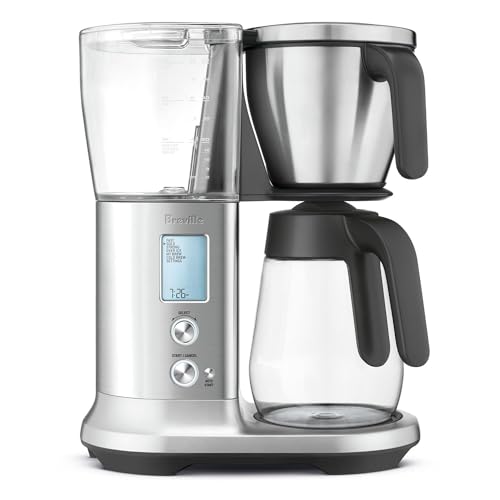
3. Breville Precision Brewer Coffee Maker
A programmable drip maker with adjustable settings for temperature and flow, plus a thermal carafe option in the box. Check the current listing for the exact size and what is included before you order.
Suits: coffee enthusiasts. Strengths: customizable brew settings. Weaknesses: more controls than casual users need. Skip it if you want one button.

Best for temperature-minded brewers
4. Behmor Brazen Plus Coffee Maker
A drip brewer with adjustable water temperature and a pre-infusion option, built for people who want control over the cup. Check the current listing for the exact size and what is included before you order.
Suits: temperature-minded brewers. Strengths: adjustable brewing temperature. Weaknesses: a smaller user base than big brands. Skip it if you want a name everyone knows.
View Behmor Brazen Plus on Amazon
Best for larger groups
5. Ninja Programmable XL 14-Cup Coffee Maker
A large 14-cup drip machine with a programmable timer and a glass carafe, aimed at households and small offices that brew big pots. Check the current listing for the exact size and what is included before you order.
Suits: larger groups. Strengths: big pots at a friendly price tier. Weaknesses: a glass carafe cools on its plate. Skip it if you need all-day heat retention.
View Ninja Programmable XL 14-Cup on Amazon
Best for mixed preferences
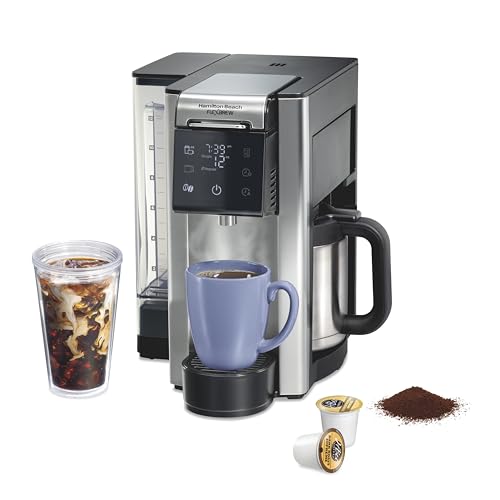
6. Hamilton Beach FlexBrew Trio Coffee Maker
A dual-brew machine that makes either a full pot or a single cup, so mixed preferences can share one machine. Check the current listing for the exact size and what is included before you order.
Suits: mixed preferences. Strengths: pot and single-serve in one. Weaknesses: a larger footprint than single-purpose units. Skip it if you want a heavy-duty maker.

Care and Setup
- Wipe the basket and carafe after each pot.
- Descale on a regular schedule.
- Replace paper filters with the correct size.
- Let the machine cool before moving it.
Mistakes to Avoid
- Overfilling the basket.
- Ignoring the hot plate wear on glass carafes.
- Choosing capacity without checking counter height.
- Skipping descaling.
Sizing a Pot to Your Crowd
Cup sizes on coffee makers are not the cups people actually drink from. Makers often count a cup as a small serving, which means a machine rated at a dozen cups may yield fewer full mugs than the number suggests. Before buying, read the listing to see how the cup is defined, and think in terms of the mugs you really use.
Count how many people will drink from a pot and when. An office with a steady trickle of drinkers across the morning needs a pot that stays hot, while an event or meeting needs a large batch ready at once. If your crowd arrives in waves, a machine that brews quickly and can be started again right away beats one with a very large single pot.
Also think about how much freshness matters. Coffee left sitting loses quality, so brewing two smaller pots can beat one big pot that sits for hours. If your group varies, a maker with a half-batch setting or a smaller-brew option helps avoid waste. Remember that machines often need a minimum amount of water to brew well, so check the manual before running very small batches.
Keeping Coffee Hot: Heat Retention Compared
How a pot holds temperature is one of the biggest differences between coffee makers. There are two main approaches, and each has trade-offs.
- Warming plate with a glass carafe: the plate keeps the pot hot as long as the machine is on. It lets you see the level, but the coffee keeps cooking and can taste stewed or bitter after a while. It also uses power the whole time.
- Thermal carafe: an insulated steel pot keeps coffee warm without a heating element. It tends to preserve flavor better over a long period, but you cannot see inside, and it can be bulkier to pour.
Foodservice setups often use hot plates under decanters because turnover is fast and the coffee does not sit long. For offices where people sip all morning, a thermal pot is usually the better fit. If you choose glass, plan to brew in smaller batches and consider whether an auto shut-off feature is available, since that adds safety and saves energy.
Whatever you pick, treat any claims about how long coffee stays hot as something to confirm with the maker, since results depend on the room, the preheat and how full the pot is.
Brew Controls That Affect the Cup
Many coffee makers have a handful of controls, and some of them genuinely change the cup. Water temperature during brewing, the time the water spends in contact with the grounds, and how evenly water reaches the coffee all affect extraction. A maker that heats water properly and spreads it evenly across the bed generally gives a more consistent, balanced cup than one that pours a narrow stream onto the center.
Features worth understanding include a pre-infusion or bloom step that wets the grounds first, adjustable temperature, a showerhead-style spray, and a strength or bold setting that slows the brew. These can help enthusiasts fine-tune results, but they are optional. Casual users may prefer a simple one-button brewer and will get good results by focusing on fresh beans, a clean machine and correct measuring instead.
Programmable timers are handy for starting a pot before people arrive, but only if the water and grounds are loaded the night before. Check the listing for how the timer behaves after a power cut and whether the clock needs resetting. Remember that no feature rescues stale coffee, so storage and measurement matter as much as any setting.
Coffee-to-Water Ratio and Grind for Large Batches
Big pots are where bad habits show. A common mistake is to scoop by eye, which swings strength widely from batch to batch. Use a scale or a consistent scoop and adopt a ratio you like, then adjust slightly to taste. Many people start from the ratio suggested in the machine’s manual and tweak from there.
Grind size should suit the basket. A medium grind generally works for flat-bottom baskets, while a finer or coarser grind can cause trouble: too fine and water backs up or overflows the basket, too coarse and the cup tastes weak and sour. Grind fresh if you can, because ground coffee goes stale faster than whole beans.
Do not overfill the basket, and keep the paper filter seated flat so grounds cannot slip around its edge. Use the filter size the machine specifies. If you brew large batches, check that the basket does not overflow at full capacity, and consider splitting grounds across two brews if a single load crowds the basket. Water quality matters as well: heavily mineral or chlorinated water can change taste, so filtered water may help.
Daily Cleaning and Descaling Routine
A maker that runs every day builds up oils and scale quickly, and both affect taste and performance. A simple routine keeps things in order.
- After each pot, discard the grounds, rinse the basket and wash the carafe with mild soap.
- Wipe the warming plate and exterior once it has cooled, and leave the lid open so moisture escapes.
- Descale on the schedule in the manual, using the descaling method the maker recommends.
- Run a couple of plain water cycles after descaling to clear any residue.
- Check seals, spray heads and carafe lids for coffee film, which can turn bitter.
Signs the machine needs attention include slow brewing, loud gurgling, a weak cup despite correct measuring, or water that does not get hot. A stained or cracked glass carafe should be replaced rather than used, and a thermal carafe with a dented lining or loose lid may no longer hold heat. If repairs keep returning or replacement parts are hard to find, it may be time to replace the machine.
Commercial Coffee Maker FAQ
What makes a coffee maker commercial?
Foodservice units are built for constant use and often have a hot water tank. Consumer machines can still serve small offices.
Thermal or glass carafe?
Thermal keeps coffee hot without a heating plate. Glass lets you see the level.
How big a pot do I need?
Check the listing for cup size and count a cup as a small serving.
Does a thermal carafe change how coffee tastes over time?
A thermal carafe avoids the continued heating of a hot plate, so coffee tends to hold its flavor better while it sits. It does not improve old coffee, so brew only what will be drunk within a reasonable time.
How much coffee should I use per pot?
Start with the ratio in the maker's manual and adjust to taste. Weighing the coffee gives more consistent results than scooping. Keep the ratio steady across batches.
Why does my coffee taste bitter from a hot plate?
Coffee left on a hot plate keeps cooking, which can make it taste stewed. Brewing smaller batches or using a thermal carafe can help. Do not leave glass carafes heating for hours.
How often should I descale?
Follow the schedule in the manual, and descale sooner if you have hard water or notice slower brewing. Always rinse the machine thoroughly afterward.
Can I brew a half pot?
Many machines can, but some need a minimum amount of water to brew properly. Check the manual before running small batches, and measure the coffee to match.
What grind should I use for a drip machine?
A medium grind suits most flat-bottom baskets. Too fine can clog or overflow the basket, and too coarse can make a weak, sour cup. Check the maker's guidance for your basket type.
How do I know if the machine is large enough for my office?
Count how many people drink coffee and when, then compare that with the pot's real mug yield rather than the cup rating. If everyone arrives at once, consider a second pot or faster rebrew.
Power, Outlets and Counter Space: The Unglamorous Limits
Before comparing brew features, check what your location can physically support. A typical household drip machine plugs into a standard outlet and draws a significant share of a circuit’s capacity while heating water. If the same circuit also feeds a microwave, toaster or electric kettle, you can trip a breaker when two appliances run at once. In an office kitchen, find out which outlets share a circuit and consider placing the coffee maker on one that is not shared with heavy appliances. Larger foodservice equipment, including some urns and high-volume brewers, may need dedicated circuits or plumbing connections, so check the electrical details in each listing and have a licensed electrician advise on any installation.
Counter space and clearance are just as important. Measure the width, depth and height of the machine, then measure the gap beneath your upper cabinets. Many drip makers need room above the basket to lift the lid and to fit a carafe in and out, and steam rises from the brew area, which can damage cabinet undersides over time. Leave space on all sides for airflow, and keep the cord away from the hot surfaces and sinks.
Think about where water comes from. A machine that needs to be filled by hand requires access to a sink and a pitcher, and a large reservoir weighs a lot when full. If you are brewing many pots a day, carrying water becomes a chore, and a machine with a plumbed connection or a large tank may suit better. Pour-over foodservice units are filled by hand, so consider whether your staff will tolerate that during a rush.
Safety around heat and cords
- Place the machine on a flat, stable surface away from the counter edge.
- Do not use an extension cord unless the maker allows it and it is rated for the load.
- Keep hot plates clear of paper, towels and plastic.
- Unplug the machine if it is not in use for a long period.
Cost of Ownership: Filters, Water and Parts
The price on the listing is only the start. A machine that brews all day uses paper filters, replacement carafes, descaling products and sometimes water filter cartridges. Paper filters are cheap individually but add up in volume, and the correct size depends on the basket. Reusable metal or cloth filters cut the recurring cost, though they let more fine particles into the cup and need cleaning after each pot.
Carafes are the most commonly broken part. A glass carafe can crack from a knock or from sudden temperature changes, and a thermal carafe can lose its insulation if dented or dropped. Before you buy, look up the replacement cost of the carafe and whether the maker sells it separately. A machine whose parts are discontinued or expensive can become a throwaway item when a single piece fails.
Water quality affects both taste and machine life. Hard water leaves scale on heating elements and tubing, which slows brewing and eventually damages the machine, so descaling is more frequent in hard water areas. A water filter pitcher or a filter fitted to the water line reduces scale and removes some chlorine taste. If your building has strong mineral content, factor in the cost of filtration or more frequent descaling.
Warranty and service matter in a commercial setting. Read the warranty terms in the listing, since some makers limit coverage when a consumer model is used in a business. If the machine will run in an office or cafe, check whether the maker supports commercial use and what happens if it fails. A backup plan, such as a second small brewer or a stock of airpots, keeps service going when equipment is being repaired.
Serving Setups: Airpots, Urns and Stations
Brewing is only half of the job. How you hold and serve the coffee decides whether it tastes good an hour later. Airpots are insulated pump-top containers that hold coffee hot without a heating plate and let people dispense with one push. They suit meetings, breakfast tables and break rooms where several people take coffee at once. Make sure the brewer’s outlet height and the airpot’s size match, because some pots do not fit under every machine.
Urns are large vessels designed to brew and hold many cups for events. They are efficient for crowds but slow to heat and need space, and the coffee can sit long enough to lose its quality if not managed. If your use is occasional, an urn may not justify the storage space.
Build a station that supports your pattern. A tidy corner with a tray for cups, lids, stir sticks and sweeteners reduces mess and keeps the machine free from spills. Label which pot is regular and which is decaf, and keep a visible note of when the pot was brewed so nobody drinks a stale one. For offices, a simple routine for who refills water and who washes the carafe prevents the machine from becoming a source of friction.
- Match airpot or carafe size to the volume you expect per hour.
- Keep a spare carafe so there is always a clean one ready.
- Place the station where traffic does not block the entry.
- Write brew times on a small label and discard old coffee.
Choosing Beans and Storage for Volume Brewing
Volume brewing uses a lot of coffee, so storage and purchasing matter. Whole beans keep their flavor longer than pre-ground, and a grinder lets you match the grind to the basket. For high usage, buy in amounts you will finish within a few weeks rather than stockpiling, because roasted coffee fades after opening. Keep it in an airtight container away from heat, light and moisture, and avoid storing it in the refrigerator where it can absorb odors.
Choose a roast and blend that suits the crowd. Medium roasts are a common middle ground for offices, while very dark or very light roasts divide opinion. A standard blend with some tolerance for slightly longer holding times is more forgiving than a delicate single origin. If you serve a mixed group, keep a decaf option clearly marked and brew it in a separate pot.
Frequently Asked Questions
Can a home coffee maker handle office use?
A consumer machine can serve a small office if the pots are not constant, but heavy daily use may wear it out faster than a commercial unit. Check the maker’s warranty for business use, keep spare parts on hand, and consider a larger or foodservice model for steady demand.
Is an airpot better than a thermal carafe?
Airpots are convenient for self-serve because you press a pump to dispense, and they hold heat well. Thermal carafes pour like a normal pitcher and are easier to clean. Choose by how your group serves itself and whether the container fits under your brewer.
Should I use a reusable filter in a large coffee maker?
You can, and it saves money on paper filters. Metal filters let more fine particles and oils into the cup, which changes the taste. They need rinsing after each pot, and you should make sure the basket does not overflow at full load.
How do I stop a coffee maker from tripping the breaker?
Plug it into a circuit that is not shared with other heating appliances, such as a microwave or toaster. Avoid extension cords. If the breaker still trips, have a licensed electrician check the circuit, and compare the machine’s wattage with the circuit’s capacity.
Matching a Commercial coffee maker to the Way You Actually Work
Plenty of guides stop at listing features, but choosing a commercial coffee maker well means matching it to the rhythm of your cafe, office or busy home. The picks above were selected for different kinds of users, and the differences between them matter most once the equipment is part of a daily routine rather than a novelty. This section walks through the situations these products actually live in, so you can place your own needs alongside them and see which end of the list deserves your closest attention.
Picture a small restaurant or cafe, where a full pot must be ready before the doors open and a second pot brewing before the first runs dry. It also helps to picture the unglamorous moments: refilling, wiping down, emptying, and explaining the process to someone new. A choice that makes those small tasks quick and obvious will be used properly far more often than one that depends on everyone remembering a long list of exceptions. When you read the reviews above with that picture in mind, the right shortlist usually becomes obvious: look for the pick whose strengths line up with the busiest, least forgiving version of your routine, not the quietest one.
Picture an office kitchen, where the pot is filled by whoever arrives first and judged by everyone, so a forgiving, repeatable routine matters most. Space shapes behaviour as much as features do. If people have to move things out of the way before they can start, they will start skipping steps, and the results will drift. Leave clear room for the supplies that belong with the task and for the finished result to land without blocking the next person. When you read the reviews above with that picture in mind, the right shortlist usually becomes obvious: look for the pick whose strengths line up with the busiest, least forgiving version of your routine, not the quietest one.
Picture a large household or shared house, where weekend mornings can look like a small cafe and the maker is judged on capacity as much as flavour. When demand arrives in a rush rather than a trickle, the gap between a well-matched choice and a merely adequate one becomes obvious, because there is no spare minute to work around an awkward routine. Think about who is standing in front of the equipment at that moment, how much guidance they have had, and what happens to the line of people waiting behind them. When you read the reviews above with that picture in mind, the right shortlist usually becomes obvious: look for the pick whose strengths line up with the busiest, least forgiving version of your routine, not the quietest one.
How the Picks Compare in Day-to-Day Use
Specifications only tell half the story with commercial coffee makers. The other half is emphasis: each pick in this guide leans in a different direction, and the reviews above describe those leanings in terms of who each one suits. The comparisons below draw only on those stated strengths, and they are meant to help you choose between neighbouring picks on the list rather than to crown an overall winner.
Set the Bunn VP17-1 beside the Zojirushi Fresh Brew Plus and the trade-off is one of emphasis. The guide above puts the Bunn VP17-1 forward for a restaurant workhorse, while the Zojirushi Fresh Brew Plus is the one it highlights for a thermal carafe pot. If your routine matches the first description, the Bunn VP17-1 will feel like the natural fit from the first week; if the second sounds more like your cafe, office or busy home, start with the Zojirushi Fresh Brew Plus instead. Also weigh what happens on the second and third use of the day, not just the first. Heat, residue, and simple fatigue all change the picture, and the option that stays consistent across repeated use is usually the one people end up recommending to each other. Read the two full reviews above back to back with your own routine in mind, and note which review’s cautions sound like problems you would actually meet.
Set the Breville Precision Brewer beside the Behmor Brazen Plus and the trade-off is one of emphasis. The guide above puts the Breville Precision Brewer forward for adjustable brewing, while the Behmor Brazen Plus is the one it highlights for adjustable temperature. If your routine matches the first description, the Breville Precision Brewer will feel like the natural fit from the first week; if the second sounds more like your cafe, office or busy home, start with the Behmor Brazen Plus instead. Neither direction is wrong in the abstract. The right answer depends on whether your priority is speed, control, simplicity, or the lowest possible burden on whoever tidies up afterwards, and it is worth naming that priority honestly before you decide. Read the two full reviews above back to back with your own routine in mind, and note which review’s cautions sound like problems you would actually meet.
Set the Ninja Programmable XL 14-Cup beside the Hamilton Beach FlexBrew and the trade-off is one of emphasis. The guide above puts the Ninja Programmable XL 14-Cup forward for a big household pot, while the Hamilton Beach FlexBrew is the one it highlights for pot or single cup. If your routine matches the first description, the Ninja Programmable XL 14-Cup will feel like the natural fit from the first week; if the second sounds more like your cafe, office or busy home, start with the Hamilton Beach FlexBrew instead. In practice, the deciding factor is rarely a single headline feature. It is the accumulation of small things: how intuitive the controls feel to a first-time user, how forgiving the process is when supplies vary, and how much attention the cleanup demands at the end of a long day. Read the two full reviews above back to back with your own routine in mind, and note which review’s cautions sound like problems you would actually meet.
One final filter applies across the whole list: support and consumables. Whichever commercial coffee maker you choose, you will live with its supplies, its cleaning routine and its maker’s support for years. A pick that is slightly less exciting but easy to feed, clean and get help with will usually make its owner happier than a more dramatic choice that fights the routine at every step.
Setup and a Routine That Gets Consistent Results
Good results with a commercial coffee maker are mostly a matter of routine. The steps below describe a sensible order of work that applies whichever pick from this guide you end up with; adapt the details to your manual, but keep the order, because each step sets up the next.
Step: Start with a clean carafe and a fresh filter, rinsed if the maker suggests it. If more than one person will be doing this, agree on one shared way of handling this step and write it down where the work happens. Consistency between operators matters more than any individual’s personal twist on the technique. Done consistently, this step stops being something you think about and becomes simply how the job is done in your cafe, office or busy home, which is exactly where reliable results come from.
Step: Measure the coffee the same way every time instead of guessing by eye. Notice what a good result looks like at this stage and use it as your reference next time. Building that mental picture is how beginners become reliable, and it is the fastest way to spot when something has changed and needs attention. Done consistently, this step stops being something you think about and becomes simply how the job is done in your cafe, office or busy home, which is exactly where reliable results come from.
Step: Use fresh, cold water and fill to the level the batch actually needs. Take a moment at this stage rather than rushing, because small shortcuts early on tend to surface later as inconsistent results that are hard to diagnose. If something looks or feels off, it is far easier to correct it now than after the process is fully under way. Done consistently, this step stops being something you think about and becomes simply how the job is done in your cafe, office or busy home, which is exactly where reliable results come from.
Step: Let the brew finish completely before pouring the first cup. This is also the point where a simple habit pays off: keep the supplies for this step in one place, in the order you use them. Fumbling around mid-task is how mistakes creep in and how a routine that should feel easy starts to feel like a chore. Done consistently, this step stops being something you think about and becomes simply how the job is done in your cafe, office or busy home, which is exactly where reliable results come from.
Step: Move coffee that will sit for a while into a thermal carafe rather than leaving it on a hot plate. If more than one person will be doing this, agree on one shared way of handling this step and write it down where the work happens. Consistency between operators matters more than any individual’s personal twist on the technique. Done consistently, this step stops being something you think about and becomes simply how the job is done in your cafe, office or busy home, which is exactly where reliable results come from.
Cleaning, Care and Making It Last
Care is where the lifespan of a commercial coffee maker is decided. None of the tasks below is difficult, but all of them are easy to postpone, and postponement is what turns a good purchase into a disappointing one.
Wash the carafe and basket daily, because old coffee oils turn rancid and flavour the next pot. Build the routine into the end of the session rather than treating it as a separate job. When wiping down, emptying, and checking for wear become the natural final steps, they actually happen; when they rely on someone remembering later, they quietly stop happening.
Descale regularly, especially where the water is hard, and wipe the hot plate and exterior. Keep a small stock of the consumables the routine depends on, stored with the equipment itself. Running out of the right cleaning supply is the most common reason a good routine collapses, and it usually collapses at the busiest possible moment.
Replace worn seals and check the spray head for blockages if the brew slows down. Cleaning little and often beats the occasional heroic deep clean, both for hygiene and for the life of the equipment. Residue that is removed while it is fresh comes away easily; left for days, it hardens, flavours linger where they are not wanted, and parts begin to wear or stick.
As for the supplies that support all of this, keep them together and keep them stocked: filters that match the basket, fresh coffee, ground for drip brewing, a scoop or scale so the dose stays consistent, a spare carafe or thermal jug, descaler suited to the machine. Having the right supplies within reach is what turns good intentions about care and consistency into a routine that survives busy weeks.
Troubleshooting Common Problems
Most problems with commercial coffee makers announce themselves gradually and have ordinary causes. Work through the relevant entry below before concluding that anything is broken.
The coffee tastes bitter or stewed
Bitterness usually means the coffee sat too long on heat, the dose was too high, or the water was too hot for too long. Brew the amount you will actually drink, move it off the hot plate into a thermal carafe, and make sure the maker and carafe were clean before you started. When a problem keeps returning after the basics are covered, stop forcing the equipment and contact the maker or a qualified service provider. Continuing to run something that is struggling tends to turn a small, fixable issue into a larger and more expensive one.
Brewing has slowed down or the basket overflows
A slow brew is most often scale in the water path or a filter and grind combination that is choking the flow. Descale first, then check that you are using the filter type the basket expects and a grind suited to drip brewing rather than a fine espresso grind. Start with the simplest explanations before assuming a fault. Check that everything is seated, filled, emptied, and connected as it should be, and run the standard cleaning or reset routine the manual describes, because a large share of everyday problems trace back to a skipped basic rather than a broken part.
The pot tastes different every day
Inconsistency in drip coffee is almost always measurement. Different people scooping by eye, topping up water, or reusing yesterday’s grounds will produce a different pot every time. Agree on one measure for coffee and water, write it on a card near the maker, and the problem usually disappears. If the problem appeared suddenly, think about what changed: new supplies, a different operator, a moved machine, or a cleaning step that was rushed. Reversing the most recent change is often the quickest diagnostic you have, and it costs nothing to try.
Planning Mistakes Worth Avoiding
Finally, a few patterns account for most of the disappointment people report with commercial coffee makers. They are all avoidable, and none of them requires spending more money.
Choosing on the headline feature alone. The feature that dominates a product listing is not always the one that decides daily satisfaction. Decide which two or three jobs the equipment must do well every single day, and judge every candidate against those jobs first. Features outside that list are bonuses, not reasons to buy.
Skipping the unglamorous setup checks. Many disappointments blamed on a product actually begin before it is ever switched on or used: the space was never measured, the supporting supplies were never bought, or the surface, power, or water it depends on was never checked. Ten minutes of checking beforehand prevents weeks of working around a poor fit.
Letting the cleaning routine slide. Almost every piece of equipment in this guide performs well when it is clean and drifts when it is not. If the honest truth is that nobody will maintain a complicated routine, choose the option whose upkeep is simplest, because a modest choice that is cared for will outlast and outperform a premium one that is neglected.
Buying for the biggest imaginable day. Sizing for the single busiest event of the year leaves you with equipment that is oversized, awkward, or underused the rest of the time. Size for the busy end of normal, and have a simple plan — a second smaller unit, a borrowed backup, or a adjusted menu or routine — for the rare exceptional day.
Never writing the routine down. In any setting with more than one user, unwritten routines drift within weeks. A short, plain list of the agreed steps, kept where the work happens, keeps results consistent, makes training new people painless, and makes troubleshooting far easier because everyone is working from the same baseline.
More Questions About Owning One
The main FAQ above covers the most common questions about this category. The answers below go a step further into ownership: the decisions and habits that matter once your commercial coffee maker is actually in use.
How long should it last with regular care?
There is no single honest answer, because lifespan depends far more on use and upkeep than on the badge on the front. Equipment that is cleaned on schedule, used within the workload it was designed for, and stored sensibly will generally serve for years, while the same equipment run hard and cleaned rarely will show wear quickly. Treat the care routine in the manual as part of the purchase: if you follow it, you are giving the equipment its best chance, and if a part does wear, check whether it can be replaced before replacing the whole unit.
What should I double-check before ordering?
Confirm the physical size against the space you actually have, including room to open, fill, empty, and clean it, and confirm exactly what is included in the box, because accessories shown in photos are not always supplied. Check any compatibility requirements that apply to your situation, such as the supplies it uses or the fittings it expects, and read the current listing rather than relying on an older description. Finally, confirm the returns position in case the fit is wrong, since size and workflow mismatches are the most common reason equipment like this goes back.
Is bigger always better?
Rarely. A larger option brings capacity you may use only occasionally, and it usually costs you counter or storage space every day, takes longer to clean, and can be less efficient with small loads or batches. The better question is what your typical session looks like, not your biggest one. Choose the size that handles an ordinary busy day comfortably, and keep a simple workaround for the exceptional day, rather than paying a daily penalty for capacity you seldom need.
Which extras are worth having from the start?
The worthwhile extras are the ones that support the routine itself rather than decorate it: the supplies the process consumes, the tools that make cleaning quick, and somewhere sensible to store both. Buy those alongside the equipment so the routine works properly from the first day. Decorative or highly specialised extras can wait until you have lived with the equipment for a while and know, from experience rather than guesswork, which gap is actually worth filling.
The Short Version
For a restaurant workhorse, the Bunn VP17-1. For a thermal carafe pot, the Zojirushi Fresh Brew Plus. For adjustable brewing, the Breville Precision Brewer. For adjustable temperature, the Behmor Brazen Plus. For a big household pot, the Ninja Programmable XL 14-Cup. For pot or single cup, the Hamilton Beach FlexBrew.


