The best cookbook for Japanese hot pots turns a meal into an event: a pot of broth simmering at the center of the table, plates of thinly sliced meat and fresh vegetables around it, and everyone cooking together. Japanese hot pot cooking covers shabu shabu, sukiyaki, nabe and donabe styles, each with its own broth, dipping sauce and rhythm. The six cookbooks in this guide all focus on Japanese hot pots, and they cover the main styles with recipes, technique and guidance for cooking at home.
We picked cookbooks written about Japanese hot pot cooking, with recipes for broth, dipping sauces and ingredient prep, from authors who know the subject. Every book here is a cookbook about Japanese hot pots, not a general Japanese cookbook or a book about hot pot cookware, and each one gives enough recipes and guidance to cook a full hot pot meal at home. Read the buying guide after the reviews for help with choosing a style, finding ingredients, and setting up a hot pot meal.
In this guide
Quick picks: best cookbook for japanese hot pots
| # | Product | Where to buy |
|---|---|---|
| 1 | Japanese Hot Pots: Comforting One-Pot Meals | Check on Amazon |
| 2 | Japanese Soups: 66 Nourishing Broths, Stews and Hotpots | Check on Amazon |
| 3 | The Complete Hot Pot Cookbook for Beginners: 110 Quick, Easy and Delicious One-Pot Recipes | Check on Amazon |
| 4 | Mastering Japanese Cooking: Delicious Shabu Shabu Recipes to Try at Home | Check on Amazon |
| 5 | Nabe: Japanese Hot Pot | Check on Amazon |
| 6 | Sukiyaki: Japanese Cookbook for Cosmopolitan Gourmets | Check on Amazon |
How We Chose the Best cookbook for japanese hot pots
We started from the way a Japanese hot pot cookbook is actually used: read before cooking, open on the counter during prep, and consulted again at the table when the broth needs adjusting. A book earns a place in this guide when its hot pot recipes are clear and complete, when it explains broth and dipping sauces, and when its ingredient lists are practical for a home cook. Shabu shabu, sukiyaki, nabe and donabe books all count, as long as Japanese hot pots are the focus and not a single chapter.
Recipe depth and clarity came first, because they decide whether the book helps you cook a hot pot meal or just admire one. After content, we weighed the photographs, the guidance on broth and sauces, the notes on ingredients and equipment, and the details that matter when you cook, like clear serving sizes, timing notes, and variations for different diets. The six picks cover the main hot pot styles, so the guide works whether you cook your first shabu shabu or your fiftieth nabe.
Quick Comparison
Here is how the picks compare at a glance. Read the full section for any model that catches your eye.
| Product | Focus and recipes |
|---|---|
| Japanese Hot Pots: Comforting One-Pot Meals | Japanese hot pots, one-pot meals |
| Japanese Soups: 66 Nourishing Broths, Stews and Hotpots | 66 broths, stews and hotpots |
| The Complete Hot Pot Cookbook for Beginners: 110 Quick, Easy and Delicious One-Pot Recipes | 110 recipes, beginners |
| Mastering Japanese Cooking: Delicious Shabu Shabu Recipes to Try at Home | shabu shabu recipes |
| Nabe: Japanese Hot Pot | nabe, Japanese hot pot |
| Sukiyaki: Japanese Cookbook for Cosmopolitan Gourmets | sukiyaki |

1. Japanese Hot Pots: Comforting One-Pot Meals
Key specs: cookbook focused on Japanese hot pots; comforting one-pot meals.
The Japanese Hot Pots: Comforting One-Pot Meals is a cookbook built around a simple idea: a full set of comforting one-pot Japanese hot pot meals. It runs to a full set of one-pot meals, which suits home cooks, and the book itself sets the tone for how it reads in the kitchen. It is the kind of cookbooks for Japanese hot pots that makes sense when you want a cookbook that teaches Japanese hot pot cooking clearly, from broth and dipping sauces to ingredient prep, without asking you to learn a new technique or buy extra equipment. The recipes are straightforward rather than fussy, and that is part of the appeal: everything about it points at a shared meal at the table, and very little gets in the way. If you are comparing cookbooks for Japanese hot pots side by side, this one earns its place on the strength of that focus, and on a set of details that hold up once you look past the cover. It is not trying to be every cookbook at once, and the result is a book that knows what it is for.
Strengths: the headline is a dedicated focus on Japanese hot pots, not a general cookbook, and it delivers the way it should in everyday cooking. Supporting that, clear step by step guidance for building broth and preparing ingredients, and a cookbook that reads clearly and stays usable through many meals without falling apart. There is a sense of proportion to the whole book, with a full set of one-pot meals giving enough recipes for real variety without leaving you with more than a household can cook. For cooks who want a dedicated Japanese hot pot cookbook, that balance is exactly right.
Trade-offs: weigh the book focuses on hot pots, so it will not help with other Japanese dishes against everything the Japanese Hot Pots: Comforting One-Pot Meals gets right. Every book in this guide makes some compromise, and this one trades a little capacity for a dedicated focus on Japanese hot pots, not a general cookbook. The practical step is simple: check the number of hot pot recipes, whether the book covers broth and sauces, and whether the ingredients are easy to find, picture the meal you plan to serve, and think about a normal week of cooking. If the picture looks easy, this is your book. If the home cooks scope looks like a stretch, keep reading, because the next options in this guide were chosen to cover exactly the cases this one does not.
In practice, the Japanese Hot Pots: Comforting One-Pot Meals is shaped by photographs that show how each hot pot should look at the table, a detail that matters more than it first appears. cooking Japanese hot pots at home, from shabu shabu and sukiyaki to nabe and donabe meals shared at the table is where it earns its keep, and the book holds up to that routine without fuss. Handling is simple: keep the book clean and dry in the kitchen, use a book stand to hold it open, and mark favourite recipes with tabs. That combination of a clear purpose, honest recipes, and low-effort use is what separates cookbooks for Japanese hot pots you keep cooking from from cookbooks for Japanese hot pots you read once and forget. It is also why this book works for cooks who want a dedicated Japanese hot pot cookbook: it asks little, delivers what it promises, and does not punish you for cooking the way a normal household cooks. Expect it to become part of the routine quickly, and to stay there.
Best for: cooks who want a dedicated Japanese hot pot cookbook. Not suited for: buyers who want a general Japanese cookbook.
Check price on Amazon: Japanese Hot Pots: Comforting One-Pot Meals

2. Japanese Soups: 66 Nourishing Broths, Stews and Hotpots
Key specs: 66 nourishing broths, stews and hotpots; Japanese soups.
Among the cookbooks for Japanese hot pots in this guide, the Japanese Soups: 66 Nourishing Broths, Stews and Hotpots stands out for 66 nourishing recipes that cover broth as well as hotpots. It is written for home cooks, and it runs to 66 recipes, so it fits home cooks without leaving you short or with too much left over. The cookbook is the first thing to understand, and it shapes both the way the book reads and the way the recipes work at the table. What matters most, though, is how the recipes work with time: 66 recipes for broths, stews and hotpots, and the whole book is aimed at cooks who want a cookbook that teaches Japanese hot pot cooking clearly, from broth and dipping sauces to ingredient prep. There is nothing gimmicky here. It is a practical book with a clear purpose, and the details that matter most are the ones you will notice at the table, not the ones that look good on a shelf.
Strengths: three things stand out. First, 66 nourishing recipes that cover broth as well as hotpots, which is the quality you will notice first and enjoy most. Second, clear step by step guidance for building broth and preparing ingredients, which removes a small friction that other cookbooks for Japanese hot pots still have. Third, the cookbook, which gives it a solid feel in the hand and a layout that fits the kitchen without fuss. None of these is dramatic on its own, and that is the point: a good cookbook is a collection of small decisions made well, and the Japanese Soups: 66 Nourishing Broths, Stews and Hotpots gets most of them right.
Trade-offs: first, the book covers soups and stews as well as hotpots, so it is broader than a hot pot only book. Second, check the number of hot pot recipes, whether the book covers broth and sauces, and whether the ingredients are easy to find before ordering, because a return is always more trouble than a careful read of the contents. Third, the home cooks scope is a real constraint: it suits the meals this book was written for, and it will feel thin anywhere else. None of these is a deal breaker on its own, but together they define who should buy the Japanese Soups: 66 Nourishing Broths, Stews and Hotpots and who should keep reading, and being honest about that before you buy is worth more than any description.
Look closer and the Japanese Soups: 66 Nourishing Broths, Stews and Hotpots keeps making sense. photographs that show how each hot pot should look at the table fits the way the book is actually used, rather than the way it is photographed, and cooking Japanese hot pots at home, from shabu shabu and sukiyaki to nabe and donabe meals shared at the table is the routine it was chosen for. Handling is straightforward: keep the book clean and dry in the kitchen, use a book stand to hold it open, and mark favourite recipes with tabs. None of this is complicated, and that is the point. A book that needs constant care is a book that will be left on the shelf, and this one avoids that trap entirely. Open it where you cook, use it the way it was meant to be used, and it settles into the kitchen routine, which is exactly where the best cookbooks for Japanese hot pots live. That quiet usefulness is easy to underestimate when you are shopping, and easy to appreciate once it is on the counter.
Best for: cooks who want broth recipes as well as hot pot recipes. Not suited for: buyers who want a hot pot only cookbook.
Check price on Amazon: Japanese Soups: 66 Nourishing Broths, Stews and Hotpots

3. The Complete Hot Pot Cookbook for Beginners: 110 Quick, Easy and Delicious One-Pot Recipes
Key specs: 110 quick, easy one-pot recipes; from Vietnam, Korea, Japan, China and more; for beginners.
The The Complete Hot Pot Cookbook for Beginners: 110 Quick, Easy and Delicious One-Pot Recipes takes a different route to the same goal as the other cookbooks for Japanese hot pots here. Instead of chasing every recipe under the sun, it concentrates on 110 quick and easy one-pot recipes for beginners, and it does that job as a cookbook at 110 recipes. That combination makes it a natural fit for beginners, where the right recipes matter as much as the right technique. The author has kept the book honest: the headline recipes are genuinely useful, the guidance is the kind you would expect for this style, and there is no sense that anything was chosen just to fill pages. For cooks who want a cookbook that teaches Japanese hot pot cooking clearly, from broth and dipping sauces to ingredient prep, that restraint is a strength in itself, and it is why this book belongs in a shortlist rather than a long one.
Strengths: first, 110 recipes that cover hot pots from several Asian countries, including Japan. Second, clear step by step guidance for building broth and preparing ingredients. Third, the cookbook holds up to use in the kitchen: it opens flat enough to read while you cook, the print stays readable, and it does not ask you to change your routine to accommodate it. Taken together, these points make the The Complete Hot Pot Cookbook for Beginners: 110 Quick, Easy and Delicious One-Pot Recipes easy to recommend for beginners who want a broad hot pot cookbook with Japanese recipes, and they explain why it keeps showing up whenever people compare cookbooks for Japanese hot pots seriously rather than casually.
Trade-offs: no book is perfect, and the The Complete Hot Pot Cookbook for Beginners: 110 Quick, Easy and Delicious One-Pot Recipes is no exception. The book covers hot pots from several countries, so the Japanese section is only part of the book. That matters most for cooks at the edges, people whose meals sit outside the middle of the range this book is aimed at. It is also worth checking the number of hot pot recipes, whether the book covers broth and sauces, and whether the ingredients are easy to find carefully, since the wrong book here is the most common regret, and the beginners scope means it will not suit every household. For beginners who want a broad hot pot cookbook with Japanese recipes, these are unlikely to be problems at all, and the strengths above more than cover them.
The day-to-day reality of the The Complete Hot Pot Cookbook for Beginners: 110 Quick, Easy and Delicious One-Pot Recipes is simple, and that is a deliberate strength. photographs that show how each hot pot should look at the table, and cooking Japanese hot pots at home, from shabu shabu and sukiyaki to nabe and donabe meals shared at the table covers the meals most cooks actually make. When it comes to handling, keep the book clean and dry in the kitchen, use a book stand to hold it open, and mark favourite recipes with tabs, which is about as low-maintenance as this category gets. There is no hidden routine, no special tool you must remember to buy, and no step that only makes sense after reading a forum thread. For a household cook, that simplicity is worth more than a longer list of recipes, because the book you actually cook from is always better than the book you meant to cook from. The The Complete Hot Pot Cookbook for Beginners: 110 Quick, Easy and Delicious One-Pot Recipes is built to be used, not to be admired from a distance.
Best for: beginners who want a broad hot pot cookbook with Japanese recipes. Not suited for: cooks who want a Japan only hot pot book.

4. Mastering Japanese Cooking: Delicious Shabu Shabu Recipes to Try at Home
Key specs: shabu shabu recipes to try at home; Japanese cooking.
The Mastering Japanese Cooking: Delicious Shabu Shabu Recipes to Try at Home is a cookbook built around a simple idea: shabu shabu recipes for home cooking, with guidance on technique. It runs to a full set of shabu shabu recipes, which suits home cooks, and the book itself sets the tone for how it reads in the kitchen. It is the kind of cookbooks for Japanese hot pots that makes sense when you want a cookbook that teaches Japanese hot pot cooking clearly, from broth and dipping sauces to ingredient prep, without asking you to learn a new technique or buy extra equipment. The recipes are straightforward rather than fussy, and that is part of the appeal: everything about it points at a shared meal at the table, and very little gets in the way. If you are comparing cookbooks for Japanese hot pots side by side, this one earns its place on the strength of that focus, and on a set of details that hold up once you look past the cover. It is not trying to be every cookbook at once, and the result is a book that knows what it is for.
Strengths: the headline is a dedicated focus on shabu shabu, the lightest Japanese hot pot style, and it delivers the way it should in everyday cooking. Supporting that, clear step by step guidance for building broth and preparing ingredients, and a cookbook that reads clearly and stays usable through many meals without falling apart. There is a sense of proportion to the whole book, with a full set of shabu shabu recipes giving enough recipes for real variety without leaving you with more than a household can cook. For cooks who want to learn shabu shabu at home, that balance is exactly right.
Trade-offs: weigh the book focuses on shabu shabu, so it covers less of sukiyaki and nabe against everything the Mastering Japanese Cooking: Delicious Shabu Shabu Recipes to Try at Home gets right. Every book in this guide makes some compromise, and this one trades a little capacity for a dedicated focus on shabu shabu, the lightest Japanese hot pot style. The practical step is simple: check the number of hot pot recipes, whether the book covers broth and sauces, and whether the ingredients are easy to find, picture the meal you plan to serve, and think about a normal week of cooking. If the picture looks easy, this is your book. If the home cooks scope looks like a stretch, keep reading, because the next options in this guide were chosen to cover exactly the cases this one does not.
In practice, the Mastering Japanese Cooking: Delicious Shabu Shabu Recipes to Try at Home is shaped by photographs that show how each hot pot should look at the table, a detail that matters more than it first appears. cooking Japanese hot pots at home, from shabu shabu and sukiyaki to nabe and donabe meals shared at the table is where it earns its keep, and the book holds up to that routine without fuss. Handling is simple: keep the book clean and dry in the kitchen, use a book stand to hold it open, and mark favourite recipes with tabs. That combination of a clear purpose, honest recipes, and low-effort use is what separates cookbooks for Japanese hot pots you keep cooking from from cookbooks for Japanese hot pots you read once and forget. It is also why this book works for cooks who want to learn shabu shabu at home: it asks little, delivers what it promises, and does not punish you for cooking the way a normal household cooks. Expect it to become part of the routine quickly, and to stay there.
Best for: cooks who want to learn shabu shabu at home. Not suited for: buyers who want a book covering all hot pot styles.
Check price on Amazon: Mastering Japanese Cooking: Delicious Shabu Shabu Recipes to Try at Home

5. Nabe: Japanese Hot Pot
Key specs: Japanese hot pot cookbook; nabe style; Japanese Cuisine Book 2.
Among the cookbooks for Japanese hot pots in this guide, the Nabe: Japanese Hot Pot stands out for a short focused guide to nabe, the family one-pot meal. It is written for home cooks, and it runs to a focused guide to nabe, so it fits home cooks without leaving you short or with too much left over. The cookbook is the first thing to understand, and it shapes both the way the book reads and the way the recipes work at the table. What matters most, though, is how the recipes work with time: a focused guide to nabe, the Japanese one-pot hot pot style, and the whole book is aimed at cooks who want a cookbook that teaches Japanese hot pot cooking clearly, from broth and dipping sauces to ingredient prep. There is nothing gimmicky here. It is a practical book with a clear purpose, and the details that matter most are the ones you will notice at the table, not the ones that look good on a shelf.
Strengths: three things stand out. First, a short focused guide to nabe, the family one-pot meal, which is the quality you will notice first and enjoy most. Second, clear step by step guidance for building broth and preparing ingredients, which removes a small friction that other cookbooks for Japanese hot pots still have. Third, the cookbook, which gives it a solid feel in the hand and a layout that fits the kitchen without fuss. None of these is dramatic on its own, and that is the point: a good cookbook is a collection of small decisions made well, and the Nabe: Japanese Hot Pot gets most of them right.
Trade-offs: first, the focused scope means less coverage of shabu shabu and sukiyaki. Second, check the number of hot pot recipes, whether the book covers broth and sauces, and whether the ingredients are easy to find before ordering, because a return is always more trouble than a careful read of the contents. Third, the home cooks scope is a real constraint: it suits the meals this book was written for, and it will feel thin anywhere else. None of these is a deal breaker on its own, but together they define who should buy the Nabe: Japanese Hot Pot and who should keep reading, and being honest about that before you buy is worth more than any description.
Best for: cooks who want a focused nabe cookbook. Not suited for: buyers who want a long book covering every hot pot style.
Check price on Amazon: Nabe: Japanese Hot Pot

6. Sukiyaki: Japanese Cookbook for Cosmopolitan Gourmets
Key specs: sukiyaki cookbook; Japanese cooking for cosmopolitan gourmets.
The Sukiyaki: Japanese Cookbook for Cosmopolitan Gourmets takes a different route to the same goal as the other cookbooks for Japanese hot pots here. Instead of chasing every recipe under the sun, it concentrates on a sukiyaki cookbook written for cosmopolitan gourmets, and it does that job as a cookbook at a focused guide to sukiyaki. That combination makes it a natural fit for home cooks, where the right recipes matter as much as the right technique. The author has kept the book honest: the headline recipes are genuinely useful, the guidance is the kind you would expect for this style, and there is no sense that anything was chosen just to fill pages. For cooks who want a cookbook that teaches Japanese hot pot cooking clearly, from broth and dipping sauces to ingredient prep, that restraint is a strength in itself, and it is why this book belongs in a shortlist rather than a long one.
Strengths: first, a dedicated sukiyaki cookbook, the richest Japanese hot pot style. Second, clear step by step guidance for building broth and preparing ingredients. Third, the cookbook holds up to use in the kitchen: it opens flat enough to read while you cook, the print stays readable, and it does not ask you to change your routine to accommodate it. Taken together, these points make the Sukiyaki: Japanese Cookbook for Cosmopolitan Gourmets easy to recommend for cooks who want a dedicated sukiyaki cookbook, and they explain why it keeps showing up whenever people compare cookbooks for Japanese hot pots seriously rather than casually.
Trade-offs: no book is perfect, and the Sukiyaki: Japanese Cookbook for Cosmopolitan Gourmets is no exception. The book focuses on sukiyaki, so it covers less of shabu shabu and nabe. That matters most for cooks at the edges, people whose meals sit outside the middle of the range this book is aimed at. It is also worth checking the number of hot pot recipes, whether the book covers broth and sauces, and whether the ingredients are easy to find carefully, since the wrong book here is the most common regret, and the home cooks scope means it will not suit every household. For cooks who want a dedicated sukiyaki cookbook, these are unlikely to be problems at all, and the strengths above more than cover them.
Best for: cooks who want a dedicated sukiyaki cookbook. Not suited for: buyers who want a book covering all hot pot styles.
Check price on Amazon: Sukiyaki: Japanese Cookbook for Cosmopolitan Gourmets
Buying Guide
Choose the hot pot style before the book. Shabu shabu is light and quick, with thinly sliced meat swished in a clear broth. Sukiyaki is rich and sweet, with beef simmered in a soy based sauce. Nabe covers a family of one pot meals, and donabe is the clay pot cooking that suits slow simmered dishes. Pick the style you want to cook most, then choose the book that covers it best.
Check the broth and sauce coverage. A good Japanese hot pot cookbook gives several broth recipes and the dipping sauces that go with them, since the broth is the heart of the meal. Look for books that explain how to build a dashi broth, how to balance a sukiyaki sauce, and how to adjust seasoning at the table.
Look at the ingredient guidance. Japanese hot pot cooking uses ingredients that may be new to some cooks, from thinly sliced beef and pork to tofu, mushrooms, leafy greens and noodles. A good book explains what each ingredient is, where to find it, and what to use as a substitute when the exact item is not available.
Weigh the photographs against the recipes. Photographs help you see how a hot pot should look at the table, how ingredients are arranged, and how the broth should simmer. A book with clear photos of each step is easier to follow than a book with text alone, especially for a first hot pot meal.
Using and Caring for Your Cookbooks for Japanese hot pots
Read the whole recipe before you start, and prepare all ingredients in advance: slice meat thinly, wash and cut vegetables, mix dipping sauces, and arrange everything on plates around the table. Hot pot cooking moves fast once the broth simmers, so having everything ready is the difference between a relaxed meal and a rushed one.
Set up the pot at the center of the table with a heat source underneath, and keep the broth at a gentle simmer rather than a hard boil. Cook ingredients in small batches, fish them out with a slotted spoon or chopsticks, and dip them in sauce before eating. Add noodles or rice at the end to finish the broth.
Care for the book by keeping it away from steam and splashes, using a book stand to hold it open, and marking favourite recipes with tabs or notes. A cookbook that is used often will show wear, and that is a good sign: the best hot pot books are the ones with stained pages and broken spines.
Common Mistakes to Avoid
Skipping the broth is the most common regret. A weak broth makes the whole meal bland, since every ingredient is cooked in it. Take time to build a good dashi or sukiyaki base, taste it before adding ingredients, and adjust the seasoning at the table rather than hoping it will fix itself.
Overcrowding the pot drops the broth temperature and turns the meal into a stew. Cook ingredients in small batches, let the broth return to a simmer between additions, and keep the pot at a gentle boil. A crowded pot also makes it hard to find the pieces you want, which slows the meal down.
Using the wrong ingredients for the style is easy to do and hard to fix. Shabu shabu needs very thinly sliced meat that cooks in seconds, while sukiyaki needs beef that can simmer in sauce. Read the ingredient notes in the book, and do not substitute a thick cut for a thin one without adjusting the cooking time.
Our Final Recommendation
If we had to pick one book from this guide, we would start with the hot pot style we cook most often, then choose the book with the clearest broth recipes and the best ingredient guidance. A shabu shabu book suits a light and social meal, a sukiyaki book suits a rich and celebratory dinner, and a nabe book suits a family that wants variety through the winter. Whichever book you choose, read it fully before the first meal, prepare everything in advance, and let the pot sit at the center of the table where everyone can cook together.
Frequently Asked Questions
What is Japanese hot pot cooking?
A style of cooking where a pot of broth simmers at the center of the table and diners cook thinly sliced meat, seafood, vegetables and noodles in it, then dip them in sauce. The main styles are shabu shabu, sukiyaki, nabe and donabe, each with its own broth, sauce and rhythm.
What is the difference between shabu shabu and sukiyaki?
Shabu shabu uses a light clear broth and very thinly sliced meat swished briefly in the pot, with dipping sauces on the side. Sukiyaki simmers beef in a sweet soy based sauce in a shallow pan, with vegetables and tofu cooked alongside. Shabu shabu is light and quick, while sukiyaki is rich and sweet.
What equipment do I need for Japanese hot pot cooking?
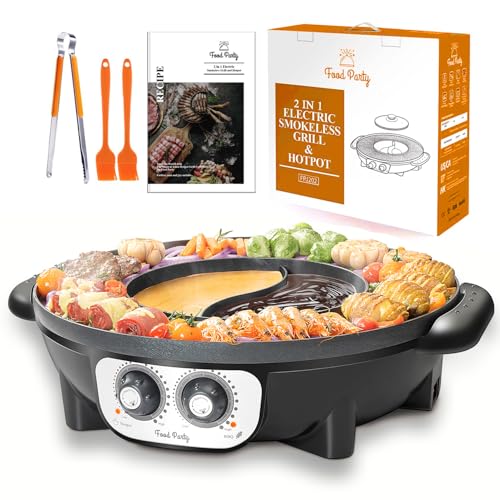
A pot and a heat source at the table, such as a donabe clay pot, an electric hot pot, or a portable burner with a metal pot. You also need plates for raw ingredients, small bowls for dipping sauces, and chopsticks or a slotted spoon for fishing food out of the broth.
Are Japanese hot pot ingredients hard to find?
Most ingredients are available at an Asian grocery store or a well stocked supermarket, including thinly sliced beef and pork, tofu, mushrooms, leafy greens and noodles. A good cookbook explains what each ingredient is and suggests substitutes when the exact item is not available.
Can I cook Japanese hot pots for a vegetarian meal?
Yes, many hot pot styles work well without meat. Use a vegetable or kombu dashi broth, and cook tofu, mushrooms, leafy greens, root vegetables and noodles in the pot. The dipping sauces can be made without fish or meat, and the meal is just as social and satisfying.
Related Reading
If this guide helped, these related guides on the same site cover the neighbours of this topic: Italian cookbooks for slow cookers, shabu shabu hot pot pots, Mongolian hot pots.
Conclusion
A good cookbook for Japanese hot pots is an invitation to cook together at the table. Pick a book that covers the style you want to cook, with clear broth recipes, honest ingredient guidance and photographs that show the meal as it should look. The six books in this guide cover shabu shabu, sukiyaki, nabe and donabe, so start with the style that appeals to you, prepare everything in advance, and let the pot do the work at the center of the table.