Oven-safe cookware that lasts is greener than disposable foil pans and thin nonstick sheets. Glass, ceramic, aluminum and cast iron all withstand regular baking and can be reused for decades. The trick is matching the material to the job, since each handles heat and temperature changes differently. A single sturdy dish used for years replaces many throwaway pans.
The six pieces below cover glass, stoneware, enameled ceramic, aluminum and cast iron. We have not used these products ourselves, so confirm temperature limits, lid materials and dimensions on the current listing before buying. Always follow the maker’s guidance on thermal shock and preheating.
As an Amazon Associate we earn from qualifying purchases. Links below are affiliate links, and they do not change the product information we give.
What to Look For
| Feature | Why it matters |
|---|---|
| Material | Glass, ceramic, aluminum and iron respond differently to heat |
| Temperature limit | Check the maximum, including for lids and knobs |
| Thermal shock | Glass and ceramic should not go from cold to hot suddenly |
| Size | Match the dish to your oven and typical recipe |
| Cleanup | Smooth finishes are easier to scrub |
| Handles | Wide handles are easier to grip with oven mitts |
| Lids | Check whether the lid is oven safe too |
In this guide
Specs at a Glance
| Piece | Material | Use | Notes |
|---|---|---|---|
| Pyrex Easy Grab Glass Baking Dish | Glass | Casseroles | Handles for easy lifting |
| Emile Henry Rectangular Baking Dish | Ceramic | Roasting and baking | French-made, per the maker |
| Staub Ceramique Rectangular Baking Dish | Ceramic | Roasting and gratins | Premium look |
| CorningWare French White Casserole | Stoneware | Casseroles | Long-running line |
| Nordic Ware Natural Aluminum Half Sheet | Aluminum | Baking and roasting | Uncoated, per the maker |
| Lodge Cast Iron Baker’s Skillet | Cast iron | Pies and bakes | Seasoned cast iron |
The 6 Best Eco-Friendly Oven-Safe Cookware

Top pickBest for casseroles
1. Pyrex Easy Grab Glass Baking Dish
A glass baking dish with built-in handles, made for casseroles and bakes. Glass is easy to clean and lets you check browning from the side.
Suits: casseroles. Strengths: easy-grip handles and clear sides. Weaknesses: glass can shatter if shocked. Skip it if you want a stovetop-safe dish.

Best for serving at the table
2. Emile Henry Rectangular Baking Dish
A ceramic baking dish from a French maker that spreads heat gently. It is attractive enough to serve straight from the oven.
Suits: serving at the table. Strengths: even baking and a nice finish. Weaknesses: ceramic can chip. Skip it if you want a light dish.
View Emile Henry Rectangular Baking Dish on Amazon
Best for gratins and roasts
3. Staub Ceramique Rectangular Baking Dish
Staub’s ceramic baking dish is suited to roasts, lasagna and gratins. Premium makers like this one aim at heirloom-style use.
Suits: gratins and roasts. Strengths: a durable glaze and good looks. Weaknesses: a premium cost. Skip it if you want a low-cost dish.
View Staub Ceramique Rectangular Baking Dish on Amazon

Best for traditional casseroles
4. CorningWare French White Casserole
A classic stoneware casserole with a lid that suits stews and baked pasta. Confirm temperature limits on the listing, since lids and bases may differ.
Suits: traditional casseroles. Strengths: a familiar brand and reliable build. Weaknesses: fewer modern shapes. Skip it if you cook at very high heat.

Best for roasting and baking
5. Nordic Ware Natural Aluminum Commercial Baker’s Half Sheet
An uncoated aluminum half sheet pan that is sturdy, reusable and good for roasting vegetables or baking cookies. It will darken with use, which is normal.
Suits: roasting and baking. Strengths: durable aluminum and even browning. Weaknesses: it is not nonstick. Skip it if you want a coated pan.
View Nordic Ware Natural Aluminum Commercial Baker’s Half Sheet on Amazon

Best for pies and skillet bakes
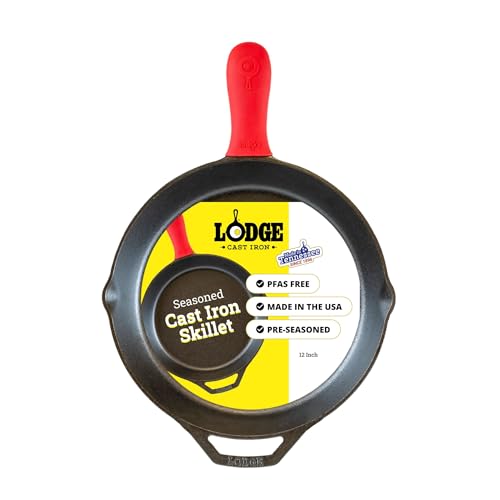
6. Lodge Cast Iron Baker’s Skillet
A seasoned cast iron skillet with a shape designed for pies, cobblers and rustic bakes. It handles high oven heat and stovetop use.
Suits: pies and skillet bakes. Strengths: a rugged build and strong browning. Weaknesses: it is heavy. Skip it if you dislike seasoning care.

Care and Setup
- Preheat the oven before placing glass or ceramic inside.
- Let hot dishes cool on a dry trivet.
- Hand wash aluminum to avoid dulling.
- Season cast iron with oil after drying.
- Store stoneware where it will not get knocked.
Mistakes to Avoid
- Moving a cold dish straight into a hot oven.
- Placing a hot dish on a wet surface.
- Using plastic lids in the oven.
- Ignoring maker temperature limits.
- Cutting directly on ceramic or enamel.
Oven Limits by Material
Every oven-safe material has its own limits, and the limit is not just a single number. Glass bakeware generally suits ordinary baking temperatures but is sensitive to rapid changes. Stoneware and glazed ceramic handle regular baking and tend to hold heat well, though some have lower limits for broiling. Uncoated aluminum sheet pans are very tolerant of heat and cool down quickly. Cast iron handles high heat, including preheating in the oven, and lasts for generations.
Check the numbers on the listing, and read them carefully for each component. A pan may tolerate a high temperature while its lid or knob has a lower limit. Some dishes are rated for the oven but not for the broiler, where direct overhead heat is intense. Others should not be used on the stovetop at all. If a limit is not stated, consult the manual or ask the seller before assuming.
- Glass: good for casseroles; avoid broiler and stovetop unless stated.
- Stoneware and ceramic: good for bakes and gratins; check broiler guidance.
- Aluminum: good for roasting and sheet pans; avoid acidic marinades sitting for long periods.
- Cast iron: good for high heat, searing and baking; heavy and needs upkeep.
Matching the material to the job prevents most disappointments and extends the life of each piece.
Understanding Thermal Shock
Thermal shock happens when a material experiences a sudden temperature change that causes uneven expansion. Glass and ceramic are the most exposed, because they expand slowly and unevenly and can crack or, in the worst case, break violently. The classic mistakes are taking a dish from the refrigerator or freezer straight into a hot oven, setting a hot dish on a wet counter, or pouring cold liquid into a hot dish.
Prevent this by letting dishes come toward room temperature when the maker advises it, and by placing them in a cold oven or one that is preheated only if the instructions allow. When a dish comes out, set it on a dry trivet, a wooden board or a folded dry towel, not on a cold stone surface or a damp cloth. Avoid adding liquid to an empty hot dish.
Metal is much less sensitive, but warping can happen to thin pans heated very hot and then rinsed with cold water. Let metal cool before washing. If a glass or ceramic dish has a chip, crack or deep scratch, retire it, because damage weakens resistance to heat stress.
Choosing Size and Shape for Your Oven
Size seems simple, yet it is a common source of returns. Measure the inside of your oven, including racks and the gap to the door, and compare with the exterior dimensions of the dish including handles. Sheet pans in particular must fit through the door and leave room for air to circulate. Check the listing for whether a stated size is internal or external.
Think about the recipes you actually make. A rectangular dish of moderate depth suits lasagna, casseroles and roasted vegetables. A deeper dish suits braises and bread pudding. Shallow pans give more browning, while deep ones give more moist results. A single sheet pan and one or two baking dishes serve most households, and fewer, better-chosen pieces reduce waste.
Consider capacity in practical terms as well: whether a dish will hold a full recipe without overflow, and whether it will fit in the refrigerator for storage. If you cook for one or two people, a smaller dish avoids overbaking and saves energy since the oven does less work. If you host large gatherings, a larger dish or a second pan may be worthwhile.
Cleaning, Seasoning and Storing Bakeware
Different materials call for different care. Glass and glazed ceramic clean easily with a soak in warm soapy water and a non-scratch sponge. For stubborn baked-on food, a baking soda paste is gentle and avoids scratching the surface. Do not use steel wool on glaze or enamel.
Uncoated aluminum darkens and may stain with use, and that is normal. Wash by hand, since dishwasher detergent can leave it dull or chalky. Avoid leaving acidic foods such as tomato sauce on it for long periods.
Cast iron should be dried promptly and given a thin film of oil after washing to protect the seasoning. Do not soak it for long, and re-season if rust appears. Preheated cast iron is very hot, so use proper mitts and remember that handles heat up in the oven.
For storage, stack carefully with liners between pieces to prevent chips and scratches, and keep ceramic and glass where they will not be knocked by heavier items. Let all bakeware dry fully before putting it away. A little care keeps the surface clean and extends the life of the dish.
Value Tiers and Signs Bakeware Should Be Retired
Qualitatively, basic glass and stoneware offer dependable results at a low cost and are easy to replace. Mid-range ceramic and enameled pieces add finish, color and serving appeal. Premium pieces tend to emphasize thicker glazes, better handles and finer fit, which is helpful if you cook often or serve at the table. Heavy cast iron falls across tiers, with cost depending on finish rather than function.
Before buying, ask yourself:
- What is the temperature limit for the dish and for its lid?
- Is it rated for the broiler, stovetop or freezer, if I need those?
- Does the size fit my oven and my dishwasher or sink?
- Are the handles wide enough to grip with oven mitts?
Retire a piece when glass or ceramic has cracks, chips or deep scratches, when a glaze is crazed and flaking, when aluminum is warped, or when cast iron is pitted beyond repair or has cracks. A warped sheet pan makes uneven results and can be unsafe when carrying food. Recycle metal pans where accepted, and check local rules for glass and ceramic, which often cannot go in the regular glass recycling.
Match the Dish to the Job
Long-lasting bakeware earns its green credentials by being used often, and it gets used often when it suits the tasks you actually cook. The table below pairs common oven jobs with the kind of dish that tends to handle them well. Treat it as a rough guide, and always confirm temperature and use limits on the maker’s label.
| Cooking job | Dish type that suits it | Why people choose it |
|---|---|---|
| Casseroles and bakes | Glass or glazed ceramic | Holds heat evenly and goes to the table |
| Roasted vegetables and sheet meals | Uncoated aluminum sheet pan | Heats quickly and browns edges |
| Cornbread, skillet dishes, sear then bake | Cast iron | Holds heat and moves from burner to oven |
| Lasagna and gratins | Deep stoneware | Keeps food warm after leaving the oven |
| Cookies and pastries | Flat light-coloured pans | Browns gently and releases easily |
Owning two or three versatile pieces often beats a cupboard full of single-purpose items, which is better for your wallet and for the planet.
A Quick Checklist Before Each Use
A thirty-second look at your cookware prevents many kitchen accidents. Make it a routine before the oven goes on.
- Inspect the dish for chips, cracks, crazing lines or deep scratches. Retire any piece with damage that could grow under heat.
- Read the care label or manual again if you have not used the item before, especially for temperature and broiler limits.
- Check that handles, lids and knobs are made of materials the maker approves for the oven.
- Make sure the rack position gives clearance above and below the dish.
- Bring the dish to a moderate temperature if it has been in the fridge, as the maker advises.
- Have dry oven gloves ready, since damp fabric conducts heat quickly.
- Place a baking tray under overflowing dishes to catch drips.
Always set hot dishes on a trivet or a dry cloth, never on a cold, wet or stone worktop, unless the maker says it is fine.
Habits That Shorten the Life of Good Bakeware
The kindest thing you can do for the environment is to make each pan last. These habits quietly wear out cookware faster than most people expect.
- Cutting directly in the dish. Knives scratch glazes and coatings. Serve with a spatula or a spoon instead.
- Using harsh scouring. Aggressive pads dull surfaces. Soak first, then use a soft brush.
- Stacking without protection. Place a cloth or paper liner between nested pieces to avoid chips.
- Leaving food to dry on. Soaking soon after cooking is gentler than scrubbing later.
- Ignoring the dishwasher guidance. Some finishes and seasoned iron do not suit machine washing.
- Heating an empty dish. Unless the maker says so, keep at least a little food or liquid in the vessel.
Small, consistent care means one purchase may serve a household for decades.
Reading an Eco Claim on a Listing
Words such as green, natural or sustainable appear on many product pages, and they do not all mean the same thing. Approach them with healthy curiosity.
Look for specific, checkable details: the material the item is made from, where it was manufactured, whether the packaging is recycled or plastic-free, and whether the maker offers repairs or replacement parts. Longevity is among the most meaningful signals, so a long warranty and a clear care guide are encouraging signs. Be cautious when a claim stays vague and offers no explanation.
Check also that the item is suitable for your oven type, including induction hobs if you plan to use it on the stovetop, and read the maker’s information about coatings. If you are unsure what a term means, contact the seller or consult the maker’s website, and rely on official certification information instead of marketing wording alone.
A Short Glossary for Bakeware Shoppers
- Crazing: a network of fine cracks in a glaze.
- Seasoning: a baked-on oil layer on iron that protects the surface.
- Anodized: aluminum treated to make the surface harder and less reactive.
- Stoneware: dense, fired clay with a smooth finish.
- Broiler safe: approved by the maker for use under direct top heat.
Following the Maker’s Label and Knowing When to Ask Someone Else
Cookware instructions vary more than you might guess. Two dishes that look alike can have very different limits, because glaze, thickness and any lid or handle materials change how they react to heat. For that reason, the maker’s own label, manual or support page should settle any question about temperature, broiler use, microwave use and dishwasher use.
Your oven matters too. Read its manual for rack positions, preheating advice and any cautions about covering the base. If your oven runs hot, cools slowly or shows uneven heat, have a qualified appliance technician look at it. For gas ovens, never try repairs yourself; contact the supplier or a licensed engineer if you notice smells, flame problems or odd noises.
If a piece cracks, chips deeply or shatters, stop using it and clear the pieces carefully. Contact the seller or the maker to ask about replacement and recycling options, and follow your local waste guidance for glass and ceramics, which often cannot go with ordinary bottle recycling.
Keep the manuals or take a photo of each label, so the details are on hand years from now.
Oven-Safe Cookware FAQ
Can I go from freezer to oven with glass?
Many makers advise against sudden temperature changes. Follow the instructions that come with the dish.
Is aluminum a good eco-friendly choice?
Uncoated aluminum lasts for years and is recyclable, though it may darken and stain over time.
What temperature is safe?
Limits vary by material and by maker, so check the listing for each piece, including any lid or knob.
Are ceramic dishes fragile?
They can chip if dropped, but they bake evenly and last for years with care. Avoid dropping them and keep them away from sharp metal utensils.
Can I use these dishes under the broiler?
Only if the maker says so. Broilers deliver intense direct heat that can crack some glass and ceramic. Check the listing and the manual for each piece.
Is it safe to cut food in a baking dish?
Cutting directly can scratch glaze, enamel and nonstick surfaces, and scratches can weaken a dish. Lift food onto a board or use a plastic or silicone server in dishes that scratch easily.
Why did my glass dish shatter?
The most common cause is thermal shock from a sudden temperature change, such as adding liquid to a hot dish or placing it on a wet surface. Damage such as chips can also weaken glass. Follow the maker's guidance on temperature changes.
Do I need to grease uncoated aluminum pans?
Generally yes, or use parchment, because uncoated aluminum is not nonstick. A thin layer of fat or a parchment liner helps food release and eases cleanup.
Can I bake in a cold oven with ceramic dishes?
Many ceramic dishes do better when they start in a cold or gently warming oven, but guidance differs by maker. Check the instructions rather than assuming.
Are lids always oven safe?
No. Lids and knobs may have a lower temperature limit than the dish, and plastic parts are not suitable for the oven. Check the lid separately.
How do I get baked-on food off stoneware?
Soak in warm soapy water, then use a soft brush or a baking soda paste. Avoid steel wool, and check the care instructions because unglazed stoneware may absorb soap.
How the Six Picks Divide the Work in a Real Kitchen
The six dishes in this guide look similar on a shelf and behave very differently in an oven. The Pyrex Easy Grab Glass Baking Dish is the transparent workhorse: you can watch lasagne bubble and custards set, and the easy-grab handles help when you are moving a full, hot dish with oven gloves on. The Emile Henry Rectangular Baking Dish and the Staub Ceramique Rectangular Baking Dish are the ceramic bakers, made for gratins, roasts and dishes that go from oven to table and look good doing it. The CorningWare French White Casserole covers the lidded, slower jobs, from braises to baked pasta that needs to stay moist. The Nordic Ware Natural Aluminum Commercial Baker’s Half Sheet is the flat, fast, high-volume tool for roasting vegetables, baking biscuits and reheating anything that benefits from airflow. The Lodge Cast Iron Baker’s Skillet is the heavyweight for pies, cornbread, cobblers and anything that wants a deep, lasting sear of heat from below.
Choosing between them starts with the food, not the material. Wet, saucy dishes that cook gently and get served from the dish suit glass, ceramic and CorningWare. Dry, high-heat jobs that need browning and crisp edges suit the aluminium sheet and the cast iron skillet. Lidded cooking suits the casserole. If you only buy one piece, buy the one that matches the meal you make most often, because a dish that fits your habits will be used weekly while a beautiful dish bought for rare occasions mostly takes up cabinet space.
Capacity deserves the same honesty as material. A dish that is too small overflows, steams instead of roasting and makes a mess of the oven floor. A dish that is too large spreads a modest portion thin, dries it out and wastes heat. Think in terms of the portions you actually serve: a family casserole, a side dish for two, a tray of vegetables for meal prep. Then check the internal dimensions rather than the headline size, because sloped sides and thick walls mean two dishes with the same label can hold quite different amounts.
Weight matters more with bakeware than with almost anything else in the kitchen, because you handle it hot, full and at arm’s length. Cast iron and thick ceramic are reassuringly sturdy on the counter and demanding on the way out of the oven. Glass and aluminium are kinder to wrists. If you cook with children helping, or if anyone in the household has limited grip strength, factor that in now rather than after the first heavy lift. A rim or handle you can grip securely with thick gloves is a safety feature, not a styling detail.
From Freezer, Fridge and Counter to a Hot Oven
Most bakeware failures happen at the moment of transition. A cold glass or ceramic dish placed into a fully preheated oven, or a hot dish set down on a cold, wet or stone surface, is under stress even if it looks unchanged. The calm routine is to let chilled dishes lose their fridge chill while the oven heats, to place hot dishes on a dry trivet, wooden board or folded towel, and to avoid setting any hot bakeware on a surface that is cold or damp. That routine protects every material in this guide and costs nothing but a few minutes.
Broiler use is a separate question from oven use, and the answer is no for many dishes that are perfectly oven safe at baking temperatures. The intense, direct heat under a broiler can shock glass and ceramic and can damage handles and lids that tolerate ordinary oven heat. Check the maker’s guidance for the specific dish, and if broiler finishing matters to you, reach for cast iron or a sturdy metal pan instead. The same caution applies to stovetop use: a dish rated for the oven is not automatically safe over a flame or on a hob.
Preheating habits also affect results. Dense ceramic and cast iron benefit from being in the oven as it heats for some jobs, such as bread and pies that want a hot base, while glass generally prefers a stable temperature rather than a thermal climb with food already in it. Follow the recipe and the maker’s guidance together, and when they conflict, favour the guidance that protects the dish. A cracked dish mid-recipe helps nobody, and a slightly adjusted method still produces dinner.
Altitude, oven hot spots and rack position quietly shape outcomes too. A dish placed close to a heating element browns faster on top, a dish on a low rack crisps better underneath, and rotating a dish halfway through cooking evens out most domestic ovens. None of that requires new equipment, just attention. Bakeware with even heat distribution, like thick ceramic and cast iron, forgives more of these variables, which is one reason cooks grow attached to a favourite dish and use it for decades.
Serving, Storing and Cleaning Without Drama
One pleasure of ceramic, glass and CorningWare is serving straight from the dish, which saves washing up and keeps food warm. Put a mat under the dish to protect the table, use utensils that will not gouge the surface, and remember that a dish that has been in a hot oven stays hot far longer than a serving bowl. Warn the table, especially children, and keep handles and rims in mind when passing a dish. Cast iron holds heat longest of all, which is wonderful for keeping a pie warm and unforgiving if someone grabs the handle bare-handed.
Storage is where chips and cracks are born. Stacking heavy dishes directly inside one another, sliding them across gritty shelves or cramming them beside metal pans all take small tolls that add up. A sheet of felt, a tea towel or the original packaging between nested dishes prevents most of it. Store lids separately where you can, and avoid stacking anything heavy on top of glass. If cabinet space is tight, a vertical rack or a simple divider keeps bakeware accessible without the risky tower.
Cleaning is easiest in the first few minutes after serving, once the dish has cooled enough to handle safely. Warm water and a soak loosen most baked-on food from glass, ceramic and CorningWare. A nylon brush or non-scratch sponge handles the rest. For the aluminium sheet, expect the surface to darken and take on marks with use; that patina is cosmetic and normal for uncoated metal, and aggressive polishing is optional rather than necessary. For cast iron, wash, dry thoroughly and apply the lightest coat of oil if that is your seasoning routine, then store it dry.
Stubborn, carbonised patches test patience more than products. Soaking, gentle heat with water in the dish where the material allows it, and repeated soft scrubbing beat one violent attack with a metal scraper. Avoid sudden cold water on a hot dish at the sink, even when you are in a hurry, because the same thermal stress that cracks dishes in the oven can crack them at the sink. Let the dish cool, then wash it warm.
Reading Eco Claims and Buying for the Long Term
Eco-friendly bakeware is mostly a story about longevity and materials you understand. Glass, ceramic, cast iron and uncoated aluminium have long histories in kitchens, contain no applied nonstick coating to wear out, and can serve for many years when handled with basic care. That durability is the core of the claim, and it is a fair one. Where a listing adds extra badges or sweeping promises, look for specifics: what the dish is made of, where, and what the maker says about its lifespan and end-of-life options.
A practical way to buy greener is to buy fewer, better-fitting pieces. One rectangular dish that handles lasagne, roasts and traybakes will be used hundreds of times, while a cupboard of novelty shapes gathers dust. Choose classic shapes that nest, stack or store well, match your oven’s internal dimensions, and suit standard recipe sizes so you are not adapting every recipe to an awkward dish. Standard sizes also make lids, racks and liners easier to find later.
Second-hand bakeware deserves a mention, because cast iron, glass and ceramic dishes circulate widely and often survive their first kitchen easily. Inspect used pieces for chips, cracks, crazing that reaches through the glaze, and warping that stops a sheet pan sitting flat. Avoid any dish with damage that could worsen under heat. A sound used dish, washed well and put straight to work, is about as low-impact a purchase as a kitchen allows.
Finally, match the dish to your oven before you fall in love with it. Measure the interior width, depth and the space between racks, and remember that handles add length. A dish that only fits at an angle or blocks airflow will cook unevenly and annoy you every time. The right dish slides in with room around it for hot air to circulate, sits level, and comes out without a wrestling match. That fit, more than any single material, is what turns a good dish into the one you reach for.
Troubleshooting Bakes That Go Wrong
If a casserole bubbles over, the dish was probably too full or too small, or the sauce was thinner than the recipe assumed. Leave headroom, place the dish on a sheet to catch drips, and remember that fillings expand and bubble as they heat. If the top browns before the centre is cooked, lower the rack, reduce the temperature slightly or cover loosely for part of the time, then uncover to finish. If the base stays pale and soft, a hotter rack position, a preheated sheet underneath or a metal or cast iron dish next time will help.
If vegetables roast unevenly on a sheet, they were likely crowded. Moisture needs room to escape, so spread pieces in a single layer with space between them, use two sheets rather than one heaped sheet, and turn pieces once. If a pie crust shrinks or a cobbler topping spreads oddly, the dish size may differ from the recipe’s assumption; a slightly smaller or larger dish changes depth, and depth changes timing. Note what you used and adjust next time rather than blaming the recipe or the dish outright.
If a glass or ceramic dish develops stains or cloudy patches, ordinary washing and an occasional soak usually restore it. Persistent cloudiness on glass can come from hard water or dishwasher detergent, and hand washing often keeps serving pieces clearer. None of these cosmetic changes affect safety or performance. Cracks, deep chips and a dish that rocks because its base has warped are the real retirement signals, along with cast iron rust that has pitted deeply or a sheet pan so warped it pools oil in one corner.
One more habit ties all of this together: judge any new purchase against the routine you already have, not the routine you imagine. The best choice in this guide is the one that fits your space, your hands and your most ordinary day, because ordinary days are where kitchen tools earn their keep. Give a new arrival a fair fortnight of real use, adjust the small things early, where it lives, how it is cleaned, who uses it, and let those small adjustments settle before you judge it. Tools that are tuned to a household in that way tend to stay in service for years, and years of steady service are what turn a sensible purchase into a genuinely good one.
It also helps to keep notes, briefly and without ceremony. A line in a notebook or a phone note about what worked, what size suited the household, which setting or technique gave the best result and what you would choose differently next time saves you from relearning the same lessons a year later. Kitchens run on accumulated small knowledge, and the cooks who seem effortlessly well equipped are usually just the cooks who remembered what their own experience taught them and bought accordingly the next time.
A Seasonal Tour: What Each Dish Does Best Through the Year
In winter, these dishes earn their keep with slow, warming food. The CorningWare casserole and the ceramic bakers handle braises, gratins and baked pastas that fill the house with heat and smell, while the cast iron skillet turns out cornbread and fruit cobblers that belong beside them. Glass comes into its own for make-ahead dishes that travel from fridge to oven to table across a holiday week, provided you respect the warming step between cold storage and hot oven. Winter is also when dishes are worked hardest and handled most with thick gloves, so it is the season that rewards sturdy handles and rims you can grip without thinking.
Spring lightens the menu and the bakeware follows. The aluminium half sheet becomes the most-used piece in the kitchen, roasting asparagus, new potatoes and trays of vegetables at the pace spring cooking demands, while glass and ceramic dishes carry frittatas, baked eggs and the first fruit crumbles of the year. Lighter food means shorter cooking and more frequent washing, and it is a good moment to check dishes for the small chips that winter’s heavy work may have left, before they meet a hot oven again.
Summer tests heat discipline. Kitchens are already warm, ovens are used in shorter bursts, and dishes that move from oven to outdoor table get carried further and set down on more varied surfaces. Keep the trivet habit outdoors, where a hot dish on a cold stone table or a damp wooden bench faces the same thermal risks as indoors. Summer is also pie and cobbler season at full strength, and the cast iron skillet and glass dishes divide that work happily between them, one for crisp bases and one for watching fruit bubble through the sides.
Autumn returns to batch cooking, roasting and preserving rhythms. Sheets work in rotation, casseroles go back into weekly service, and dishes are asked to hold generous quantities again. It is the natural moment for the small annual audit: which dish did you reach for weekly, which one sat untouched, and does anything need retiring before the holiday season leans on it? A dish that cracked, warped or lost its lid’s fit in October is a nuisance; discovered in December, it is a crisis with guests in the house.
Across all four seasons, the pattern is the same: each material has weather it loves, and the cook who rotates dishes by job rather than by habit gets the best from all of them. That rotation also spreads wear evenly, so no single dish is exhausted while others sit pristine. A small, well-matched collection used in rotation will outlast and outperform a large, random one, in every season, which is as good a summary of sensible bakeware buying as any in this guide.
More Questions, Answered in Depth
Can I put a hot dish straight onto a cold counter?
It is a risk worth avoiding with glass and ceramic. Set hot bakeware on a dry trivet, wooden board or folded towel so the base is not shocked by a cold or damp surface. Cast iron and metal are more forgiving, but the trivet habit protects your counters as well as your dishes, so it is worth keeping for everything that leaves the oven.
How full should I fill a baking dish?
Leave headroom for bubbling and expansion, especially with saucy dishes, gratins and anything containing rice or grains that swell as they cook. A dish filled to the brim will decorate your oven floor and cook unevenly at the edges. If you are between sizes, choose the larger dish and place it on a sheet to catch any enthusiastic bubbling during the first minutes.
Do I need different dishes for baking and roasting?
Not strictly, but the jobs favour different shapes. Baking casseroles and gratins suit deeper glass and ceramic dishes that hold moisture and serve beautifully. Roasting vegetables and meats suits shallow metal and cast iron that expose food to dry heat and encourage browning. Many kitchens cover both with one rectangular ceramic dish and one sheet pan, which is a sensible, compact pairing.
Why does food bake faster in one dish than another?
Material and thickness change how heat reaches the food. Metal heats quickly and can set edges sooner, glass holds a steady, visible bake, and thick ceramic and cast iron warm more slowly but hold heat evenly once there. Colour matters too, since dark surfaces brown more readily. When you switch dishes for a familiar recipe, expect to adjust the time slightly and judge by doneness rather than the clock alone.
Can these dishes go from the table to the fridge?
Once the food has cooled appropriately, yes, and that is one of their conveniences, especially glass and ceramic dishes with lids. Let a hot dish cool before refrigerating rather than moving it straight from oven warmth to fridge cold, cover it well, and when reheating, give a chilled dish a little time out of the fridge and a moderate oven rather than a thermal leap in either direction.
How do I remove a dish that has food baked hard onto it?
Soak first, scrub second. Warm water and time loosen most baked-on food from glass, ceramic and metal, and a nylon brush finishes the job without damaging the surface. For cast iron, dry it thoroughly after washing and maintain its seasoning as you normally would. Avoid sudden cold water on a hot dish at the sink, and avoid metal scouring on glazed surfaces that you want to keep smooth.
One Last Look Before You Decide
It is worth pausing, before you order, and picturing the dish in your own kitchen rather than in a styled photograph. Where will it live, how will it be reached for on an ordinary evening, and who else will use it when you are not the one cooking? Those three questions predict satisfaction more reliably than any feature comparison, because a tool’s real competition is never another product. It is the older, familiar habit it has to displace, and it only wins that contest if it is easier, pleasanter or more reliable than what you already do without thinking.
Read the listing one final time with that picture in mind, and separate what is stated from what is merely suggested. Plain facts about materials, dimensions, care and limits are what you are buying; atmosphere is free and worth exactly that. If a detail that matters to your routine is missing, look for the maker’s own manual or guidance rather than a reviewer’s guess, and let a maker’s clarity, or silence, inform how much confidence you place in the rest of the claims.
When the dish arrives, give it an unhurried first use. Wash it as directed, set it up where it will actually live, and choose a forgiving first job so you can learn its behaviour without pressure. Notice the small things early: how it feels in the hand, how it cleans, how it stores, whether anything about it rubs against the grain of your kitchen. Small frictions noticed in the first week can usually be solved with a change of position, routine or accessory, while the same frictions discovered in the third month have a way of becoming permanent reasons to reach for something else.
Then let time be the judge. Most good kitchen equipment disappears into the routine within a fortnight, and that disappearance is the surest sign of a well-made choice. You stop thinking about the bakeware itself and think only about the food, the journey or the meal it supports, which is exactly the relationship a household tool should have with the people who own it. If, instead, you are still working around it after a fair trial, that is useful information too, and it is better learned honestly than endured indefinitely.
The picks in this guide were chosen to survive that test: ordinary days, real hands, imperfect kitchens and the slow verdict of repeated use. Whichever one you choose, pair it with the care habits set out above, keep your expectations matched to what its material can honestly promise, and it should repay you the way the best kitchen purchases always do, not with a moment of excitement on delivery day, but with years of quiet, unremarkable reliability every time you reach for it.
The Short Version
For casseroles, the Pyrex or CorningWare. For serving dishes, Emile Henry or Staub. For roasting, the Nordic Ware sheet. For pies, the Lodge skillet.