Disclosure: topratedkitchenware.com is reader-supported. When you buy through links on our site, we may earn an affiliate commission from Amazon and other retailers, at no extra cost to you.
Where to buy
If you are shopping for the best food processors for soup, the first thing to know is what soup work in a processor actually looks like: cooked vegetables and broth, cooled enough to handle safely, pureed in batches and returned to the pot. A food processor is not a blender and it is not an immersion blender — it will not give you a steaming, silky pour straight from the stove — but a large bowl with a stated puree function and a lid that seals against liquid can turn out excellent rustic soups, bisque-style bases, and smooth vegetable purees that finish on the heat. The six models below are the shortlist this guide is built around. Three carry Amazon links because their verified listings state a puree function or a leak-proof liquid seal; the other three are reviewed in full as prose-only entries because their listings describe chopping, slicing, and shredding only, with no liquid or puree data we could honestly tie to soup. Listings change often, so use the links to check the current detail before you buy.
- BLACK+DECKER 1.5-Cup Electric Food Chopper — prose-only in this guide (chopper listing, no puree or liquid capacity stated)
- KitchenAid 3.5 Cup Food Chopper KFC3516CU, Contour Silver — prose-only in this guide (chopper listing, no puree or liquid capacity stated)
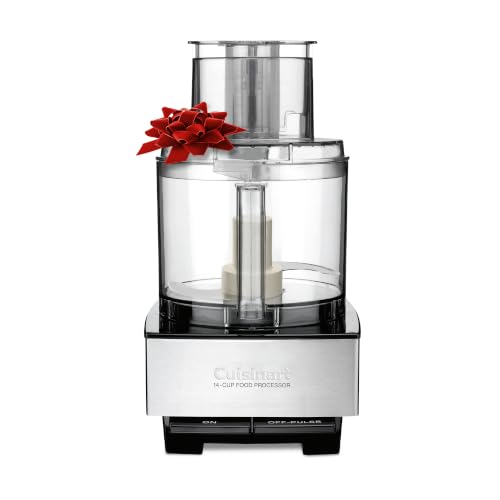
- Cuisinart 14-Cup Food Processor DFP-14BCNY — Check on Amazon
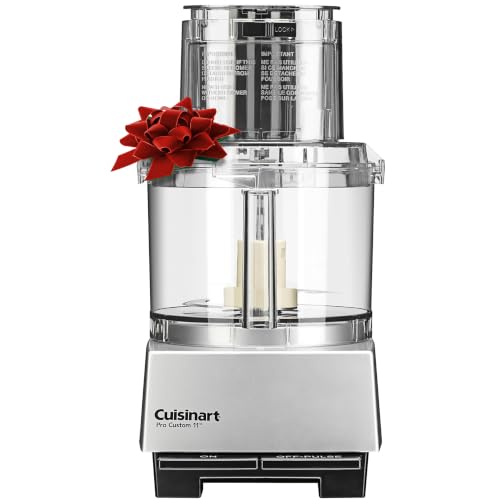
- Cuisinart 14-Cup Food Processor FP-1400 — Check on Amazon
- Cuisinart Pro Custom 11 Food Processor DLC-8SBCYP1 — prose-only in this guide (listing states slicing and shredding discs; no puree or liquid capacity stated)
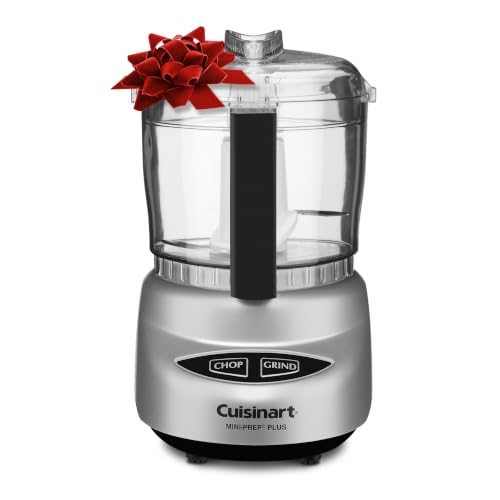
- Ninja Professional Plus Food Processor BN601 — Check on Amazon
Read the full guide ↓
Finding the best food processors for soup starts with respecting the physics of a wide bowl. A processor blade spins low and flat, throwing soft, wet ingredients outward; with enough liquid and enough time, cooked vegetables break down into a hearty puree, but the texture lands rustic rather than velvet, and hot liquid demands caution — steam expands, lids lift, and rims weep. Good soup processors manage those realities instead of denying them: a bowl big enough for batch work, a puree brief stated by the maker, a lid that seals, and a motor that can run a wet batch without complaint. Judge every machine below by those four things first, and by its everyday prep talents second, because a soup processor that also shreds, slices, and kneads earns its place on the counter all year, not just in soup season.
This guide applies a strict evidence rule. A pick is linked only when its verified listing — confirmed through the Creators API on 2026-11-20 — states a puree function or a leak-proof seal for liquid. That rule links the two fourteen-cup Cuisinarts and the Ninja, whose listing names puree among its preset jobs. It leaves three capable machines prose-only: two compact choppers that were never designed for a bowl of soup, and an eleven-cup classic whose listing leads with slicing and shredding discs and states no puree or liquid data. Their reviews are complete and honest, with their soup limits stated in plain language. If your soup style leans plant-based and batch-heavy, our companion guide to the Best Food Processors For Vegans covers the same large bowls from a prep-first angle.
Key Takeaways
- Processor soup means cooked, slightly cooled ingredients pureed in batches — never a bowl filled with boiling liquid. Cool it, batch it, and return it to the pot to finish.
- Three picks are linked: the Cuisinart DFP-14BCNY and the Ninja BN601, whose listings state puree, and the Cuisinart FP-1400, whose listing states a leak-proof SealTight lid. The other three are prose-only for lack of puree or liquid data in their listings.
- Texture is the trade: a processor gives hearty, rustic purees with body; a blender or immersion blender gives silk. Choose by the soups you actually make.
- Lid seal and headroom matter more than raw power for wet batches — liquid climbs, and an unsealed rim will mist your counter.
- Batch math rules the day: a fourteen-cup bowl purees a family pot in two or three batches; a three-cup chopper is a garnish tool, not a soup tool.
- The best soup processor is also a daily prep machine — shredding, slicing, and kneading are what justify its footprint between soup days.
In this guide
Quick Picks
Six machines, three honest soup candidates and three prep tools whose listings make no liquid claims. Badges mark each machine’s real lane, and the linked picks are the ones we can point at a pot of soup with a clear conscience.
| Pick | Badge | Why it earns its place |
|---|---|---|
| BLACK+DECKER 1.5-Cup Electric Food Chopper | Best for Tiny Jobs (Prose-Only) | A one-and-a-half-cup one-touch chopper for garnish herbs and single-spoon sauces — included so shoppers see the category floor, with no liquid claim in its listing. |
| KitchenAid 3.5 Cup Food Chopper KFC3516CU | Best Small-Batch Chopper (Prose-Only) | A three-and-a-half-cup chopper with two speeds plus pulse and a dishwasher-safe bowl, sized for soup prep and toppings rather than the soup itself. |
| Cuisinart 14-Cup Food Processor DFP-14BCNY | Best Overall for Soup | Puree is named in its listing, the bowl holds family batches, and a seven-hundred-twenty-watt motor keeps wet mixtures moving. |
| Cuisinart 14-Cup Food Processor FP-1400 | Best Sealed Bowl for Soup | A fourteen-cup flagship whose leak-proof SealTight lid tackles the exact failure mode of wet batches, with in-bowl tool storage. |
| Cuisinart Pro Custom 11 Food Processor DLC-8SBCYP1 | Best Mid-Size Prep Pick (Prose-Only) | An eleven-cup classic with slicing and shredding discs for soup mise en place, whose listing states no puree or liquid capacity, so it is prose-only here. |
| Ninja Professional Plus Food Processor BN601 | Best with a Puree Preset | Auto-iQ presets that chop, slice, puree, and mix dough in a nine-cup bowl — the program runs the puree pattern for you. |
How These Picks Were Chosen
This is a research-led guide, not a hands-on lab report, and soup is a keyword where research discipline matters, because it is easy to imply that any big bowl can do what a blender does. We began with a verified pool of food processors whose Amazon listings were confirmed through the Creators API on 2026-11-20, and we treated each listing title as the complete set of claims we are entitled to repeat. For soup, the qualifying claims are narrow: a puree function stated in words, or a leak-proof, sealed lid stated in words, in a bowl large enough for batch work. Three picks meet that bar. The Cuisinart DFP-14BCNY and the Ninja BN601 both name puree; the Cuisinart FP-1400 names a leak-proof SealTight lid and a fourteen-cup capacity, and we link it for that sealed liquid handling while noting in its review that its listing does not use the word puree.
The other three picks fail the bar in instructive ways, and we kept them in the guide — as prose-only entries with no link and no image — because shoppers will meet all three while searching this keyword. Two are compact choppers whose listings describe chopping only; they are garnish and prep tools. The third, the eleven-cup Pro Custom, is the subtle case: a respected full-size processor whose verified listing leads with slicing and shredding discs and dishwasher-safe care, and states no puree function and no liquid capacity. Under an evidence rule, close is not enough, so it is reviewed in full and linked nowhere. We also applied this site’s standing rules throughout: no static prices, no fixed ratings or review counts, and no specification that does not appear in a verified listing. Where a listing is silent — on hot-liquid limits, on minimum fill, on exact liquid capacity — we say so and give technique instead of inventing numbers.
The 6 best food processors for soup, reviewed in detail
Read the verdicts as routing. The three linked machines are the soup recommendations, in ascending order of program help; the three prose-only reviews describe good prep tools whose listings do not support soup claims, so you can recognize them on a shelf and know exactly what they are for.
BLACK+DECKER 1.5-Cup Electric Food Chopper
Badge: Best for Tiny Jobs (Prose-Only)
Strengths
- One-touch pulse and a stay-sharp blade make quick work of soup garnishes — herbs, garlic, a handful of nuts for topping.
- One-and-a-half-cup size suits single-spoon jobs like a chili crisp base or a small herb oil.
- Dishwasher-safe parts and a tiny footprint mean it is always within reach during a cook.
Trade-offs
- Its listing states chopping only, with a one-hundred-fifty-watt motor and no puree or liquid data, so it is prose-only in a soup guide.
- A cup and a half cannot hold a ladle of soup, let alone a batch.
- One pulse control gives no way to manage a wet mixture’s texture.
Mini spec box
- Capacity: 1.5 cups (as listed)
- Motor: 150W (as listed)
- Blade: stay-sharp blade
- Controls: one-touch pulse
- Care: dishwasher safe (as listed)
Think of this little chopper as the soup cook’s sidekick rather than the soup maker. While a pot simmers, it minces the parsley and garlic for a gremolata, grinds the spices for a curry soup’s tempering, or pulses the nuts and herbs you scatter over a finished bowl. Those are real jobs, done in seconds, with parts that go straight into the dishwasher, and they are the reason a machine this small earns counter space in serious kitchens. Its one-touch operation is genuinely foolproof, and the stay-sharp blade keeps its edge through the small, hard jobs that dull lesser tools.
But a soup guide owes you the boundary in plain words: a one-and-a-half-cup chopper with no puree function and no liquid capacity in its listing cannot puree soup, and no technique changes that. A ladle of hot soup in this bowl would be unsafe and absurd in equal measure. We include it as a prose-only entry — no link, no image — because it sits in the verified pool and shoppers will encounter it, and because marking the floor of the category helps the real recommendations above it make sense. Buy it for garnishes and tiny prep, and it will serve soup night faithfully from the side of the stove.
Best for: garnishes, spice pastes, and miniature prep around soup making / Not suited for: pureeing any quantity of soup
KitchenAid 3.5 Cup Food Chopper KFC3516CU, Contour Silver
Badge: Best Small-Batch Chopper (Prose-Only)
Strengths
- Three-and-a-half-cup bowl handles the aromatics base of a family soup — onions, carrots, celery — in one or two quick batches.
- Two speeds plus pulse let you stop at a coarse mirepoix or push toward a finer mince for blended soups.
- Dishwasher-safe work bowl and easy cord wrap keep cleanup and storage effortless.
Trade-offs
- The listing describes a food chopper with a multi-purpose blade and states no puree function or liquid capacity, so it is prose-only here.
- Even as prep, wet ingredients slosh in a chopper bowl; it is a dry and semi-dry tool first.
- Contour Silver is a finish, not a feature — performance matches the red variant exactly.
Mini spec box
- Capacity: 3.5 cups (as listed)
- Blade: stainless steel multi-purpose blade
- Controls: 2 speeds plus pulse
- Care: dishwasher-safe work bowl; easy cord wrap
- Finish: Contour Silver
Every blended soup begins as a pile of raw vegetables, and that is where this KitchenAid earns its review. A three-and-a-half-cup bowl with a stainless steel multi-purpose blade turns the onion-carrot-celery foundation of a soup into an even mince faster than a knife, and the two speeds plus pulse let you choose between a rustic chop for a brothy soup and a fine base that will disappear into a puree later. It also handles the finishing touches — a quick salsa verde, a chopped herb and nut topping — and then the bowl goes in the dishwasher while the soup finishes. As a prep engine for soup night, it is genuinely well judged.
Its limit is the same evidence limit as the smaller chopper’s, stated plainly: the listing calls it a food chopper, claims no puree function, and gives no liquid capacity, so this guide cannot link it as a soup machine. Could it smooth a small amount of soft, cooked vegetables with broth in a pinch? A determined cook can coax many tools past their brief, but a buying guide must sell the brief, not the coaxing. Readers whose soup ambitions include dips and spreads with the same small footprint should compare the task-first logic in our Best Food Processors Hummus Pesto guide. Here, the silver KitchenAid stands as an excellent prose-only prep pick — full review, no link, no image.
Best for: soup mise en place, aromatics, and toppings in small households / Not suited for: pureeing soup or any large wet batch

Cuisinart 14-Cup Food Processor DFP-14BCNY
Badge: Best Overall for Soup
Strengths
- Puree is named in its listing, alongside mincing, dicing, shredding, and kneading dough — the brief a soup machine needs.
- Fourteen-cup bowl purees a family pot of soup in a few batches instead of many.
- Seven-hundred-twenty-watt motor sustains wet runs that stall smaller machines.
Trade-offs
- Texture lands hearty rather than silky; a blender still wins on velvet bisques.
- Hot soup must cool before batching, which adds time and a transfer step to soup night.
- A full-size bowl needs a minimum batch to engage the blade, so tiny portions are awkward.
Mini spec box
- Capacity: 14 cups (as listed)
- Motor: 720 watts (as listed)
- Jobs stated in listing: mincing, dicing, shredding, puree, kneading dough
- Build: stainless steel
- Model: DFP-14BCNY
This is the anchor recommendation, for a simple reason: its listing says the word that matters. Puree sits in the DFP-14BCNY’s brief alongside mincing, dicing, shredding, and dough, which means the bowl, blade, and seven-hundred-twenty-watt motor were designed to keep wet ingredients circulating until they break down. Run soup through it the right way — vegetables cooked until soft, broth included but the batch kept below the rim with headroom, the mixture cooled enough to handle comfortably — and it returns a smooth, hearty puree with real body: tomato, roasted squash, split pea, and white bean soups all suit it beautifully. Stop once or twice to scrape the walls, where the flat blade throws the mixture, and run it longer than you would for chopping; wet work rewards patience over pulses.
The rest of the week it is the same flagship it has always been, shredding and slicing at family scale and kneading dough in the bowl, which is why it leads so many of our guides. Its limits are category limits: it will not give you the strained silk of a high-speed blender, it asks you to cool hot soup before batching for safety, and its bowl is too big for a single cup of anything. Respect those three facts and it is the most convincing soup processor in this pool. Our structured-evaluation guide to the Best Food Processors Good Housekeeping reaches the same conclusion by a different route, which is usually a sign a recommendation is sound.

Best for: family pots of rustic pureed soup and heavy everyday prep / Not suited for: silky bisques straight from the stove or very small batches

Cuisinart 14-Cup Food Processor FP-1400
Badge: Best Sealed Bowl for Soup
Strengths
- Leak-proof SealTight lid, stated in the listing, answers the number-one failure of wet batches: liquid escaping at the rim.
- Fourteen-cup capacity matches the DFP for family pots, with room for the headspace wet batches need.
- Slices across a one-to-seven-millimetre range and shreds for soup prep, kneads dough, and stores tools in the bowl.
Trade-offs
- The listing states the seal, slicing, shredding, and kneading, but does not use the word puree; we link it for sealed liquid handling and describe its soup work conservatively.
- Cooling and batching still apply — a sealed lid is not permission to process boiling liquid.
- Dishwasher-safe parts help, though a fourteen-cup bowl and lid dominate any rack.
Mini spec box
- Capacity: 14 cups (as listed)
- Lid: Leak-proof SealTight lid (as listed)
- Slicing range: 1–7 mm (as listed)
- Jobs stated in listing: slicing, shredding, kneading dough
- Care: dishwasher-safe parts; in-bowl storage
- Model: FP-1400
Ask anyone who has pureed soup in an older processor about the mess, and they will describe the same scene: the mixture climbs, finds the rim, and mists broth across the counter and the cook. The FP-1400’s listing leads with the answer — a leak-proof SealTight lid on a fourteen-cup bowl — and for soup work that seal is worth more than any single program. It lets you run a wet batch long enough to break down soft vegetables and legumes without babysitting the rim, and it makes the transfer rhythm of soup night calmer: fill with headroom, seal, run, scrape once, run again, pour back to the pot. The same bowl then slices across a one-to-seven-millimetre range and shreds the next soup’s vegetables, kneads dough on bread days, and stores its own tools inside the bowl when the counter clears.
Honesty requires one note, and this guide makes it wherever the FP-1400 appears: its listing promises a seal and prep range, not the word puree. In the bowl, that means soft, well-cooked ingredients and adequate broth are still the recipe, and the result is a hearty puree rather than a strained velvet. What the seal buys is control at volume — the confidence to process a full family batch of a wet soup without leaks, splashes, or a shortened run. For soup households that have been burned, literally or figuratively, by rim leaks, that is the deciding feature, and it is why this machine is linked here while other capable processors are not.
Best for: large wet batches where leaks have been the problem / Not suited for: anyone who needs a named puree function in the listing before buying
Cuisinart Pro Custom 11 Food Processor DLC-8SBCYP1
Badge: Best Mid-Size Prep Pick (Prose-Only)
Strengths
- Eleven-cup bowl is the sweet spot for couples and small families — large enough for real batches, easier to store than a fourteen-cup.
- Slicing and shredding discs, stated in the listing, cover soup vegetable prep beautifully and evenly.
- Dishwasher-safe design and a stainless steel, chrome look suit daily use and daily washing.
Trade-offs
- Its verified listing states slicing and shredding and names no puree function and no liquid capacity, so under this guide’s evidence rule it is prose-only for soup.
- Shoppers buying specifically to puree should choose a pick whose listing makes that promise.
- Eleven cups still needs batching for a large pot, with the same cooling step as any processor.
Mini spec box
- Capacity: 11 cups (as listed)
- Attachments stated in listing: slicing and shredding discs
- Care: dishwasher safe (as listed)
- Build: stainless steel, chrome
- Model: DLC-8SBCYP1
The Pro Custom 11 is the review in this guide that best teaches the evidence rule, because everything about the machine feels like it belongs in a soup article: an eleven-cup bowl, a respected name, slicing and shredding discs that would make short work of a soup’s vegetables, and a dishwasher-safe design for the cook who makes soup weekly. As a prep machine for soup night it is easy to praise — even slices for a gratin-topped French onion, fine shreds for cabbage soup, a bowl size that suits two-to-four-person households better than the fourteen-cup flagships, and a footprint that fits smaller kitchens.
And yet: read its verified listing closely and the soup-specific words are absent. It states a dishwasher-safe eleven-cup processor with slicing and shredding discs. It does not state puree. It does not state a liquid capacity or a sealed lid. A guide that links on reputation rather than evidence would wave it through; this guide does not, so the Pro Custom appears as a full prose-only review — no link, no image — with its genuine prep strengths described and its soup status stated honestly. If your soup life is mostly brothy, chunky, and prep-driven, it remains a machine worth your own research. If pureeing is the purchase reason, buy a pick whose listing promises it. Shoppers comparing bowl materials alongside this decision will find our Best Food Processors Glass Bowl guide useful background, since bowl construction affects staining and durability for tomato and turmeric soups.
Best for: prep-driven, chunky-soup households in the eleven-cup size class / Not suited for: buyers who need a listing-stated puree function for soup

Ninja Professional Plus Food Processor BN601
Badge: Best with a Puree Preset
Strengths
- Auto-iQ presets chop, slice, puree, and mix dough — puree is a named, programmed job, not an improvisation.
- Nine-cup bowl suits small-to-mid households and stores more easily than the fourteen-cup flagships.
- Three blades, a feed chute and pusher, and dishwasher-safe parts round out a complete prep kit.
Trade-offs
- Nine cups means more batches for a large pot than the fourteen-cup picks.
- A preset runs a fixed pattern; very thick or very thin mixtures may still need a scrape and a second run.
- Texture remains processor-rustic next to a blender’s silk, preset or not.
Mini spec box
- Capacity: 9 cups (as listed)
- Programs: Auto-iQ presets — chop, slice, puree, mix dough (as listed)
- Blades: 3 blades (as listed)
- Feed system: feed chute and pusher (as listed)
- Care: dishwasher-safe parts
- Finish: grey; Model: BN601
The Ninja takes the opposite route to the same destination as the big Cuisinarts: instead of a seal or a flagship bowl, it offers a program. Its listing states Auto-iQ presets that chop, slice, puree, and mix dough, and that word — puree, attached to a preset — is exactly the evidence this guide links on. In soup terms, a preset matters because wet pureeing is a rhythm, not a single burst: run, pause, let the mixture fall back to the blade, run again. A program that manages that rhythm for you makes batch after batch more consistent, which is what soup night actually is. The nine-cup bowl is the right size for a two-to-four-person pot in two batches, the three blades and feed chute cover the prep side, and dishwasher-safe parts close the evening without a sink full of soaking.
Choose it with eyes open about scale and texture. A nine-cup bowl will ask for an extra batch on a big pot compared with the fourteen-cup picks, and no preset changes the physics of a flat blade in a wide bowl: the puree will be hearty, with body, and a bisque purist will still reach for a blender. What the Ninja offers is the easiest on-ramp to processor soup — press the program, scrape once, press again — in a machine that also slices and mixes dough under the same presets. For households that value guided operation over maximum bowl size, it is the pick that makes soup night feel simple.
Best for: households that want a named puree preset and a mid-size bowl / Not suited for: very large pots or silk-texture purists
Comparison Table
| Pick | Capacity (as listed) | Soup evidence in listing | Other jobs stated | Link |
|---|---|---|---|---|
| BLACK+DECKER 1.5-Cup Chopper | 1.5 cups | None — chopper only | One-touch pulse, 150W motor | Prose-only |
| KitchenAid KFC3516CU | 3.5 cups | None — chopper only | 2 speeds plus pulse, dishwasher-safe bowl | Prose-only |
| Cuisinart DFP-14BCNY | 14 cups | Puree named in listing | Mincing, dicing, shredding, kneading; 720W | Check on Amazon |
| Cuisinart FP-1400 | 14 cups | Leak-proof SealTight lid for liquids | Slicing 1–7 mm, shredding, kneading | Check on Amazon |
| Cuisinart Pro Custom 11 | 11 cups | None stated — discs only | Slicing and shredding discs, dishwasher safe | Prose-only |
| Ninja BN601 | 9 cups | Puree named in Auto-iQ presets | Chop, slice, mix dough; 3 blades | Check on Amazon |
How to Choose a Food Processor for Soup
Begin with your soup style, because it decides which evidence matters. If your repertoire is rustic and hearty — tomato, squash, split pea, bean, lentil, potato-leek — a processor with a stated puree function will serve you well, and its texture will read as character rather than compromise. If your repertoire is velvet — bisques, veloutés, strained cream soups — be honest that a blender or immersion blender is the primary tool and a processor is the prep partner. Neither answer is wrong; buying against your own repertoire is the only wrong move. Next, size the bowl to your pot with batch math: a family pot divides into two or three batches in a fourteen-cup bowl, three or four in a nine-cup, and an unreasonable number in anything smaller, and every batch is a cool, fill, run, scrape, and pour cycle. Choose the bowl that keeps soup night to a rhythm you will actually repeat in February.
Then read listings for the two qualifying claims this guide uses, because they map to the two ways soup batches fail. A stated puree function addresses breakdown — the machine was designed to keep wet ingredients moving until they smooth. A stated leak-proof or sealed lid addresses containment — the batch stays in the bowl while it moves. A pick with either claim earned a link here; a pick with neither may still be an excellent processor, as the Pro Custom’s review explains, but it has not promised you soup. Finally, weigh the unglamorous ownership facts: dishwasher-safe parts, storage for blades and discs, and a footprint your kitchen can house permanently. A soup processor lives or dies on whether it is already on the counter when the pot comes out.
How to Puree Soup in a Food Processor, Safely and Well
The method is simple, and the safety steps are not optional garnish — they are the method. First, cook the soup completely and let it cool until it is steaming gently rather than boiling; hot liquid expands, lifts lids, and scalds, and no processor bowl is a place for a rolling boil. Second, work in batches that fill the bowl no more than roughly half to two-thirds with wet mixture, leaving clear headroom below the rim, and keep the broth ratio generous enough that the blade can circulate the batch. Third, run the machine in sustained stretches rather than short pulses, stopping once or twice to scrape the walls and lid, where the flat blade throws the mixture, and to check texture with a spoon. Fourth, return each batch to the pot, stir the batches together, and finish seasoning and reheating there, where tasting is easy and the texture evens out. Fifth, for an extra-smooth result within processor limits, strain or press a batch through a sieve as a finishing step rather than running the machine longer and heating the mixture with friction.
Cleaning follows the same logic as the cooking: rinse the bowl, blade, and lid promptly, because legume and squash purees dry into a stubborn film, and use the dishwasher for parts listed as dishwasher-safe. Dry blades fully before storage, and keep loose blades out of drawers where hands search blindly.
Troubleshooting. Problem: the puree is chunky in the middle of the batch → the bowl was too full or too dry; split the batch, add broth, scrape down, and run again in longer stretches. Problem: liquid weeps at the rim → reduce batch size, confirm the lid is fully seated and locked, and wipe the rim clean before sealing; a stated leak-proof lid removes most of this. Problem: the texture is smooth but thin → return the soup to the pot and simmer it open to reduce, or blend in a handful of the soup’s own cooked potato, beans, or bread to give it body.
Processor, Blender, or Immersion Blender for Soup?
Three tools divide the soup world, and the honest guide names all three. The immersion blender works in the pot, handles hot soup directly, and produces a smooth-enough puree with almost no washing up; it is the minimalist’s answer and the hardest for a processor to beat on pure convenience. The countertop blender produces the finest, silkiest texture and handles hot liquids in a vented jar designed for them; it is the texture champion and a single-purpose footprint. The food processor produces the heartiest puree, asks for cooling and batching, and then turns around and shreds the cheese, slices the vegetables, and kneads the bread dough that go with the soup — a breadth neither rival can touch. Households that eat soup as part of a cooking life, not as a single dish, are the ones a processor serves best, and they are the readers this guide is written for.
Soups That Suit a Processor — and Soups That Do Not
Processor-friendly soups share a profile: soft, well-cooked solids, generous broth, and a texture goal with body. Roasted tomato, butternut squash, split pea, white bean, lentil, potato-leek, and carrot-ginger all puree into satisfying, rustic bowls, and all forgive the fine pulp a flat blade leaves behind. Processor-hostile soups are equally predictable: anything that must be strained silk, anything with long fibrous strands that wrap a blade instead of breaking, and anything you insist on processing at a rolling boil. Meet the machine on its own ground — cook ingredients fully soft, keep batches wet and modest, finish in the pot — and the friendly list covers most of what home cooks actually make all winter.
Soup Night Workflow: One Machine From Raw Vegetables to Finished Bowl
The strongest argument for a processor in soup making is not any single step — it is that one machine can carry the whole evening. Walk through a winter soup night with the linked picks and the workflow explains itself. The discs and blades that prep the soup come first: onions, carrots, and celery chopped evenly so they soften at the same rate; cabbage shredded for a brothy soup; potatoes sliced for a gratin finish. Even cuts are not a cosmetic detail in soup — they are how a pot cooks uniformly, with no raw centers hiding in the puree. While the pot simmers, the same bowl, rinsed once, handles the supporting acts: a herb oil, a chopped nut and seed topping, a quick gremolata. Then, when the vegetables are soft and the soup has cooled from its boil, the bowl returns for the puree batches, and the pot takes everything back for a final simmer, a taste, and the seasoning adjustment that batching always requires.
Notice what this workflow does to the washing-up and the counter. One bowl, one blade set, one lid — rinsed between roles, washed once at the end — replace a knife board pile, a separate blender jar, and a second appliance entirely. Notice also what it does to your buying logic: the discs, chute, and blades that look like extras on a soup listing are the tools that make the prep half of soup night faster, which is why this guide weighs stated prep range alongside the puree and seal evidence instead of treating soup as a single-function purchase. A machine that only pureed would have to be extraordinary to justify itself; a machine that preps, purees, and then kneads tomorrow’s bread dough justifies itself every week of the year.
Freezing, Storing, and Reheating Processor Soups
Pureed soups are among the most freezer-friendly foods a home cook makes, and a processor household is well placed to exploit that. Cool each finished pot quickly, portion it into containers with headroom for expansion, and freeze the portions flat where your freezer allows it, so a weeknight dinner thaws fast and evenly. Rustic processor purees freeze particularly well because their body survives the thaw: bean, lentil, split pea, and squash soups return almost unchanged, while soups finished with dairy are better frozen before the dairy goes in, with cream or yogurt stirred through at reheating instead. Reheat gently on the stove, whisking as the soup loosens, and expect to add a splash of broth or water — purees thicken in the cold, and the texture you seasoned on soup night will read denser the next day.
Storage discipline matters at the other end too. Refrigerated pureed soup keeps its quality for a few days in a sealed container, and the same bowl habits that make soup night calm make storage calm: label portions with the soup and the date, freeze in the portion sizes your household actually eats, and rotate oldest forward. None of this requires a special feature on any listing — it is the dividend of a batch workflow, and it is why a fourteen-cup bowl that seems oversized for one dinner makes sense across a month of them.
Common Buying Mistakes
The first mistake is assuming any large bowl purees soup; without a stated puree function or liquid seal, you are buying hope, not evidence, as the Pro Custom’s prose-only review shows. The second is filling the bowl with boiling soup — a safety error before it is a texture error — instead of cooling and batching. The third is overfilling: wet batches climb, and a bowl filled to its dry-goods capacity with liquid will decorate the kitchen. The fourth is buying a compact chopper for soup because it was inexpensive and nearby; small choppers are prep tools, and no garnish skill turns one into a soup machine. The fifth is ignoring the rest of the week — a soup processor that cannot shred, slice, or knead to your household’s habits will gather dust between winters, while a true prep machine earns its footprint daily.
Final Recommendation
For most households, the Cuisinart DFP-14BCNY is the soup pick to buy first: puree is in its stated brief, the fourteen-cup bowl keeps a family pot to a few batches, and the motor and prep range justify the machine all year. Choose the FP-1400 instead if rim leaks are the failure you know best, since its stated SealTight lid is built for exactly that fear, and choose the Ninja BN601 if a named puree preset and a smaller bowl fit your kitchen and your confidence better. The Pro Custom 11 remains a fine prep machine whose listing simply does not promise soup, and the two compact choppers are garnish and aromatics tools — buy any of the three for those jobs with pleasure, and none of them for a pot of soup.
Frequently Asked Questions
Can you put hot soup in a food processor?
Not boiling soup, and not a full bowl. Let soup cool until it is no longer at a rolling boil, work in modest batches with clear headroom, and keep the lid firmly seated, because hot liquid expands and can force lids and seams. This guide’s method — cool, batch, puree, return to the pot to reheat and finish — is both the safe route and the route to the best texture a processor can give.
Which pick is best for soup overall?
The Cuisinart DFP-14BCNY, because its verified listing names puree among its jobs and its fourteen-cup bowl and seven-hundred-twenty-watt motor suit family batches. The FP-1400 is the alternative for leak-wary cooks, and the Ninja BN601 is the pick for anyone who wants puree as a named preset in a nine-cup bowl.
Why is the Cuisinart Pro Custom 11 prose-only?
Because its verified listing states an eleven-cup dishwasher-safe processor with slicing and shredding discs, and does not state a puree function, a liquid capacity, or a sealed lid. This guide links on listing evidence, not reputation, so the Pro Custom is reviewed in full as an excellent prep machine but carries no link or image in a soup guide.
How smooth will processor soup be?
Hearty and rustic rather than silky. A flat blade in a wide bowl leaves fine body and pulp that suit tomato, squash, bean, and lentil soups beautifully. If you want a strained, velvet finish, pass the pureed batch through a sieve as a final step, or use a blender for those specific recipes — the guide’s comparison section explains which tool wins which texture.
How many batches does a family pot take?
It depends on pot size and bowl size, but the rhythm matters more than the count: a fourteen-cup bowl typically turns a family pot into two or three cool-fill-run-pour cycles, while a nine-cup bowl adds a batch or two. Keep each wet batch below the rim with headroom, scrape once mid-run, and the whole job stays calm and quick.
Can a food processor replace an immersion blender for soup?
For texture-first cooks, no — the immersion blender works in the pot on hot soup with almost no cleanup. For cooking households, the processor replaces far more than the immersion blender does: it preps the vegetables, purees the soup in batches, shreds the topping, and kneads the bread dough. Choose by whether soup is a single task or part of a cooking routine.