French copper saucepans are admired for the speed and control they offer on the stovetop. Copper responds quickly when you change the heat, which is why professional kitchens use it for sauces, caramel and custards that can go from perfect to scorched in seconds.
The six picks below include classic French copper saucepans and a few related lines from long-running makers. We have not used these pans ourselves, so confirm whether a listing is a single saucepan or a set, plus the lining and the handle material, on the current listing before you buy. Copper is a long-term investment and a cooking tool you will notice every day, so it helps to think about which sauces and sizes you will really use before choosing between a single pan and a matched set.
As an Amazon Associate we earn from qualifying purchases. Links below are affiliate links, and they do not change the product information we give.
What to Look For
| Feature | Why it matters |
|---|---|
| Lining | Stainless is easiest to maintain; tin gives a classic finish but wears |
| Thickness | Thicker copper holds heat steadily, while thin copper reacts faster |
| Handle | Cast iron and stainless handles each stay cool in different ways |
| Cooktop | Check whether the pan works on induction, since copper alone does not |
| Care | Copper tarnishes, so decide whether you want to polish it |
| Size | A 1.5 to 2 quart saucepan suits most sauces; check the listing for the exact volume |
In this guide
Specs at a Glance
| Pan | Material | Lining | Notes |
|---|---|---|---|
| Mauviel M’Heritage M150B | Copper | Stainless | Bronze handle |
| Mauviel M’Heritage M150S | Copper | Stainless | Stainless handle |
| de Buyer Prima Matera | Copper and stainless | Stainless | Induction-ready |
| Falk Culinair Saucepan | Copper | Stainless | Thick base |
| Matfer Bourgeat Copper Saucepan | Copper | Stainless | Professional |
| Ruffoni Historia Decor | Hammered copper | Stainless | Decorative |
The 6 Best French Copper Saucepans
Top pickBest for serious home cooks
1. Mauviel M’Heritage M150B Copper Saucepan
A well-known French copper saucepan with a stainless interior and a bronze handle. Mauviel is one of the most recognized names in copper cookware, and sizes vary by listing.
Suits: serious home cooks. Strengths: excellent heat control and a classic look. Weaknesses: needs polishing to stay bright. Skip it if you want a low-maintenance pan.
View Mauviel M’Heritage M150B on Amazon
Best for those who prefer a steel handle
2. Mauviel M’Heritage M150S Copper Saucepan
The same family as the M150B, with a cast stainless steel handle in place of bronze. Confirm the size and the lid on the current listing.
Suits: those who prefer a steel handle. Strengths: copper heat control and a steel handle. Weaknesses: the cost and polishing needs. Skip it if you cook on induction.
View Mauviel M’Heritage M150S on Amazon

Best for induction users who want copper
3. de Buyer Prima Matera Copper Saucepan
A copper and stainless saucepan from a French cookware maker, designed to work on all cooktops in some versions. Confirm induction compatibility on the listing.
Suits: induction users who want copper. Strengths: a French maker with an induction-ready design. Weaknesses: details differ by size. Skip it if you want a lidded set.

Best for everyday cooking
4. Falk Culinair Copper Saucepan
A copper saucepan from a Belgian maker with a stainless lining and a thick base. Check which size and handle you are buying.
Suits: everyday cooking. Strengths: a stainless interior and solid build. Weaknesses: less brand recognition in the US. Skip it if you want the French name.
View Falk Culinair Saucepan on Amazon
Best for professional-style cooking
5. Matfer Bourgeat Copper Saucepan
A saucepan from a French foodservice supplier known for professional kitchen tools, offered with a copper body and a stainless lining. Confirm details on the listing.
Suits: professional-style cooking. Strengths: heavy-duty build. Weaknesses: can be expensive for its size. Skip it if you want a modern nonstick.
View Matfer Bourgeat Copper Saucepan on Amazon
Best for a showpiece for the stove
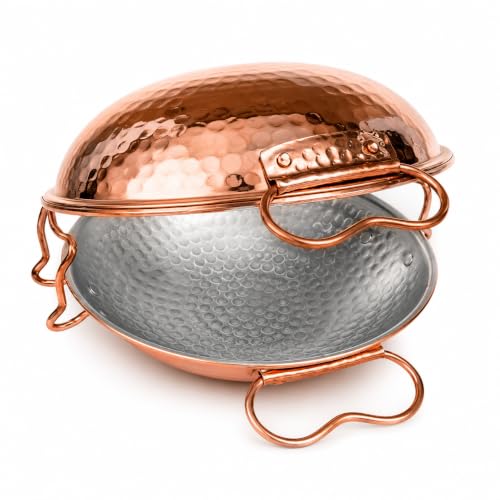
6. Ruffoni Historia Decor Copper Saucepan
A hammered copper saucepan with a decorative look, from an Italian maker that sells in the US. Confirm the lining and size on the listing.
Suits: a showpiece for the stove. Strengths: hammered finish and a handsome design. Weaknesses: not French in origin. Skip it if you need strict French provenance.
View Ruffoni Historia Decor on Amazon
Care and Setup
- Wash by hand with mild soap and a soft cloth.
- Heat gradually, since copper responds fast and can scorch food on high heat.
- Polish copper with a gentle cleaner when it dulls.
- Avoid steel wool, which scratches the lining.
- Dry fully before storing.
Mistakes to Avoid
- Buying a copper pan for induction without checking compatibility.
- Using high heat on an empty copper pan.
- Using metal utensils on a tin lining.
- Putting copper in the dishwasher.
- Expecting a lined pan to stay bright without polishing.
Why Copper Responds the Way It Does
Copper is prized in the kitchen because it conducts heat very well. When you turn the flame up or down, a copper pan follows quickly, and the heat spreads evenly across the base and up the sides. That is why cooks use it for tasks that go wrong quickly, such as reducing a delicate sauce, making a custard, melting chocolate or cooking sugar to caramel. With less hot-spotting, there is less scorching in one place and a gentler cook everywhere else.
The speed cuts both ways. A copper pan reacts fast to heat but also cools faster when you take it off the burner, so a sauce will stop cooking sooner than in a heavy cast pan. That is useful when you need to control timing. It also means you should adjust your habits: heat the pan gradually, use moderate flame, and stay close. A copper pan left on high heat empty can overheat quickly, damaging the lining.
The way copper is used in a pan matters. Some pans are solid copper with a thin lining, while others combine copper with another metal such as stainless steel, either as a core or as an outer layer. The thickness of the copper affects both performance and weight. Check how the listing describes the construction and thickness, and remember that more copper usually means more cost and more weight. Describing a pan as copper does not tell you how much of it there is, so read carefully.
Lining Options and What They Mean for Daily Use
Copper itself can react with acidic foods, so most cookware has a lining of another metal. Stainless steel is the most common modern lining. It is durable, tolerates metal utensils and does not need re-coating, which suits cooks who want less maintenance. Tin is the traditional lining. It is smooth, naturally slick when seasoned and responds well to gentle cooking, but it is soft and wears with use, so it needs care and may eventually need re-tinning by a professional.
Nickel and silver linings exist in some specialty pans. They are less common and may require more care. Check the listing to see what the lining is and whether it can be refreshed. If the lining wears through to the copper, stop using the pan until it is repaired, because exposed copper can react with food.
Think about your habits. If you tend to scrape the pan with a whisk or metal spoon, stainless may be a better match. If you cook gently with wooden or silicone tools and enjoy tradition, tin may appeal. Also consider repair options near you; re-tinning is a specialized service and may not be easy to find. A pan with a stainless lining avoids that worry but may feel less slippery for egg-based sauces. Whichever lining you choose, avoid heating the pan empty and follow the maker’s guidance on temperature limits.
Handles, Lids and Balance on the Stove
A copper saucepan is often held in one hand while you whisk or stir with the other, so the handle and balance matter. Handles come in cast iron, bronze, stainless steel and other materials. Cast iron and bronze handles stay cooler than the pan body for a time, but they get hot with prolonged use, and they add weight. Stainless handles are lighter and often more modern, but they can heat up quickly. Look at how the handle is attached; rivets are common, and they should be tight with no gaps.
Test the balance if you can. A saucepan with a long handle and thick copper walls can be front-heavy when empty, while one that is well proportioned feels natural in the hand. Think about whether you will use it on a gas flame, an electric coil or a smooth top, since stability on the burner is important.
Lids are another detail. A lid helps retain heat and moisture for simmering and reheating, but some sets are sold without one, or with a lid that is a separate purchase. Check what is included. Pour spouts and rolled rims help with clean pouring, and a flared rim makes it easier to ladle. A pan with a smooth, well-finished interior is easier to clean and gentler on whisks. Finally, consider storage: copper pans are often displayed on hooks or rails, which suits a rack above the stove, but check the weight your rack can hold.
Single Pan Versus Matched Set
Because copper is a significant purchase, deciding between one pan and a set is worth a moment. A single saucepan lets you try copper without committing to a full collection. A 1.5 to 2 quart pan covers sauces, small batches of rice and melted butter, and it is easy to handle. A larger saucepan suits soups and bigger sauces, while a smaller one is good for caramel and melting chocolate.
A set offers a matched look and a range of sizes. It can be a good choice if you cook varied sauces and want a pan for each job, or if you are setting up a new kitchen. The trade-off is cost, storage and the chance that some pieces will go unused. Look at the contents: a set might include saucepans of several sizes, a saute pan, a stockpot or lids. If you are unlikely to use all of them, buying individual pans may suit better.
Ask yourself these questions before deciding:
- Which three pans would I use weekly?
- Do I have room to store or display copper?
- Will I accept polishing, or do I want a low-maintenance finish?
- Does the lining match how I stir and clean?
Mixing a copper saucepan with other cookware you already own is a perfectly good approach, and you can add pieces over time.
Polishing, Patina and Long-Term Care
Copper changes color as it ages. It darkens with heat and handling, and it can develop a warm brown patina or a green tinge if neglected. Some cooks love the lived-in look; others prefer a bright finish. If you want it shiny, use a cleaner designed for copper, following the instructions, and rinse well. Household methods using acidic ingredients such as lemon and salt are sometimes used, but they should be rinsed thoroughly and dried promptly, and you should check the maker’s advice first, since some finishes are lacquered and do not need polishing.
Protect the lining as you clean. Use soft sponges and mild soap, and avoid abrasive pads that could scratch stainless or wear tin. Do not soak the pan for long periods or put it in the dishwasher unless the maker explicitly allows it, because detergents can dull the finish and damage handles. Dry it right after washing to prevent water spots.
Inspect the pan regularly. Signs that it needs attention include:
- A worn or scratched lining that exposes copper.
- Loose or wobbly handles and rivets.
- Dents or warps that make the pan rock on the burner.
- Green deposits near rivets that do not wash away.
Check for local repair services if you own tin-lined pans. A well-kept copper saucepan can serve for many years, but a damaged lining means it is time to repair or retire the pan.
Checklist for Choosing a Copper Saucepan
Copper pans are an investment in tools you may keep for decades, so slow down and go through the essentials before you commit.
- Check that your stove type works with the pan; copper alone does not suit induction unless the maker says it has a compatible base.
- Confirm the lining material and read how the maker advises caring for it.
- Look at wall thickness, which affects both weight and how evenly heat spreads.
- Note the capacity in quarts or liters against how you really cook.
- Examine how the handle is attached, usually with rivets.
- Find out whether a lid is included or sold separately.
Tin Lining Versus Stainless Lining in a Table
The lining is the part of the pan your food touches, so the choice shapes daily habits.
| Question | Tin | Stainless |
|---|---|---|
| Surface character | Soft metal that wears with use | Hard and resilient |
| Utensil choice | Wood or silicone preferred | Wider range usually accepted |
| Long-term plan | May need relining by a specialist | Rarely needs attention |
| Care level | Gentler handling | More forgiving |
How to Read a Copper Cookware Listing
Listings for copper often lead with romance and skip the details. Look for the stated thickness in millimeters, the lining, the handle metal and the pan diameter. Photos should show the interior as well as the polished outside. Names like M150B and M150S in the product titles point to different handle and finish choices, so compare the descriptions line by line. If a page is silent about stove compatibility, go to the maker’s own information before buying.
Decision Guide by Cooking Situation
- Sauces and creams on a gas or electric stove: a single medium saucepan is a sensible first purchase.
- Induction cooktop: look only at pieces the maker clearly lists as induction ready.
- Gift for a keen cook: choose a size that matches their usual recipes.
- Display as well as use: pick a finish you will enjoy looking at.
- Busy weeknights: consider whether polishing time fits your routine.
Short Glossary of Copper Terms
- Gauge: the metal thickness, often given in millimeters.
- Patina: the darkening that develops on the exterior over time.
- Relining: a specialist process that restores a worn lining.
- Rivet: the metal fastener holding a handle to the body.
- Sauteuse: a pan with gently sloping sides, as opposed to straight ones.
When to Follow the Maker’s Guide or Call a Professional
Cleaning compounds, lining care and heat limits differ from one maker to the next, so the booklet that comes with your pan outranks general advice. If a lining shows bare spots or the pan wobbles on a flat burner, stop using it for cooking and ask the maker or a qualified cookware restorer what to do. Questions about gas appliances or induction hardware belong with the appliance maker or a licensed technician.
Setup and Everyday Care Notes
Wash a new pan by hand with mild soap and a soft cloth, then dry it right away. Keep flames and elements within the base so heat does not lick up the sides near the handle. Hang the pan or store it with a soft layer between pieces to avoid scratches. Polish the outside only when you want the shine back, following the product’s instructions.
A Sizing Mistake to Dodge
Many buyers choose a saucepan that is too small to be useful, then find that stirring a sauce sends it over the rim. A pan about half to two thirds full tends to be comfortable for most tasks. Think about the largest batch you usually make, and pick the capacity that handles it with room for a whisk.
Storing and Displaying Copper Without Damage
Copper looks wonderful on a pot rail, yet hanging pans near a stove exposes them to splatter and steam, which dull the finish faster. If you hang them, choose a spot a little away from the burners and make sure the hooks and rail are suited to the weight, according to their own maker. Lined pans should never be stacked with the cooking surface scraping against another pan. A cloth between pieces is enough protection for most kitchens.
What a Copper Saucepan Does Best, Day to Day
A saucepan is the pan most cooks reach for without thinking: warming soup, cooking rice, reheating leftovers, melting butter, making oatmeal. Copper changes that everyday experience in one specific way. Because the metal spreads heat so evenly and reacts so quickly when you raise or lower the burner, the food in the pan follows your adjustments almost immediately. A sauce that is about to catch on the bottom can be saved by easing the heat down, and the pan actually cools fast enough to matter. With slower metals, the pan keeps cooking at the old temperature for a while after you turn the dial, which is how a smooth sauce turns grainy or a custard scrambles at the edges.
That responsiveness matters most with the foods saucepans are used for. Milk-based sauces, egg custards, caramel, chocolate and reductions all punish slow reactions. A thin spot of overheating shows up as a scorched ring, a skin, or a split sauce. Copper’s even spread means the liquid at the wall of the pan is close to the temperature of the liquid in the middle, so stirring stays gentle and the results are more forgiving. For plain tasks like boiling pasta water, copper offers no real advantage, and most owners save their copper pan for the jobs where control is the whole point.
It also helps to be honest about the trade. A copper saucepan asks more of its owner than a plain stainless pan does. The outside needs occasional polishing if you want the bright finish, the pan should be dried after washing so water spots do not set, and tin-lined versions need their lining watched over the years. Cooks who enjoy that small ritual tend to keep a copper pan for decades. Cooks who want to toss a pan in the dishwasher and forget it usually end up happier with stainless steel, and there is no wrong answer in that choice.
Matching Pan Size to the Meals You Actually Cook
Saucepans are usually sold by capacity, and the right size depends on what fills the pan most weeks. A small pan suits melting butter, warming a single serving of soup, heating milk for coffee drinks and making a small amount of sauce for two. It heats fast and is easy to wash, but it is frustratingly small the moment you cook for guests. A mid-size pan is the workhorse for most households: rice for a family, a full batch of oatmeal, reheating a stew, or reducing a pan sauce while the main dish rests. A large saucepan starts to overlap with a small stockpot, and it earns its place if you make big batches of soup, boil eggs for a crowd, or cook grains in quantity.
Diameter matters as well as volume. A wider pan gives more surface for reducing a sauce quickly, while a taller, narrower pan loses less liquid during a long simmer. If you often make caramel or sugar syrups, a pan with a bit of extra height helps contain bubbling, which can climb well above the liquid line. When you look at the picks in this guide, think about which size you would grab on an ordinary Tuesday rather than the size that sounds impressive. The pan that matches your routine is the one that gets used, washed and reached for again.
A simple way to test your current habit
Before buying, watch what you already do for a week. Note the pan you use for morning oatmeal, the one you reheat soup in, and the one that comes out for sauces. If one size covers nearly everything, buy the best copper version of that size first and add a second size later only if a real gap appears. Building a copper collection one well-chosen pan at a time is easier on the budget and leaves you with pieces that all earn their storage space.
How the Six Picks Differ in the Kitchen
The two Mauviel M’Heritage pans sit at the center of this list because they represent the classic French pattern: a copper body with a choice of handle material. The M150B pairs the copper with a bronze handle, which many cooks like for its traditional look and the way it feels in the hand, while the M150S uses a stainless steel handle that stays a little cooler and suits cooks who prefer a more modern, low-fuss finish. Choosing between them is mostly about handle preference and how the pan will look in your kitchen, since the cooking experience is closely related.
The de Buyer Prima Matera answers a different question: what if your stove is induction? Standard copper does not work on induction on its own, so this line is built to be induction compatible, which opens copper cooking to households that cannot use the traditional pans. The Falk Culinair is the pick for cooks who think in terms of substance: a thick base and a reputation for sturdy construction make it feel like a long-term tool rather than a decorative piece. The Matfer Bourgeat leans professional, the kind of pan aimed at serious home cooks and working kitchens that value function over display. The Ruffoni Historia Decor goes the other direction on purpose: it is the decorative choice, hammered and handsome, made to go from stove to table and to be seen as much as used.
None of these is the right answer for everyone. A cook with an induction hob narrows the field at once. A cook who hangs pans on a rail and loves the look of copper may happily choose the Ruffoni and accept the extra polishing. A cook who wants one pan to hand down may lean toward the thickest, plainest option. The honest way to choose is to rank your own priorities first: stove type, then lining, then handle feel, then looks, and let that order do the work.
Cooking Techniques That Show Off a Saucepan
A few classic techniques explain why saucepans exist in this shape. A roux-based sauce, for example, starts with fat and flour cooked together in the base of the pan; even heat keeps the roux from coloring in patches, and the tall sides contain the whisk when the liquid goes in. A reduction asks the opposite: a wide surface and steady, gentle heat so the liquid thickens without scorching at the edges. Poaching eggs or fish in a saucepan of barely simmering water rewards the cook who can hold a temperature just below a boil, which is exactly where a responsive pan helps, because small burner changes actually register.
Sugar work is the famous case. Caramel, toffee and syrups can move from perfect to burnt in seconds, and a pan that sheds heat quickly when lifted off the burner gives the cook a margin that slower pans cannot. Chocolate work is similar: melting chocolate gently, or holding a ganache smooth, goes better in a pan that will not keep climbing in temperature after the heat is cut. You do not need to make candy every week to benefit. The same control makes reheating a delicate soup or warming baby food less risky, because the pan stops when you tell it to stop.
Stirring, pouring and the small details
Technique is also in the small motions. A saucepan with a well-shaped rim pours a sauce in a clean stream instead of dribbling down the outside. A handle that stays balanced when the pan is full makes that pour safer. Stirring with the spoon reaching into the corners matters too: many saucepan bases have a gentle curve where wall meets floor, and that curve is there so a spoon or whisk can sweep the whole base without leaving an unstirred ring where sauces catch. When you compare pans in a shop or study the photos on a listing, look for that smooth interior corner and a rim that looks shaped for pouring rather than simply cut off.
Setting Up Your Stove and Pan for the First Cook
The first few cooks with a new copper saucepan set the pattern for its life. Start by washing the pan in warm soapy water and drying it fully, which removes any residue from packing and gives you a clean look at the lining. Check the lining carefully before the first use: it should look smooth and complete, with no bare copper showing inside the cooking surface. On a gas stove, match the flame to the base of the pan so the flame does not lick up the sides, which discolors the copper and wastes heat. On electric or glass-top burners, lift the pan to move it rather than sliding it, which protects both the stove surface and the pan base.
Preheat gently. Copper heats quickly, so a pan left empty over high heat can overshoot before you add anything. Warm the pan over moderate heat, add your fat or liquid, and let the pan tell you when it is ready rather than rushing it. For the first sauces, keep the heat a notch lower than you would with your old pan until you learn how fast this one responds. Most cooks find the adjustment takes only a few meals, after which the responsiveness feels normal and slower pans start to feel vague by comparison.
Questions to Ask Before You Spend on Copper
Copper is a considered purchase, so a short round of honest questions helps. Will the pan work on your stove, including induction if that is what you have? Is the lining the one you want to live with, and do you understand what re-lining involves if you choose tin? Does the handle suit your hand and your oven mitts, and does the pan feel balanced when you imagine it full of soup? Where will it live: in a cupboard, on a rail, or on the stove as a display piece, and does that storage protect it from knocks?
Finally, ask how you feel about upkeep in six months, not on the exciting first day. A two-minute polish now and then keeps the outside bright, and some cooks let the patina deepen instead, which is also a legitimate look with a long tradition behind it. What matters is choosing the version of ownership you will actually enjoy. The picks above cover the main paths: traditional French construction in two handle styles, an induction-ready option, a heavy-duty option, a professional option and a decorative option. One of those paths is likely to match the way you cook.
Copper in a Real Week of Cooking
It helps to picture the pan across an ordinary week rather than on a special occasion. On a weekday morning it warms milk without scorching it to the base, which is the small daily victory that cheap thin pans often lose. At lunch it reheats a portion of soup evenly, so the edges are not boiling while the middle is still cold. In the evening it is the pan for a quick pan sauce after searing meat in another pan: the juices, a splash of stock and a knob of butter come together fast, and the copper lets you pull the sauce off the heat the moment it coats a spoon, before it splits or reduces too far.
On a weekend the same pan might make a custard for dessert, a caramel for drizzling, or a batch of jam from soft fruit. Each of those jobs punishes hot spots and slow responses, and each is noticeably calmer in a pan that heats evenly and cools on command. That range is the real argument for a copper saucepan: not one showpiece recipe, but a dozen ordinary ones that go slightly better every time. If your cooking rarely includes sauces, custards or sugar, the advantage shrinks, and a good stainless saucepan will serve you well for less money and less upkeep.
There is also a learning effect. Because the pan responds so directly, it teaches heat control faster than forgiving, sluggish pans do. Cooks often find that after a few months with copper, their sauce making improves in every pan they own, because they have learned to watch the food and adjust early instead of reacting late. That skill transfer is rarely mentioned in listings, but longtime owners mention it often.
Pairing a Saucepan With the Rest of Your Cookware
Few kitchens need every pan in copper, and most experienced cooks mix materials on purpose. A heavy skillet or a large pot does not gain as much from copper’s speed, because those pans are often valued for holding steady heat rather than changing temperature quickly. The saucepan, along with a small saute pan for quick sauces, is where responsiveness pays for itself. Building a mixed set also spreads the budget: one or two copper pieces for control work, sturdy stainless or cast iron for volume and searing, and a nonstick pan for eggs if you use one.
Think about lids and sharing as part of the plan. A lid that fits more than one pan saves storage and money, and some cooks buy a saucepan in a size that matches a lid they already own. Handles matter across the set too: pans that hang together on a rail look better and are easier to grab when their handles are a similar length. None of this changes how the pan cooks, but a set that works as a system gets used more, and used pans are the only ones worth owning.
What to buy next, if you expand
If the first copper saucepan earns its place, the usual second purchase is the next size up or down from the one you own, chosen by the gap you actually noticed while cooking. A cook who kept reaching for a bigger pan during soup season buys bigger; a cook who found the main pan clumsy for melting butter buys smaller. Resist completing a matching set for its own sake. Copper collections built by need, one pan at a time, end up more useful than sets bought all at once to fill a rack.
Reading Reviews and Listings With a Copper Eye
When you compare listings for the picks in this guide, a few details separate a serious copper pan from a decorative one. Look for a clear statement of the lining material, since that decides both cooking behavior and long-term care. Look for the handle material and how it is attached; riveted handles are the traditional, repairable choice. Check whether the pan is stated to work on your stove type, especially induction, where only certain models belong. Weight listed for the empty pan is worth noting if lifting is a concern, because a full saucepan of soup is considerably heavier than the empty figure suggests.
Be wary of vague listings that lean on the word copper without saying what the lining is or how the pan is built. Thin copper-colored finishes on other metals do not cook like the solid copper pans in this guide. The brands listed here are established copper makers, which is why they anchor the list, but even among them you should confirm the exact size, lining and handle on the current listing, because long-running product lines change details over time and a listing photo may show a different size than the one in the box.
Serving From the Pan and Caring for It at the Table
One of the quiet pleasures of a handsome saucepan is taking it straight to the table. A sauce served from the pan stays warm longer, looks generous, and saves a serving dish to wash. Put a mat or trivet under it, warn everyone that the handle is hot, and ladle rather than pour if the pan is full, since a full saucepan is heavier than it looks and a steady ladle keeps the tablecloth clean. The decorative pick in this guide is made with exactly this habit in mind, but any of the six can go to the table on an ordinary evening and make a plain soup feel like an occasion.
After the meal, let the pan cool before washing; plunging a hot pan into cold water is hard on any cookware. Warm water, a soft sponge and a full dry with a cloth keep both the lining and the polished outside in good order. If a sauce has caught slightly on the base, soak the pan in warm water for a while rather than scrubbing, and the residue will lift without force. These small habits, repeated, are the whole secret behind copper pans that still look and cook beautifully after many years of regular use.
A note on cooking acidic foods in copper pans
New owners sometimes worry about tomatoes, wine and vinegar in a lined copper pan. The lining is exactly what makes those foods a non-issue in normal cooking: the food touches the lining, not the copper, so everyday sauces, braises and reductions are all fine. The habits that protect the lining are simple ones. Do not store acidic food in the pan overnight in the fridge, since long contact is harder on any lining than cooking is, and transfer leftovers to a container instead. Avoid overheating an empty lined pan, and let a very hot pan cool a little before washing. Follow those few rules and the pan will handle the full range of saucepan cooking, from a sharp tomato sauce to a gentle custard, without any special treatment beyond ordinary care.
Copper Saucepan FAQ
Is copper cookware worth the cost?
If you cook sauces and sugar work often, the fast response is useful. For simple boiling, a cheaper pan is usually enough.
Do I need to polish copper?
Only if you want it bright. Tarnish does not affect cooking in a lined pan.
Does copper work on induction?
Copper alone does not. Some pans have a magnetic base, so check each listing.
Is tin or stainless lining better?
Stainless lasts longer and needs less care. Tin is traditional but can wear and need re-tinning.
What size saucepan should I get first?
A medium saucepan of about two quarts handles sauces, custards and small batches of rice. Add larger or smaller sizes later if you need them.
Why do cooks use copper for sugar work?
Copper heats evenly and responds quickly to changes in flame, which helps prevent hot spots and scorching. That control is useful when sugar changes color fast.
Can I use metal utensils in copper pans?
It depends on the lining. Stainless tolerates metal utensils better, while tin is soft and should be used with wood or silicone.
What happens if the lining wears through?
The copper beneath can react with some foods. Stop using the pan until a professional relines it or you replace it.
Is copper heavy?
Thicker copper pans can be weighty, particularly with cast iron handles. Check the listed weight if you have wrist problems or lift pans often.
Can I use copper on a glass-top stove?
Often yes, but check the maker's guidance. A flat, clean base helps, and you should avoid sliding rough bases across glass.
Do I need a lid for a copper saucepan?
Not always, but a lid helps with simmering and reheating. Check whether it is included, since some are sold separately.
Why has my copper turned green or brown?
That is oxidation or patina from heat, air and moisture. A copper cleaner or gentle polish can brighten it, or you can leave it as it is.
How do I store copper pans?
Hang them on a sturdy rack or store them with padding between pieces. Make sure the surface is dry to limit tarnishing.
How long does a copper saucepan last?
A well-made copper saucepan can last for decades and is often handed down. The body itself is very durable; the part that may need attention over the years is a tin lining, which can be renewed by a specialist. Stainless-lined pans avoid that step. Handles and rivets should be checked now and then for tightness.
Can I put a copper saucepan in the oven?
Many copper saucepans are oven safe within the limits the maker states, and the handle material plays a part in that limit. Check the listing or the maker’s guidance for your exact model before using it under a broiler or at high oven heat, and remember that a pan handle stays hot long after the pan comes out.
What should I cook first in a new copper pan?
Start with something forgiving that teaches you the pan’s speed: warming soup, making oatmeal, or melting butter for a sauce. Then try a simple milk sauce or a custard, where the even heat shows its value. Save caramel and sugar work until you have a feel for how quickly the pan gains and sheds heat.
Does a copper saucepan need special utensils?
Wooden and silicone utensils are the kind choice for any lining, and they are a sensible habit with tin in particular. Metal utensils are best avoided on tin linings. Whatever the lining, avoid cutting food in the pan and avoid scouring pads that can scratch the interior.
Why is one copper pan much heavier than another?
Weight mostly follows copper thickness and pan size. Thicker copper gives very even heating and a substantial feel, but it also makes a full pan heavier to lift and pour. If you have any difficulty lifting heavy pans, factor that in and consider the size you will use most rather than the largest option.
The Short Version
For a bronze handle, the Mauviel M150B. For a steel handle, the Mauviel M150S. For induction, the de Buyer. For a thick base, the Falk. For pro-style cooking, the Matfer Bourgeat. For a decorative look, the Ruffoni.