A glass water bottle gives you a clean, neutral taste with no plastic flavor, and it is easy to see when it needs washing. Many have a silicone sleeve for grip and some protection, while others rely on a simple cap and careful handling.
The six bottles below range from sleeved travel bottles to swing-top and clip-top styles for home and desk. We have not used these products ourselves, so please confirm capacity, lid materials and sleeve details on the current listing before buying, since sizes and colors change.
As an Amazon Associate we earn from qualifying purchases. Links below are affiliate links, and they do not change the product information we give.
What to Look For
| Feature | Why it matters |
|---|---|
| Protection | A silicone sleeve cushions small knocks and improves grip |
| Closure | Screw caps travel well; swing tops suit home and desk |
| Mouth width | A wide mouth makes cleaning and adding ice easier |
| Glass type | Borosilicate glass is more resistant to heat changes |
| Size class | Choose a size you will carry; glass adds weight |
In this guide
Specs at a Glance
| Bottle | Material | Closure | Notes |
|---|---|---|---|
| Lifefactory Glass Water Bottle with Silicone Sleeve | Glass with silicone sleeve | Screw cap | Several size classes |
| Contigo Purity Glass Water Bottle | Glass with protective sleeve | Autoseal or screw lid | Spill-resistant lid options |
| bkr Glass Water Bottle | Glass with silicone sleeve | Cap with loop | Several sizes |
| Tronco Glass Water Bottle with Bamboo Lid | Borosilicate glass, bamboo lid | Screw cap | Sleeve included |
| Kilner Clip Top Glass Bottle | Glass with clip-top stopper | Swing-top closure | Home and fridge use |
| Bormioli Rocco Swing Glass Bottle | Glass with swing-top stopper | Swing-top closure | Several size classes |
The 6 Best Glass Water Bottles

Top pickBest for daily carrying
1. Lifefactory Glass Water Bottle with Silicone Sleeve
Lifefactory is one of the best-known names in sleeved glass bottles, with a silicone sleeve that adds grip and cushioning. It comes in several sizes and colors, so check the listing for the capacity you want.
Suits: daily carrying. Strengths: a protective sleeve and trusted brand. Weaknesses: glass is still heavier than steel. Skip it if you want an insulated bottle.

View Lifefactory Glass Water Bottle with Silicone Sleeve on Amazon

Best for commuting
2. Contigo Purity Glass Water Bottle
Contigo’s Purity bottle puts a glass body inside a sleeve and adds a lid built to cut down on leaks. It is a sensible option for a bag or a car cup holder.
Suits: commuting. Strengths: a leak-resistant lid style. Weaknesses: the lid has several parts to clean. Skip it if you want a lid with fewer pieces.

Best for desk and gym bags
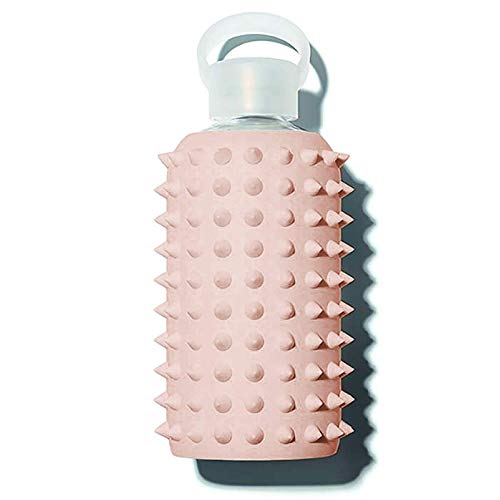
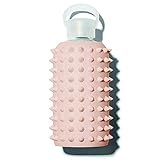
3. bkr Glass Water Bottle
bkr is known for its stylish glass bottles in a soft silicone sleeve, with a cap that doubles as a carry loop. The look appeals to people who want a bottle that sits well on a desk.
Suits: desk and gym bags. Strengths: a stylish look with a soft sleeve. Weaknesses: a mid-sized opening for ice. Skip it if you want a very wide mouth.
Best for tea and infused water
4. Tronco Glass Water Bottle with Bamboo Lid
A glass bottle with a bamboo lid and a protective sleeve, usually marketed for plain water and tea. Look closely at the listing for the filter or strainer pieces, which vary by version.
Suits: tea and infused water. Strengths: a natural look with a sleeve. Weaknesses: a bamboo lid needs hand washing. Skip it if you want a dishwasher-safe lid.
View Tronco Glass Water Bottle with Bamboo Lid on Amazon
Best for fridge and table use
5. Kilner Clip Top Glass Bottle
Kilner is a long-established brand of clip-top jars and bottles. The swing-top closure suits a filled bottle in the fridge rather than a gym bag.
Suits: fridge and table use. Strengths: a classic, sealed closure. Weaknesses: no protective sleeve. Skip it if you carry it every day.
View Kilner Clip Top Glass Bottle on Amazon

Best for homemade drinks
6. Bormioli Rocco Swing Glass Bottle
Bormioli Rocco is an Italian glass maker whose swing-top bottles are widely used for water, juice and homemade drinks. Sizes vary, so check the capacity before ordering.
Suits: homemade drinks. Strengths: a durable, simple bottle. Weaknesses: not built for bag travel. Skip it if you want a built-in sleeve.

Care and Setup
- Wash by hand with a bottle brush for a thorough clean.
- Remove silicone sleeves now and then and rinse beneath them.
- Let the bottle reach room temperature before adding hot liquid.
- Air dry upside down with the lid off.
- Check the rim for chips before each use.
Mistakes to Avoid
- Dropping a bottle without a sleeve onto tile.
- Adding boiling water to a cold glass.
- Closing a damp bottle and leaving it sealed.
- Overfilling swing-top bottles so the gasket cannot seat.
- Buying a size too heavy to carry comfortably.
Matching a Bottle to Your Routine
Before comparing designs, decide where the bottle will spend most of its day. A desk or home bottle can be a simple swing-top that never leaves the table, because it only needs to look good, seal in the fridge and be easy to refill. A commuter bottle has to survive a bag, a car cup holder and the occasional drop, which makes a sleeve and a reliable screw cap far more important than looks.
Think about what a full day of drinking involves. Many people aim to refill a bottle two or three times rather than carry one large one, and with glass the weight difference is noticeable. A smaller bottle you actually bring along beats a large one left on the counter. Pick a capacity based on how long you go between refills, then check the listing for the real size rather than a size name, since labels such as small or large vary between makers.
Consider your hands and your bag. A bottle with a carry loop on the cap is handy for a gym bag but can be awkward if the loop gets in the way of drinking. A narrow body fits cup holders and bag side pockets, while a wide body holds more but may not fit either. Measure the pocket or holder you plan to use.
Finally, think about whether the bottle will sit in the sun, car or a hot room. Glass heats up and can feel warm to the touch, and a sleeve helps with comfort. If you often leave a bottle somewhere warm, plan on keeping it out of direct sun and not leaving it sealed in a hot car for long periods.
Handling Hot and Cold Drinks Safely
Some glass bottles are made for water only, while others state they can handle warm drinks or tea. Check the product listing and manual for a stated temperature allowance. If a maker does not mention hot liquids, assume the bottle is meant for room temperature or cool drinks and keep boiling water away from it.
Even with borosilicate glass, which is generally more tolerant of temperature swings, sudden changes are the usual cause of cracks. Warm the bottle gradually: start with lukewarm water, let it sit a moment, then add the hotter liquid. Do the reverse for cooling, letting a bottle reach room temperature before putting it in the fridge or pouring cold water in. Never add ice to a freshly emptied hot bottle.
A sleeve protects your hand from a warm bottle and can add cushioning, but it does not insulate in the way a double-wall bottle does. If your priority is keeping a drink cold for hours or hot for a commute, glass will not do that on its own, and an insulated bottle is a better fit. For fridge-cold water at your desk, glass is perfectly pleasant.
Be careful with fizzy drinks. Carbonation builds pressure inside a closed bottle, and shaking a sealed bottle of fizzy liquid or leaving it in warmth can be a hazard with any closed container. Unless the maker states a bottle suits carbonated liquids, leave sparkling drinks out of it. Swing-top bottles meant for homemade drinks may be designed for pressure, but verify this in the listing instead of assuming.
Cleaning Methods and Odor Control
Glass is easier to keep fresh than many materials, but the lid and sleeve still need attention. A bottle brush with a long handle reaches the base, and a brush with a soft tip is kinder to the glass than a stiff metal one. If the mouth is narrow, you may need a thinner brush or a pipe cleaner for lid parts, so check the opening before choosing a bottle you intend to clean thoroughly.
For a stale taste or film, a mix of warm water and a spoonful of baking soda left in the bottle for a while, followed by a brush and a long rinse, is a gentle option. White vinegar and water can help with mineral buildup in hard-water areas, but rinse well afterward. Avoid abrasive powders that scratch glass, since scratches weaken it and catch residue.
The lid is where most smells live. Take apart anything that comes apart: straw pieces, silicone rings, spouts and filters. Rinse the parts and let them dry fully before reassembling. Bamboo or wood lids should be wiped rather than soaked, and kept out of the dishwasher unless the listing says otherwise.
Once a week, slide the silicone sleeve off and rinse the glass and the inside of the sleeve, because water and soap can collect between them. Let both dry before sliding the sleeve back. A damp sleeve held against glass is a good place for stale smells and sometimes mildew to form, which is why daily air drying with the lid off matters.
Lids, Gaskets and Leak Checks
Most leaks come from the lid, not the glass. Screw caps rely on a rubber or silicone ring, and swing-top and clip-top stoppers rely on a flat gasket that must sit evenly in its groove. When a gasket is pinched, twisted or dirty, the bottle can seep even though it looks closed.
Test a new bottle over the sink before you trust it in a bag: fill it, close it, invert it, and check for drips. Repeat after you wash the lid, since reassembly errors are common. If a bottle leaks, look for a gasket that has slipped out of place, a thread with residue or a cap that has not been tightened straight.
Closed spill-resistant lids can have several small parts such as valves, springs and seals. They are convenient but more demanding to clean, and a missing or misplaced part can compromise the seal. If you prefer fewer parts, a simple screw cap is easier to keep reliable, though it may leak more readily when tipped on its side.
Gaskets are replaceable in some designs and fixed in others, so check whether the maker sells spare parts. A bottle with a good glass body and a worn seal can often be revived with a new gasket, which is better than discarding the whole bottle. Store the bottle with the cap off when not in use so the gasket does not stay compressed.
Signs to Retire or Replace a Bottle
Inspect the rim, threads and base regularly. A tiny chip on the rim can catch your lip or leave fragments, and a hairline crack at the base can spread under heat or knocks. If you spot damage, stop using the bottle for drinking. Do not trust tape or glue to fix a crack.
A sleeve that has stretched, torn or become sticky is less protective and may slide down. Many sleeves are replaceable or sold separately, so check with the maker. Replace the cap or seal when it cracks, stays deformed, smells persistently or no longer closes tightly.
Also consider whether the bottle suits you at all. If you leave it at home because it is heavy, a lighter option or smaller capacity might serve you better than forcing the habit. A bottle that goes unused is no saving at any price tier, so be honest about how and where you will carry it.
If you do break a glass bottle, clean the area carefully, wearing shoes and using a damp paper towel or tape to pick up small fragments. Wrap broken pieces in thick paper or cardboard before disposal so they do not injure anyone handling the trash.
Sleeve or No Sleeve: Protecting Glass on the Go
Glass bottles keep a clean taste and are easy to see through, but they can crack if dropped. A silicone sleeve adds grip and a cushion against bumps, and a neoprene or fabric cover can add insulation. Think about where the bottle will travel, such as a desk, a gym bag or a car cupholder.
| Use | Sleeve idea |
|---|---|
| Desk or home | Light sleeve or none |
| Commuting | Thicker silicone sleeve for knocks |
| Gym bag | Full sleeve and a secure lid |
| Kids | Fully covered bottle and a parent check on the lid |
Lids: Swing Tops, Screw Caps and Straws
The lid decides how the bottle pours and how well it seals. Swing tops use a hinged clamp and a gasket, and they are easy to open. Screw caps with a handle are simple and often leak-resistant. Straw lids suit sipping at a desk. Check the listing for whether the lid is sealed for travel and which parts can be removed for cleaning.
- Look at the gasket and see if it is replaceable.
- Check the opening width for ice cubes and cleaning.
- Choose a lid material that suits your preferences.
- Test the seal at home before you pack it in a bag.
Size, Weight and Daily Habits
Glass is heavier than plastic, so check the bottle weight when full. A larger bottle reduces refills but adds weight to your bag. Many people keep a smaller one for travel and a larger one at home. Measure your cupholder or bag pocket before you order.
Cleaning, Temperature and Safe Handling
Wash glass bottles with warm soapy water and a bottle brush, and check the care notes for dishwasher use on the bottle, lid and sleeve. Avoid sudden temperature changes, such as pouring boiling water into a cold bottle, unless the maker says it is designed for it. Inspect the glass for chips or cracks before each use, and stop using a damaged bottle. Let all parts dry fully before storing them with the lid off to prevent odors.
If a bottle breaks, clean up carefully with gloves and dispose of the pieces safely.
Mistakes to Avoid With Glass Bottles
Glass is a pleasant material to drink from, but it asks for a little extra care. Avoid these common slips.
- Carrying a bare bottle loose in a bag with keys and tools.
- Filling a cold bottle with very hot liquid.
- Overtightening a lid until the threads strain.
- Ignoring a chipped rim, which can hurt your lips.
- Leaving a bottle in a hot car, where pressure and heat can build.
A Decision Guide by Daily Routine
Match the bottle to your day. Desk workers can choose a larger bottle with a simple lid and keep it in one place. Commuters should lean toward a sleeve, a secure cap and a size that fits in a bag. People at the gym may prefer a lighter bottle with a wide mouth for ice, while parents should check lids carefully for little hands.
Whatever you choose, consider owning two bottles so one can be cleaned and dried while the other is in use. Read the care label for each part, and replace gaskets that wear out.
How the Six Bottles Suit Different Days
The six bottles in this guide divide along one honest line: the ones built to travel and the ones built to pour. The Lifefactory bottle with its silicone sleeve, the Contigo Purity and the bkr bottle are companions for bags, desks and car cup holders, designed to be carried, sipped and refilled through a busy day. The Tronco bottle with its bamboo lid sits between worlds, pretty enough for a desk and sturdy enough for a tote. The Kilner Clip Top and the Bormioli Rocco Swing are the home players: generous bottles for the fridge door, the table and the batch of infused water you make on Sunday and drink until Wednesday.
Choosing well means matching the bottle to the day you actually have, not the day in the advertisement. A commuter who drinks steadily and refills at a fountain wants a mouth that fills fast, a cap that seals with certainty and a sleeve that forgives the knocks of a train door. A home worker wants a bottle that stands stable beside a keyboard, pours without glugging, and looks calm on a video call. A parent batch-making drinks for the fridge wants capacity, a wide mouth for fruit and ice, and a closure that children can manage without flooding the shelf.
The sleeve question runs through the travel bottles. A sleeve is not armor, and no honest review should pretend glass becomes unbreakable, but a good sleeve improves grip on a wet bottle, cushions the small knocks that make up most accidents, and keeps condensation from pooling on a desk. If your bottle will live in a bag beside a laptop, the sleeve and a proven seal matter more than elegance. If it will live on a counter, the sleeve matters less than how the bottle pours and washes.
Finally, consider owning the pair rather than forcing one bottle to do everything. A sleeved traveler for the day and a swing-top for the fridge is a combination many glass loyalists settle into, because each bottle then does its own job without compromise. The reviews above give you both halves of that pairing, and the cost of the second bottle is quickly repaid in the drinks you stop buying and the plastic you stop throwing away.
Carrying Glass Safely: Bags, Cars and Desks
Glass in a bag asks for a small amount of respect and repays it with years of service. Pack the bottle upright in a side pocket or a padded section where it cannot roll, and keep it away from the hardest neighbors in the bag: laptops without a sleeve of their own, metal tools, bunches of keys. The bottle’s own sleeve handles the small knocks; your packing handles the big ones. Before the bag closes, do the two-second seal test: cap on, bottle tipped over the sink or a bin. A seal proven at home never embarrasses you in a meeting.
In the car, the cup holder is the bottle’s friend and the hot parked cabin is its enemy. A bottle left in a sealed car on a summer day heats its contents and stresses seals, and a carbonated drink in that heat is a small science experiment you do not want. Take the bottle with you, or at least into the shade of the footwell, and never leave a full bottle where a freezing night can reach it, because water expands as it freezes and glass does not negotiate. For long drives, a bottle you can open and drink from one-handed, safely, is worth more than a beautiful closure that needs both hands and your eyes.
At a desk, the risks are quieter: condensation rings, a sleeve that slides on a wet surface, the elbow that has ended more bottles than any drop. Give the bottle a coaster or mat of its own, keep it behind the keyboard rather than beside the mouse hand, and refill before it is empty so you are not carrying a wet, slippery bottle across the office at the busiest moment. If the desk is shared or hot-desking, a bottle with your name on the sleeve saves confusion and the occasional well-meant trip through someone else’s dishwasher.
Children and gym bags deserve their own sentence each. For children, glass suits supervised settings and older kids who understand the material; the swing-top home bottles at a family table are a better introduction than a bottle in a school bag. For the gym, glass works if it travels in a padded pocket and stays off the floor beside the weights; if your training involves throwing the bag down, be honest about that and keep the glass bottle for the office. Matching the bottle to the real environment is not caution for its own sake; it is how a bottle survives to become an old favorite.
Infused Water, Tea and Other Drinks in Glass
Glass is the kindest material for flavored drinks because it adds nothing and keeps nothing. Yesterday’s cucumber does not haunt today’s lemon, and a properly washed bottle tastes of only what you just put in it. For infused water, the wide-mouth bottles in this guide are the easiest to load and, just as importantly, to empty and scrub. Slice fruit rather than crushing it, give the infusion a few hours in the fridge rather than a few minutes on the counter, and strain out soft fruit after a day before it turns tired and clouds the water.
Iced tea and cold brew coffee are natural fridge-bottle drinks. Brew them strong, chill them in the swing-top bottles, and they will pour cleanly at the table for days. Keep strongly colored drinks in mind when you choose which bottle to dedicate to them; glass itself does not stain, but lids, gaskets and bamboo trims can pick up color and aroma, so many households keep one bottle as the tea bottle and let the others stay neutral. A rinse straight after emptying prevents most of the carry-over that people blame on the glass.
Hot drinks need the care described elsewhere in this guide: check that your specific bottle is meant for hot liquids, warm the glass gradually rather than shocking it, and leave room at the top. Herbal teas travel well in a sleeved bottle for a short commute, but a bottle is not a flask and will not hold heat for hours; expect a warm drink, not a hot one, by the time you arrive. Never seal a bottle of steaming liquid tightly and drop it in a bag, because pressure and heat together test seals in ways plain water never does.
Sparkling drinks deserve a caution of their own. Only use a bottle designed and rated for carbonation, fill it in the sink, and open it slowly and upright. The swing-top home bottles have a long tradition with homemade fizzy drinks, but even they should be treated with respect: chill first, open over the sink, and never shake a sealed bottle of anything fizzy in glass. With that respect given, glass rewards you with drinks that taste exactly as made, which is the entire point of making them yourself.
Building a Refill Habit That Actually Sticks
The best bottle is the one that is full, near you and clean, and all three are habits rather than features. Anchor refilling to moments that already exist: fill the bottle when you make morning coffee, again when you come back from lunch, and wash it when you wash the dinner things. Habits attached to existing routines survive; habits that rely on remembering rarely do. Put the bottle where your eyes land, not in a cupboard: on the desk corner, by the door with your keys, in the fridge door at home so cold water is always the easiest drink in the house.
Taste is the habit’s engine. If your tap water tastes of the pipes, you will quietly stop drinking it and blame the bottle. A filter jug, a squeeze of citrus, a bottle kept properly cold: fix the water and the habit fixes itself. Keep a second bottle or a home swing-top in rotation so a bottle in the wash never becomes a day without water, and let the fridge bottle be the reservoir that makes refills cold and instant rather than a trip to a lukewarm tap.
Track nothing if tracking bores you, but notice the effects: the afternoon headache that stops arriving, the soft drinks that stop appearing in the shopping basket. People keep habits that visibly pay them back. If plain water palls, rotate infusions through the week so the bottle offers a small novelty each day. The bottles in this guide make that rotation easy because they wash clean between flavors, which is a genuine advantage over materials that hold on to yesterday’s taste.
Finally, forgive the broken streak. A day of bought drinks or a bottle forgotten at the office is not the end of the system; wash the bottle, fill it, and put it back in its place. Glass habits are long games measured in years of daily use, and every bottle above is built for exactly that horizon. The people who drink water happily for a decade are not the people with the most willpower; they are the people whose bottle, water and routine were arranged so the easy choice was the full bottle within reach.
Troubleshooting Leaks, Odors and Stuck Lids
A leaking bottle is almost never a leaking glass; it is a seal, a gasket or a closing habit. Check that the gasket sits flat in its channel and has not flipped, folded or picked up a crumb, and close the cap with firm, even pressure rather than a final heroic twist, which can distort a seal instead of seating it. Test over the sink after any gasket removal. If a swing or clip top weeps, look at the wire and the rubber ring with fresh eyes: a ring that has flattened with age is a consumable, and replacing it restores the bottle for a small cost instead of retiring the whole thing.
Odors live in the same places leaks do: the gasket, the cap’s underside and any narrow neck where a brush has never reached. Wash those parts deliberately, not as an afterthought to the body, and let everything dry fully apart before reassembling, because a bottle closed while damp inside will smell of exactly that damp by morning. A soak with warm water and baking soda, or a denture-cleaning tablet if your bottle’s maker allows it, reaches places brushes cannot. Store the bottle uncapped; a sealed empty bottle slowly perfumes itself with stale air.
A stuck lid is usually a story of sugar, heat or pressure. Dried juice glues threads beautifully. Run the cap under warm water, grip with a dry cloth for purchase, and twist steadily rather than in jerks. If a vacuum has formed after a hot fill cooled, warming the bottle gently or breaking the seal with a careful lift of the gasket edge releases it. Never use tools that can chip the glass lip, and never hand a stuck glass bottle to the strongest person in the room to force; steady warmth and patience open nearly every lid that brute strength would break.
Cloudiness that survives washing is often mineral film from hard water rather than damage. A soak in diluted vinegar, followed by a normal wash, restores the sparkle in most cases, and drying with a lint-free cloth prevents the spots from forming in the first place. True etching, from years of harsh dishwasher cycles, cannot be polished away, which is why the care guidance in this guide favors gentler washing for bottles you want to keep beautiful. Treat cloudiness early and it stays a five-minute fix instead of a permanent veil.
Glass Bottles at Work: Meetings, Desks and Shared Kitchens
The workplace is where a glass bottle proves itself or quietly retires, because work adds audiences, shared spaces and other people’s habits to the equation. In meetings, a glass bottle has a small social grace: it looks considered on a table, pours or sips without the crinkle and clatter of disposable plastic, and signals nothing louder than that its owner has a system. Keep the bottle on your own side of your notebook rather than at the table’s center, where elbows, laptops and passed documents conspire against it, and choose the sleeved traveler for days of back-to-back rooms, since it will be carried, set down and picked up more times than you will count.
Shared kitchens ask for clarity. A bottle with your name on the sleeve or cap ends the slow confusion of identical bottles in a communal fridge, and a bottle washed at home rather than left in the office sink keeps both the bottle and your reputation in good order. If your workplace fridge is crowded, the fridge-door habit from home applies doubly: a bottle that lives in the door is a bottle that gets knocked, so give yours a stable corner or keep it at your desk and refill it on a schedule. The goal is a bottle that colleagues stop noticing entirely, because it is simply always there, clean and yours.
Desk work has its own physics. A full bottle is a stable bottle, so refill before it is empty and tippy; a coaster or mat under it protects both the desk and the bottle’s base from the grit that accumulates on any working surface; and the bottle belongs behind the line of your keyboard, in the territory your hands visit deliberately, not beside the mouse where your wrist sweeps a hundred times a day. If your desk is hot-desking or shared, the bottle goes home or into your bag at night, because a bottle left in a rotating workspace becomes communal property in everyone’s mind but yours.
Travel between sites, clinics, classrooms or client offices rewards the same packing discipline as the commute: upright, cushioned, seal proven before the bag closes. Add one workplace-specific habit, which is to rinse the bottle at the day’s end even if the full wash waits for home, because a bottle that carried an infusion at noon and sits sealed until morning will greet you with yesterday’s aroma. Workplaces run on small systems that survive tired days, and a bottle system built on a coaster, a name, a rinse and a place is exactly that kind of system.
There is also a quiet economics to the work bottle worth naming. The drinks not bought at the kiosk, the disposable bottles not thrown into the office bin, the afternoon slump softened by water that was actually within reach: over a working year these add up to a sum that makes the bottle look less like a purchase and more like an arrangement. None of this requires virtue, only placement. Put the right bottle in the right spot with the right small habits around it, and the workplace, which defeats so many good intentions, becomes the place where this one simply runs itself.
Glass Water Bottle FAQ
Are glass water bottles safe to drink from?
Glass is a neutral material and does not add flavor. Check the lid and sleeve materials on the listing as well.
Do glass bottles keep water cold?
Not by themselves, since most are single wall. Put the bottle in the fridge before you leave, or pick an insulated bottle.
Can a glass bottle go in the dishwasher?
Many can, but sleeves and lids may be hand wash only. Follow the maker’s instructions.
How do I stop a glass bottle from breaking?
Use a sleeve, avoid hard surfaces and replace any bottle with a chip or crack.
Can I put a glass water bottle in the freezer?
Only if the maker says it is allowed. Water expands as it freezes, which can crack a full sealed bottle. If the manual permits freezing, leave generous headspace and let it thaw gradually.
Does a silicone sleeve make a bottle shatterproof?
No. A sleeve cushions small knocks and improves grip, but a hard drop onto tile can still break the glass. Treat it as protection, not a guarantee.
How often should I wash a glass water bottle?
Rinse it daily and wash it with soap every day or two if you drink anything other than plain water. Wash sooner if you add juice, tea or flavorings, and always let it dry open.
Why does my bottle taste or smell off?
Usually the lid, gasket or sleeve is holding odors, not the glass. Take the parts apart, wash them well, and dry everything fully before reassembling.
Is a wide mouth or a narrow mouth better?
A wide mouth is easier to clean and to fill with ice or fruit. A narrower mouth can be more comfortable for drinking on the move and may fit cup holders better.
Can I use a glass bottle for tea or infused water?
Many people do, provided the maker states the bottle suits warm liquids when you use hot water. Use a strainer or infuser if the listing includes one, and wash it promptly to avoid stains.
Are glass bottles good for kids?
They can be, with a sleeve and supervision, but some families prefer lighter unbreakable bottles for young children. Weigh the risk of drops against the benefit of a plastic-free drink.
Can I put sparkling water in a glass bottle?
Only in a bottle designed for carbonation, and with the respect fizz deserves. Pressure builds in a sealed bottle, more so as it warms, and glass that is not rated for it should never be asked to hold that pressure. If your bottle is a swing-top home bottle with a sound gasket, chilled sparkling water poured gently and opened slowly over the sink is a traditional and reasonable use. Travel bottles with screw caps are for still drinks unless the maker says otherwise. When in doubt, keep the fizz in the bottle it came in and pour it into your glass bottle open, to drink soon, rather than sealing it away.
How do I carry a glass bottle in a gym bag safely?
Give it its own padded place: a side pocket, a shoe compartment divider, or a simple padded sleeve or towel wrap that stops it rolling against hard kit. Pack it upright, prove the seal before you leave, and keep it out of the main compartment where weights, belts and bottles collide. At the gym, the bottle belongs on the floor against a wall or in a locker, not balanced on equipment. If your training style involves dropping the bag from a height or throwing it into a car boot without a thought, be honest and use the glass bottle on office days instead; matching bottle to environment is how glass survives.
Why does my silicone sleeve slip or stretch?
Sleeves slip when water or soap gets trapped between the silicone and the glass, turning a grippy surface into a sliding one, and they stretch gradually with heat, age and being peeled off roughly for washing. Rinse and dry both the sleeve and the bottle fully before refitting, and slide the sleeve on evenly rather than dragging it from one side. If a sleeve has stretched beyond a snug fit, it has done its service; a loose sleeve is worse than none, because it promises grip it cannot deliver. Many owners wash the bottle with the sleeve on most days and remove it only for a periodic deep clean, which extends the sleeve’s life considerably.
Can I add ice cubes to a glass bottle?
Yes, in a wide-mouth bottle, added gently. Lower cubes in rather than dropping them from a height onto the base, and add them to liquid rather than into an empty bottle, so the water cushions the landing. Very cold cubes into a bottle that is warm from a dishwasher or a hot car is the combination to avoid, since sudden temperature differences are glass’s real enemy. Narrow-mouth bottles make ice awkward; chill the water in a fridge bottle instead and decant. Crushed ice is kinder than large cubes in any bottle, and it melts into the drink faster on a hot day anyway.
How do I dry the inside of a narrow bottle fully?
Wash it, shake out what you can, and then give air a path: stand the bottle upside down at an angle in a rack so air circulates, or rest it on a bottle dryer or a clean chopstick stand. A rolled strip of paper towel or a bottle-drying brush left inside for a few minutes wicks the last moisture from the base. In humid kitchens, bottles stored still-damp develop the musty smell people blame on the material, so the drying step is worth the counter space. Store the bottle uncapped once dry, and the inside will stay as fresh as the day it was washed.
What should I do if the gasket falls out?
Retrieve it, wash it, and refit it carefully; a gasket that falls out during washing is common and not a defect. Seat it flat in its channel all the way around, checking with a fingertip for twists or a section riding up, then close the bottle and do the tip test over the sink. If the gasket falls out repeatedly or no longer sits flat, it has stretched or worn and should be replaced, because a loose gasket is a leak waiting for a bag to happen in. Keep a note of your bottle’s make when you buy it, since replacement gaskets are far easier to find while you still know exactly what you own.
How often should I replace a bottle brush?
Replace it when it stops doing its job rather than by the calendar: when the bristles splay and soften so they no longer scrub the base’s corners, when the handle cracks, or when the brush itself holds a smell that washing does not remove. A brush that lives damp in a closed drawer ages fast, so rinse it, shake it and store it where it can dry, ideally hanging or standing bristles-up. Many households find a brush lasts a season of daily bottle washing; a brush used weekly lasts far longer. Keep a spare if your bottle is narrow-necked, because that bottle cannot be cleaned properly by any other means, and a week without a brush is how odors get their foothold.
The Short Version
For a trusted sleeved bottle, Lifefactory. For a leak-resistant lid, Contigo Purity. For a stylish look, bkr. For a bamboo lid, Tronco. For a classic fridge bottle, Kilner. For a simple swing-top, Bormioli Rocco.