Disclosure: topratedkitchenware.com is reader-supported. When you buy through links on our site, we may earn an affiliate commission from Amazon and other retailers, at no extra cost to you.
Where to buy
The six models below are the verified picks for this guide to best grills for no flare ups. Each name links to its Amazon listing, where you can check the latest price on Amazon, confirm the current configuration, and read the newest owner feedback before you decide.
- Weber Original Kettle Charcoal Grill 22-Inch
- Cuisinart 14-Inch Portable Charcoal Grill CCG-190RB
- Royal Gourmet CC1830V 30-Inch Barrel Charcoal Grill
- NATUREPON 17.5-Inch Charcoal Kettle Grill with Wheels
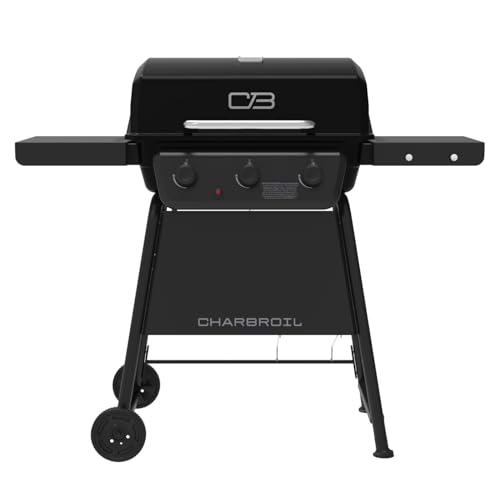
- Char-Broil Classic 3-Burner Propane Gas Grill
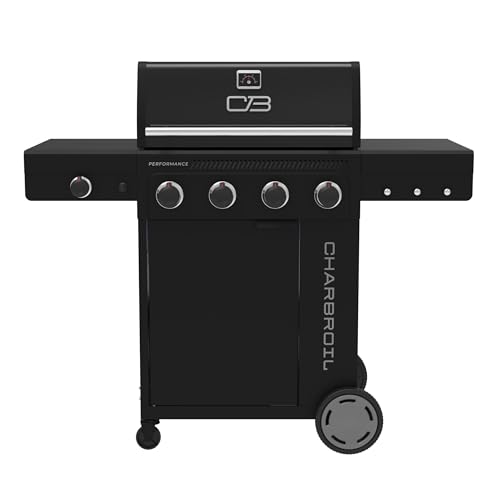
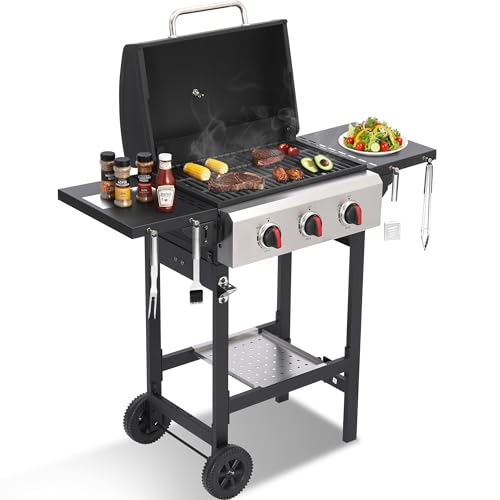
- Electactic Stainless Steel 4-Burner Gas Grill with Side Burner
Read the full guide ↓ for the ranking logic, the honest limitations of every pick, and the buying checks that matter more than any headline claim.
Anyone searching for the best grills for no flare ups has usually just watched a tray of chicken thighs turn into a bonfire. Here is the honest truth this guide is built on: no grill in this verified pool — and no grill anywhere — eliminates flare-ups completely, because flare-ups are what happens when rendered fat drips onto a heat source. What the right grill does is give you control: distance between food and fire, a cooler zone to escape to, a lid to starve a flare of oxygen, and heat you can turn down in a second. Judged on control, the six picks below separate clearly.
The pool mixes four charcoal grills and two gas grills, and each fuel fights flare-ups differently. Charcoal kettles let you bank coals to one side so food can rest over no fire at all — the single most effective anti-flare layout there is. Gas grills answer with instant control: a burner turns down or off the moment fat starts to drip, and porcelain-coated grates and grease management keep drips away from the flames. Neither approach is magic, and every review below names the flare risk that remains with that pick.
Technique matters as much as hardware, so this guide pairs each review with a full how-to section on flare-proof cooking: trimming, zoning, lid discipline and what to do in the ten seconds when a flare actually starts. If you are setting up a first patio and weighing these against a broader shortlist, Best Grills For New Home Owners covers the first-purchase basics that sit behind this more specific question.
Read the trade-offs in each review as the flare report. A grill that sears beautifully with food directly over a full bed of coals will flare with fatty food no matter who built it; a grill with a genuine indirect zone lets you cook the same food calmly. The badge each pick carries reflects its control style, so you can shop by the kind of cook you are, not by promises no manufacturer can keep.
Key Takeaways
- No grill eliminates flare-ups entirely; the honest goal is control — distance, zoning, a lid and fast heat adjustment.
- A two-zone fire is the most effective anti-flare tool: food rests over no direct heat while fat renders gently.
- Charcoal kettles excel at escape zones; gas grills excel at instant turn-down when dripping starts.
- Trimming excess fat, patting food dry and avoiding sugary marinades early in the cook prevent most flares before they start.
- Never use a spray bottle of water on a grease flare — move the food, close the lid and starve it of oxygen instead.
In this guide
Quick Picks
Badged by control style rather than raw power. If flare-ups have ruined meals for you, start with the kettle picks and their escape zones, then read the gas picks for the turn-down approach.
| Pick | Badge | Fuel | Why it is here |
|---|---|---|---|
| Weber Original Kettle Charcoal Grill 22-Inch | Best Overall for Control | Charcoal | The classic kettle: bank the coals, rest food over the cool side, close the lid on trouble. |
| Cuisinart 14-Inch Portable Charcoal Grill CCG-190RB | Best Small-Batch Control | Charcoal | A small charcoal portable where tiny batches mean tiny drips and quick control. |
| Royal Gourmet CC1830V 30-Inch Barrel Charcoal Grill | Best for Crowds Without the Drama | Charcoal | A long barrel that lets you slide food along to cooler ends as fat renders. |
| NATUREPON 17.5-Inch Charcoal Kettle Grill with Wheels | Best Compact Kettle | Charcoal | A compact kettle with dampers and a porcelain-coated bowl for small calm cooks. |
| Char-Broil Classic 3-Burner Propane Gas Grill | Best Gas Pick for Calmer Cooking | Propane gas | Porcelain-coated grates and three-burner zoning in a straightforward gas format. |
| Electactic Stainless Steel 4-Burner Gas Grill with Side Burner | Best for Zoned Gas Cooking | Propane gas | Four gas burners plus a side burner: zone the heat so drips never meet a live flame. |
How These Picks Were Chosen
These picks were drawn from the verified grills pool, and this guide only states specifications the verified listings support: fuel type, sizes, cooking areas, grate coatings, dampers and burner counts. There are no prices and no fixed ratings anywhere in the guide, because both change too fast to print honestly; the listing page carries the current figures. Where a grill lacks a feature that helps with flare control — a thermometer on the classic kettle, for example — the review says so directly.
The ranking criterion here is unusual and worth stating: we scored control, not heat. How far can food sit from the fire? How fast can the heat drop? Does the lid seal well enough to smother a flare? Can grease escape the cooking zone instead of pooling over the burners? A grill can be powerful and still score poorly by those measures, and a modest kettle can score brilliantly — which is exactly how this list has shaken out, with charcoal kettles taking the top badges.
This is research-led guidance built from verified data and established grilling practice, not a claim that we set fire to chicken on all six grills. Flare behaviour follows physics — fat, heat and oxygen — and the design features that manage it are visible in the specifications: grate-to-fire distance, zoning, lid fit and grease paths. Each review therefore separates what the design genuinely does from what only your technique can do.
One more honesty note: manufacturers rarely market flare control directly, so no pick here carries a verified anti-flare system by name. What you are buying is a layout that makes flares rare and survivable. Shoppers whose flare worries are really about cooking for one or two will find the batch-size discussion in Best Grills For One Person a useful companion read.
The 6 Best Grills for No Flare Ups, Judged on Control
Each review scores the pick on the features that actually govern flare-ups — zoning, distance, lid and grease handling — and states the flare risk that remains.
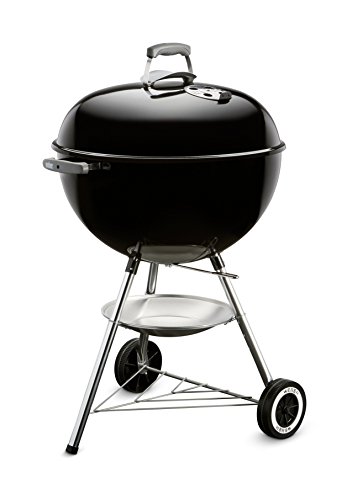
Weber Original Kettle Charcoal Grill 22-Inch
Badge: Best Overall for Control
Strengths
- The classic kettle layout: simple, durable and endlessly documented
- Precise damper control for direct and indirect cooking
- One-Touch cleaning keeps ash handling quick
Trade-offs
- No built-in thermometer on this trim; a separate probe is a wise buy
- Charcoal requires planning, lighting time and ash disposal
- Grate space is comfortable for four, tight for six
| Specification | Detail |
|---|---|
| Size | 22-inch kettle |
| Extras | One-Touch cleaning system, temperature control dampers |
The Weber Original Kettle in its classic 22-inch form is the simplest version of the most copied grill design in the world: a porcelain-enamelled bowl and lid, temperature control dampers and the One-Touch cleaning system. There is no thermometer in the lid on this trim and no electronics anywhere, which is precisely the appeal for many owners — nothing to break, everything replaceable, and decades of recipes and tutorials written for exactly this cooker. It grills, roasts and, with a two-zone fire, gently smokes smaller cuts. What it demands is a cook willing to manage a real fire; what it returns is flavour and control that gas cannot quite copy.
The classic kettle is the anti-flare benchmark in this pool for one structural reason: a banked fire. Push the coals to one half of the bowl and the other half becomes a true no-fire zone where fatty chicken can render gently, skin protected, while you sear over the coals only at the end. If a flare starts, the lid and dampers smother it in seconds. The remaining risk is the cook’s own layout — spread the coals wall to wall and the kettle flares like anything else. Used as designed, it is the calmest charcoal cooker here.
Best for: cooks who want the strongest flare control charcoal can offer / Not suited for: anyone unwilling to manage a real fire and vents

Cuisinart 14-Inch Portable Charcoal Grill CCG-190RB
Badge: Best Small-Batch Control
Strengths
- Truly grab-and-go size for picnics, beaches and tiny balconies
- Three lid locks let you carry it one-handed with the ash inside
- Dual vents give more fire control than most tabletop charcoal grills
Trade-offs
- 196 square inches cooks for one or two people only
- Chrome-plated grate is less durable than cast iron or stainless
- Charcoal on the move means carrying fuel and dealing with ash away from home
| Specification | Detail |
|---|---|
| Size | 14-inch, 196 sq in cooking area |
| Grate | Chrome-plated |
| Extras | Dual air vent system, 3 lid locks for one-handed carrying |
The Cuisinart CCG-190RB is a 14-inch portable charcoal grill with 196 square inches of cooking area, a chrome-plated grate, a dual air vent system and three lid locks that let you carry it one-handed. It is built for the picnic, the beach and the small balcony rather than the patio: light a small chimney of charcoal, cook a round of burgers or skewers, close the vents and let it cool. The dual vents matter because fire control is the whole skill of charcoal cooking, and many tabletop rivals offer almost none. Capacity is the honest limit — this is a grill for one or two people, cooked in small, cheerful batches.
The little Cuisinart controls flares by scale. Small batches of food drip small amounts of fat, the dual vents let you calm the fire quickly, and the whole cook is short enough that little renders out. Its limit is the flip side of its size: with food covering most of a 196-square-inch grate, there is almost no escape zone when a flare does start, so cook in two small rounds rather than crowding it. For one or two people cooking lean-to-medium foods, it is a genuinely low-drama grill.
Best for: solo and couple cooks making small, quick batches / Not suited for: crowded grates of fatty food with nowhere to escape a flare


Royal Gourmet CC1830V 30-Inch Barrel Charcoal Grill
Badge: Best for Crowds Without the Drama
Strengths
- 627 square inches gives party capacity in a charcoal format
- Long barrel shape suits rows of sausages, corn and kebabs
- Side and front table keeps tools and trays off the ground
Trade-offs
- Charcoal workload: lighting, tending and ash after every cook
- Barrel shape has hot spots near the fire that you learn to work around
- Wood-painted table needs shelter from weather to stay looking good
| Specification | Detail |
|---|---|
| Size | 30-inch barrel |
| Cooking space | 627 sq in |
| Extras | Wood-painted front and side table |
The Royal Gourmet CC1830V stretches the barrel format to 30 inches with 627 square inches of cooking space and a wood-painted front and side table. The long barrel is a natural fit for production-line cooking: rows of sausages, skewers and corn that you turn in sequence, plus room to slide finished food to a cooler end. The attached table sounds minor until you have juggled tongs, a tray and a drink while standing on grass. As with every charcoal pick here, the bargain is flavour and capacity in exchange for fire management, and the barrel shape rewards cooks who learn its hot and cool ends.
The long barrel fights flares with geography. Thirty inches of grate means a hot end and a cool end, and food can travel along the barrel as it renders — start sausages and thighs at the gentle end, finish them over the heat. The attached table helps more than it sounds, because a tray in hand is what lets you move food fast when a flare starts. The risk is a fully loaded barrel cooked entirely over a full coal bed, which removes the geography advantage; leave yourself a cool landing strip and this grill stays calm at crowd scale.
Best for: hosts cooking big batches who will use the barrel’s cool end / Not suited for: cooks who load the whole grate over a full coal bed

NATUREPON 17.5-Inch Charcoal Kettle Grill with Wheels
Badge: Best Compact Kettle
Strengths
- Mid-size kettle format suits small patios better than a 22-inch
- Wheels and a bottom shelf make it easy to move and store
- Porcelain coating on bowl and lid slows rust and eases cleaning
Trade-offs
- 302 square inches is a two-to-four-person grill at most
- Lesser-known brand; long-term parts support is less certain
- Charcoal basics apply: lighting time, ash and fire management
| Specification | Detail |
|---|---|
| Size | 17.5-inch kettle, 302 sq in grate |
| Body | Porcelain-coated steel bowl, lid and grid |
| Extras | Adjustable air dampers, rear wheels, bottom shelf |
The NATUREPON is a 17.5-inch charcoal kettle with a 302 square inch grate, a porcelain-coated steel bowl, lid and grid, adjustable air dampers, rear wheels and a bottom shelf. It splits the difference between the tiny portables and the full 22-inch kettles: enough grate for a family of four cooking in one batch, small enough to wheel into a corner of a modest patio. The porcelain coating is the practical detail, protecting the steel from the heat-and-moisture cycle that rusts cheaper kettles. Brand track record is the fair question mark here, so judge it as a value-tier kettle whose specification is right for its size class.
The NATUREPON kettle applies the same banked-fire logic as the Webers in a smaller bowl, with adjustable dampers to calm the fire and a porcelain coating that keeps the bowl easy to clean of the grease that causes tomorrow’s flares. At 302 square inches the escape zone is real but compact, so fatty loads should cook in two batches rather than one crowded one. For a small household that wants kettle control without a 22-inch footprint, it is a sensible, calm cooker — provided you keep the grate and bowl clean, because old grease is flare fuel.
Best for: small households wanting kettle-style control on a compact patio / Not suited for: large fatty loads cooked in a single crowded batch

Char-Broil Classic 3-Burner Propane Gas Grill
Badge: Best Gas Pick for Calmer Cooking
Strengths
- 360 square inches is a right-size grate for most households
- Porcelain-coated grates are easy to clean and resist rust
- Three burners still allow a simple two-zone setup
Trade-offs
- 30,000 BTU is adequate rather than fierce for thick steak searing
- No side burner for pots and sauces
- Side shelves are fixed, so the storage footprint stays full width
| Specification | Detail |
|---|---|
| Burners | 3 |
| Output | 30,000 BTU |
| Cooking area | 360 sq in |
| Grates | Porcelain-coated |
| Extras | Side shelves |
The Char-Broil Classic is a three-burner propane grill with 30,000 BTU of output, 360 square inches of cooking area, porcelain-coated grates and side shelves. It is deliberately unpretentious: enough burners for a two-zone fire, enough grate for a family dinner, and grates whose porcelain coating makes the post-cook scrub less of a battle. The output figure is honest mid-range power — plenty for burgers, chicken and vegetables, less ferocious for an extra-thick steak than the sear-focused models elsewhere in this pool. For buyers who want gas convenience without paying for features they will never touch, this is the straightforward end of the range.
The Char-Broil Classic is the gas answer to flare control: three burners you can zone, so food cooks over one or two lit burners while the unlit side waits as an escape, and heat that drops the instant you turn a knob — something charcoal can never do. Porcelain-coated grates clean up easily, which matters because baked-on grease is tomorrow’s flare. The honest limit: a burner turned high under very fatty food will still flare, because dripping fat and open flame are physics. Gas gives you the fastest reaction, not immunity.
Best for: gas cooks who want instant turn-down and easy-clean grates / Not suited for: anyone expecting any grill to make flare-ups literally impossible

Electactic Stainless Steel 4-Burner Gas Grill with Side Burner
Badge: Best for Zoned Gas Cooking
Strengths
- Stainless steel body is easy to wipe down and weather-tolerant
- Side burner adds a pot and pan station beside the grate
- Four burners give flexible zoning for mixed loads
Trade-offs
- Newer brand name; long-term parts availability is less proven
- 42,000 BTU is mid-range power spread across four burners
- Stainless needs regular wiping to keep water spots and fingerprints away
| Specification | Detail |
|---|---|
| Burners | 4 plus side burner |
| Output | 42,000 BTU |
| Body | Stainless steel |
| Extras | Built-in thermometer |
The Electactic is a stainless steel four-burner propane grill rated at 42,000 BTU, with a side burner and a built-in thermometer. The formula is the crowd-pleasing one: four zones of control, a burner for the sauce pot, and a stainless exterior that cleans up with a cloth. Output per burner is moderate, which suits the way most people actually grill — chicken, burgers, vegetables and fish — rather than maximum-char steak work. As a newer brand it cannot point to the decades-long parts ecosystem of the oldest names in this pool, so weigh the specification and the stainless build against that shorter track record.
The Electactic spreads four burners under its grate, and that zoning is its flare defence: cook over two burners, hold over the others, and turn a zone off entirely when a fatty load starts dripping hard. The side burner also helps indirectly — sauces and sides cook there instead of crowding the grate with a drip-pan arrangement. Stainless construction wipes clean, keeping grease build-up down between cooks. As with the Char-Broil, the caveat is physics: full power under a full load of fatty food will flare, so use the zones the grill gives you.
Best for: zoned gas cooking for mixed and fatty loads / Not suited for: set-it-and-forget-it cooking at full power under fatty food
Comparison Table
Fuel and one defining verified detail per pick. For this question, also weigh the control notes in each review — the table shows the hardware, the reviews show how the hardware behaves when fat meets fire.
| Pick | Fuel | Key verified detail | Badge | Listing |
|---|---|---|---|---|
| Weber Original Kettle Charcoal Grill 22-Inch | Charcoal | One-Touch cleaning system, temperature control dampers | Best Overall for Control | Check on Amazon |
| Cuisinart 14-Inch Portable Charcoal Grill CCG-190RB | Charcoal | Chrome-plated | Best Small-Batch Control | Check on Amazon |
| Royal Gourmet CC1830V 30-Inch Barrel Charcoal Grill | Charcoal | 627 sq in | Best for Crowds Without the Drama | Check on Amazon |
| NATUREPON 17.5-Inch Charcoal Kettle Grill with Wheels | Charcoal | Porcelain-coated steel bowl, lid and grid | Best Compact Kettle | Check on Amazon |
| Char-Broil Classic 3-Burner Propane Gas Grill | Propane gas | 30,000 BTU | Best Gas Pick for Calmer Cooking | Check on Amazon |
| Electactic Stainless Steel 4-Burner Gas Grill with Side Burner | Propane gas | 42,000 BTU | Best for Zoned Gas Cooking | Check on Amazon |
How to Choose the Best Grills for No Flare Ups
Shop for an escape zone before anything else. Whether it is the unlit side of a kettle, the cool end of a barrel or the unlit burners of a gas grill, a place where food can sit with no direct fire beneath it is what turns a flare from a disaster into a pause. Any grill whose design forces every square inch of food to sit over full heat — a tiny portable loaded edge to edge, a single-zone fire — will flare with fatty food regardless of brand. Size your grill so the escape zone survives your typical load, not just an empty-grate photograph.
Consider how fast the heat can change. Gas wins this outright: a knob turns a raging burner gentle in a second, and an unneeded burner turns off completely. Charcoal answers more slowly, through dampers and distance, which is why charcoal technique leans on prevention — banking coals, trimming fat, sequencing the cook — rather than reaction. Neither is better in the abstract; match the control style to your temperament. Cooks who hover happily will love charcoal’s craft; cooks who want dinner without a project will use gas’s knobs well.
Look at grease management, the unglamorous system that decides how much fat ever reaches the fire. On gas grills, that means grates and internal surfaces that channel drips away from burners toward a removable tray you actually empty. On charcoal grills, it means a drip pan under indirect food and a bowl you keep clean. In both cases, yesterday’s grease is tomorrow’s flare: a dirty grill flares more than a clean one with identical design, which is why the how-to section below treats cleaning as flare prevention, not housekeeping.
Match the grill to the foods that flare. The worst offenders are fatty and proud of it: chicken thighs and wings with skin, sausages, burgers with high fat content, and anything in a sugary marinade that chars and drips. If those foods are your regular menu, prioritise zoning and lid control above searing power, and be suspicious of any grill whose whole selling point is maximum heat under the whole grate. If your menu is lean — fish, vegetables, chicken breast — almost any pick here will cook calmly with basic technique.
Finally, budget for the small tools of calm cooking: long tongs that keep your hands out of the flare zone, a probe thermometer so you are not cutting food open over the fire to check it, and heatproof gloves for moving grates and pans mid-cook. The grill provides the layout; the tools provide the reach and the information. Together they are what “no flare ups” actually looks like in practice — not a promise on a box, but a system that makes flares rare, small and boring.
How to Grill Without Flare-Ups: The Full Technique
Hardware sets the ceiling; technique decides the meal. This method works on every pick in the guide, charcoal or gas, and it is built on one idea: fat should render gently and drip where there is no fire, and direct heat should be a finishing tool rather than the whole cook.
Set up the two-zone fire every time, even for simple foods. On charcoal, bank the lit coals to one side (or both sides with a gap in the middle). On gas, light only the burners you need and keep one zone unlit. The habit feels excessive for sausages — until the first sausage splits and drips, and you simply slide it to safety.
- Trim hard excess fat from meat before it goes on; leave the fat that bastes and flavours, remove the lumps that only drip and burn.
- Pat food dry and season; wet surfaces steam, spatter and encourage the drips that start flares.
- Build the two-zone fire: coals banked to one side, or only some gas burners lit.
- Start fatty food on the indirect side with the lid closed, letting fat render gently where there is no flame beneath.
- Move food to the direct side only for the final sear, in short bursts, and stay at the grill while you do it.
- Apply sugary sauces and glazes in the last few minutes only; sugar charrs, drips and feeds flares through a long cook.
- If a flare starts, move the food to the cool zone and close the lid — never spray water onto a grease flare.
- Wait for the flare to die on its own (it will, quickly, once the fat beneath is gone or starved of air), then resume.
- Rest finished food off the grill; a crowded grate of resting food keeps dripping onto the fire.
- After cooking, brush the grate warm and empty grease trays and drip pans once cool — old grease is the next cook’s flare.
Lid discipline deserves emphasis because it runs against instinct. Every peek dumps heat, extends the cook and gives rendered fat more time over the fire; a closed lid also means a flare that starts under it often dies quietly on its own. Cook with the lid down, check at planned intervals, and let a thermometer — not constant opening — tell you how the food is doing.
Keep a flare kit within reach: long tongs, gloves, and a clear cool zone. That is the whole kit. The calm response — slide, close, wait — takes ten seconds and saves the meal; the panicked response, usually involving water or frantic fanning, is how small flares become stories. Practice the calm response on a minor flare and it will be there for the big one.
Troubleshooting
Problem: constant small flares under chicken thighs → the food is rendering over direct heat; move it indirect, lid down, and finish the skin over direct heat only at the end.
Problem: a big flare that will not die → move all food off the hot zone, close the lid and vents (or turn gas burners off), and wait; grease flares burn out fast once starved of fuel and air.
Problem: flares on a gas grill even at low heat → check for grease build-up on grates, heat tents and in the tray; deep-clean the drip path, because old grease, not the burner, is usually the fuel.
The Foods That Flare, Ranked by Drama
Knowing your ingredients is half of flare control. At the dramatic end sit skin-on chicken pieces, whose rendering fat and enclosed shape make them flare champions, and sausages, which behave beautifully until a casing splits and releases a jet of fat. Burgers follow closely, especially loosely packed ones cooked hard and fast. All three are wonderful on the grill — they simply demand the indirect-first method in the how-to section.
The middle of the table holds pork chops with fat caps, salmon with skin, and marinated anything: manageable with zoning, punishing if crowded over a full fire. Sugary marinades deserve their own warning, because the sauce itself becomes fuel once it drips and charrs; that is a chemistry problem no grill design can solve, only timing can — sauce late, sauce briefly.
At the calm end are vegetables, lean fish, chicken breast and skewers of mixed ingredients, which cook happily on almost any pick in this guide. If your menu lives at the calm end, flare control should not drive your purchase at all — buy for size and fuel preference, and let the zoning habit be your insurance for the occasional thigh night.
Gas vs Charcoal for Calm Cooking
The two fuels in this pool manage the same physics with opposite tools. Gas offers reaction speed: burners zone, drop and die at a twist, and its flare control improves with every knob the grill gives you — which is why the four-burner Electactic and the three-burner Char-Broil can hold fatty food over unlit burners while the sear happens elsewhere. Gas’s weakness is that its flames sit directly under the grate by design, so a grill run at full power everywhere is a flare waiting for fuel.
Charcoal offers distance and layout: coals can sit entirely to one side, further from food than any gas burner arrangement, and a kettle’s lid and dampers smother trouble with a completeness gas lids match only when the burners go off. Its weakness is commitment — a raging coal bed cannot be turned down in a second, so the charcoal cook prevents rather than reacts. Readers comparing the fuels for a fixed home setup may also find Best Grills For Outdoor Use With Propane Gas Connection useful on the gas side of the argument.
The verdict for flare-worried shoppers is genuinely even, which is why this pool’s badges split by style rather than declaring a fuel winner. Choose the control style you will actually use — prevention and layout, or knobs and reaction — because the best flare system is the one that matches how you cook.
Reading a Flare Before It Happens
Experienced cooks prevent most flares not with equipment but with attention, because a flare announces itself before it arrives. The signs are consistent: a rising hiss as fat begins to render and drip in earnest, small blue-orange flickers licking through the grate where a moment ago there was only heat shimmer, and the smell shifting from cooking meat to burning fat. Catch the cook at that stage and the fix is gentle — slide the food a few inches toward the cool zone, drop the lid, and the moment passes without ever becoming a story.
Different foods telegraph differently, and learning your regular menu’s tells is a genuine skill worth building. Chicken skin renders in waves, worst in the middle of the cook when the fat layer liquefies; sausages are calm until a casing splits, which you can often hear; burgers drip hardest in the first minutes after they go down and again when pressed — which is one more reason never to press a burger. A cook who knows these rhythms looks, to a guest, like someone whose grill simply never flares, and that reputation is available to anyone willing to watch their food for its first few cooks on a new grill.
This is also why this guide keeps returning to the same unglamorous advice: the grill matters, the layout matters more, and the cook’s attention matters most. Buy the pick whose control style suits you, build the two-zone habit, and then spend a month actually watching what your food does. The flare-free reputation is earned at the grate, not unboxed.
Equipment age quietly changes a grill’s flare behaviour, and knowing this saves owners from blaming their technique for a hardware story. On gas grills, the metal plates and tents that sit over the burners corrode and perforate over seasons, letting fat fall more directly onto the flames; a grill that was calm in year one and dramatic in year three is usually telling you its drip path has worn, not that you have forgotten how to cook. On charcoal grills, a warped grate that sits closer to the coals on one side, or dampers that no longer close fully, shrink your control in the same creeping way. The fix in both cases is inspection and replacement of the worn part — flare control is partly a maintenance state, and a grill kept in repair keeps the manners it was bought for.
There is a final, counterintuitive ally worth naming: patience at the start of the cook. Food placed on a properly preheated grill sears and releases cleanly; food placed early, on a half-hot grate, sticks, tears and spills its juices and fat exactly where you least want them. Many a flare blamed on a fatty cut began as an impatient placement. Give the grill its minutes, oil the food lightly, and let the first contact be a sear rather than a spill — the calmest cooks in any neighbourhood are usually just the ones who waited for the grate.
Common Buying Mistakes
The biggest mistake is believing a product can abolish flare-ups and then cooking carelessly on the strength of it. Fat, fire and oxygen do not read marketing. Every flare disaster we have ever heard about happened on a grill whose owner thought the hardware had the problem covered.
Cooking everything over direct heat is the second. A wall-to-wall coal bed or every burner on high removes the escape zone that makes every other technique work. Build the two zones first; use the hot one like a tool, not a default.
Reaching for the spray bottle is the third, and the most dangerous. Water on a grease flare spreads burning fat and turns a flare into a fire. Move the food, close the lid, cut the air — the flare dies in seconds without drama.
Saucing early is the fourth. Barbecue sauce from the first minute means twenty minutes of dripping sugar. Sauce at the end glazes; sauce from the start fuels. The same applies to sugary marinades that have not been patted off before the food meets the grate.
Skipping the clean is the fifth. A grill that flares more each week is usually just dirty: grease on the heat path ignites before the food even drips. Brush warm, empty trays, and deep-clean the drip path a few times a season.
Final Recommendation
For the strongest flare control in this pool, take the Weber Original Kettle and cook with a banked fire: its escape zone, lid and dampers make flares rare and survivable, and it teaches the technique that transfers to every grill after it. The NATUREPON kettle is the compact version of the same idea for smaller patios.
If you prefer to fight flares with knobs, the Char-Broil Classic’s three zoned burners and easy-clean grates are the straightforward gas choice, and the Electactic adds a fourth burner of zoning for bigger mixed loads. The barrel Royal Gourmet serves hosts who will use its cool end, and the little Cuisinart suits small calm batches. Whichever you choose, the how-to method above matters more than the badge — control is a practice, not a purchase. For a different kind of outdoor calm, some readers also browse Best Grills For Motor Home for the portable end of the pool.
Start your shortlist here: Weber Original Kettle Charcoal Grill 22-Inch, Char-Broil Classic 3-Burner Propane Gas Grill, NATUREPON 17.5-Inch Charcoal Kettle Grill with Wheels. Each link takes you to the current listing, where you can check the latest price on Amazon and confirm the specification before you buy.
Frequently Asked Questions
Can any grill completely prevent flare-ups?
No. Flare-ups are rendered fat meeting a heat source, and every grill has a heat source. What good design and technique do is make flares rare (zoning, trimming, indirect cooking), small (clean grease paths, moderate heat) and survivable (a lid, an escape zone, fast turn-down). Any product promising zero flare-ups is promising physics it cannot deliver.
Is gas or charcoal better for avoiding flare-ups?
Both work, differently. Gas reacts instantly — turn a burner down or off — but its flames sit under the grate. Charcoal cannot react fast, but a banked fire gives food a genuinely fire-free zone and a kettle lid smothers flares well. Choose the control style you will actually use.
Why does my grill flare more than it used to?
Almost always grease build-up: old fat on grates, heat deflectors and in the drip tray ignites before fresh drips even land. A deep clean of the whole drip path, plus emptying the tray, usually restores the calm the grill had when new.
What should I do when a flare starts?
Move the food to the cool zone with long tongs, close the lid, and wait — seconds, usually. On gas, turn the burners under the flare down or off. Never spray water on a grease flare; it spreads burning fat.
Does a lid really help with flare-ups?
Yes, twice over. A closed lid starves a flare of the oxygen it needs, and cooking lid-down with indirect heat renders fat gently so less of it ever reaches the fire in liquid form. Most flare management is simply lid discipline plus zoning.
Are lean foods the answer to flare-ups?
They help — vegetables, fish and chicken breast rarely flare — but you do not need a lean menu to cook calmly. Fatty favourites like thighs and sausages behave beautifully with the indirect-first method: render gently away from the fire, sear briefly at the end.
Do drip pans and foil help?
A drip pan under indirect food catches rendering fat before it reaches coals or burners, and it is standard practice for long kettle cooks. Keep pans and foil clear of gas burner ports and vents, and empty or replace them before they become a grease reservoir of their own.