Disclosure: topratedkitchenware.com is reader-supported. When you buy through links on our site, we may earn an affiliate commission from Amazon and other retailers, at no extra cost to you.
Where to buy
The six models below are the verified picks for this guide to best hickory smokers. Each name links to its Amazon listing, where you can check the latest price on Amazon, confirm the current configuration, and read the newest owner feedback before you decide.
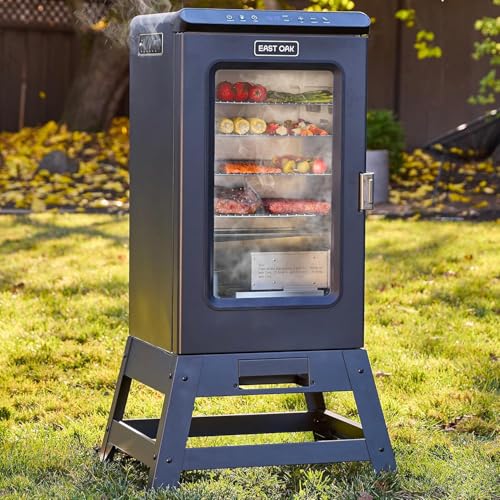
- EAST OAK 30-inch Outdoor Electric Smoker with Built-in Meat Probe & Mobility Stand
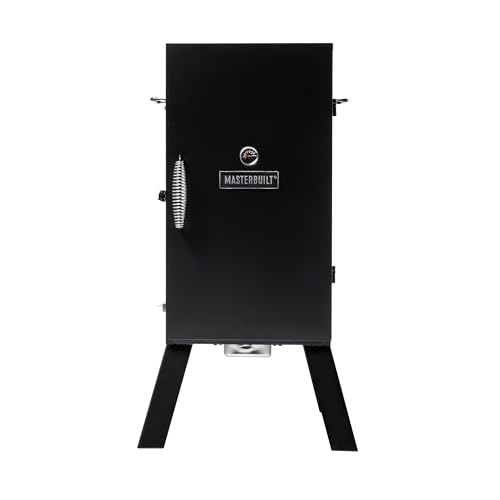
- Royal Gourmet SE2805 28-Inch Electric Smoker
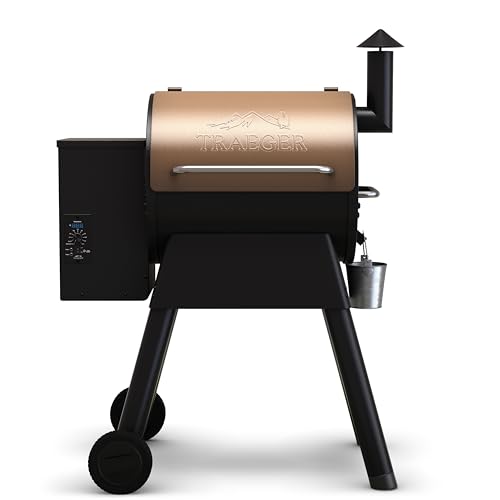
- Traeger Pro 22 Wood Pellet Grill & Smoker
- Pit Boss 700 Carbon Series Wood Pellet Grill & Smoker
- Pit Boss 500 Carbon Series Wood Pellet Grill & Smoker
- Pit Boss 850 Navigator Series Wood Pellet Grill & Smoker
Read the full guide ↓ for the ranking logic, the honest limitations of every pick, and the buying checks that matter more than any headline claim.
Searching for the best hickory smokers means searching for two things at once: a cooker that burns hickory well, and a cooker worth burning it in. Hickory is the assertive end of the smoking-wood spectrum, bacon-like, sweet and strong, the traditional partner for pork shoulder, ribs and brisket, and it punishes sloppy equipment. Too little airflow and hickory smoke turns acrid; too much heat and it overwhelms the meat instead of seasoning it. The six verified picks in this guide earn their places because each one delivers hickory in a controlled way, either as chips in an electric cabinet or as pellets in a pellet grill, with the temperature authority to keep that strong smoke clean.
The fuel-form distinction matters more with hickory than with milder woods. In a pellet grill, hickory arrives as pellets: you can run straight hickory for maximum punch or a hickory blend when you want the flavour with the edges softened, and the auger feeds it at a metered rate that keeps smoke quality consistent across a long cook. In an electric cabinet, hickory arrives as chips in a loader or tray, smouldering gently against the element; the flavour is lighter and builds more slowly, which many people prefer for poultry, fish and cheese, where full-strength hickory can bulldoze everything else on the plate.
This guide therefore ranks the six picks by how well each serves a hickory cook, not by generic smoker bragging rights. Capacity, temperature range and smoke delivery are weighed through a hickory lens: can it hold low temperatures for a long shoulder, can it reload fuel without dumping the chamber’s heat and smoke, and can it back off when the food is delicate? Readers weighing the top end of the market alongside this guide often also look at Best High End Electric Smokers for the cabinet side and Best High End Smokers for the broader premium picture.
Key Takeaways
- Hickory is strong: equipment that meters smoke steadily (an auger, or a side chip loader) beats equipment that dumps it all at once.
- Pellet picks burn hickory as pellets for the deepest flavour; electric cabinets burn hickory chips for a gentler, slower build.
- For pork and brisket, every pick here can deliver classic hickory character; for fish and cheese, the cabinets’ gentleness is an advantage.
- The EAST OAK cabinet with stand leads for chip users; the Traeger Pro 22 leads the pellet side for all-round hickory cooking.
- Reload without opening the door wherever possible: side loaders and big hoppers exist to protect the smoke you already made.
- If hickory ever tastes bitter, the fix is almost always cleaner, steadier smoke, not a different brand of wood.
In this guide
Quick Picks
| Pick | Badge | Fuel | Why it earns its place | Listing |
|---|---|---|---|---|
| EAST OAK 30-inch Outdoor Electric Smoker with Built-in Meat Probe & Mobility Stand | Best Overall for Hickory Chips | electric (wood chips for smoke) | Side-loaded hickory chips, a probe and 725 sq in of cabinet | Check on Amazon |
| Royal Gourmet SE2805 28-Inch Electric Smoker | Best Simple Analog Cabinet | electric (wood chips for smoke) | No-fuss analog cabinet that makes hickory chips the whole show | Check on Amazon |
| Traeger Pro 22 Wood Pellet Grill & Smoker | Best Hickory Pellet All-Rounder | wood pellet | Hickory pellets plus 6-in-1 range in a mid-size barrel | Check on Amazon |
| Pit Boss 700 Carbon Series Wood Pellet Grill & Smoker | Best for Hickory and Grilling | wood pellet | 500°F top end for cooks that start smoked and finish grilled | Check on Amazon |
| Pit Boss 500 Carbon Series Wood Pellet Grill & Smoker | Best Compact Hickory Pellet | wood pellet | Full hickory pellet flavour in the smallest pellet body here | Check on Amazon |
| Pit Boss 850 Navigator Series Wood Pellet Grill & Smoker | Best for Big Hickory Cooks | wood pellet | Huge chamber and hopper for long hickory brisket sessions | Check on Amazon |
How These Picks Were Chosen
Every pick in this guide was cross-checked against its verified Amazon listing data before inclusion, and the specifications quoted (cooking area, temperature range, hopper or loader details, included probes and features) are only the ones that listing data states. No output figures, burn rates or flavour-intensity scores have been invented: where this guide describes hickory behaviour, it describes the well-understood behaviour of the wood and of each cooker family, not a measurement attributed to a specific machine.
Selection favoured machines whose smoke delivery suits a strong wood. On the pellet side that meant controllers with a genuine low end, so hickory smoke stays sweet through the early hours when meat takes on the most flavour, plus hoppers sized so a long cook does not starve. On the cabinet side it meant chip systems you can reload without opening the door (side loaders) or, in the Royal Gourmet’s case, a simple analog design whose entire character is honest, manual chip smoking. Raw capacity mattered second; a hickory ranking that ignored smoke control would just be a size chart.
This is a research-led comparison, not a claim of laboratory testing. It weighs verified listing data, the documented design of each cooker, and the established cooking behaviour of hickory in pellet and chip form. Treat the per-pick trade-offs as part of the data: each review names where that machine’s hickory delivery is limited, because with a wood this strong, the limits are exactly what a buyer needs to know.
The 6 Best Options for Best Hickory Smokers
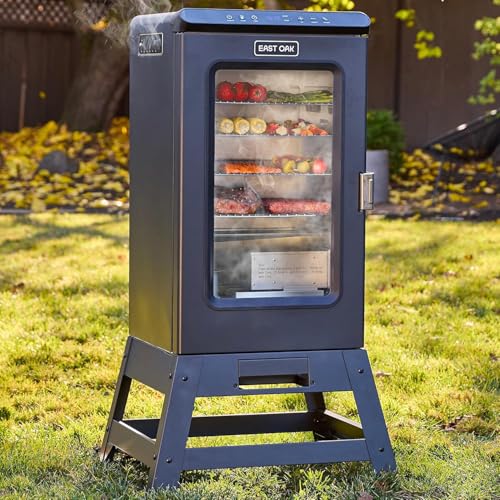
EAST OAK 30-inch Outdoor Electric Smoker with Built-in Meat Probe & Mobility Stand
Badge: Best Overall for Hickory Chips
Strengths
- A built-in probe and a side chip loader together minimise door openings, which keeps hickory smoke in the chamber
- 725 sq in is the joint-largest electric capacity in this guide
- The mobility stand raises and moves the cabinet, easing loading and storage
Trade-offs
- Electric chip smoke is gentler than pellet hickory smoke, so flavour builds more slowly
- The stand adds footprint compared with a plain cabinet on the ground
- It needs an outdoor outlet, like every electric pick here
Key specs (from the verified listing data)
- Cooking area: 725 sq in (per API title)
- Format: 30-inch outdoor cabinet with mobility stand
- Built-in meat probe
- Side chip loader, listed for up to 6x longer uninterrupted smoke
- Finish: Polar Night
The EAST OAK 30-inch Electric Smoker with Stand is a vertical electric cabinet, and that format has a very specific charm: you plug it in, set the temperature, add wood chips for smoke, and the cabinet does the patient work while you get on with your day. The vertical layout stacks racks above a water pan, so a surprising amount of food fits over a small patch of patio, and heat and smoke rise naturally past every rack. For newer smokers (in the barbecue sense) this is the least intimidating way to learn what smoke does to a pork shoulder, because there is no fire to manage and no fuel curve to learn.
Through a hickory lens, this cabinet’s side loader is its signature: you can feed the smoke in stages across a long cook, building hickory depth on a shoulder layer by layer instead of front-loading it all in the first hour. Working with an electric cabinet is mostly about small disciplines. Soak nothing: dry chips smoulder more predictably than wet ones. Fill the water pan for long cooks, because the moisture buffer softens temperature swings when you do open the door. Load the biggest, slowest items lowest, where the heat is most consistent, and give the cabinet time to recover after loading instead of nudging the dial every ten minutes. Smoke flavour from chips is deliberately gentle compared with an all-wood fire, which many households actually prefer for poultry, fish, cheese and vegetables, where heavy smoke can dominate.
The honest limitation is that gentleness. If your goal is the deep bark and assertive smoke ring of a competition offset, an electric cabinet will always feel like the polite version of barbecue. It also ties you to an outdoor outlet and to buying chips rather than splitting your own wood. Within those limits, though, cabinets like this one are the most repeatable, lowest-effort smokers in this guide, and repeatability is what turns a first successful cook into a habit.
Best for: cabinet cooks who want staged, side-loaded hickory chips and a probe / Not suited for: cooks chasing the deepest possible hickory punch on brisket

Royal Gourmet SE2805 28-Inch Electric Smoker
Badge: Best Simple Analog Cabinet
Strengths
- Analog control is simple and free of app dependencies
- Three grates across a vertical cabinet suit ribs, wings and smaller cuts well
- Its smaller chamber heats quickly and sips chips, good for shorter hickory sessions
Trade-offs
- 454 sq in is the smallest chamber in this guide, so plan loads accordingly
- Analog control demands a little more attention than a digital set-and-forget cabinet
- No probe, window or side loader is listed for this model
Key specs (from the verified listing data)
- Cooking area: 454 sq in (per API title)
- Power listed: 1350W
- Control: analog temperature control, adjustable heat
- Cooking grates: 3
- Format: 28-inch vertical
- Finish: black
The Royal Gourmet SE2805 28-Inch Electric Smoker is a vertical electric cabinet, and that format has a very specific charm: you plug it in, set the temperature, add wood chips for smoke, and the cabinet does the patient work while you get on with your day. The vertical layout stacks racks above a water pan, so a surprising amount of food fits over a small patch of patio, and heat and smoke rise naturally past every rack. For newer smokers (in the barbecue sense) this is the least intimidating way to learn what smoke does to a pork shoulder, because there is no fire to manage and no fuel curve to learn.
The Royal Gourmet is the purist’s hickory cabinet in this pool: analog control, a chip-based smoke and nothing between you and the process, which makes it a fine (and forgivingly small) place to learn how hickory behaves. Working with an electric cabinet is mostly about small disciplines. Soak nothing: dry chips smoulder more predictably than wet ones. Fill the water pan for long cooks, because the moisture buffer softens temperature swings when you do open the door. Load the biggest, slowest items lowest, where the heat is most consistent, and give the cabinet time to recover after loading instead of nudging the dial every ten minutes. Smoke flavour from chips is deliberately gentle compared with an all-wood fire, which many households actually prefer for poultry, fish, cheese and vegetables, where heavy smoke can dominate.
The honest limitation is that gentleness. If your goal is the deep bark and assertive smoke ring of a competition offset, an electric cabinet will always feel like the polite version of barbecue. It also ties you to an outdoor outlet and to buying chips rather than splitting your own wood. Within those limits, though, cabinets like this one are the most repeatable, lowest-effort smokers in this guide, and repeatability is what turns a first successful cook into a habit.
Best for: beginners and smaller households wanting simple, honest hickory chip smoking / Not suited for: hosts cooking multiple large cuts at once

Traeger Pro 22 Wood Pellet Grill & Smoker
Badge: Best Hickory Pellet All-Rounder
Strengths
- A genuinely versatile cooker: the 6-in-1 brief in its title covers grilling and roasting as well as low-and-slow smoking
- The 18 lb hopper is generous for this size class, so long cooks need fewer refills
- A meat probe is included, which matters more for brisket and pork shoulder than any headline feature
Trade-offs
- The 450°F ceiling is lower than the Pit Boss models in this guide, so hard searing is more limited
- Pellet cooking still depends on electricity for the auger and fan, so it is not a power-cut cooker
- 572 sq in is a mid-size chamber: fine for most families, tight for very large multi-brisket cooks
Key specs (from the verified listing data)
- Cooking area: 572 sq in (per API title)
- Fuel: wood pellets
- Hopper capacity: 18 lb
- Maximum temperature: 450°F
- Functions listed: grill, smoke, bake, roast, braise and BBQ (6-in-1)
- Meat probe included
The Traeger Pro 22 is a pellet cooker, which means its personality is set by two things: how steadily the controller feeds pellets to hold a temperature, and how much room the chamber really gives you once a water pan, a drip tray and the food itself are in place. On paper its listing leads with capacity and temperature range, and those are the right headlines. In day-to-day use, though, the cooks who get on with a machine like this are the ones who plan around its rhythm: load the hopper before a long cook, let the chamber settle at temperature before the meat goes in, and resist opening the lid to admire progress, because every peek costs heat and time.
For hickory pellets, the Pro 22’s steady auger feed is the point: a metered burn keeps hickory smoke in its sweet zone for hours, and the option to blend pellets lets you tune intensity without changing machines. With a pellet grill the smoke flavour comes from the pellets themselves, so your fuel choice is also your seasoning choice: a stronger wood for beef, something gentler for poultry and fish, and a consistent, dry pellet supply stored indoors so the auger never has to chew through swollen, damp fuel. Temperature swings matter less than new owners fear. A cooker that wanders a little around its set point while holding a safe, steady average will still turn out excellent brisket; what ruins cooks is chasing the number, opening the lid repeatedly, and moving food around a chamber that never gets a chance to stabilise.
The honest limitation is the one shared by every pellet model in this guide: it is an electric appliance at heart. It needs a working outdoor outlet, a dry place for pellets, and a cover if it lives outside, and its moving parts (auger, fan, igniter) are wear items over years of service rather than the fit-and-forget simplicity of a plain steel box. None of that should put you off; it should shape where you put it and how you store it. Buyers who accept those terms get the easiest route to repeatable, wood-flavoured results in this entire pool.
Best for: all-rounders who want hickory pellet flavour plus grilling and roasting range / Not suited for: anyone needing a chamber larger than mid-size for parties

Pit Boss 700 Carbon Series Wood Pellet Grill & Smoker
Badge: Best for Hickory and Grilling
Strengths
- 718 sq in gives noticeably more room than the 500-series sibling without jumping to the largest footprint here
- The 180°F low end suits gentle smoke work, while the 500°F top end keeps weeknight grilling realistic
- An LCD digital controller and a meat probe are both listed, the two controls a pellet cook actually uses daily
Trade-offs
- The 13.5 lb hopper is smaller than the Traeger and Navigator hoppers in this guide, so plan refills on overnight cooks
- No WiFi or Bluetooth is listed for this model, unlike the Navigator below
- At this size it is a committed patio appliance, not something you tuck into a small shed corner
Key specs (from the verified listing data)
- Cooking space: 718 sq in (per API title)
- Temperature range: 180°F to 500°F
- Controller: LCD digital
- Hopper capacity: 13.5 lb
- Meat probe included
- Finish: black
The Pit Boss 700 Carbon Series is a pellet cooker, which means its personality is set by two things: how steadily the controller feeds pellets to hold a temperature, and how much room the chamber really gives you once a water pan, a drip tray and the food itself are in place. On paper its listing leads with capacity and temperature range, and those are the right headlines. In day-to-day use, though, the cooks who get on with a machine like this are the ones who plan around its rhythm: load the hopper before a long cook, let the chamber settle at temperature before the meat goes in, and resist opening the lid to admire progress, because every peek costs heat and time.
The 700 Carbon suits the hickory cook who also grills: smoke a hickory shoulder low all afternoon, then use the top of its range to finish chicken or vegetables on the same fire. With a pellet grill the smoke flavour comes from the pellets themselves, so your fuel choice is also your seasoning choice: a stronger wood for beef, something gentler for poultry and fish, and a consistent, dry pellet supply stored indoors so the auger never has to chew through swollen, damp fuel. Temperature swings matter less than new owners fear. A cooker that wanders a little around its set point while holding a safe, steady average will still turn out excellent brisket; what ruins cooks is chasing the number, opening the lid repeatedly, and moving food around a chamber that never gets a chance to stabilise.
The honest limitation is the one shared by every pellet model in this guide: it is an electric appliance at heart. It needs a working outdoor outlet, a dry place for pellets, and a cover if it lives outside, and its moving parts (auger, fan, igniter) are wear items over years of service rather than the fit-and-forget simplicity of a plain steel box. None of that should put you off; it should shape where you put it and how you store it. Buyers who accept those terms get the easiest route to repeatable, wood-flavoured results in this entire pool.
Best for: families pairing hickory smoking with weeknight grilling / Not suited for: buyers who specifically want app-connected monitoring

Pit Boss 500 Carbon Series Wood Pellet Grill & Smoker
Badge: Best Compact Hickory Pellet
Strengths
- The most compact pellet option in this guide, which suits smaller patios and couples
- It keeps the same 180°F to 500°F range and LCD controller as its bigger sibling
- A meat probe is included even at this entry point in the range
Trade-offs
- 543 sq in fills up quickly once a brisket, a rack of ribs and a tray of vegetables compete for space
- The 13.5 lb hopper still needs attention on the longest cooks
- No app connectivity is listed, so monitoring means walking out to the cooker
Key specs (from the verified listing data)
- Cooking space: 543 sq in (per API title)
- Temperature range: 180°F to 500°F
- Controller: LCD digital
- Hopper capacity: 13.5 lb
- Meat probe included
- Finish: black
The Pit Boss 500 Carbon Series is a pellet cooker, which means its personality is set by two things: how steadily the controller feeds pellets to hold a temperature, and how much room the chamber really gives you once a water pan, a drip tray and the food itself are in place. On paper its listing leads with capacity and temperature range, and those are the right headlines. In day-to-day use, though, the cooks who get on with a machine like this are the ones who plan around its rhythm: load the hopper before a long cook, let the chamber settle at temperature before the meat goes in, and resist opening the lid to admire progress, because every peek costs heat and time.
Compact and hickory are not natural partners (strong wood, small chamber, food close to the fire), yet the 500 Carbon’s controlled pellet feed keeps the balance, making it the small-patio route to genuine hickory flavour. With a pellet grill the smoke flavour comes from the pellets themselves, so your fuel choice is also your seasoning choice: a stronger wood for beef, something gentler for poultry and fish, and a consistent, dry pellet supply stored indoors so the auger never has to chew through swollen, damp fuel. Temperature swings matter less than new owners fear. A cooker that wanders a little around its set point while holding a safe, steady average will still turn out excellent brisket; what ruins cooks is chasing the number, opening the lid repeatedly, and moving food around a chamber that never gets a chance to stabilise.
The honest limitation is the one shared by every pellet model in this guide: it is an electric appliance at heart. It needs a working outdoor outlet, a dry place for pellets, and a cover if it lives outside, and its moving parts (auger, fan, igniter) are wear items over years of service rather than the fit-and-forget simplicity of a plain steel box. None of that should put you off; it should shape where you put it and how you store it. Buyers who accept those terms get the easiest route to repeatable, wood-flavoured results in this entire pool.
Best for: small patios that still want authentic hickory pellet smoke / Not suited for: large gatherings or very long cooks without refuelling thought

Pit Boss 850 Navigator Series Wood Pellet Grill & Smoker
Badge: Best for Big Hickory Cooks
Strengths
- 932 sq in is the largest chamber in this guide by a wide margin, built for gatherings
- The 30 lb hopper is the biggest here too, which is what makes unattended overnight cooks realistic
- WiFi and Bluetooth monitoring plus a Flame Broiler give it the broadest feature list in the pool
Trade-offs
- It is the bulkiest footprint in this guide and needs a proper patio spot, not a balcony
- More features mean more to clean and more electronics exposed to weather if it lives uncovered
- For a household that only smokes a single chicken at a time, most of its capacity goes unused
Key specs (from the verified listing data)
- Cooking space: 932 sq in (per API title)
- Temperature range: 180°F to 500°F
- Connectivity: WiFi and Bluetooth listed
- Flame Broiler feature listed
- Hopper capacity: 30 lb
- Meat probe included; LCD digital controller
The Pit Boss 850 Navigator Series is a pellet cooker, which means its personality is set by two things: how steadily the controller feeds pellets to hold a temperature, and how much room the chamber really gives you once a water pan, a drip tray and the food itself are in place. On paper its listing leads with capacity and temperature range, and those are the right headlines. In day-to-day use, though, the cooks who get on with a machine like this are the ones who plan around its rhythm: load the hopper before a long cook, let the chamber settle at temperature before the meat goes in, and resist opening the lid to admire progress, because every peek costs heat and time.
For a crowd-sized hickory cook (multiple shoulders, a brisket, ribs for a party) the Navigator’s chamber and hopper remove the two usual failure points: running out of room and running out of fuel at hour nine. With a pellet grill the smoke flavour comes from the pellets themselves, so your fuel choice is also your seasoning choice: a stronger wood for beef, something gentler for poultry and fish, and a consistent, dry pellet supply stored indoors so the auger never has to chew through swollen, damp fuel. Temperature swings matter less than new owners fear. A cooker that wanders a little around its set point while holding a safe, steady average will still turn out excellent brisket; what ruins cooks is chasing the number, opening the lid repeatedly, and moving food around a chamber that never gets a chance to stabilise.
The honest limitation is the one shared by every pellet model in this guide: it is an electric appliance at heart. It needs a working outdoor outlet, a dry place for pellets, and a cover if it lives outside, and its moving parts (auger, fan, igniter) are wear items over years of service rather than the fit-and-forget simplicity of a plain steel box. None of that should put you off; it should shape where you put it and how you store it. Buyers who accept those terms get the easiest route to repeatable, wood-flavoured results in this entire pool.
Best for: big hickory cooks with remote monitoring and a 30 lb hopper / Not suited for: minimalists who want the fewest possible features and parts
Comparison Table
| Model | Fuel | Cooking area | Standout listed feature | Listing |
|---|---|---|---|---|
| EAST OAK 30-inch Outdoor Electric Smoker with Built-in Meat Probe & Mobility Stand | electric (wood chips for smoke) | 725 sq in (per API title) | Side chip loader, built-in probe | Check on Amazon |
| Royal Gourmet SE2805 28-Inch Electric Smoker | electric (wood chips for smoke) | 454 sq in (per API title) | Analog control, 3 grates | Check on Amazon |
| Traeger Pro 22 Wood Pellet Grill & Smoker | wood pellet | 572 sq in (per API title) | 6-in-1, 18 lb hopper | Check on Amazon |
| Pit Boss 700 Carbon Series Wood Pellet Grill & Smoker | wood pellet | 718 sq in (per API title) | LCD controller, 718 sq in | Check on Amazon |
| Pit Boss 500 Carbon Series Wood Pellet Grill & Smoker | wood pellet | 543 sq in (per API title) | Compact 543 sq in chamber | Check on Amazon |
| Pit Boss 850 Navigator Series Wood Pellet Grill & Smoker | wood pellet | 932 sq in (per API title) | WiFi monitoring, 30 lb hopper | Check on Amazon |
How to Choose the Right Model for Best Hickory Smokers
Choose your hickory delivery system first, because it decides your flavour ceiling and your workload. Pellets give the strongest, most consistent hickory smoke and double as a grill; the cost is a fuel you must store dry and a machine with moving parts. Chips in an electric cabinet give a lighter hickory note with almost zero fire management; the cost is a flavour that builds slowly and a top temperature suited to smoking rather than searing. Neither is the correct answer for everyone. Pork shoulder and brisket traditionalists usually land on pellets; people smoking a lot of fish, poultry, cheese and vegetables often prefer the cabinet’s restraint.
Look next at how the machine reloads. Hickory cooks are long cooks, and every door opening costs heat, moisture and the smoke already in the chamber. Side chip loaders (on the EAST OAK cabinet that leads this guide) and generous pellet hoppers (18 lb on the Traeger, 30 lb on the Navigator) exist to solve the same problem from opposite ends. If a design makes you open the main door to add wood, plan your cook around fewer, larger additions and accept a gentler smoke profile as the trade.
Temperature authority matters doubly with hickory. The early, low phase of a cook is when meat absorbs the most smoke, so a controller that holds a steady low temperature without wild swings keeps hickory sweet; a cooker that runs hot and dirty early will lay down the bitter compounds people blame on the wood. At the other end, a pellet grill’s higher ceiling lets you finish hickory-smoked chicken with set skin or grill vegetables alongside, which is why the 500°F listings on the Pit Boss models are relevant even in a smoking guide. Electric cabinets trade that ceiling for low-end calm.
Size your chamber for hickory’s favourite foods. Shoulders are forgiving and stack well in cabinets; briskets want flat, uninterrupted space; ribs want rack area and benefit from vertical room. The capacities in this guide run from the Royal Gourmet’s compact cabinet, honest for a couple of racks and a small shoulder, to the Navigator’s gathering-scale barrel. Hickory smoke also needs air around the food: an overpacked chamber steams more than it smokes, and strong wood over steamed meat is how bitter results happen. One size up from your typical load is, again, the reliable rule.
Finally, budget your attention, not just your money. Hickory rewards cooks who keep notes: which form (straight pellets, a blend, chips), how much, at what stage, on which cut. The machines here differ in how much of that they automate, from the analog Royal Gourmet, where every decision is yours, to the connected Navigator, where the cooker reports back while you are indoors. Pick the level of involvement you will still enjoy on your twentieth cook, because hickory is a long-term relationship wood: once its flavour is your household’s definition of barbecue, you will be cooking this way for years. Cooks planning a cooker as a present often cross-check Best Holiday Gifts For Smokers before settling on a size.
How to Smoke With Hickory: Pellets, Chips and Timing
Hickory technique starts before the cooker is lit, with a decision about intensity. For beef and pork, most cooks in this guide’s style run hickory as the main event: straight hickory pellets in a pellet grill, or repeated chip loads in a cabinet. For poultry, fish and cheese, treat hickory as a seasoning instead: a hickory blend pellet, or a single modest chip load early in the cook, then let the rest of the cook run clean. Salt and rub choices should lean simpler when hickory is strong; a pepper-forward rub and hickory smoke is a classic pairing precisely because neither fights the other.
During the cook, protect the early hours. Meat takes on smoke most readily while it is cold and its surface is moist, so load food promptly once the cooker is stable, and keep the door or lid closed while the smoke is doing its best work. In a cabinet, that means staging chip loads through the side loader rather than opening up; in a pellet grill, it means trusting the auger and resisting the urge to peek. If you spritz, do it quickly and late enough that the bark has begun to set. Hickory’s job is done by the time the meat is wrapped or the bark is firm; after that, heat is just heat, and many experienced cooks finish wrapped meat wherever is convenient.
- Pick your hickory form: straight pellets or a blend for pellet grills; dry chips for cabinets. Never soak chips destined for these electric cabinets.
- Preheat the cooker closed until its temperature is stable, so the first smoke the meat meets is clean smoke.
- Season the meat simply (salt, pepper, and a rub that will not fight a strong wood) and load it cold for the best smoke take.
- Set the probe in the thickest part of the largest cut, away from bone, and close the cooker promptly.
- Hold the low smoking phase steady; reload chips via the loader or check the hopper on schedule, without opening the chamber.
- Watch bark colour and surface set rather than the clock: when the bark is firm and deep, hickory has done its work.
- Wrap or continue unwrapped according to your style, and cook on to tenderness, probing for feel as well as temperature.
- Rest the meat properly before slicing; hickory flavour settles and mellows during the rest, so do not judge it off the cooker.
Problem: the hickory flavour is bitter → what to do: suspect smoke quality before wood quantity. Let the cooker stabilise before loading, keep the chamber and grease path clean, avoid running a pellet cooker at its heaviest smoke setting for an entire long cook, and in a cabinet use smaller chip loads more often rather than one smouldering heap. Clean, moving smoke tastes sweet; stagnant, dirty smoke tastes like an ashtray, whatever the wood.
Problem: the hickory flavour is barely there → what to do: check the early hours. If the meat went in warm, the door opened repeatedly, or (in a cabinet) the chips burned out in the first hour and were never reloaded, the smoke window was missed. Next cook, load cold, stage chip reloads through the loader, or move from a blend to straight hickory pellets on the pellet side.
Problem: the bark is dark but the meat is still tough → what to do: that is not a hickory problem at all, it is a patience problem. Hickory builds colour fast, which tempts cooks to pull early. Cook to tenderness: the probe should slide into a shoulder or brisket with little resistance, whatever the bark looked like two hours earlier.
Matching Hickory Strength to the Food
Hickory’s reputation as the strong wood is earned, but strength is a dial, not a switch, and the six machines here give you three different dials. Pellet blends are the finest control: mix hickory with a milder pellet and the ratio is your intensity setting, repeatable bag after bag. Straight hickory pellets are the full setting, best reserved for large, fatty cuts that can absorb hours of smoke: brisket, shoulder, spare ribs, baked beans cooked under the meat. Cabinet chips are the gentlest dial of all, because the element smoulders a small quantity at a time; two loads across a chicken cook gives a clear hickory note without the heaviness a pellet cooker would lay down in the same time.
A practical pairing map, in the spirit of this guide: pork shoulder and hickory are the classic couple and every pick here handles the pairing; spare ribs take hickory happily but reward a slightly lighter hand than shoulder; brisket loves hickory blended with a rounder wood for long cooks, though straight hickory has plenty of devotees; chicken wants restraint (blend pellets, or one or two chip loads), because poultry absorbs smoke eagerly and its milder meat shows bitterness quickly; salmon and trout want the cabinet treatment, brief and gentle; cheese should only ever meet hickory in a cabinet-style gentle smoke, and briefly. None of this is law. It is a starting map for your own notes.
The cooks who get hickory right long-term are the ones who change one variable at a time. Same cut, same rub, two different pellet blends: that teaches you more in two weekends than a season of random experimentation. The machines in this guide support that discipline because their smoke delivery is repeatable (a metered auger, a measured loader) in a way a hand-fed fire is not, which is precisely why hickory, the least forgiving wood, suits them so well.
Hickory for Heat-Seekers and Finishers
Some hickory cooks are really two cooks in one: a long smoke, then a hot finish. Chicken is the everyday example, smoked for flavour then finished hot so the skin sets; sausages and wings follow the same pattern; even ribs sometimes get a brief hot glaze at the end. That pattern is where the pellet side of this guide separates itself, because a cooker with a listed range up to 500°F can do both phases in one chamber, while a cabinet will smoke beautifully and then hand the food to your oven or grill for finishing. Neither workflow is wrong, but if the smoke-then-sear pattern is your household’s favourite, weight it in your choice; readers focused on that end of the thermometer often compare Best High Heat Smokers alongside this guide.
The opposite pattern matters too: hickory at its gentlest, for cold-weather projects like jerky and snack sticks, where low, steady temperatures and a whisper of strong wood beat any amount of heat. Cabinets shine here, holding low temperatures without drama for hours. A hickory guide that only celebrated brisket would miss half the wood’s usefulness; the picks above were chosen to cover both ends of that range, which is why a compact analog cabinet and a connected pellet flagship can honestly share one list.
Common Buying Mistakes
- Running full-strength hickory on delicate food (fish, cheese, skinless poultry) and concluding the wood is at fault.
- Soaking chips for an electric cabinet, which makes steam and dirty smoulder instead of clean smoke.
- Opening the chamber repeatedly during the early smoke window, then compensating with more wood later when it cannot help.
- Judging a hickory cook by bark colour, which develops fast, instead of by tenderness.
- Storing hickory pellets or chips somewhere damp, guaranteeing weak smoke and (for pellets) auger trouble.
- Changing wood, rub and temperature all in the same cook, so nothing is learned for next time.
- Buying a chamber sized for everyday dinners when hickory’s favourite cuts (brisket, shoulder) are party-sized.
Final Recommendation
If your hickory cooking centres on chips, cabinets and control, start with the EAST OAK cabinet on its mobility stand: the side loader, probe and big chamber make it the most complete hickory-chip machine in this guide. If your hickory cooking centres on pellets and range, start with the Traeger Pro 22, whose steady feed and all-round ability make it the default hickory pellet choice for most households.
The alternatives solve specific briefs. The Royal Gourmet is the simple, smaller, analog route into hickory chips. The Pit Boss 700 Carbon adds grilling headroom to hickory smoking for families; the 500 Carbon compresses hickory pellet flavour into the smallest body here; and the 850 Navigator is the gathering-scale hickory machine, with the chamber, hopper and monitoring to run a party cook without living beside it. Hickory rewards commitment more than it rewards spending, so whichever you choose, cook the same cut twice before you judge the wood.
Start with the EAST OAK 30-inch Outdoor Electric Smoker with Built-in Meat Probe & Mobility Stand if you want the default choice in this guide.
Prefer the alternative discussed above? See the Traeger Pro 22 Wood Pellet Grill & Smoker.
Prefer the alternative discussed above? See the Pit Boss 850 Navigator Series Wood Pellet Grill & Smoker.
Frequently Asked Questions
Which is better for hickory: pellets or chips?
Pellets deliver stronger, more consistent hickory smoke and suit big cuts and long cooks; chips in an electric cabinet deliver a gentler hickory note with almost no fire management and suit poultry, fish, cheese and jerky. The best choice is the one matched to your menu, and this guide includes both families for that reason.
Can hickory smoke be too strong?
Yes, and it is the wood’s one real hazard. Dirty or stagnant hickory smoke turns bitter, and delicate foods absorb it too eagerly. Clean, steady smoke, restraint on delicate foods, and blends instead of straight hickory where appropriate keep it on the right side of the line.
Do I need to soak hickory chips for an electric smoker?
No. For the electric cabinets in this guide, dry chips smoulder more predictably and produce cleaner smoke. Soaking mostly makes steam, delays smoke production and can turn a small chip load muddy rather than fragrant.
What foods pair best with hickory?
Pork shoulder is the classic, followed by spare ribs and brisket. Bacon-style cures, baked beans and hearty sausages also take hickory well. Poultry, fish and cheese pair successfully with a lighter application: blends, fewer chip loads, or shorter exposure.
How long does hickory flavour take to develop?
Most smoke uptake happens early, while the meat is cold and its surface is moist, and bark-related flavour builds across the low phase of the cook. After the bark is set or the meat is wrapped, additional hickory adds little, which is why this guide stresses protecting the first hours rather than smoking hard to the end.
Can I mix hickory with other woods in these smokers?
Yes. In a pellet grill, use a manufactured blend or mix pellets in the hopper. In a cabinet, alternate chip loads (a hickory load, then a milder wood). Mixing is the easiest way to keep hickory’s character while softening its edges, especially on brisket and poultry.