Disclosure: topratedkitchenware.com is reader-supported. When you buy through links on our site, we may earn an affiliate commission from Amazon and other retailers, at no extra cost to you.
Where to buy
The six mixers below are the verified picks for this guide to best low calorie mixers for vodka. Each name links to its Amazon listing, where you can check the latest price on Amazon, confirm the current pack configuration, and read the newest owner feedback before you decide.
- Zing Zang Strawberry Margarita-Daiquiri Mix
- Master of Mixes Margarita Mix
- Fever-Tree Tonic Water Cans
- Fever-Tree Light Tonic Water 24 Pack Cans
- Fever-Tree Tonic Water 24 Pack Bottles
- Fever-Tree Premium Indian Tonic Water
Read the full guide ↓ for the reasoning behind each pick, the honest trade-offs, and the mixing technique that makes lighter drinks taste complete.
Finding the best low calorie mixers for vodka starts with what vodka asks of a mixer, which is everything. Vodka is the most neutral spirit in the home bar: no oak, no smoke, no botanicals to hide behind. That neutrality is wonderful for lighter drinking — the mixer can be the flavour — and unforgiving in the glass, because every flaw in a mixer shows up immediately: flat carbonation, candy sweetness, a bitter edge in the wrong place. This guide compares six verified picks chosen for that exposure: a strawberry frozen specialist, a classic margarita litre that moonlights brilliantly in vodka citrus serves, and four Fever-Tree tonics spanning canned, light, bottled, and premium formats.
A note on honesty before the picks. Calorie figures are product facts only when a listing states them, so this guide quotes a figure only where the listing itself prints it — the light tonic below states its per-can figure in its own listing — and compares everything else in the qualitative vocabulary mixers actually differ in: drier, lighter, crisper, bolder. No pick is credited with numbers it did not publish. What can be assessed, and is, is the thing that decides whether a lighter vodka drink survives real life: whether the serve tastes complete enough that nobody reaches for a corrective by the second round. The broader shelf view lives in Best Low Calorie Tequila Mixers, and the whiskey application of the same tonics in Best Low Calorie Mixers For Whiskey.
Read the list as three vodka rituals. The citrus ritual — strawberry frozen rounds and the lime litre’s gimlet-style serves — covers celebration and the house citrus drink. The tonic ritual, in its four formats, covers the weeknight: the vodka tonic is the lightest-feeling structured drink a home bar makes, and the four tonics here divide it by dryness, format, and ceremony. The right first purchase depends on which ritual your household actually performs, and the reviews are written to make that call honestly, trade-offs included.
Key Takeaways
- Vodka’s neutrality exposes mixer quality, so carbonation, balance, and freshness matter more here than with any other spirit.
- The vodka tonic is the shelf’s lightest structured ritual; the four tonics here divide it by dryness, format, and ceremony.
- Figures appear only where a listing states its own — the light tonic prints its per-can figure; the rest are compared qualitatively.
- Single-serve cans protect both carbonation and portion, the two quiet pillars of lighter vodka drinking.
- A margarita litre belongs on the vodka shelf: its lime architecture builds gimlet-style serves with the prep done.
- Check on Amazon for the current pack configuration before buying, since tonic multipacks change format between seasons.
In this guide
Quick Picks
| Pick | Badge | Why it earns its place | Listing |
|---|---|---|---|
| Zing Zang Strawberry Margarita-Daiquiri Mix | Best for Frozen Drinks | Real fruit juices give a recognisable strawberry character. | Check on Amazon |
| Master of Mixes Margarita Mix | Best Classic Pick | Classic, consistent lime profile you can build a house recipe on. | Check on Amazon |
| Fever-Tree Tonic Water Cans | Best Canned Tonic | Single-serve cans guarantee full carbonation in every drink. | Check on Amazon |
| Fever-Tree Light Tonic Water 24 Pack Cans | Best Light Tonic | Listing states its per-can calorie figure plainly, which helps honest planning. | Check on Amazon |
| Fever-Tree Tonic Water 24 Pack Bottles | Best Bottled Tonic | Classic Fever-Tree balance of quinine, citrus, and fruit notes. | Check on Amazon |
| Fever-Tree Premium Indian Tonic Water | Best Premium Tonic | No artificial sweeteners, flavourings or preservatives, per the listing. | Check on Amazon |
How These Picks Were Chosen
The pool for this guide was assembled from verified listings across three families — a fruit margarita-daiquiri mix, a classic margarita litre, and the Fever-Tree tonic range — and each candidate was judged on the questions a vodka drink cannot dodge. Does the flavour lead with its named ingredient — strawberry, lime, quinine — instead of with sweetness? Is the carbonation, where the product is sparkling, strong enough to survive a full measure of ice and a measured spirit pour? Does the format help a lighter habit, through single-serve portions, a stated figure in the listing, or a bottle sized to finish fresh? And does the listing describe itself honestly enough for a buyer to plan around? Mixers that failed the first question were set aside however famous the brand, because vodka gives a weak mixer nowhere to hide. The process was research-led — listings, ingredient positioning, and format compared directly — and claims no hands-on laboratory testing and invents no nutrition data. The six survivors each own a distinct vodka job, and the reviews say which job, for whom, and who should skip it.
The 6 Best Options for Best low calorie mixers for vodka

Zing Zang Strawberry Margarita-Daiquiri Mix
Badge: Best for Frozen Drinks
Strengths
- Real fruit juices give a recognisable strawberry character
- One bottle covers both margarita and daiquiri directions
- Non-alcoholic base builds matching mocktails for non-drinkers
Trade-offs
- Fruit-forward sweetness is the direction carb counters must portion hardest
- Strawberry profile is a speciality buy, not an everyday staple
- Frozen serves dilute fast, so balance needs a confident hand
At a glance
- Size listed as 32 Fl Oz
- Format: Pack 1
- Made with real fruit juices
- Made in USA
- Non-alcoholic cocktail mixer
A strawberry margarita-daiquiri mix earns its shelf space by doing the fruit work for you: real fruit juices, per the listing, in a 32 Fl Oz bottle that builds the two most-ordered frozen drinks in American home entertaining without a blender full of prep or a punnet of berries going soft in the fridge. Zing Zang’s version, made in the USA, is positioned as a non-alcoholic mixer, so the same bottle builds a spirit drink for one guest and a straight-over-ice or soda-lengthened version for another. Strawberry is an honest flavour challenge — done badly it tastes like sweets; the juice base here keeps it recognisably fruit — and the lighter-drinking technique is the same as with any fruit mix: generous ice, a soda top, and a fresh strawberry or lime garnish doing aromatic work that sugar usually does.
With vodka, the strawberry pick builds the frozen celebration: measured vodka, this mix, fresh hard ice, small glasses, a soda top as standard, fresh fruit on top. Vodka’s neutrality is an asset here — the fruit speaks without competition — and the daiquiri framing means the same bottle serves a rum night without a second purchase. Keep it in its tier: this is the seasonal, party end of the vodka shelf, and its lighter discipline is rhythm — rounds blended fresh, glasses kept small, the season allowed its celebration without setting the everyday terms.
Ownership is seasonal and simple: the bottle refrigerates after opening and its occasions — hot weekends, birthdays, one good frozen party — set the pace. Buy it timed to the season, not to the shelf.
Best for: drinkers whose habits match the strengths above and who want this pick’s particular job done well. / Not suited for: buyers whose occasions, storage, or palate clash with the trade-offs listed here.
Check on Amazon to see the current listing for the Zing Zang Strawberry Margarita-Daiquiri Mix, confirm the pack on offer, and read the most recent owner feedback.
Master of Mixes Margarita Mix
Badge: Best Classic Pick
Strengths
- Classic, consistent lime profile you can build a house recipe on
- Litre size covers a party and finishes without waste
- Long-running brand with a predictable, familiar balance
Trade-offs
- Single flavour offers none of the variety pack’s range
- Classic profile rather than a specifically lighter formulation
- Plastic litre format is practical rather than giftable
At a glance
- Size listed as 1 Liter bottle
- Margarita mix
- Brand: Master of Mixes
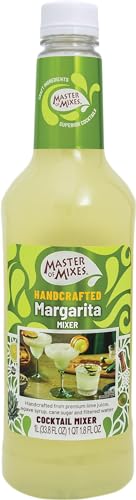
The single-bottle Master of Mixes Margarita Mix is the dependable middle of the margarita shelf: a 1 Liter bottle, a classic lime profile, and a brand that has supplied American home bars and restaurants for decades. Where the variety pack sells range, this bottle sells focus — one flavour, done consistently, in the size that covers a dinner party and then finishes across the following week without waste. It is the bottle to standardise on if your household has a house margarita: learn its balance once, settle your ratio, and every subsequent round tastes like the last. Consistency is an underrated virtue in a mixer, because it turns drink-making from improvisation into a repeatable household skill that any adult in the home can reproduce.
The classic litre is vodka’s citrus workhorse: measured vodka, measured mix, fresh ice, a fresh lime squeeze and an expressed twist — a gimlet-style serve with the prep done in advance and the balance standardised by the bottle. Consistency is the virtue vodka most needs from a citrus mix, because the spirit contributes no flavour of its own to rescue a drifting ratio. Learn this bottle’s ratio once and the house citrus drink becomes reproducible by anyone in the home, in January exactly as in July.
Ownership is the pleasure of a standard: the litre lives in the fridge door during its week of use, the ratio card lives in the cupboard, and restocking happens when the bottle empties rather than on speculation.
Best for: drinkers whose habits match the strengths above and who want this pick’s particular job done well. / Not suited for: buyers whose occasions, storage, or palate clash with the trade-offs listed here.
Check on Amazon to see the current listing for the Master of Mixes Margarita Mix, confirm the pack on offer, and read the most recent owner feedback.

Fever-Tree Tonic Water Cans
Badge: Best Canned Tonic
Strengths
- Single-serve cans guarantee full carbonation in every drink
- Real quinine base with restrained citrus and fruit notes
- Portion-sized cans naturally discipline mixer-heavy pours
Trade-offs
- Can format lacks the ritual and presentation of glass bottles
- One can per drink makes the 24-pack move faster than expected
- Tonic bitterness, while balanced, still defines the drink
At a glance
- Size listed as 5.1 Fl Oz cans
- Format: 24 Pack
- Made with real quinine
- Described for gin and tonic or vodka and tonic serves
Fever-Tree’s canned tonic — made with real quinine, per the listing, and explicitly described for gin and tonic or vodka and tonic serves — solves the oldest tonic problem in home bartending: the flat half-bottle. Each 5.1 Fl Oz can is one drink, opened at the moment of pouring, with carbonation at full strength every single time. The flavour is the house Fever-Tree balance of quinine bitterness with subtle citrus and fruit notes, restrained enough to let a good spirit speak and structured enough to make an ordinary one taste deliberate. A 24-pack of single-serve cans also travels — picnics, boats, holiday rentals — in a way glass never will, and the small can disciplines the pour for drinkers who find a full bottle tempts them into a sweeter, longer drink than they planned.
The canned tonic is the weeknight vodka tonic perfected: one can, opened at the last second, poured down the side of an ice-packed glass over measured vodka, lime squeezed and dropped in. Full carbonation in every single drink — no flat half-bottle, no negotiation — and a portion that disciplines the build without a lecture. This is the format for the household that makes vodka tonics two or three nights a week and wants each one to taste like the first one did.
Ownership is effortless: cans stack in the fridge door, chill fast, and ask nothing between drinks. Keep a row permanently cold, the case cool and dark, and let the empties pace your reordering.
Best for: drinkers whose habits match the strengths above and who want this pick’s particular job done well. / Not suited for: buyers whose occasions, storage, or palate clash with the trade-offs listed here.
Check on Amazon to see the current listing for the Fever-Tree Tonic Water Cans, confirm the pack on offer, and read the most recent owner feedback.

Fever-Tree Light Tonic Water 24 Pack Cans
Badge: Best Light Tonic
Strengths
- Listing states its per-can calorie figure plainly, which helps honest planning
- Real quinine bitterness with a smooth, crisp, dry finish
- Single-serve cans guarantee carbonation and portion control
Trade-offs
- Dry profile will taste austere to drinkers raised on sweet tonic
- A 24-pack is a storage and budget commitment up front
- Small cans mean a tall, mixer-heavy serve may need a second can
At a glance
- Size listed as 5.1 Fl Oz cans
- Format: 24 Pack
- Made with real quinine
- Listing states: 30 calories per can
- Hint of Mexican bitter orange
This is the light tonic the Fever-Tree range is known for: real quinine, a hint of Mexican bitter orange per the listing, and balanced botanicals producing a smooth, crisp taste, with the listing itself stating 30 calories per can. That combination is exactly what a lighter tonic needs to be. The bitterness has to stay, because bitterness is tonic’s structure; the sweetness has to retreat, because sweetness is what the drinker is trying to leave behind; and the citrus lift has to do the aromatic work in between. In the glass this can delivers that order of operations reliably, which is why it anchors so many of the serves in these guides. The 24-pack of small cans also enforces the format discipline lighter drinking depends on: one can, one drink, full carbonation, nothing left to flatten.
The light tonic cans are the driest vodka serve on this shelf: real quinine structure, a hint of bitter orange, the listing’s own stated per-can figure for the planner, and a finish dry enough that the vodka stays audible. Build it at a measured two-to-one, tonic to spirit, with lime squeezed over the top. Drinkers who found the classic vodka tonic too sweet and quietly stopped making it are this pick’s exact audience — it restores the drink’s original logic, and the 24-pack makes that logic a standing habit rather than an occasional correction.
Ownership suits a standing habit: a case in a cool cupboard, a row always chilling, and a household rhythm of tonic nights that the format was designed to serve. Rotate first-in, first-out.
Best for: drinkers whose habits match the strengths above and who want this pick’s particular job done well. / Not suited for: buyers whose occasions, storage, or palate clash with the trade-offs listed here.
Check on Amazon to see the current listing for the Fever-Tree Light Tonic Water 24 Pack Cans, confirm the pack on offer, and read the most recent owner feedback.

Fever-Tree Tonic Water 24 Pack Bottles
Badge: Best Bottled Tonic
Strengths
- Classic Fever-Tree balance of quinine, citrus, and fruit notes
- Glass bottles chill hard and present beautifully at the table
- Generous 6.8 Fl Oz bottle pours a full, tall serve
Trade-offs
- Classic formulation rather than a specifically lighter recipe
- Glass is heavy, breakable, and fridge-hungry across a 24-pack
- An opened bottle should be finished rather than recapped for later
At a glance
- Size listed as 6.8 Fl Oz bottles
- Format: 24 Pack
- Made with real quinine
- Described for gin and tonic or vodka and tonic serves
The bottled classic of the Fever-Tree range: real quinine, subtle citrus and fruit notes balanced by quinine bitterness, in 6.8 Fl Oz glass bottles sold as a 24-pack, and described in the listing for gin and tonic or vodka and tonic serves. Glass changes the experience of a tonic more than sceptics expect. It chills harder, it pours with a little ceremony, and it makes a weeknight drink feel like an occasion without adding a single ingredient. The flavour is the house balance at full expression — this is the reference version against which the light cans are a deliberate variation — so it earns its place in guides about lighter drinking as the control sample: the drink you measure the lighter versions against, and the bottle you pour for guests who want the classic serve exactly as they remember it.
The bottled tonic is the ceremony version of the same ritual: glass chilled hard, poured at the table, the classic Fever-Tree balance at full expression. Serve it when the vodka tonic is the evening’s point rather than its refreshment — a good bottle of vodka, two glasses, the tonic poured in view. Presentation is not vanity here; a drink that feels like an occasion gets sipped like one, and pacing is a lighter-drinking mechanism no label can print.
Ownership has one rule: glass wants cold and care. Store upright and cool, chill well before serving, open at the table, and finish the bottle across the occasion it was opened for.
Best for: drinkers whose habits match the strengths above and who want this pick’s particular job done well. / Not suited for: buyers whose occasions, storage, or palate clash with the trade-offs listed here.
Check on Amazon to see the current listing for the Fever-Tree Tonic Water 24 Pack Bottles, confirm the pack on offer, and read the most recent owner feedback.

Fever-Tree Premium Indian Tonic Water
Badge: Best Premium Tonic
Strengths
- No artificial sweeteners, flavourings or preservatives, per the listing
- Flagship tonic character with a clean, classic profile
- Larger bottle suits a shared round poured fresh
Trade-offs
- Bottle must be finished promptly once opened to keep its sparkle
- Classic style rather than a reduced-calorie formulation
- Pack of 8 larger bottles is a considered, premium purchase
At a glance
- Size listed as 16.9 Fl Oz
- Format: Pack of 8
- Premium Indian tonic water style
- No artificial sweeteners, flavourings or preservatives, per the listing
Premium Indian is the flagship name in the Fever-Tree tonic family, and this listing’s defining claim is a clean one: no artificial sweeteners, flavourings or preservatives, in a 16.9 Fl Oz bottle sold in a pack of 8. That makes it the ingredient-reader’s tonic — the bottle for households that want the classic tonic architecture built without shortcuts, and that plan drinks in small, deliberate numbers. The larger bottle format suits an evening of shared serves: open it for a round of drinks, pour it while the carbonation is at full strength, and treat the bottle as an occasion rather than a standing stock. In lighter-drinking terms its value is honesty and quality of flavour; a drink built on a tonic this clean needs less of everything else to taste complete.
The Premium Indian bottle is the ingredient-reader’s vodka tonic: no artificial sweeteners, flavourings or preservatives per the listing, a flagship profile, and a larger bottle built for a shared round poured fresh. Open it for two or three drinks in an evening, pour while the carbonation is at full strength, and the clean base lets a quality vodka taste like itself with structure around it. It is the tonic for the household that buys fewer, better drinks on purpose.
Ownership is occasion-based: the larger bottles are opened for a planned round and finished while their sparkle lasts. Keep unopened stock cool and dark, and buy at the pace your household actually pours.
Best for: drinkers whose habits match the strengths above and who want this pick’s particular job done well. / Not suited for: buyers whose occasions, storage, or palate clash with the trade-offs listed here.
Check on Amazon to see the current listing for the Fever-Tree Premium Indian Tonic Water, confirm the pack on offer, and read the most recent owner feedback.
Comparison Table
| Pick | Badge | Format from listing | Character | Listing |
|---|---|---|---|---|
| Zing Zang Strawberry Margarita-Daiquiri Mix | Best for Frozen Drinks | Size listed as 32 Fl Oz; Format: Pack 1 | Real fruit juices give a recognisable strawberry character | Check on Amazon |
| Master of Mixes Margarita Mix | Best Classic Pick | Size listed as 1 Liter bottle | Classic, consistent lime profile you can build a house recipe on | Check on Amazon |
| Fever-Tree Tonic Water Cans | Best Canned Tonic | Size listed as 5.1 Fl Oz cans; Format: 24 Pack | Single-serve cans guarantee full carbonation in every drink | Check on Amazon |
| Fever-Tree Light Tonic Water 24 Pack Cans | Best Light Tonic | Size listed as 5.1 Fl Oz cans; Format: 24 Pack | Listing states its per-can calorie figure plainly, which helps honest planning | Check on Amazon |
| Fever-Tree Tonic Water 24 Pack Bottles | Best Bottled Tonic | Size listed as 6.8 Fl Oz bottles; Format: 24 Pack | Classic Fever-Tree balance of quinine, citrus, and fruit notes | Check on Amazon |
| Fever-Tree Premium Indian Tonic Water | Best Premium Tonic | Size listed as 16.9 Fl Oz; Format: Pack of 8 | No artificial sweeteners, flavourings or preservatives, per the listing | Check on Amazon |
How to Choose the Best Low Calorie Mixers for Vodka, Ritual by Ritual
Choose by ritual before brand. Most vodka households perform at most three: the weeknight tonic, the house citrus serve, and the occasional frozen celebration. Buy depth in the ritual you perform weekly before breadth across all three — a case of the right tonic teaches you more, and gets finished, while three single bottles bought for three imagined rituals expire in formation. The badges in this guide map directly onto the rituals; find yours first, then read only the reviews that serve it, then let the second ritual be the second purchase.
Within the tonic ritual, choose your dryness honestly. The light tonic is the driest serve here and the one whose listing states its own per-can figure; the canned and bottled classics are the familiar balance at full expression; the Premium Indian is the cleanest ingredient statement. Neither direction is morally superior — palates recalibrate over a drink or two, and the tonic a household finishes happily is lighter in practice than the theoretically superior tonic it abandons. If the household contains both temperaments, run both: light cans for the regulars, a classic bottle for the guests, exactly as settled home bars do.
Format is where vodka’s lighter discipline quietly lives, because vodka exposes portion drift faster than any other spirit. A can is a portion with a barcode: opened, poured, finished, counted by the empties. A bottle is a negotiation renewed at every pour — manageable with a jigger and a written ratio, treacherous without them. Match format to frequency with simple honesty: nightly and weekly tonic drinkers justify the cases; occasional drinkers belong in smaller packs and single litres; hosts keep one presentable bottle behind the cans. The cross-spirit version of this format logic is explored in Best Low Carb Mixers, where the same discipline serves a whole shelf.
Finally, respect the fresh and the cold as ingredients. Every serve in this guide finishes with fresh citrus in some form, and every sparkling serve depends on the mixer being cold, the glass packed, and the pour happening at the last second. A warm can over sparse ice produces exactly the thin, sweet-flat drink that gives lighter mixing a bad name — and it is a method failure, not a product failure. Chill everything, pack the glass, squeeze the citrus, and most of what people blame on mixers disappears.
How to Mix, Serve, and Store Vodka Drinks That Taste Complete Without the Sugar Crutch
The core technique of lighter vodka mixing is substitution by sensation. Sugar provides body, length, and a soft landing; remove it carelessly and a drink tastes thin and harsh. Replace each sensation deliberately. Body comes from carbonation and from serving the drink properly cold. Length comes from a tall build over fresh ice, which stretches flavour across the glass. The soft landing comes from a squeezed citrus wedge rather than a measured juice, a pinch of salt in citrus builds, and aromatic garnishes — a twist expressed over the glass, a bruised herb leaf — that give the nose the richness the palate is missing. Master those four levers and most standard vodka serves survive the transition to lighter mixers intact, because vodka, uniquely, lets the levers themselves become the flavour.
Build in a fixed order for almost every drink in this guide: ice first, and more of it than feels natural, because a glass packed with ice melts slower and keeps carbonation alive; spirit measured, never free-poured, because a lighter mixer exposes an over-generous pour immediately; mixer last for sparkling serves, poured down the side of the glass to protect its bubbles; garnish deliberate and final. Stir long drinks twice at most — over-stirring is a slower way of flattening them. Serve immediately: a sparkling drink is a countdown, and its first five minutes are the drink you made. Write your ratios on a card inside the cupboard door; the vodka tonic standard is two parts tonic to one part spirit, the citrus standard is two parts mix to one part spirit, and both are starting points to adjust once, in writing.
For the three house rituals specifically: the tonic serve wants the can or bottle opened at the last second and citrus squeezed and dropped in, never bottled juice. The citrus serve wants the fresh squeeze over the finished drink — the litre provides structure, the fresh lime provides brightness, and skipping the second makes the first taste like a shortcut. The frozen round wants small glasses, fresh hard ice, and rounds blended on rhythm rather than a pitcher standing warm; offer the soda top as a standard option so anyone can lengthen their serve into its lightest version without a special request. Drinkers building the same rituals around tequila will recognise the method in Best Low Carb Mixers For Tequila, where acidity does even more of the work.
Storage decides whether your next drink matches your last. Keep unopened cans and bottles cool, dark, and upright; refrigerate opened mixes, cap them tightly, and schedule their next occasion while they are fresh. Sparkling bottles are same-day ingredients once opened. Keep a working stock — the next four to six serves — permanently chilled, because a warm mixer poured over ice spends its carbonation on the melt. Citrus is bought fresh weekly and cut at the moment of building. Rotate first-in, first-out, and let the empties tell you what to reorder: a shelf that turns over is a shelf whose drinks taste bright, and brightness is what makes the lighter habit permanent.
Problem: the vodka tonic tastes medicinal → the ratio drifted mixer-heavy or the tonic went stale after opening; rebuild at a measured two-to-one, squeeze fresh lime over the top, and open a fresh can or bottle for the next round.
Problem: the drink goes flat before it is finished → the carbonation was spent on warm ingredients or over-stirring; chill the mixer, pack the glass with ice, pour down the side, stir twice at most, and serve at once.
Problem: the citrus serve tastes like a shortcut → the fresh squeeze was skipped; the litre is the base, not the drink — finish every citrus serve with fresh lime and an expressed twist and judge it again.
Four Tonics, One Ritual: Finding Your Point on the Dryness Scale
Although four of this guide’s six picks are Fever-Tree tonics, they are not four versions of the same drink — they are four points on the axes that decide a vodka tonic: dryness, format, and ceremony. The light cans sit at the dry end, with the listing’s own stated figure for planners. The canned classic sits at the convenience point: the familiar balance, portioned. The bottled classic sits at the ceremony point: the same family character in glass, poured at a table. The Premium Indian sits at the ingredient point: the cleanest stated recipe, in a bottle built for a shared round. A household can locate itself on all three axes without leaving a verified list, which is what makes the comparison table a genuine decision tool here rather than a formality.
The practical way to locate yourself is a two-week experiment run properly: one weeknight tonic from the light cans and one from the canned classic, built identically — same glass, same ice, same ratio, same lime — on two evenings. Judge the whole drink, not the first sip, and note which glass you finished with more pleasure and which you would rebuild tomorrow. That note, not any marketing vocabulary, is your dryness point. Households that run the experiment stop arguing about tonic; households that skip it buy a case of the wrong one with great confidence.
Vodka and the Margarita Mix: The Gimlet Logic Nobody Tells You
It surprises drinkers that a margarita litre earns a permanent place on a vodka shelf, but the logic is old: vodka’s most classic citrus serve, the gimlet family, is spirit plus lime structure plus balance — exactly what a good margarita mix bottles. The mix does the prep work a gimlet demands — the lime, the referee sweetness, the consistency — and the drinker adds the two steps that must stay fresh: the squeeze over the finished drink and the expressed twist. What results is not a margarita with the wrong spirit; it is a legitimate house citrus drink with a standardised base, reproducible by anyone in the home.
That transferability is worth money and shelf space. One litre covers the tequila night, the vodka citrus night, and the rum daiquiri-style serve, which means a small household can run three spirits’ citrus rituals off a single opened bottle and actually finish it fresh — the freshness arithmetic that defeats most multi-bottle shelves. Buy the litre for the household’s citrus ritual generally, not for one spirit, and it becomes the hardest-working bottle in the bar.
Reference Builds: The Tonic Serve, the Citrus Serve, and the Frozen Round
Three builds cover this vodka shelf, and each has a written house standard. The tonic serve is the strictest because it has the fewest places to hide: glass packed with ice, measured vodka, the tonic — can or bottle — opened at the last second and poured down the side at two parts tonic to one part spirit, citrus squeezed and dropped in, a single lift with a spoon and no more. Built that way it is dry, bitter, aromatic, and complete; built carelessly, with a warm can and sparse ice, it is the drink that convinces people lighter mixing fails. The method is the recipe, which is why this guide spends so long on so simple a drink.
The citrus serve: measured vodka, measured litre at two parts mix to one part spirit, fresh ice in a smaller glass, a fresh lime squeeze over the finished drink and an expressed twist. The bottle provides the structure; the fresh steps provide the life; together they produce the house gimlet-style drink in under two minutes, identically in January and July. The frozen round completes the trio: strawberry mix, measured vodka, fresh hard ice, small glasses, a soda top offered as standard, fresh fruit on top, rounds blended on rhythm. Each build gets its completeness from its own mechanism — carbonation and bitterness, acidity and aromatics, temperature and portion — and none contains a corrective syrup waiting to rescue it.
One last discipline governs all three: the tasting order for new arrivals. When a new bottle or pack reaches the shelf, taste it in its intended serve at the house ratio before it earns a permanent place, and note the verdict beside the ratio card. Memory flatters new purchases; paper does not. That small ritual — taste, build, note — is how a vodka shelf stays curated instead of merely accumulated, and for a spirit with no flavour of its own to contribute, curation is not a luxury. It is the entire flavour strategy, practised one honest bottle at a time.
Common Buying Mistakes
- Free-pouring the vodka. Lighter mixers expose measurement errors immediately, and an over-poured drink tastes harsh in a way drinkers then blame on the mixer. Measure until the ratio is in your hands — then measure anyway.
- Serving sparkling mixers warm or over too little ice. Warmth and sparse ice spend carbonation on melting and leave the thin, flat drink that gives lighter mixing its undeserved reputation.
- Judging the light tonic on the first sip. Its dryness is a recalibration, not a flaw; decide after a full serve at the proper ratio, ideally on two evenings, before writing the style off.
- Treating the four tonics as interchangeable stock. They differ by dryness, format, and ceremony; buying whichever is cheapest this week produces a shelf of near-duplicates and no ritual anyone loves.
- Letting the frozen pick become the weeknight default. Fruit serves are the occasion tier; when they become the routine, the shelf’s lighter intention quietly inverts. Keep the tiers honest.
Final Recommendation
For most households shopping for best low calorie mixers for vodka, start with the first pick, the Zing Zang Strawberry Margarita-Daiquiri Mix (Check on Amazon), because it covers the widest range of this guide’s drinks with the fewest compromises. If your priority is the second core serve on this shelf, look next at the Master of Mixes Margarita Mix (Check on Amazon). If your household’s occasions run larger or more premium, the direction points to the Fever-Tree Tonic Water 24 Pack Bottles (Check on Amazon). If your household’s default is already the vodka tonic, make the canned classic your standing stock and let the light cans be the experiment that may replace it; if citrus is your house ritual, invert the order — litre first, tonics as the second ritual — and let the strawberry bottle wait for its season. Every pick on this list is the right answer for somebody; use the badges, the trade-offs, and your own honest occasion list to find which somebody you are, then stock the shelf once and mix with it all season.
Related guides
- Best Vodka And Mixers To Get Drunk Fast
- Best Vodka Mixers For Dark Beer Lovers
- Best Non Sugary Vodka Mixers
- Best Soda With Spicy Vodka Mixers
Frequently Asked Questions
What is the lightest vodka drink on this shelf?
The vodka tonic built on the light cans: real quinine structure, a dry finish, a portion fixed by the can, and a per-can figure the listing itself states for planning. Built at two-to-one over packed ice with fresh lime, it is the shelf’s reference light serve.
Does tonic really work with vodka, or is it a gin drink?
The vodka tonic is a classic in its own right, and vodka’s neutrality arguably shows tonic’s quinine structure more cleanly than gin’s botanicals do. Choose the light cans for the driest version, the canned or bottled classics for the familiar one, and the Premium Indian for the cleanest ingredient statement.
Why is a margarita mix in a vodka guide?
Because lime architecture is native to vodka through the gimlet tradition. A measured classic litre over vodka, finished with fresh lime and a twist, is a house citrus serve with the prep done — and the same bottle covers tequila and rum nights, so it gets finished fresh.
Cans or bottles for a vodka tonic habit?
Cans win on carbonation and portion — every drink fresh and measured, which suits a weekly habit. Bottles win on ceremony and suit the shared round. Many settled vodka bars keep both: light or classic cans for weeknights, a bottle for the evenings the tonic is the point.
How do I keep a strawberry vodka drink lighter?
Method, not denial: small glasses, packed fresh ice, a soda top for length, fresh fruit as garnish, and rounds blended and served in rhythm. Fruit-forward drinks stay compatible with lighter intentions when portion and pacing are treated as ingredients.
Can these mixers serve non-drinkers?
Several serve beautifully without alcohol: the light tonic over ice with lime, and the classic litre lengthened with soda and fresh citrus, both make zero-proof drinks with genuine structure. Serve them in the same glassware, with the same garnish, and nobody is handed a consolation prize.