Nespresso machines make coffee from sealed capsules, which keeps the process quick and tidy. There are two main systems. The Original line brews small, strong espresso shots, while the Vertuo line spins its capsules to make larger cups of coffee as well as espresso-style drinks. The machine you pick decides which capsules you can use.
The six machines below cover both systems, from compact espresso makers to models with built-in milk frothing. We have not used these machines ourselves, and we avoid tank sizes and specifications we cannot verify. Please confirm capsule type, water tank size and included accessories on the current listing before you buy.
Think about the drinks you make most often. If you want a quick espresso, a compact Original machine is enough. If you like milk drinks or larger mugs, a Vertuo model or a machine with a frother may suit you better.
Counter space and cabinet height are easy to overlook. Vertuo machines are taller than the compact Original models, and milk systems need room for a container. Measure the spot before you order so the machine fits under your cabinets.
As an Amazon Associate we earn from qualifying purchases. Links below are affiliate links, and they do not change the product information we give.
What to Look For
| Feature | Why it matters |
|---|---|
| Capsule system | Original and Vertuo capsules are not interchangeable |
| Milk options | Built-in frothers save buying a separate one |
| Size | Compact machines suit small counters |
| Cup sizes | Vertuo models brew larger mugs; Original focuses on small shots |
| Water tank | A bigger tank means fewer refills |
In this guide
Specs at a Glance
| Machine | System | Milk | Notes |
|---|---|---|---|
| Vertuo Next | Vertuo | None built in | Compact; brews several cup sizes |
| Vertuo Plus | Vertuo | None built in | Larger tank; motorized head |
| Essenza Mini | Original | None built in | Very compact |
| Pixie | Original | None built in | Metal side panels |
| Lattissima One | Original | Built-in milk system | Makes lattes with one touch |
| Creatista Plus | Original | Steam wand | Manual milk texturing |
The 6 Best Nespresso Machines

Top pickBest for people who like bigger cups
1. Nespresso Vertuo Next Coffee and Espresso Machine
A compact Vertuo machine that reads each capsule and adjusts the brew. It makes several cup sizes, from espresso-style drinks to larger mugs.
Suits: people who like bigger cups. Strengths: a compact body and variety. Weaknesses: only Vertuo capsules fit. Skip it if you prefer Original capsules.
View Nespresso Vertuo Next on Amazon
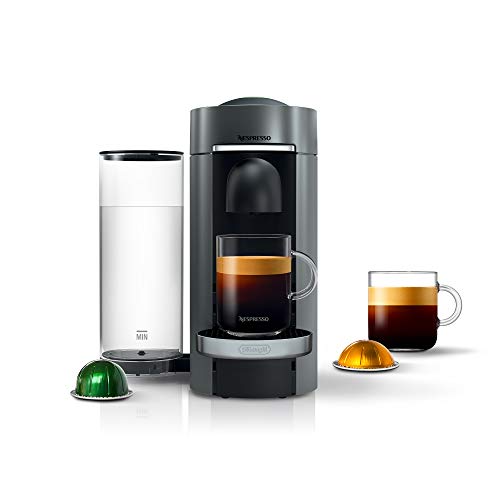
Best for daily coffee drinkers
2. Nespresso Vertuo Plus Coffee and Espresso Machine
A slightly larger Vertuo machine with a motorized head and a bigger tank. It is a straightforward pick for households that drink coffee through the day.
Suits: daily coffee drinkers. Strengths: a larger water tank. Weaknesses: it takes more counter space. Skip it if your kitchen is tiny.
View Nespresso Vertuo Plus on Amazon
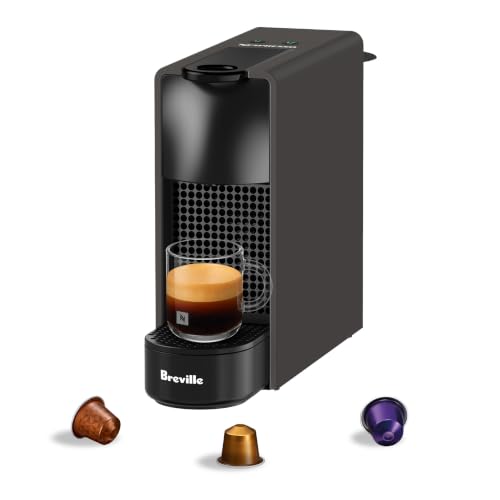
Best for small spaces and espresso fans
3. Nespresso Essenza Mini Espresso Machine
One of the smallest Original-line machines. It brews a short espresso or a longer lungo with the push of a button.
Suits: small spaces and espresso fans. Strengths: a tiny footprint and simple use. Weaknesses: no milk system. Skip it if you want lattes at the touch of a button.

Best for people who want a sturdier-looking machine
4. Nespresso Pixie Espresso Machine
An Original-line machine with metal side panels and a compact build. It heats up quickly and offers espresso and lungo sizes.
Suits: people who want a sturdier-looking machine. Strengths: a compact design and metal finish. Weaknesses: no frother. Skip it if you want milk drinks built in.


Best for milk drink lovers
5. Nespresso Lattissima One Espresso Machine
An Original-line machine with a built-in milk system that makes lattes and cappuccinos with a single touch. The milk container is designed to fit in the fridge.
Suits: milk drink lovers. Strengths: an easy, automated milk process. Weaknesses: the milk system needs regular rinsing. Skip it if you drink black coffee.

Best for people who like to texture milk by hand
6. Nespresso Creatista Plus Espresso Machine
An Original-line machine with a steam wand for manual milk texturing. It lets you practice latte art at home while still using capsules.
Suits: people who like to texture milk by hand. Strengths: a steam wand and more control. Weaknesses: it takes practice. Skip it if you want a fully automatic routine.
View Nespresso Creatista Plus on Amazon
Care and Setup
- Descale the machine when the indicator asks for it.
- Empty the used capsule container regularly.
- Rinse the milk system after every use if your model has one.
- Use fresh water in the tank each day.
- Run a rinse cycle with no capsule if the machine has been idle for a while.
- Recycle used capsules through the maker’s program where available.
Mistakes to Avoid
- Buying the wrong capsule type for your machine.
- Leaving milk in the system overnight.
- Skipping descaling.
- Ignoring the counter height under a cabinet.
- Using hard water without a filter or a descaling plan.
Original Versus Vertuo in Daily Use
The biggest decision is which capsule system you commit to, because it shapes the drinks you make, the capsules you buy and the machines you can switch to later. The Original system uses small capsules that are pierced and pushed through with high pressure, which produces a short, concentrated shot. It suits people who want espresso, a lungo or a base for milk drinks. The Vertuo system uses larger capsules that the machine spins while brewing, which produces a longer cup of coffee with a layer of foam on top. It suits people who reach for a mug rather than a small cup.
Think about what you drink on a normal morning. If it is a quick espresso or a flat white, the Original line gives you more control over strength and a smaller footprint. If it is a large mug of black coffee, the Vertuo line is the more natural fit, and it also makes espresso-style sizes.
Capsule choice is also a long-term cost. Because you are tied to one system, look at the range of flavors and strengths offered for it before you buy the machine, and check which capsule sizes your favorite drinks need. Some households keep one of each machine, but for most people it is simpler to pick one system and stay with it. Always confirm on the listing which capsules a model accepts.
Milk Drinks and Frothing Options Compared
Milk is where machines differ most, and it deserves its own decision. A machine with no frother makes black coffee and espresso only, so you would add milk separately with a handheld frother, a small electric frother or a pitcher and steam source. That is the most flexible and often the most affordable route, and it works well if you only make milk drinks occasionally.
A built-in automatic milk system, like the one on the Lattissima One, draws milk from a container and delivers a latte or cappuccino at the touch of a button. It is the easiest route for daily milk drinks, but the milk path must be rinsed and cleaned regularly, because milk residue turns sour quickly. Check how many parts you have to remove and wash, and how long the cleaning routine takes, before you decide it will fit your mornings.
A manual steam wand, like the one on the Creatista Plus, gives you control over texture and temperature. It takes practice, and you need a pitcher and a steady hand, but it rewards you with better microfoam and the chance to try latte art. If you enjoy the craft, this is the most satisfying option. If you want a drink with minimal effort, an automatic system is the better match. Consider also plant-based milks: some systems and wands handle them better than others, so check the maker’s guidance.
Counter Space, Cabinet Height and Water Tank Planning
Capsule machines look small in photos, but the real footprint includes more than the body. You need room to open the lid, to remove the water tank and to empty the used capsule container. Measure the width and depth of the spot, and leave a few inches above the machine so you can lift the head or the lid without hitting a cabinet. Vertuo machines tend to be taller when their head is open, so this check matters more for them.
Think about where the tank sits. A tank at the back needs space to slide out, while a side tank may need clearance next to the machine. If you plan to put the machine in a corner, check that the tank can still be reached. A removable tank that you can carry to the sink is easier to rinse and refill than a fixed one.
Tank size affects how often you refill. A small tank suits one or two people who make a few drinks a day. A larger tank suits a family or an office where the machine runs often. Do not assume bigger is always better, because water that sits in a tank for days can taste stale, so a size that matches your usage keeps water fresher. Check the listing for the actual tank size, and think about the capsule container as well, since it fills sooner than many buyers expect.
Water Quality and a Realistic Descaling Routine
Water makes up almost the entire cup, and it also decides how fast scale builds up inside the machine. Hard water leaves limescale in the heating parts and lines, which can slow brewing, reduce temperature and eventually cause faults. If you live in a hard water area, plan for either a filter or more frequent descaling, and check the manual for what the maker recommends.
Use fresh water each time you fill the tank, and avoid topping up old water. Rinse the tank every few days. If you have been away for a while, run a rinse cycle without a capsule before you make your first drink.
Descaling should follow the machine’s own indicator and the maker’s instructions. Use a descaling product that the maker approves, and follow the steps in order, including the rinse that follows. Skipping the rinse can leave a taste in your coffee. Do not mix descaling products with other cleaners, and avoid household substitutes unless the manual allows them.
Write the date of each descaling on a note near the machine or in your phone, so you can see at a glance when it is due. A machine that is descaled on time tends to heat faster, brew more consistently and last longer, so treat the routine as part of owning it rather than an optional chore.
Capsule Habits, Running Costs and Recycling
The machine is only part of what you spend, because you will buy capsules for as long as you use it. Before you commit, work out how many drinks you make in a week, how many capsules each drink needs and how much you are prepared to spend on them. Milk drinks and larger cups can use more than one capsule, which changes the real cost per drink.
Think about how you will store capsules. Keep them in a cool, dry place away from direct sun, and use them in a reasonable time. A countertop holder is handy, but a closed drawer keeps them fresh for longer. Buying in bulk can save effort, but only if you will actually use the capsules before they get stale.
Used capsules are a waste stream, and the maker offers a recycling program in many places. Check whether it is available where you live and how it works, whether by drop-off or by mail. Some owners collect capsules in a small bin and take them in batches. Do not assume that every area accepts them in household recycling.
Finally, consider variety. Some people like to rotate flavors and strengths, and a system with a wide range keeps things interesting. Others settle on a few favorites. Know which type you are, and choose the system with a range that suits you.
Nespresso Machines FAQ
Can I use any capsule?
No. Original machines use Original capsules and Vertuo machines use Vertuo capsules.
Which line makes bigger cups?
Vertuo machines brew larger mugs. Original machines focus on espresso and lungo.
Is a frother included?
Only some models. Check the listing, or buy a separate frother.
Can I make iced coffee with a capsule machine?
Yes, in most cases. Brew over ice, or brew into a cup and then pour it over ice. Check the capsule description and the machine manual, since some capsules are labeled for iced recipes.
Do I need a separate milk frother?
Only if your machine has no frother of its own. A handheld or electric frother is a low-cost add-on that works with any model.
How long does a capsule machine take to heat up?
Heat-up time varies by model, and many are ready within a short time. Check the listing or manual for the maker's stated time.
Is the water tank dishwasher safe?
It depends on the model. Check the manual first, and if in doubt, wash the tank by hand with warm water and a soft cloth.
Can I use third-party capsules?
Some are sold for each system, but quality and fit vary and the maker may not support their use. Read the compatibility notes and the warranty terms before you try them.
What should I do if the machine stops flowing?
Check that the tank is full and seated, empty the capsule container and try a rinse cycle. If the problem continues, descale as the manual directs, then contact the maker.
Are these machines good for offices?
They can be, especially for small teams, since they are quick and tidy. For a busy office, check tank size and capsule container capacity, as they fill quickly.
Choosing for Household Size and Drinking Habits
Capsule machines suit many households, yet the right model depends on who is drinking. A single person who has one coffee each morning needs very little: a compact machine with a small tank and fast heat-up is ideal. A couple that shares a pot of coffee on weekends may prefer the Vertuo style, which makes larger cups. A household where several people want different drinks at the same time will notice the wait between cups, so a model that heats quickly and refills easily helps.
Consider who will use the machine. If guests or children will operate it, a one-touch design with clear buttons is more forgiving. If the main user enjoys lattes, an integrated milk system saves effort, though it adds parts to clean. A machine that is easy to operate in a hurry is more likely to be used every day.
- One drinker, small kitchen: compact Original-style machine.
- Two drinkers who like bigger mugs: Vertuo-style machine.
- Latte lovers: model with a built-in milk system or a separate frother.
- Office or shared space: larger tank and fast recovery between cups.
Reading Capsule Labels: Size, Intensity and Roast
Nespresso capsules carry a color and name that point to a flavor profile and cup size. Intensity ratings, usually shown on a numbered scale, describe how bold the coffee is, but they do not map neatly to caffeine or quality. A higher number suggests a darker, stronger cup. Lower numbers point to lighter, softer coffee that suits drinkers who like it mild.
Cup size is just as important as flavor. Original capsules are designed for small servings such as espresso and lungo, and using them for a large mug results in a thin, weak drink unless you run multiple shots. Vertuo capsules come in sizes that match a range of cup volumes, and the machine reads a barcode on the capsule rim to adjust its settings. If your coffee tastes watery, check whether you are using the right capsule size for the cup you are pouring.
Sampler packs are a low-risk way to explore the range before committing to a favorite. Keep notes on which capsules you like, because the names can be hard to remember when you reorder.
Fixing Taste Complaints: Weak, Sour or Lukewarm
If a cup tastes off, a few quick checks usually find the cause. Weak coffee often comes from the wrong capsule size, or from selecting a larger volume than the capsule is built for. Sour or thin shots can come from a machine that has not warmed up, so wait for the ready light before brewing. Lukewarm cups may mean the cup is cold, so rinse it with hot water first or run a short blank cycle to warm the system.
Flavors that seem flat or metallic may point to scale or water quality. Rinse the tank, use fresh water and descale according to the manual. If a machine produces less volume than usual, descaling often restores flow. A capsule that sits in the machine overnight can leave residue, so eject used capsules after each use and empty the container regularly.
Small Habits That Keep a Capsule Machine Running Well
A few simple routines extend the life of any capsule machine. Empty the used-capsule container before it overflows, since a full bin can jam the mechanism. Wipe the area where the capsule sits and the drip tray, because coffee oils and spills build up quickly. Use fresh water in the tank daily rather than topping up old water, and leave the lid off between uses so the tank can dry.
If you are going away for more than a few days, empty the tank and run a rinse cycle when you return. Keep the manual, the registration details and the receipt together, since you may need them for a warranty claim. Do not force a capsule into the slot or open the head during brewing, and if the machine shows an error light, check the manual before pressing buttons at random. Small, steady care is usually cheaper than a replacement.
Capsule Machines Compared With Other Ways to Brew
Capsules are convenient, but they are not the only route. A drip coffee maker produces a larger quantity at lower cost per cup, which suits households that drink several mugs a day. A manual espresso machine gives more control and flavor variety, though it asks for skill, a grinder and time. Pour-over and French press setups cost little and allow experimentation with beans.
The right comparison depends on what you value. If speed and low cleanup rule your mornings, a capsule machine fits well. If you enjoy the ritual and want to pick any beans from a local roaster, a different setup may bring more satisfaction. Many households keep a capsule machine for busy days and a manual brewer for weekends.
How the Two Nespresso Lines Feel After a Month of Mornings
The first week with any capsule machine is mostly novelty, but the second month is where the real differences between the Original and Vertuo lines show up. Original machines settle into a rhythm built around short drinks: a quick espresso before leaving the house, a lungo while you read, and milk added from a separate frother when you want it. Vertuo machines encourage a different habit because the capsule sizes stretch from a single shot all the way to a full mug, so the same machine that makes your morning espresso also covers the large coffee a partner or houseguest expects. Neither rhythm is better in the abstract; the right choice is the one that matches the drinks your household actually repeats, day after day, without thinking about it.
Think about who else uses the machine, because capsule systems are often shared. A Vertuo model such as the Vertuo Next or Vertuo Plus tends to be forgiving for guests, since the machine reads the capsule and sets the pour itself, leaving little room for a visitor to brew the wrong size. Original machines ask slightly more of the user — choosing a shot length and stopping a lungo at the right moment — but they reward that attention with a wider world of compatible capsules, including many third-party options. In a household where one person is a coffee enthusiast and everyone else just wants a reliable cup, that trade-off matters more than any single feature on a spec sheet.
Noise and warm-up quietly shape satisfaction too. All six machines in this guide heat quickly, yet the experience differs: a compact model like the Essenza Mini feels almost instant for a single espresso, while a larger Vertuo session involves the capsule spinning up, which some light sleepers notice through a thin kitchen wall. If the machine will live in a studio flat or near a nursery, run your first brew of the day as a test once you own it and consider where the machine sits. Moving it a few feet, onto a mat, or away from a hollow cabinet door can change how loud it seems more than the model itself does.
Finally, consider how the machine ages in your kitchen. The Pixie and Creatista Plus, with their metal finishes, shrug off the small knocks of daily life and wipe clean without showing every fingerprint. Glossy plastic models look sharp when new but show micro-scratches from mugs and capsule containers over time. None of this affects the coffee, yet it affects whether the machine still feels like a pleasure in year three. A machine you enjoy looking at gets cleaned more often, descaled on schedule, and used instead of bypassed for a café run — and that, more than any headline feature, is what makes a capsule machine worth its counter space.
Matching Each Machine in This Guide to a Real Kitchen
Start with the Vertuo Next if your household drinks a mix of espresso and full mugs and your counter is not generous. It covers the widest range of cup sizes in a footprint that still leaves room for a kettle or a toaster, which is why it suits couples who split their mornings between short and long drinks. Skip it if you know you will mostly drink straight espresso and want the broadest capsule choice, because that points you toward the Original line instead, where the Essenza Mini and Pixie live.
The Vertuo Plus answers a different problem: refilling. Its larger tank and the way the head opens make it the natural pick for homes that brew several large cups back to back, such as a family breakfast or a small home office. If your machine will sit under low cabinets, check the opening clearance with the head raised before you commit, because that single measurement decides whether the Plus is convenient or annoying. Households that brew once or twice a day rarely feel the benefit of the bigger tank, and for them the smaller machines in this guide free up space for other things.
The Essenza Mini and the Pixie are both Original-line machines, but they suit different people. The Mini is the honest minimum: tiny, simple, and ideal for a single drinker, a student room, or a guest corner where espresso is an occasional pleasure. The Pixie adds a sturdier build and a more deliberate feel, which suits someone who brews every day and expects the machine to feel solid for years. If you are choosing between them, ask how often the machine will be used in a week; daily use justifies the Pixie, while twice-a-week use makes the Mini the smarter buy.
At the top of the range, the Lattissima One and Creatista Plus split on one question: how involved do you want to be with milk? The Lattissima One is for the person who wants a cappuccino at the press of a button and no washing up beyond rinsing a small milk container. The Creatista Plus is for the person who enjoys steaming milk themselves and wants café-style texture they control. Neither is a compromise version of the other. Pick based on your honest morning personality — the one you have at seven in the morning, not the one you have when browsing on a Sunday afternoon.
A Simple Routine for Better Capsule Coffee, Cup After Cup
Capsule machines promise consistency, but a few small habits separate a flat cup from a good one. Begin with the water: fill the tank with fresh water each morning rather than topping up what sat overnight, because stale water dulls even a well-made capsule. Run a short blank cycle — hot water with no capsule — into your cup before the first brew. That single step warms the cup, rinses the brew path, and brings the machine fully up to temperature, and it costs you less than a minute. For small espresso drinks especially, a warmed cup keeps the first sip at the temperature the drink was designed for.
Next, pay attention to the order of drinks when you brew for several people. Make the espressos first and the long drinks after, or the other way round, but be consistent, because the machine’s temperature settles into a pattern and consecutive similar drinks taste more alike. If you add milk, froth it while the espresso brews rather than afterwards, so neither element sits waiting. Cold milk drinks benefit from the opposite order: chill the glass, add ice last, and brew the capsule over the ice quickly so dilution stays where you want it.
Storage of capsules matters more than most owners expect. Keep capsules away from the heat above the machine itself and out of direct sunlight on an open counter rack, because warmth and light slowly flatten aroma. A drawer or a closed container in a cool cupboard keeps them closer to how they left the roaster. Rotate stock so older capsules are used first, and resist buying very large quantities of a flavor you have not lived with for a month; tastes drift, and a capsule you loved in week one can become the one you avoid by week six.
Once a week, wipe the capsule insertion area and empty the used-capsule container before it is completely full, because a packed container can stop a capsule seating properly and cause a weak or messy brew. Once a month, check the drip tray and the area under the machine for the slow leaks that only appear over time. These are small jobs, but together they are the difference between a machine that feels effortless for years and one that slowly becomes temperamental. Capsule coffee is forgiving, yet it still rewards the owner who treats the machine as a small appliance to be looked after, not a vending machine to be ignored.
When a Nespresso Machine Disappoints: Working Through the Usual Causes
The most common complaint is a cup that tastes thin. Before blaming the machine, change one variable at a time: try a different capsule, since a lighter roast in a long pour will always taste gentler than a dark roast in a short one. Then check the pour size — a lungo button pressed out of habit on a capsule meant for espresso stretches the drink past its best point. If the weakness appeared suddenly rather than gradually, suspect the capsule seating or a nearly full used-capsule bin, both of which can stop the capsule piercing cleanly and let water bypass the coffee.
A sour or sharp taste points in another direction. Under-extraction is the usual cause, and on a capsule machine the levers you control are temperature and contact: warm the cup, run the blank rinse cycle so the first water through the capsule is properly hot, and avoid the largest cup sizes for capsules designed as short drinks. Limescale can also cool the brew path over time, so if sourness creeps in over months rather than appearing overnight, descale before experimenting further. Many owners chase new capsules for weeks when the real fix was a descale they had been postponing.
Lukewarm drinks have their own short checklist. A cold, heavy ceramic mug can pull surprising heat out of a small espresso, so warming the cup is the first step, not a nicety. Milk drinks run cooler when the milk starts fridge-cold and the frother is asked to do all the work; letting the milk stand for a few minutes while you prepare takes the edge off. If every drink, including a plain long coffee, comes out cool, that is a machine issue rather than a habit issue, and it is worth contacting support while the machine is still covered rather than adapting your routine around a fault.
Leaks and puddles deserve a calm check before panic. Most come from a drip tray that was not emptied, a water tank that was not seated fully after refilling, or a capsule that folded as it dropped. Dry everything, reseat the tank with a firm push, run a blank cycle, and watch where the water appears. A puddle that returns in the same spot with an empty tray and a seated tank is a genuine fault. Keeping notes on when a problem happens — after descaling, with one capsule type, only on large pours — turns a vague complaint into something a support agent, or your own future self, can actually solve.
Hosting With a Capsule Machine Without Breaking a Sweat
Entertaining is where a capsule machine quietly outclasses almost every other way of making coffee, because it turns a complicated order — different drinks for different people, arriving at different moments — into a sequence of identical, simple actions. The host’s job shifts from barista technique to logistics: a stocked capsule selection, cups within reach, milk ready, and a small system for used capsules that does not leave guests hunting for a bin. Set that station up before the first guest arrives and coffee stops being a task that removes you from your own gathering and becomes something guests can nearly do themselves, which is the highest compliment a drinks station can earn.
Choice is the first logistical decision. Offer a short menu rather than the whole drawer: a familiar espresso, a longer coffee, a decaf, and one milk drink covers nearly every preference without turning the kitchen into a café counter. Too much choice slows every decision and multiplies the half-used boxes you must store afterwards. Write nothing down and announce nothing formally; simply place the chosen capsules where guests can see them, and most people will happily pick from what is in front of them. The machine’s speed does the rest, because nobody waits long enough for the queue to become the entertainment.
Sequence the drinks with the meal in mind. Coffee with dessert wants to arrive while the dessert is still the subject, so brew the longest drinks first — they hold their heat — and finish with the espressos, which are at their best for only a few minutes. If milk drinks are requested, make them in one small batch of effort: froth once, pour several, and serve together rather than returning to the frother between every cup. A tray is the host’s best friend here, carrying four finished drinks safely and making the service feel like an occasion rather than a delivery route.
Guests will operate the machine if you let them, and you should design for that kindly. Leave the machine on, the tank full, the capsule container empty, and a small card or a word of guidance about which button does what. People enjoy the small theatre of choosing and brewing their own capsule, and a machine that forgives beginners — which is most of this guide — makes that safe. What you must protect is the water tank and the used-capsule bin: check both between courses, because the two classic hosting failures are a machine that runs dry mid-round and a capsule that cannot drop because the bin is full.
Afterwards, the capsule machine repays its host one final time: there is almost nothing to wash. A tray of cups, a frother to rinse, a drip tray to empty — ten minutes and the kitchen is restored, where a traditional espresso setup or a row of brewing equipment would still be waiting for attention. This is the context in which to judge the machines in this guide if you entertain often. The best hosting machine is not the one with the most features; it is the one whose entire service, from first cup to clean counter, asks the least of the person who is also cooking, pouring wine and trying to enjoy their own evening.
The same logic scales down to the smallest gathering: one friend, one afternoon, two drinks each. A capsule machine makes that visit easy to say yes to, because coffee is no longer a production. Keep that ease in mind when you choose and when you arrange your kitchen — the machine near the cups, the capsules near the machine, the bin near both. Convenience is a system, not a specification, and the owners who build the system are the ones who describe their machines as effortless years later, long after the specifications have been forgotten.
More Questions, Answered
Should I rinse a new Nespresso machine before the first real drink?
Yes. Run a few cycles of plain hot water through it before brewing a capsule you care about. That flushes out any residue from manufacturing and storage, warms the internal parts, and lets you check that the tank seats properly and nothing leaks. It takes only a few minutes and makes the first cup taste as it should.
How do I decide between one machine for everything and a separate frother?
If most of your drinks are black or take just a splash of milk, a standalone machine from this guide plus a simple frother gives you flexibility and less to clean. If milk drinks are your daily default and you want them with no extra steps, an integrated model such as the Lattissima One earns its place. Count your milk drinks in a normal week and let that number decide.
Can I leave water sitting in the tank over a holiday?
It is better not to. Empty the tank before you go away, leave the machine dry, and refill with fresh water when you return. Water that sits for a week or more can taste stale and encourages residue inside the tank. A fresh refill and one blank rinse cycle are all a returning machine needs.
What is the best way to try new capsules without wasting money?
Buy the smallest pack available first and brew it at the size the capsule was designed for, at the same time of day you normally drink coffee. Give a new capsule at least three tries across different days before judging it, because palate, water temperature habits and even what you ate beforehand shift the impression. Keep brief notes so a flavor you disliked in one format is not bought again in another.
Does the order I brew drinks for guests matter?
Slightly, yes. Brewing similar drinks together keeps temperatures consistent and speeds things up, and serving espresso-based drinks promptly matters because they cool and lose aroma quickly. For a group, make the long coffees first since they hold their heat, then finish with the short espressos so they reach the table at their best.
How many capsules should I keep for a dinner party?
Plan generously per coffee drinker and include a decaf option for the end of the evening, because requests for decaf rise sharply after a meal. Leftover capsules keep well in a cool cupboard, so overbuying slightly is harmless, while running out mid-evening is the one hosting failure a capsule machine is supposed to make impossible.
Should the machine live on the dining table or in the kitchen?
The kitchen, in almost every home. Table-side brewing sounds theatrical but brings water, used capsules and cables into the meal’s space. A well-arranged kitchen station, close enough for the host to work while talking, serves faster and cleaner. Guests who enjoy the ritual can be invited to choose their capsule at the station, which gives them the theatre without the clutter.
Frequently Asked Questions
Why does my Nespresso coffee taste weak?
The most common cause is using a small-size capsule for a large cup, or selecting a bigger volume than the capsule is made for. Check the capsule size, run the correct program, and make sure the machine has warmed up. Scale buildup can also reduce flavor, so descale if it has been a while.
What does the intensity number on a capsule mean?
It is a scale the brand uses to describe how bold or strong a capsule tastes, usually tied to roast and body. A higher number means a stronger flavor. It is not a direct measure of caffeine, so use it as a guide to taste, not strength.
Should I warm my cup before brewing?
It helps, especially for small espresso-size drinks, which cool quickly in a cold cup. Run hot water through the cup or let it sit on top of the machine if it has a warming tray. The difference is small, but many people notice a warmer first sip.
Are capsule machines cheaper than a drip coffee maker over time?
Usually not per cup. Capsules cost more than ground coffee, so a drip machine is typically cheaper for heavy daily use. Capsule machines trade cost for speed, consistency and low cleanup. Compare your cups per week and the going capsule price to decide which suits your budget.
The Short Version
For compact Vertuo, the Vertuo Next. For a bigger tank, the Vertuo Plus. For tiny spaces, the Essenza Mini. For metal styling, the Pixie. For one-touch milk drinks, the Lattissima One. For manual milk, the Creatista Plus.


