Disclosure: topratedkitchenware.com is reader-supported. When you buy through links on our site, we may earn an affiliate commission from Amazon and other retailers, at no extra cost to you.
Where to buy
Finding the best paleo vegetarian recipes for slow cookers is really two searches in one: recipes that respect both rulebooks — no meat, and no grains, legumes or dairy — and a cooker that can hold a vegetable-heavy batch through a long, gentle cook without turning it to soup. This guide delivers both: a working collection of recipe frameworks that genuinely fit paleo vegetarian eating, and the six verified cookers we recommend for making them, from a seven-quart Crock-Pot built for Sunday batch cooking to a personal Dash for a single serving. Each name links to its Amazon listing so you can check the latest price on Amazon.
- Dash Mini Rice Cooker (2-Cup, Ceramic Nonstick) — Check on Amazon
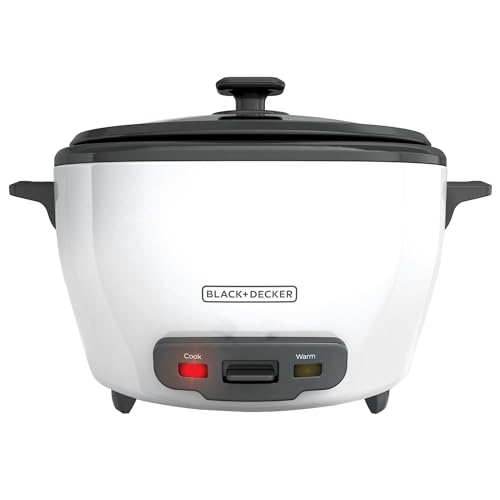
- BLACK+DECKER 16-Cup Rice Cooker (RC516)
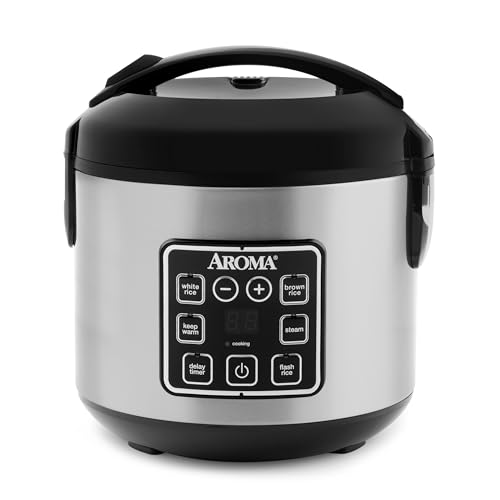
- Aroma ARC-363-1NGB Rice Cooker, Steamer and Multicooker (Black)
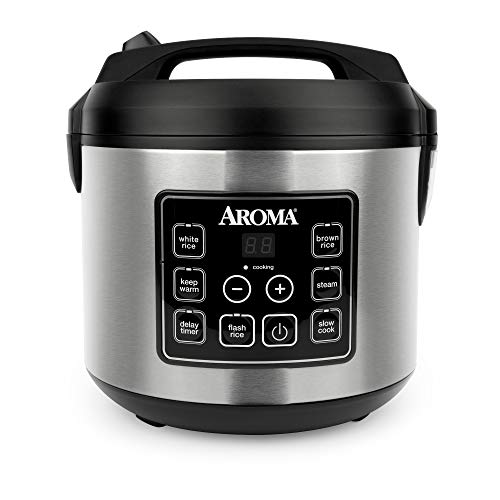
- Aroma 20-Cup Digital Rice Cooker, Slow Cooker and Steamer (ARC-150SB)
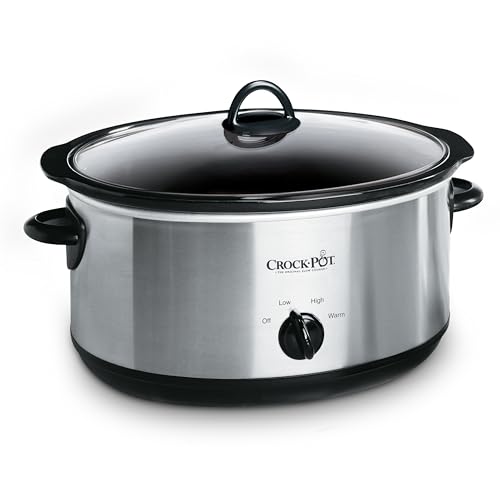
- Crock-Pot 7-Quart Oval Manual Slow Cooker
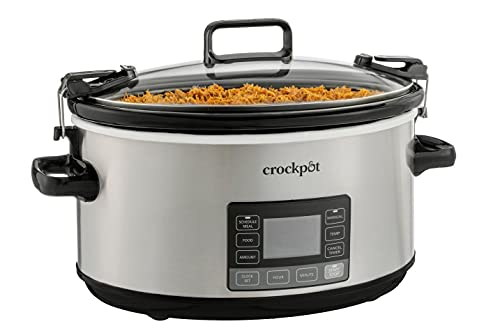
- Crock-Pot 7-Quart Programmable Slow Cooker with Locking Lid
Read the full guide ↓
The best paleo vegetarian recipes for slow cookers live at an intersection that confuses a lot of cookbooks. Vegetarian slow cooking leans heavily on beans, lentils and grains — all excluded by paleo rules. Paleo slow cooking leans heavily on meat — excluded by vegetarian ones. What remains, when both rulebooks are honoured, is actually a delicious territory: vegetables cooked long and gently until they concentrate, coconut milk and good oils for richness, eggs for those who include them, mushrooms and root vegetables for the deep savoury notes meat usually provides, and spices doing the heavy lifting that sauces do elsewhere.
This guide is built as a recipe resource first. You will find the frameworks that work — a coconut vegetable curry, a slow ratatouille-style braise, mushroom and root vegetable stew, stuffed peppers filled with cauliflower rice, big soups — with the timing and layering logic that makes them succeed in a crock rather than merely survive it. The six verified cookers are reviewed as the tools for those recipes: two true seven-quart slow cookers that are the natural home of this cooking, a large multicooker whose listing names a slow cooker function, and compact machines for small batches, steaming and cauliflower rice. Where a machine is a rice cooker by name, we say exactly what it is doing in a paleo kitchen — steaming vegetables and making cauliflower rice — and what it is not.
A note on definitions, because paleo vegetarian readers argue about them cheerfully: this guide follows the common working version — vegetables, fruit, nuts, seeds, eggs and healthy oils in; grains, legumes, dairy and refined sugar out. If your version excludes eggs, every recipe framework here works without them.
Key Takeaways
- Paleo vegetarian slow cooking works when vegetables, coconut milk, mushrooms and spices replace both the meat and the beans — richness and depth have to be built deliberately.
- The two 7-quart Crock-Pots are the natural recipe machines here; the programmable model with MyTime suits set-and-forget meal prep days.
- Layer by density: roots and squash at the bottom near the heat, delicate vegetables and greens added in the final hour.
- Rice cookers in this line-up earn their place steaming vegetables and cooking cauliflower rice — not grains, which paleo excludes.
- Acid and freshness are finishing tools: lime, vinegar and fresh herbs added at the end rescue long-cooked vegetables from tasting flat.
In this guide
Quick Picks
| Pick | Badge | Why it earns its place |
|---|---|---|
| Dash Mini Rice Cooker | Best for Single Servings | A personal cooker for a single serving of soup, steamed vegetables or cauliflower rice — solo paleo cooking without a giant batch. |
| BLACK+DECKER 16-Cup Rice Cooker | Best for Big Vegetable Batches | Sixteen cups of capacity with a steaming basket for big vegetable batches and cauliflower rice at meal-prep scale. |
| Aroma ARC-363-1NGB Multicooker | Best Compact Multicooker | A compact steamer-multicooker for small curries, soups and steamed vegetables for one to three people. |
| Aroma ARC-150SB 20-Cup Multicooker | Most Versatile | Rice cooker, slow cooker and steamer in one verified listing — the flexible centrepiece for varied paleo vegetarian cooking. |
| Crock-Pot 7-Quart Manual Slow Cooker | Best Overall Slow Cooker | The classic seven-quart oval slow cooker: high, low and warm, and the benchmark vessel for the recipes in this guide. |
| Crock-Pot 7-Quart Programmable Slow Cooker | Best for Scheduled Meal Prep | Programmable seven quarts with MyTime scheduling and a locking lid — batch day cooking that finishes when you need it. |
How These Picks Were Chosen
We chose the cookers for this recipe guide by asking what paleo vegetarian slow cooking actually demands of a machine. Capacity for vegetables came first — chopped vegetables are bulky before they cook down, and a crock should be filled generously to cook evenly, so the seven-quart slow cookers anchor the line-up. A genuine slow-cook function was the second filter, which is why the Aroma ARC-150SB, whose verified listing names slow cooker among its functions, is the only large multicooker here, and why the compact rice cookers are framed honestly around steaming, soups and cauliflower rice rather than long braises. Programmability mattered for meal prep, the use case this eating style runs on. Every function and capacity quoted comes from the verified listing for that model.
The recipes were selected by a stricter test: each framework had to satisfy both rulebooks without apology dishes — no bean chilli with the beans removed, no grain bowl with the grains swapped for sadness. Each one is built from ingredients that are paleo and vegetarian by nature, and each is structured for slow cooking specifically, with dense vegetables layered low and delicate ones added late. This is research-led recipe guidance drawn from established slow-cooking technique. Readers who want the meat-inclusive slow-cooking picture will find the companion approach in Best Pasta Cookers — a different tradition, but the same respect for matching dish to machine.
The 6 Best Cookers for Paleo Vegetarian Slow Cooking

Dash Mini Rice Cooker (2-Cup, Ceramic Nonstick)
Badge: Best for Single Servings
Strengths
- Truly personal size — the smallest cooker in this pool
- Ceramic nonstick pot removes for easy washing
- Handles oatmeal and quinoa as well as rice
Trade-offs
- Two cooked cups is a single serving, not a side for sharing
- No capacity for entertaining or batch cooking
- Basic feature set by design
Key specs (from the verified listing)
- Capacity: 1 cup uncooked / 2 cups cooked
- Pot: removable, ceramic nonstick
- Keep warm function
- Also cooks: oatmeal, quinoa and grains
- Colour: black
The Dash Mini is exactly what it sounds like: a personal rice cooker that takes one cup uncooked and returns two cups cooked, in a removable ceramic nonstick pot with a keep-warm function. The listing also names oatmeal and quinoa, which is the honest frame for this machine — it is a single-serving grain station for a dorm room, a small apartment, an office kitchenette or one person who cooks for one. The ceramic pot lifts out, rinses clean and goes back in seconds. Nothing about the Dash pretends to scale: it cannot feed a family, host a dinner or batch-cook a week of lunches. But portability and portion honesty are features too. For the cook who eats alone most nights and hates washing a full-size pot for a single serving, this little machine solves a real problem neatly.
In a paleo vegetarian kitchen the Dash Mini has a specific, honourable job: the single serving. A personal portion of vegetable soup, steamed vegetables over cauliflower rice, a small savoury oatmeal-free breakfast bake of eggs and vegetables for those who eat eggs — cooked in a removable ceramic pot that rinses in seconds. Meal-prep culture assumes everyone wants seven identical lunches; solo cooks who prefer one fresh portion will find this little machine respects that. It cannot braise a stew and should never be asked to. For one person eating paleo vegetarian on weeknights, it covers the small end of the recipe map completely.
Best for: one person cooking fresh single servings / Not suited for: any recipe that needs a long braise or a family batch

BLACK+DECKER 16-Cup Rice Cooker (RC516)
Badge: Best for Big Vegetable Batches
Strengths
- Big batch capacity with one-touch simplicity
- Steaming basket cooks a second food over large grain batches
- Removable bowl keeps cleanup manageable at this size
Trade-offs
- Too large for one- or two-person everyday cooking
- One-touch means no fine program control
- Needs storage space when not in use
Key specs (from the verified listing)
- Capacity: 16 cups cooked / 8 cups uncooked
- Bowl: removable, non-stick
- Accessory: steaming basket
- Operation: one touch
The RC516 is BLACK+DECKER scaled up: sixteen cups cooked from eight cups uncooked, one-touch operation, a removable non-stick bowl and a steaming basket riding on top. It is built for the meals small cookers cannot touch — extended-family dinners, meal-prep Sundays, community events, big pots of grains with vegetables or proteins steaming above. One-touch operation keeps that scale simple; there is no menu to mis-set when you are cooking for a crowd. The removable bowl matters at this size, because sixteen cups of cooked grains leaves a pot that needs a proper wash, not a wipe. The trade-offs are the mirror of its strengths: it is too much machine for a solo weeknight, one-touch control gives no fine tuning, and it needs a home in a cupboard between big jobs. For households that regularly cook grains at volume, it earns that space.
The sixteen-cup BLACK+DECKER looks like an odd paleo pick until you watch a meal-prep Sunday: a mountain of cauliflower rice — the paleo kitchen’s hardest-working staple — cooked in one batch, while vegetables steam in the basket above it for the week’s bowls and curries. Capacity is the feature, and one-touch operation keeps a big prep session simple. It is a grain cooker by design being used, honestly and effectively, for the grain-free staple that replaced grains. Big households and serious preppers will use its full volume; solo cooks should look smaller. As a cauliflower-rice and steaming station at scale, nothing else here matches it.
Best for: meal-prep cauliflower rice and steamed vegetables at scale / Not suited for: small daily cooking for one or two

Aroma ARC-363-1NGB Rice Cooker, Steamer and Multicooker (Black)
Badge: Best Compact Multicooker
Strengths
- Steamer and multicooker roles in a small body
- Black finish hides everyday marks well
- Right-sized for one to three people
Trade-offs
- Six cooked cups caps its batch size
- Simpler controls than digital Aroma models
- No delay timer named in the verified listing
Key specs (from the verified listing)
- Capacity: 3 cups uncooked / 6 cups cooked (2–6 cups range)
- Functions: rice cooker, steamer, multicooker
- Colour: black
The ARC-363-1NGB is Aroma’s small black multicooker: three cups uncooked, six cups cooked, with steamer and multicooker roles listed alongside rice. That combination — small size plus more than one job — is its whole appeal. It can steam vegetables or dumplings while the grains cook, handle a small soup or oatmeal batch, and then disappear into a cupboard. The black finish is practical, shrugging off the splashes that show on white appliances. It is not a digital machine and the listing names no delay timer, so scheduling is manual. Capacity is the firm boundary: two to six cups covers singles, couples and small sides, not gatherings. Within that boundary it is one of the better value shapes in this pool — several cooking methods, honest size, nothing wasted on features a small household will never open.
The compact Aroma multicooker suits the middle of paleo vegetarian life: a small coconut vegetable curry, a soup for two, vegetables steaming while a sauce comes together. Its steamer and multicooker roles, both named in the verified listing, map well onto vegetable cooking, and its size matches the way one to three people actually eat. It is not the vessel for a seven-hour root vegetable braise — the true slow cookers below own that job — but for weeknight-scale paleo vegetarian dishes that cook in a shorter, gentler cycle, it is a tidy, cupboard-friendly tool.
Best for: small curries, soups and steamed vegetables for one to three / Not suited for: long slow braises — use a true slow cooker
Aroma 20-Cup Digital Rice Cooker, Slow Cooker and Steamer (ARC-150SB)
Badge: Most Versatile
Strengths
- Slow cooker function is named in the verified listing
- Huge 20-cup cooked capacity for crowds and batch days
- Steamer adds a second cooking layer over big batches
Trade-offs
- Big machine — counter and storage space required
- Digital controls take a first read of the manual
- Overkill for daily one-person cooking
Key specs (from the verified listing)
- Capacity: 20 cups cooked / 10 cups uncooked
- Functions: digital rice cooker, slow cooker, food steamer
- Exterior: stainless steel
- Colour: black
The ARC-150SB is the pool’s quiet overachiever: a twenty-cup digital machine whose verified listing names three jobs — rice cooker, slow cooker and food steamer — in a stainless steel exterior. That slow-cooker function is significant; it makes this one of the few rice-cooker-shaped machines here that can legitimately run a long, gentle braise as well as a mountain of grains. Ten cups uncooked is party scale, and the steamer lets a second food ride the same cycle. Digital controls organise those roles properly. Size is the honest cost: this is a large appliance that wants a permanent home, and a solo cook will use a fraction of its capacity most days. For big households, batch cookers and anyone who wants slow cooking plus serious grain volume in one footprint, it is arguably the most versatile verified pick in this entire group.
The ARC-150SB is the flexible centrepiece: a verified slow cooker function for the guide’s braises and stews, twenty-cup capacity for batch days, and a steamer for the vegetable components — all in one stainless steel machine. A paleo vegetarian cook can run a slow coconut curry in the same appliance that steams the vegetables to stir through at the end and produces cauliflower rice for serving. That consolidation matters in small kitchens, where one multicooker replaces a shelf of single-purpose tools. It is big, and daily solo cooking will underuse it, but as the one-machine answer for this eating style it is the strongest in the group.
Best for: households wanting slow cooking, steaming and big batches in one machine / Not suited for: tiny kitchens or solo daily cooking
Crock-Pot 7-Quart Oval Manual Slow Cooker
Badge: Best Overall Slow Cooker
Strengths
- True slow cooker with high, low and warm settings
- Oval stoneware suits roasts and whole birds
- Seven quarts serves eight or more people
Trade-offs
- Manual settings — no timer or auto-switch in the listing
- Oval crock is heavy when full
- No digital display for precise timing
Key specs (from the verified listing)
- Capacity: 7 quarts (serves 8+ people)
- Settings: high, low and warm
- Crock: removable oval stoneware
- Finish: stainless steel
This Crock-Pot is the classic manual slow cooker in its most useful size: seven oval quarts of removable stoneware in stainless steel, with high, low and warm settings and capacity the maker rates at eight-plus people. The oval shape is not decoration — it is what lets a whole chicken, a pork shoulder or a long roast sit properly instead of being forced into a round pot. Manual controls mean you choose the setting and mind the time yourself; in exchange there is almost nothing to fail, confuse or obsolete. Generations of cooks have run exactly this format because it works. The compromises are weight and automation. A full seven-quart stoneware crock is a two-handed lift, and there is no timer to rescue a forgotten start. For deliberate, home-centred slow cooking at family scale, it remains the benchmark shape in this pool.
If you buy one machine for the recipes in this guide, this is the shape to buy: seven oval quarts of stoneware with high, low and warm settings. The coconut curry, the ratatouille-style braise, the mushroom and root stew — all of them were effectively designed around this vessel. The oval crock fits whole stuffed peppers and long vegetables properly, the stoneware holds gentle heat the way vegetable braises want, and manual controls mean the recipe’s timing is yours. It asks you to mind the clock yourself, and in exchange it will outlast and outcook fancier machines at this specific job for years.
Best for: the core recipes in this guide, cooked the classic way / Not suited for: cooks who need a timer to finish dinner for them

Crock-Pot 7-Quart Programmable Slow Cooker with Locking Lid
Badge: Best for Scheduled Meal Prep
Strengths
- MyTime technology adjusts cooking to your schedule
- Locking lid makes it the transport pick for potlucks
- Programmable convenience in a true slow cooker
Trade-offs
- More technology to learn than a manual dial model
- Locking lid seals need care when washing
- Seven quarts is still a large footprint
Key specs (from the verified listing)
- Capacity: 7 quarts (feeds 9+)
- Technology: MyTime adjusts cooking
- Lid: Cook & Carry locking lid
- Finish: stainless steel
The programmable seven-quart Crock-Pot adds two ideas to the classic formula. The first is MyTime technology, which the maker describes as adjusting the cooking cycle so food finishes on your schedule rather than the cooker’s — a real answer to the slow cooker’s oldest problem, the meal that is ready two hours before you are. The second is the Cook & Carry locking lid, which seals the crock for transport; anyone who has driven a full slow cooker across town will understand why that matters. Capacity feeds nine or more, in stainless steel. The costs are complexity and care: programmable controls reward a read of the manual, and locking-lid seals want gentle washing so they keep sealing. For potluck regulars and schedule-driven households, those are small prices for the most travel-ready true slow cooker here.
The programmable Crock-Pot is the meal-prep specialist’s version of the same seven quarts. MyTime technology, described by the maker as adjusting cooking to your schedule, answers the paleo vegetarian cook’s real problem: vegetable dishes have a window — glorious inside it, tired beyond it — and a cooker that finishes when you need it to protects that window on working days. The locking Cook & Carry lid adds potluck and transport duty; a big vegetable curry travels sealed instead of sloshing. For scheduled batch cooking and shared meals, it is the most complete slow cooker in this guide.
Best for: scheduled meal prep and transporting big vegetable dishes / Not suited for: cooks who prefer dial-simple manual control
Comparison Table
| Pick | Capacity | Standout trait | Badge | Link |
|---|---|---|---|---|
| Dash Mini Rice Cooker | 1 cup uncooked / 2 cups cooked | Ceramic pot, keep warm | Best for Single Servings | Check on Amazon |
| BLACK+DECKER 16-Cup Rice Cooker | 16 cups cooked / 8 cups uncooked | Steaming basket, one-touch | Best for Big Vegetable Batches | Check on Amazon |
| Aroma ARC-363-1NGB Multicooker | 3 cups uncooked / 6 cups cooked (2–6 cups range) | Steamer and multicooker | Best Compact Multicooker | Check on Amazon |
| Aroma ARC-150SB 20-Cup Multicooker | 20 cups cooked / 10 cups uncooked | Slow cooker plus steamer | Most Versatile | Check on Amazon |
| Crock-Pot 7-Quart Manual Slow Cooker | 7 quarts (serves 8+ people) | High, low and warm settings | Best Overall Slow Cooker | Check on Amazon |
| Crock-Pot 7-Quart Programmable Slow Cooker | 7 quarts (feeds 9+) | MyTime technology, locking lid | Best for Scheduled Meal Prep | Check on Amazon |
How to Choose a Slow Cooker for Paleo Vegetarian Recipes
Choose capacity by vegetable volume, not by headcount alone. Chopped vegetables enter a slow cooker bulky and leave it compact, and a crock cooks best when it is between half and three-quarters full — so a household of two doing weekly batch cooking often needs the same seven quarts as a family of five cooking dinner. If most of your cooking is fresh and small — a soup for tonight, steamed vegetables for one — the compact machines serve you better and store kinder. The second decision is function honesty. A true slow cooker, or a multicooker whose listing explicitly names slow cook, is non-negotiable for the braises and stews at the heart of this eating style. Rice cookers without that function are excellent supporting players — cauliflower rice, steaming, soups — and a poor main act for an eight-hour curry.
Programmability is the third decision, and it is about your calendar. Vegetable dishes forgive less overcooking than meat ones; a stew that runs three hours past its best is a different, duller dish. If your cooking happens while you are out, a programmable model that adjusts or holds properly — the MyTime Crock-Pot is the example here — protects your recipes. If you cook at home on weekends, manual controls are simpler and nothing is lost. Finally, think about the rest of the paleo vegetarian workflow: you will steam more vegetables, and make more cauliflower rice, than any other kitchen gadget category anticipates. A steamer basket and a big grain-cooker capacity are not irrelevant extras for this diet; they are weekly tools. Our Best Portable Cookers guide covers the compact end of this machine family for readers who also cook away from home.
How to Build Paleo Vegetarian Slow Cooker Recipes That Actually Work
Slow cooking without meat, grains or legumes succeeds on structure. The method below is the template behind every recipe framework in this guide: build richness deliberately, layer by density, protect delicate vegetables, and finish with brightness.
Master this sequence once and you can improvise a season of recipes from a market bag.
- Start with aromatics and fat: onion, garlic, ginger and spices warmed in olive or coconut oil — in a pan, or in the crock’s first stage — create the flavour base that meat usually provides.
- Layer dense vegetables lowest: root vegetables, squash and cauliflower stalks go at the bottom near the heat, cut in even, generous pieces so they cook through without disintegrating.
- Add the cooking liquid modestly: coconut milk, vegetable stock or chopped tomatoes — less than a stovetop recipe, because vegetables release their own water and a sealed crock keeps it all.
- Cook low and long for braises and stews; shorter and higher for soups. Vegetable dishes have a peak window — taste near the expected end rather than abandoning the crock all day.
- Add delicate vegetables late: peppers, courgettes, mushrooms in the final hour or two; leafy greens in the final half hour, so they stay themselves instead of dissolving.
- Finish with brightness: lime juice or a splash of vinegar, fresh herbs, a drizzle of good oil. Long cooking deepens flavour but flattens its edges; the finish restores them.
- Serve over cauliflower rice, with a steamed green vegetable, or as a standalone stew with avocado or a swirl of coconut cream for richness.
Problem: the dish tastes flat and sweet → long-cooked vegetables concentrate sugars and lose their edges. Add acid at the end — lime, lemon or vinegar — plus salt in a second pass and fresh herbs. Flatness in slow cooking is usually a finishing problem, not a cooking problem.
Problem: everything turned to mush → pieces were too small, delicate vegetables went in at the start, or the dish ran far past its window. Cut roots chunkier, layer by density, add tender vegetables late, and use a programmable cooker on days you cannot be home.
Problem: the curry is thin and watery → vegetables released more liquid than the recipe allowed for. Use less stock next time, and this time stir in coconut cream or a spoonful of nut butter at the end, or rest the dish uncovered briefly before serving.
Five Recipe Frameworks Worth Repeating All Season
Coconut vegetable curry: aromatics and curry spices in coconut oil, then squash, cauliflower and peppers layered over them, coconut milk as the liquid, lime and herbs to finish. It is the framework that converts sceptics, because the slow cooker melds the spices into the vegetables in a way fast cooking cannot. Ratatouille-style braise: aubergine, courgette, peppers and tomatoes cooked low until they slump into each other — add the courgette late — and served with eggs for those who eat them, or over cauliflower rice. Mushroom and root stew: mushrooms supply the savoury depth, roots the body, thyme and garlic the character; it is the framework that answers the question of what paleo vegetarians eat in winter.
Stuffed peppers with cauliflower rice: peppers filled with cauliflower rice, chopped vegetables, herbs and tomato, stood upright in the oval crock with a little stock beneath — the seven-quart oval shape exists for exactly this geometry. Big soup framework: any sturdy vegetables, stock, aromatics and time, finished with greens and lemon; the slow cooker’s oldest job and still its most forgiving. Notice what none of these frameworks do: none imitates a meat dish or apologises for a missing legume. Each is built from what this way of eating has in abundance. More slow-cooking frameworks, in a different culinary accent, appear in Best Pasta Cookers — useful for households where only some eaters are paleo vegetarian.
Protein, Honestly: The Question Every Paleo Vegetarian Cook Faces
The honest challenge of this eating style is protein, and a recipe guide should say so rather than wave at vegetables. Without meat, legumes or dairy, protein comes mainly from eggs — for those who include them — and from nuts and seeds in smaller supporting amounts. In slow-cooker terms that means eggs appear as finishes and accompaniments rather than braises: a ratatouille with baked eggs, a stew served with a rich egg-based sauce, frittata-style dishes cooked separately while the crock does the vegetables. Nuts and seeds work best stirred through at the end — toasted pumpkin seeds over a squash curry, almond butter swirled into a soup — where they keep their texture and add the richness long cooking can flatten.
Plan menus across the day rather than demanding every dish do everything. A vegetable stew that is light on protein is a fine dinner beside an egg-rich breakfast and a nut-topped lunch. Cooks who want precision-cooked eggs and vegetables as part of that wider plan often look at Best Pod Sous Vide Cookers as a complementary technique — a different tool for a different job, which is exactly how a well-equipped paleo vegetarian kitchen grows. And keep perspective: the slow cooker’s role in this diet is making vegetables so good you want to eat them daily. That, more than any single nutrient calculation, is what makes the style sustainable.
A Week of Paleo Vegetarian Slow Cooking: Putting the Frameworks Together
Frameworks become a lifestyle when they assemble into a week, and paleo vegetarian slow cooking assembles unusually well because its dishes keep, reheat and repurpose gracefully. Begin the week with the biggest cook: a seven-quart batch of coconut vegetable curry in the Crock-Pot, eaten fresh that evening and portioned for two more meals. Its flavour deepens in the fridge, and it reheats gently without losing its structure. Midweek belongs to the ratatouille-style braise — a different texture, a different spice accent, and a dish that serves as both a main over cauliflower rice and a side beside eggs for those who eat them. Two anchor dishes, cooked once each, cover most dinners in a household that adds one fresh element — a salad, a steamed green, a handful of herbs — each night.
Fill the gaps with the small machines and the fast frameworks. A soup from the compact Aroma covers lunches; the Dash produces a fresh single portion on the evening nobody wants the anchor dish again; the big BLACK+DECKER or the Aroma ARC-150SB produces the week’s cauliflower rice in one session, portioned and ready to become the base under everything. This rhythm — two anchors, one soup, one staple batch, fresh finishes nightly — is how the eating style survives contact with a working life. It asks for perhaps two real cooking sessions a week, because the slow cooker does the long middle of every dish unattended.
Shopping follows the same rhythm. One generous market trip built on sturdy vegetables — roots, squash, cauliflower, cabbage, onions, mushrooms — plus coconut milk, eggs for those who include them, nuts and seeds for finishes, and the spice and herb refresh that keeps the frameworks tasting distinct. Sturdy vegetables are the paleo vegetarian’s friend precisely because they wait patiently in the fridge for their turn in the crock, unlike delicate produce bought on optimism. Cook the most perishable things first in the week and the roots last, and the system wastes almost nothing.
Flavour Building Without Meat, Dairy or Legumes
The craft question underneath every recipe in this guide deserves its own section: where does depth come from when the usual sources — meat, cheese, bean liquid — are all absent? The first answer is time itself, properly used. Long, gentle cooking concentrates vegetable flavours and marries spices into them in a way that fast cooking cannot imitate; a curry cooked for hours tastes integrated rather than assembled. The second answer is the Maillard-adjacent trick available to any cook with a pan or a sauté function: softening and lightly browning aromatics and mushrooms before the long cook creates the savoury foundation the crock then develops. Mushrooms in particular are this cuisine’s depth engine — cooked down, they give the dark, savoury bass note that meat provides elsewhere.
The third answer is fat, used deliberately. Coconut milk in a curry, olive oil finishing a braise, nut butter swirled into a soup — fat carries flavour, creates satiety and gives these dishes their sense of completeness. A paleo vegetarian dish that tastes thin is usually under-fatted before it is under-spiced. The fourth answer is contrast: the bright finish of acid and herbs, the crunch of toasted seeds over a soft stew, something raw and fresh beside something long-cooked. Depth is not a single ingredient; it is the arrangement of concentration, fat, savouriness and contrast on the plate. Master that arrangement in the slow cooker — where concentration is free and everything else is a finishing decision — and the supposed limitations of this way of eating quietly become its style.
Spice Blends: The Paleo Vegetarian Cook’s Shortcut to Variety
The difference between a household that tires of slow-cooked vegetables in a month and one that cooks them for years is usually a shelf of spice blends. A single base — the layered, coconut-rich vegetable braise this guide teaches — becomes a curry with one blend, a Mediterranean stew with another, a smoky barbecue-adjacent dish with a third. Build or buy a small rotation: a warm curry blend, a herby Mediterranean mix, a smoked paprika and garlic combination, and a gentle all-purpose seasoning for soups. Because slow cooking melds spices deeply into vegetables, blends should be added at the start for the base note, with a small fresh pinch of the same blend stirred through at the end to restore the top notes the long cook softened.
Fresh herbs play the opposite role and should be treated as a finishing ingredient, not a cooking one: parsley, coriander leaf, basil and mint added at serving carry the brightness that defines the dish’s first impression. Grow a pot of one or two on a windowsill if you can — the paleo vegetarian kitchen uses them at a rate that makes shop-bought bunches feel wasteful — and keep lemons and limes as permanent residents for the same reason. With blends for depth, herbs and citrus for brightness, and the layering method from this guide for structure, the frameworks here stop being five recipes and become a system that can produce a different dinner every night of a season without a single new technique.
Common Buying Mistakes
- Starting from a meat recipe and just removing the meat. The result is a sauce looking for its subject. Build recipes from frameworks designed for vegetables — aromatics, fat, layering and bright finishes — and they stand on their own.
- Treating beans and lentils as paleo. They are vegetarian staples but not paleo ones. If your household mixes approaches, label dishes honestly so everyone knows which rulebook a recipe follows.
- Adding every vegetable at the start. Greens, peppers and mushrooms dissolve over a full cook. Layer by density and add delicate vegetables late, or every dish converges on the same soft texture.
- Buying a plain rice cooker as your main braising vessel. Without a named slow-cook function it cannot run the core recipes. Rice cookers here are for steaming and cauliflower rice; braises belong in a true slow cooker.
- Forgetting the finish. No acid, no herbs, no second seasoning — and then blaming the cooker for a flat dish. Long cooking needs a bright ending; build it into every recipe.
Final Recommendation
Buy the manual seven-quart Crock-Pot if you want the classic recipe vessel: oval stoneware, high, low and warm, and a shape that fits everything from stuffed peppers to a Sunday root stew. It is the benchmark against which the rest of this line-up is measured, and for weekend batch cooking it has no substitute here.
If your paleo vegetarian cooking runs on a working-week schedule, step to the programmable Crock-Pot with MyTime and let the cooker protect your vegetables’ best window while you are out. Add the Aroma ARC-150SB if you want slow cooking, steaming and serious capacity in one machine, and keep a compact cooker for cauliflower rice and small fresh dishes. The recipes reward the routine: build the base, layer by density, finish bright — and the intersection of paleo and vegetarian stops feeling like a compromise and starts feeling like a cuisine.
Start with the Dash Mini Rice Cooker if you want the safest first choice for this guide’s purpose. If its main trade-off is the one thing you cannot live with, the BLACK+DECKER 16-Cup Rice Cooker is the alternative we would buy instead — check the latest price on Amazon for both before you decide.
Frequently Asked Questions
What can paleo vegetarians actually eat from a slow cooker?
More than the rulebooks suggest: coconut vegetable curries, ratatouille-style braises, mushroom and root vegetable stews, stuffed peppers with cauliflower rice, and big vegetable soups — all built on aromatics, good oils and layering. Eggs, for those who include them, appear as accompaniments and finishes.
Are beans and lentils allowed in these recipes?
Not in paleo cooking — legumes are excluded, however central they are to other vegetarian slow cooking. These frameworks get their body from root vegetables, squash, cauliflower and coconut milk instead, which is why they are built differently from bean-based recipes.
Why is a rice cooker in a paleo recipe guide?
For two honest jobs: steaming vegetables and cooking cauliflower rice, the grain-free staple this cuisine runs on. We do not present any rice cooker here as a braising vessel unless its verified listing names a slow-cook function — the Aroma ARC-150SB is the one that does.
How do I stop slow-cooked vegetables going mushy?
Cut dense vegetables in large, even pieces, layer them at the bottom, add delicate vegetables in the final hour and greens in the final half hour, and do not let dishes run hours past their window. A programmable cooker helps on days you are out.
What size slow cooker suits paleo vegetarian batch cooking?
Seven quarts is the sweet spot for most households: vegetables start bulky, and a crock cooks best when generously filled. Smaller households cooking fresh daily meals can use compact machines, but serious weekly prep wants the big oval crocks.
How do paleo vegetarian slow-cooker meals get enough richness without dairy?
Through fat and concentration: coconut milk and coconut cream, olive oil, nut butters swirled in at the end, avocado as a topping, and the natural concentration of long cooking itself. Richness is built deliberately in this cuisine — that is the craft of it.