Disclosure: topratedkitchenware.com is reader-supported. When you buy through links on our site, we may earn an affiliate commission from Amazon and other retailers, at no extra cost to you.
Where to buy
The six models below are the verified picks for this guide to best pit bar bq smokers, read in the plain sense most shoppers mean by it: the best barbecue pits and smokers for cooking low and slow at home, across the two fuel families that dominate backyard barbecue today. Each name links to its Amazon listing, where you can check the latest price on Amazon, confirm the current configuration, and read the newest owner feedback before you decide.
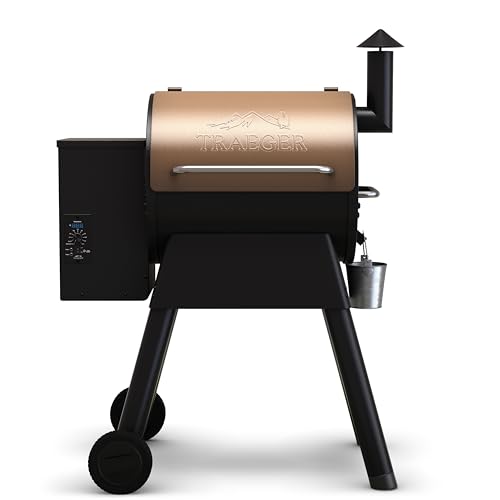
- Traeger Pro 22 Wood Pellet Grill and Smoker
- Pit Boss 700 Carbon Series Wood Pellet Grill and Smoker
- Pit Boss 500 Carbon Series Wood Pellet Grill and Smoker
- Pit Boss 850 Navigator Series WiFi and Bluetooth Wood Pellet Grill and Smoker
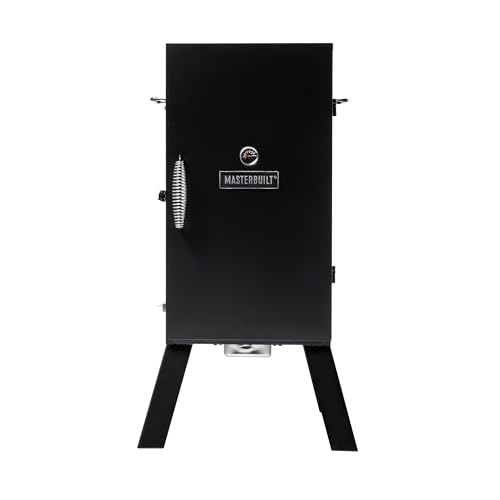
- Masterbuilt 30-inch Digital Electric Vertical Smoker, MB20071117
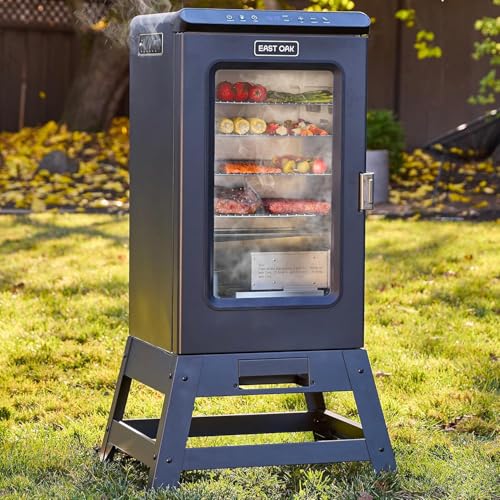
- EAST OAK 30-inch Electric Smoker with Built-in Meat Probe and Viewing Window, Mist Black
Read the full guide ↓ for the ranking logic, the honest limitations of every pick, and the buying checks that matter more than any headline claim.
A backyard pit means different things to different cooks, and this guide to best pit bar bq smokers takes the generous, practical reading: if it cooks barbecue low and slow, holds smoke around meat for hours, and earns a permanent place on a patio, it belongs in the conversation. Under that reading, the modern backyard pit comes in two main forms. The pellet grill burns real hardwood under automatic control, feeding a fire from a hopper so you get genuine wood smoke with something close to oven manners. The electric vertical cabinet heats with an element and smoulders wood chips, stacking food on racks in a compact tower that asks very little of the cook. Both forms produce real barbecue. They differ in smoke depth, in how much of your attention they consume, in how big a crowd they can feed, and in what can go wrong at hour nine of a brisket cook, and those differences, not the badge on the lid, are what this guide is organised around.
Six verified models are compared here: four pellet machines from Traeger and Pit Boss, and two electric cabinets from Masterbuilt and EAST OAK. All six are linked recommendations, because under the general pit reading every one of them is honestly a barbecue smoker; the reviews simply refuse to pretend they are interchangeable. You will find badges that say plainly what each machine is best at, strengths and trade-offs without varnish, a comparison table, a buying guide that translates cooking area and hopper size into actual meals, a how-to layer covering seasoning, cooking, cleaning, and troubleshooting, and answers to the questions pit shoppers ask most. If your pit needs to travel to tailgates and campsites as well as live on the patio, the neighbouring question in Best Portable Bbq Smokers is worth reading alongside this one, because portability reshuffles this same shortlist considerably.
Key Takeaways
- Under a general pit reading, fuel is a preference, not a disqualification: pellet machines give deeper, continuous wood smoke and oven-like versatility, while electric cabinets give compact size, gentle smoke, and the simplest possible operation.
- Cooking area only matters as meals: picture your brisket, your ribs, and your sides on the grate or racks before you admire any square-inch figure.
- Hopper size is overnight insurance. Larger hoppers mean fewer top-up checks on the longest cooks; chip loaders on the electrics play the same role for smoke supply.
- A meat probe is standard serious equipment. Every pick here includes one or, in the Masterbuilt cabinets case, pairs naturally with the digital control its owners rely on; cooking to temperature beats cooking to the clock.
- WiFi appears on exactly one pick, the Pit Boss 850 Navigator, and it is a genuine convenience for long cooks rather than a gimmick, but no pick here needs it to cook well.
- Check the latest price on Amazon for each pick before deciding, and confirm cooking area, hopper size, and included accessories on the listing, because configurations change.
In this guide
Quick Picks
| Pick | Badge | Why it earns its place | Listing |
|---|---|---|---|
| Traeger Pro 22 Wood Pellet Grill and Smoker | Best Overall | The balanced reference pellet pit: versatile, well documented, and easy to live with across a whole season of cooks. | Check on Amazon |
| Pit Boss 700 Carbon Series Wood Pellet Grill and Smoker | Best for Larger Cooks | More cooking space and a wider temperature range for households that regularly cook beyond one main cut. | Check on Amazon |
| Pit Boss 500 Carbon Series Wood Pellet Grill and Smoker | Best Compact Pellet | The pellet fire and digital control of its bigger siblings in the smallest pellet footprint here. | Check on Amazon |
| Pit Boss 850 Navigator Series Wood Pellet Grill and Smoker | Best for Big Gatherings | The largest cooking area and hopper in this guide, plus WiFi monitoring and a flame broiler for finishing. | Check on Amazon |
| Masterbuilt 30-inch Digital Electric Vertical Smoker, MB20071117 | Best Vertical Electric | The classic digital cabinet: stacked racks, side chip loading, and the gentlest learning curve in the guide. | Check on Amazon |
| EAST OAK 30-inch Electric Smoker with Probe and Window, Mist Black | Best for Watching the Cook | A clear viewing window and built-in probe let you follow the food without opening the door and dumping heat. | Check on Amazon |
How These Picks Were Chosen
This is a research-led guide, not a hands-on test, and it says so plainly. Every model was drawn from a verified pool in which the product was confirmed against Amazons own catalogue data, with the exact title, cooking area, hopper or chip system, control type, and included monitoring recorded before a word was written. No specification in this guide comes from memory or from another article; if a figure is not in the verified data, it is not printed. That discipline matters in a category where listings borrow each others photographs and yesterday’s configuration lingers in today’s description.
The shortlist was then judged on the criteria that decide real backyard satisfaction. Cooking area and layout came first, translated into meals rather than admired as numbers. Fuel logistics came second: hopper capacity on the pellet machines, chip loader design on the electrics, and what each asks of you during a long cook. Third came control and monitoring: controller type, stated temperature range where the manufacturer publishes one, and whether a meat probe is included. Fourth came the ownership tail: cleaning access, mobility, footprint, and the depth of owner knowledge around the model, because a pit with years of community advice behind it is a pit whose quirks are already mapped. Badges were assigned last, after the comparison, and each badge is used consistently in the Quick Picks table and the detailed reviews.
No static prices and no fixed scores are printed anywhere in this guide, deliberately. Prices move between the day a guide is written and the day you read it, so the honest instruction is to check the current figure on the listing itself. A single averaged score hides the pattern that actually predicts happiness: which cooks a machine delights, which it frustrates, and why. Readers who organise their shopping around the money side of the decision often pair this guide with Best Prices On Pellet Smokers and Best Prices For Smokers, where the same verified shortlist logic is applied through a purely budget lens.
The 6 Best Pit Bar BQ Smokers for Backyard Barbecue

Traeger Pro 22 Wood Pellet Grill and Smoker
Badge: Best Overall
Strengths
- A true wood pellet fire with an 18 pound hopper, sized for long low-and-slow cooks without constant refilling.
- Genuine six-way versatility: grill, smoke, bake, roast, braise, and barbecue, so one pit covers most of a households outdoor cooking.
- Included meat probe and the deepest archive of owner settings and recipes in the category make it the easiest pit to learn on.
Trade-offs
- Maximum temperature of 450 degrees Fahrenheit suits smoking and roasting but is not a fierce searing machine.
- At 572 square inches it is mid-sized: generous for a family, tight for the largest gatherings without batch planning.
- No built-in WiFi in this model, so monitoring a long cook means staying nearby or adding your own probe setup.
At a glance: Fuel: wood pellets. Cooking area: 572 square inches. Hopper: 18 pounds. Maximum temperature: 450 degrees Fahrenheit. Monitoring: meat probe included. Versatility: 6-in-1 — grill, smoke, bake, roast, braise, barbecue.
The Traeger Pro 22 earns Best Overall the way most reference products do: not by winning every single category, but by having no weakness that matters to most households. Its pellet fire produces the continuous, clean wood smoke that brisket, pork shoulder, and beef ribs want, and its controller holds smoking temperatures with the steadiness that turns an overnight cook from a vigil into a routine. The 18 pound hopper is the quiet star of the design. It is the difference between sleeping through a brisket cook with one early-morning check and setting alarms to feed the machine, and owners mention it in exactly those practical terms.
Versatility is the second half of the argument. A pit that smokes on Saturday, roasts a chicken on Sunday, and bakes a cobbler or a tray of cornbread on the same fire earns its patio space weekly rather than monthly, and the Pro 22s six-way repertoire is built for that pattern. Its boundaries are equally clear and this guide repeats them without softening: the 450 degree ceiling roasts and bakes happily but will not give you a steakhouse crust without help from a cast iron pan, and the cooking area, while honest, rewards planning when the whole extended family arrives at once. Neither point surprises its owners, which is the mark of a mature product. If you want one pit that does the most things well for the most people, this is the starting point of the guide, and for most readers it is also the finishing point. Check on Amazon
Best for: most households wanting one proven, versatile pellet pit for weekly use / Not suited for: shoppers who need built-in WiFi monitoring or the largest possible cooking area.

Pit Boss 700 Carbon Series Wood Pellet Grill and Smoker
Badge: Best for Larger Cooks
Strengths
- 718 square inches of cooking space lets you spread food out properly instead of crowding it.
- Wide stated temperature range from 180 to 500 degrees Fahrenheit covers gentle smoke through to hotter roasting and finishing.
- LCD digital controller and an included meat probe give clear, modern control of long cooks.
Trade-offs
- Hopper holds 13.5 pounds, less than the Traegers 18 pounds, so the longest overnight cooks need a top-up check.
- The bigger footprint needs more patio room, a bigger cover, and more cleaning commitment.
- No WiFi in this configuration, so monitoring stays local to the patio.
At a glance: Fuel: wood pellets. Cooking area: 718 square inches. Temperature range: 180 to 500 degrees Fahrenheit. Hopper: 13.5 pounds. Control: LCD digital controller. Monitoring: meat probe included. Series: Carbon Series. Finish: black.
Choose the Pit Boss 700 when your typical cook has outgrown a mid-sized grate. Seven hundred and eighteen square inches is the space where a brisket, a pan of beans, and a rack of ribs stop negotiating with each other, and for households that cook for gatherings more than occasionally, that elbow room is the entire purchase argument. The temperature range supports the same bigger-picture cooking: 180 degrees at the gentle end for patient smoke, up to 500 degrees for the hotter roasting and finishing work that a strict smoker cannot do. The LCD controller keeps settings legible at a glance across a sunny patio, which sounds minor until you have squinted at a dim display with sauce on your hands.
The honest trade is fuel endurance. A 13.5 pound hopper covers an afternoon or evening easily, but on the longest overnight cooks the routine is to top it up before bed and glance at it with your first coffee. Owners describe that as a habit, not a hardship, yet it is worth knowing before you buy, because the Traeger above asks it of you less often while offering you less grate in exchange. The Pit Boss also simply occupies more of your patio and your cleaning hour. Weigh space and range against hopper and footprint and this pick chooses itself for the bigger-cook household. Check on Amazon
Best for: households that cook for gatherings and want the wider temperature range and larger grate / Not suited for: small patios, and anyone who wants the longest possible unattended hopper run.

Pit Boss 500 Carbon Series Wood Pellet Grill and Smoker
Badge: Best Compact Pellet
Strengths
- Full pellet fire and digital control in the smallest pellet footprint in this guide, at 543 square inches of cooking space.
- Same stated 180 to 500 degree Fahrenheit range as its larger sibling, so small does not mean limited.
- LCD digital controller and included meat probe match the bigger Pit Boss models feature for feature in control terms.
Trade-offs
- Shares the 13.5 pound hopper size, so its longest cooks need the same top-up awareness as the 700.
- 543 square inches suits couples and small families; regular large gatherings will outgrow it.
- No WiFi or flame broiler in this configuration; those step-up features live on the 850 below.
At a glance: Fuel: wood pellets. Cooking area: 543 square inches. Temperature range: 180 to 500 degrees Fahrenheit. Hopper: 13.5 pounds. Control: LCD digital controller. Monitoring: meat probe included. Series: Carbon Series. Finish: black.
The Pit Boss 500 is the answer for the cook who has read this far, wants the pellet fire, and has measured a patio that disagrees with the larger machines. Its virtue is how little it concedes. The cooking area steps down to 543 square inches, but the temperature range, the LCD digital controller, the meat probe, and the hopper size all carry over from the 700, so the small pit cooks with the same manners as the big one; it simply hosts fewer guests at once. For a couple who smoke a pork shoulder on Saturday and grill through the week, or a small family whose barbecue ambitions are weekly rather than festive, that is not a compromise at all. It is the correct size, and a correctly sized pit heats steadily, uses pellets sensibly, and gets cleaned without resentment.
Know its edges before you buy. The hopper asks the same overnight awareness as its sibling, and the grate will feel its limits the first time two briskets and sides need to coexist; batch cooking solves it, but plan for it. If your gatherings are growing rather than stable, the 700 above or the 850 below is the safer long-term buy. If your household is the size it is, the 500 puts a real wood fire, real digital control, and real barbecue within reach of a small patio, and that combination is rarer than it should be. Readers comparing the wider market before committing often start with Best Place To Shop Elctric Smokers for the electric side of the same space question, then return here for the pellet answer. Check on Amazon
Best for: couples and small families who want a genuine pellet pit on a small patio / Not suited for: regular large gatherings, and shoppers who want WiFi or a direct-flame broiler.

Pit Boss 850 Navigator Series Wood Pellet Grill and Smoker
Badge: Best for Big Gatherings
Strengths
- Largest cooking area in this guide at 932 square inches, built for crowds, batch cooks, and whole festive spreads.
- Largest hopper here at 30 pounds, which is genuine overnight and all-day insurance for long cooks.
- WiFi and Bluetooth monitoring plus a flame broiler for direct-flame finishing, the fullest feature set in the guide.
Trade-offs
- The biggest footprint and the most cleaning in the guide; it commits real patio and real upkeep.
- Its capacity is wasted on a household that mostly cooks one small cut at a time.
- More systems to learn than any other pick here, so the first cooks reward a careful read of the manual.
At a glance: Fuel: wood pellets. Cooking area: 932 square inches. Temperature range: 180 to 500 degrees Fahrenheit. Hopper: 30 pounds. Control: LCD digital controller with WiFi and Bluetooth. Monitoring: meat probe included. Extra: flame broiler. Series: Navigator Series.
The Pit Boss 850 Navigator is the pit you buy when the gathering is the point. Nine hundred and thirty-two square inches is not a marginal step up; it is the class where a brisket, two shoulders, ribs, and sides genuinely coexist, and where holiday cooking stops being a scheduling puzzle. The 30 pound hopper matches that ambition, holding enough pellets for the longest cooks in this guide with the fewest interventions, and the WiFi and Bluetooth monitoring finally earns its place in a way it does not on smaller machines: when a cook runs all day for a houseful of guests, checking temperatures from the kitchen, the store run, or the sofa is a practical mercy rather than a toy. The flame broiler adds the one trick pure smokers lack, a direct-flame finish for steaks, burgers, and the final char on chicken skin.
Everything about that capability has a price in space and effort rather than mystery. This is a large, heavy pit that wants a permanent home, a cover that fits, and a cleaning routine you actually keep, because a big cooker neglected is worse than a small one cared for. Households that cook modestly will heat a lot of empty grate most weekends. But for the reader whose barbecue life is measured in gatherings, the 850 is the most complete answer in this guide: the most room, the most fuel, the most monitoring, and a broiler for finishing, in one machine. Check on Amazon
Best for: hosts and large households who cook for gatherings and want WiFi monitoring with maximum capacity / Not suited for: small patios, small households, and anyone who wants the simplest possible upkeep.

Masterbuilt 30-inch Digital Electric Vertical Smoker, MB20071117
Badge: Best Vertical Electric
Strengths
- Vertical cabinet with chrome racks stacks 710 square inches of cooking into a small patio footprint.
- Side wood chip loader lets you add smoke without opening the door and dumping heat mid-cook.
- Digital control makes it the gentlest learning curve in the guide: set the temperature and tend the food, not the fire.
Trade-offs
- Chip-fed electric smoke is lighter than pellet smoke; brisket purists will notice the difference in depth and bark.
- No grilling or high-heat versatility: this is a dedicated smoker, not an all-purpose pit.
- Vertical racks suit whole birds, ribs, and trays well, but wide, flat cuts need more Tetris than on a pellet grate.
At a glance: Fuel: electric, wood chips for smoke. Format: 30-inch vertical cabinet. Cooking area: 710 square inches. Racks: chrome smoking racks. Chip loading: side wood chip loader. Control: digital. Colour: black. Model: MB20071117.
The Masterbuilt digital cabinet is the electric half of this guides argument, and it makes that argument well. Stacking food on chrome racks inside a 30-inch tower delivers 710 square inches of cooking, a figure that rivals the pellet grills here, from a footprint that fits patios and corners the grills cannot. The side chip loader answers the classic electric-smoker annoyance: you feed the smoke from outside, so the door stays shut and the temperature you set is the temperature the food experiences. Digital control completes the appeal. There is no fire to build, no auger to mind, and no fuel run to plan; you set the cabinet, load the chips, and your attention goes to seasoning, timing, and the meal around the meat.
Its limits define it just as clearly. The smoke an element and chips produce is the lighter style: clean and pleasant, excellent for poultry, fish, sausages, and cheese, and honestly thinner than a pellet fire when the food is a brisket that wants a deep, dark bark. It will not grill, sear, or bake for you, and its racks ask a little ingenuity with the widest cuts. None of that diminishes it for the household it suits: the cook who wants real smoked food on weeknights, in a small space, with the least possible ceremony. Under this guides general pit reading, that is a legitimate barbecue life, and this is its best cabinet. Shoppers focused on the electric side of the category often weigh it through Best Prices On Electric Smokers before deciding. Check on Amazon
Best for: small spaces and weeknight smokers who want digital ease and a big stacked capacity / Not suited for: brisket purists chasing deep pellet bark, and anyone who wants one machine that also grills.

EAST OAK 30-inch Electric Smoker with Built-in Meat Probe and Viewing Window, Mist Black
Badge: Best for Watching the Cook
Strengths
- Clear viewing window lets you judge colour and progress without opening the door and losing heat and smoke.
- Built-in meat probe reports the foods own temperature, the single most useful number in low-and-slow cooking.
- Side chip loader designed for up to six times longer uninterrupted smoking on a single load, with 725 square inches for bigger batches.
Trade-offs
- Electric chip smoke shares the lighter profile of the Masterbuilt: kind to delicate foods, milder on big beef cuts.
- The window needs regular cleaning to stay a window; smoke film is part of the bargain.
- A dedicated smoker only, with no grilling or high-heat role in your patio lineup.
At a glance: Fuel: electric, wood chips for smoke. Format: 30-inch vertical cabinet. Cooking area: 725 square inches. Monitoring: built-in meat probe. Viewing: clear window. Chip loading: side chip loader, designed for up to six times longer uninterrupted smoking. Finish: Mist Black.
Every smoker knows the temptation this EAST OAK is designed around: the cook is at hour five, the colour was perfect an hour ago, and the only way to check is to open the door and pay for the look with heat, smoke, and time. The clear viewing window removes that tax. You watch the bark set, the fat render, and the ribs take their colour while the cabinet stays sealed, and the built-in meat probe supplies the number the window cannot, the internal temperature of the food itself. Together they make this the most observable cooking experience in the guide, which is a genuine virtue for learners and for anyone whose favourite part of barbecue is watching it happen.
The platform beneath the window is substantial: 725 square inches for bigger batches, and the side chip loader whose long single-load design means the smoke supply rarely forces an interruption either. Its trade-offs are the electric family’s usual ones, stated plainly: the smoke is the lighter chip-fed style, the window asks for a wipe-down habit to stay clear, and the machine smokes beautifully while grilling not at all. Choose it if your barbecue joy is in the watching and the tending, and if your menu leans toward poultry, ribs, fish, and sausages, where its gentle smoke is an asset rather than a limit. As a second, calmer pit beside a pellet grill, it also makes more sense than owners expect. Check on Amazon
Best for: learners and watchers who want to see the cook and track it by probe without opening the door / Not suited for: deep-bark brisket purists, and anyone needing a pit that also grills.
Comparison Table
| Pick | Fuel | Cooking area | Control and monitoring | Fuel store | Listing |
|---|---|---|---|---|---|
| Traeger Pro 22 | Wood pellets | 572 sq in | Controller, meat probe, max 450 degrees Fahrenheit | 18 lb hopper | Check on Amazon |
| Pit Boss 700 Carbon Series | Wood pellets | 718 sq in | LCD digital controller, meat probe, 180 to 500 degrees Fahrenheit | 13.5 lb hopper | Check on Amazon |
| Pit Boss 500 Carbon Series | Wood pellets | 543 sq in | LCD digital controller, meat probe, 180 to 500 degrees Fahrenheit | 13.5 lb hopper | Check on Amazon |
| Pit Boss 850 Navigator Series | Wood pellets | 932 sq in | LCD digital controller, WiFi and Bluetooth, meat probe, flame broiler, 180 to 500 degrees Fahrenheit | 30 lb hopper | Check on Amazon |
| Masterbuilt 30-inch Digital Electric, MB20071117 | Electric, chips | 710 sq in | Digital control, side chip loader | Chip loader | Check on Amazon |
| EAST OAK 30-inch Electric with Probe and Window | Electric, chips | 725 sq in | Built-in meat probe, viewing window, side chip loader | Chip loader, long single-load smoke | Check on Amazon |
Read the table as two decisions, not six. The fuel column splits the guide into pellet fires and electric cabinets; everything after that is refinement within the family you chose. Among the pellets, the ladder runs from compact control in the 500, through balance in the Pro 22 and space in the 700, to the full gathering machine in the 850. Among the electrics, the Masterbuilt is the classic digital cabinet and the EAST OAK is the observable one, with the window and probe that change how a cook feels hour by hour.
How to Choose the Right Pit for Your Barbecue
Work through these factors in order and the right pit usually names itself. First, choose your fuel by the food you love most. If brisket, beef ribs, and a dark, firm bark headline your menu, a pellet fire is your tool: continuous wood smoke, steady controller heat, and oven versatility besides. If your menu leans to poultry, fish, sausages, cheese, and weeknight ribs, an electric cabinets gentle smoke and set-it-down simplicity may honestly serve you better, in less space and with less ceremony. Second, size for your real cooks. List your five most likely smokes and picture each on the grate or racks; crowded food steams instead of smoking, whatever the square-inch figure promises, while a half-empty large pit heats unevenly and eats fuel. Third, match the fuel store to your longest cook: hopper pounds on the pellets, chip loader endurance on the electrics. An overnight brisket on a small hopper is a fine cook with one planned top-up and a miserable one without. Fourth, decide your monitoring style. A meat probe is the minimum; a viewing window changes how a cook feels; WiFi, offered here only on the Pit Boss 850, pays when long cooks and a busy household genuinely collide. Finally, weigh the ownership tail: footprint, cover, cleaning access, dry pellet storage, and how much community knowledge exists for your exact model. Shoppers who arrived here through a tangle of spellings will recognise their own trail in Best Pllet Smokers, which leads to the same pellet family judged on its own.
How to Season, Smoke, Clean, and Troubleshoot Your Pit
Season before you smoke. A new pellet grill needs its burn-in: fill the hopper with food-grade hardwood pellets, prime the auger as the manual directs, and run the machine hot and empty so manufacturing oils burn off and the steel takes its first coat of smoke. An electric cabinet wants the same courtesy in miniature: run it empty with a small load of chips so the interior seasons and any factory smell leaves before food arrives. Learn, during that first run, how your machine climbs, overshoots, and settles; every pit has a personality in its first hour.
For the cook, the reliable routine is plain. Preheat with the lid or door closed until the temperature is stable, not merely reached. Probe the thickest part of the meat, away from bone, and cook to tenderness and temperature together: shoulders and brisket are done when a probe slides in with little resistance. Rest large cuts, wrapped, for at least an hour; more barbecue is ruined by an impatient slice than by any other single act. Keep the door closed. Every look costs heat and smoke, which is why the window on the EAST OAK pick and the probe on every pick here are practical features rather than decoration.
Cleaning is the difference between year two and week two. On pellet pits, vacuum ash from the fire pot when cool, scrape grates while warm, keep the grease path clear, and store pellets dry, because damp pellets swell, crumble, and jam augers. On electric cabinets, empty the chip tray, wash racks and the water pan, wipe the door seal, and clean the EAST OAKs window while it is faintly warm so the next cook stays visible. Troubleshooting, in the pattern experienced owners use. Problem: temperature swings on a windy day → shelter the pit from direct wind, keep it closed, and let the controller recover before you adjust anything. Problem: a pellet fire dies mid-cook → check the hopper, then pellet condition, then ash in the fire pot, in that order. Problem: smoke tastes bitter → the fire or chip load is smouldering dirty; run clean and hot briefly, confirm airflow, and use dry fuel only.
Pellet Pit or Electric Cabinet: A Fair Fight
Because this guide links both families, it owes you the honest comparison in one place. A pellet pit burns real wood, so its smoke is deeper and continuous, its bark firmer, and its talents extend to roasting and baking at temperatures an electric cabinet cannot reach; the Pit Boss models here run to 500 degrees, and the 850 adds a flame broiler for direct finishing. Its costs are mechanical and spatial: augers, fans, and igniters to keep dry and clean, pellets to store, and a grill-sized footprint. An electric cabinet inverts the trade. It is compact, quiet, digitally simple, and produces a lighter, cleaner smoke that flatters delicate foods and forgives beginners; its costs are a flavour ceiling on the biggest beef cuts and a single-purpose life. Households that own both rarely part with either, which is the markets own verdict: these are complements. The mistake is not choosing one; it is choosing one while dreaming of the others food.
Sizing the Pit to the Party, Honestly
Cooking area figures invite exaggeration, so translate them before you buy. The compact Pit Boss 500 and the Traeger Pro 22 handle a family main cut plus sides with planning. The Pit Boss 700 and the two electric cabinets, all in the low seven hundreds of square inches, spread a gathering-sized cook comfortably, with the cabinets stacking vertically and the grill spreading flat. The Pit Boss 850, at 932 square inches with a 30 pound hopper, is the only pick here that treats a full festive spread, cooked at once and monitored remotely, as its home territory. Match the machine to the cooks you actually repeat monthly. The pit sized for your real life gets used weekly and cleaned willingly; the pit sized for one annual party spends the year in the way, and its owner quietly stops smoking. That, more than any specification, is what separates the households still barbecuing in year three from the ones selling a nearly new pit.
One more sizing truth hides in the layout rather than the number. Pellet grills cook on essentially one level, so their area is honest at a glance: what you see is what fits, side by side. Electric cabinets stack, so their area arrives in layers, and a tall, narrow load cooks beautifully for ribs, birds, and trays while asking wide cuts to be portioned or angled. Neither layout is better; they simply reward different menus. If your barbecue is built around whole flat cuts laid out in a row, the grate will feel generous sooner. If it is built around many smaller items at different heights, the cabinet will surprise you with how much it holds. Picture your signature cook in the actual geometry of the machine, not just against its headline figure, and the sizing decision stops being a guess.
Common Buying Mistakes
Buying size for the biggest day of the year. Size for your common cook and batch the rare feast; an oversized pit is underused, harder to heat steadily, and slower to clean.
Ignoring the fuel store until the small hours. Hopper capacity and chip loader endurance decide whether an overnight cook is relaxing. Know both numbers against your longest planned cook before the first brisket, not during it.
Judging smoke by the first hour. Early smoke is the dirtiest any pit makes. Judge a machines flavour by finished food across a few cooks, and change one variable at a time so you know what helped.
Skipping the probe and the rest. Cooking to the clock and slicing without resting undo good purchases. Every pick here supports probe cooking; use it, and rest large cuts properly.
Forgetting the ownership tail. Covers, cleaning access, dry pellet storage, and a footprint your patio can spare decide whether a pit stays loved. Price them into the decision from the start.
Final Recommendation
For most households, start with the Traeger Pro 22 (Check on Amazon): the balanced pellet pit whose hopper, versatility, and depth of owner knowledge make it the safest single answer in this guide. If your cooks regularly outgrow a family grate, step to the Pit Boss 700 Carbon Series (Check on Amazon) for its space and wider range, or all the way to the Pit Boss 850 Navigator if gatherings, WiFi monitoring, and a flame broiler describe your actual barbecue life. If your patio is small but your pellet ambitions are not, the Pit Boss 500 Carbon Series (Check on Amazon) is the compact answer that concedes almost nothing in control. And if your menu and your space point electric, buy the Masterbuilt cabinet for classic digital ease or the EAST OAK for its window and probe, without apology: under the general pit reading this guide promised, both are real barbecue. Choose the fuel that matches the food you love, size it for the cooks you repeat, and keep notes for a season. That is the whole craft, and any of these six pits will teach it to you.
Frequently Asked Questions
What does pit bar bq actually mean in this guide?
It is read the way most shoppers mean it: a barbecue pit for home use, meaning a smoker that cooks low and slow with real smoke. That general reading covers both pellet grills and electric vertical cabinets, so all six verified picks are linked, and each review states its fuel and its limits plainly so you can choose within the family that fits your food.
Which pick should a complete beginner buy?
For the gentlest start, the Masterbuilt digital cabinet asks the least of you: set the temperature, load chips through the side loader, and learn timing and seasoning. For a beginner set on pellets, the Traeger Pro 22 is the easiest to learn on, thanks to its included probe and the depth of owner advice available for it.
Is the biggest pit the best pit?
Only if your cooks are big. The Pit Boss 850 is the most capable machine here and the right answer for regular gatherings, but a household cooking one small cut most weekends will heat empty space, burn extra pellets, and clean a large pit for small rewards. The best pit is the one sized to your repeated cooks.
Do I need WiFi on my smoker?
Not to cook well. One pick here, the Pit Boss 850, includes WiFi and Bluetooth, and it genuinely helps when an all-day cook competes with a busy household. Every other pick cooks excellently with a controller and a meat probe. Treat connected monitoring as a lifestyle feature, priced and weighed like any other.
How much cooking area do I really need?
A family cooking one main cut at a time is well served by the low to mid five hundreds of square inches offered by the Pit Boss 500 and Traeger Pro 22. Regular gatherings justify the low seven hundreds of the Pit Boss 700 and the electric cabinets. The 850s 932 square inches are for hosts who cook whole spreads at once.
Why does this guide print no prices or scores?
Because both mislead quickly. Prices change, so each pick simply tells you to check the latest price on Amazon. A single fixed score hides the pattern of strengths and trade-offs that predicts whether you will love a machine. The honest per-pick trade-offs in this guide, matched against your menu and your patio, will choose better than any number could.