Disclosure: topratedkitchenware.com is reader-supported. When you buy through links on our site, we may earn an affiliate commission from Amazon and other retailers, at no extra cost to you.
Where to buy
The picks below are the verified shortlist for this guide to best raw vegan food processors. Each linked name takes you to its Amazon listing, where you can check the latest price on Amazon, confirm the current configuration, and read the newest owner feedback before you decide.
- Ninja Professional Plus Food Processor, 9-Cup, 1000W (BN601) — Best Overall for Raw Vegan Prep
- Cuisinart Mini Food Processor, 3-Cup — Best Mini for Nut Butters and Energy Bites
- Hamilton Beach Food Processor, 10-Cup (70730) — Best Full-Size for Big Batches
- BLACK+DECKER Food Processor, 8-Cup, 450W — Best Mid-Size for Weekly Prep
- Cuisinart Core Custom 4-Cup Mini Chopper (MCH-4) — Best Mini for Dips and Pesto
- KitchenAid 3.5 Cup Food Chopper, Empire Red (KFC3516ER) — Best for Texture Control
Read the full guide ↓ for how each pick performs, where each one compromises, and which households each one actually suits.
The best raw vegan food processors have a harder job than most, because raw vegan cooking leans on the processor the way other cuisines lean on the stove. Nut butters, energy bites, raw cheesecakes, cauliflower rice, pesto, salsa, date paste and veggie burgers all come out of this one machine, often daily, and often from hard, dense, uncooked ingredients. This guide judges the verified picks against that specific workload, not against generic chopping.
Raw prep stresses a processor in particular ways. Dates and nuts are dense and sticky, frozen fruit for nice cream is harder still, and leafy herbs need a blade that sweeps a small bowl rather than a big one. The shortlist below is honest about those stresses: the Ninja’s 1000W preset machine leads on power, the full-size bowls handle batch day, and the minis earn their places on the small, frequent raw jobs where big bowls genuinely fail. Technique matters as much as machinery here, and the how-to section covers the soaking, scraping and pulsing that raw recipes quietly assume; Best Prices Food Processors compares the same class on value.
One boundary is worth stating. Raw vegan technique sometimes asks for sustained blending or high-speed work that belongs to a blender, not a processor, and no pick here is sold as a blender substitute. Within the processor’s true territory, chopping, grinding, pureeing, slicing and dough-like binding, these six cover the raw kitchen’s real map.
Key Takeaways
- Raw vegan prep is dense-load work: nuts, dates and frozen fruit reward power and punish undersized motors.
- The Ninja BN601’s 1000W and presets lead this pool for nut butters, bites and dough-like binds.
- Small bowls win the herb, pesto and dressing jobs where big bowls smear instead of chop.
- Soaking dates and nuts, and scraping down sticky mixtures, are technique, not optional extras.
- Cauliflower rice, salsa and raw burger mixes are processor home turf; smoothies are not.
In this guide
Quick Picks
- Best Overall for Raw Vegan Prep: Ninja Professional Plus Food Processor, 9-Cup, 1000W (BN601) — a pick defined by a 1000W 9-cup processor with Auto-iQ presets that chop, slice, puree and mix dough.
- Best Mini for Nut Butters and Energy Bites: Cuisinart Mini Food Processor, 3-Cup — a pick defined by a compact auto-reversing mini processor that chops in one direction and grinds in the other.
- Best Full-Size for Big Batches: Hamilton Beach Food Processor, 10-Cup (70730) — a pick defined by a full-size 10-cup processor with a bowl scraper that keeps food moving without stopping.
- Best Mid-Size for Weekly Prep: BLACK+DECKER Food Processor, 8-Cup, 450W — a pick defined by a mid-size 450W processor that covers shred, slice, mince, grind and puree in an 8-cup bowl.
- Best Mini for Dips and Pesto: Cuisinart Core Custom 4-Cup Mini Chopper (MCH-4) — a pick defined by a 4-cup mini chopper with an auto-reversing SmartPower blade and dishwasher-safe parts.
- Best for Texture Control: KitchenAid 3.5 Cup Food Chopper, Empire Red (KFC3516ER) — a pick defined by a 3.5-cup chopper with two speeds plus pulse and a dishwasher-safe work bowl.
How These Picks Were Chosen
The pool was assessed for raw vegan work through the Creators API, and each model was confirmed with only its verified listing specifications used in this guide. The weighing favoured motor strength for dense loads, bowl sizes matched to raw staples, which run small and sticky as often as large, and blade designs that grind as well as chop, since nut and seed work is grinding by another name.
That produced a deliberately mixed shortlist: the Ninja Professional Plus for power and presets, the Hamilton Beach 10-cup for batch day, the BLACK+DECKER 8-cup as the mid-size prep station, and the Cuisinart and KitchenAid minis for the daily small work, with the Cuisinart Mini’s reversing grind mode singled out for seeds and spices. Readers whose raw kitchen is mostly small-batch can start at the mini end without apology; Best Prices On 8 Or 10 Cup Food Processors helps on the batch end.
This is a research-led guide. No hands-on testing is claimed and no scores or review counts are printed. Performance reasoning is built from the verified specifications, wattage, capacity, blade and program design, applied to the known demands of raw ingredients, and the technique sections carry the rest, because in raw cooking the method is half the machine.
The 6 Best Options for Best Raw Vegan Food Processors

Ninja Professional Plus Food Processor, 9-Cup, 1000W (BN601)
Badge: Best Overall for Raw Vegan Prep
Strengths
- 1000W is the strongest motor figure in this guide, and it shows on dough and dense loads
- Auto-iQ presets run chop, slice, puree and dough programs without guesswork
- 9-cup bowl, three blades, feed chute and pusher cover the full repertoire
Trade-offs
- Preset-led control is less manual than dial-and-pulse purists prefer
- Full-size footprint and parts count, like every big machine here
- Grey finish only in this listing
Key specifications (from the verified listing)
- Power: 1000W (from verified listing)
- Capacity: 9 cups (from verified listing)
- Programs: Auto-iQ presets to chop, slice, puree and mix dough; 3 blades; dishwasher-safe parts; model BN601
The Ninja Professional Plus BN601 brings the biggest number in this guide, a 1000W motor, and wraps it in Auto-iQ presets that run chopping, slicing, pureeing and dough mixing as programs rather than guesswork. The 9-cup bowl and three-blade set cover the full processor repertoire, and the feed chute and pusher handle the disc work. It is the pick for cooks who want power with a autopilot option, strong enough for dough and dense purees, guided enough that a first-time processor owner gets good results on day one.
For raw work, the Ninja Professional Plus Food Processor, 9-Cup, 1000W (BN601) earns its place by being a 1000W 9-cup processor with Auto-iQ presets that chop, slice, puree and mix dough. Raw ingredients do not soften their demands for a small machine, so the picks that thrive here are the ones whose design meets density honestly, and this one does its raw jobs without pretending to be something it is not.
The raw kitchen will also teach you this pick’s rhythm quickly: pulse, scrape, pulse again, and let sticky mixtures rest a moment so the bowl’s contents settle back to the blade. The Ninja Professional Plus Food Processor, 9-Cup, 1000W (BN601) rewards that rhythm, and most raw ‘failures’ blamed on machines are really rhythm failures that this technique fixes on any of the six.
There is a final, practical test that separates a good shortlist entry from a great one, and the Ninja Professional Plus Food Processor, 9-Cup, 1000W (BN601) passes it: the week-two test. In week one any new processor is a novelty that gets used because it is new. By week two the novelty is gone, and the machines still on the counter are the ones whose size, controls and cleanup fit the household’s actual rhythm. Everything in this pick’s verified design, its capacity class, its blade system and the way its parts wash, points toward surviving that test in the kitchens its review describes, which is ultimately the only endorsement that compounds.
Best for: power-first cooks who knead dough and puree dense loads, and beginners who like presets / Not suited for: cooks who want purely manual control or a mini footprint
Check on Amazon for the current listing, configuration and latest price.

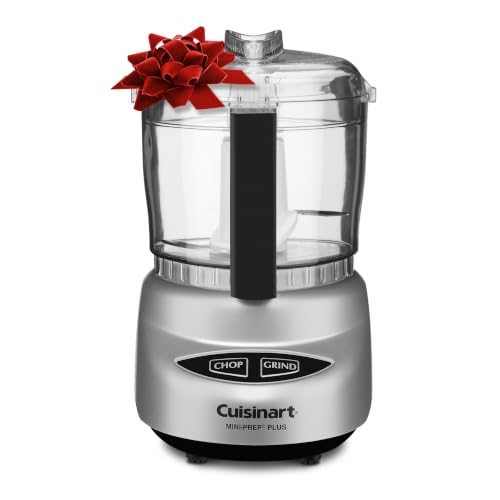
Cuisinart Mini Food Processor, 3-Cup
Badge: Best Mini for Nut Butters and Energy Bites
Strengths
- Auto-reversing SmartPower blade gives distinct chop and grind modes in one small bowl
- 24 oz. bowl is the right size for herbs, garlic, nuts and small sauce batches
- Brushed chrome finish and a footprint that lives happily on the counter
Trade-offs
- 3-cup class capacity is a hard ceiling for family-size batches
- No slicing or shredding discs, so it is a blade-only machine
- Small bowl means liquids must stay modest to avoid leaks at the lid
Key specifications (from the verified listing)
- Capacity: 3-cup / 24 oz. (from verified listing)
- Blade: auto-reversing SmartPower stainless blade, chop and grind modes
- Finish: brushed chrome
The Cuisinart Mini is the small-bowl specialist of this shortlist. Its auto-reversing blade is the clever part: run it one way and the sharp edge chops herbs, onions and nuts; reverse it and the blunt edge grinds spices, hard cheese and coffee-adjacent jobs. The 24 oz. bowl keeps it honest, this is a machine for the small, frequent jobs that make cooks reach for a knife and board out of habit, and it does those jobs in seconds with a bowl that rinses clean just as fast.
For raw work, the Cuisinart Mini Food Processor, 3-Cup earns its place by being a compact auto-reversing mini processor that chops in one direction and grinds in the other. Raw ingredients do not soften their demands for a small machine, so the picks that thrive here are the ones whose design meets density honestly, and this one does its raw jobs without pretending to be something it is not.
The raw kitchen will also teach you this pick’s rhythm quickly: pulse, scrape, pulse again, and let sticky mixtures rest a moment so the bowl’s contents settle back to the blade. The Cuisinart Mini Food Processor, 3-Cup rewards that rhythm, and most raw ‘failures’ blamed on machines are really rhythm failures that this technique fixes on any of the six.
There is a final, practical test that separates a good shortlist entry from a great one, and the Cuisinart Mini Food Processor, 3-Cup passes it: the week-two test. In week one any new processor is a novelty that gets used because it is new. By week two the novelty is gone, and the machines still on the counter are the ones whose size, controls and cleanup fit the household’s actual rhythm. Everything in this pick’s verified design, its capacity class, its blade system and the way its parts wash, points toward surviving that test in the kitchens its review describes, which is ultimately the only endorsement that compounds.
Best for: daily small jobs: herbs, garlic, nuts, small sauces and grinding spices / Not suited for: family-size batches or any slicing and shredding work
Check on Amazon for the current listing, configuration and latest price.

Hamilton Beach Food Processor, 10-Cup (70730)
Badge: Best Full-Size for Big Batches
Strengths
- 10-cup bowl handles family batches, doughs and big shredding jobs in one load
- Built-in bowl scraper folds food back toward the blade while it runs
- Slicing, shredding, mincing and pureeing covered by the included discs and blade
Trade-offs
- Full-size footprint needs real counter or cupboard space
- More parts to wash than any mini chopper in this guide
- Plastic bowl class build rather than a premium metal body
Key specifications (from the verified listing)
- Capacity: 10 cups (from verified listing)
- Functions: slice, shred, mince and puree
- Feature: Easy Clean bowl scraper; model 70730; stainless steel accents
The Hamilton Beach 70730 is the workhorse format most households picture when they say food processor: a 10-cup bowl, a chopping blade plus slicing and shredding discs, and enough room to make a slaw, a pie dough or a double batch of salsa without splitting it. Its signature detail is the bowl scraper, a simple arm that sweeps the bowl wall as it runs, which matters more than it sounds, because uneven bowls are the main reason processors leave a ring of unprocessed food above the blade line.
For raw work, the Hamilton Beach Food Processor, 10-Cup (70730) earns its place by being a full-size 10-cup processor with a bowl scraper that keeps food moving without stopping. Raw ingredients do not soften their demands for a small machine, so the picks that thrive here are the ones whose design meets density honestly, and this one does its raw jobs without pretending to be something it is not.
The raw kitchen will also teach you this pick’s rhythm quickly: pulse, scrape, pulse again, and let sticky mixtures rest a moment so the bowl’s contents settle back to the blade. The Hamilton Beach Food Processor, 10-Cup (70730) rewards that rhythm, and most raw ‘failures’ blamed on machines are really rhythm failures that this technique fixes on any of the six.
There is a final, practical test that separates a good shortlist entry from a great one, and the Hamilton Beach Food Processor, 10-Cup (70730) passes it: the week-two test. In week one any new processor is a novelty that gets used because it is new. By week two the novelty is gone, and the machines still on the counter are the ones whose size, controls and cleanup fit the household’s actual rhythm. Everything in this pick’s verified design, its capacity class, its blade system and the way its parts wash, points toward surviving that test in the kitchens its review describes, which is ultimately the only endorsement that compounds.
Best for: family prep, slaws, doughs and big shredding or slicing sessions / Not suited for: tiny counters or cooks who only ever make single portions
Check on Amazon for the current listing, configuration and latest price.

BLACK+DECKER Food Processor, 8-Cup, 450W
Badge: Best Mid-Size for Weekly Prep
Strengths
- 8-cup bowl is the sweet spot between mini choppers and full-size machines
- 450W motor with attachments to shred, slice, mince, grind and puree
- Stainless steel blade and a feed chute sized for real vegetables
Trade-offs
- Mid-size bowl still means batching for very large prep days
- Disc-based slicing gives one thickness rather than adjustable cuts
- Controls are simple rather than programmable
Key specifications (from the verified listing)
- Capacity: 8 cups (from verified listing)
- Power: 450W (from verified listing)
- Blade: stainless steel; attachments for shred, slice, mince, grind and puree
The BLACK+DECKER 8-cup sits deliberately in the middle of this guide: bigger than the minis, lighter than the 10 and 14-cup machines, and powered by a 450W motor that covers the five jobs its listing names, shredding, slicing, mincing, grinding and pureeing. For a household of two to four that preps most nights, the 8-cup bowl is usually the size that gets used rather than admired, large enough for a meal’s worth of vegetables, small enough to wash without resentment.
For raw work, the BLACK+DECKER Food Processor, 8-Cup, 450W earns its place by being a mid-size 450W processor that covers shred, slice, mince, grind and puree in an 8-cup bowl. Raw ingredients do not soften their demands for a small machine, so the picks that thrive here are the ones whose design meets density honestly, and this one does its raw jobs without pretending to be something it is not.
The raw kitchen will also teach you this pick’s rhythm quickly: pulse, scrape, pulse again, and let sticky mixtures rest a moment so the bowl’s contents settle back to the blade. The BLACK+DECKER Food Processor, 8-Cup, 450W rewards that rhythm, and most raw ‘failures’ blamed on machines are really rhythm failures that this technique fixes on any of the six.
There is a final, practical test that separates a good shortlist entry from a great one, and the BLACK+DECKER Food Processor, 8-Cup, 450W passes it: the week-two test. In week one any new processor is a novelty that gets used because it is new. By week two the novelty is gone, and the machines still on the counter are the ones whose size, controls and cleanup fit the household’s actual rhythm. Everything in this pick’s verified design, its capacity class, its blade system and the way its parts wash, points toward surviving that test in the kitchens its review describes, which is ultimately the only endorsement that compounds.
Best for: households of two to four wanting one mid-size machine for nightly prep / Not suited for: very large batch days or cooks wanting programmable controls
Check on Amazon for the current listing, configuration and latest price.

Cuisinart Core Custom 4-Cup Mini Chopper (MCH-4)
Badge: Best Mini for Dips and Pesto
Strengths
- 4-cup bowl is a useful step up from 3-cup minis for dips and dressings
- Auto-reversing SmartPower blade covers chopping and grinding in one unit
- Dishwasher-safe parts make the small-job cleanup genuinely small
Trade-offs
- Blade-only machine: no slicing or shredding discs
- 4 cups still means batching for crowd-size prep
- White and stainless finish shows every splash until wiped
Key specifications (from the verified listing)
- Capacity: 4 cups (from verified listing)
- Blade: auto-reversing stainless steel SmartPower blade
- Model: MCH-4, white/stainless steel; dishwasher-safe parts
The Cuisinart Core Custom MCH-4 is the mini for cooks who found 3-cup bowls just slightly too small. The extra cup sounds trivial and is not: it is the difference between a batch of hummus that fits and one that climbs the lid. It keeps the family’s auto-reversing SmartPower blade, sharp edge to chop, blunt edge to grind, and pairs it with dishwasher-safe parts, so the machine’s whole ownership proposition is speed at both ends of the job, seconds to process, seconds to clean.
For raw work, the Cuisinart Core Custom 4-Cup Mini Chopper (MCH-4) earns its place by being a 4-cup mini chopper with an auto-reversing SmartPower blade and dishwasher-safe parts. Raw ingredients do not soften their demands for a small machine, so the picks that thrive here are the ones whose design meets density honestly, and this one does its raw jobs without pretending to be something it is not.
The raw kitchen will also teach you this pick’s rhythm quickly: pulse, scrape, pulse again, and let sticky mixtures rest a moment so the bowl’s contents settle back to the blade. The Cuisinart Core Custom 4-Cup Mini Chopper (MCH-4) rewards that rhythm, and most raw ‘failures’ blamed on machines are really rhythm failures that this technique fixes on any of the six.
There is a final, practical test that separates a good shortlist entry from a great one, and the Cuisinart Core Custom 4-Cup Mini Chopper (MCH-4) passes it: the week-two test. In week one any new processor is a novelty that gets used because it is new. By week two the novelty is gone, and the machines still on the counter are the ones whose size, controls and cleanup fit the household’s actual rhythm. Everything in this pick’s verified design, its capacity class, its blade system and the way its parts wash, points toward surviving that test in the kitchens its review describes, which is ultimately the only endorsement that compounds.
Best for: dips, dressings and small batches that overflow a 3-cup mini / Not suited for: slicing, shredding or crowd-size processing
Check on Amazon for the current listing, configuration and latest price.

KitchenAid 3.5 Cup Food Chopper, Empire Red (KFC3516ER)
Badge: Best for Texture Control
Strengths
- Two speeds plus pulse give real control over texture in a mini format
- Stainless steel multi-purpose blade and dishwasher-safe bowl keep cleanup easy
- Easy cord wrap makes it a tidy drawer or counter resident
Trade-offs
- Chopper format only: no discs for slicing or shredding
- 3.5-cup bowl is for small batches by design
- Empire Red finish is a statement colour not every kitchen wants
Key specifications (from the verified listing)
- Capacity: 3.5 cups (from verified listing)
- Controls: 2 speeds plus pulse
- Model: KFC3516ER, Empire Red; stainless steel multi-purpose blade; easy cord wrap
KitchenAid’s 3.5 Cup Chopper is the control-freak mini of the group. Where most small choppers offer one button and optimism, this one offers two speeds plus pulse, and pulse is the control that decides whether onions come out diced or pureed. The stainless steel multi-purpose blade, dishwasher-safe bowl and easy cord wrap complete a design clearly meant to live within reach and be used daily, and the Empire Red finish makes it the one pick in this guide that doubles as counter decor.
For raw work, the KitchenAid 3.5 Cup Food Chopper, Empire Red (KFC3516ER) earns its place by being a 3.5-cup chopper with two speeds plus pulse and a dishwasher-safe work bowl. Raw ingredients do not soften their demands for a small machine, so the picks that thrive here are the ones whose design meets density honestly, and this one does its raw jobs without pretending to be something it is not.
The raw kitchen will also teach you this pick’s rhythm quickly: pulse, scrape, pulse again, and let sticky mixtures rest a moment so the bowl’s contents settle back to the blade. The KitchenAid 3.5 Cup Food Chopper, Empire Red (KFC3516ER) rewards that rhythm, and most raw ‘failures’ blamed on machines are really rhythm failures that this technique fixes on any of the six.
There is a final, practical test that separates a good shortlist entry from a great one, and the KitchenAid 3.5 Cup Food Chopper, Empire Red (KFC3516ER) passes it: the week-two test. In week one any new processor is a novelty that gets used because it is new. By week two the novelty is gone, and the machines still on the counter are the ones whose size, controls and cleanup fit the household’s actual rhythm. Everything in this pick’s verified design, its capacity class, its blade system and the way its parts wash, points toward surviving that test in the kitchens its review describes, which is ultimately the only endorsement that compounds.
Best for: texture-sensitive small jobs where pulse control decides the result / Not suited for: disc work of any kind, or batches beyond a few cups
Check on Amazon for the current listing, configuration and latest price.
Comparison Table
Read the table by columns rather than rows: the badge column tells you the role each pick plays in this guide, the specification column keeps the comparison on verified facts from the listings, and the best-for column is the one to weigh against your own kitchen, because fit is decided there and nowhere else. Capacities and wattages are the manufacturers’ listing figures; no prices or ratings appear, for the reasons this guide has given throughout.
| Pick | Badge | Key specifications | Best for |
|---|---|---|---|
| Ninja Professional Plus Food Processor, 9-Cup, 1000W (BN601) | Best Overall for Raw Vegan Prep | Power: 1000W (from verified listing); Capacity: 9 cups (from verified listing) | power-first cooks who knead dough and puree dense loads, and beginners who like presets |
| Cuisinart Mini Food Processor, 3-Cup | Best Mini for Nut Butters and Energy Bites | Capacity: 3-cup / 24 oz. (from verified listing); Blade: auto-reversing SmartPower stainless blade, chop and grind modes | daily small jobs: herbs, garlic, nuts, small sauces and grinding spices |
| Hamilton Beach Food Processor, 10-Cup (70730) | Best Full-Size for Big Batches | Capacity: 10 cups (from verified listing); Functions: slice, shred, mince and puree | family prep, slaws, doughs and big shredding or slicing sessions |
| BLACK+DECKER Food Processor, 8-Cup, 450W | Best Mid-Size for Weekly Prep | Capacity: 8 cups (from verified listing); Power: 450W (from verified listing) | households of two to four wanting one mid-size machine for nightly prep |
| Cuisinart Core Custom 4-Cup Mini Chopper (MCH-4) | Best Mini for Dips and Pesto | Capacity: 4 cups (from verified listing); Blade: auto-reversing stainless steel SmartPower blade | dips, dressings and small batches that overflow a 3-cup mini |
| KitchenAid 3.5 Cup Food Chopper, Empire Red (KFC3516ER) | Best for Texture Control | Capacity: 3.5 cups (from verified listing); Controls: 2 speeds plus pulse | texture-sensitive small jobs where pulse control decides the result |
How to Choose the Right Option for Best Raw Vegan Food Processors
Power first: raw loads are the dense end of processing
Dates, raw nuts, frozen bananas and thick nut pastes are the heaviest loads a home processor meets, heavier than most cooked prep. That is why the Ninja’s stated 1000W and dough-capable presets lead this guide, and why minis, however good, are cast here for small raw jobs rather than litre-scale nut butter. Match the machine to the densest thing you make weekly, not the lightest.
Bowl size follows your batch rhythm
Raw households split into two rhythms: daily small makers, dressings, pesto, a handful of energy bites, and batch-day makers, who fill a big bowl with burger mix, cauliflower rice and cheesecake base on a Sunday. The first rhythm belongs to 3 to 4-cup minis, whose blades actually sweep small volumes; the second belongs to the 8, 9 and 10-cup machines. Many committed raw kitchens eventually run both, and this shortlist is built to be bought in that order.
Blade behaviour matters more than blade count
Raw work asks a blade to grind as often as it chops: seeds to meal, nuts toward butter, dates toward paste. A reversing blade with a dedicated grind direction, like the Cuisinart SmartPower design, is a real advantage for the seed and spice end. Preset puree programs, like the Ninja’s Auto-iQ, help at the paste end by running timed patterns a thumb on a pulse button cannot sustain evenly.
Discs still matter in a raw kitchen
It is easy to forget, amid the nut butter talk, how much raw prep is slicing and shredding: cabbage for kraut-style slaws, carrots and beets for salads, apples and zucchini for raw noodles’ companions. The full and mid-size picks here include slicing and shredding discs in their verified listings, and a raw household that salads daily will use those discs more than any preset. Check the disc set before the program list if salads are your staple.
How to Process Raw Ingredients Well: Soak, Pulse, Scrape
Soaking is the raw processor’s best friend. Dates pitted and soaked briefly turn from blade-stalling bricks into a paste that binds energy bites evenly; nuts soaked and drained process smoother for raw cheeses and milks’ bases. Even twenty minutes changes the load your motor meets, and it is the single technique that most extends a machine’s comfortable range into dense raw work.
Pulse in patterns, and scrape like you mean it. Sticky mixtures climb the bowl walls and hide from the blade, which is why the Hamilton Beach’s bowl scraper exists and why every other machine here wants a spatula pause every few pulses. For nut butter, expect stages: crumbs, a dry ball, then oils releasing into gloss. Stopping early gives you meal, which is also useful; the machine is not failing at the crumb stage, it is waiting for time and oil.
Respect the frozen boundary. Nice cream and frozen desserts sit at the processor’s hard edge: use fruit frozen in small pieces, let it stand a few minutes to lose the deep-freeze brittleness, add a spoon of liquid, and pulse with scrapes rather than holding the motor on. If your raw practice leans heavily on frozen blending, a blender is the honest second machine, and the processor returns to the chopping, binding and slicing work it does best.
- Problem: nut mixture stays crumbly and never turns to butter → keep going in pulses with scrapes; the oils release suddenly after the dry-ball stage, and a teaspoon of neutral oil helps stubborn batches.
- Problem: dates stall the blade → they were too dry; soak briefly, drain, and process in smaller loads with the pieces cut up first.
- Problem: herbs smear instead of chopping in a big bowl → the volume is too small for the bowl; move the job to a mini, dry the leaves well, and pulse briefly.
The Raw Staples, Mapped to the Machines That Make Them
Energy bites and bars want a mid or full-size bowl and a motor that shrugs at dates and nuts together; the Ninja and the Hamilton Beach own that map square. Raw cheesecake bases, crumb crusts of nuts and dates, live in the same territory. Pesto, dressings, seed grinds and small salsa batches invert the map: a 3-cup mini with dry leaves and short pulses beats any flagship, because the blade must sweep the whole volume to cut rather than fling.
Cauliflower rice is the friendliest raw job of all, florets pulsed in any of these machines, in batches, to a rice-like crumb, and it is a good first recipe for learning a new processor’s pulse character. Raw soups and smooth sauces mark the map’s edge: coarse and hearty versions process happily, silk versions ask for a blender. Knowing which side of that line your favourite recipes sit on is the real buying research for a raw household.
Raw for Beginners: Start Where the Machine Helps Most
New raw cooks often buy for the most ambitious recipe, the litre of nut butter, and then live with a machine too big for their daily dressing-and-pesto reality. The gentler path this guide recommends is the reverse: begin with the jobs you will do this week. A mini that makes tonight’s pesto and tomorrow’s energy bites teaches technique, pulse, scrape, soak, at forgiving scale, and it remains useful forever as the small-jobs machine beside any later full-size purchase.
The full-size machines earn their place as the practice deepens, batch days, entertaining, preserving a garden’s output. Buying in that order means each machine is bought with knowledge of the last one’s limits, which is how the two-machine raw kitchens that work so well actually get built. Readers still weighing the general category can cross-check Best Professional Food Processors for the heavy-duty framing.
A Week of Raw Cooking, Mapped to These Machines
Monday’s dressing and Wednesday’s pesto belong to the minis, made in the minutes before the meal, in bowls that rinse before the plates are cleared. Friday’s energy bites for the week ahead belong to the Ninja or the Hamilton Beach, dates and nuts at a scale where power and capacity stop being luxuries. Sunday is batch day: cauliflower rice by the big bowl, a raw cheesecake base, burger mix for the freezer, the full-size machines earning their footprint in one session while the minis rest. Read as a week rather than a catalogue, the shortlist stops looking like six rivals and starts looking like a rota, each machine working the shifts its design was built for.
That rota is also the answer to the commonest raw-kitchen question, which machine first. Buy for the shifts you already work. Most new raw cooks work the weekday shifts, dressings, dips, small grinds, long before they work a Sunday batch, so the mini comes first and the big machine arrives when the rota genuinely includes its shift. Kitchens built in that order feel equipped; kitchens built for an imagined Sunday feel over-bought by Wednesday, and the difference shows in whether the machines are loved or merely owned.
Nut Butters and Seed Butters, Honestly
Nut butter is the recipe that separates processor classes. It asks for sustained work against a load that begins dry and abrasive, turns sticky, and only late becomes fluid. The Ninja’s power and puree preset make it this pool’s natural lead for the job, with the full-size Hamilton Beach behind it. The minis make excellent small batches, a cup of nuts at a time, which for many households is the right scale anyway, fresher and portioned to the week.
Two honest caveats belong in any guide. First, processors make nut butter more slowly and less silkily than dedicated high-speed blenders; the result is characterful and delicious, and it is not the same texture. Second, duty cycle matters: pulse with rests, scrape often, and let a hot motor cool. Treated that way, every machine here can do the job at its scale; treated as a hold-the-button endurance test, none of them should be asked to.
Raw Doughs, Crusts and Burger Mixes
Raw binding mixtures, date-and-nut crusts, falafel-style raw patties, veggie burger mixes, are where a processor stops being a chopper and becomes the cuisine’s central tool. The dough and puree programs on the Ninja, and the plain capacity of the 10-cup Hamilton Beach, suit the mixing as much as the cutting: the goal is an even bind where every bite holds, and that wants a bowl large enough for the mixture to tumble rather than pack.
Texture control is the skill to learn. Pulse to the point where the mixture holds when squeezed, and stop: one burst further and oils separate and the crumb turns pasty. The minis shine for test batches, a new flavour trialled at cup scale before a full-size batch commits the week’s nuts and dates to it.
Keeping Raw Prep Safe and Fresh
Raw cooking skips the kill step of heat, so cleanliness carries extra weight. Bowls, blades and lids should be washed promptly and dried fully, because sticky nut and date residues harbour odours and worse in warm corners. Dishwasher-safe parts, a stated feature across most of this shortlist, make that hygiene routine effortless, and it is one more reason the guide weighs cleanup design as a performance feature rather than a footnote.
Storage discipline completes the picture: nut butters and pastes in clean jars, refrigerated, with the freshest batches eaten first. A processor that is easy to clean gets used for small fresh batches often, which is both the tastiest and the safest rhythm a raw kitchen can keep.
Common Buying Mistakes
- Asking a mini to make a litre of nut butter in one continuous run.
- Skipping the soak for dates, then blaming the motor for stalling.
- Processing herbs in a full-size bowl, where small volumes smear instead of chop.
- Holding the button down on frozen fruit instead of pulsing with scrapes and a splash of liquid.
- Stopping nut butter at the crumb stage and concluding the machine cannot do it.
- Neglecting prompt washing; raw residues punish a machine left dirty overnight.
Final Recommendation
For the committed raw kitchen, the Ninja Professional Plus leads this guide: the power, the presets and the 9-cup bowl cover nut butters, binds and batch prep with the least technique anxiety. The Hamilton Beach 10-cup is the batch-day alternative, its scraper genuinely useful on the sticky mixtures raw cooking specialises in.
For daily small raw work, and for beginners, start with a mini: the Cuisinart Mini for its grind-capable reversing blade, the KitchenAid for pulse control over pesto and dressings. Add the big machine when batch day becomes real. That order builds a raw kitchen that grows with the practice instead of intimidating it.
Ready to decide? Compare Ninja Professional Plus Food Processor, 9-Cup, 1000W (BN601), Cuisinart Mini Food Processor, 3-Cup and Hamilton Beach Food Processor, 10-Cup (70730) on Amazon to check the latest price on Amazon and the current configuration of each.
Readers researching the wider category will also find Best Prices On 8 Cup Food Processors and Best Prices On Breville Food Processors useful background before they decide.
Frequently Asked Questions
What is the best processor size for raw vegan cooking?
Most raw households end up with two: a 3 to 4-cup mini for daily pesto, dressings and small grinds, and an 8 to 10-cup machine for batch day. If buying one, match it to your densest weekly job; nut butter and burger mixes argue for the larger, more powerful end.
Can these processors make nut butter?
Yes, at their scales. Expect stages, crumbs, a dry ball, then a glossy paste, with pulsing and scraping throughout. The Ninja’s power and puree preset suit larger batches; the minis make fresh cup-sized batches well. The texture is characterful rather than blender-silk, which most raw cooks accept happily.
Why do my dates stall the processor?
Dry dates are among the densest loads in the category. Pit them, cut them up, soak them briefly and drain, then process in modest loads with pulses. That single technique change fixes most stalls on any machine in this guide.
Is a food processor or a blender better for raw food?
They divide the cuisine. Processors own chopping, grinding, binding, slicing and dough-like mixes, most of raw cooking’s structure. Blenders own silky liquids and frozen desserts. Serious raw kitchens usually run both; if one comes first, the processor covers more of the map.
How do I make cauliflower rice without turning it to mush?
Work in batches, florets only filling the bowl partway, and pulse briefly, checking after every few pulses. The crumb forms quickly; the mush is only a few pulses beyond it. Any pick in this guide handles the job, with the mid and full-size bowls quickest for family quantities.
Do I need slicing discs for a raw diet?
If salads, slaws and shredded vegetables are daily staples, yes: discs turn cabbage, carrot and beet prep into seconds of work. The full and mid-size picks here include slicing and shredding discs in their listings; the minis are blade-only and should be bought for the jobs blades do.