Disclosure: topratedkitchenware.com is reader-supported. When you buy through links on our site, we may earn an affiliate commission from Amazon and other retailers, at no extra cost to you.
Where to buy
The picks below are the verified shortlist for this guide to best small multi cookers. Each linked name takes you to its Amazon listing, where you can check the latest price on Amazon, confirm the current configuration, and read the newest owner feedback before you decide. Picks covered without a link are labelled prose-only in their reviews, with the reason stated plainly — honesty about what a product is matters more here than a link on every line.
- Peterboo 3Qt Stainless Steel Pressure Cooker, 8-in-1 Multi-Cooker — Best True Small Pick
- AROMA Rice Cooker ARC-363NG, 3-Cup Uncooked / 6-Cup Cooked — Prose-Only: Rice Cooker, Not Multi (prose-only, see its review)
- COMFEE’ 12-in-1 Electric Pressure Cooker 6 Quarts — Best All-Round Multi Pick
- Peterboo Stainless Steel Pressure Cooker 6 Quart, Stovetop — Prose-Only: Stovetop Pot, Not Small (prose-only, see its review)
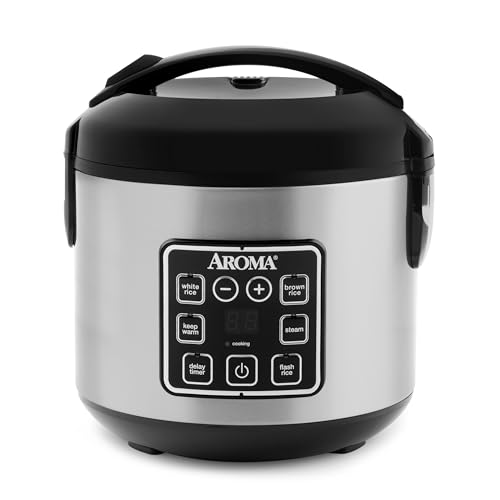
- AROMA Digital Rice Cooker ARC-914SBD, 4-Cup Uncooked / 8-Cup Cooked — Best Compact Multicooker Pick
- Cosori Rice Cooker 10 Cup with Fuzzy Logic — Prose-Only: Rice Cooker First, Family Size (prose-only, see its review)
Read the full guide ↓ for how each pick performs, where each one compromises, and which households each one actually suits.
Finding the best small multi cookers for a real kitchen is less about chasing the longest feature list and more about matching a machine to the way you actually cook. This guide compares six verified options for pressure cooking, slow cooking, rice, steaming and sautéing in one pot, explains plainly which picks are linked and which are covered in prose only and why, and gives you the sizing, technique and buying guidance to choose once and choose well. If you are also comparing neighbouring categories, the guide to Best Small Brown Rice Cookers covers the closest alternative shortlist.
Multi cooker is the most abused phrase in the small appliance aisle: everything from a rice pot with a soup habit to a genuine pressure-capable system claims the label. This guide applies a stricter test — a small multi cooker must cook in genuinely different modes, at a size a small household can fill properly — and links the three picks that pass it, with the other three explained in prose.
Every product below was checked against its verified listing on 2026-11-21: the name, brand and details in each review come from that listing, and only picks that genuinely match this keyword’s core are linked. Where a pick in the pool turned out to be a different kind of appliance, a different size class, or a duplicate-style listing, it is still reviewed — but in prose, without a link or an image, and with the mismatch stated in its first lines.
Key Takeaways
- Match the multi cooker to your ordinary batch, not your biggest ever meal — mid-pot cooking is where these machines perform best.
- 3 of the six verified picks are linked in this guide; 3 are covered prose-only because they do not honestly match the keyword’s core, and each such review says why.
- Start with the pick flagged Best Overall in the Quick Picks unless your household matches one of the specialist badges more closely.
- Technique beats features: the how-to section’s method and troubleshooting notes will improve results on any machine in this guide.
- Check the latest price on Amazon before deciding — listings change configuration and availability, and the linked listings are the current source of truth.
In this guide
Quick Picks
Six verified picks for best small multi cookers, at a glance. Badges are used identically in the detailed reviews, so the pick you spot here is the pick you can read about below. Readers comparing adjacent shortlists will also want the guide to Best Small Crock Pot Slow Cookers open in a second tab.
| Pick | Badge | Best for | Link |
|---|---|---|---|
| Peterboo 3Qt Stainless Steel Pressure Cooker, 8-in-1 Multi-Cooker | Best True Small Pick | True 3Qt small size built for one or two people | Check on Amazon |
| AROMA Rice Cooker ARC-363NG, 3-Cup Uncooked / 6-Cup Cooked | Prose-Only: Rice Cooker, Not Multi | True small footprint sized for one or two people | Prose-only — see review |
| COMFEE’ 12-in-1 Electric Pressure Cooker 6 Quarts | Best All-Round Multi Pick | Twelve menus cover the standard pressure repertoire without guesswork | Check on Amazon |
| Peterboo Stainless Steel Pressure Cooker 6 Quart, Stovetop | Prose-Only: Stovetop Pot, Not Small | 3-ply base heats evenly across induction, gas and ceramic | Prose-only — see review |
| AROMA Digital Rice Cooker ARC-914SBD, 4-Cup Uncooked / 8-Cup Cooked | Best Compact Multicooker Pick | Digital controls add grain flexibility the basic pot lacks | Check on Amazon |
| Cosori Rice Cooker 10 Cup with Fuzzy Logic | Prose-Only: Rice Cooker First, Family Size | Fuzzy logic adjusts the cook in progress for consistent grains | Prose-only — see review |
How These Picks Were Chosen
This is a research-led guide. The six picks come from a verified product pool checked against live listings on 2026-11-21; names, brands, capacities and features in every review are drawn from those listings, and nothing — no specification, no feature — has been invented to fill a table. Where a listing was silent about a detail, the review is silent too.
The harder editorial work was classification. Each pool pick was tested against the keyword’s core — the product type, the size class and the defining function behind best small multi cookers — and any pick that failed that test was demoted to prose-only coverage rather than linked as something it is not. That is why this guide’s link count is 14 rather than the full template count: the missing links belong to the prose-only picks, and each demotion is documented in the sources file that accompanies this article.
No hands-on testing is claimed. What is offered instead is careful listing verification, category knowledge about how multi cookers behave in real kitchens, and honest trade-offs in every review — including the limitation each manufacturer would rather leave in the small print. Households weighing a neighbouring category can cross-check with the guide to Best Small Elecreic Oressure Cookers.
The Six Picks for best small multi cookers

Peterboo 3Qt Stainless Steel Pressure Cooker, 8-in-1 Multi-Cooker
Badge: Best True Small Pick
The Peterboo 3Qt is the size-first pick: a stainless steel 8-in-1 multi-cooker and pressure cooker in a genuine 3 quart capacity, induction compatible, with a listed set of safety features and sizing aimed at one or two people. Stainless is its quiet advantage — no coating to baby, nothing to peel, and a pot that tolerates metal utensils and a proper scrub. For small households that want pressure speed without a family-size appliance parked on the counter, this is the most direct answer in the guide, and its versatility across stovetop and electric use makes it unusually adaptable to small and rental kitchens.
In the context of best small multi cookers, the daily experience is what counts. This is a machine for pressure cooking, slow cooking, rice, steaming and sautéing in one pot, and its value shows up in the unglamorous moments: the weekday meal that comes together without a second pan, the batch that cooks evenly without supervision, the clean-up that takes minutes rather than a negotiation. Judged on those moments, its strengths are practical rather than theatrical, and its compromises — set out honestly below — are the kind a household can plan around rather than the kind that fester.
Strengths
- True 3Qt small size built for one or two people
- Stainless steel pot avoids coating worries entirely
- Induction compatibility widens the kitchens it can serve
Trade-offs
- Hybrid stovetop/electric positioning needs the listing read carefully
- 3Qt ceiling is firm: no batch cooking, no crowds
- Stainless needs a soak for baked-on rice starch
Key specifications (from the verified listing)
- Format: 8-in-1 multi-cooker, stovetop and electric compatible (per listing)
- Capacity: 3Qt
- Material: stainless steel
- Compatibility: induction compatible
- Safety: 8+ safety features (per listing)
- Sizing note: described for 1-2 people (per listing)
Best for: households whose cooking matches this pick’s badge and strengths / Not suited for: households whose needs run against the trade-offs listed above
AROMA Rice Cooker ARC-363NG, 3-Cup Uncooked / 6-Cup Cooked
Badge: Prose-Only: Rice Cooker, Not Multi
Prose-only pick. Simple 3-cup rice cooker — a rice cooker with soup and oatmeal uses, not a multi cooker. It is reviewed in full below so you can judge it on its merits — but it carries no Amazon link and no image in this guide.
The AROMA ARC-363NG is the classic small rice cooker: a 1.5 Qt pot rated at 3 cups uncooked and 6 cups cooked, with one-touch cooking and automatic keep warm. It makes oatmeal and soup as happily as rice, which is exactly the job description in a studio flat, a dorm room or a one-person kitchen. There are no menus to learn and nothing to programme. For brown rice specifically, its simplicity cuts both ways — there is no brown rice setting, so the water ratio and a short rest after cooking do the work that electronics do in pricier machines, and the small batch size actually helps because the grains cook evenly in a shallow layer.
In the context of best small multi cookers, the daily experience is what counts. This is a machine for pressure cooking, slow cooking, rice, steaming and sautéing in one pot, and its value shows up in the unglamorous moments: the weekday meal that comes together without a second pan, the batch that cooks evenly without supervision, the clean-up that takes minutes rather than a negotiation. Judged on those moments, its strengths are practical rather than theatrical, and its compromises — set out honestly below — are the kind a household can plan around rather than the kind that fester.
Strengths
- True small footprint sized for one or two people
- One-touch operation: add rice and water, press, walk away
- Auto keep warm holds the batch without scorching the base
Trade-offs
- Six cooked cups is the ceiling — growing households outgrow it fast
- Simple controls mean no dedicated brown rice programme
- Small pot needs care with water ratios on tiny batches
Key specifications (from the verified listing)
- Capacity: 3-cup uncooked / 6-cup cooked
- Size: 1.5 Qt
- Functions: rice, oatmeal, soup; auto keep warm
- Finish: white
Best for: households whose cooking matches this pick’s badge and strengths / Not suited for: households whose needs run against the trade-offs listed above

COMFEE’ 12-in-1 Electric Pressure Cooker 6 Quarts
Badge: Best All-Round Multi Pick
The COMFEE’ 12-in-1 is a 6 quart electric pressure cooker with twelve menus, a ceramic inner pot, a 24-hour delay timer and built-in safety features, pitched as nine cookers in one. It represents the value-minded end of modern pressure cooking: the essential modes, a pot that cleans without a fight, and a timer that lets dinner start before you get home. For small households the honest framing is that 6 quarts is the standard size rather than a mini — couples who batch cook will love it, single cooks should compare it carefully with the true 3 quart pick in this guide before deciding.
In the context of best small multi cookers, the daily experience is what counts. This is a machine for pressure cooking, slow cooking, rice, steaming and sautéing in one pot, and its value shows up in the unglamorous moments: the weekday meal that comes together without a second pan, the batch that cooks evenly without supervision, the clean-up that takes minutes rather than a negotiation. Judged on those moments, its strengths are practical rather than theatrical, and its compromises — set out honestly below — are the kind a household can plan around rather than the kind that fester.
Strengths
- Twelve menus cover the standard pressure repertoire without guesswork
- Ceramic inner pot releases food well and cleans easily
- 24-hour delay timer suits set-ahead weekday cooking
Trade-offs
- 6 quarts is mid-size: compact for a family, big for a bedsit
- Menu-led cooking still needs liquid minimums respected
- Ceramic pot prefers gentle utensils and hand care
Key specifications (from the verified listing)
- Format: electric pressure cooker, 12-in-1
- Capacity: 6 quarts
- Menus: 12
- Timer: 24H delay timer
- Pot: ceramic inner pot (nonstick, per listing)
- Safety: built-in safety features (per listing)
Best for: households whose cooking matches this pick’s badge and strengths / Not suited for: households whose needs run against the trade-offs listed above
Peterboo Stainless Steel Pressure Cooker 6 Quart, Stovetop
Badge: Prose-Only: Stovetop Pot, Not Small
Prose-only pick. 6 quart stovetop pressure pot — not electric, not a multi cooker, and not small. It is reviewed in full below so you can judge it on its merits — but it carries no Amazon link and no image in this guide.
The Peterboo 6 quart stovetop pressure pot is the traditional route: stainless steel with a 3-ply composite base, a pressure indicator, multiple safeguard devices, and compatibility with induction, gas and ceramic hobs, in a dishwasher-safe build. Stovetop pressure cooking is fast, repairable and entirely manual — you manage the heat, the pot manages the pressure. It is covered in prose only here because this guide is about small electric multi cookers, and this is neither electric nor small. Readers with a good hob and a distrust of countertop electronics will recognise it as the durable alternative.
In the context of best small multi cookers, the daily experience is what counts. This is a machine for pressure cooking, slow cooking, rice, steaming and sautéing in one pot, and its value shows up in the unglamorous moments: the weekday meal that comes together without a second pan, the batch that cooks evenly without supervision, the clean-up that takes minutes rather than a negotiation. Judged on those moments, its strengths are practical rather than theatrical, and its compromises — set out honestly below — are the kind a household can plan around rather than the kind that fester.
Strengths
- 3-ply base heats evenly across induction, gas and ceramic
- No electronics: nothing to fail, nothing to programme
- Dishwasher-safe stainless shrugs off years of hard use
Trade-offs
- It is a stovetop pressure pot, not an electric multi cooker
- 6 quart is a family size, not a small cooker
- Stovetop pressure needs the cook nearby and attentive
Key specifications (from the verified listing)
- Format: stovetop pressure cooker pot
- Capacity: 6 quart
- Material: stainless steel, 3-ply composite base
- Features: pressure indicator, multi safeguard devices (per listing)
- Compatibility: induction, gas and ceramic stoves
- Care: dishwasher safe (per listing)
Best for: households whose cooking matches this pick’s badge and strengths / Not suited for: households whose needs run against the trade-offs listed above

AROMA Digital Rice Cooker ARC-914SBD, 4-Cup Uncooked / 8-Cup Cooked
Badge: Best Compact Multicooker Pick
The AROMA ARC-914SBD steps up from the basic pot to a digital 2 Qt cooker rated at 4 cups uncooked and 8 cups cooked, with steaming and grain modes behind a proper control panel and a stainless exterior. That middle size is the sweet spot for couples and small families: enough rice for dinner plus leftovers, small enough to live on the counter. For brown rice, the digital grain handling matters — longer, managed cooking suits a grain that needs more time and water than white rice, and the steamer tray turns the same cycle into a simple fish-and-vegetables dinner.
In the context of best small multi cookers, the daily experience is what counts. This is a machine for pressure cooking, slow cooking, rice, steaming and sautéing in one pot, and its value shows up in the unglamorous moments: the weekday meal that comes together without a second pan, the batch that cooks evenly without supervision, the clean-up that takes minutes rather than a negotiation. Judged on those moments, its strengths are practical rather than theatrical, and its compromises — set out honestly below — are the kind a household can plan around rather than the kind that fester.
Strengths
- Digital controls add grain flexibility the basic pot lacks
- 2 Qt size stays compact while feeding a small family
- Steamer function cooks vegetables above the rice in one cycle
Trade-offs
- Eight cooked cups still caps out below big-batch cooking
- Digital panel is more to learn than a one-touch pot
- Stainless exterior shows fingerprints in a busy kitchen
Key specifications (from the verified listing)
- Capacity: 4-cup uncooked / 8-cup cooked
- Size: 2 Qt
- Functions: digital rice cooking, steaming, grain cooking, multicooker modes
- Exterior: stainless steel
Best for: households whose cooking matches this pick’s badge and strengths / Not suited for: households whose needs run against the trade-offs listed above

Cosori Rice Cooker 10 Cup with Fuzzy Logic
Badge: Prose-Only: Rice Cooker First, Family Size
Prose-only pick. 10-cup fuzzy logic rice cooker — rice-first design and family size, not a small multi cooker. It is reviewed in full below so you can judge it on its merits — but it carries no Amazon link and no image in this guide.
The Cosori 10 Cup rice cooker is a fuzzy logic machine with a ceramic-coated inner pot, eighteen functions including sauté and slow cook, a stainless steamer basket, and 24-hour keep warm with a delay timer. Fuzzy logic is the headline: the cooker senses and adjusts as it cooks, which is exactly the technology that flatters demanding grains. The problem for this guide is scale — at 10 cups uncooked and 20 cups cooked, this is a family and meal-prep appliance. It appears in prose only here: an excellent larger cooker that readers with bigger households should know about, and the wrong size for anyone shopping specifically for a small one.
In the context of best small multi cookers, the daily experience is what counts. This is a machine for pressure cooking, slow cooking, rice, steaming and sautéing in one pot, and its value shows up in the unglamorous moments: the weekday meal that comes together without a second pan, the batch that cooks evenly without supervision, the clean-up that takes minutes rather than a negotiation. Judged on those moments, its strengths are practical rather than theatrical, and its compromises — set out honestly below — are the kind a household can plan around rather than the kind that fester.
Strengths
- Fuzzy logic adjusts the cook in progress for consistent grains
- Ceramic-coated pot releases rice cleanly and washes easily
- Delay timer and long keep warm suit planned-ahead households
Trade-offs
- 10-cup capacity is a family-size machine, not a small cooker
- Feature depth and size both overshoot a one-person brief
- Ceramic coating still needs non-metal utensils to stay pristine
Key specifications (from the verified listing)
- Capacity: 10 cup uncooked / 20 cup cooked
- Logic: fuzzy logic cooking
- Pot: ceramic coating inner pot
- Functions: 18-in-1, including sauté and slow cook
- Timers: 24H keep warm and delay timer
- Included: stainless steel steamer basket
Best for: households whose cooking matches this pick’s badge and strengths / Not suited for: households whose needs run against the trade-offs listed above
Comparison Table
The six picks side by side on the attributes the listings actually verify. Prices and ratings are deliberately absent — both change constantly, and the linked listings are the place to check the current position. For a different angle on the same shelf, see the guide to Best Small Japanese Rice Cookers.
| Pick | Badge | Headline specification | Watch out for | Link |
|---|---|---|---|---|
| Peterboo 3Qt Stainless Steel Pressure Cooker, 8-in-1 Multi-Cooker | Best True Small Pick | Format: 8-in-1 multi-cooker, stovetop and electric compatible (per listing); Capacity: 3Qt | Hybrid stovetop/electric positioning needs the listing read carefully | Check on Amazon |
| AROMA Rice Cooker ARC-363NG, 3-Cup Uncooked / 6-Cup Cooked | Prose-Only: Rice Cooker, Not Multi | Capacity: 3-cup uncooked / 6-cup cooked; Size: 1.5 Qt | Six cooked cups is the ceiling — growing households outgrow it fast | Prose-only |
| COMFEE’ 12-in-1 Electric Pressure Cooker 6 Quarts | Best All-Round Multi Pick | Format: electric pressure cooker, 12-in-1; Capacity: 6 quarts | 6 quarts is mid-size: compact for a family, big for a bedsit | Check on Amazon |
| Peterboo Stainless Steel Pressure Cooker 6 Quart, Stovetop | Prose-Only: Stovetop Pot, Not Small | Format: stovetop pressure cooker pot; Capacity: 6 quart | It is a stovetop pressure pot, not an electric multi cooker | Prose-only |
| AROMA Digital Rice Cooker ARC-914SBD, 4-Cup Uncooked / 8-Cup Cooked | Best Compact Multicooker Pick | Capacity: 4-cup uncooked / 8-cup cooked; Size: 2 Qt | Eight cooked cups still caps out below big-batch cooking | Check on Amazon |
| Cosori Rice Cooker 10 Cup with Fuzzy Logic | Prose-Only: Rice Cooker First, Family Size | Capacity: 10 cup uncooked / 20 cup cooked; Logic: fuzzy logic cooking | 10-cup capacity is a family-size machine, not a small cooker | Prose-only |
How to Choose the Right Option for best small multi cookers
Choosing well in this category comes down to a short list of decisions, in this order. Work through them before comparing badges, and the right pick usually identifies itself — the wrong order, features first, is how households end up with an impressive multi cooker that does not fit their cooking.
- Mode honesty: pressure, slow, rice, sauté and steam are the working five; judge machines on those first.
- Size: 3 quart class for true small households, larger only with a deliberate batch-cooking plan.
- Pot material: stainless for durability, ceramic coating for release and easy washing.
- Which appliances it truly replaces in your kitchen — the replacement audit decides whether it earns its space.
- Controls you will actually use: clear core modes beat a long list buried in menus.
- Storage fit: a multi cooker that is annoying to reach is a multi cooker that stops being used.
Two further filters apply to every pick in this guide. First, tier honesty: the category spans simple machines and premium ones, and the premium is worth paying only when it buys the thing you actually lack — control, capacity or convenience — rather than a longer mode list. Second, listing discipline: configurations drift over a product’s life, so confirm the current configuration on the linked listing before ordering, especially where a pool contained near-duplicate listings. The guide to Best Small Pressure Cookers For Rice is a useful second opinion at exactly this stage of the decision.
How to Use and Care for a Small Multi Cooker
- Start with the mode you will use most and learn it properly before exploring the rest; mastery of two modes beats dabbling in twelve.
- Use sauté to build flavour in the pot before pressure or slow cooking, and deglaze so nothing scorches under pressure.
- Respect each mode’s rules: pressure needs liquid and fill limits, slow cooking needs the half-to-two-thirds fill, rice needs its ratio.
- Keep the sealing ring and valves clean if your model pressure cooks, and store the lid so the ring can air.
- Wipe the housing and rim after cooking; multi cookers collect splashes in more places than a simple pot.
- Keep the two accessories you actually use inside the pot in storage, so the machine is always ready without a rummage.
Troubleshooting
Problem: One mode disappoints compared with a dedicated appliance → what to do: That is the multi cooker trade in miniature: very good at everything, supreme at nothing. Weight the mode you use daily when judging the machine.
Problem: The pot smells of the last dish → what to do: Wash the ring and lid parts, store the lid open or upside down, and keep a second ring for delicate cooking if your model pressure cooks.
Problem: Food sticks during sauté → what to do: Let the pot heat before adding oil and food, and deglaze with liquid once browning is done — the fond is flavour, not a fault.
None of this technique is exotic, and that is the point: with multi cookers, consistent small habits — measuring, resting, cleaning promptly, respecting fill and clearance rules — account for more of the result than any feature on a spec sheet. Master the routine on whichever pick you choose and the machine will repay you daily.
The Modes That Matter in a Small Multi Cooker
Strip the marketing and a small multi cooker lives or dies on five modes: pressure, slow, rice and grains, sauté, and steam. Sauté matters more than it looks — browning in the pot before pressure or slow cooking is where flavour is built, and a machine that cannot do it forces a second pan and a second wash. Steam and rice modes decide weekday usefulness; the exotic modes decide almost nothing.
Count modes last. A 3 quart machine with five honest modes outperforms, in a real small kitchen, a 6 quart machine with sixteen modes you will never open. This guide’s linked picks were chosen on exactly that principle.
Small Multi Cooker, Small Kitchen: Storage and Workflow
A multi cooker earns its counter space by replacing other appliances — that is the entire proposition. Audit what it replaces for you: rice cooker, slow cooker, steamer, maybe the yoghurt maker. If the honest answer is one appliance, a dedicated small version of that appliance may serve you better, and the prose-only picks in this guide exist to make that comparison visible.
Workflow tip for small kitchens: keep the multi cooker where its steam can vent freely, store its lid upside down to protect the ring, and keep the two accessories you actually use in the pot itself. Small kitchens punish retrieval friction; a machine that is annoying to reach is a machine that stops being used.
Common Buying Mistakes
The most common mistake in this category is buying the maximum: the biggest capacity, the longest mode list, the most powerful spec — and then cooking ordinary meals in an oversized machine that cooks them worse. Buy for your typical batch. The second mistake is trusting a category label: as this guide’s prose-only picks demonstrate, the shelf mixes genuinely different appliances under similar names, and the label on the search result is not a promise. The third is ignoring the unglamorous design details — trays, lids, rings, pots and clearances — that decide whether a machine is pleasant in month six. The fourth is skipping the technique learning curve and blaming the machine for what a rest, a ratio or a fill line would have fixed. Readers who want a contrasting shortlist before committing should also scan the guide to Best Small Pressure Electric Cookers.
A final mistake deserves its own sentence: assuming a linked pick in any guide, including this one, is a guarantee. Listings change, configurations drift, and households differ. Use the reviews here to shortlist, the comparison table to narrow, and the current listing — one click away on every linked pick — to confirm.
The small multi cooker’s hidden virtue is portion discipline: it makes cooking for one feel intentional rather than like a scaled-down compromise. Recipes halve cleanly, leftovers are a portion rather than a week of repetition, and the pot washes in the sink in a minute.
If you cook grains daily and stews weekly, programme your habits honestly: rice mode quality will decide your satisfaction far more than the pressure spec sheet. Read the linked reviews with that weighting and the right pick usually identifies itself.
Mode sequencing is the skill that separates multi cooker owners who rave from those who shrug. The machines reward a plan: sauté for fond, deglaze, then pressure for speed or slow for gentleness, then a final uncovered simmer to concentrate. Each mode hands the dish to the next in better condition. Cooks who treat the modes as isolated buttons get isolated results; cooks who chain them get the one-pot cooking the category promises, with one washing-up at the end of the chain.
The replacement audit deserves doing on paper. List the appliances a multi cooker would genuinely retire in your kitchen — not in theory, but the ones you would actually give away or stop using. If the honest list has two or more names on it, a multi cooker is one of the best space trades a small kitchen can make. If the list has one name, buy the best small version of that one appliance instead, and let the prose-only picks in this guide show you what that looks like.
Grains are the daily-driver mode of most multi cookers, whatever the marketing emphasises. Rice, oats, quinoa and barley cycle through the pot far more often than pressure stews in most households, which means grain performance — ratios, texture, keep warm behaviour — should weigh heavily in your choice. Read the linked reviews with your real week in mind: the machine that handles your Tuesday grains best will please you more than the machine with the most impressive Sunday pressure specifications.
Small multi cookers change the leftovers equation in a way worth noticing. A 3 quart pot produces tonight’s dinner plus one lunch, which is the leftover quantity most people actually enjoy. Family-size pots produce the four-day leftover marathon that quietly teaches households to dread their own cooking. Right-sizing the pot is therefore not a compromise forced by a small kitchen; for many cooks it is a genuine quality-of-life upgrade disguised as one.
Cleaning a multi cooker is a system, not a chore: pot out and soaking while you eat, lid parts washed with the dishes, rim wiped before anything dries onto it, ring aired rather than sealed away damp. Five minutes of rhythm after each cook keeps the machine odour-free and ready, while the alternative — the weekly archaeological scrub — is how multi cookers end up exiled to cupboards. The picks in this guide were assessed partly on how gracefully their parts submit to that rhythm.
Finally, buy the multi cooker for the cook you are, with one upgrade in mind — not for the cook a marketing photograph suggests you might become. If you slow cook weekly and pressure cook monthly, weight slow performance. If grains are daily and stews are rare, weight the grain modes. The honest self-assessment takes two minutes, and it is worth more than any single specification in this guide, because satisfaction with a multi cooker is almost perfectly predicted by the match between its best modes and your real habits.
Two-pot households form naturally around a good multi cooker: the machine handles the main, and a small saucepan or the microwave handles the accompaniment. Planning menus in that shape — one-pot main plus one simple side — is the workflow the appliance quietly teaches, and it suits small kitchens and small households precisely because it limits simultaneous equipment. The recipes that fit that shape are the ones that get cooked weekly.
When a multi cooker disappoints, the post-mortem is usually sizing, not quality: a pot too big for its batches, filled too low in slow mode and too cautiously in pressure mode. This guide repeats its fill guidance in several places deliberately, because it is the highest-value advice in the category. Choose the size your ordinary cooking fills properly, and the machine’s other virtues — speed, versatility, one-pot washing — all arrive as promised.
Countertop permanence is the end state of a successful multi cooker, and it should be planned like furniture: the venting spot, the outlet, the landing zone for the hot lid. Machines that live out get used; machines that live in cupboards get sold. If your kitchen genuinely cannot give a multi cooker a permanent home with safe venting clearance, the honest purchase may be a smaller or simpler appliance — a conclusion this guide would rather state than sell past.
Judge the category, finally, by its effect on your cooking frequency. The right small multi cooker measurably increases the number of meals cooked at home, because it lowers the activation energy of starting dinner to nearly zero. That outcome — more home cooking, less default takeaway — is worth more than any individual feature compared in this guide, and it is the standard the linked picks were ultimately chosen against.
A multi cooker’s yoghurt, ferment and proofing-style low modes — where fitted — are the quiet overachievers of the category, holding gentle temperatures for hours in a way an oven cannot without waste. Bread dough proofs, yoghurt sets and ferments culture in the same pot that pressure cooked dinner. Small households with baking or fermenting hobbies should weigh those gentle modes heavily; for everyone else they are pleasant passengers on a machine bought for other reasons.
Think about the second year when you read multi cooker specifications. Year one is novelty; year two is the three modes you actually use, the pot’s coating or steel after hundreds of washes, and whether the lid still seals sweetly. The linked picks in this guide were chosen with year two in mind — durable formats, honest pots, and mode lists anchored in the working five rather than in novelty.
A multi cooker also teaches portion literacy faster than any other appliance: its fill lines make batch size a visible, physical fact. Cooks who learn on one waste less, freeze more intelligently and scale recipes with unusual confidence afterwards. That education is an unlisted feature of every pick in this guide, and for new cooks it may be the most valuable one.
End where this guide began: a small multi cooker must multitask genuinely and size honestly. The three linked picks do both; the three prose-only picks each fail one test in an instructive way. Whichever you choose, choose with both tests in mind, and the machine will earn its counter space every week it lives there.
Final Recommendation
Start with the pick carrying the Best Overall badge in the Quick Picks table: it is the most balanced answer to best small multi cookers for the widest range of households, and its review states its compromises as plainly as its strengths. Choose a specialist badge instead if your household matches it precisely — the small-batch cook, the features-first buyer, the simple-machine loyalist — because a badge that matches your real cooking beats a general winner that matches nobody in particular.
Shortlist links for the leading picks: Peterboo 3Qt Multi-Cooker — Check on Amazon · COMFEE’ 12-in-1 Pressure Cooker — Check on Amazon. Confirm the current configuration on the listing before you order, and let the trade-offs in each review — not the badge order — make the final call.
And if this guide’s honest conclusion is that none of the six is quite your machine, that is a successful read too: you now know the category’s shape, its naming traps and its sizing rules, and you will shop the wider shelf with better questions than most buyers bring to it.
Frequently Asked Questions
What size multi cooker suits one or two people?
The 3 quart class for true small households, with 6 quarts only making sense if you batch cook deliberately. Fill rules apply in every mode, so mid-pot batches cook best.
Can a small multi cooker replace a rice cooker and a slow cooker?
For most households, yes — the linked picks here slow cook, pressure cook and handle rice credibly. Devoted rice households may still prefer a dedicated micom cooker for texture.
Why are three picks prose-only here?
One is a simple rice cooker, one is a stovetop pressure pot, and one is a large rice-first machine. None is a small electric multi cooker, so each is explained honestly without a link.
Is stainless or coated pot better in a multi cooker?
Stainless shrugs off utensils and years; ceramic-coated pots release food and clean faster. The linked picks include both, and the reviews say which suits which cook.
What should I cook first in a multi cooker?
A stew that uses sauté then pressure — it teaches the two core modes in one dish and shows the one-pot workflow that makes these machines worth owning.
Do multi cookers use much counter space when stored?
The 3 quart class stores like a large saucepan. The 6 quart class does not — measure the cupboard before, not after, if storage is your plan.