A stainless steel tumbler is an insulated cup, usually with a double wall and a lid, that keeps drinks hot or cold far longer than glass or plastic. It does not break when dropped, it does not hold flavors, and it can go from the desk to the car to the gym.
The six tumblers below cover different habits, from a rugged straight-sided cup to a tall straw tumbler and a small commuter cup. We have not used these products ourselves, so confirm size, lid style and cup-holder fit on the current listing before buying. Makers describe their own insulation claims, and we do not repeat exact hours here.
As an Amazon Associate we earn from qualifying purchases. Links below are affiliate links, and they do not change the product information we give.
What to Look For
| Feature | Why it matters |
|---|---|
| Lid | A sliding or splash-resistant lid suits sipping, while a straw lid suits cold drinks |
| Base | A tapered base fits most car cup holders |
| Cleaning | Wide mouths are easier to scrub, and some are dishwasher safe |
| Weight | A lighter tumbler is easier to carry all day |
In this guide
Specs at a Glance
| Tumbler | Material | Size | Notes |
|---|---|---|---|
| YETI Rambler Tumbler | Stainless steel | Several sizes offered | MagSlider lid option |
| Hydro Flask All Around Tumbler | Stainless steel | Check the listing | Press-in lid |
| Simple Modern Cruiser Tumbler | Stainless steel | Several sizes offered | Straw lid, many colors |
| RTIC Tumbler | Stainless steel | Several sizes offered | Straight sides, simple lid |
| Zojirushi Stainless Steel Tumbler | Stainless steel | Compact class | Slim commuter shape |
| Klean Kanteen Insulated Tumbler | Stainless steel | Check the listing | Lid choices vary |
The 6 Best Stainless Steel Tumblers

Top pickBest for daily coffee and water
1. YETI Rambler Tumbler
YETI built its name on tough insulated drinkware, and the Rambler tumbler is its everyday cup. A magnetic sliding lid is offered on many versions, which helps stop splashes while you drink.
Suits: daily coffee and water. Strengths: strong build and a well-known name. Weaknesses: a higher spend than most cups. Skip it if you want the lightest option.
View YETI Rambler Tumbler on Amazon
Best for desk and office use
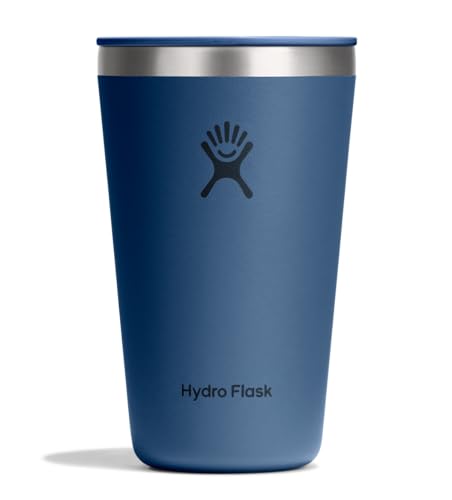
2. Hydro Flask All Around Tumbler
Hydro Flask is a long-running insulated bottle brand, and this tumbler brings its double-wall design to a cup with a pressed-in lid. It comes in a range of colors, which makes it easy to tell cups apart.
Suits: desk and office use. Strengths: a tidy shape and colorful finishes. Weaknesses: the lid is not fully sealed. Skip it if you want a leakproof travel lid.
View Hydro Flask All Around Tumbler on Amazon
Best for cold drinks on the move
3. Simple Modern Cruiser Tumbler
A tall tumbler with a straw lid and a handle on many versions. It is built for cold water, iced coffee and smoothies, and it is sold in a large range of colors and sizes.
Suits: cold drinks on the move. Strengths: a straw lid and a wide choice of colors. Weaknesses: check the cup-holder fit. Skip it if you drink mostly hot coffee.
View Simple Modern Cruiser Tumbler on Amazon

Best for rugged daily use
4. RTIC Tumbler
RTIC sells insulated cups in several sizes with straight sides and a simple lid. The design is plain and sturdy, which suits outdoor use, boats and job sites where a cup gets knocked about.
Suits: rugged daily use. Strengths: simple, sturdy construction. Weaknesses: the lid is not designed for hard shaking. Skip it if you want a slim cup.
Best for commuters with small bags
5. Zojirushi Stainless Steel Tumbler
Zojirushi is known for vacuum-insulated drinkware, and its tumblers are a slimmer, compact style that fits easily into a bag. They suit a single coffee or tea rather than a big refill.
Suits: commuters with small bags. Strengths: slim shape and a trusted insulation brand. Weaknesses: a smaller capacity. Skip it if you want a big straw cup.
View Zojirushi Stainless Steel Tumbler on Amazon

Best for brand-minded buyers
6. Klean Kanteen Insulated Tumbler
Klean Kanteen focuses on stainless steel drinkware without plastic liners in the cup itself, and its insulated tumbler comes with several lid options. Check the listing to see which lid ships with each size.
Suits: brand-minded buyers. Strengths: a simple, steel-focused design. Weaknesses: lid parts vary by version. Skip it if you want a cup with a handle.
View Klean Kanteen Insulated Tumbler on Amazon
Care and Setup
- Hand wash the lid even if the cup is dishwasher safe, unless the maker says otherwise.
- Remove silicone seals now and then and dry them separately.
- Avoid dents on the base, because they can affect cup-holder fit.
- Let the tumbler air dry with the lid off to prevent odors.
Mistakes to Avoid
- Choosing a size that does not fit your car cup holder.
- Expecting a slide lid to be leakproof in a bag.
- Putting a tumbler in the freezer with a full drink.
- Scrubbing the outer paint finish with abrasive pads.
Lid Styles and Leak Resistance
The lid decides how a tumbler behaves in daily life, and it is often the weakest point for both insulation and leaks. Slide lids use a sliding cover over the drinking opening. They keep splashes down and are easy to use one-handed, but they are rarely leakproof if tipped. Press-in lids sit snugly and are simple, but may let liquid out if the tumbler falls. Straw lids suit cold drinks and let you sip without tilting the cup. Flip and twist-lock lids can seal better, though they have more parts to clean.
Think about how you carry the tumbler. If it rides upright in a cup holder, a splash-resistant lid is fine. If it goes into a bag with a laptop, check that the maker describes the lid as leakproof, and test it with water at home before trusting it with coffee. Listings usually say whether the lid is spill-resistant or fully leakproof; take those words literally and do not assume.
The seal is a small ring that can shift or wear. Remove and clean it regularly, make sure it is seated correctly, and replace it if it cracks or warps. Check whether replacement lids are sold, because lost or damaged lids are among the most common reasons people replace a tumbler. Hot drinks create pressure, so crack the lid slightly if the maker advises, and never fill to the brim.
Size, Shape and Cup-Holder Fit
Capacity is only one part of fit. Tumblers come in a wide range of sizes, from small commuter cups to tall large-capacity ones. Choose a capacity that suits how much you drink before refilling. A very large tumbler is heavy when full and may be more than you need, while a small one needs frequent refills.
Shape affects handling and fit. Straight-sided cups are easy to clean and stack, while tapered cups fit cup holders better because the base is narrower. Check the base diameter, since cup holders vary, and some vehicles have shallow or narrow ones. Tall tumblers can block console controls or tip in a holder that is too wide. If you travel by bike, a slim shape that fits a bottle cage may suit you better.
Handles help with grip, particularly on larger sizes, but they add width and can stop the tumbler fitting in cup holders. Consider whether you will carry it by hand or in a bag, and whether you need to fit it under a coffee machine spout. Measure the height of your machine’s drip space.
- Check the base diameter against your cup holder.
- Check the height for desks, under-counter spaces and machines.
- Check the weight when full, especially for larger sizes.
Choose a size that you will carry willingly, as a tumbler left at home is not much use.
Insulation Realities, Hot Versus Cold Drinks
Vacuum insulation slows heat transfer through the walls, so the steel body does most of the work. The lid is where much heat escapes, because it is often a thin plastic with an opening. A tumbler can keep a drink hot or cold for a long time, but the result depends on the lid, the starting temperature, how full the cup is, how often you open it and the room around you. Treat any figures you see as the maker’s claims under specific conditions.
To get the best performance, preheat or prechill the tumbler. For hot drinks, fill it briefly with hot water, pour it out and then add your coffee or tea. For cold drinks, add ice or chilled water first. A fuller cup retains temperature better than a half-empty one, because there is less air to exchange heat.
Different drinks behave differently. Carbonated drinks can build pressure and spray when opened, so do not fill sealed tumblers with fizzy drinks unless the maker says it is safe. Hot, acidic or milky drinks should be cleaned out promptly to prevent odors. Avoid freezing a full tumbler, because expanding liquid can stress the walls and lid.
If you drink mostly iced beverages, a straw lid keeps them cold for a long stretch. If you drink hot drinks, a slide or press-in lid with a smaller opening retains heat better. Match the lid to your habits instead of trusting numbers alone.
Finish, Durability and Materials
Stainless steel itself is tough, but the finish can show wear. Powder coating and paint resist slipping and come in many colors, but they can chip with knocks and scratch with abrasive pads. A bare steel finish is plain and resilient but shows fingerprints and can feel slick when wet. Textured finishes help with grip and hide scuffs.
Check what touches your drink. Most tumblers have a stainless interior, which does not hold flavors and cleans easily. Lids often contain plastic, silicone or other materials, and some listings describe them as free of certain chemicals. Read those descriptions carefully, and look at the maker’s own materials information.
Dents can affect both appearance and function. A dent in the base can make the tumbler rock or stop it fitting a cup holder, and a deep dent in the wall can damage the vacuum insulation. A tumbler that suddenly feels hot on the outside or sweats when filled with a cold drink may have lost its vacuum and should be replaced.
Think about how you treat gear. A rugged cup for a worksite or boat benefits from a thick finish and a sturdy base, while a desk tumbler can be more delicate. Consider replacement parts, such as lids and seals, and whether a warranty is offered in the listing. A tumbler with available spares tends to last longer.
Cleaning, Odors and Stains
A tumbler used daily needs regular cleaning. Wash the cup and lid by hand with warm soapy water soon after use, and use a bottle brush for narrow shapes. Take the lid apart where possible, including seals and sliders, because liquid and residue collect in the grooves. Coffee oils and milk can leave film and odors if not cleaned.
For stains and smells, soak the cup in warm water with a mild cleaner made for drinkware, or a mix of baking soda and water. Rinse well afterward. Vinegar solutions can help with mineral deposits and odors, but rinse until the smell is gone. Avoid steel wool and strong abrasives that scratch the surface, and avoid bleach on stainless steel.
Dishwasher safety varies. Some cups are dishwasher safe, but heat and detergent can dull the finish or damage the lid seals, and some makers recommend hand washing the exterior. Check the guidance for each part.
Let the tumbler air dry fully before closing it, because a sealed damp cup becomes musty. Store it with the lid off or loosely placed. If a smell persists, replace the silicone seal, as these absorb odors over time. Wipe the outer finish with a soft cloth.
A tumbler cleaned regularly stays fresh for years, and it is worth the few minutes it takes.
Stainless Steel Tumbler FAQ
Will a stainless tumbler keep ice overnight?
It can keep ice for a long time, but results depend on the lid, the ice amount and the room. Check the maker’s guidance.
Can I put hot coffee in a tumbler?
Yes, these are designed for hot and cold drinks, though the lid is the weak point for heat loss.
Do tumblers need a straw lid?
Only if you like sipping iced drinks. A slide lid suits hot drinks better.
Are all stainless steel tumbler lids leakproof?
No. Many lids are splash-resistant rather than leakproof, especially slide lids. Check the listing wording and test with water before carrying a full cup in a bag.
How do I get coffee smell out of a tumbler?
Soak it in warm water with baking soda or a drinkware cleaner, scrub the lid and seals, and rinse well. Let it air dry with the lid off. Replace a seal that keeps holding odors.
Can I put carbonated drinks in a tumbler?
Be careful, because pressure can build up and spray when opened. Only do so if the maker says it is safe for the model, and do not fill it fully.
How can I tell if a tumbler has lost its insulation?
If the outside becomes hot with a hot drink or sweats with a cold one, the vacuum layer may be damaged, often after a dent. At that point it may need replacing.
Will a tumbler fit in my car cup holder?
Check the base diameter and the height in the listing and compare them with your holder. Tapered shapes tend to fit better, and handles can get in the way.
Is hand washing really necessary?
Many makers recommend hand washing, particularly for lids and painted finishes. Some cups are listed as dishwasher safe, so check the guidance for your model.
Why does my drink not stay hot as long as expected?
The lid is often the main heat leak, and results depend on preheating, how full the cup is and how often you open it. Preheating the cup with hot water helps.
Vacuum Insulation: What Is Actually Happening Inside the Wall
A stainless steel tumbler is two walls of steel with the air pumped out of the gap between them. Heat moves in three ways: conduction through solids, convection through moving air or liquid, and radiation. A vacuum gap removes almost all conduction and convection through the walls, which is why a good insulated tumbler can keep a drink cold for hours. What remains is heat leaking through the points where the two walls join at the rim, and through the lid.
That is why the lid matters so much. A thin plastic lid with a wide opening lets heat in and out, while a thicker lid with a gasket slows it. Two tumblers with identical walls can perform differently once the lids are different. It also explains why the first sip from a tumbler that has been sitting in a hot car may taste warm even if the ice is still there: the lid and rim warm up first.
Copper plating, sometimes marketed on tumblers, reduces radiant heat transfer inside the vacuum gap. Whether it makes a noticeable difference in daily use depends on how long you leave the drink untouched, and brands such as YETI, Hydro Flask and Klean Kanteen all rely mostly on the vacuum itself.
Matching a Tumbler to Your Daily Routine
Think about when and where you drink, and pick features that solve real irritations.
Desk and Office
At a desk you want a stable base, a lid you can sip from one-handed and a size that fits beside the keyboard. A sliding lid on a tumbler like the RTIC or the Simple Modern Cruiser is handy for quick sips, though it is not made for tossing into a bag.
Commute and Car
You need cup-holder fit and a lid that survives a bump. A narrower base or tapered body helps, and a lid with a firm seal gives peace of mind on a rough road. Keep the cup-holder diameter in mind before you buy a larger volume.
Outdoor and Active Days
For walks, sports sidelines and camping, rugged finishes and strong handles matter. A powder coat protects against scratches, but it can chip over time. A handle makes a large tumbler easier to carry, especially with gloves.
Hot Drinks on a Cold Morning
The Zojirushi tumbler in this guide is the sort of design people choose for hot coffee or tea: a narrow opening and a tight lid help retain heat and limit spills. Preheat the tumbler with hot water for a minute before filling it, and the drink will stay hot noticeably longer.
Straws, Sliding Lids and Other Lid Add-Ons
Lids are where most of the personality in a tumbler lives. Straw lids make sipping cold drinks easy and encourage you to drink more water, but they have a larger opening, which lets in more air and slightly reduces insulation. Sliding lids close with a quick push, yet the slider track can trap residue if you do not clean it. Flip-top lids with a small mouth seal better but may force you to tilt the cup.
- Wash lids separately and remove any gaskets to clean the groove beneath them.
- Replacement lids and straws are sold for many tumblers, so a worn lid does not mean the whole cup is finished.
- Silicone boots on the base reduce noise on desks and protect the finish, but remove them periodically to dry underneath.
Buying Checklist and Shopping Habits
A few quick checks save disappointment.
- Capacity. Larger tumblers hold more ice and keep drinks colder, but they weigh more and may not fit your cup holder.
- Weight. Heavy-duty steel adds durability, though it makes a full cup tiring to carry around all day.
- Warranty. Read what the warranty covers, such as lids, finish or insulation failure, and how claims are made.
- Dishwasher guidance. Powder coated and printed finishes can fade in the dishwasher even if the manufacturer says it is safe, so confirm the instructions.
- Material details. Look for 18/8 or similar food-grade stainless steel and a BPA-free lid.
Consider buying a lid and straw spare when you purchase a tumbler you know you will use daily. A second lid means you can rotate one into the wash, and the tumbler never sits unused while a lid dries.
Using a Tumbler Beyond Coffee and Water
Tumblers work for iced tea, smoothies and cocktails, but acidic or sugary drinks can leave residue and taste. Rinse promptly after milk or smoothie use, since dairy residue sours quickly in a closed cup. Avoid freezing liquids solid inside the tumbler, because expanding ice can stress seams. If you use the tumbler for plain water only, a quick rinse and air dry each day is usually enough, with a deeper clean weekly.
Washing and Drying Routine
Rinse the cup and lid after each use and let both air dry separately, with the lid off so moisture does not stay trapped in the threads. Once a week, use a bottle brush and warm soapy water, paying attention to the rim and the groove beneath the gasket. A cup that is stored sealed and damp is the usual reason for musty smells, so open storage matters more than any special product.
Matching the Tumbler to the Drink, Not the Other Way Round
A stainless tumbler looks like a simple object until you notice how differently the day’s drinks behave inside one. Morning coffee wants a lid that seals against a commute and a size that matches the cup your machine brews, not a giant vessel in which a small coffee swims and cools against acres of steel. Afternoon water wants volume, a straw or a wide mouth that makes drinking effortless at a desk, and a finish that shrugs off condensation rings. The YETI Rambler, the Hydro Flask All Around and the Simple Modern Cruiser in this guide all understand parts of this brief, and choosing between them is really choosing which hours of your day matter most and what those hours ask of a cup.
Heat retention is a means, not a trophy. Coffee held scalding for an entire day is coffee you cannot drink, and most people prefer a tumbler that keeps a drink pleasantly hot through a morning rather than punishingly hot until evening. Ice retention follows the same logic: the goal is cold water at four in the afternoon, not an ice cube surviving into next week. Judge insulation claims against your actual schedule. The RTIC and Klean Kanteen designs pitch their performance at this real-world level, while the Zojirushi’s refined sealing suits drinkers whose bags and cars demand absolute leak discipline. Your routine is the specification sheet that matters.
Lids, Straws and the Physics of Spills
More tumblers are retired over lids than over bodies. A sliding closure that resists splashes is not a seal, and treating it as one in a gym bag teaches the difference expensively. Press-fit lids suit desks and cup holders; threaded, gasketed lids suit bags and travel; straw lids suit water and iced drinks and complicate hot ones. Check how a lid disassembles before you buy, because a lid that cannot be fully cleaned will eventually flavour everything with the ghost of a forgotten smoothie. Replacement lids and gaskets are the spare parts of this category, and choosing a brand that sells them turns a small failure into a small errand instead of a new purchase.
Cup-holder fit is the other unglamorous decider. Measure the holder in the car you actually drive, including its taper, and compare it with the tumbler’s base rather than its widest point. A tumbler that lives in the holder gets used; one that rides loose on the seat gets left at home. Handles help arthritic hands and hinder holders; straws help hydration and hinder sealing. Every design in this list is a bundle of such trades, and the honest way to choose is to rank your own constraints, commute, desk, bag, car, dishwasher, in order, and let the ranking pick the tumbler instead of the colour range, tempting as the colour range always is.
Cleaning, Odours and Keeping Steel Tasting of Nothing
The Daily Rinse and the Weekly Reset
Stainless steel’s great virtue is neutrality, but neutrality must be maintained. Coffee oils polymerise into a film that flavours tomorrow’s water, milk drinks leave protein that sours, and a tumbler sealed while damp grows a smell that no rinse fully forgives. The daily habit is simple: empty, rinse hot, wash with a bottle brush and detergent, and dry with the lid off and the body inverted. Once a week, or whenever a smell lingers, a soak with a bicarbonate solution or a denture-cleaning tablet lifts films and odours from the places brushes miss, including the lid’s hidden channels and the gasket’s underside, which should be removed and washed separately.
Dishwasher promises vary across this category and deserve reading rather than assuming. Powder-coated finishes often ask for hand washing to protect their colour and grip, while plain steel bodies tolerate machines happily; lids, with their small parts and seals, generally live longer washed by hand regardless. When in doubt, the sink takes three minutes and settles the question. A tumbler cared for this way tastes of whatever you poured into it and nothing else, which is the entire point of the material. Neglect it, and you own a very durable thermos of old coffee perfume, a fate entirely avoidable with a brush kept beside the sink.
One Tumbler or a Small Fleet
A single do-everything tumbler suits minimalists and small kitchens, while a small fleet, one for coffee, one for water, perhaps one that lives in the car, suits households whose drinks overlap through the day. The fleet approach also solves the washing problem, since a clean tumbler is always available while another dries. What does not work is the accidental fleet: a cupboard of promotional and half-liked tumblers, none quite right, all taking space. Choose deliberately, in the sizes your drinks actually come in, and retire the misfits to the charity shop. The tumblers in this guide are built to be used daily for years, and a chosen pair used daily beats a dozen tolerated ones on every measure that matters.
Finally, consider the tumbler’s second life beyond drinks. It holds soup on a winter walk, keeps a smoothie cold through a school run, serves as a measuring jug in a pinch and waters a dog from a bottle on a trail. These unplanned uses are where a sturdy, well-sealed design quietly proves itself, and where flimsy lids and awkward shapes get found out. Buy for your drinks first, but let the build quality speak for all the days you cannot foresee. A good tumbler disappears into your routine so completely that you notice it only on the rare morning you forget it, reaching for a drink that is not there, at the temperature you had already stopped thinking about.
Choosing Well and Buying Once
A Five-Minute Decision Framework
Stand in your kitchen and list the drinks you will actually carry this week, where they will travel and how they will be cleaned. Match size to the largest regular drink, lid to the roughest journey, finish to the dishwasher reality of your home and insulation to the length of your longest morning. Check the base against your car, the lid parts against your patience and the spare-parts situation against your intention to keep it for years. Then choose, from this list or anywhere, the tumbler that survives that checklist with the fewest apologies. That is the whole method, and it reliably produces owners who are still happily using the same tumbler long after trendier purchases have been forgotten.
The Tumbler at Work and on the Road
A tumbler’s working life is mostly spent in three places, the car, the desk and the bag, and each place has a failure it specialises in. The car tests the base fit and the lid’s splash discipline over speed bumps; the desk tests whether the finish sweats rings onto paper and whether the size matches the refills your day actually contains; the bag tests the seal absolutely and without appeal. The Zojirushi in this guide was designed by people who clearly commute with bags, the YETI by people who drive with cup holders, and the Hydro Flask by people who walk between the two. Recognising which test your life administers most often is the fastest route through this entire category, faster than comparing insulation figures that all exceed most people’s actual needs by a comfortable margin.
Travel widens the brief. A tumbler that flies well empties completely, rinses easily in a hotel sink and does not flavour tomorrow’s water with today’s coffee, which argues for the simplest possible lid architecture on the road. A tumbler for road trips can be grander, since the car forgives size and the journey rewards capacity. Many owners end up with the pair, the sealed traveller and the big desk-and-car companion, and that is not extravagance but specialisation, the same reason a kitchen owns two knives. The Simple Modern and RTIC designs make that pairing affordable enough to be unremarkable, while a single premium tumbler, impeccably chosen, serves the minimalist equally well. The method matters more than the count: decide each tumbler’s job before it is bought.
Straws, Handles and the Ergonomics Nobody Mentions
Ergonomics decides satisfaction in the small hours of ownership. A tumbler you drink from two hundred times a week must feel right at the lip, balance when full and sit comfortably in the hand that carries it, including a hand that is also carrying keys, a bag and a door. Handles help some hands and hinder some holders; textured finishes help wet hands and complicate cleaning; a straw encourages steady hydration and discourages hot drinks. Try, where you can, to hold the actual object full of water before committing, because no specification lists the feeling of a rim, and the rim is where you and the tumbler actually meet. The Klean Kanteen’s simple, honest shapes have survived years of fashion precisely because they get these unlisted things right.
Children and shared households add their own ergonomics. A tumbler that will be borrowed, dropped and left in cars should be chosen for its tolerance of all three, which usually means the sturdier lids and the less precious finishes in this list. Colour-coding by family member ends the daily mystery of whose cup is whose, and a household rule that tumblers return to the sink each evening keeps the fleet accounted for. These are small domestic systems, but they are the difference between a product and a possession: the tumbler that has a place, a person and a routine becomes part of the household’s furniture of daily life, refilled without thought and missed immediately when it strays.
When a Tumbler Earns Replacement
Reading the Signs Honestly
Replace a tumbler when its function, not its fashion, declines: a vacuum that has failed, announced by a drink that cools fast and a wall that sweats or grows hot; a lid whose seal no longer seals despite a new gasket; a lining damaged or persistently flavoured despite honest cleaning. Cosmetic dents are biography, not failure, and a tumbler that still insulates and seals has years left in it whatever its paint claims. When you do replace, recycle or retire the old one to garage or garden duty rather than letting it join the cupboard of the half-liked, and let the replacement be chosen by the same checklist that chose its predecessor, updated for the life you live now. Buy well, use daily, maintain lightly and replace on evidence: that rhythm turns a simple steel cup into one of the most cost-effective objects you own.
The Commuter, the Desk Worker and the Weekend Parent
The commuter’s tumbler lives the hardest life in this guide: filled in the dark, sealed against a train’s sway or a car’s braking, expected to deliver coffee at drinking temperature on arrival and to return home in a bag without incident. This is the Zojirushi’s home ground and the test that eliminates most sliding lids from serious consideration. The commuter learns their tumbler’s virtues in a week and its faults in a single spilled morning, and the replacement, when it comes, is bought with a precision no review can supply. If your life contains a bag and a journey, weight the seal above every other feature in this list, including capacity, colour and the opinions of people who drive everywhere.
The desk worker’s tumbler has the opposite brief: it must be pleasant to drink from fifty times a day, hold enough to limit refills, sit safely among papers and electronics and look acceptable in a meeting. Straw lids and generous capacities, the Hydro Flask and Simple Modern territory, win this scene, and insulation is judged by the afternoon glass of water rather than the morning coffee. The weekend parent needs a third thing again: a tumbler that survives being knocked off a picnic table, forgotten in a car and claimed by a child, which argues for the sturdiest build and the least precious finish, the RTIC and Klean Kanteen virtues. Three lives, three different best tumblers, all of them in this guide, waiting for an honest description of a day to identify them.
Most adults live two of these lives in the same week, which is why the small fleet, the sealed commuter and the generous desk cup, keeps reappearing in this guide’s advice. Judge each candidate against the scene it will actually serve, buy once per scene, and the cupboard problem dissolves. What remains is the pleasure of the right object in the right hand at the right hour, coffee hot at the station, water cold at the desk, a drink intact after the picnic, which is the entire promise of the stainless tumbler, kept daily and without drama.
The Tumbler as Gift, Uniform and Quiet Statement
Why These Cups Get Given and Kept
Tumblers are given constantly, by employers, teams and relatives, and the ones that survive are the ones chosen with the recipient’s day in mind rather than the giver’s logo. A good tumbler given well, the right size, the right lid, a colour the person would choose, becomes a daily companion and a small, repeated kindness. Households and workplaces that standardise on a quality model gain the unglamorous benefits of interchangeable lids and known dishwasher behaviour. None of this is grand, and all of it is the real life of the object: a tumbler is a tool for carrying the day’s drinks through the day’s obstacles, and chosen with that day in mind, it is one of the most reliably satisfying purchases in the kitchen. Choose it that way, and it will repay you at the rate of several times a day, for years.
The Right Cup, in the Right Hand, All Day
A tumbler succeeds by disappearing into a routine so completely that its owner notices it only in its absence, and that disappearance is engineered by small correct choices: the size that matches the drink, the lid that matches the journey, the finish that matches the washing, the base that matches the car. Make those choices from your real day rather than from a shelf of promises, maintain the result with a brush and a weekly soak, and replace it only when function, not fashion, says so. Any of the tumblers in this guide, chosen that way, will carry your mornings and your afternoons faithfully for years, which is all a cup has ever been asked to do, done properly at last.
The Habits That Shorten a Good Cup’s Life
The commonest tumbler killer is kindness misapplied: the sealed, damp cupboard, where a washed tumbler is put away still wet inside and capped, to develop the stale smell its owner will later blame on the steel. The second is the dishwasher assumption, powder coats and printed finishes surrendered to a machine their makers never approved, emerging faded and blamed for it. The third is the frozen tumbler, water expanding in a sealed vessel, or the tumbler filled with boiling liquid and capped instantly, pressure and vacuum playing havoc with seals. The fourth is the borrowed tumbler returned with a smoothie dried inside it, a small domestic tragedy with a long olfactory tail. Every one of these is prevented by the routines in this guide, dry storage, honest washing, gaskets removed and cleaned, and a household rule that cups come home empty and rinsed.
Against those mistakes stands the tumbler’s essential toughness. The bodies in this guide, YETI, Hydro Flask, RTIC and their peers, survive drops, dents and years of car floors with their insulation intact, asking only that their lids be treated as the precision parts they are. Keep a spare gasket, wash the lid’s hidden channels weekly, and a tumbler will outlast the car it rides in. That is the bargain the category offers: near-indestructible simplicity, maintained by minutes of care, repaying its owner several times a day. Few objects in a kitchen can match the exchange rate.
Related guides
- 6 Best Insulated Tumblers for Hot and Cold Drinks (2026)
- 6 Best Stainless Steel Brewing Kettles for Homebrewers
Frequently Asked Questions
Why is my tumbler sweating on the outside?
Condensation on the outside of a vacuum-insulated tumbler suggests the insulation has failed, because a working vacuum keeps the outer wall at room temperature. A dent or drop can break the seal. If the cup also feels hot or cold on the outside, contact the maker about the warranty.
Are straw lids as good at keeping drinks cold as closed lids?
Slightly less. A straw opening lets some air exchange, so ice melts a little faster than with a fully sealed lid. For everyday use the difference is modest, and many people accept it because a straw is easier to use while driving or working.
Can I put a tumbler in the freezer?
A brief chill is fine, but avoid freezing a full tumbler solid. Expanding ice can strain the seams and any plastic parts. If you want a very cold start, fill it with ice and cold water for a few minutes before pouring in the drink.
What should I do if the lid gasket smells?
Remove the gasket, wash it with warm soapy water and soak it in a diluted white vinegar solution for about 15 minutes. Rinse well and let it dry completely before reinstalling. Replace the gasket if it stays smelly or looks warped.
The Short Version
For a rugged all-rounder, the YETI Rambler. For an office cup, the Hydro Flask. For straw sipping, the Simple Modern Cruiser. For plain strength, the RTIC. For a slim commuter, the Zojirushi. For a steel-focused brand, the Klean Kanteen.

