Super automatic espresso machines span a huge range, and a mid-range budget is enough to get a capable one. The key is knowing what to give up: premium touchscreens and large drink menus matter less than a solid grinder, a stable brew unit and easy cleaning.
The six machines below are the more budget-friendly end of the range. We have not used these machines ourselves, and we avoid specs we cannot confirm. Check the current listing for the grinder, milk system and variant details before ordering, since model numbers are easy to mix up.
As an Amazon Associate we earn from qualifying purchases. Links below are affiliate links, and they do not change the product information we give.
What to Look For
| Feature | Why it matters |
|---|---|
| Grinder | Ceramic burrs give consistent grounds and last well |
| Brew unit | A removable brew unit makes deep cleaning easier |
| Milk system | Manual wands cost less to run; automatic jugs are more convenient |
| Support | Parts and service access matter more for long-term value |
In this guide
Specs at a Glance
| Machine | Milk system | Controls | Best for |
|---|---|---|---|
| De’Longhi Dinamica | Automatic milk option | Buttons or touch | Everyday lattes |
| Gaggia Anima Prestige | Automatic milk | Buttons and display | Italian styling |
| Philips 5400 LatteGo | Two-part milk jug | Touch display | Easy daily use |
| Gaggia Brera | Manual steam wand | Simple buttons | Compact black coffee |
| De’Longhi Magnifica S | Manual steam wand | Dial and buttons | Basic bean to cup |
| Jura ENA 8 | Automatic milk system | Touch controls | Quality-focused buyers |
The 6 Best Budget-Friendly Super Automatic Espresso Machines

Top pickBest for everyday coffee and latte drinkers
1. De’Longhi Dinamica
A well-liked mid-range super automatic with a variety of drink options and an optional automatic milk system depending on the version. It shows how much capability the lower-middle range can offer.
Suits: everyday coffee and latte drinkers. Strengths: a broad drink menu for the class. Weaknesses: versions vary, so read the listing. Skip it if you only drink black coffee.
View De’Longhi Dinamica on Amazon
Best for people who want automatic lattes without the top-tier cost
2. Gaggia Anima Prestige
An Italian-made machine with an automatic milk system and a display for easy drink selection. Gaggia has a long history in espresso. Check the listing for the color and cup-size options.
Suits: people who want automatic lattes without the top-tier cost. Strengths: automatic milk and Italian roots. Weaknesses: a plain display compared with touchscreens. Skip it if you want a large drink menu.
View Gaggia Anima Prestige on Amazon
Best for cooks who want simple cleanup
3. Philips 5400 LatteGo
A touch-display machine with the LatteGo milk system, which rinses under the tap in seconds. It brings a rich drink menu to a more reasonable tier. Look at which variant the listing shows.
Suits: cooks who want simple cleanup. Strengths: easy milk cleanup and a good menu. Weaknesses: the milk system is less flexible than a wand. Skip it if you prefer to texture milk by hand.
View Philips 5400 LatteGo on Amazon
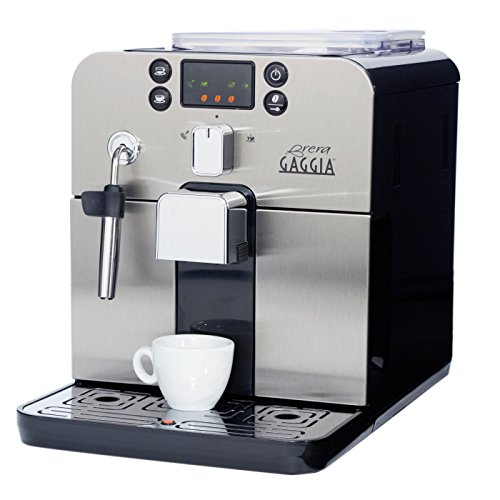
Best for tight counters
4. Gaggia Brera
A compact super automatic with a manual steam wand and simple buttons. It is built for people who mainly want espresso and a basic milk drink. Check the listing for the hopper and tank size.
Suits: tight counters. Strengths: small footprint and simple operation. Weaknesses: no automatic milk. Skip it if you want one-touch lattes.

Best for people trying bean to cup for the first time
5. De’Longhi Magnifica S
A long-running entry-level bean to cup machine with a manual steam wand and a removable brew unit. It is one of the most familiar names in the category. Parts and filters are widely sold.
Suits: people trying bean to cup for the first time. Strengths: a proven design. Weaknesses: basic controls. Skip it if you want a large drink list.
View De’Longhi Magnifica S on Amazon
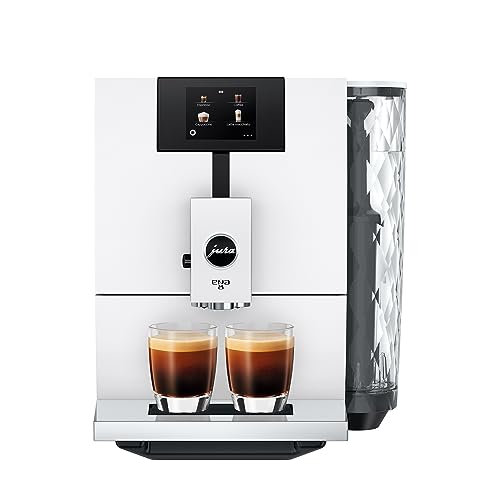
Best for quality-focused buyers who want a small footprint
6. Jura ENA 8
A compact premium-leaning machine from a Swiss brand, with a touch display and automatic milk system. It sits at the upper end of this guide, so check the listing carefully. Check the milk system details on the variant.
Suits: quality-focused buyers who want a small footprint. Strengths: a respected brand and solid build. Weaknesses: it is the stretch pick here. Skip it if you want the most affordable choice.
Care and Setup
- Use filtered water and descale as scheduled.
- Remove and rinse the brew unit when the maker advises.
- Empty the drip tray and grounds drawer daily.
- Keep the bean hopper free of moisture.
Mistakes to Avoid
- Choosing a machine by drink count instead of grinder quality.
- Using bargain beans that are old and oily.
- Never cleaning the milk system.
- Assuming budget machines need no maintenance.
Where a Limited Budget Should Go First
When money is limited, the parts that touch the coffee deserve priority over the parts that look impressive. The grinder comes first, because it determines how evenly the beans are ground, and uneven grounds lead to sour, bitter or weak shots no matter how good the rest of the machine is. Look for burrs rather than blades, and for a grinder that can be adjusted. The next priority is the brew unit, the mechanism that presses and brews the coffee. A brew unit you can remove and rinse is easier to keep clean and to keep working for years.
Next come the water system and the pump. A machine that heats water to a stable temperature and delivers it with steady pressure gives a more consistent cup. These details are rarely advertised in detail, so look at what the listing says about the heating system and read owner feedback for patterns of reliability.
What can wait are the extras: a large color touchscreen, dozens of drink presets, user profiles and app connectivity. They are pleasant, but they do not improve the coffee. If you mostly drink one or two kinds of drink, a simple interface is easier to use and less likely to break. Spend on fundamentals first, and add convenience only if funds allow.
Manual Wand Versus Automatic Milk at This Level
Milk systems vary a great deal in cost and convenience. A manual steam wand is a simple, low-cost feature. It gives you control, lets you make as much or as little milk as you like, and it has few parts to clean. The price is skill and time, since you must learn to texture milk and clean the wand after each use.
An automatic milk system draws milk through a tube from a carton or jug, then froths and dispenses it. It makes a latte with a single touch, but it has more parts, tubes and seals to clean. Some designs can be rinsed quickly under a tap, and others need a longer cleaning routine. Think honestly about whether you will take the time to clean it. A milk system that is skipped will cause smell and taste problems.
Consider how often you drink milk drinks. If you have a flat white every morning and a household that agrees, automatic milk may be worth the extra cost. If you mostly drink black coffee or only occasionally have milk, a wand or even a separate frother can be a better use of money. Check the listing for what the milk system includes, and whether it can be removed and washed.
Running Costs and Consumables
The purchase price is only part of owning a machine. Over time, you will spend on beans, filters, descaler, cleaning tablets and sometimes replacement parts. Before you buy, check what the machine needs and how easy those items are to find. A model that uses a common filter and descaler is cheaper to maintain than one that needs specialized items.
Beans are the biggest ongoing cost. A super automatic uses whole beans, so buy fresh beans in quantities you will use within a few weeks. Avoid very oily dark roasts and flavored beans unless the maker says they are suitable, since oils and coatings can clog grinders. Store beans in an airtight container away from heat and light, and fill the hopper with only a few days’ worth if the machine sits near a window.
Energy use is modest, but check whether the machine has an auto-off setting, which saves power and protects the machine. Cleaning cycles use water and tablets, so budget for these.
Think about parts and support. Brew units, seals and pumps wear out eventually. Check whether replacement parts are sold and whether service is available in your area. A model with good support may cost a little more to buy but less to keep running.
Size, Noise and Fit in the Kitchen
Budget machines are not necessarily small, so measure the space. Check width, depth and height, and leave room above for refilling the bean hopper and the water tank. Check whether the tank is removable, and where the drip tray and grounds drawer are, since you will empty them often. A machine that is awkward to clean tends to be cleaned less.
Noise varies between models and is hard to judge from a listing. Grinding is the loudest part, and some machines are quieter than others. If you share a home with light sleepers or work from a nearby desk, read owner feedback for comments on noise, and consider the location.
Cup clearance is another practical point. Check the maximum height of the cup that fits under the spout, since tall mugs or travel cups may not fit. Many machines have adjustable spouts, but not all. If you use a large mug, make sure it fits before you buy.
Finally, think about appearance and materials. Plastic bodies are common at this level, and metal accents add style but not necessarily quality. Look at how the controls feel and how the machine is built. A solid, well-fitted body is a good sign of care in manufacturing.
Warranty, Support and Avoiding False Economy
A cheaper machine that fails early is no bargain. Read the warranty terms, and check how long cover lasts and what it includes. Some warranties exclude descaling-related faults, and some require you to follow a particular maintenance routine. Keep your receipt and record maintenance dates.
Look at the seller as well as the maker. A reliable seller with a clear return policy gives you a safety net if the machine is faulty on arrival. Test the machine soon after delivery, run the rinse cycles and check for leaks, odd noises and weak flow, so you can return it quickly if there is a problem.
Be wary of listings that have vague titles, mismatched photos or model numbers that do not line up with the maker’s site. Compare the listed model with the manufacturer’s information, and make sure you are buying the variant you want.
False economy often shows up in the details: skipping a water filter that would prevent scale, using unsuitable beans, or ignoring cleaning prompts. A little care protects a modest machine and extends its life. If you are unsure between two machines, prefer the one with better support and simpler maintenance. A well-maintained basic machine will outlast a neglected advanced one.
Where the Money Goes in Each of These Six Picks
Super automatic machines promise the same thing, one-touch coffee, yet the six here deliver it with different priorities. The De’Longhi Dinamica is built around convenience in milk drinks, where the system handles frothing and cleaning with the least daily fuss. The Gaggia Anima Prestige balances a broad drink menu with straightforward controls, a combination that suits households where several people make their own drinks. The Philips 5400 LatteGo leans toward a more traditional coffee-house feel, with adjustment that rewards the drinker who likes to fine-tune. None is simply better; they are answers to different mornings.
The second half of the list sharpens the contrasts. The Gaggia Brera is the minimalist’s machine, compact and focused on black coffee done well rather than a long menu. The De’Longhi Magnifica S adds connectivity and profiles for households that enjoy them, while the Jura ENA 8 brings the same one-touch idea down to the most accessible level in this guide, accepting simpler milk handling and fewer refinements. If two people in a home disagree about what matters, the honest compromise is usually the machine whose daily cleaning both will actually do.
Judge them across a week, not a single cup. A machine that delights on Saturday but annoys on a rushed Tuesday will slowly be bypassed for a kettle. Count the steps from switching on to drinking, including rinsing and emptying, and weigh them as heavily as flavor. Flavor differences between well-set-up machines in this class are real but smaller than the difference between a machine that fits your routine and one that fights it. That is the lens this guide applies to every pick, and it is why placement, tank access and drip tray size get as much attention as drink quality.
Dialing In: Beans, Grind and the First Fortnight With a New Machine
Every super automatic needs a settling-in period, and expecting café results from the first cup is the most common new-owner mistake. Start with fresh, medium-roast beans from a roaster you trust, and avoid very oily beans at first, since heavy oils coat grinders and feed unevenly in many home machines. Make one drink at the default settings, taste it, then change a single variable at a time: grind a step finer, or strength a step higher, and taste again. Changing three settings at once teaches you nothing and usually ends in a worse cup than you started with.
Keep brief notes during those first weeks. Record the bean, the grind setting, the strength setting and a word or two about the result. Patterns emerge quickly: many households find their answer within a small range and then leave the settings alone for months, adjusting only when a new bean arrives. If shots run fast and taste thin, finer grind and a touch more coffee is the usual direction; if they drip slowly and taste harsh, coarser is the first move. Water matters as well, and a machine filled from a filter jug often tastes cleaner than one filled straight from a hard-water tap.
Give the machine its break-in grace. Brew groups, seals and grinders settle with use, and early cups are rarely the machine’s best. By the end of the first bag of beans, you should know your settings, your cleaning rhythm and whether the milk system suits your drinks. If a household member still reaches for another brewing method every morning, talk about why honestly; sometimes a different pick from this list, such as the simpler Gaggia Brera or the more automated De’Longhi Dinamica, matches the home better than persistence with a mismatch.
Milk on a Budget Machine: Systems, Shortcuts and Hygiene
Milk is where super automatics earn or lose their reputation, because milk residue is both a flavor problem and a hygiene problem. Whichever system your pick uses, the rule is the same: milk that has been heated must not sit in tubes, jugs or wands waiting for the next drink. Rinse or run the maker’s cleaning cycle straight after the last milk drink of a session, and refrigerate the milk container between uses rather than leaving it on the counter for the next round. A thirty-second habit prevents the stale, sour note that drinkers often blame on beans.
Technique still matters even when the machine does the work. Cold milk straight from the fridge froths best, and a clean, cold jug gives finer foam than a warm one rinsed in hot water. For manual wands, purge a short burst of steam before and after frothing to clear condensation and milk from the tip, and wipe the wand immediately while residue is still soft. For automatic systems, check that the milk intake is fully submerged and the tubes are kink-free before blaming the machine for coarse foam; air leaks at a loose connection are a frequent, invisible cause.
Choose your milk with the system in mind. Dairy milks froth most predictably, while plant alternatives vary widely by brand and formulation, with barista-style versions generally behaving best. If one household member drinks oat and another drinks dairy, a system with a removable, washable container is easier to keep sweet between users than one with long internal paths. The picks in this guide span that range deliberately, from the low-fuss approach of the De’Longhi Dinamica to the more hands-on style of the Philips 5400 LatteGo, so let your household’s milk habits steer the choice as much as the espresso itself.
Running Costs and Consumables: The Budget Beyond the Machine
The machine’s price is the start of the spending, not the whole of it. Beans are the largest ongoing cost and the one most worth protecting, because stale beans waste every other investment in the setup. Add water filters where the maker recommends them, descaling solution on the schedule your water hardness demands, and cleaning tablets or solution for the brew group and milk system. None of these is expensive alone, yet together they decide whether the machine stays pleasant in year two or slowly declines into sour, erratic drinks.
Electricity and waste are smaller but real. A machine left on all day for two drinks spends much of its life heating water nobody uses, so learn its standby and auto-off settings and set them to your pattern. Pucks and rinse water fill drip trays and bins faster in large households, which loops back to choosing a pick whose capacities match your headcount. The De’Longhi Magnifica S and Gaggia Anima Prestige style of machine, with generous trays and clear alerts, suits a busy kitchen precisely because the chores announce themselves before they overflow.
Protect the purchase with a simple record. Keep the receipt, note the date the machine went into service, and log descaling and filter changes on a card near the machine or in a phone note. If a fault appears, that record is the difference between a smooth warranty conversation and a vague one. When the machine eventually needs professional service, weigh the repair against its age and your satisfaction honestly; a well-kept super automatic that still makes drinks you enjoy is usually worth one proper service, while a neglected one with several faults is often better replaced by a current pick from this guide.
Extra Questions Readers Ask About Super Automatic Machines
How long should a super automatic last with home use?
With clean water, regular descaling and prompt milk hygiene, a home machine in this class should give years of daily service. Lifespan depends less on the calendar than on drink count and care: a machine making two drinks a day with filtered water lives a gentler life than one making ten with hard water and skipped descaling. Treat alerts as instructions rather than suggestions, keep spare seals and the maker’s cleaning supplies on hand, and most owners find reliability follows care more than brand.
Why does my coffee taste weaker than café coffee?
Home machines dose less coffee per drink than many cafés, and settings often start conservatively. Raise the strength setting, grind a step finer and use a smaller cup measure for a more concentrated result before concluding the machine is at fault. Fresh beans matter enormously; a bag opened weeks ago will taste flat in any machine. Finally, check the cup temperature, because coffee served into a cold thick cup loses both heat and perceived intensity. Warm the cup and the same drink usually tastes noticeably stronger.
Can I use pre-ground coffee in these machines?
Most picks here provide a bypass chute for a measured scoop of pre-ground coffee, intended for the occasional decaf or guest coffee rather than daily use. Use only the amount the manual specifies, never force more, and never put instant coffee or flavored grounds through the chute. Whole beans remain the better route for flavor and machine health, since pre-ground coffee stales quickly and its fine, uneven particles can clog a chute. Think of the feature as a useful exception, not an alternative way to run the machine.
Household Peace: Sharing One Machine Between Different Drinkers
A family machine serves people who disagree about coffee, and designing for that disagreement is the real skill in choosing. One drinker wants a strong, small espresso; another wants a large milky drink; a third wants whatever is fastest before school. Machines with user profiles, like the De’Longhi Magnifica S, solve the settings argument elegantly, while simpler machines solve it socially, with a house standard everyone accepts and small manual tweaks for those who care. Either peace is real; choose the kind your household will actually keep.
Milk is where sharing gets delicate. Different milks in one container, a container left out between drinkers, or a wand shared without a purge are the usual sources of both off flavors and quiet resentment. Agree a simple house rule: milk goes back in the fridge, the system gets its quick rinse after the last milk drink, and whoever finishes the beans refills the hopper or leaves a note. Written on a card by the machine, these rules survive; left as assumptions, they dissolve within a month.
Teach every drinker the two-minute version of care, not just the coffee enthusiast who chose the machine. A household where only one person knows how to empty the grounds, respond to an alert or run a rinse is a household one holiday away from a neglected machine. The picks in this guide were chosen partly for learnability, and the most learnable machine in a real home often beats the most capable one that only its buyer understands.
When Results Disappoint: A Calm Order for Finding the Cause
When a super automatic’s drinks slip, work through the causes in the order of likelihood, not the order of expense. Beans first: a stale or newly changed bag explains most sudden declines, and no setting rescues old beans. Water second: an exhausted filter or a switch from filtered to hard tap water changes both flavor and the machine’s internal health. Settings third: confirm nobody has nudged the grind or strength while exploring, a common event in shared kitchens and the reason profiles exist.
Cleanliness fourth, and honestly. A brew group overdue for its rinse, a milk path carrying yesterday’s residue or a drip tray sensor confusing the machine can all present as coffee problems. Run the full cleaning cycle the maker prescribes before concluding anything is broken. Fifth, check the simple mechanics: hopper lid seated, water tank fully home, grounds bin properly inserted. Machines refuse or misbehave over these small unseated parts more often than over genuine faults.
Only then consider service, and go with information: what changed, when, what you have cleaned and what the machine reports. That brief, plus your descaling and filter record, lets a technician start at the real problem. If the verdict is a major repair on an older machine, compare it honestly with a current pick from this guide, weighing how well the old machine ever suited the household. Sometimes the right answer is the Jura ENA 8 simplicity you skipped the first time, bought now with experience instead of hope.
The First Service, Spare Parts and Knowing Your Machine’s Paperwork
Sooner or later a seal weeps, a grinder sounds different or a message appears that the manual explains in language nobody would choose. Owners who fare best in that moment share a small habit: they kept the machine’s paperwork together, receipt, model and serial details, and a note of every descale and filter change. That file turns a support call from archaeology into a conversation, and it is the difference between a part sent under warranty and an argument about dates.
Learn which parts your machine expects you to replace yourself: brew group seals, milk tubes, water filters and the occasional gasket are designed as owner-level items on most picks here. Keeping one set of the cheapest wear parts in a drawer means a Sunday-morning weep is a ten-minute fix rather than a week without coffee. Order parts by exact model variant, because near-identical machines in a range often take different seals, and a photograph of the old part beside the listing prevents most mistakes.
When a professional service is needed, describe symptoms, not diagnoses: what the drink does, what the machine says, what changed beforehand. Technicians work faster from evidence, and your cleaning and descaling log is the most useful evidence you own. Ask what was replaced and keep the old parts until the machine has run happily for a week; that small discipline closes the loop on repeat faults.
Treat the service history as part of the machine’s value. If you sell or pass the machine on, a documented, descaled, well-kept unit is a genuinely different object from an identical one with no history. The same logic applies when you buy: within this guide, the well-kept second-hand example of a higher pick can be a wiser purchase than a neglected new budget machine, provided its paperwork tells the same story as its condition.
A Final Decision Checklist Before You Buy
It also helps to decide in advance what would make you return or replace the purchase, because that decision is clearer before a box is open than after a week of hoping a mismatch improves. A fit that is wrong, a part that does not seal, seat or connect as described, or a result that falls short on the first honest test are all legitimate reasons to act quickly while returns are simple. Minor unfamiliarity is not; most products in this guide have a short learning curve, and the second or third use is the fairer test. Knowing the difference in advance protects both your money and your patience.
Finally, keep the paperwork and the product details together somewhere you will find them in a year: the exact model name, the date it went into use and any spare parts you bought with it. Future you, ordering a replacement part or checking whether a new accessory fits, will be grateful for thirty seconds of filing today. Good ownership in this category is mostly that, a series of small, unglamorous habits that keep a well-chosen product performing the way it did in its first week, long after the excitement of choosing it has faded.
One more check is worth making before you order: measure the space, surface or cupboard where this purchase will actually live, and compare those numbers with the product’s stated dimensions rather than its photographs. Listings are shot to flatter, and scale is the first casualty of flattering photography. A product that fits its home gets used daily; one that must be stored awkwardly, dragged out or worked around will be quietly resented within a month, however well it performs. Two minutes with a tape measure has saved more purchases in this category than any other single habit.
If you are buying for someone else, weight the forgiving end of this guide more heavily than you would for yourself. A gift succeeds when it fits the recipient’s routine without asking them to change it, so favor the pick that tolerates varied habits, washes easily and does not depend on accessories they do not own. Include the receipt or a note of the exact model, and mention care in one friendly sentence rather than a lecture. The best-regarded gifts in this category are the ones still in daily use a year later, and that outcome is decided by fit long before it is decided by quality.
And if two picks still seem equal after all of this, choose the one whose maker supports it better where you live: clearer documentation, easier spare parts and a range that stays available for replacements. Small differences in the product itself fade within weeks of use, while support is the gift that keeps arriving for years. That tie-breaker, applied calmly, ends most deadlocks in this guide, and it has the extra virtue of being right even when the products themselves are too close to call.
Before you settle on a final choice, run one last comparison against your own routine rather than against the marketing. List the three jobs your super automatic espresso machine will do most often, in the order you actually do them, and check the pick you favor against each one in turn. Most disappointment in this category comes from a product that excels at a job its owner rarely gives it, while being merely adequate at the daily task. A few minutes with that list is the cheapest insurance in the whole purchase, and it frequently moves readers one place up or down this guide’s list, which is exactly what a list is for.
Budget Super Automatic FAQ
Is a budget super automatic worth it?
For many households, yes. You trade a lavish interface for a capable grinder and brew unit at a friendlier cost.
Do cheaper machines make good espresso?
Many do. Fresh beans and clean machines matter as much as the model.
How do I stretch a budget further?
Buy a base model from a brand with good parts support, then spend on fresh beans and filtered water rather than extras.
What should I never skimp on?
A solid grinder and a removable brew unit. They affect taste and longevity more than screens do.
Are refurbished super automatics a good idea?
They can be, if the seller is reputable and offers a warranty and clear return terms. Ask what was inspected and replaced, and check that parts and support are available.
How noisy are these machines?
Grinding is the loudest part and varies by model. Check owner feedback for comments on noise, and consider where the machine will sit.
Do I need a water filter?
It is often recommended, especially in hard water areas, but follow the maker's guidance. A filter reduces scale and can improve taste, and it needs regular replacement.
Can I use pre-ground coffee?
Many machines have a bypass chute for pre-ground coffee, which suits decaf or a one-off cup. Check the listing, and use only the amount the manual advises.
How often should I clean the brew unit?
Follow the maker's schedule, which often involves a rinse every few weeks or after a certain number of cups. A removable brew unit makes this straightforward.
Is a larger bean hopper better?
Not always. A larger hopper holds more beans, but beans left for long periods lose freshness. Choose a size you can use within a couple of weeks.
Will a budget machine make true espresso?
Many produce a drink with espresso-style strength and crema, though results differ from a hand-operated machine. Fresh beans and clean equipment help a great deal.
How a Super Automatic Makes a Cup, Step by Step
Knowing what happens inside helps you judge which parts matter on a tighter budget. When you press a drink button, the machine grinds whole beans, measures the dose, and drops the grounds into a brew chamber. A piston tamps the grounds, the pump pushes hot water through them, and the spent puck is ejected into a waste bin. Many models then froth milk through a wand or a jug system.
Each stage affects the result. The grinder sets how evenly the coffee extracts. The brew unit sets how consistent the dose and pressure are from cup to cup. The heater sets water temperature, and the milk system sets whether a latte is a push-button affair or a manual task. Cheaper machines tend to simplify the stages that you notice least, such as display quality and the number of preset drinks, while keeping the core mechanics.
That is useful when you compare the models in this guide. A machine like the Gaggia Brera or the De’Longhi Magnifica S, with a manual steam wand and simple controls, spends its budget on the essentials. A model with a touch display and automatic milk, such as the Philips 5400 LatteGo, adds convenience on top. Neither approach is better in the abstract; it depends on what you value.
Beans That Suit an Automatic Grinder
Bean choice affects both flavor and machine health. Very oily, dark-roasted beans can leave residue on the grinder burrs and in the chute, which may lead to clogs and extra cleaning. Many makers suggest medium or medium-dark roasts for automatics, and some warn against flavored or heavily glazed beans. Check your manual for the maker’s guidance, since recommendations differ.
- Buy whole beans in small bags and use them within a few weeks of the roast date.
- Store beans in an airtight container away from heat and light rather than leaving them in the hopper for long periods.
- Avoid mixing different beans in the hopper if you want consistent flavor.
- If you change beans, adjust the grind setting gradually, one step at a time, with the grinder running.
Adjusting a grinder while it is not running can damage it, and most manuals say so plainly. Make small changes, then pull a couple of cups before you decide whether the new setting suits the bean.
Customizing Strength, Volume and Temperature
Even affordable super automatics offer a few controls worth understanding. Strength settings usually change how much coffee is ground per cup. Volume settings control how much water passes through. Temperature options, where offered, raise or lower the brew heat a little. Used together, they let you get from a short, concentrated drink to a longer, milder one.
A common mistake is to push strength to the maximum in search of a bolder cup. More coffee in the chamber can slow the flow and make the drink bitter, while a coarser grind with a moderate strength can taste smoother. Treat the grind setting as your main flavor lever and use strength as a fine adjustment.
Some models let you save profiles for different users, while others only remember the last settings. If several people share the machine, check whether the listing mentions saved drinks. It is a small convenience that matters when one person likes a tall, mild coffee and another prefers a short, strong one.
Descaling, Water Hardness and Machine Life
Water quality quietly shortens or extends a machine’s life. Hard water leaves mineral scale in the heater, tubing and pump, which can slow the flow, reduce heat and eventually cause faults. Soft or filtered water reduces that risk but should not be so pure that it lacks minerals entirely, because some machines rely on conductivity to sense the tank level.
Look up your local water hardness, often available from your utility, and set the machine to match if it has a hardness setting. Follow the maker’s descaling schedule, using the recommended descaler instead of home remedies, since some acids can harm seals. Ignoring the reminder lights is one of the most common reasons an otherwise sound machine fails early.
A tidy routine looks like this: empty and rinse the drip tray and grounds container daily, wipe the milk system after use, run rinse cycles when prompted, and descale on schedule. None of it takes long, and it is cheaper than a repair.
Questions to Ask Before You Order
- Is the brew unit removable so I can rinse it myself?
- Does the listing name the grinder type, and is the grind adjustable?
- What milk options does my chosen variant actually include?
- Where can I buy the proper descaler, filters and cleaning tablets?
- Will the machine fit under my cabinets with the hopper lid open?
Frequently Asked Questions
What is the difference between a super automatic and a semi-automatic espresso machine?
A super automatic grinds, doses, tamps and brews at the press of a button. A semi-automatic leaves grinding, dosing and tamping to you, and often the timing too. Super automatics are faster and more consistent for daily use, while semi-automatics give more control and a bigger learning curve.
Can a super automatic machine make iced coffee?
Yes, in a practical sense. Most machines brew hot coffee that you can pour over ice, ideally a short, stronger drink so the ice does not dilute it too much. Few budget models have a dedicated cold setting, so check the listing if that feature matters to you.
How long does a budget super automatic usually last?
Lifespan depends on use, water quality and maintenance more than price alone. Regular cleaning and descaling help a lot, and heavy daily use wears parts faster. There is no reliable single figure, so look at the warranty length and how easy it is to get parts and service.
Can two people save different drinks on one machine?
Some models store user profiles, while others remember only a few presets or the last drink. The listing or manual should say which. If you share a machine, look for saved profiles or at least adjustable strength and volume per drink, so nobody has to reset the settings every morning.
The Short Version
For everyday lattes, the De’Longhi Dinamica. For Italian styling, the Gaggia Anima Prestige. For easy cleanup, the Philips 5400 LatteGo. For a compact option, the Gaggia Brera. For a simple start, the Magnifica S. For a stretch pick, the Jura ENA 8.


