Disclosure: topratedkitchenware.com is reader-supported. When you buy through links on our site, we may earn an affiliate commission from Amazon and other retailers, at no extra cost to you.
Where to buy
Two of the six ovens below state their pizza fit explicitly in their verified listings; the rest express capacity in pans, quarts, or format, quoted exactly as verified so you can match them against the pizzas you make. Check each listing, confirm your pizza size, and read the full reviews before deciding.
- Chefman Air Fryer 6-in-1 XL 14-Quart
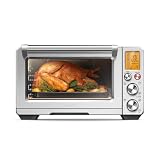
- Breville Smart Oven Air Fryer Pro BOV900
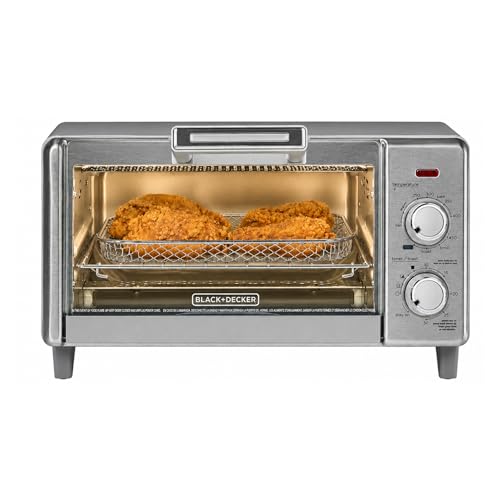
- BLACK+DECKER TO1313SBD Toaster Oven
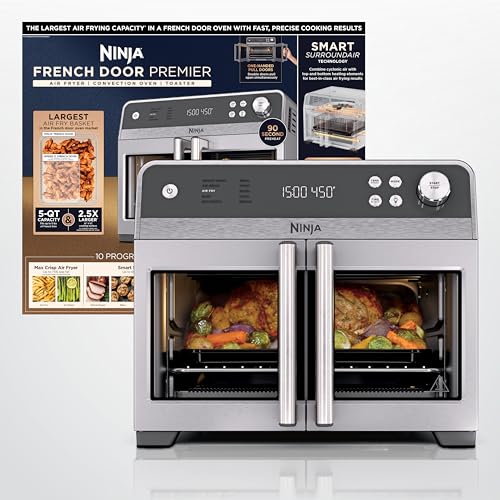
- Oster Extra-Large French Door Air Fryer Countertop Oven
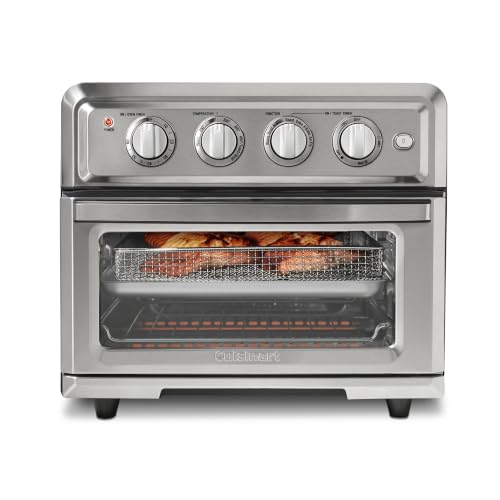
- Cuisinart Air Fryer Toaster Oven Combo TOA-55
- Emeril Lagasse 26QT French Door Air Fryer Toaster Oven
Read the full guide ↓ for dough handling, sizing rules, and the heat strategy that makes countertop pizza genuinely good.
Introduction: Finding the best toaster ovens for pizza
The best toaster ovens for pizza earn the title on three kinds of evidence: a cavity that fits the pizzas you actually make, heat strong and even enough to set a crust while cheese browns, and controls that let you repeat the result next week. Pizza is the most revealing food you can cook in a countertop oven, because it combines a wet topping load with a base that must crisp — opposite demands in a small box. This guide covers six verified ovens for the full pizza life of a household: frozen pizzas on weeknights, fresh dough on weekends, and reheated slices in between. Two picks state their fit outright — the Cuisinart TOA-55 fits a 12-inch pizza per its listing, and the compact BLACK+DECKER fits a 9-inch — while the larger-format picks state capacity in quarts, pans, or presets, and we quote them exactly that way.
If your pizza life is exclusively frozen, our dedicated guide to Best Toaster Ovens Frozen Pizza goes deeper on crust science for freezer-aisle pies. If counter space is your binding constraint, read Best Toaster Ovens For Small Spaces alongside this one. What follows is the complete picture: quick picks, our selection method, detailed reviews with honest limits, a comparison table, a buying guide, a step-by-step pizza method, and the mistakes that ruin more home pizzas than any oven ever has.
Key Takeaways
- Stated pizza fit beats inferred capacity: the Cuisinart TOA-55 lists a 12-inch fit and a 450°F maximum.
- The compact BLACK+DECKER fits a 9-inch pizza — perfect for personal pizzas, wrong for standard frozen pies.
- The Oster’s verified pan fit, 15 x 12 inches, signals a wide cavity for large pizzas and trays.
- Preheating the oven — and a pan or steel if you use one — is the single biggest quality lever for crust.
- Convection shortens cook time; the Breville listing credits its convection with up to 30% faster cooking.
- Fresh dough, frozen pizza, and reheated slices are three different jobs; the guide treats them separately.
In this guide
Quick Picks
| Pick | Badge | Standout trait from verified listing | Link |
|---|---|---|---|
| Chefman Air Fryer 6-in-1 XL | Best Windowed Door | XL 14-quart, touchscreen, windowed door, bake function | Check on Amazon |
| Breville Smart Oven Air Fryer Pro | Best Premium | 13 functions, convection up to 30% faster per listing | Check on Amazon |
| BLACK+DECKER TO1313SBD | Best Compact for Personal Pizza | Fits a 9-inch pizza, timer, stay-on, removable crumb tray | Check on Amazon |
| Oster Extra-Large French Door | Best for Large Pans | Fits 15 x 12 inch pans, 6 presets, auto-shutoff | Check on Amazon |
| Cuisinart TOA-55 | Best Verified Pizza Fit | Fits a 12-inch pizza, 1800W, max 450°F, 0.6 cu. ft. | Check on Amazon |
| Emeril Lagasse 26QT French Door | Best Extra-Large Capacity | 26QT, 24 one-touch presets, six accessories included | Check on Amazon |
Daily bread performance still matters in a pizza oven; see Best Toaster Ovens For Toast if breakfast shares the appliance.
How These Picks Were Chosen
This guide is research-led and built from verified data. Every pick was confirmed through Amazon’s Creators API on 2026-11-20 — brand, model, functions, capacity language, and image — and only confirmed picks carry links. For pizza, our filter required a genuine bake capability in every pick and favoured ovens whose verified capacity language speaks to wide, flat food: stated pizza fits where available, pan dimensions, quart capacity, and extra-large formats. We quote each claim in the listing’s own terms and flag clearly where a fit is stated versus where you must verify diameter yourself; inventing a pizza size for an oven would be the easiest and worst mistake a guide like this could make.
The six picks spread across the pizza spectrum: a windowed XL air fryer oven you can watch, a premium 13-function smart oven, a compact personal-pizza specialist, a wide-pan French-door family oven, the explicitly 12-inch-verified Cuisinart, and a 26-quart preset-rich Emeril for maximum capacity. Two standing rules apply: no static prices anywhere — check current figures through the links — and no fixed ratings or review counts, which change daily. Specs, functions, and fits are what endure, so they carry this guide.
The 6 Best Toaster Ovens for Pizza

Chefman Air Fryer 6-in-1, XL 14-Quart
Badge: Best Windowed Door
Strengths
- Windowed door lets you judge cheese browning without opening the oven
- Bake function present in the verified listing — the core pizza requirement
- XL 14-quart convection format suits wide, flat food
Trade-offs
- Capacity stated in quarts, not pizza inches — verify your pizza diameter
- Air-fryer-oven format differs from a classic toaster oven layout
- Touchscreen controls only
Mini spec box: Functions: 6-in-1 including bake, broil, reheat, rotisserie, dehydrate, convection oven · Capacity: XL 14-quart · Controls: touchscreen · Door: windowed · Finish: Black
A note on consistency: in this site’s toast guides, the Chefman appears in prose only because its listing does not name a toast function. Pizza is a different job with a different core requirement — baking — and bake is explicitly among this oven’s listed functions, so here it earns its link on the evidence. Its pizza virtues are real: convection circulation for even top heat, an XL format for wide food, a reheat function that rescues next-day slices, and above all that windowed door. Pizza’s final minutes decide its quality, and watching cheese bubble and spot through glass, without dumping heat by opening the door, is a genuine technique advantage. Verify diameter before ordering, since Chefman speaks in quarts; then preheat thoroughly and let the window do the monitoring.
Best for: watchful pizza cooks who value visibility / Not suited for: buyers who need a stated pizza-inch fit
Breville BOV900 Smart Oven Air Fryer Pro
Badge: Best Premium
Strengths
- 13 functions in a premium smart-oven platform
- Convection reduces cook time by up to 30% per the verified listing
- Brushed stainless build for a permanent counter position
Trade-offs
- No pizza-inch fit stated in the listing — verify diameter
- Premium-tier positioning
- Convection speed demands early checking on pizza
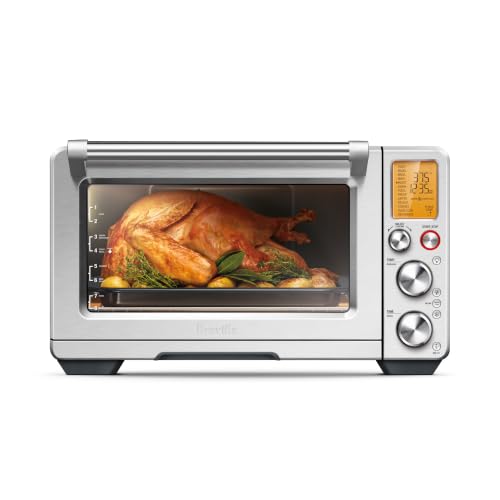
Mini spec box: Functions: 13 including roast, bake, dehydrate, air fry · Technology: convection, up to 30% faster per listing · Finish: Brushed stainless steel
The Breville is for the cook who makes pizza from dough, not only from a box. A serious baker’s oven — precise, powerful, with convection that the listing says cuts cook time by up to 30% — gives fresh dough the enveloping heat it needs to spring in the first minutes and set before toppings weigh it down. That same convection demands respect: start checking fresh and frozen pizzas alike several minutes before your usual timing, because faster heat is only an advantage if you are watching. The 13-function breadth means the purchase is really about a countertop cooking platform — roasting, baking, dehydrating, air frying — with pizza as one of its best tricks. Verify your pizza diameter against the listing, preheat with conviction, and this is the premium route to countertop pizza.
Best for: dough-from-scratch cooks wanting a premium platform / Not suited for: buyers wanting a stated fit or a simple oven
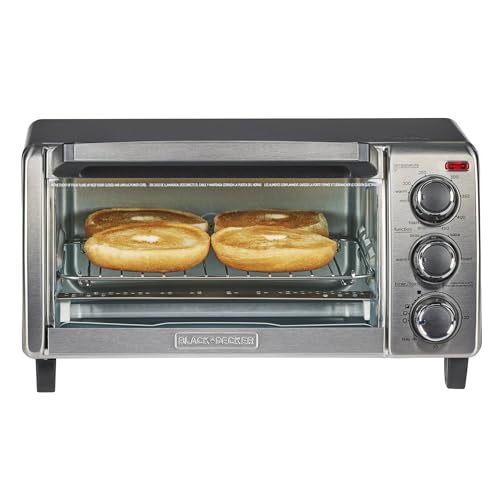
BLACK+DECKER TO1313SBD Toaster Oven
Badge: Best Compact for Personal Pizza
Strengths
- Verified listing states it fits a 9-inch pizza
- Compact convection format heats fast and suits one or two people
- Removable crumb tray keeps pizza-debris cleanup simple
Trade-offs
- Standard 12-inch frozen pizzas do not fit — personal sizes only
- No air fry headline function or digital presets
- Small cavity means one pizza at a time, always
Mini spec box: Format: compact convection oven, 15.47 inch · Pizza fit: 9-inch (stated in listing) · Controls: timer, stay-on function · Tray: removable crumb tray · Finish: Silver
Not every pizza household needs a 12-inch oven. For one person, a couple who prefer personal pizzas with different toppings, or a small kitchen where the oven doubles as the daily toaster, this compact BLACK+DECKER is the proportionate choice — and its listing is admirably clear that a 9-inch pizza is the fit. Personal pizzas have real advantages: everyone gets their own toppings, small pizzas cook quickly and evenly, and the oven’s fast-heating small cavity matches the scale of the meal. The honest limit is printed in the spec box: bring home a standard frozen pizza and it will not fit. Buy this oven for the pizza life you actually live at small scale, and it will serve that life well; buy it hoping to stretch it to family-size pies and you will be disappointed weekly.
Best for: singles and couples making personal pizzas / Not suited for: standard 12-inch frozen pizza households

Oster Extra-Large French Door Air Fryer Countertop Oven
Badge: Best for Large Pans
Strengths
- Fits 15 x 12 inch pans per the verified listing — a genuinely wide cavity
- French doors make loading large, flexible pizzas safer
- Auto-shutoff timer and six presets suit busy family kitchens
Trade-offs
- Extra-large footprint demands a wide counter
- Pan fit is stated, pizza diameter is not — still measure your pizza
- More oven than a small household needs
Mini spec box: Capacity: extra-large, fits 15 x 12 inch pans · Presets: 6 cooking presets · Timer: auto-shutoff · Doors: French doors
Pan dimensions are an underrated capacity language, and the Oster speaks it clearly: a cavity that accepts a 15 x 12 inch pan is a wide workspace, the kind that takes a large pizza, a tray of nachos, or a sheet of roasted vegetables without negotiation. For pizza specifically, width plus French doors is the combination that matters — the pizza goes in flat, comes out flat, and never has to be tilted over a hot drop-down door. Six presets give a family a shared starting point, and the auto-shutoff timer covers the distracted cook. Measure your largest pizza against that pan footprint before ordering, since Oster states pans rather than pizza inches, and give the oven the wide counter it requires; in return it becomes the family’s pizza and party-food engine. Readers balancing this against daily bread should cross-check Best Toaster Ovens For Toasting Bread.
Best for: families and entertainers cooking large formats / Not suited for: small counters

Cuisinart Air Fryer Toaster Oven Combo, TOA-55
Badge: Best Verified Pizza Fit
Strengths
- Verified listing states it fits a 12-inch pizza
- Maximum temperature of 450°F and 1800W power for serious crust heat
- 0.6 cu. ft. cavity with convection and a removable crumb tray
Trade-offs
- 450°F heat demands attention in the final minutes
- Countertop footprint matches its family-size cavity
- Stainless exterior needs regular wiping
Mini spec box: Functions: 7-in-1 · Power: 1800W · Max temperature: 450°F · Capacity: 0.6 cu. ft. · Pizza fit: 12-inch (stated in listing) · Tray: removable crumb tray · Finish: Stainless steel
This is the guide’s certainty pick. The TOA-55’s verified listing assembles everything a pizza buyer wants to read in one place: it fits a 12-inch pizza, it reaches 450°F, it pushes 1800W, and its 0.6 cubic foot cavity with convection wraps that heat around the food. In pizza terms, that combination means a standard frozen pizza fits without trimming or tilting, fresh dough gets the hot start it needs, and the top heat is strong enough to brown cheese properly rather than merely melting it pale. The removable crumb tray handles the debris that pizza cooking inevitably sheds. If you want one recommendation to act on without further research, this is it — the fit is stated, the heat is stated, and the rest of the 7-in-1 set covers the everyday cooking around pizza night. Evenness purists can compare its daily toast behaviour in Best Toaster Ovens For Toasting Bread Evenly.
Best for: most households wanting a stated fit and real heat / Not suited for: tiny counters
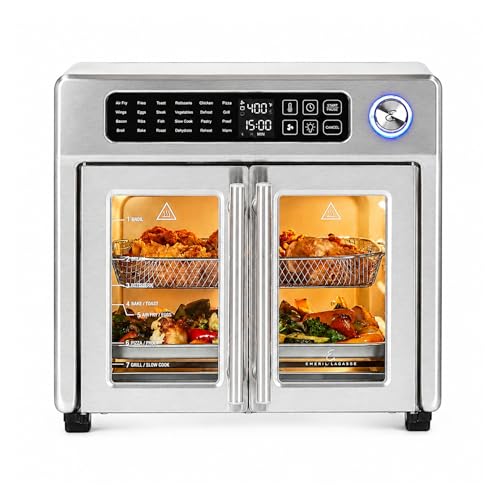
Emeril Lagasse 26QT French Door Multi-Function Air Fryer Toaster Oven
Badge: Best Extra-Large Capacity
Strengths
- 26QT extra-large interior, the biggest capacity cue in this guide
- 24 one-touch presets give every household cook a starting point
- Six cooking accessories included, per the verified listing
Trade-offs
- Extra-large body needs a permanent, wide counter home
- Pizza diameter not stated — verify against the interior
- Preset abundance can overwhelm a keep-it-simple cook
Mini spec box: Capacity: 26QT, extra-large interior · Presets: 24 one-touch options · Accessories: six included · Doors: French door · Format: Countertop convection cooker
When the pizza brief expands to include parties, teenagers, and second pizzas, capacity stops being a spec and becomes the experience. The Emeril 26QT’s extra-large interior and French doors are built for that scale, and its 24 one-touch presets mean the household’s least experienced cook can still produce a respectable pizza while the experienced cook is elsewhere. Six included accessories, per the listing, mean the oven arrives ready to work rather than waiting on additional purchases. The cautions are about fit, in both senses: verify your pizza’s diameter against the interior since the listing speaks in quarts and presets rather than pizza inches, and verify your counter against the oven, because a 26-quart appliance is a piece of furniture as much as a gadget. Non-food bakers in the household should keep their projects in a separate dedicated oven, as Best Toaster Ovens For Polymer Clay explains.
Best for: big households and frequent entertainers / Not suited for: small kitchens or minimalists
Comparison Table
| Model | Capacity cue (as listed) | Pizza-relevant trait | Link |
|---|---|---|---|
| Chefman XL | XL 14-quart | Windowed door, bake + convection | Check on Amazon |
| Breville BOV900 | Countertop format | Convection up to 30% faster per listing | Check on Amazon |
| BLACK+DECKER TO1313SBD | Fits 9-inch pizza (stated) | Compact convection | Check on Amazon |
| Oster Extra-Large | Fits 15 x 12 inch pans | French doors, wide cavity | Check on Amazon |
| Cuisinart TOA-55 | Fits 12-inch pizza (stated), 0.6 cu. ft. | 450°F max, 1800W | Check on Amazon |
| Emeril 26QT | 26QT extra-large | 24 presets, French doors | Check on Amazon |
How to Choose a Toaster Oven for Pizza
Size first, and size honestly. Decide which pizza defines your household: the standard frozen pizza at around 12 inches, the personal 9-inch format, or fresh dough you stretch yourself to whatever the oven allows. Then read capacity claims in their own units. A stated pizza fit is a direct promise. Pan dimensions, like the Oster’s 15 x 12 inches, describe a rectangle your round pizza must fit inside with margin. Quarts, like the Chefman’s 14 and the Emeril’s 26, describe volume and correlate with width only loosely — a tall cavity can hold many quarts and a modest pizza. When a listing gives interior dimensions, use them; when it does not, treat the purchase as a measurement to confirm on arrival, not a fact to assume.
Heat second. Pizza rewards the hottest, most even environment a countertop oven can offer: the Cuisinart TOA-55 states a 450°F maximum, and convection systems like Breville’s move that heat across the surface so cheese and crust finish together. Third, think about loading. A cooked pizza is wide, hot, and floppy; French doors and wide openings reduce the drama, and a windowed door like the Chefman’s lets you time the finish without opening. Finally, match the oven to your pizza frequency. Weekly pizza justifies capacity and heat; monthly pizza argues for the oven that serves your daily cooking best and handles pizza capably within it.
How to Make Great Pizza in a Toaster Oven: The Full Method
For frozen pizza: preheat the oven completely on bake or convection bake, place the pizza centred on the middle rack or a preheated pan, cook until the cheese is spotted and the crust sounds crisp when tapped, rotate once if browning is uneven, and rest two minutes before cutting. For fresh dough: bring the dough to room temperature so it stretches without snapping back, stretch or roll it on a floured surface to your oven’s size, and go lighter on sauce and toppings than instinct suggests — excess moisture is the enemy of a crisp base in a small oven. Preheat with the pan or tray inside so the dough meets a hot surface, assemble quickly, and bake hot and fast, watching the rim for colour. A light dusting of flour or cornmeal under the dough prevents sticking and adds texture. For reheated slices: a moderate bake for a few minutes restores the crust; a microwave never will.
Sauce discipline deserves its own sentence: spread sauce thinly and leave a clean rim, because sauce that reaches the edge boils over, burns on the tray, and glues the pizza to its surface. Cheese should be distributed to the edges in a thinner layer than pizzeria habit suggests, since countertop ovens brown top-down and a thick cheese blanket insulates the base. Troubleshooting follows the pattern. Problem: pale, soft base → the surface was cold or the pizza was overloaded; preheat the pan and lighten toppings. Problem: burnt rim, raw centre → heat too fierce for thick dough; lower slightly, extend time, rotate halfway. Problem: cheese slides off when cut → you sliced too soon; rest the pizza so the cheese sets.
Cleaning is part of the method: empty the crumb tray after pizza sessions, wipe cheese drips once the oven cools, and never let baked-on cheese accumulate across weeks, because it will smoke through every future preheat and flavour everything with old pizza.
Fresh Dough in a Small Oven: What Changes
Fresh dough behaves differently from frozen pizza in ways that reward planning. It is alive with moisture and air, so it wants maximum initial heat to spring upward before the crust sets — the reason preheating the cooking surface matters even more for fresh than for frozen. Size your dough to the oven with restraint: a slightly smaller, thinner pizza cooked perfectly beats an ambitious one whose rim touches the walls and steams. Par-baking is the small-oven secret weapon for topped pizzas: bake the stretched dough with just sauce for a few minutes until it sets, then add cheese and toppings and finish. The base stays crisp, the toppings stay fresh, and the total result approaches what much larger ovens produce. Keep a small bench flour supply and a wide spatula or peel that fits your oven’s opening; tools sized to the appliance turn a fiddly transfer into a confident slide.
Toppings That Thrive — and Those That Need Help
Low-moisture toppings thrive in countertop ovens: cured meats that crisp at the edges, firm cheeses, olives, and thinly sliced onions that char sweetly. Watery vegetables — fresh tomatoes, mushrooms, courgette, peppers — release liquid as they cook and can pool on the surface; slice them thin, salt mushrooms briefly and pat them dry, and consider roasting peppers beforehand for pizza night. Fresh mozzarella is delicious and famously wet; tear it small, blot it, and use less than you think. Delicate toppings like basil, rocket, and prosciutto belong on after baking, warmed by the pizza rather than cooked by the oven. These adjustments are not fussiness — in a compact cavity with nowhere for steam to hide, moisture management is the whole craft, and it is learnable in two or three pizzas.
Common Buying Mistakes
Buying by quarts for a diameter problem is the classic error; a pizza is a disc, not a volume. Assuming a stated pan fit guarantees a stated pizza fit is its cousin — rectangles and circles negotiate differently. Skipping the preheat and blaming the oven for a soft base is the most common cooking mistake. Overloading fresh dough with sauce and cheese defeats any oven. And choosing a compact personal-pizza oven for a family frozen-pizza habit — or a 26-quart oven for a studio counter — is a mismatch no feature list can rescue. Measure the pizza, measure the counter, and let those two numbers lead.
Final Recommendation
Start with the Cuisinart TOA-55: stated 12-inch fit, 450°F heat, and convection in a family-size cavity make it the surest pizza choice here. Choose the Breville Smart Oven Air Fryer Pro if fresh dough and premium breadth define your cooking. Choose the BLACK+DECKER TO1313SBD if personal pizzas and a compact footprint are your honest scale. Preheat fully, manage moisture, rest before slicing — technique plus the right cavity is the whole recipe.
Sauce and Cheese: The Two Ingredients That Decide Everything
More home pizzas are ruined by sauce and cheese handling than by ovens. Sauce should be thicker than you would serve on pasta — a watery sauce is a crust’s worst enemy — and applied in a thin, even layer that stops short of the rim. If your sauce is loose, simmer it briefly to concentrate it, or spread it and let it sit on the dough for a minute, then blot the centre where it pools. Season the sauce itself rather than the finished pizza; salt and herbs cooked into the sauce distribute evenly, while last-minute sprinkling lands in patches. For frozen pizzas the sauce is already decided, which is precisely why brand choice matters so much in that aisle and why your timing log should record brands, not just minutes.
Cheese wants similar restraint. Low-moisture mozzarella is the workhorse because it melts without weeping; fresh mozzarella brings flavour and water in equal measure, so use it in small, blotted pieces, often mixed with the drier kind. Hard cheeses — parmesan-style and pecorino-style — are finishing cheeses: a snowfall after baking adds salt and aroma without insulating the base. Distribute cheese in a thinner layer than pizzeria instinct suggests, with slightly more at the rim where heat is fiercest and the crust can support it. If your cheese habitually browns in spots while staying pale elsewhere, the fix is usually distribution and a halfway rotation, not more cheese. Master these two ingredients and the oven you already own will seem to improve — the surest sign that technique, not hardware, was the bottleneck.
Make-Ahead Dough and Freezer Strategy for Pizza Households
Households that make pizza often eventually adopt a rhythm: dough made in a double batch, portioned, and frozen in lightly oiled bags or containers. Frozen dough, thawed slowly in the refrigerator overnight and then rested at room temperature until supple, produces weekend pizza with weekday effort. Label portions with the date and size — “for the Cuisinart” is a real and useful label in a house with one oven size — and rotate stock so no dough ages into off flavours. Par-baked bases freeze beautifully too: bake stretched dough briefly until set but pale, cool, wrap, and freeze; on pizza night they go from freezer to topped to baked with almost no notice, rivalling frozen commercial pizzas for speed while tasting like your own.
Keep a small standing kit near the oven: flour for dusting, cornmeal if you like its texture, a wide spatula or small peel that fits the opening, and the board the pizza lands on. Pizza night friction is mostly tool-hunting; eliminate it once and the ritual becomes as easy as it is enjoyable. For guests with dietary differences, personal-size bases — the compact BLACK+DECKER’s 9-inch world — let everyone build their own, which solves preferences, allergies, and picky children in a single stroke. The oven is the engine of all of this, but the system around it is what turns an appliance into a household tradition.
Hosting Pizza Night With One Countertop Oven
One oven and several guests sounds like a bottleneck until you sequence it. Serve pizzas in waves rather than waiting to present them all at once: the first pizza is sliced and eaten while the second bakes, which keeps every pizza at its peak instead of holding finished ones until they soften. Stretch and top the next base while the current one cooks, using the bake time as your prep window. Keep finished slices warm only briefly and on a rack, never stacked, and set expectations cheerfully — pizza bars where guests build personal pies turn the sequencing into entertainment rather than delay. Salads and starters cover the first hungry minutes. By the second wave, the cook has usually joined the table in spirit, timer within earshot, and the evening has the pleasant rhythm of a small pizzeria with one very dedicated oven.
Capacity choices echo here: the Emeril 26QT and the Oster’s wide cavity shorten the waves for a crowd, while compact ovens suit couples who host rarely. There is no wrong answer, only the match between your oven and your social life — one more reason this guide insisted on measuring both your pizza and your counter before falling for any feature list.
Stones, Steels, Pans, and Bare Racks: Choosing a Baking Surface
The surface under your pizza shapes the crust as much as the oven does. Cooking directly on the rack gives frozen pizzas their crispest base and lets moisture escape downward, at the cost of occasional drips to clean. A preheated metal pan or tray is the forgiving middle ground — easier loading, easier removal, a slightly softer underside. Perforated pizza pans try to split the difference, supporting the pizza while venting its base. Baking stones and steels, beloved of serious pizza makers, store heat and deliver it to the crust on contact, producing the most decisive bottom browning — provided they fit your cavity with clearance and are preheated for a long time, which suits planned pizza nights better than spontaneous ones. In a countertop oven, always confirm a stone or steel’s dimensions against the interior, including door swing, and remember that a heavy, screaming-hot steel must be loaded and unloaded with total confidence in a compact space.
For most households, the sensible progression is: master the rack and the pan first, because technique transfers; add a stone or steel later if pizza becomes a genuine hobby. Money spent on a surface before the basics are habits is usually wasted, while the same purchase after twenty pizzas feels transformative. Whichever surface you choose, keep it clean and dry — a greasy, debris-covered surface steams the next crust and smokes through the preheat, quietly undoing your good technique.
Leftover Pizza, Reinvented
A good pizza oven also rescues pizza’s second life. Cold slices reheat into something close to their original glory with a few minutes of moderate bake, as this guide’s method describes. Beyond reheating, leftover slices chop into crouton-like bites for salads and soups, layer into a pizza strata with eggs for a weekend brunch, or crisp into the base of an open-faced sandwich. None of this is necessary, but it reframes the countertop oven as the centre of a small, thrifty pizza economy in your kitchen — buy or make pizza once, enjoy it in three forms, waste none of it. Households that cook this way tend to keep their ovens for years, because the appliance stops being a single-dish gadget and becomes infrastructure.
Regional Styles at Countertop Scale
Different pizza traditions stress an oven differently, and knowing your favourite style sharpens your choice. Neapolitan-style pizza, with its leopard-spotted rim and supple centre, is the most demanding — it craves the fiercest heat, and countertop ovens approximate rather than replicate it; manage expectations and enjoy a very good, if not Naples-true, result from the hottest settings here. New York style, thin and foldable with a crisp-yet-pliant base, suits these ovens beautifully, especially on a preheated pan or steel. Detroit-style, baked in a rectangular pan with cheese to the edges for a caramelised crust wall, maps naturally onto the Oster’s wide, pan-friendly cavity. Chicago deep-dish is a long, moderate bake in a deep pan — a test of even, sustained heat rather than peak temperature, and a reminder to size the pan to the cavity before committing. Tavern-style thin and crispy pizzas forgive almost everything and reward convection. Name your style, and the right oven in this guide usually names itself.
There is pleasure in letting the oven you own steer your style for a while. A compact 9-inch oven makes a household fluent in personal tavern-style pies; a wide French-door oven invites Detroit experiments. Constraints, in pizza as in much of cooking, are often just creativity wearing an apron.
Safety and Cleanup Around a Hot, Cheesy Appliance
Pizza combines high heat, molten cheese, and wide, awkward loads — a trio that deserves a calm routine. Load and unload with two dry mitts, never one hand and optimism. Keep children and pets out of the swing of the door during transfers, and land the pizza on the prepared board immediately rather than improvising a destination mid-carry. Cheese that drips onto a hot element will smoke; if smoke appears, switch off, let the oven cool, and clean before the next use rather than pushing through and flavouring the whole pizza with burnt cheese. After cooking, resist cleaning a hot interior with a wet cloth — steam burns are the classic countertop-oven injury — and instead wipe once the surfaces are warm, not hot. A clean oven is not a cosmetic preference: it preheats without smoking, browns without off-flavours, and makes the next pizza night feel effortless, which is the entire reason the appliance earned its counter space.
Store pizza tools — cutter, spatula, board — within one step of the oven, and keep the crumb tray on a weekly emptying rhythm even if pizza is your only crumb source. Small systems, maintained without drama, are what separate the households that love these ovens from those that quietly stop using them by spring.
Judge your progress kindly. Your first countertop pizzas will be good; your tenth will be noticeably better, not because the oven changed but because you learned its hot spots, its true preheat time, and its favourite rack position. Keep the little log this guide keeps recommending — pizza, setting, minutes, verdict — and the learning becomes visible on paper. Within a month, most households find their oven’s pizza surpasses the delivery default on the two measures that matter on a weeknight: it is faster, and the crust is better. That is the whole promise of the category, and every pick in this guide can keep it, provided the size is right and the preheat is real.
A Note on Flour, Dusting, and the State of Your Counter
Pizza making is floury work, and a small countertop oven concentrates the ritual into a compact station. Keep a small container of flour at the station for dusting hands and surfaces, and a bench brush for sweeping the inevitable drift into the bin before it reaches the floor. Dust the peel or spatula, not just the dough, and use a confident, short shuffle to test that the pizza moves freely before you commit to the transfer — a pizza that sticks at the oven door is a pizza that folds, spills, and teaches the lesson the hard way. Cornmeal under the base adds crunch and acts like tiny ball bearings for the transfer, though it can scorch if scattered across a bare rack, so confine it to the dough’s underside. Wipe the counter before you eat, while the pizza rests; future-you, arriving for a midnight slice, will appreciate the clean stage. These are humble details, and pizza, like toast, is a dish built from humble details done in the right order.
One last encouragement for the hesitant: pizza is among the most forgiving of all cooked foods. A slightly pale pizza is still pizza; a slightly dark one is “rustic.” The gap between a beginner’s countertop pizza and a practised one is a handful of evenings, not a talent divide. Choose the oven whose size matches your life from the six above, preheat it like you mean it, and begin. The tradition starts with the first pie, and it improves every single week thereafter.
Calibrating Expectations: Restaurant Pizza vs. Countertop Pizza
It is worth stating plainly what a countertop oven can and cannot do, because disappointment usually comes from the comparison, not the pizza. A pizzeria deck oven runs far hotter than any appliance in this guide and bakes on a massive thermal mass; its crust blistering is a product of that environment. Your countertop oven operates in a different, friendlier regime: fast preheats, modest energy, weeknight convenience, and pizzas that — made with the method in this guide — are honestly delicious on their own terms. Judge countertop pizza against delivery and against the frozen aisle, and it wins routinely. Judge it against a wood-fired restaurant pie and you have changed the contest. The cooks who love these ovens are the ones who let them be what they are: the fastest route to a hot, crisp, personal pizza on an ordinary Tuesday, with a weekend upside for dough projects when the mood strikes.
Keep that framing and the appliance will delight you for years. The households in our research pattern that churn through ovens are chasing a restaurant they cannot fit on a counter; the households that settle are the ones that picked the right size, learned the method, and let Tuesday be Tuesday — hot, crisp, and ready before a delivery driver would have even left the shop.
If you take only three habits from this entire guide, take these: measure your pizza before you buy the oven, preheat every single time, and rest the pizza before you cut it. Everything else is refinement. Those three, practised without exception, will put your countertop pizza ahead of most of what arrives in a cardboard box — and they cost nothing at all.
Write those three habits on the same card as your best settings, keep it with the flour, and let every cook in the house share the standard. Consistency is a household achievement, not a solo talent.
And when the card fills with settings that work — your frozen brand at its perfect minute count, your dough at its ideal stretch — you will own something no listing can sell: a calibrated kitchen. That, more than any single oven, is what this guide was trying to hand you.
Frequently Asked Questions
What size pizza fits in a toaster oven?
It depends on the model, which is why stated fits matter: in this guide the Cuisinart TOA-55 fits a 12-inch pizza and the BLACK+DECKER fits a 9-inch, both per their verified listings. For other models, compare your pizza’s diameter with the listing’s interior or pan dimensions.
Can I make fresh dough pizza in a toaster oven?
Yes. Preheat thoroughly, keep toppings light, size the dough to the cavity, and consider par-baking the base with sauce before adding cheese and toppings.
Why is my pizza base soggy in the middle?
Usually a cold cooking surface, too much sauce, or watery toppings. Preheat the pan, spread sauce thinly, and blot wet ingredients.
Is convection good for pizza?
Yes — moving air evens out browning and can shorten cook time, as Breville’s listing notes. Start checking earlier than still-air timings suggest.
How do I reheat pizza slices properly?
Use a moderate bake for a few minutes until the cheese glistens and the base feels crisp. Avoid the microwave, which steams the crust soft.
Do French doors help with pizza?
They do. A cooked pizza is wide and flexible; side-opening doors let you slide it in and out flat without tilting it over a hot drop-down door.