Disclosure: topratedkitchenware.com is reader-supported. When you buy through links on our site, we may earn an affiliate commission from Amazon and other retailers, at no extra cost to you.
Where to buy
This shortlist covers the best type of grills for bbq as audited against the verified listings. Barbecue means different machines to different cooks, so this shortlist lines up the types honestly: four full-size gas grills in different tempers, one portable propane grill, and one charcoal barrel with an offset smoker. All six are linked, because in a types guide the variety is the answer.
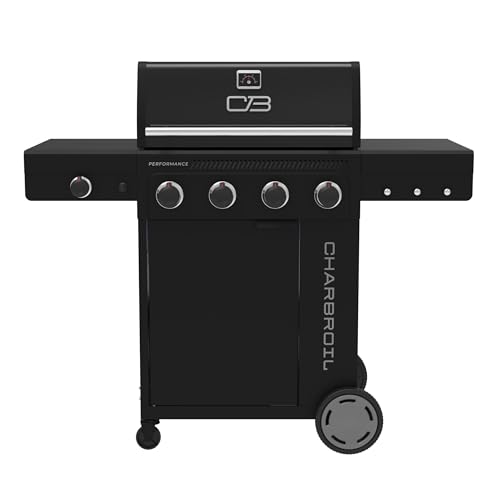
- Electactic Stainless Steel 4-Burner Gas Grill with Side Burner (42,000 BTU) – Best Stainless Gas for BBQ
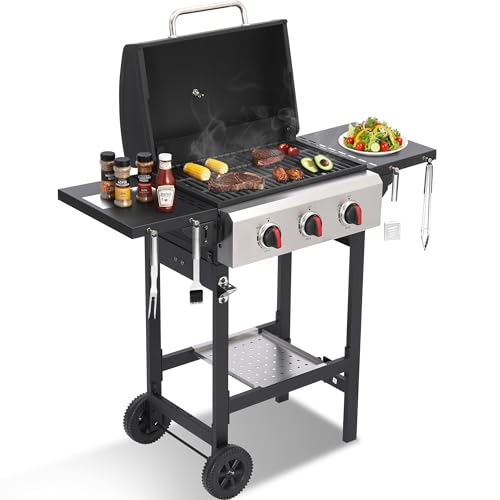
- Nexgrill Propane 4-Burner Gas Grill with Side Burner, Stainless Steel Body (626 Sq. In.) – Best Large Gas for BBQ
- Weber Spirit E-425 Gas Grill (4-Burner) – Best Sear-Zone Gas for BBQ
- Monument Grills 4-Burner Propane Gas Grill, Mesa II 410FBZ – Best All-Round Gas for BBQ
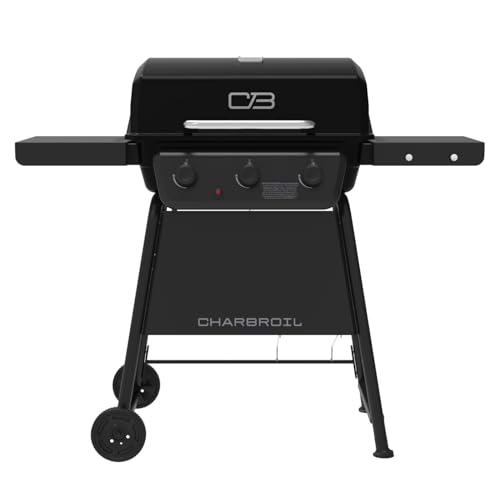
- Charbroil Portable Convective 1-Burner Propane Gas Grill (465133010) – Best Portable for BBQ
- Royal Gourmet CC1830S Charcoal Grill and Offset Smoker (783 Sq. In.) – Best Charcoal for BBQ
Read the full guide below for the research method, the detailed reviews, the comparison table, the buying guide and the care instructions.
Ask a room of cooks to name the best type of grills for bbq and the room divides by fuel before it divides by brand. Gas people prize the instant light and the clean shutdown; charcoal people prize the fire itself; and everyone is right about their own Saturdays. This guide treats ‘type’ as the real question – fuel, format and fire management – and lines up six verified grills that between them cover the mainstream answers.
Four are full-size propane gas grills with distinct characters: an Electactic in stainless with a side burner, a Nexgrill whose stainless claim covers the body over 626 square inches, a Weber Spirit with a dedicated Sear Zone, and a Monument with an advanced broil zone. The fifth is a one-burner Charbroil portable, barbecue’s travelling form. The sixth is the charcoal counter-argument in full: a Royal Gourmet barrel with an offset smoker, 783 square inches and an adjustable charcoal pan.
Read the type comparison first, then the reviews as character studies. Readers who already know their type can narrow the field with Best Small Bbq Grills for the compact end of the same landscape.
Key Takeaways
- For BBQ, ‘type’ means fuel and fire management first, brand second: gas for control, charcoal for smoke and ritual.
- Four of the six picks are full-size gas grills – the mainstream BBQ type – differentiated by sear zones, body materials and storage.
- The Royal Gourmet barrel is the charcoal type in full: direct grilling plus offset smoking in one 783 sq in machine.
- The Charbroil portable is BBQ’s travelling type: one burner, modest heat, total freedom of location.
- Sear and broil zones are the modern gas answer to charcoal’s one native advantage – concentrated high heat.
- The right type is the one whose routine – lighting, tending, cleaning – matches the time you actually give a cookout.
In this guide
Quick Picks
| Pick | Badge | Why it made the list |
|---|---|---|
| Electactic Stainless Steel 4-Burner Gas Grill with Side Burner (42,000 BTU) | Best Stainless Gas for BBQ | Electactic stainless 4-burner gas with side burner and thermometer |
| Nexgrill Propane 4-Burner Gas Grill with Side Burner, Stainless Steel Body (626 Sq. In.) | Best Large Gas for BBQ | Nexgrill stainless-body 4-burner, 60,000 BTU, 626 sq in |
| Weber Spirit E-425 Gas Grill (4-Burner) | Best Sear-Zone Gas for BBQ | Weber Spirit 4-burner with Sear Zone and Boost burners |
| Monument Grills 4-Burner Propane Gas Grill, Mesa II 410FBZ | Best All-Round Gas for BBQ | Monument 4-burner with advanced broil zone, stainless build |
| Charbroil Portable Convective 1-Burner Propane Gas Grill (465133010) | Best Portable for BBQ | Charbroil 1-burner portable propane – BBQ away from home |
| Royal Gourmet CC1830S Charcoal Grill and Offset Smoker (783 Sq. In.) | Best Charcoal for BBQ | Royal Gourmet charcoal barrel with offset smoker, 783 sq in |
How These Picks Were Chosen
The pool was assembled to span types rather than to repeat one: gas in four tempers, charcoal in its barrel-and-offset form, and a portable as the format outlier. Each pick’s verified listing was read for the facts that define its type – fuel, burner count or charcoal arrangement, cooking area, and the features that change fire management, such as sear zones, side burners and adjustable charcoal pans.
Judgement criteria followed the type question. For gas: output, zoning potential, ignition and the honesty of material claims. For charcoal: fire access, pan adjustability and the offset smoker’s separation of fire from food. For the portable: the ratio of cooking ability to carry-ability. All figures are quoted from the verified listings; no performance was invented and no grill was cooked on for this guide.
This is research-led guidance, and its comparisons are structural – what each type makes easy, hard or impossible – rather than taste tests. Readers leaning toward the charcoal-smoker end can deepen that branch with Best Smoker Bbq Grills after the type decision is made.
The 6 Best type of grills for bbq Candidates, Reviewed in Detail
The reviews are ordered as a tour of the types: gas in its stainless, large, sear-focused and broil-focused forms, then the portable, then charcoal. Each review names its type’s promise and its price in effort.
Badges match the Quick Picks table, spec boxes quote verified listing data only, and every verdict line states the cook the type suits – the fastest honest summary of a types guide.

Electactic Stainless Steel 4-Burner Gas Grill with Side Burner (42,000 BTU)
Badge: Best Stainless Gas for BBQ
Strengths
- Stainless steel build with a side burner and thermometer in a 4-burner format
- 42,000 BTU is solid mainstream output for family grilling
- A full feature set for cooks who have patio room
Trade-offs
- A heavy-duty 4-burner is not a small or apartment grill
- Full-size footprint and weight rule out balconies and small patios
- Prose-only in small/apartment guides on size grounds alone
Mini spec box: 4-burner propane gas grill; 42,000 BTU (per API title); Stainless steel construction (per API title); Side burner included; Built-in thermometer.
Electactic’s four-burner is a stainless steel propane grill at 42,000 BTU with a side burner and a built-in thermometer – a straightforward full-size patio specification. Nothing in its design pretends to be compact, and the listing’s own ‘heavy-duty’ positioning says so.
It appears in the apartment guide prose-only as a size counterexample: this is what ‘too big for the brief’ looks like, included so readers can see the pool was judged rather than padded. Patio owners reading along will find a conventional, complete 4-burner specification.
On a real patio it cooks family dinners with zones to spare and a side burner for sauces. The honest limitation, for this guide, is that it needs the patio first – balcony and small-space shoppers should stay with the linked compact and electric picks.
Ownership note: stainless exteriors reward a wipe-down habit and punish neglect with tea-staining in coastal air. A four-burner of this weight is a place-it-once appliance – plan the patio layout before delivery day, not after.
As a BBQ type, the Electactic is gas at its most straightforward: stainless build, four burners, a side burner and a thermometer. It is the reference gas grill against which the fancier types below define themselves.
Best for: patio owners wanting a stainless 4-burner with a side burner / Not suited for: apartments, balconies or any small-space brief
Check on Amazon for the current listing, configuration and latest price.

Nexgrill Propane 4-Burner Gas Grill with Side Burner, Stainless Steel Body (626 Sq. In.)
Badge: Best Large Gas for BBQ
Strengths
- A stainless steel body, not just a stainless lid – the fullest material claim in this pool
- 60,000 BTU across four burners plus a side burner is the strongest output here
- 626 sq in with a double-door cabinet suits regular, larger cookouts
Trade-offs
- Full-size footprint and weight: a permanent patio fixture
- More burners and cabinet hardware mean more cleaning and upkeep
- Stainless panels show fingerprints and weather spotting without regular wiping
Mini spec box: 4-burner propane gas grill plus side burner; 60,000 BTU total output (per API title); 626 sq in cooking space; Stainless steel body (per API title); Built-in thermometer and electronic ignition; Double-door cabinet.
This Nexgrill is the pool’s clearest stainless answer: the API title specifies a stainless steel body on a four-burner propane grill with a side burner, 60,000 BTU of total output and 626 square inches of cooking space. Output per burner is generous for the class, which shows up as fast preheats and a sear zone that recovers quickly when cold steaks land.
The supporting kit is mainstream and complete: electronic ignition, a built-in thermometer and a double-door cabinet that hides the tank and stores tools. Judge it as a full-size stainless patio grill – nothing about the format is compact, and the cabinet assumes a permanent spot with working room around it.
Day to day it runs like an outdoor range: a hot zone and a gentle zone side by side, a side burner for sauces or corn, and enough grate for a family dinner plus guests. The honest limitation is upkeep at scale – four burners, a cabinet and stainless panels all reward a short post-cook routine and punish neglect.
Ownership note: a stainless body rewards a grain-direction wipe with a microfibre cloth after cooking; wiping across the grain is what leaves the fine scratches owners later blame on the steel itself.
The big Nexgrill is gas as capacity: the pool’s joint-highest output and a 626-square-inch stage. For the host whose BBQ regularly feeds a crowd, this is the type’s fullest expression in the pool.
Best for: patio owners who want a genuinely stainless-bodied 4-burner gas grill with a side burner / Not suited for: small patios and balconies, or buyers who want a grill they can move alone
Check on Amazon for the current listing, configuration and latest price.

Weber Spirit E-425 Gas Grill (4-Burner)
Badge: Best Sear-Zone Gas for BBQ
Strengths
- Weber’s build quality and parts ecosystem are the benchmark in gas grills
- A boosted sear zone solves the classic gas-grill weakness
- Porcelain-enameled cast iron balances sear marks with easier care
Trade-offs
- A full-size 4-burner grill – not a small grill by any honest measure
- Premium-tier positioning within any pool it appears in
- Its size is exactly why it is prose-only in small-grill guides
Mini spec box: 4-burner propane gas grill; Sear Zone with Boost Burners (per API title); Porcelain-enameled cast-iron grates; Weber Works rails (per API title); Black finish.
The Spirit E-425 is Weber’s mainstream four-burner: a Sear Zone with Boost Burners, porcelain-enameled cast-iron grates and Weber Works rails for accessories. As a gas grill it is close to the category reference – even heat, strong searing on demand and a support ecosystem that keeps parts available for years.
In a small-grills guide it is covered prose-only, because four burners and a full cart footprint are not small, and pretending otherwise would betray the search. It stays in the review set as the quality benchmark: the grill small-grill shoppers are often downsizing from, or sizing up to later.
On a patio it is an easy daily driver: fast ignition, predictable zones, grates that clean up without babying. The honest limitation, for this guide, is purely dimensional – it needs a real patio and a real parking spot.
Ownership note: the Weber ecosystem is the long game – replacement grates, covers and accessories stay available for years, which is why the brand anchors so many patios. The boost burners are for the first two minutes of a steak, not the whole cook; zone discipline is what makes the feature pay.
The Weber’s Sear Zone is gas answering charcoal’s oldest boast – concentrated fire. If your BBQ centres on steaks and chops, this type-within-the-type is aimed at you.
Best for: patio cooks who want the benchmark 4-burner gas grill / Not suited for: small-space shoppers – see the compact and portable picks in this guide
Check on Amazon for the current listing, configuration and latest price.

Monument Grills 4-Burner Propane Gas Grill, Mesa II 410FBZ
Badge: Best All-Round Gas for BBQ
Strengths
- A dedicated Broil Zone for harder searing than a standard burner layout
- Fast preheat claim – 500F in 5 minutes per the listing
- Foldable side shelves trim the storage footprint when parked
Trade-offs
- A full-size 4-burner patio grill – not portable and not a boat grill
- Foldable shelves help storage but the firebox itself is full width
- Broil-zone designs reward learning a two-zone routine
Mini spec box: 4-burner propane gas grill; Stainless steel outdoor construction (per API title); Advanced Broil Zone (per API title); Reaches 500F in 5 minutes (per API title); Foldable side shelves; Fast assembly (per API title).
Monument’s Mesa II is a stainless steel 4-burner propane grill built around an Advanced Broil Zone, with a listing claim of 500F in five minutes and foldable side shelves. The broil zone is the meaningful feature: a hotter dedicated area for steaks and chops while the remaining burners handle gentler work.
In the skiff-boat guide this pick is prose-only, and the reason is simple geometry: a full-size four-burner patio grill does not mount on a skiff rail, no matter how good its shelves fold. It stays in the review set so readers can see the contrast between patio capacity and true boat-portable design.
On a patio, day to day, it is a fast-heating family grill with a real sear zone and shelves that fold away between cooks. The honest limitation for this guide’s purpose is that none of that portability-adjacent design makes it a marine or small-boat product.
Ownership note: a dedicated broil zone changes how you should plan a cook – sear in the zone, finish in the gentler area, and rest on the warming space. Foldable shelves are also a storage lesson: measure the grill folded, not open, when you plan where it parks for winter.
The Monument’s broil zone makes the same argument from a second direction, adding folding shelves and fast assembly. Between it and the Weber, sear-led gas buyers have a genuine choice of mechanisms.
Best for: patio cooks who want a stainless 4-burner with a dedicated sear zone / Not suited for: boat, skiff or any use that requires a genuinely portable grill
Check on Amazon for the current listing, configuration and latest price.

Charbroil Portable Convective 1-Burner Propane Gas Grill (465133010)
Badge: Best Portable for BBQ
Strengths
- Genuinely portable – the smallest, simplest grill in this pool
- Single-burner propane convenience with no charcoal mess
- A long-running, widely available portable design
Trade-offs
- Aluminized steel, NOT stainless steel – it sits outside this guide’s core material
- One burner means one heat zone and modest cooking area
- 11,000 BTU is gentle heat; thick steaks sear slowly
Mini spec box: 1-burner portable propane gas grill; 11,000 BTU (per API title); Aluminized steel construction, black finish; Portable format.
Charbroil’s little portable is a single-burner propane grill rated at 11,000 BTU, built from aluminized steel in a black finish. It is the grill people throw in a trunk, set on a picnic table or carry onto a small boat, and its convective design is tuned for even, gentle cooking rather than steakhouse searing.
It appears in this guide prose-only for one clear reason: aluminized steel is not stainless steel. The material is a legitimate, rust-resistant choice for a portable, but a guide about stainless steel grills cannot link it as if it belonged to the category. Read it as the portable alternative in the room.
In daily use it is a two-person, small-batch grill: burgers, dogs, skewers and vegetables in modest quantities, with fast setup and fast cleanup. The honest limitation is physics – one burner and 11,000 BTU cannot create a hard sear zone and a gentle zone at once, and a crowd will eat in shifts.
Ownership note: portable grills live hard lives – trunk heat, campsite dust, boat spray – and aluminized steel handles that life at a low replacement cost, which is the honest case for the material. Its single burner also makes it the most propane-frugal grill in this pool, a real virtue on long trips away from refill stations.
The portable is BBQ with the location variable set free: parks, beaches, tailgates and balconies where a full-size type cannot go. Its compromises are area and heat, accepted knowingly.
Best for: tailgaters, campers and couples who want the simplest portable propane grill / Not suited for: anyone shopping specifically for stainless steel, or hosts cooking for a crowd
Check on Amazon for the current listing, configuration and latest price.

Royal Gourmet CC1830S Charcoal Grill and Offset Smoker (783 Sq. In.)
Badge: Best Charcoal for BBQ
Strengths
- Adjustable charcoal pan gives real heat control for a charcoal grill
- 783 sq in plus offset smoking is party-scale capacity
- Side door makes adding charcoal mid-cook cleaner
Trade-offs
- 783 sq in is a large barrel – not a small outdoor grill
- Charcoal startup and ash are part of every cook
- Offset smoking needs tending to hold temperatures
Mini spec box: Charcoal barrel grill with offset smoker; 783 sq in total cooking area (per API title); Adjustable charcoal pan; Side door access; lid thermometer (per API title); Front and side tables.
Royal Gourmet’s CC1830S is a 783-square-inch charcoal barrel with an offset smoker, an adjustable charcoal pan, a side access door, a lid thermometer and front and side tables. The adjustable pan is the feature to note: raising and lowering the coal bed is the charcoal equivalent of a burner knob, and it makes direct grilling far more controllable.
In the small outdoor grills guide it is prose-only on size alone. It is a good large charcoal combo being honestly labelled as large, so small-space readers can calibrate what the linked compact picks are saving them.
In use it is a weekend centrepiece: big direct cooks, offset smoking, tables for trays and tools. The honest limitation is the charcoal barrel lifestyle – space, time, ash and attention – at full size.
Ownership note: the adjustable charcoal pan is most useful mid-cook – drop the coals to calm a flare-up rather than moving food around a fixed fire. The side door means you add charcoal without lifting the cooking grate, a small design detail that matters enormously at hour three of a cook.
The Royal Gourmet is the charcoal type complete with its smoking half: an offset firebox and adjustable pan make it two appliances in one footprint, at the price of the charcoal routine – light, tend, ash.
Best for: charcoal hosts who want adjustable coal height and offset smoking / Not suited for: small patios or anyone shopping the compact end of the market
Check on Amazon for the current listing, configuration and latest price.
Comparison Table
| Pick | Badge | Headline spec (from listing) | Standout trait |
|---|---|---|---|
| Electactic Stainless Steel 4-Burner Gas Grill with Side Burner (42,000 BTU) | Best Stainless Gas for BBQ | 4-burner propane gas grill | Electactic stainless 4-burner gas with side burner and thermometer |
| Nexgrill Propane 4-Burner Gas Grill with Side Burner, Stainless Steel Body (626 Sq. In.) | Best Large Gas for BBQ | 4-burner propane gas grill plus side burner | Nexgrill stainless-body 4-burner, 60,000 BTU, 626 sq in |
| Weber Spirit E-425 Gas Grill (4-Burner) | Best Sear-Zone Gas for BBQ | 4-burner propane gas grill | Weber Spirit 4-burner with Sear Zone and Boost burners |
| Monument Grills 4-Burner Propane Gas Grill, Mesa II 410FBZ | Best All-Round Gas for BBQ | 4-burner propane gas grill | Monument 4-burner with advanced broil zone, stainless build |
| Charbroil Portable Convective 1-Burner Propane Gas Grill (465133010) | Best Portable for BBQ | 1-burner portable propane gas grill | Charbroil 1-burner portable propane – BBQ away from home |
| Royal Gourmet CC1830S Charcoal Grill and Offset Smoker (783 Sq. In.) | Best Charcoal for BBQ | Charcoal barrel grill with offset smoker | Royal Gourmet charcoal barrel with offset smoker, 783 sq in |
The comparison table’s headline specs are the type signatures: burner counts and outputs for the gas four, a single burner for the portable, and a charcoal pan plus offset box for the barrel.
How to Choose Best type of grills for bbq
Start the type decision with fuel, because fuel decides the routine. Gas lights in seconds, holds a temperature with a dial, and shuts down clean – its costs are flavour neutrality and dependence on a tank. Charcoal asks twenty minutes to light and a hand on the vents, and returns smoke flavour, higher peak heat and the ritual many cooks consider the point. Neither is the ‘real’ barbecue; they are different hobbies sharing a menu.
Within gas, the types separate by fire management. A plain multi-burner grill zones by burner settings – high at one end, holding at the other – and serves most households completely. A sear or broil zone adds a concentrated high-heat district for steaks and chops, answering the one dish where plain gas feels thin. A side burner adds a hob’s worth of utility for sauces, beans and corn. Buy the fire management you will use weekly, not the one that impresses once.
Charcoal’s types separate by fire access and smoking. A barrel with an adjustable charcoal pan, like the Royal Gourmet here, lets you raise the fire for searing or drop it for gentler work, and its side door feeds the fire without lifting the grate. The offset firebox adds true indirect smoking – brisket and ribs cooked by smoke and low heat beside the fire, not over it – which no gas grill in this pool attempts.
Format is the second axis. Full-size cart grills are patio furniture that cook; the portable is a tool that travels. Households regularly split the difference across two machines over a lifetime – a cart for home, a portable for everywhere else – and the portable in this pool costs its compromises openly: one burner, one zone, small batches. Readers whose space is the binding constraint can survey the dedicated compact field in Best Smaller Bbq Grills.
Match area to your real headcount with arithmetic, not optimism. Roughly 75 to 100 square inches per person covers mixed grilling with elbow room: the 626-square-inch Nexgrill hosts six to eight, the 783-square-inch barrel more with its smoker chamber counted carefully, and the portable feeds two in rounds. Buying two sizes up ‘for the big party’ usually buys a grill that preheats slowly and cleans heavily for the other fifty weekends.
Finally, let climate and storage vote. Gas grills with stainless in their build weather uncovered seasons most gracefully; charcoal barrels want a cover and dry ash discipline; portables live indoors between trips and barely weather at all. The type that survives your storage reality is the type still cooking in year five.
How to Run Each BBQ Type: Lighting, Zoning and Shutdown
Each type in this guide has its own operating rhythm. The steps below give the shared skeleton, with the type-specific moves flagged as they come.
Whatever the type, the sequence is the same shape: prepare the fire, stabilise the heat, cook in zones, shut down safely, clean while the memory is fresh.
- Set up the fire for your type. Gas: tank open, burners lit, lid down to preheat. Charcoal: chimney starter full, coals ashed over before they meet the pan. Portable: the same gas routine, scaled down and levelled on a stable surface.
- Build two zones before food lands. On multi-burner gas, set one side high and one medium-low. On charcoal, bank coals to one side. Every type benefits from a hot district and a safe district.
- Sear in the hot district. Use the sear or broil zone on equipped gas grills, the raised pan position on the barrel, and patience on the portable – its single zone is all the districts at once.
- Move, do not rescue. Finished or flaring items retire to the cooler zone rather than off the grill; zoning is what turns a mixed menu from a juggling act into a sequence.
- Rest meat off the heat. Five to fifteen minutes on a warm plate, loosely covered, while the grill is still hot and the cleaning is easy.
- Shut down by the book. Gas: burners off, tank valve closed for storage. Charcoal: vents closed to starve the fire, ash left to cool fully before it moves. Portable: cool completely before it goes back in a vehicle.
- Clean in the type’s own way. Brush grates hot on every type; empty the gas grease tray every few cooks; ash out the barrel once cool; wipe stainless panels along the grain on the builds that have them.
Troubleshooting
Problem: gas grill hot at the edges, cool in the middle -> burner ports are unevenly blocked or a burner is ageing – clean the ports once cool and note which burner underperforms; replacement burners are a normal mid-life part.
Problem: charcoal fire too hot to hold a hand near, food scorching -> the pan is raised too high or the vents are wide open – drop the pan a notch, close the intake vent halfway, and let the fire settle for five minutes before cooking on.
Problem: portable flares on fatty food -> a single zone has nowhere to hide – move items to the grate’s edge, trim the fattest pieces next time, and keep the lid lifts brief so heat stays even.
Gas vs Charcoal for BBQ: The Honest Ledger
The flavour entry is real and should not be waved away: charcoal contributes smoke compounds that gas cannot, and the offset barrel in this pool doubles down with a dedicated smoking chamber. Against that, gas contributes repeatability – the same dial settings give the same fire in January and July – and a shutdown measured in seconds, which is why gas owns the weeknight. Most serious households eventually stop arguing and sequence the two: gas for frequency, charcoal for occasions.
Cost and effort entries follow the same split. Charcoal’s fuel is bought by the bag and its labour by the half hour; gas’s fuel is cheaper per cook and its labour near zero, while its machine costs more to buy well and to repair. The ledger has no universal winner – it has a winner per household, decided by how often the grill lights. A grill lit twice a week forgives gas’s premium quickly; a grill lit twice a month may never repay it.
The pool embodies the truce: four gas tempers for the frequent, one charcoal barrel for the devoted, one portable for the mobile – and no type in it is a compromise version of another.
The Offset Smoker: BBQ’s Second Appliance
The Royal Gourmet’s offset firebox deserves its own section because it changes what the machine is. In offset smoking, the fire burns in the small side chamber and only smoke and gentle heat reach the food – the configuration behind brisket, ribs and whole birds cooked for hours at low temperatures. As a grill it still sears over its main chamber’s coals; as a smoker it does work none of the gas picks in this pool attempt.
The honest costs are skill and time. Offset fires are managed by hand – fuel added in small amounts, vents adjusted as weather moves – and thin-walled barrels swing with the wind more than heavy smokers do. The reward is the fullest flavour in this guide and a party trick that feeds a crowd from a single fire. Readers who decide smoking is their centre of gravity can go deeper with Best Ss Bbq Grills and the smoker-grill guides linked from this page’s cluster.
For everyone else, the barrel’s lesson is simpler: it is the only pick here whose second chamber justifies its footprint, which is the standard every large grill should be held to.
Sear Zones and Broil Zones: What the Extra Burner Really Buys
Two picks in this pool – the Weber with its Sear Zone and Boost burners, the Monument with its advanced broil zone – spend engineering on concentrated heat, and the mechanism is worth understanding before paying for it. Ordinary burners spread output evenly by design, which caps the grate temperature where a steak lands; a sear zone concentrates extra output under one district of grate, holding steakhouse temperatures even as cold meat draws heat out.
The benefit is narrow and real: crust formation on thick cuts, in the first two minutes, without overcooking the interior. It does nothing for sausages, vegetables or chicken pieces, which cook identically over ordinary burners. That narrowness is not a criticism – it is a targeting statement. A household whose barbecue is steak-led gains at every cook; a household of mixed skewers and burgers gains at none, and should spend the same money on area or materials instead.
Judge any sear feature by whether its zone is a distinct burner arrangement rather than a label on a standard burner, and by the grate above it – heavy iron over the zone stores the heat the burner delivers. Both picks here pair the feature with substantial grills around it, which is the configuration in which the feature earns its keep.
A type decision made in a showroom should be re-checked against your calendar: count last summer’s cookouts honestly, and let that frequency – not the fantasy season – arbitrate between gas convenience and charcoal ritual.
And remember that types can be sequenced across a lifetime rather than chosen once: many households start portable, settle on gas, and add charcoal when the smoking itch arrives. Each of this pool’s types has been exactly that chapter for somebody.
One type distinction the pool cannot show deserves its sentence here, because BBQ shoppers meet it immediately beyond this guide’s edge: the flat-top griddle. A griddle replaces the grate with a solid plate, trading grill marks and flame contact for total surface control – breakfast, smash burgers, cheesesteaks and fried rice are its home menu. It is not a better or worse grill; it is a different answer to the fire-management question, and households that cook those menus weekly should weigh it alongside the types reviewed here rather than discovering it after the purchase.
There is a social physics to BBQ types worth naming as well. Charcoal gathers a crowd around the fire and makes the cook a performer; gas lets the cook circulate while the dials hold the fire; the offset smoker creates a pilgrimage point that guests visit across an afternoon. None of that appears in a specification, and all of it decides how a type feels across a summer. Choose the social shape your gatherings actually take, not the one the advertisements photograph.
And keep the receipt of your reasoning, not just of the purchase: a line in a notebook – type chosen, why, what it replaced – is what turns the second grill, bought years later, into an informed complement instead of a repeated guess. BBQ households that keep that line describe their second purchase as easy. The ones who did not describe it as this guide, read again from the top – which works too, but slower.
A last practical note on types and resale: mainstream types hold their value and their parts support in a way niche types rarely do, which matters to households that move, upgrade or hand grills down. The four-burner gas format in this pool can be re-homed, re-burnered and re-grated almost anywhere in the country, and the charcoal barrel’s simplicity makes it nearly immortal in the second-hand market. None of that should override the type your cooking needs – but between two types that both fit, the one with the deeper afterlife is the one whose decade will cost less, in money and in frustration, and that is a legitimate final vote in a decision this guide has otherwise kept resolutely culinary.
Consider, finally, how the types behave on the ordinary Tuesday that decides whether a grill earns its patio space. The gas four light in seconds and forgive a late start; the barrel asks for a chimney, a wait and a cook in the mood for fire; the portable turns a balcony or a park bench into a kitchen for two. A type that only shines at the annual party will spend fifty weeks as furniture, while a type matched to Tuesdays compounds quietly into hundreds of good dinners. When the reviews above are tied in your mind, let Tuesday cast the deciding vote – it is the day your grill will actually live.
Common Buying Mistakes
- Choosing charcoal for its flavour while knowing your schedule allows only weeknight-speed cooking – the grill will simply light less often.
- Buying a sear zone for a menu of burgers and sausages that ordinary burners already cook perfectly.
- Sizing for the largest party of the year instead of the household’s ordinary Saturday.
- Ignoring the offset smoker’s learning curve and blaming the barrel for a first brisket’s toughness.
- Taking a full-size cart grill’s routine to a portable’s context – or expecting a portable to host the cart’s party.
- Letting any type’s grease or ash system go unemptied until it announces itself mid-cook.
Final Recommendation
For the majority of BBQ households, the first recommendation is the mainstream perfected: the Weber Spirit, whose Sear Zone answers gas’s one weakness while its format stays the familiar four-burner with porcelain-enamelled iron grates. It is the type choice with the fewest regrets attached.
Choose the Royal Gourmet if smoke is the point – it is the only pick that both grills and truly smokes, and its charcoal routine is a feature to the cook it suits. Choose the Nexgrill or the Electactic for gas at crowd scale or in stainless straightforwardness, the Monument as the second sear-led mechanism, and the little Charbroil portable as the second grill almost every household eventually wants.
The type decision outlives any model decision, so make it on routine and menu rather than on a badge. Get the type right and the model within it is a pleasant detail; get it wrong and no model will save the match.
Start your shortlist with Electactic Stainless Steel 4-Burner Gas Grill with Side Burner (42,000 BTU), Nexgrill Propane 4-Burner Gas Grill with Side Burner, Stainless Steel Body (626 Sq. In.) and Weber Spirit E-425 Gas Grill (4-Burner) – compare their current listings, configurations and latest prices, then commit to the one that matches your space and your cooking.
Frequently Asked Questions
What is the best type of grill for BBQ overall?
For most households, a full-size propane gas grill: instant lighting, dialled temperatures and easy shutdowns suit frequent cooking, and modern sear zones close much of charcoal’s flavour gap. Charcoal remains the better type when smoke flavour and the fire ritual are themselves the point.
Is charcoal BBQ healthier or tastier than gas?
Tastier, by most palates, where smoke is wanted – charcoal and wood contribute flavour compounds gas does not. Health comparisons depend far more on what is cooked and how much char is eaten than on the fuel, so choose the type by flavour and routine rather than by health claims.
What does an offset smoker do that a grill cannot?
It cooks food beside the fire instead of over it, bathing it in smoke at low temperatures for hours – the method behind brisket, ribs and pulled pork. A plain grill can improvise indirect cooking, but an offset chamber is purpose-built for it, as the Royal Gourmet in this guide shows.
Are sear zones on gas grills worth it?
For steak-led cooking, yes: a concentrated high-heat district forms crusts that standard burners struggle to match. For mixed menus of burgers, sausages and vegetables, ordinary burners cook identically and the money is better spent on area or materials.
How big a BBQ grill does a family need?
Plan on roughly 75 to 100 square inches of primary grate per person for mixed menus. That makes the 526 to 650 square inch grills in this pool comfortable for six to eight, and the portable a two-person machine cooking in rounds.
Can one grill do both weeknight and party BBQ?
A four-burner gas grill is the closest single answer: zones let it cook small on one side and large across all four. Charcoal barrels host parties happily but resist weeknight speed, and portables travel happily but resist parties – which is why so many households end up owning two types.