A universal wine glass is one all-purpose shape meant to work for red, white and often sparkling wine. The bowl is usually mid-sized, with enough room to swirl a red and enough taper to keep a white aromatic, so a small cabinet can do the work of several specialized sets.
The six options below range from a hand-finished luxury glass to a durable restaurant-grade set. We have not used these products ourselves, so confirm set count, capacity and care guidance on the current listing before you buy, since sellers often bundle different quantities.
As an Amazon Associate we earn from qualifying purchases. Links below are affiliate links, and they do not change the product information we give.
What to Look For
| Feature | Why it matters |
|---|---|
| Bowl shape | A medium bowl with a slight taper suits both reds and whites |
| Rim | A thin, cut rim feels more refined on the lip than a rolled one |
| Material | Crystal is clearer and lighter; tougher glass takes more abuse |
| Stem length | A longer stem keeps warm hands off the wine and tall glasses elegant |
| Storage | Tall glasses need shelf height, so measure your cabinet first |
| Capacity | A moderate size leaves room to swirl without looking oversized |
In this guide
Specs at a Glance
| Glass | Material | Stem | Notes |
|---|---|---|---|
| Zalto Denk’Art Universal | Mouth-blown crystal | Slender stem | Premium and delicate |
| Gabriel-Glas StandArt | Mouth-blown crystal | Tall stem | One-glass concept |
| Libbey Signature Kentfield Estate | Glass | Standard stem | Everyday set |
| Schott Zwiesel Pure | Tritan crystal | Standard stem | Break-resistant |
| Riedel O Cabernet/Merlot | Crystal | Stemless | Easy to store |
| Spiegelau Authentis | Lead-free crystal | Standard stem | Dishwasher-friendly claims |
The 6 Best Universal Wine Glasses

Top pickBest for serious home tasting
1. Zalto Denk’Art Universal Glass
A mouth-blown Austrian glass with an angular bowl and a very thin rim. It is widely praised among wine lovers as a true all-rounder, though it is delicate.
Suits: serious home tasting. Strengths: an elegant shape and an exceptionally light feel. Weaknesses: fragile and costly to replace. Skip it if you tend to break glasses.
View Zalto Denk’Art Universal Glass on Amazon

Best for a one-glass cabinet
2. Gabriel-Glas StandArt Wine Glass
A glass built on the idea that a single shape should serve every wine. The mouth-blown crystal is light and the bowl is designed for broad compatibility.
Suits: a one-glass cabinet. Strengths: a deliberate all-purpose design. Weaknesses: limited retail availability. Skip it if you like to match glass to wine.
View Gabriel-Glas StandArt Glass on Amazon
Best for casual hosting
3. Libbey Signature Kentfield Estate All-Purpose Wine Glasses
A sturdy set from a long-established glass company, made for everyday pouring. It suits households that entertain and need a few more glasses than they care to baby.
Suits: casual hosting. Strengths: a durable build and set-based buying. Weaknesses: less refined than crystal. Skip it if you want a delicate feel.
View Libbey Kentfield Estate All-Purpose Glasses on Amazon
Best for dishwasher-minded buyers
4. Schott Zwiesel Pure Wine Glasses
A well-reviewed line made from Tritan crystal, which is known for resisting chips and breaks. The Pure shape is simple and elegant.
Suits: dishwasher-minded buyers. Strengths: durable crystal and a refined look. Weaknesses: stems can still snap. Skip it if you want mouth-blown glass.
View Schott Zwiesel Pure Glasses on Amazon
Best for picnics and casual dinners
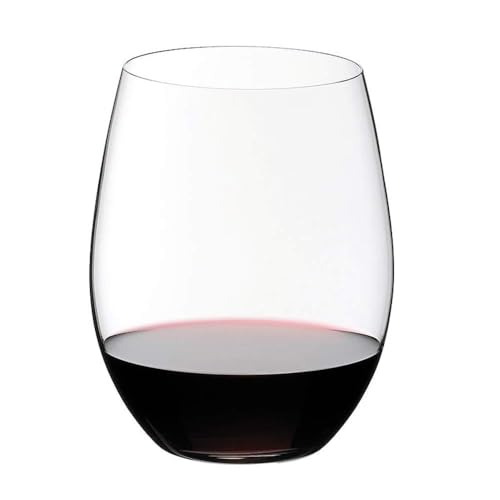
5. Riedel O Wine Tumbler Cabernet/Merlot
A stemless take on the all-purpose glass, with a generous bowl that works for reds and many whites. Stemless designs are easy to wash and store.
Suits: picnics and casual dinners. Strengths: simple handling and easy storage. Weaknesses: warm hands heat the wine. Skip it if you like the look of a stem.

Best for everyday dinners
6. Spiegelau Authentis Wine Glasses
A lead-free crystal series that is meant to take regular use. The Authentis shape sits between a red and a white glass for general pours.
Suits: everyday dinners. Strengths: crystal feel with practical care. Weaknesses: a plain shape. Skip it if you want something dramatic.
View Spiegelau Authentis Glasses on Amazon
Care and Setup
- Hold the glass by the bowl when washing to avoid twisting the stem.
- Dry with a microfiber cloth to prevent water spots.
- Store upright to avoid chipping the rim.
- Skip harsh detergents on fine crystal.
- Let a hot glass cool before adding cold wine.
- Rinse right after use so wine stains do not dry on.
- Avoid pairing delicate glasses with heavy pots in the dishwasher.
Mistakes to Avoid
- Washing delicate glasses with a rough sponge.
- Filling past the widest part of the bowl.
- Storing wet glasses in a closed cabinet.
- Buying a stem length that does not fit your shelf.
- Choosing by looks alone without checking cleaning needs.
- Pouring too much, which defeats the purpose of the bowl.
- Skipping a rinse after hand washing, which leaves a soapy smell.
Bowl Volume and Shape: The Compromise Behind a Universal Glass
A universal glass sits between the large, wide bowl used for full-bodied reds and the smaller, narrower bowl used for crisp whites. The goal is a shape that gives reds enough room to open up and whites enough focus to keep their delicate aromas. That usually means a medium-sized bowl that is broad enough at the base to allow swirling, with a gentle taper toward the rim to hold scent in the upper part of the glass.
Capacity on the listing is the volume to the brim, which is much larger than the pour. A sensible serving fills the glass to about the widest part of the bowl or a bit less, leaving the upper half empty for aroma and swirling. A large bowl lets you pour a small amount and still have room, but it also shows less wine in the glass, and it can warm the wine more quickly if your hands touch it. A smaller bowl suits those who like modest pours, and it also stores more easily.
Taper and rim width change how the wine reaches your nose and mouth. A narrower rim concentrates aroma but can be awkward for big noses, and a wider rim is more relaxed and easier to drink from. Many universal designs choose a moderate taper so neither red nor white is badly served. If you drink mostly one style, you might prefer a glass leaning toward that type: a slightly larger bowl if you prefer reds, or a slightly smaller one for whites. If you like both, a medium shape is a practical choice. Look at pictures and dimensions, not only the names on the listing.
Rim Thickness, Weight and Feel in Use
Two glasses with the same shape can feel very different in use because of wall thickness and weight. Thin rims feel delicate and allow wine to flow cleanly onto the tongue, which many drinkers like. Thick rims feel more robust and usually survive knocks better, but they can feel clunky, and the wine may seem to dribble. Weight is a matter of taste: a very light glass feels elegant but is easy to break, while a heavier glass feels stable.
The stem and foot affect balance. A long stem keeps your hand away from the bowl and helps hold the wine’s temperature, and a wide, flat foot adds stability. A short stem is sturdy and easier to store. Some stems are slightly thick for strength, while others are very thin. Hold a glass in a shop if you can, and think about where you will use it: a stable, medium-weight stem is a good all-round choice for family tables, while delicate stems suit special evenings.
Clarity and surface finish matter for judging color. Clear glass lets you see the wine properly, and a smooth, seamless finish is pleasant on the lips. Some glasses have a visible seam from machine production, which is harmless but can feel noticeable. Others are cut and polished to remove it. Check the listing for the production method and the finishing, and read comments from owners about how the rim feels. Remember that personal preference differs, and a glass loved by one person may feel wrong to another.
Durability, Materials and Dishwasher Reality
Everyday wine glasses need to survive washing, storage and the occasional bump. Materials range from standard glass to reinforced glass and fine crystal. Standard glass is thicker and generally cheaper. Reinforced or treated glass is designed to resist chipping and clouding, and many makers describe it with their own terms, so read what the claim actually means and treat the maker’s statements as claims. Crystal allows very thin walls and brilliant clarity but varies in toughness. Lead-free formulas are common, and if this matters to you, check the wording on the listing.
The dishwasher question deserves attention. Some glasses are labeled dishwasher safe, and many families rely on that. However, repeated cycles with strong detergent, high heat and hard water can leave a cloudy film or etch the surface. To protect glasses, use a gentle cycle if possible, space glasses so they do not touch and avoid overloading the rack. Hand washing is gentler, and a long stem is easier to hold than to put into a rack. Whatever you choose, follow the maker’s instructions.
Think about the replacement cost. If you break glasses regularly, buy a sturdier set and keep spares. If you rarely break them, you can invest in finer glasses. Stemless styles are less likely to snap, but fingerprints and warming are drawbacks. Consider your household: children, pets and busy kitchens call for tougher glasses, while a quiet home bar may suit delicate ones.
Cleaning, Polishing and Storage Habits
Clean glasses make wine taste better. Residue of soap or rinse aid leaves a faint smell and film, and dust in a cabinet adds a stale note. Wash by hand in warm water with a small amount of mild, unscented soap, and rinse well. Hold the bowl rather than twisting the stem against the base, which is where many glasses break. A soft sponge or a long brush reaches the bottom of deep bowls.
Drying and polishing prevent spots. Let glasses drain upside down on a rack for a short time, then polish with a clean, lint-free microfiber cloth while the glass is still slightly warm from washing. Hold the bowl with one hand and the foot with the other, and avoid twisting. If water spots are a problem, your water may be hard; a splash of white vinegar in the rinse water can help, followed by a clear rinse.
Storage should protect the rim. Store glasses upright on a shelf with space between them, so rims do not clink. Hanging glasses upside down from a rack is common, but it can trap smells from wood or a stale rack, and the rim takes the wear. If you store glasses for a long time, give them a rinse before use to remove dust. Avoid stacking them. Use a lined drawer or a box for any glasses you move or store. Check that your cabinet shelf can hold the weight and is away from heat or cooking fumes.
Hosting, Budget Tiers and When to Replace
Think about how many people you serve. Sets of four, six or eight are standard. A household that entertains often benefits from a larger set so there are no gaps, and a small household can do well with a smaller set and a couple of spares. Buy glasses from one line where possible, since matching shapes make a table look tidy and make replacements easy. Check whether the maker still sells the same line before you commit to a large collection.
Budget tiers roughly track material and finish. Entry-level sets are sturdy and practical, suited to daily use and parties. Mid-range sets bring thinner rims and better clarity. High-end sets may be mouth-blown or finely crafted, and they cost much more and need careful handling. Buying one or two high-end glasses to compare with an affordable set is a good way to learn what you prefer before committing to a full set.
Questions to ask before you buy include: What is the capacity to the brim? Is it machine-made or hand-made? Is it dishwasher safe, according to the maker? How many pieces are in the box? Is it a good size for my cabinet?
- Replace glasses with chipped rims, which can cut lips.
- Retire cracked bowls or stems, which can break in use.
- Replace glasses that stay cloudy after a vinegar soak, as the surface may be etched.
Keep the packaging for gifts and moves.
What Makes a Wine Glass Universal
A universal wine glass is designed to work with both red and white wines, instead of requiring a different shape for every grape. The bowl is usually medium in size, with enough room to swirl a red and a rim that is narrow enough to hold the aromas of a white. This makes it a practical choice for households that do not want a cabinet full of specialized glasses. Many universal glasses are also used for rose and sparkling wines in a pinch.
| Feature | Why it helps |
|---|---|
| Medium bowl | Room to swirl without overfilling |
| Tapered rim | Concentrates aromas for the nose |
| Thin, smooth rim | Feels delicate when drinking |
| Stable base | Sits well on a table |
| Dishwasher-safe label | Convenient cleaning, if the maker allows |
Stemmed or Stemless
Stemmed glasses keep your hand from warming the wine and show off the color in the bowl, while stemless versions are easier to store and less likely to tip over. Stemless glasses suit casual use, and many people find them comfortable to hold. If you are choosing for dinner parties, stems look more formal. If you want something sturdy for everyday meals, stemless may fit better.
- Check the height to see that the glasses fit your shelves.
- Look at the thickness, since thin glass feels refined but can chip.
- Consider the capacity, which is often between twelve and twenty ounces.
- Decide whether you want a set of four, six or more.
Material, Durability and Washing
Glass types vary from standard glass to crystal and crystal-like formulas that resist breakage. Stronger formulas can handle regular dishwasher use better, though the manual or listing will say what the maker recommends. Hand washing is gentle on any glass, and a soft cloth gives a clear finish. Avoid sudden temperature changes, and stack glasses carefully.
Pouring and Enjoying
Fill a glass to about a third, leaving space for swirling and aroma. Hold it by the stem or the lower part of the bowl, and tilt it against a light background to see color. Serve wine at the temperature that suits the style, and use the same glass for both a red and a white throughout the meal if you prefer.
More on Mistakes to Avoid
Do not overfill, do not leave lipstick or soap film on the rim, and do not store glasses upside down on dusty shelves where they absorb odors. A little care makes everyday wine more pleasant.
How to Read a Glassware Listing
Product pages for glassware pack in numbers that deserve a closer look. Capacity tells you how much the glass holds when full, but you will rarely fill it that far, so a larger figure does not mean a larger pour. Height and rim diameter show how the glass will fit on shelves and how it will feel to drink from. Weight gives a sense of how delicate or sturdy it is.
- Check whether the set count refers to pairs or individual glasses.
- Look at the material described, such as lead-free crystal or tempered glass.
- Read the care instructions regarding dishwasher use.
- Note the packaging, especially if you are buying for a gift.
- See what the maker says about breakage and replacement.
Compare two or three sets side by side on these points, and choose the one that matches how you actually drink wine day to day.
Reading the Six Picks: Finesse, Value and Everyday Strength
Read together, the six glasses here form a ladder of priorities rather than a simple ranking. The Zalto Denk’Art Universal Glass is the connoisseur’s end of the list, where thinness and balance are the whole point and careful handling is assumed. The Gabriel-Glas StandArt Wine Glass takes a similar one-glass philosophy with a slightly more forgiving build, while the Libbey Signature Kentfield Estate All-Purpose Wine Glasses is the set you buy when a dinner party, not a tasting, is the real use case. If you only remember one distinction, make it that: some of these glasses are instruments for paying attention, and others are tools for hosting without worry.
The middle of the list is where most households should shop. The Schott Zwiesel Pure Wine Glasses earns its place through resilience, using strengthened glass that tolerates dishwashers and busy cupboards better than delicate crystal. The Riedel O Wine Tumbler Cabernet/Merlot changes the form factor entirely, trading the stem for stability and easy storage, which suits casual meals and crowded tables. The Spiegelau Authentis Wine Glasses is the steady all-rounder, neither the thinnest nor the toughest, and often the wisest first set for someone building a cupboard from scratch.
Choosing between them gets easier when you name your most common pour. A household that opens a good bottle on a quiet Friday will feel the difference the top picks make in aroma and balance. A household that serves six friends around a weeknight table will feel the difference the sturdier picks make in breakage and washing up. Both are legitimate priorities, and neither pick is wasted money if it matches the life it will actually live. When in doubt, buy the sturdier set first and add a delicate pair later for the bottles that deserve them.
Pouring, Serving and Getting the Shape to Do Its Job
Even the best-shaped bowl underperforms with a careless pour. Fill to the widest part of the bowl and no further: that level gives the wine its largest surface area for aroma while leaving room to swirl without spilling. For most glasses in this guide that means a modest pour that can look small in a large bowl, and guests sometimes read it as stingy until they notice how much more they can smell. If you are serving a full bottle across a table, that measure also portions the bottle sensibly across more glasses.
Temperature does more for flavor than glass shape alone, so pair the two. Whites served straight from the coldest part of the fridge are often too cold to smell, and ten minutes on the counter opens them up noticeably. Reds served at a warm room’s temperature can taste flabby; a short rest in a cool place sharpens them. Hold stemmed glasses by the stem during the pour and while drinking when you can, not as a rule of etiquette but because hand heat genuinely moves a small pour’s temperature over the course of a glass.
Swirling is a tool, not a ritual. A gentle swirl coats the bowl and releases aroma for the first nose of a freshly poured glass; constant swirling just tires the wine and your wrist. Set the glass down between sips if the design allows it comfortably, and notice how the aroma changes as the wine breathes over twenty minutes. Tasting the same pour at intervals teaches you more about what a glass does than comparing six glasses side by side once, and it makes the differences between picks like the Gabriel-Glas StandArt Wine Glass and the Spiegelau Authentis Wine Glasses concrete rather than theoretical.
Chips, Breakage and the Lifetime Cost of a Glass Set
The purchase price of a set is only its first cost. Glasses break at predictable moments: when a stem is gripped while loading the dishwasher, when a bowl knocks a tap during washing, and when cupboard shelves are crowded enough that glasses touch. A household that breaks two glasses a year from a delicate set may spend more over three years than a household that bought the tougher set once. That arithmetic is why this guide includes picks like the Schott Zwiesel Pure Wine Glasses alongside finer crystal, and why honest self-knowledge about your kitchen matters more than any single specification.
Reduce breakage with a few unglamorous habits. Wash glasses one at a time rather than filling the sink with them, keep them out of the busiest cupboard traffic, and store them upright on a liner rather than rim-down on a hard shelf. If you must stack or nest stemless designs, check the maker allows it, since rims that rub will chip eventually. When a chip appears, retire the glass from drinking duty; a chipped rim can cut a lip, and no sentiment about a set justifies that risk.
Replacements are part of the plan, so favor ranges that stay in production. Buying from an established line, as most picks here are, means a broken glass can usually be replaced singly or in a small pack that matches the survivors. Keep the range name and the exact glass name somewhere you will find it, because ranges often include several similar shapes. A set that can be topped up gracefully ages far better than a slightly finer set that becomes a mismatched shelf of orphans after the first casualty.
Setting the Table: Matching Glasses to Meals and Occasions
A single well-chosen set can cover more occasions than specialty ranges suggest. For weeknight meals, the priorities are stability, easy washing and a bowl that flatters whatever is open, which is the natural home of the Libbey Signature Kentfield Estate All-Purpose Wine Glasses and the Spiegelau Authentis Wine Glasses. For a planned tasting or a special bottle, the finer picks earn their fragility, because the meal is slower, the table is calmer and the wine is the point of the evening. Owning both tiers is not extravagance; it is matching the tool to the tempo of the meal.
Think about the rest of the table as well. Tall stemmed glasses crowd a small table and catch sleeves during shared dishes, while lower and stemless designs suit family-style serving and outdoor meals where wind and uneven surfaces punish top-heavy glassware. For outdoor use specifically, keep a dedicated set you will not mourn, because grass hides a fallen glass until a foot finds it. The finest glass you own should never be the one asked to survive a picnic.
For gifts, err toward the middle of this guide. A mid-weight, versatile set suits households you do not know intimately, while a very delicate or very specialized glass presumes habits the recipient may not have. Pair the set with a note about washing and storage rather than a lecture, and choose packaging that protects stems in transit. A gift that arrives intact and gets used weekly beats a theoretically finer glass that lives in its box because the owner is afraid of it.
Extra Questions Readers Ask About Wine Glasses
Does the glass really change how a wine tastes, or is it marketing?
Shape changes what you smell, and smell is most of what people call taste, so the effect is real but modest. A bowl that gathers aroma and a rim that places wine on the tongue comfortably will show a good wine at its best, while no glass can rescue a tired bottle. The differences are largest between a well-shaped glass and a thick, small tumbler, and smallest between two good glasses. That is why this guide spends more words on durability, size and care than on chasing tiny gains at the top end.
How should I wash glasses when I have no dishwasher space for stems?
Hand washing is gentler anyway when it is done one glass at a time. Use warm water, a drop of mild detergent and a soft sponge, wash the bowl first, and support the bowl rather than twisting by the stem or base. Rinse in clean warm water and dry immediately with a lint-free cloth, holding the bowl in the cloth rather than the stem. Polishing while the glass is still slightly warm from rinsing prevents water spots without force. Never leave glasses soaking in a crowded sink, which is where most chips happen.
When should a glass be replaced rather than kept?
Replace any glass with a chipped or cracked rim immediately, and retire bowls with deep scratches that cloud the wine and harbor residue. A stem repaired with adhesive should leave drinking service too, since joints near heat and washing rarely stay sound. Beyond damage, replace a set when you find yourself avoiding using it, because glasses that feel wrong in the hand or tip easily on your table are telling you the match is poor. The picks in this guide cover enough shapes and weights that a better match is usually one tier up or down the list.
Tasting With the Glass: A Simple Routine That Teaches Your Palate
You do not need a cellar or a certificate to learn from a glass; you need the same wine poured twice and five quiet minutes. Pour a small measure into your everyday glass and another into the finest glass you own, then smell and taste them alternately. Note which shows more aroma, which feels better balanced and which you simply enjoy more. That small experiment, repeated with a few different wines, teaches you what shape does for your palate far more reliably than any description, including the ones in this guide.
Judge a pour in a loose order: look, smell, taste, then think about texture. A well-shaped bowl helps each step a little, gathering aroma for the nose and delivering wine smoothly rather than in a gulp. If a wine smells muted in both glasses, the wine is too cold, too young or simply quiet, and the glass is not the problem. Learning to separate the wine’s limits from the glass’s limits stops the expensive habit of blaming equipment for what is in the bottle.
Keep the ritual light. The point of a good glass is more pleasure per bottle, not homework with every pour. Most drinkers find that one shape becomes their hand’s default within a few weeks, and that preference is data: it reflects your wines, your table and your washing-up tolerance all at once. Trust it, buy a spare or two of that shape while the range is current, and let the rest of the list wait until your drinking genuinely changes.
Reds, Whites and Everything Else: Serving Decisions That Matter More Than Shape
Pour size quietly controls temperature, and temperature controls flavor. A modest pour in a large bowl warms slowly because there is less wine touching your hand’s side of the glass and more air above it, while a brimful small glass warms and spills at once. Serve less than feels generous, refill more often, and every glass in this guide performs closer to its best. Hosts who adopt that rhythm also find a bottle stretches gracefully across more of the evening.
Decanting and glass choice work together. A young, tight red opened an hour early or poured through a decanter often gains more than it would from a finer glass poured straight from the bottle. Conversely, a delicate older wine can fade in a very large bowl, where a smaller shape protects what aroma remains. Match the whole service to the bottle, not just the stemware: temperature, air and pour size are free adjustments, and they routinely outweigh the difference between two good glasses like the Gabriel-Glas StandArt Wine Glass and the Spiegelau Authentis Wine Glasses.
For sparkling wine, the universal shapes in this guide serve better than their reputation suggests. A modest bowl preserves bubbles respectably while letting aroma show, which narrow flutes sacrifice. Serve sparkling wines well chilled, pour gently down a tilted glass and do not swirl. Drinkers who open bubbles often may still want a dedicated shape eventually, but a household that opens a bottle a month is well served by the picks here and one less fragile set in the cupboard.
Glassware for Small Spaces and Shared Kitchens
Not every reader has a calm cupboard for a growing glass collection, and the picks in this guide behave differently under real-world storage pressure. Stemless and shorter designs stack life in their favor in small kitchens, while tall stems demand vertical room and gentle neighbors. If your storage is a single crowded shelf, choose the pick that survives that shelf, because a theoretically finer glass stored badly is a breakage waiting for a date, and a slightly humbler glass stored well will still be pouring in five years.
Shared kitchens add negotiation to storage. Agree which glasses are everyday and which are the good set, and give the good set a defined home rather than a general understanding. A simple tray or a section of shelf liner marks the territory without a speech. Guests and housemates respect clear arrangements and ignore vague hopes, and most mysterious breakage in shared homes is really a storage ambiguity that finally met a busy evening.
For renters and movers, favor ranges that travel well and replace easily. Keep one original box if you can, because molded packaging moves stemware more safely than any improvisation with towels. When a household move is coming, it is rational to delay adding delicate pieces until the new kitchen’s storage is known. The glass you buy for the kitchen you have will always outperform the glass bought for a kitchen you imagine.
Small-space drinkers can still drink beautifully. One versatile set, honestly matched to the wines actually opened, washed with care and stored with a little thought, delivers nearly all the pleasure this category offers. The rest is connoisseurship, which is a fine hobby and a poor obligation. Let your shelf size set the collection’s size, and let the guide’s tiers tell you where, within that size, the quality lives.
A Final Decision Checklist Before You Buy
One more check is worth making before you order: measure the space, surface or cupboard where this purchase will actually live, and compare those numbers with the product’s stated dimensions rather than its photographs. Listings are shot to flatter, and scale is the first casualty of flattering photography. A product that fits its home gets used daily; one that must be stored awkwardly, dragged out or worked around will be quietly resented within a month, however well it performs. Two minutes with a tape measure has saved more purchases in this category than any other single habit.
If you are buying for someone else, weight the forgiving end of this guide more heavily than you would for yourself. A gift succeeds when it fits the recipient’s routine without asking them to change it, so favor the pick that tolerates varied habits, washes easily and does not depend on accessories they do not own. Include the receipt or a note of the exact model, and mention care in one friendly sentence rather than a lecture. The best-regarded gifts in this category are the ones still in daily use a year later, and that outcome is decided by fit long before it is decided by quality.
And if two picks still seem equal after all of this, choose the one whose maker supports it better where you live: clearer documentation, easier spare parts and a range that stays available for replacements. Small differences in the product itself fade within weeks of use, while support is the gift that keeps arriving for years. That tie-breaker, applied calmly, ends most deadlocks in this guide, and it has the extra virtue of being right even when the products themselves are too close to call.
Before you settle on a final choice, run one last comparison against your own routine rather than against the marketing. List the three jobs your universal wine glass will do most often, in the order you actually do them, and check the pick you favor against each one in turn. Most disappointment in this category comes from a product that excels at a job its owner rarely gives it, while being merely adequate at the daily task. A few minutes with that list is the cheapest insurance in the whole purchase, and it frequently moves readers one place up or down this guide’s list, which is exactly what a list is for.
It also helps to decide in advance what would make you return or replace the purchase, because that decision is clearer before a box is open than after a week of hoping a mismatch improves. A fit that is wrong, a part that does not seal, seat or connect as described, or a result that falls short on the first honest test are all legitimate reasons to act quickly while returns are simple. Minor unfamiliarity is not; most products in this guide have a short learning curve, and the second or third use is the fairer test. Knowing the difference in advance protects both your money and your patience.
Finally, keep the paperwork and the product details together somewhere you will find them in a year: the exact model name, the date it went into use and any spare parts you bought with it. Future you, ordering a replacement part or checking whether a new accessory fits, will be grateful for thirty seconds of filing today. Good ownership in this category is mostly that, a series of small, unglamorous habits that keep a well-chosen product performing the way it did in its first week, long after the excitement of choosing it has faded.
Thinking Past the Purchase: Year Two and Beyond
Think, too, about who else will use this purchase and what they will do with it when you are not watching. A product that only works when handled exactly your way will be handled every other way within a month in any real household. The forgiving picks in this guide earn that description honestly: they tolerate the hurried morning, the helpful guest and the teenager learning the routine. If your household is lively, forgiveness is not a soft quality; it is the difference between a product that ages gracefully and one that is quietly worked around.
Consider the second year, not just the second week. Ask what will wear, what can be cleaned back to new, what can be replaced separately and what failure would retire the whole purchase. A product whose weak point is a cheap, replaceable part is a fundamentally better buy than one whose weak point is structural, even when the two look identical on day one. Most of the picks in this guide were chosen with that second year in view, and the ones that were not are described plainly enough for you to judge the trade for yourself.
It is also worth deciding how you will know the purchase succeeded. Pick one simple test in advance: the job it must do well in its first week, the result you will look for, and the moment you will judge it. Buyers who set that test beforehand are measurably happier, because they evaluate the product against their own brief instead of against a shifting feeling. If the pick passes your test, stop researching; the search that continues after success only manufactures doubt.
Last, leave a little room in the budget and the cupboard for the accessory or spare you will inevitably want once the product is in daily use. Nearly every category in this guide has one: the extra part, the better-fitting add-on, the spare that turns a failure into a pause. Planning for it is not overspending; it is recognizing that ownership has a shape, and that the households happiest with their purchases are the ones who budgeted for the whole shape rather than the first box.
Universal Wine Glass FAQ
Can one glass really suit red and white?
Yes. A mid-sized, slightly tapered bowl is a good compromise, even if specialized glasses add a little nuance.
Are stemless glasses universal?
They can be. A large stemless bowl handles most wines, though the stem is useful for chilled whites.
Is crystal worth it?
Crystal can be thinner and clearer. If you wash by hand and enjoy the feel, it is a fine upgrade.
How many glasses should I buy?
Think about your usual guest count and add a couple for breakage. Many sellers bundle sets of four or six.
What size pour is right for a universal glass?
Fill the glass to about the widest part of the bowl or a little lower. This leaves room to swirl and for aroma to collect. Smaller pours also let the wine stay at a good temperature.
Do I need different glasses for sparkling wine?
A universal glass can be used for sparkling wine, but flutes or tulips keep bubbles and aroma well. If you drink sparkling wine often, a dedicated glass is a nice addition, but it is not required.
Why do my glasses get cloudy?
Cloudiness often comes from hard water deposits or from etching by dishwasher detergent and heat. Deposits may come off with a vinegar soak, but etching cannot be reversed.
Is a stem necessary?
A stem keeps your hand away from the bowl, which helps hold temperature and keeps the bowl clear of fingerprints. Stemless glasses are sturdier and easier to store, and work well for casual use.
Can I use universal glasses for water or cocktails?
Yes, they work well for water, spritzers and many cocktails served without ice. Rinse them well between drinks so flavors do not mix.
How should I carry several glasses?
Carry them by the bowl or on a tray, and avoid holding several stems in one hand. Stems are the weak point and can snap with sudden twists.
Should red wine glasses be larger than white?
Often, yes, because reds benefit from more air contact. A universal glass is a middle ground, so you can adjust the pour to suit each wine.
The Short Version
For a premium all-rounder, the Zalto. For a one-glass concept, the Gabriel-Glas. For party sets, the Libbey. For break resistance, the Schott Zwiesel. For stemless, the Riedel O. For regular use, the Spiegelau.

