A wheatgrass juicer is built to crush thin, fibrous blades and squeeze out the green liquid. Dedicated models come in two main types: hand-crank manual juicers that clamp to a counter, and twin gear presses that grind and squeeze with interlocking gears.
The six picks below lean toward those specialist designs, from a manual crank to a gear press and a heavy-duty slow juicer. We have not used these products ourselves, so confirm what each listing says about wheatgrass and check clamp, capacity and part details on the current listing before you buy.
As an Amazon Associate we earn from qualifying purchases. Links below are affiliate links, and they do not change the product information we give.
What to Look For
| Feature | Why it matters |
|---|---|
| Type | Manual crank for small amounts; gear presses for regular use |
| Mounting | Manual models clamp to a counter edge, so check thickness |
| Material | Stainless steel parts resist rust and stains |
| Effort | Hand cranking takes work; motors do it for you |
| Yield | Twin gear presses extract more from grass than blade juicers |
| Cleaning | Disassemble and brush parts right after use |
In this guide
Specs at a Glance
| Juicer | Type | Power | Notes |
|---|---|---|---|
| Lexen GP27 Healthy Juicer | Manual auger | Hand crank | Clamps to a counter |
| Z Star Manual Juicer | Manual auger | Hand crank | Cast metal body |
| Tribest Greenstar Elite | Twin gear | Electric | Strong greens performance |
| Miracle MJ445 | Twin gear | Electric | Check the listing |
| Hurom H-200 Easy Clean | Slow masticating | Electric | Easy cleaning design |
| Aobosi Slow Juicer | Slow masticating | Electric | Check wheatgrass support |
The 6 Best Wheatgrass Juicers
Top pickBest for small wheatgrass shots
1. Lexen GP27 Healthy Juicer
A hand-crank juicer that clamps to a countertop and is often chosen for wheatgrass. It avoids electricity and gives you control over the pace. It suits anyone who wants wheatgrass without electricity or noise.
Suits: small wheatgrass shots. Strengths: no power needed and a simple build. Weaknesses: hand cranking takes effort. Skip it if you want to juice quickly.
View Lexen GP27 Healthy Juicer on Amazon
Best for home wheatgrass shots
2. Z Star Manual Wheatgrass Juicer
A cast manual juicer that clamps to a counter and uses a crank handle. It is long used by wheatgrass fans who want a durable manual machine. Parts are cast and heavy, so it stays put once clamped.
Suits: home wheatgrass shots. Strengths: a sturdy body and a long track record. Weaknesses: manual effort. Skip it if you want an electric machine.
View Z Star Manual Wheatgrass Juicer on Amazon
Best for serious green juicing
3. Tribest Greenstar Elite Twin Gear Juicer
A twin gear electric juicer with a reputation for strong extraction from greens and wheatgrass. It handles a wide range of produce. Expect a bigger learning curve than a manual crank.
Suits: serious green juicing. Strengths: strong extraction on fibrous plants. Weaknesses: fairly bulky and a lot of parts. Skip it if you want a compact machine.
View Tribest Greenstar Elite on Amazon
Best for green juice lovers
4. Miracle Exclusive MJ445 Juicer
A twin gear style juicer from a specialty brand with a loyal following among green juice fans. Check the specs and parts on the listing. Because it is a niche brand, confirm part availability before buying.
Suits: green juice lovers. Strengths: a specialty build. Weaknesses: availability varies. Skip it if you want a mainstream name.
View Miracle MJ445 Juicer on Amazon
Best for mixed juicing
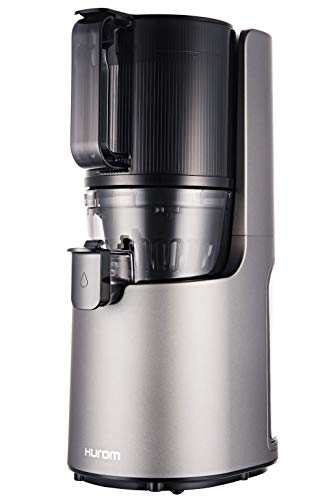
5. Hurom H-200 Easy Clean Slow Juicer
A vertical slow juicer from Hurom with a design meant to simplify cleaning. It works with leafy greens when you feed them gradually. It will also make fruit and vegetable juices with less fuss than a crank.
Suits: mixed juicing. Strengths: easy cleaning and a compact body. Weaknesses: not a dedicated wheatgrass press. Skip it if you want twin gears.
View Hurom H-200 Easy Clean on Amazon
Best for trying slow juicing
6. Aobosi Slow Masticating Juicer
A budget-friendly vertical slow juicer from a newer brand, listed for fruit, vegetables and leafy greens. Check what the listing says about wheatgrass before you rely on it. Treat it as a starter machine, and check support details before relying on it.
Suits: trying slow juicing. Strengths: an accessible entry point. Weaknesses: brand history is shorter. Skip it if you want a legacy name.
View Aobosi Slow Masticating Juicer on Amazon
Care and Setup
- Rinse parts immediately because wheatgrass pulp dries stubbornly.
- Dry metal parts to avoid rust spots.
- Clamp manual units firmly and check them before each use.
- Cut long grass into smaller sections to speed the feed.
- Use the brush supplied for screens and gears.
Mistakes to Avoid
- Overtightening a clamp on a thin countertop.
- Skipping a cleaning step and leaving residue.
- Feeding wet grass, which can clog the auger.
- Buying a dedicated grass juicer when you also need fruit juice.
- Ignoring warranty information.
Why Wheatgrass Needs a Different Kind of Juicer
Wheatgrass blades are thin, tough and low in water. A fast-spinning blade juicer tends to throw the blades around and leave a wet pulp, so most of the liquid stays behind. Machines that crush and squeeze slowly do far better, because they press the fibers between a screw and a screen or between two gears and give the juice time to run out.
The yield is small. A handful of grass gives only a small shot of juice, so a machine that wastes even a little matters. Look for a design that grips thin material instead of letting it slide past the auger. Manual crank machines and twin gear presses are usually built with this in mind, while some general slow juicers handle grass only when it is fed gradually and mixed with other produce.
Because the juice is concentrated and strong tasting, most people drink it in small shots. That shapes the buying decision. If you only want a shot each morning, a compact manual machine may be plenty. If you also want to juice carrots, apples and leafy greens, a machine that handles all of them saves counter space. Check the listing for any statement about wheatgrass, and treat vague claims with caution.
Growing and Harvesting Grass for the Juicer
The quality of your juice starts with the grass. Many people grow it in shallow trays, soaking the seeds first, spreading them evenly, keeping them moist and giving them light and air. Check seed packaging for guidance, because methods vary. Good airflow and clean trays help prevent mold, which can appear as white fuzz at the roots and should never be juiced.
Harvest when the blades are tall and green, and cut just above the roots with clean scissors. Rinse the cut grass briefly and let it drain, but do not leave it soaking, since wet grass can clog an auger and dilute the juice. Pat it with a clean cloth if it is very wet.
Juice soon after cutting for the best flavor. If you need to store it, wrap it loosely in a paper towel and keep it in a container in the fridge, but use it within a short time. Discard grass that smells sour, looks slimy or shows mold.
Plan trays so you can harvest every few days. Staggering the planting gives a steady supply without waste. Keep notes on soaking, light and timing so you can repeat good batches. If you are new to growing, start with one tray and a simple routine before scaling up.
Feeding Technique and Getting More Juice
How you feed the grass changes how much juice you get. Cut long blades into shorter lengths so they enter the chute smoothly, and feed small bundles at a steady pace. Pushing in too much at once can jam the auger or leave juice in the pulp. A slow, even feed lets the screw grip the material.
Some people alternate grass with a firmer item, such as a piece of apple or carrot, to help push it through and clear the screen. Check whether the maker approves this, and do not force anything. If the pulp coming out looks wet and green, run it through a second time, if the machine allows it.
With a manual machine, turn the crank steadily rather than in bursts. A clamp that is firmly attached stops the machine from moving and wasting effort. Check the clamp thickness limit against your counter, and use a pad if needed to protect the surface.
With an electric twin gear or slow juicer, follow the speed and run-time guidance in the manual. Do not leave the machine running empty. Stop and clear the chute if it slows or makes straining sounds. Strain the finished juice if you prefer a smoother drink, and drink it promptly while the flavor is fresh.
Cleaning Screens, Gears and Clamps
Wheatgrass pulp dries into a stubborn layer, so clean right after you finish. Disassemble the machine according to the manual, and rinse each part under running water. Use the brush supplied for screens, because the mesh holes clog easily and fine fibers hide in the gears. Wash with mild soap, and rinse well.
Pay attention to small spots: the underside of the hopper, the ring around the screen and the inside of the juice outlet. A toothbrush kept for this purpose can reach tight places. For twin gear machines, wash between the gear teeth to remove packed fibers.
Dry parts completely before storing, especially metal ones, to avoid rust and stains. Leave plastic parts open to the air, and store the machine with the lid off so air can circulate. If a manual machine has a cast body, wipe it dry and, if the maker advises, apply a thin layer of food-safe oil.
Inspect the parts regularly. Worn screens, cracked plastic and bent handles reduce performance and can pose safety problems. Replace damaged parts when replacements are sold, and check the warranty. A machine that is clean and in good condition extracts more juice and lasts longer.
Matching the Machine to Your Routine
Consider how you will use the machine over months, not just on the day you open the box. If you want a quick shot with little fuss, the setup and cleaning time matter as much as extraction. A manual machine is quiet and simple but takes effort, while an electric one is faster and handles more produce but has more parts and costs more.
Think about noise, space and storage. Manual machines are compact and quiet, which suits an apartment or early morning use. Electric twin gear machines are larger and make more noise. Measure the space you have, and check that you can store the machine easily.
Consider support. Check the warranty period, the availability of spare parts and the maker’s reputation for service. Niche machines can be hard to repair, so ask before you buy. If you are unsure, begin with a simple model and upgrade once you know your habits.
Finally, set realistic expectations. Wheatgrass juice has a strong, grassy flavor that not everyone enjoys. Try a small amount from a juice bar first if you can. If you drink it regularly, check with a qualified health professional about any health questions, since this guide does not make health claims.
Wheatgrass Juicer FAQ
Manual or electric?
Manual is quiet and simple, but tiring. Electric saves effort and handles more produce.
Can I juice other greens in a wheatgrass juicer?
Often yes, such as kale or parsley, though check the listing first.
Where do I grow wheatgrass?
Most people grow it at home in trays. Fresh grass juices better than old.
Is fresh juice better than store-bought?
It tastes fresher and is easy to customize, but should be drunk soon after pressing.
How much grass do I need for one shot?
It varies with the grass and the machine, but a modest handful often produces a small shot. Experiment, and note the amounts that work for you.
Why is my juice foamy or pale?
Foam can come from fast feeding or air in the machine, and pale juice may come from old or underdeveloped grass. Feed slowly and use fresh, green blades.
Can I juice wheatgrass in a blender?
You can blend it with water and strain it, but the result differs from pressed juice. A juicer designed for grass extracts more cleanly.
How should I store the juice?
Drink it soon after pressing. If you must store it, keep it in a sealed container in the fridge for a short time and discard it if it smells off.
Is mold on the grass dangerous?
Do not juice moldy grass. Discard the tray, clean it well and adjust your growing method with better airflow and less standing moisture.
Can a manual juicer handle other greens?
Often yes, such as parsley or kale, but results vary. Check the listing and feed small amounts.
How do I clean the screen quickly?
Rinse immediately after use and brush from the inside out with the supplied brush. Letting pulp dry makes cleaning much harder.
Manual, Twin Gear and Slow Juicers Compared by Real Cost
The sticker price of a wheatgrass juicer is only part of what it costs you. A hand-crank model is usually the cheapest to buy and has almost nothing to wear out, but your time and effort are the hidden cost. A twin gear press costs more up front, yet it extracts more from each handful of grass and can also handle other greens, so it can make sense if you juice often. A vertical slow juicer sits in between on convenience and is the most versatile for fruit and vegetables, though its screen is not designed with thin grass in mind.
One way to compare is cost per shot. Estimate how many shots you will make per week, multiply by the number of weeks you expect to use the machine, and divide the purchase price by that number. A juicer that costs more but gets used four times a week for years has a lower cost per shot than a cheaper one that ends up in a cupboard because cranking is a chore. Also count the grass. If a machine leaves wet pulp, you pay for it in extra trays of seed.
- Manual: low purchase cost, no electricity, more effort per shot, best for small amounts.
- Twin gear: higher purchase cost, strong extraction, more parts to clean, suits regular juicing.
- Slow vertical: moderate cost, easy to use, works best when you mix grass with other produce.
Be honest about your routine before you decide. People who plan a daily ritual often start with enthusiasm and drift. If you are not sure you will keep it up, a modest manual juicer is a lower-risk first purchase than a large electric one.
Seed, Soaking and Food Safety at the Growing Stage
Juice made from raw plants carries the same hygiene risks as any raw produce, and sprouted grains are a known concern because warm, damp conditions suit bacteria and mold. This is not a reason to avoid growing your own, but it is a reason to follow careful habits. Buy seed sold for sprouting or growing rather than seed sold as animal feed or for planting fields, since seed intended for other uses may be treated with chemicals or handled with no thought for food use. Check the packaging for a clear statement about intended use.
Rinse seed well before soaking. Soak it in clean water for the time given by the seed seller, then drain it thoroughly so it is damp but not sitting in water. Rinse and drain again at regular intervals until roots appear. Use clean trays, clean water and a spot with good airflow. Stagnant, humid air is where mold appears, so avoid crowding trays and avoid covering the seed tightly once sprouting begins.
Cut the grass above the roots with clean scissors, leaving the seed mat behind, and wash the blades briefly before juicing. If the grass smells sour or musty, or you see fuzzy growth that is not the fine white root hairs, throw that tray away instead of trying to rescue it. People who are pregnant, immunocompromised, or caring for someone vulnerable should ask a qualified health professional before adding raw sprout juice to the diet.
Taste, Portion Size and Making Fresh Juice Easier to Drink
Fresh wheatgrass juice has a strong grassy flavor that many people find sharp on first try. Most guides suggest starting with a small amount, often an ounce or less, and increasing slowly if you like it. Because the juice is concentrated, a shot glass is a sensible serving size, and there is no need to make a large glass. We cannot make health claims about the drink, and a juicer will not change what the juice does. What a juicer changes is how easy and consistent your preparation is.
If the flavor is a barrier, there are ordinary ways to soften it. Chill the grass and glass before juicing, because cold juice tastes less harsh. Follow the shot with a bite of fruit or a sip of water. Some people blend the shot into a juice made from apple, cucumber or citrus; a slow vertical juicer helps here because the same machine can press the fruit. Drinking it quickly in one go is often easier than sipping.
Fresh juice is best consumed soon after pressing. Oxidation begins as soon as the juice is exposed to air, which affects flavor and color. Prepare only the amount you plan to drink and clean the machine straight away.
What to Do With the Pulp and Leftover Grass
A juicer produces dry fibrous pulp, and a regular habit means a regular supply of it. The pulp can go into a compost pile or green waste bin, where it breaks down alongside kitchen scraps. Some people feed grass trimmings to pets that are known to eat grass, but check with a veterinarian first, especially if the grass has not been grown from pet-safe seed. Avoid sending large amounts of wet pulp down the sink, since it can clog drains.
Grow more than you need by only a small margin. Grass left uncut keeps growing, and it becomes tough and bitter if it gets too tall. If you find you regularly have extra, reduce the amount of seed you sow each cycle and stagger planting so a new tray is ready every few days instead of all at once. That reduces waste and keeps the supply steady.
A Short Buying Checklist for Wheatgrass Juicers
- Does the listing state that the machine handles wheatgrass, or only leafy greens in general?
- For manual models, how thick a counter edge does the clamp accept?
- Are the screens, augers and brushes included, and can you buy spares?
- Is the housing metal or plastic, and does the maker list food-grade materials?
- How many parts must you wash after each use, and do you have the patience for that?
- What warranty does the seller offer, and who handles claims?
Going Deeper: How to Judge Wheatgrass Juicers in Real Use
A useful way to judge the options above is to picture an ordinary week of use rather than the first unboxing. For wheatgrass juicers, the deciding factor is rarely a single feature in isolation. It is the combination of how the item fits your growing and juicing wheatgrass at home, how forgiving it is when you are in a hurry, and how much upkeep it asks for between uses. Readers who start from those three questions usually narrow this list down to one or two sensible options very quickly, without needing to study every specification in detail.
Start with fit. Measure the space you actually have, not the space you imagine after a tidy-up, and compare it honestly with the footprint, height and clearance each option needs. With wheatgrass juicers, a small mismatch in fit tends to cause daily friction: doors that do not open fully, items stored at an awkward angle, or a setup that has to be moved every time you use it. If a pick only works when everything else in the growing and juicing wheatgrass at home is rearranged around it, treat that as a genuine drawback rather than a minor inconvenience.
Next, think about twin gear versus manual effort. This is the area where cheaper and more considered designs separate most clearly over time. Pay attention to how the materials feel in the hand, whether edges, joints and moving parts look finished rather than merely adequate, and whether the maker explains care in plain language. A product that is honest about its limits in the description usually behaves predictably in the home, while vague claims tend to hide the compromises you will discover later.
Finally, consider rhythm. How often will you use it, in what quantity, and alongside what else? Someone reaching for wheatgrass juicers every day needs durability and speed above novelty, while an occasional user can reasonably prioritise appearance or compact storage. Neither priority is wrong, but mixing them up is the most common reason a well-reviewed product ends up unused in a cupboard. Match the pick to the rhythm first, and let the smaller features settle the tie afterwards.
Comparing the Picks Side by Side in Practice
Between the Lexen GP27 Healthy Juicer and the Z Star Manual Wheatgrass Juicer, the practical question is which set of trade-offs suits your growing and juicing wheatgrass at home better. The Lexen GP27 Healthy Juicer makes most sense when its particular strengths line up with the way you already work, while the Z Star Manual Wheatgrass Juicer is the easier recommendation when you want the more forgiving option for mixed, everyday use. Neither displaces the other outright; they simply reward different habits. If you find yourself torn between them, choose based on the task you repeat most often, not the impressive edge case you might try once or twice a year.
Between the Tribest Greenstar Elite Twin Gear Juicer and the Miracle Exclusive MJ445 Juicer, the practical question is which set of trade-offs suits your growing and juicing wheatgrass at home better. The Tribest Greenstar Elite Twin Gear Juicer makes most sense when its particular strengths line up with the way you already work, while the Miracle Exclusive MJ445 Juicer is the easier recommendation when you want the more forgiving option for mixed, everyday use. Neither displaces the other outright; they simply reward different habits. If you find yourself torn between them, choose based on the task you repeat most often, not the impressive edge case you might try once or twice a year.
Between the Hurom H-200 Easy Clean Slow Juicer and the Aobosi Slow Masticating Juicer, the practical question is which set of trade-offs suits your growing and juicing wheatgrass at home better. The Hurom H-200 Easy Clean Slow Juicer makes most sense when its particular strengths line up with the way you already work, while the Aobosi Slow Masticating Juicer is the easier recommendation when you want the more forgiving option for mixed, everyday use. Neither displaces the other outright; they simply reward different habits. If you find yourself torn between them, choose based on the task you repeat most often, not the impressive edge case you might try once or twice a year.
Between the Z Star Manual Wheatgrass Juicer and the Hurom H-200 Easy Clean Slow Juicer, the practical question is which set of trade-offs suits your growing and juicing wheatgrass at home better. The Z Star Manual Wheatgrass Juicer makes most sense when its particular strengths line up with the way you already work, while the Hurom H-200 Easy Clean Slow Juicer is the easier recommendation when you want the more forgiving option for mixed, everyday use. Neither displaces the other outright; they simply reward different habits. If you find yourself torn between them, choose based on the task you repeat most often, not the impressive edge case you might try once or twice a year.
Between the Lexen GP27 Healthy Juicer and the Miracle Exclusive MJ445 Juicer, the practical question is which set of trade-offs suits your growing and juicing wheatgrass at home better. The Lexen GP27 Healthy Juicer makes most sense when its particular strengths line up with the way you already work, while the Miracle Exclusive MJ445 Juicer is the easier recommendation when you want the more forgiving option for mixed, everyday use. Neither displaces the other outright; they simply reward different habits. If you find yourself torn between them, choose based on the task you repeat most often, not the impressive edge case you might try once or twice a year.
Across the whole list, a pattern emerges: the picks that earn their place longest are not always the most elaborate. They are the ones whose size, handling and care routine disappear into the background of the growing and juicing wheatgrass at home. When two options seem evenly matched on paper, prefer the one you can clean, store and explain to a guest in a sentence. Simplicity that survives contact with real life beats a longer feature list that demands constant attention.
Matching a Pick to Common Situations
Everyday, unhurried use
For routine use at home, consistency matters more than peak performance. Choose the option above that you can set up the same way every time, with the fewest steps between deciding to use it and actually using it. In a growing and juicing wheatgrass at home, that usually means favouring straightforward handling and easy cleaning over specialised extras. Keep the item where it is used, keep any accessories together in one place, and the habit will sustain itself without effort.
Entertaining and guests
When guests are involved, presentation and predictability take over. Pick the option that looks settled on the table or counter, works without explanation, and does not require you to disappear for ten minutes of preparation. Practise with it once beforehand if it is new to you. With wheatgrass juicers, the version you have used calmly three times will always serve guests better than the theoretically superior version you are still learning on the night.
Small spaces and shared homes
In a compact or shared growing and juicing wheatgrass at home, storage and footprint deserve as much weight as performance. Measure cupboards, shelves and worktop depth before ordering, and think about where the item lives on the days it is not used, which for most households is most days. A slightly simpler pick that stores neatly will be used far more often than a larger one that has to be fetched, assembled and put away again each time.
Building a longer-term setup
If this purchase is the first piece of a larger setup rather than a one-off, favour compatibility and replaceable parts over a closed, all-in-one design. Check whether accessories, refills or matching pieces are easy to find, and whether the style will sit comfortably alongside what you plan to add later. Buying with the second and third purchase in mind avoids the familiar pattern of replacing the first item entirely within a year.
Setup, First Use and the First Fortnight
Unbox carefully and keep the packaging until you have completed a first full use. Lay out every part, read the maker’s instructions once from start to finish before beginning, and wash or wipe down anything that will contact food, drink or glassware as directed. For wheatgrass juicers, most early disappointment traces back to a skipped setup step rather than a faulty product, so the unglamorous ten minutes of preparation is worth taking seriously.
During the first fortnight, pay attention to three things: how long setup and cleanup actually take when you are not concentrating, whether anything loosens, sticks, stains or behaves differently from the first day, and whether the storage spot you chose still makes sense. Small adjustments made in week one, such as moving the item closer to where it is used or changing the order of steps, usually fix frustrations that otherwise get blamed on the product itself.
Keep a simple note of what works. It sounds excessive for a household purchase, but a few lines about quantities, timings or settings that suited you will save repeated trial and error, especially for items used in batches or for guests. Households that share the growing and juicing wheatgrass at home benefit even more, because the note turns one person’s learning into everyone’s starting point.
Care, Cleaning and Keeping It Working Well
Routine care for wheatgrass juicers is mostly about little and often. Wipe spills and moisture promptly, clean in the way the maker describes rather than reaching for the strongest product in the cupboard, and let everything dry fully before storing it away. Trapped moisture and leftover residue cause more long-term damage, odour and staining than ordinary use ever does, and both are avoided by the same unhurried two minutes at the end.
Inspect the working parts periodically: seals, threads, joints, blades, hinges or contact points, depending on the design you chose. Early wear is usually visible long before it becomes failure, and replacement of a small consumable part is far cheaper and less wasteful than replacing the whole item. Keep spare consumables with the item itself so a change never has to wait for a delivery.
Avoid the common care mistakes: soaking materials that should only be wiped, stacking or storing while still damp, using abrasive pads on finished surfaces, and forcing a part that resists. Resistance is information. Stop, check alignment and instructions, and only then proceed. Almost every design in this category rewards a gentle hand and punishes improvisation with stripped threads, clouded surfaces or bent fittings.
Before You Buy: A Final Checklist
Run through these questions honestly before ordering. Have you measured the space, including clearance to open, lift or pour? Do you know how the item is cleaned, and are you genuinely willing to do it at the frequency your household needs? Does it suit the quantity you typically handle, rather than the largest gathering you might host once a year? Have you checked what is included in the box, and what is sold separately? If any answer is no, resolve it now; every one of these questions is much cheaper to answer before checkout than after delivery.
It is also worth deciding in advance what would make you return or exchange the item. A clear personal threshold, such as it must fit the intended spot without modification, or it must be manageable to clean on a weekday evening, turns a vague sense of disappointment into a quick, calm decision inside the returns window. Buyers who set that threshold beforehand rarely keep unsuitable items out of inertia, and rarely send back good ones over a fixable setup issue.
Taken together, the picks above cover the sensible ground for wheatgrass juicers: options for daily reliability, for presentation, for small spaces and for building out a fuller growing and juicing wheatgrass at home over time. Choose the one whose strengths match the job you repeat most, set it up carefully, keep the care routine simple and consistent, and it should serve you well for a long time without demanding attention it has not earned.
Extra Notes on Living With This Choice
One more consideration that experienced owners raise about wheatgrass juicers is how the choice behaves across seasons and occasions rather than on a single day. In a busy growing and juicing wheatgrass at home, demands shift: weekday use is quick and functional, weekend use is slower and more social, and occasional larger gatherings test capacity and patience in ways ordinary use never does. The strongest pick for you is the one that degrades gracefully across all three modes, staying pleasant when rushed and still satisfying when you have time to do things properly.
Think as well about who else will use it. A product that only works in the hands of the person who researched it is a fragile purchase in a shared home. Clear handling, obvious storage and forgiving cleaning make it far more likely that everyone uses the item correctly, which in turn keeps it in good condition for longer. When comparing the final two candidates on your shortlist, this shared-use test is a reliable tiebreaker.
Finally, give any new purchase a fair trial before judging it. First uses are slower and clumsier with almost every design in this category, and technique improves quickly. Judge the item on your third or fourth use, with the setup settled and the routine familiar. That is the experience you are actually buying for the years ahead, and it is the fairest basis on which to compare it with the alternatives described above.
Frequently Asked Questions
How long does it take to make one shot with a manual wheatgrass juicer?
It varies with the machine and how much grass you feed in, but a single shot usually takes a few minutes of steady cranking, plus a second pass for the pulp if you want more juice. Cleaning takes longer than juicing, so plan for both when deciding if a manual unit suits you.
What can I do if I do not have a counter edge for a clamp?
Check the clamp opening against your counter thickness before buying. If the counter is too thick or has a lip, a wooden board clamped to a table edge can serve as a mounting spot. Some people choose an electric juicer to avoid clamping entirely, so weigh that option.
Is it safe to grow wheatgrass from regular garden seed?
Use seed sold for sprouting or growing food. Seed meant for planting fields, lawns or animal feed may be treated or handled without food safety in mind. Check the packaging for intended use, rinse well and keep trays clean and airy to reduce mold risk.
How do I make wheatgrass juice taste better?
Start with a small serving, chill the grass and glass, and drink it quickly. Many people follow it with fruit or mix it into apple or citrus juice. The flavor is naturally strong, and a machine will not remove it, but small tweaks make it easier to tolerate.
The Short Version
For a manual option, the Lexen. For a classic crank, the Z Star. For twin gears, the Greenstar Elite. For a specialty option, the Miracle. For easy cleaning, the Hurom. For a compact slow juicer, the Aobosi.

