A sherpa blanket pairs a smooth flannel or fleece face with a woolly, textured back. Most are reversible, so one side is flat and the other is plush. They differ in size, in fabric weight and in what the face is made from, and listings do not always agree with themselves, so it pays to read the details.
The six throws below run from a standard 50 by 60 inch size to a roomy 60 by 80 inch one. Sizes, fabrics and weights come from each product’s listing page. We have not used these blankets ourselves. Fabric weight figures and other claims are the makers’ own.
As an Amazon Associate we earn from qualifying purchases. Links below are affiliate links, and they do not change the product information we give.
What to Look For
| Feature | Why it matters |
|---|---|
| Size | 50 by 60 inches is a lap throw; 60 by 80 inches covers more of a sofa or bed |
| Fabric weight | GSM figures show how dense each layer is |
| Face fabric | Flannel, fleece or cotton flannel feels different against the sherpa |
| Care | Check the wash and dry instructions before you buy |
In this guide
Specs at a Glance
| Blanket | Size | Fabric | Notes |
|---|---|---|---|
| Bedsure GentleSoft | 50 x 60 in | 100% polyester; 220 GSM flannel, 260 GSM sherpa | Machine wash; listed as heavyweight |
| PU MEI | 60 x 80 in | 100% polyester; 240 GSM flannel, 230 GSM sherpa | About 3.4 lb; lattice check pattern |
| BEAUTEX | Four sizes offered | Flannel and sherpa; listed at 480 GSM | Machine washable and dryable per the listing |
| Eddie Bauer | 50 x 60 in | Cotton flannel face, polyester sherpa reverse | 16 oz; Edgewood plaid |
| UGG Nita | 50 x 70 in | Polyester, 310 GSM | 3.2 lb; box-stitched body |
| Amazon Basics | 50 x 60 in | 80% recycled polyester, 20% polyester | 998 g; 220 GSM flannel, 260 GSM sherpa |
The 6 Best Sherpa Blankets

Top pickBest for a standard sofa throw
1. Bedsure GentleSoft Sherpa Fleece Throw Blanket
A 50 by 60 inch throw made of 100% polyester, with a 220 GSM flannel top and a 260 GSM sherpa back. The listing calls it heavyweight, says it is not an electric blanket and gives machine wash care. It is offered in many colors; the one we read is grey.
Suits: a standard sofa throw. Strengths: two clearly stated fabric weights and a reversible build. Weaknesses: only a 50 by 60 inch size in this listing. Skip it if you want a blanket that reaches over a whole bed.


Best for a roomy blanket for a sofa or the foot of a bed
2. PU MEI Sherpa Fleece Throw Blanket 60 x 80
A larger 60 by 80 inch reversible blanket in a grey and soft blue lattice check. One side is 240 GSM flannel and the other 230 GSM sherpa, laminated into what the maker describes as a single layer. The listing gives about 3.4 pounds, yet its product details label the warmth as lightweight, so the two descriptions do not line up.
Suits: a roomy blanket for a sofa or the foot of a bed. Strengths: the 60 by 80 inch size and a patterned face. Weaknesses: conflicting weight wording in the listing. Skip it if you want a plain solid color.

Best for someone who wants a thick, heavy sherpa
3. BEAUTEX Sherpa Fleece Throw Blankets
A flannel and sherpa blanket that the maker lists at up to 480 GSM, with a hemmed double-layer design. It is described as machine washable and dryable, and four sizes are offered. The material field says flannel and wool while the fabric type says flannel and sherpa, and we could not confirm the exact size of the version shown, so check both before ordering.
Suits: someone who wants a thick, heavy sherpa. Strengths: a high stated fabric weight and several sizes. Weaknesses: inconsistent material wording. Skip it if you need a clear fiber breakdown.
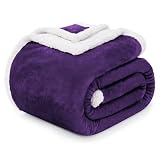
View BEAUTEX Sherpa Fleece Throw Blankets Soft Fluffy Flannel Plush Cozy on Amazon

Best for a plaid cabin look
4. Eddie Bauer Sherpa Reverse Throw Blanket
A 50 by 60 inch throw in an Edgewood plaid, weighing 16 ounces. The specification lists a cotton flannel face with a polyester sherpa reverse, while the feature text describes a brushed fleece side, so the face fabric is described two ways. Care is machine wash.
Suits: a plaid cabin look. Strengths: a light 16 ounce build and a reversible design. Weaknesses: face fabric wording differs inside the listing. Skip it if you want a heavy, thick blanket.

Best for a longer, more padded throw
5. UGG Nita Throw Blanket
A 50 by 70 inch reversible throw with a charcoal grey fleece face and a white reverse the brand calls UGGfluff. It is made of 310 GSM polyester with a lightly filled, box-stitched body, weighs 3.2 pounds and is about one inch thick. Care is machine wash and tumble dry low.
Suits: a longer, more padded throw. Strengths: 50 by 70 inch length and a quilted construction. Weaknesses: the heaviest of the six at 3.2 pounds. Skip it if you want something thin to pack.
View UGG Nita Throw Blanket, Fluffy and Soft Fleece, 50″ x 70″, Charcoal Grey on Amazon
Best for an everyday lap throw
6. Amazon Basics Reversible Sherpa Throw Blanket
A 50 by 60 inch reversible throw with a 220 GSM flannel side and a 260 GSM sherpa side, made from 80% recycled polyester and 20% polyester. It weighs 998 grams, is listed as medium weight and machine washable, and the listing notes it is not an electric blanket.
Suits: an everyday lap throw. Strengths: a recycled fiber content and clear fabric weights. Weaknesses: standard size only. Skip it if you want a patterned face.
View Amazon Basics Reversible Sherpa Throw Blanket, Warm, 50″x60″, Black on Amazon
Care and Setup
- Follow the wash label on your blanket; several listings say machine wash and tumble dry low.
- Wash it once before first use, as some makers suggest.
- Wash dark colors apart from light ones.
- Shake out the sherpa side after drying to lift the texture.
Mistakes to Avoid
- Ordering the wrong size from a listing that offers several.
- Assuming every GSM figure is comparable between makers.
- Ignoring conflicting material wording in a listing.
- Drying on high heat when the label says low.
Reading GSM and Weight Figures
GSM stands for grams per square meter, and it describes how dense a fabric is. A higher number generally means more material in the same area, which often feels thicker and heavier. In this guide the listings give figures such as 220 GSM for a flannel side and 260 GSM for a sherpa side, while the BEAUTEX listing states a single higher figure and the UGG Nita lists 310 GSM.
These numbers help, but they are not perfectly comparable. Makers may measure the whole blanket or just one layer, and they may round or describe fabric differently. A single figure like 480 GSM may count both layers together, while two figures describe each side. Always read how the listing presents its numbers before comparing one blanket to another.
Total weight is a second clue. Some listings give pounds, ounces or grams, such as 3.4 pounds, 16 ounces or 998 grams. Size matters here: a larger blanket weighs more even if its fabric is the same, so compare weight per size rather than weight alone. Wording can also contradict the numbers. The PU MEI listing, for example, gives a weight yet labels warmth as lightweight, so treat adjectives with caution and lean on the figures and your own preference. A heavier blanket tends to feel more substantial and may drape differently, while a lighter one is easier to move and wash.
Choosing a Size for How You Use It
A blanket that feels perfect on a showroom bed may be wrong for a sofa. Start by thinking about where it will live. A 50 by 60 inch throw is a common lap size: it covers one person sitting or reclining but may not wrap fully around a taller adult. A 50 by 70 inch size, like the UGG Nita, adds length for stretching out. A 60 by 80 inch size, like the PU MEI, is roomier and can cover two people or fall over the edge of a bed.
Think about who will use it. Shared sofas, couples and children each need different coverage. Tall users often prefer extra length so feet are not left out. If you want to drape it over the foot of a bed as a decorative layer, a larger size looks better than a small one that sits like a patch.
- Single person on a chair or sofa: a standard throw size is usually enough.
- Taller person or reclining: look at the longer sizes.
- Two people sharing: choose a larger size, and check the listing for exact dimensions.
- Bed layer: choose a size that reaches the sides you want covered.
Some listings, like BEAUTEX, offer several sizes, so confirm that the version you add to the cart is the one you want.
Flannel, Fleece and Sherpa Faces
The smooth side of a sherpa blanket can be made from different fabrics, and each feels different. Flannel is a soft, lightly brushed surface that lies flat. Fleece is a fluffier, knit-like fabric that feels a little plusher. The Eddie Bauer listing lists a cotton flannel face with a polyester sherpa reverse in its specification, which is a different mix from most of the fully polyester options here.
Sherpa itself is the woolly, curled texture on the other side, designed to imitate the look of shearling. In these listings it is a polyester pile. It tends to feel warm and cuddly, though it may shed a little at first or pick up lint and pet hair. Because the two sides feel different, a reversible blanket lets you choose the surface you prefer against your skin.
Fibre content is worth a look. Polyester is common because it is soft and dries readily, while cotton may feel more natural but behaves differently in the wash. The Amazon Basics listing states a recycled polyester share, which may matter to buyers who care about that. When two parts of a listing disagree about the face fabric, as with some blankets here, check the product page and customer questions before relying on either wording. If you have sensitive skin, consider how each fabric feels and wash a new blanket before use if the maker suggests it.
Everyday Care and Signs to Replace
Good care keeps a sherpa blanket soft. Follow the label, since listings here mention machine washing and, for some, tumble drying on low. Washing in a roomy drum helps the pile lift clean, and using a gentle cycle is a common approach, but your care label comes first. Avoid heavy fabric softener if the maker warns against it, because some products can leave a coating on synthetic fibres.
Drying matters as much as washing. High heat can flatten or harden sherpa and may damage polyester, so use the setting the label recommends. Give the blanket a good shake when it comes out to loosen the pile, and let it air fully before folding so no dampness remains. For storage, keep it somewhere dry and clean, in a breathable bag or on a shelf rather than sealed in plastic.
A blanket eventually shows its age. Signs include matted or bald patches on the sherpa, thinning fabric, frayed edges or seams that split, and a rough texture that no longer softens after washing. Persistent odours or stains that will not lift are also reasons to replace it. Note that some listings state the blanket is not an electric one, so never use it as a heated product. When you buy a replacement, compare size, weight and fabric to what you liked about the old one.
What Sherpa Fabric Is and How It Feels
Sherpa is a fabric designed to look and feel like sheep’s wool fleece, with a bumpy, curly texture on one side. Most sherpa throws are made of polyester, and many have a smooth fleece or flannel on the reverse side, which gives you a choice of textures. The curly side feels thick and fluffy, while the smooth side is lighter and slides more easily. If you like to switch between a cozy feel and a lighter one, a reversible throw offers that variety.
Warmth comes from the thickness of the fabric and how the fibers trap air. Different makers describe weight and feel in different ways, so look at the listing for details such as fabric weight, size and care notes. Remember that a blanket that feels pleasantly warm on the couch can feel too warm in bed for some people.
| Blanket | Notable point |
|---|---|
| Bedsure GentleSoft Sherpa Fleece Throw | Soft feel described by the maker |
| PU MEI Sherpa Fleece Throw, 60 x 80 | Larger throw size |
| BEAUTEX Sherpa Fleece Throws | Fleece and sherpa combination |
| Eddie Bauer Sherpa Reverse Throw | Reversible design from a known outdoor brand |
| UGG Nita Throw Blanket | A throw from a footwear and lifestyle brand |
| Amazon Basics Reversible Sherpa Throw | Reversible with a plain, practical design |
Choosing a Size
Throws vary in size, and a listing may show a blanket that looks larger than it is. Compare the listed dimensions with a blanket you already own. A standard throw around 50 by 60 inches suits one person on a couch, while larger sizes like 60 by 80 inches can cover two people or work on a bed. Think about how you will use it, whether draped over a chair, on a couch or as an extra layer in a bedroom.
Washing and Care Checklist
- Read the care tag, since methods can vary between products and brands.
- Wash on a gentle cycle in cool or warm water, unless the tag says otherwise.
- Avoid bleach and fabric softener, which can affect the feel of synthetic fibers.
- Dry on low heat or air dry, because high heat can flatten the fibers.
- Shake the blanket out and fluff it when dry to restore the texture.
- Wash separately for the first time, since new blankets can shed fibers.
Static, Shedding and Pilling
Synthetic fleece can produce static electricity, especially in dry air, and it may shed some fibers during the first few washes. A short tumble in the dryer with a clean dryer ball can reduce static for some people. Pilling, the little balls that appear with wear, is common in many fabrics, and you can often remove them with a fabric shaver. Follow the maker’s care instructions to extend the life of the blanket.
Common Mistakes
The first mistake is choosing on photos alone, when texture and size are hard to judge. The second is washing with fabric softener or high heat. The third is expecting a throw to cover a full bed. The fourth is storing a damp blanket, which can cause odors. Let blankets dry fully, and keep a spare for rotation.
Matching a Throw to Your Room and Your Habits
A throw lives in a particular spot, so think about where it will sit. On a sofa, a folded throw over an arm or the back adds color and stays within reach. At the foot of a bed, it adds an extra layer for cool nights without changing the main bedding. In a reading chair, a smaller throw can be tucked around you. Neutral colors blend with existing decor, while a bold color or pattern becomes an accent.
Consider who will use it. Households with pets may prefer a darker color or a tight weave that sheds less hair, and a lint roller can tidy any fibers. If children use the blanket, choose one that is easy to wash and dry. If you tend to run warm, a thinner reversible throw may suit you better than a very thick sherpa. Keep the care tag handy, and rotate between two throws so each one gets a rest and lasts longer.
Sherpa Blanket FAQ
Are these blankets reversible?
Each one pairs a flannel or fleece side with a sherpa side, so you can use either face.
Which size should I pick?
The 50 by 60 inch models suit a lap. The 50 by 70 and 60 by 80 inch ones cover more.
Do sherpa blankets shed?
Many synthetic pile fabrics shed a little at first. Washing before first use, if the maker suggests it, and shaking the blanket out often reduces loose fibres. Check recent reviews on the listing for more detail.
Is a higher GSM always warmer?
A higher number generally means more fabric, which often feels thicker and heavier. Measurement methods differ between makers, so treat GSM as a guide rather than a guarantee of warmth.
Can a sherpa blanket go in the dryer?
Several listings here say machine wash and tumble dry low. Follow the label on your own blanket, because high heat can damage synthetic pile.
Are these blankets suitable for a bed?
A larger size, like the 60 by 80 inch option, is better suited to a bed. Smaller throws work as an extra layer. Check dimensions against your mattress before choosing.
Can I use a sherpa blanket with a heating pad or electric blanket?
Two listings say the blanket is not an electric blanket. Keep heat sources and soft furnishings apart as the manuals advise, and check the instructions for any heated product you own.
How do I stop the sherpa side from matting?
Wash according to the label, avoid high heat, and shake the blanket out after drying. Brushing gently with your hands can help lift the pile.
Why do some listings give conflicting details?
Product pages may combine text from different sources. When two lines disagree, as with fabric or weight wording in some listings here, check the product page closely before buying.
How a Sherpa Blanket Feels Across a Whole Evening
A sherpa blanket makes its first impression in the shop or straight from the parcel, when the pile is at its fluffiest, but its real character shows over a long evening. The plush side warms quickly and holds heat in still air, which is why these blankets suit reading, television and desk work better than active use. If you tend to overheat, note which face is against you: the smoother fleece side gives a noticeably cooler experience from the same blanket.
Weight plays a quiet role in comfort. A heavier sherpa throw settles over legs and stays where it is put, which suits restless sleepers on the sofa who displace lighter covers. A lighter throw is easier for children and older relatives to manage, fold and carry between rooms. Neither is better in the abstract; the right answer follows the person who will use it most.
Over weeks, the pile where legs rest will flatten slightly compared with the corners. This is normal wear for any lofted fabric and not a sign of failure. Rotating the blanket end for end each week, and shaking it outdoors now and then, redistributes that wear and restores a surprising amount of loft without any washing at all.
Judge a new blanket after a fortnight of evenings rather than on the first night. Early shedding settles, the pile finds its natural direction, and you learn whether the size you chose truly covers you in your favourite chair. That settled judgement is the one worth acting on if an exchange window is still open.
Choosing Between Throw, Twin and Larger Sizes
Size names in this category are used loosely, so work from the stated dimensions and your furniture, not the label. A throw for one person on a sofa needs to cover from chest to beyond the feet when the legs are stretched out; anything shorter becomes a lap blanket that leaves ankles negotiating for coverage all evening.
For a bed, the blanket should reach beyond the mattress edges on both sides if two people share it, because a cover that ends exactly at the edge will migrate to the middle sleeper by midnight. The larger picks in this guide suit that job, while the standard throws are honest single-person covers whatever their photographs suggest.
Children’s use argues for a size a child can carry and fold without trailing it across the floor. A blanket that drags collects dust and wears at the corners, and a child who can manage their own blanket will use it more and complain less. Keep one smaller throw for the young and the full sizes for adults, rather than compromising both.
Travelling and car use form a fourth case: a mid-size throw folds into a car boot or a suitcase without dominating it, warms passengers on long drives, and doubles as a picnic base in a way a bed-size blanket, bulky even folded, never quite manages.
Keeping the Pile Soft: Habits That Actually Work
The sherpa surface mats when fibres are crushed while damp, dried under heat, or left compressed under cushions and stored items. The simplest preservation habit is also the most neglected: shake the blanket out and drape it over a chair back or banister rather than leaving it in a folded heap where body moisture from the evening lingers in the folds.
Washing technique matters more than frequency. A gentle cycle, cool water, and no fabric softener, which coats fibres and flattens their natural loft, will keep the pile open. The care details for each pick in this guide are stated in its entry, and where they differ, follow the specific label over any general advice, including this paragraph.
Drying decides the finish. Low heat or air drying preserves the pile; high heat can melt the tips of synthetic fibres into a roughness that no brushing restores. If the blanket feels stiff after washing, a few minutes of gentle tumbling once fully dry, or a soft brush over the surface, usually brings the hand feel back.
Brushing is the rescue treatment for a matted patch. Use a soft clothes brush, work in the direction the pile wants to lie, and be patient over the flattened area where legs rest. You will not restore shop-floor fluffiness, and you should not expect to, but you can recover much of the softness that made you choose the blanket.
Sherpa in a Household With Allergies and Pets
Synthetic sherpa does not feed dust mites the way natural fillings can, and it washes at temperatures that keep it hygienic, which is why many allergy-conscious households choose it. The blanket still collects dust and pollen like any textile, so regular washing and a good outdoor shake between washes are the habits that keep it comfortable for sensitive sleepers.
Pet hair behaves predictably on these fabrics: it clings to the smooth fleece face and sits more loosely on the sherpa side, where a damp hand or a lint roller lifts it quickly. If the blanket is mainly for a sofa the dog also claims, choose a colour that forgives hair between cleanings and accept a weekly once-over as the price of sharing.
Claws and chewing are the real limits. A sherpa blanket is not armour, and a determined puppy will pull loops and worry the binding. Give animals their own washable blanket on their favourite spot and keep the good throw for human seats; the arrangement protects both the blanket and your temper.
For asthma-sensitive households, scent is the overlooked factor. Heavily fragranced detergents linger in a deep pile and sit close to the face all evening. A plain detergent, an extra rinse, and thorough drying give a blanket that smells of nothing, which is exactly what a bedroom textile should smell of.
Layering Sherpa With the Rest of the Bed
On a bed, a sherpa blanket works best as the layer closest to the sleeper or as a folded layer at the foot, rather than buried under a duvet where its texture is wasted and its loft compressed. Many sleepers find the plush face against the skin warm enough that the main duvet can be a lighter one, which is a useful trick in houses where one partner sleeps hot.
In a guest room, a folded sherpa throw across the bed quietly handles the visitor who is colder than the household without a conversation about heating. It is also the layer guests feel free to move, unlike the arranged bedding, so it absorbs the adjusting that keeps the rest of the bed looking made.
On sofas, layering is about friction as much as warmth. A sherpa throw slides on smooth leather; a cotton throw or a cushion placed over one end anchors it. On fabric sofas the blanket grips well and the problem reverses: it stays exactly where it was left, in a heap, unless someone folds it, so make folding part of the room’s end-of-day routine.
Camping and caravanning suit the mid-weight picks here. Synthetic sherpa keeps insulating when the air is damp, dries faster than wool after a wet weekend, and shrugs off the rough handling of a boot or a tent floor. It is not a substitute for a sleeping bag in real cold, but as the extra layer it is hard to beat for the space it takes.
Colour, Pattern and Living With the Choice
A blanket is a large area of colour in a room, larger than most cushions and second only to the sofa itself, so its shade does real decorative work. A colour drawn from something already in the room, a rug, curtains, a picture, looks intentional; a colour chosen from a screen in isolation often arrives slightly wrong and stays slightly wrong for years.
Patterns forgive. A check, stripe or textured weave hides pet hair, minor marks and the uneven flattening of the pile far better than a flat solid, which shows every shadow of wear. Households that wash blankets often can enjoy solids; households that wash rarely should let pattern do the camouflage.
Reversible designs, common among these picks, give two looks and a practical benefit: rotating which face shows spreads light exposure and wear between the two sides. If one face fades by a sunny window over the years, the other has been protected and the blanket gets a second visual life.
When in doubt between two colours, choose the one that suits the room’s evening light rather than its midday light, because that is when the blanket is used. Warm artificial light deepens reds and yellows and greys down blues, and a throw that looks fresh at noon can look tired at nine in the evening if the colour was chosen for the wrong hour.
When a Sherpa Blanket Is the Wrong Choice
Hot sleepers who kick off covers should be honest about this category. Sherpa’s warmth is its virtue and its limit, and a sleeper who overheats will end up using only the fleece face or abandoning the blanket by midnight. A lighter cotton throw serves that person better, and no amount of quality in the sherpa changes the mismatch.
Anyone who needs a blanket to wash very frequently, after illness, for a baby, for a pet’s bed, may find the drying time of a thick sherpa impractical in a small home without outdoor space. A thinner fleece that washes and dries in a day is the kinder tool for that job, however cosy the sherpa looks.
Formal rooms can struggle with the texture. Sherpa reads as comfort, not elegance, and in a sitting room arranged for a tailored look it can seem like a duvet that wandered in. The smoother-faced picks in this guide sit more quietly in such rooms, but a woven wool throw remains the natural citizen there.
Finally, if you dislike any shedding at all, even in the first weeks, choose accordingly and read the entries with that filter first. All lofted synthetics release some surface fibre early on; the picks differ in degree, not in kind, and matching your tolerance to the blanket is part of choosing well.
Unpacking, First Wash and Early Expectations
Wash a new sherpa blanket before its first proper use, following its own label. Manufacturing finishes and loose surface fibre come out in that first wash, the pile settles into its true character, and anything destined for a baby, a face or a sensitive sleeper starts from clean. Use the gentle approach described earlier and dry it thoroughly before it goes on a bed.
Expect the first wash water and the dryer filter, if you tumble dry, to tell the shedding story plainly. A modest amount of fibre is normal; handfuls, wash after wash, are not, and a blanket still shedding heavily after several washes has a loose construction that will thin early. That is a return conversation while the window is open, not a character trait to accept.
Check the binding and seams after the first wash rather than before it. Stitching faults declare themselves under the mild stress of washing, and a blanket that survives its first cycle with seams flat and edges straight will usually serve for years. Photograph any fault the day you find it if you intend to raise it with the seller.
Give the blanket its place once it passes inspection: a named home, the arm of a chair, the end of a bed, a basket by the sofa. Textiles with a home get folded, aired and washed in rhythm; textiles without one migrate, crumple and age in dog years. The habit sounds trivial and is, in practice, most of blanket care.
Comparing the Six Picks by Lifestyle
For the household that wants one blanket to do everything, the mid-size, mid-weight reversible picks are the sensible centre of this list: warm enough for winter evenings, manageable in the wash, and at home on both bed and sofa. Versatility is a genuine feature, and it is why such designs dominate the category.
For a dedicated sofa throw in a cold room, weight and coverage win. The larger, denser picks stay put, cover completely, and turn a draughty chair into the seat everyone wants. Their cost is bulk in the wash and storage, which a household with a big machine and a blanket box will never notice and a small flat will notice weekly.
For children and for guests, choose easy care over ultimate softness. A blanket that can be washed without ceremony, dried without anxiety and replaced without grief is the right blanket for dens, sleepovers and spare beds, and several picks here are built exactly to that brief.
For the buyer who cares most about hand feel, the premium-feeling picks justify themselves every single evening, because softness is not a specification you admire once but a sensation you receive daily. Match the blanket to the life it will actually lead, and the differences between these six resolve themselves into a clear order for your household, even if it differs from another reader’s.
Storage Through the Warm Months
Wash and fully dry a sherpa blanket before storing it for summer; a blanket put away with body oils and a hint of damp returns in autumn smelling of its storage place. In a small home the drying is the project, so pick a breezy day, wash in the morning, and give the blanket the whole day in moving air.
Store it loosely folded on a shelf or in a breathable bag, not vacuum-compressed for months. Compression is efficient and mostly harmless for a short period, but a pile crushed flat for a season takes time to recover and sometimes keeps the creases of its confinement. If space forces compression, limit it and fluff the blanket well when it returns to service.
Keep stored blankets away from direct sun through a window and from the heat of an airing cupboard’s hot pipes, both of which age synthetic fibres quietly. A cool, dark shelf is the ideal, and a note of what is stored where saves the autumn hunt through every cupboard in the house.
When the blanket comes back into use, shake it outdoors, air it for an hour, and brush the pile if it looks sleepy. Most stored sherpas need nothing more; washing again out of habit only adds wear. Save the washes for when the blanket is actually dirty, and it will stay soft for far more winters.
A Few More Questions Owners Ask
Owners often ask whether two thinner blankets beat one thick one. For sleeping, layering two lighter covers lets you adjust through the night and through the seasons, and each layer washes and dries faster than a single heavy blanket. For a sofa, one good throw is simpler and looks better. The answer follows the furniture, as most answers in this category do.
Another common question is whether sherpa belongs in a baby’s environment. As a supervised tummy-time base or a pram layer on a walk, a clean sherpa blanket is a soft, warm tool; for sleep, follow the safe sleep guidance for your child’s age and keep loose blankets out of the cot, whatever their fabric. Warmth for sleep comes from appropriate clothing and room temperature, not from covers an infant cannot move.
People also ask how long a blanket like this should last. With weekly use and sensible washing, the better picks here should give several years of service before the pile tires. The usual end is not a hole but a gradual loss of loft and softness, at which point the blanket retires honourably to the car, the dog or the camping box.
And the perennial question, which side faces out, has no rule. Show the side you prefer to look at; sleep under the side you prefer to feel. Reversible blankets were designed to make that a matter of mood rather than correctness, and alternating sides, as noted earlier, is quietly good for the blanket too.
Reading the Room: Where Each Blanket Belongs
Walk through your home before ordering and assign each blanket a destination in advance. The reading chair wants coverage and softness; the children’s den wants washability; the spare bed wants a blanket that looks generous folded and forgives irregular use. Buying to a plan prevents the common outcome of three identical throws competing for one sofa while the guest bed goes without.
The plan also reveals the gaps a single blanket cannot fill. A household with a cold conservatory, a sofa bed in regular use and a teenager’s gaming chair has three different briefs, and the six picks in this guide differ precisely so those briefs can be met without compromise. One blanket per job, chosen for that job, beats one premium blanket expected to be everywhere at once.
What Guests Notice, and What They Do Not
Guests notice temperature and texture, in that order. A spare room that offers a visible extra blanket says the household expected them to have preferences, and the sherpa’s softness registers in the first minute of the first evening. Guests do not notice brand, fibre specifications or how the blanket was chosen, which frees you to choose the guest blanket purely for warmth, easy care and a colour that suits the room.
Wash the guest blanket after each stay and fold it back to its place the same day. The rhythm is small, but it is what keeps a spare bed permanently ready rather than theoretically ready, and it spreads the blanket’s washes across its life instead of concentrating them in a guilty flurry before the next arrival.
Desk Workers, Gamers and Other Chair Dwellers
A growing share of these blankets live not on sofas but on office chairs, where someone sits still for hours in a room kept cool for alertness. For that job the blanket should be sized for a lap and legs without trailing into chair wheels or across the floor, and the mid-size throws in this guide suit it better than the bed sizes, which pool and drag. A blanket caught in a chair castor is a blanket with a torn corner by the end of the month.
Stillness changes the warmth calculation. A person walking about generates heat; a person at a keyboard loses it steadily, especially in the hands and legs, and a sherpa layer over the legs restores comfort without raising the whole room’s temperature. Households with one desk worker and one active person will recognise this as a peace treaty: the sitter gets the blanket, the mover keeps the cool room.
For gaming and film marathons the same logic applies with snacks added, which argues for the most washable pick you like rather than the most delicate pile. Choose the blanket for the evening it will actually have, crumbs, drinks and all, and it will be used nightly instead of kept for best.
A Word on Weight and Warmth Ratings in Listings
Listings in this category describe warmth in adjectives far more often than in measurements, and the adjectives are not standardised between brands. A more reliable comparison uses the figures that are given in this guide’s entries: the blanket’s dimensions, its stated weight or fabric weight where provided, and the construction of its two faces. A large, heavy, double-faced blanket will be warmer than a light single-layer throw from any brand, whatever either listing calls itself.
If you already own a fleece or a wool throw, use it as your calibration point. Note how warm it keeps you in your coldest room and choose the sherpa that sits sensibly relative to it: clearly warmer for the winter sofa, comparable for an all-season layer. Buying against your own experience beats buying against a stranger’s superlatives.
Finally, remember that warmth in use depends on stillness and layers as much as on the blanket. The same throw is generous over pyjamas in an armchair and modest over a single layer outdoors on a breezy evening. Judge the picks here by the setting you have in mind, and the category’s vague vocabulary stops mattering.
The Short Version
For stated fabric weights, the Bedsure. For the largest size, the PU MEI. For a heavy build, the BEAUTEX. For plaid, the Eddie Bauer. For length and padding, the UGG Nita. For recycled fiber, the Amazon Basics.