A waterproof blanket looks like a normal throw but hides a liquid-blocking layer inside, usually a TPU membrane between two fabric sides. People use them on beds, couches and car seats, and some are made for picnics and camping instead. The word waterproof can also be used loosely, so the listing details matter.
The six blankets below range from a twin flannel throw to a king sherpa blanket and an insulated outdoor blanket. Sizes, fabrics and care notes come from each product’s listing page. We have not used these blankets ourselves. Waterproof claims are the makers’ own.
As an Amazon Associate we earn from qualifying purchases. Links below are affiliate links, and they do not change the product information we give.
What to Look For
| Feature | Why it matters |
|---|---|
| Size | Match the blanket to a bed, a couch or a picnic spot |
| Fabric | Flannel, sherpa and fleece feel and warm differently |
| Waterproof layer | Check whether the listing says waterproof or only water resistant |
| Care | Some are machine washable, some are not for home machines |
In this guide
Specs at a Glance
| Blanket | Size | Fabric | Notes |
|---|---|---|---|
| LOOBANI Bed 60 x 80 | 60 x 80 in | Flannel, double-sided | TPU layer; machine washable; detail table says water resistant |
| Bedsure King | 108 x 86 in | Sherpa and flannel fleece | Internal TPU membrane; very heavy when wet |
| LOOBANI Queen 80 x 80 | 80 x 80 in | Flannel and sherpa | Silent TPU layer; heavyweight |
| Good-Time Jumbo | 80 x 60 in | Coral fleece | Hidden TPU membrane; machine washable |
| Mambe Silky | 70 x 70 in | Polyester fleece | Reversible; wash with care instructions |
| VELUVIA Outdoor | 79 x 55 in | 20D nylon shell, polyester fill | Snap closures; carry bag included |
The 6 Best Waterproof Blankets
Top pickBest for a twin bed or a couch throw
1. LOOBANI Waterproof Blanket for Bed, 60 x 80
A 60 by 80 inch flannel throw with a TPU layer and flannel on both sides, described as machine washable and suited to twin or twin XL beds, couch protection or camping. The listing title says waterproof while its detail table says water resistant.
Suits: a twin bed or a couch throw. Strengths: double-sided flannel and machine washing. Weaknesses: mixed waterproof wording. Skip it if you need a clear waterproof claim from the maker.
View LOOBANI Waterproof Blanket for Bed, Soft Flannel Twin Bed Blanket 60″ x 80″ on Amazon
Best for a king bed
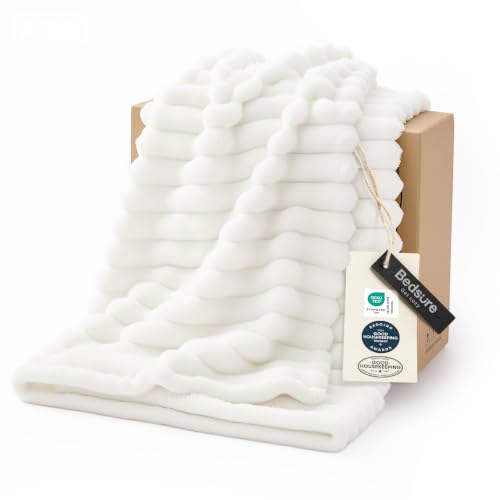
2. Bedsure Waterproof Blanket for Bed, Sherpa Fleece King
A 108 by 86 inch blanket with warm sherpa on one side, flannel fleece on the other and an internal TPU membrane. The listing notes that king and queen sizes become very heavy when wet and that household washing machines are not recommended, so professional laundering is suggested.
Suits: a king bed. Strengths: a very large reversible size. Weaknesses: hard to wash at home. Skip it if you want an easy machine-wash blanket.
View Bedsure Waterproof Blanket for Bed Soft Sherpa Fleece Throw,King 108″x86″ on Amazon
Best for a queen bed or a big couch
3. LOOBANI Waterproof Blanket for Queen Bed, Couch, 80 x 80
An 80 by 80 inch blanket with a flannel side and a sherpa side around a silent TPU waterproof layer. The listing describes it as heavyweight and lists camping, napping, reading and travel among its uses.
Suits: a queen bed or a big couch. Strengths: two textures in one. Weaknesses: heavyweight, so warm. Skip it if you want a light summer throw.
View LOOBANI Waterproof Blanket for Queen Bed, Couch, 80″ x 80″, Gray on Amazon

Best for a throw that looks ordinary
4. The Original Good-Time Waterproof Blanket, Jumbo 80×60
An 80 by 60 inch reversible coral fleece throw with a hidden TPU membrane. The maker says it feels like a regular throw without a plastic feel, and that it can go in the washer and dryer.
Suits: a throw that looks ordinary. Strengths: a quiet, soft fleece surface. Weaknesses: the maker’s claims only. Skip it if you want a heavier sherpa feel.

View The Original Good-Time Red/Gray Waterproof Blanket Jumbo 80×60 on Amazon
Best for a recliner or a car seat
5. Mambe Silky Waterproof Throw Blanket, 70×70
A 70 by 70 inch reversible polyester throw with a hidden waterproof barrier, aimed at sofas, beds, recliners and car seats. The care notes suggest spot cleaning first, then machine washing alone with mild detergent and tumble drying warm.
Suits: a recliner or a car seat. Strengths: a square size with a silky feel. Weaknesses: care takes extra steps. Skip it if you want a simple wash routine.

Best for picnics, camping and stadium seats
6. VELUVIA Outdoor Puffy Camping Blanket, 79 x 55
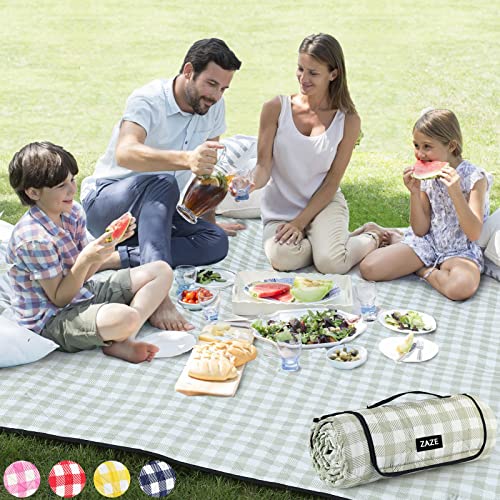
A 79 by 55 inch quilted outdoor blanket with a 20D nylon shell, polyester fill, snap closures that let it wrap like a poncho and a carry bag. The maker calls the shell weather resistant against damp grass, wind and light rain, and says it can be machine washed.
Suits: picnics, camping and stadium seats. Strengths: an insulated, packable build. Weaknesses: weather resistant rather than a bed protector. Skip it if you want to protect a mattress or sofa.

View Outdoor Puffy Camping Blanket, 79″ x 55″ Large Outdoor Blanket Waterproof on Amazon
Care and Setup
- Follow each listing’s wash instructions, and check the temperature.
- Tumble dry on low where the care label allows.
- Skip bleach and ironing.
- Lay the waterproof side down when protecting furniture, if the maker marks one.
Mistakes to Avoid
- Treating water resistant and waterproof as the same thing.
- Putting a king-size blanket in a small home washer.
- Buying an outdoor blanket to protect a mattress.
- Ignoring the size chart for your bed or couch.
Waterproof Versus Water Resistant
The wording on a listing matters more than it seems. Waterproof suggests that liquid will not pass through the blanket, while water resistant suggests that it can repel small spills for a limited time but may eventually soak through. Some listings use both terms in different places, so read the title, bullet points and detail table together. If they disagree, treat the more cautious description as the safer assumption, or ask the seller to clarify.
Where the claim is strong, look at how the waterproof layer is described. Many blankets use a thin membrane, often a plastic-based film, between two fabric sides. The layer blocks liquid, but seams, stitching holes and edges can still be weak points. A spill that sits for a long time or pools in a fold may find its way through, so wipe up promptly regardless of the claim.
It also helps to think about what you need it to do. Protecting a bed from a pet accident, a child’s spill or a drink is different from lying on wet grass for hours or sitting on damp ground at a picnic. Heavy or sustained exposure calls for a product that is clearly meant for outdoor use and says so.
Remember that waterproof claims are the maker’s own and have not been verified here. If protection is critical, for example for a mattress, consider pairing the blanket with a dedicated mattress protector designed for the purpose.
Planning Size and Coverage
Blanket sizes are not standardized in the same way as sheets, so use the dimensions on the listing rather than the bed-size label. Measure your bed, couch or car seat and compare. For a bed, decide whether you want the blanket to lie on top as a cover, or to tuck under as a layer of protection. A blanket sized for a twin may only cover the top of a larger bed, while a king-size blanket may hang low and bunch on a smaller one.
For a couch, think about the cushions and arms. A throw-size blanket covers a seat, while a larger blanket can drape across the whole sofa. Pet owners often want enough fabric to cover the spot where the animal sleeps and fold it over the back. For car use, measure the seat width and consider whether the blanket needs to be secured so it does not slide.
Outdoor blankets have other considerations. A blanket meant for picnics or camping needs enough area for the people and gear it will carry, and a carry bag or snaps for packing may be useful. Check how small it folds, how heavy it is, and whether the underside is intended to face the ground.
- Compare listed length and width, not just the size name.
- Allow extra for tucking if you want it to stay in place.
- Note the weight, since heavy blankets are harder to wash and handle.
Fabric, Feel and Warmth
The surface fabric determines how the blanket feels and how warm it is. Flannel is smooth and lightweight, sherpa and fleece are thicker and fluffier, and nylon shells used on outdoor blankets are lighter and more weather-oriented. Warm, thick fabrics may trap heat, which some people like and others find uncomfortable, particularly with a plastic-like layer inside that does not breathe well.
That breathability point is worth thinking about. A waterproof layer limits air flow, and some sleepers feel warmer or notice a different texture or sound when they move. Listings often describe a layer as quiet or soft, but those are the maker’s words. If you are sensitive to texture or temperature, read buyer comments and the return terms, and consider using the blanket as a protective layer under a regular sheet instead of directly against the skin.
Double-sided designs, with fabric on both sides, tend to feel more like a normal blanket than a single-sided design, since the membrane is hidden. Reversible designs offer two looks. Pile fabrics shed fibers in the first washes, which is normal for some materials, and may collect pet hair, so a smoother fabric can be easier to brush off.
Pick the fabric that suits the season and the use: lighter for warm sleepers or hot climates, heavier for cold rooms or outdoor use. Remember that thicker blankets are also heavier when wet and take longer to dry.
Washing, Drying and Making It Last
Care instructions are the key to keeping the liquid-blocking layer intact. Always follow the label. Many such blankets are machine washable, but they may call for cool or warm water, a gentle cycle and no bleach or fabric softener, since these can damage the membrane or reduce its effectiveness. Large, heavy blankets can strain household machines, so check the weight and the machine capacity before washing.
Drying is where damage often happens. High heat can warp or crack the waterproof layer, so low heat or air drying is commonly advised. Check the care label for the maker’s recommendation and avoid ironing or direct contact with high heat unless allowed. Make sure the blanket is fully dry before storing, as trapped moisture can lead to odors or mildew.
Spot cleaning helps reduce how often you wash. Blot spills rather than rubbing, wipe the surface with a damp cloth and mild soap, and let the blanket air dry. Shake off pet hair and debris regularly.
Signs of wear include stiffness or cracking in the inner layer, peeling or flaking material, new liquid leaks, persistent odor, or fabric that has pilled heavily. If the blanket starts to leak, the waterproof layer may have failed, and it may be time to replace it. Check any warranty or return policy on the listing if the product fails early.
A Quick Checklist for Waterproof Blanket Shoppers
A waterproof blanket serves many purposes, from protecting a mattress to covering a couch or sitting on damp grass. Before you compare the models above, think about how you will use it and use the list below to narrow your choice.
- Where will it go: bed, couch, car seat, picnic or camping?
- Who will use it: children, pets, guests or you?
- What size do you need, and do you want it to hang over the sides?
- Do you want a soft surface against the skin, or is a tough outer fabric enough?
- How often do you expect to wash it, and does it fit your machine?
- Do you need it to be quiet, or is a little rustle acceptable?
The right answers vary a lot. A blanket for a child’s bed has different needs from one for a dog on the sofa or a picnic in the park.
Decoding Waterproof Claims
Listings describe blankets as waterproof, water resistant or spill proof, and these terms are not interchangeable. Waterproof usually means a barrier layer stops liquid from passing through, while water resistant suggests it can repel light moisture for a short time. Look at the description of the layers. Many blankets have a soft top fabric, a thin membrane and a backing.
Read what the maker says about the membrane and the seams. Stitching can create tiny holes, and some makers seal or bond seams to keep liquid out. Check any statement about how long the blanket holds up to spills and washing. Customer photographs can show how it handles a real accident.
Finally, check the dimensions and the weight. A large blanket in thick fleece is warm but heavy, while a thin throw is easy to pack but may feel plasticky.
Where Each Style Fits
| Use | What to look for |
|---|---|
| Bed protection | Quiet fabric, secure corners or straps |
| Couch cover | Non-slip backing, good size to tuck in |
| Picnic or beach | Tough outer layer, easy to shake off |
| Camping or car | Compact fold, carry bag |
| Pet use | Washable, resilient surface |
If you plan multiple uses, a mid-weight blanket with a durable surface is the most flexible choice.
Comfort, Warmth and Noise
Waterproof layers can trap heat and sometimes make noise when you move. Soft knit tops and thin, flexible membranes tend to feel more natural. If you share a bed, test the blanket in a protected spot before using it every night. Place it where it makes sense, such as over the mattress under a fitted sheet, or on top of a couch under a throw.
Washing and Making It Last
Follow the care label. Many makers recommend washing in cool or warm water on a gentle cycle, with mild detergent, and avoiding bleach and fabric softener. Dry on low or air dry, as heat can harm the membrane. Fold it loosely for storage and keep it away from sharp objects.
If the blanket begins to leak, peel or smell, it may be time to replace it. Do not rely on it for medical or hygiene needs beyond the maker’s own claims, and speak with a professional where appropriate.
More on Mistakes to Avoid
Buying a blanket that is too small, ignoring the care label and using hot dryer settings are common errors. Keep the packaging until you are happy with the blanket.
More on Planning Size and Coverage
Size is easy to underestimate. A blanket that fits the top of a bed may not reach the sides, and a throw that looks large online may only cover one person on a couch. Measure the surface you want to protect, then compare the measurements in the listing. For beds, remember to account for mattress depth if you want the blanket to tuck under.
For couches, measure both the seat and the back, and consider whether you want the blanket to hang over the arms. For outdoor use, think about how many people will sit on it and whether you need extra room for bags and food. A slightly larger blanket is usually more useful than a snug one, because you can fold it.
| Use | Sizing note |
|---|---|
| Twin bed | Check width and drop on both sides |
| Queen or king bed | Look for large dimensions and tuck allowance |
| Sofa | Consider cushions, arms and back |
| Picnic for four | A large square with a waterproof underside |
| Car seat or trunk | A compact piece that fits snugly |
Check the weight and how the blanket folds, especially if you plan to carry it. A bag or strap makes transport easier. If you buy for children, choose a size that is easy for small hands to manage, and supervise use around babies and young children according to safety guidance. Keep the packaging until you are happy with the fit.
Where a Waterproof Blanket Earns Its Place in Daily Life
The value of a waterproof blanket shows up in ordinary weeks rather than emergencies. On a bed, it is the layer that turns a spill, a child’s accident or a pet’s muddy arrival from a mattress problem into a laundry problem, and laundry is always the cheaper and easier of the two. On a couch, it protects the seat cushions that cannot be washed at all, which is why so many households keep one folded over the arm of the sofa permanently rather than fetching it for occasions. Thinking of the blanket as everyday insurance, quietly in place, is more realistic than imagining it as special equipment, and it changes what you prioritise: a blanket that lives on the furniture must look and feel acceptable every day, not merely perform on the one night it is tested.
Routines form around it. Families with a new puppy learn to put the blanket down before the dog is invited up, not after the first accident. Parents of toddlers discover that the blanket under a child eating yoghurt on the sofa saves more cleaning than any rule about eating at the table. People caring for an older relative find that a discreet, soft waterproof layer preserves dignity as well as bedding, because it does not announce itself as medical equipment. In each case the blanket succeeds when it is easy enough to wash and pleasant enough to touch that nobody in the household resists using it.
It also helps to decide in advance which jobs belong to the blanket and which do not. A waterproof blanket is excellent against spills, damp paws, drool, sweat and the small leaks of daily life. It is not a substitute for a full mattress protector fitted around the whole mattress, not a cure for a pet that is not yet house-trained, and not something to leave bunched under a sleeping baby. Clear expectations keep the blanket in the role where it performs brilliantly and stop disappointment when it is asked to do a different product’s job.
Layering: How to Combine a Waterproof Blanket With Bedding and Throws
Most comfort complaints about waterproof blankets are really layering complaints. Placed directly against the skin, any barrier layer will feel warmer and less breathable than ordinary bedding, so the trick is to put something familiar between the sleeper and the blanket. On a bed, a normal sheet over the waterproof blanket restores the feel of an ordinary bed while the blanket underneath still catches anything that soaks through the sheet. On a couch, a light cotton throw over the top gives hands and faces a natural fibre to touch and can be washed more often than the heavier waterproof layer beneath.
Order matters in the other direction too. A waterproof blanket placed on top of a duvet protects the duvet but leaves the sleeper lying on the barrier; placed under the duvet, it protects the mattress while the sleeper enjoys the duvet’s normal feel. For pets, the blanket usually belongs on top of everything, because paws, claws and hair are the threat and the blanket is the washable surface. For children who spill drinks in bed, a blanket over the sheet but under the pillow area catches the spill where it happens while keeping the sleeping surface itself comfortable.
Heat is the other layering variable. A waterproof blanket adds noticeable warmth, which is welcome in winter and unwelcome in a hot bedroom in July. In warm months, use it as a protective layer under a sheet rather than as a cover, or choose the lightest version you own for the bed and keep heavier fleece styles for the couch and for winter. If a sleeper consistently wakes too warm, check the layering before blaming the blanket: removing one other layer often restores comfort while keeping the protection exactly where it is needed.
Testing and Checking the Barrier Over Time
A waterproof layer fails gradually, not all at once, and a simple home check tells you where yours stands. Lay the blanket flat, place a folded paper towel underneath, and pour a small cup of water onto the top surface. Leave it for the length of time a real spill might sit unnoticed, then check the towel. A dry towel means the barrier is doing its job; a damp patch means moisture is passing at that spot, often along a seam, a crease that has been folded the same way for months, or an area worn thin by friction. Test in a few places, including the centre where bodies and pets press hardest, because pressure pushes liquid through weaknesses that a light surface spill would not reveal.
How you wash and dry the blanket decides how long the barrier lasts. Heat is the usual enemy: very hot washes and long, hot drying cycles age waterproof coatings and laminated layers faster than the fabric around them. Follow the maker’s care guidance, wash on gentle settings, and avoid fabric softeners unless the maker allows them, because softener residues can coat fibres and change how the surface handles liquid. Bleach and harsh stain treatments deserve the same caution; spot-test any strong cleaner on a corner first, and prefer a soak in ordinary detergent for stubborn smells.
Storage plays a part too. A blanket stored tightly folded in the same creases, in a warm airing cupboard, can develop weak lines along those folds. Vary the fold, store it loosely, and keep it out of prolonged direct heat. When a blanket does start to fail, it rarely becomes useless overnight: a blanket whose centre has weakened can still protect a couch arm, a car seat or a pet’s favourite chair, and can serve as a top layer over a newer blanket on the bed. Retire it fully only when moisture passes quickly in several places, because at that point it is offering false confidence, which is worse than no blanket at all.
Households With Pets: Getting the Details Right
Pet use is the toughest everyday test a waterproof blanket faces, and a few habits make it work far better. Hair is the first issue: a blanket that collects hair on its sleeping surface needs a shake and a quick pass with a lint roller or a damp hand before washing, otherwise the machine fills with hair and the blanket comes out still furry. Washing a very hairy blanket on its own, and wiping the drum afterwards, keeps pet hair out of the rest of the laundry. Claws are the second issue. Keep nails trimmed, not for the blanket’s sake alone but because a snagged claw panics a pet; if a blanket does get punctured by claws or teeth, that spot is no longer waterproof, so position the damage away from the highest-risk area or move the blanket to a lower-duty job.
Accidents need a calm routine. Blot up what you can, rinse the area with cold water before washing if the mess is heavy, and wash promptly rather than leaving the blanket in a heap, because odours set into fabrics and barriers alike when they sit. An enzyme-based laundry treatment made for pet messes, used according to its own instructions, helps with smell in the fabric; check the blanket maker’s guidance before combining products. If a particular corner becomes the dog’s chosen spot, that is information: the blanket is doing its job, but the pet’s routine, not the blanket, is what to adjust, with more outdoor breaks and the blanket washed and fully dried before it goes back down so the scent cue is removed.
Comfort decides whether the pet uses the blanket at all. Many dogs and cats prefer the blanket once it smells faintly of the household rather than of the shop, so a first wash before use can help acceptance as well as hygiene. A fleece or sherpa surface invites curling up; a smooth, cooler surface suits a heavy-coated dog in summer. Watch where the pet actually settles and arrange the blanket there, rather than insisting the pet adopt the spot you chose: a waterproof blanket protects only the area it actually covers, and pets are honest critics of comfort.
Travel, Cars and Outdoor Use Without Regrets
A waterproof blanket travels well when it is treated as the household’s sacrificial layer. In the car, it protects seats from wet dogs, muddy boots, spilled drinks and the slow leak of a cool bag, and it can be shaken out and washed at home while car upholstery cannot. Fold it so the waterproof side faces the likely mess in the car, and keep it in the boot rather than fetching it from the house, because the trips when you need it are usually the ones you did not plan. After a beach or countryside outing, shake and air it before it goes back into the car, or the car slowly acquires the smell of every outing it has served.
For travel with children or pets, a blanket turns a holiday rental’s sofa or a hotel bed into a lower-stress space, within the rules of wherever you are staying. It packs flat, weighs little, and gives a familiar-smelling sleeping surface that helps some pets settle in a strange room. For outdoor use, remember its limits: it will keep dew and damp grass from soaking through during an evening outside, but it is not a groundsheet designed for standing water, sharp stones or being dragged, and its soft top surface will collect grass and leaves that a purpose-made outdoor mat would shed. Used with those limits in mind, it is a genuinely useful crossover piece; used as heavy-duty camping gear, it will disappoint and wear out early.
Keep one blanket for the dirtiest jobs if your household runs to it. A clear division, the good blanket for beds and the older one for cars, boots and gardens, stops the slow drift where the bed blanket ends up under a wet dog in the boot and nobody wants it back on the bed afterwards. Label them if they look similar. That small piece of household organisation preserves both the hygiene and the goodwill that make waterproof blankets such a successful purchase in the first place.
More Questions, Answered in Depth
Why does my waterproof blanket crinkle or feel stiff after washing?
Stiffness usually follows heat or detergent build-up. A long hot dry can make a barrier layer feel firmer, and excess detergent left in the fibres makes the whole blanket handle like cardboard. Try a wash with less detergent, an extra rinse, and drying on a lower heat or on the line, and the hand of the fabric often recovers. If only one area has gone stiff and shiny, that patch may have been overheated, for example against a hot drum or radiator, and that area’s barrier should be tested before you rely on it again.
Can I use a waterproof blanket under a heated blanket or electric pad?
Only if both makers’ instructions allow the combination, and in general you should be cautious about layering anything over or under a heated product that was not designed for it. Heat changes how barrier layers behave and a waterproof layer can trap warmth against a heating element. Check both sets of instructions, never fold a heated blanket over a waterproof layer so heat concentrates, and if either maker is silent or discouraging, do not combine them: use the waterproof blanket on a different bed or at a different time instead.
How do I remove smells that survive a normal wash?
Smell that survives washing usually lives in the absorbent top layers rather than the barrier. A longer pre-soak in cool water with ordinary detergent, followed by a full wash and thorough drying in moving air, clears most cases. Make sure the blanket dries completely through its thickest seams before folding it away, because a nearly-dry blanket stored in a cupboard will smell musty within days and the smell will be blamed on the original accident. If one spot keeps smelling, treat that spot directly and rewash; persistent localised odour after several washes is a sign the liquid soaked deep before the first clean and may never fully leave that area.
Is one large blanket better than two smaller ones?
For a bed, one blanket that covers the whole risk area is simpler and avoids a gap in the middle where two blankets meet, which is exactly where a spill will find its way through. For couches and mixed household use, two smaller blankets are often more practical: one can be in the wash while the other is in service, they fit more easily in a standard machine, and each can be placed where the risk actually is, under the dog’s end of the sofa or the child’s seat at the table. Many households end up with both arrangements over time, starting with one large bed blanket and adding smaller ones as the uses multiply.
Setting Expectations for Guests, Children and Shared Beds
A waterproof blanket changes conversations as well as bedding. For a child who still has night accidents, a soft, ordinary-looking blanket under the sheet lets the household handle the night calmly without the child feeling that their bed has become a medical setup. The practical routine is simple: spare bedding kept ready, the wet layers stripped into the wash without fuss, and the mattress underneath staying dry, which removes the lingering smell that otherwise makes a child’s room feel like a problem area. Children take their emotional cue from adults, and a blanket that turns an accident into a five-minute laundry task helps everyone stay matter-of-fact.
For guests, the blanket is invisible hospitality. A spare bed or sofa bed made up with a waterproof layer under the normal sheet protects the mattress from the spilled glass of water, the baby travelling with the guest and the dog that sneaks up at dawn, without the guest ever needing to know or to worry. Hosts who keep one blanket reserved for the guest bed avoid the awkward shuffle of borrowing the household’s everyday one. For shared beds where one partner runs warm, sweats heavily or uses creams and treatments at night, a light waterproof layer under the sheet protects the mattress from the slow, cumulative damage that never makes a dramatic stain but steadily shortens a mattress’s comfortable life.
Communication helps in rentals and shared houses too. If a waterproof blanket is part of the bedding in a holiday let or a spare room, a small note about how to wash it, or an offer to wash it yourself, prevents well-meaning damage from a boiling wash or a hot dryer. Within a family, agreeing which blanket belongs to which bed sounds trivial until two similar blankets are swapped and the thin summer one ends up doing heavy winter duty. A small label on a corner seam ends the confusion permanently.
When a Waterproof Blanket Is Not the Right Tool
Knowing the limits protects both your furniture and your opinion of the product. A waterproof blanket does not waterproof a room: liquid that runs off its edge, pools in a fold or is pressed through by a person kneeling on a spill can still reach what is underneath, so placement and prompt blotting remain part of the system. A large spill, such as a full drink knocked over, should be lifted and blotted at once rather than left to test the barrier for an hour. Equally, a blanket cannot compensate for a mattress that is already damaged or unhygienic; it protects a sound surface, it does not restore one.
It is also not the right answer to every pet problem. A pet that chews bedding needs a chewing solution and supervision, not a blanket it can shred and ingest. A pet whose accidents are frequent and large needs a vet conversation and a training plan, with the blanket as backup rather than as the plan itself. For medical needs in the household, a blanket is a comfort and protection aid, not a care product, and anyone managing a significant care situation should choose purpose-made bedding protection with guidance, using a soft waterproof blanket as the pleasant top layer rather than the only defence.
Finally, a waterproof blanket is not a picnic rug, a car cover or a tarpaulin, even though it can visit all those roles briefly. Each heavy-duty use costs it softness, appearance and barrier life. Households get the best value by letting the blanket do its real job, catching the small wet accidents of beds and sofas, week after week, and by giving the rough jobs to older blankets that have already been demoted. That division of labour is what makes one good blanket last for years instead of one season.
A Short Routine for the First Week With a New Blanket
The first week decides whether a waterproof blanket becomes a habit or a cupboard resident. Wash it once before use according to the maker’s guidance, which removes factory finishes, softens the surface and lets you check how it behaves in your machine and how long it takes to dry in your home; drying time is a real ownership fact that no listing can tell you. Put it straight into service on the bed or couch it was bought for, in the layering position you intend to keep, and live with it for several nights before judging the feel, because any new layer changes the bed for the first night or two and settles after that.
Test the barrier once, calmly, with the paper towel method described earlier, so you know your particular blanket’s performance before a real accident relies on it. Note where its edges fall on the bed or sofa and whether the coverage matches where spills and pets actually happen in your house; adjust its position now, not after the first leak finds the gap. Agree the household routine out loud: who strips it, where it waits for washing, and what the backup plan is while it is in the laundry, even if the backup is simply an older blanket or a towel layer for one night. By the end of the first week the blanket should have a place, a routine and a known performance, and from then on it will quietly do its job without anyone thinking about it, which is the highest praise a household product can earn.
One Last Thought on Choosing Well
If you are torn between two blankets in this list, decide by the accident you most expect and the surface you most want to protect. A household with a dog on the bed needs coverage and washability above all; a household protecting a good couch needs a surface that looks right in the room every day; a household with young children needs a blanket that can be washed and dried fast enough to be back in service the same night. Rank those needs honestly, check the care guidance against the machine and time you actually have, and the choice usually becomes clear. The right blanket is the one nobody in the house resists using, because an unused protector protects nothing.
One final habit ties everything together: keep the blanket in service, not in storage. A waterproof blanket folded away in a cupboard protects nothing, while the same blanket living on the bed or the couch quietly prevents the small damage that accumulates into stained mattresses, tired upholstery and avoidable laundry emergencies. Put it where the risk is, wash it without drama when it has done its job, and let it be an ordinary, unremarkable part of the room. That ordinariness is the sign that you chose well.
Waterproof Blanket FAQ
Can I wash them?
Most listings say machine washable, but the Bedsure king advises against home machines.
Do they feel like plastic?
The waterproof layer sits between fabrics, and makers such as Good-Time describe a soft, quiet feel. We have not checked this ourselves.
Will a waterproof blanket protect my mattress?
It may help against small spills, but it is not a substitute for a dedicated mattress protector. For regular protection, use a protector made for the purpose and treat the blanket as an extra layer.
Are waterproof blankets noisy?
Some people notice a faint crinkle or rustle from the inner layer, and others do not. Descriptions like quiet are the maker's own, so check buyer comments and the return terms.
Can I use one for pets?
Many people do, to protect furniture or car seats. Choose a size that covers the area, wash it regularly, and check that the care label allows frequent washing.
Can I use a waterproof blanket outdoors?
Only if the listing says it is intended for outdoor use. Indoor throws may not stand up to wet ground, rough surfaces or heavy weather.
Why does my blanket feel warm to sleep under?
The inner layer limits air flow, so the blanket may hold in heat. Consider a lighter fabric, or use it beneath a sheet instead of on top of you.
Can I dry it in a dryer?
Follow the care label. Many makers advise low heat or air drying, since high heat can damage the waterproof layer.
How do I know if the waterproof layer has failed?
Look for liquid soaking through, cracking or peeling inside, or a stiff feel. If this happens, the blanket may no longer protect as it should.
The Short Version
For a twin bed, the LOOBANI 60 x 80. For a king bed, the Bedsure. For a queen bed or big couch, the LOOBANI 80 x 80. For a soft quiet throw, the Good-Time. For a square silky throw, the Mambe. For the outdoors, the VELUVIA.
Related Guides
- 6 Best Throw Blankets for Couch: Sizes and Fabrics (2026)
- 6 Best Throw Blankets for Couch: Fleece, Faux Fur, Ribbed (2026)
- 6 Best Picnic Blankets: Padded and Foldable Picks (2026)
- 6 Best Baby Blankets: Cotton Knit, Waffle and Sherpa (2026)