Deglazing means adding liquid to a hot pan so the browned layer left by searing (the fond) dissolves into a sauce. Those brown bits hold intense flavor, so a minute of work turns them into something worth pouring.
What You Need
Pan size matters. A pan that is too large lets liquid spread thin and dry out before it gathers flavor, while one that is too small crowds the food and prevents browning. Choose one that holds the food in a single layer with a little room around each piece. Keep a small cup of your measured liquid near the stove so you can add it quickly once the pan is ready.
- A pan with a plain, light-colored surface so you can judge the fond; follow the maker’s guide for which utensils the surface tolerates.
- A liquid: stock, wine, juice, vinegar, or plain water.
- A wooden or heat-resistant spoon.
- A little butter or cold fat to finish, if you like.
In this guide
The Method
Read through the steps once before you begin, because deglazing moves quickly. The whole process from first splash to finished sauce usually takes only a few minutes, and the pan is at its most useful while it is still hot from searing.
- Cook the meat or vegetables, then move them to a plate.
- Pour off excess fat, leaving about a spoonful.
- Lower the heat to medium and add aromatics like chopped shallot or garlic; cook until soft, about a minute.
- Pour in a splash of liquid, about a quarter to half a cup.
- Scrape the bottom with the spoon as it bubbles, lifting every brown piece.
- Simmer until it reduces by about half and turns slightly syrupy.
- Taste, then add salt, pepper or a squeeze of acid.
- Off the heat, swirl in cold butter for gloss.
Reading the Fond
The color of the fond tells you what the sauce will taste like. Light to medium brown bits give a rounded, savory sauce. Dark mahogany bits give a deeper, slightly bitter edge that stock and a little sweetness can balance. Black, crusty bits are burned and should not be used.
A pan with a light surface lets you see these colors. In dark pans the fond is harder to judge, so rely on smell: a nutty, roasted aroma is good; an acrid smell means it is time to wipe the pan and begin again.
Choosing a Liquid
Combining liquids is common: a splash of wine followed by stock, or juice balanced with vinegar. Add the sharper liquid first and let it reduce a little, then add the milder one.
The liquid sets the character of the sauce, so think about what the dish needs. Rich meats welcome acid for contrast, lean foods welcome stock for body, and delicate foods suit light liquids. Whatever you choose, keep the quantity modest, because a little liquid reduces faster and tastes stronger.
| Liquid | Effect |
|---|---|
| Stock | Savory and rounded |
| Wine or vinegar | Bright acidity, needs reducing |
| Citrus or apple juice | Fruity sweetness |
| Water | Plain, keeps the meat flavor forward |
Alcohol can flare when added to a hot pan, so remove the pan from the burner first, keep your face back, and tilt away from open flame.
When It Goes Wrong
Most problems trace back to heat. Too high and the fond burns; too low and nothing browns. If you smell something sharp or acrid before the liquid goes in, trust your nose, take the pan off the heat and judge whether the brown layer is salvageable.
- Bitter sauce: the fond was burned, not browned; begin fresh with a cleaner pan.
- Thin sauce: simmer longer, uncovered.
- Too salty: reduced too far with salty stock; add water or unsalted stock.
- Greasy sauce: spoon off more fat before adding liquid.
Building More Layers
After deglazing, add flavor boosters such as tomato paste, chopped herbs, a little cream or a squeeze of lemon. Cook paste for a minute before adding liquid so it loses its raw edge. Taste after each addition, because reduced sauces get saltier and sharper as they thicken.
A Worked Walkthrough: Pork Chops to Pan Sauce
- Pat the chops dry and sear them in a hot pan until browned on both sides, then cook them as the food-safety guidance for pork directs, checking with a thermometer.
- Move the chops to a warm plate and rest them loosely covered.
- Pour off most of the fat. Lower the heat to medium.
- Add a chopped shallot and cook for about a minute until softened.
- Add half a cup of stock and a splash of vinegar. Scrape the bottom as it bubbles.
- Pour in any juices that collected on the plate, then simmer until slightly syrupy.
- Remove the pan from the heat, whisk in a small piece of cold butter, season, and spoon over the chops.
Common Scenarios
Vegetarian dishes
Roasted or seared mushrooms and onions leave good fond. Use vegetable stock or water, and add a little tomato paste for depth.
Sticky marinades
Sugary marinades darken quickly. Lower the heat before deglazing, and add liquid sooner to avoid scorching.
No fond at all
If food was steamed or the pan is nonstick, there will be little to lift. Build the sauce from aromatics, paste and stock instead.
Pan Care Afterward
If fond has burned on and will not lift, fill the pan with warm water and a little dish soap and let it soak before scrubbing gently with a tool the maker approves.
Let the pan cool a little, then wash it as the maker’s guide directs. A pan with a sticky brown layer usually cleans more easily once warm water has loosened it, so do not leave it for hours. Avoid plunging a very hot pan into cold water, which can warp some metals, and keep abrasive pads away from coated surfaces unless the guide allows them.
Glossary
A few terms come up often when you read pan-sauce recipes.
- Fond: browned residue stuck to the pan after searing.
- Deglaze: adding liquid to dissolve the fond.
- Reduce: simmer to thicken and concentrate.
- Aromatics: shallot, garlic or similar flavoring vegetables.
- Syrupy: thick enough to coat the back of a spoon.
- Sear: to brown food over high heat.
How Pan Material Affects Fond and Sauce
The pan you sear in decides how much fond you get and how easy it is to lift. Some surfaces encourage browning and leave a flavorful layer behind, while others are designed to release food and leave little. Neither is wrong, but they suit different jobs, so match the pan to the result you want.
- Stainless steel: Builds a visible fond and is a common choice for pan sauces. The light color makes it easy to judge the browning.
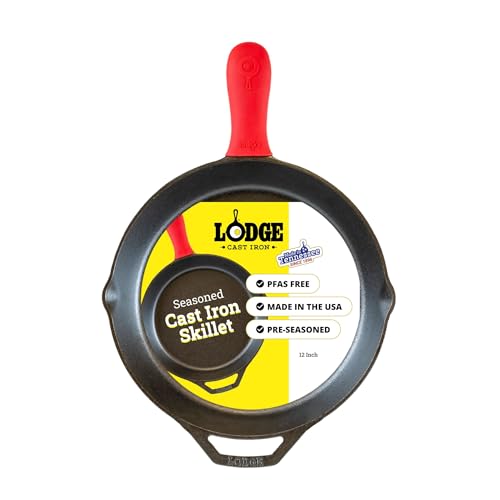
- Cast iron: Holds heat well and browns deeply. Acidic liquids like wine or vinegar can affect seasoning if they sit for long, so reduce the contact time and check the maker’s guide.
- Carbon steel: Behaves much like cast iron, with similar care points around acid and seasoning.
- Enameled surfaces: Produce fond on many pans and are generally comfortable with acidic liquids, though you should follow the care instructions for the coating.
- Nonstick coatings: Release food readily, so there is less to dissolve. Sauces can still be built there, but high heat and metal tools can harm the coating, so check the guide.
Pan weight and thickness also matter. A heavy base holds steady heat, which gives even browning and fewer burned patches. A thin pan heats and cools quickly, so you need to watch the fond more closely and lower the heat sooner.
When you pour in liquid, expect a burst of steam and a hiss. That is normal, but it is also a reminder to keep your face back and to tilt the pan handle away from you. Use a utensil that suits your surface, such as wood or silicone for coated pans, and metal only if the maker allows it.
Balancing Flavor: Salt, Acid, Sweetness and Fat
A good pan sauce is balanced, not just strong. The simplest way to think about it is a set of levers you can adjust by taste. When something feels off, you can usually name which lever to move.
- Salt: Brings out flavor but concentrates as the sauce reduces. Season at the end, after the sauce has thickened.
- Acid: Wine, vinegar or citrus brightens a heavy sauce. If it tastes flat, a few drops can lift it.
- Sweetness: A little sweetness, such as from onion, juice or a small pinch of sugar, rounds sharp edges. Use it sparingly.
- Fat: Butter or cream adds richness and a smooth texture, and a cold knob swirled in at the end gives gloss.
- Bitterness and depth: Dark fond or tomato paste adds depth, but too much tastes harsh. Balance with stock or a touch of sweetness.
Taste in small spoonfuls and let the sauce cool slightly, since very hot sauce can fool your palate. Add one thing at a time, then taste again. If the sauce is too sharp, add a splash of stock or a little cream. If it is dull, add acid or a pinch of salt. If it is too rich, a little lemon or vinegar often resets it.
Keep in mind who you are cooking for. Some people prefer a gentler sauce, while others like a pronounced tang. You can serve the sauce lightly seasoned and let people add salt or a squeeze of citrus at the table.
Thickening and Finishing Techniques
Reduction is the simplest way to thicken a pan sauce, and it concentrates flavor at the same time. Simmer uncovered until the liquid coats the back of a spoon. A wider pan reduces faster than a narrow one because more surface is exposed, so choose accordingly.
If you need more body, there are a few gentle options. Whisking in cold butter in small pieces gives a glossy, slightly creamy finish. A splash of cream, added near the end and simmered briefly, makes a richer sauce. A small amount of flour cooked in the fat before the liquid goes in forms a light base, as long as you cook it for a minute so the raw taste disappears and stir well to avoid lumps. A cornstarch slurry, mixed with cold water first, can also thicken a sauce quickly, but add it gradually and simmer briefly so it clears.
- Remove the pan from the heat before adding butter, so the sauce does not split.
- Strain the sauce through a fine sieve if you want it smooth.
- Add chopped fresh herbs at the very end so they stay bright.
- Stir in any resting juices from the plate for extra flavor.
Serve the sauce right away, since many pan sauces thicken and separate as they stand. If it does tighten, loosen it with a splash of warm stock or water and whisk gently. Spoon it over the food or around it, depending on how you want the dish to look.
Timing, Heat Control and Mistakes Beginners Make
The biggest challenge in pan sauces is timing. The fond is ready when the food comes out, and every moment you wait increases the chance of burning. Have your ingredients prepared before you start searing, so you can move straight to the sauce.
Heat control comes next. After searing, the pan is hotter than it looks, so lower the heat before adding aromatics. If the pan is too hot, shallots and garlic scorch within seconds and turn bitter. If it is too cool, the liquid will not lift the fond quickly. Medium heat is a safe middle for most pans, but adjust to your stove.
- Adding too much liquid: It takes a long time to reduce and the flavor stays thin. Begin with a small amount.
- Skipping the scrape: Brown bits left on the pan are flavor you are throwing away.
- Salting too early: Reduction concentrates salt, so wait until the end.
- Using a cold pan: Liquid added to a cool pan does not dissolve the fond well.
- Letting the sauce boil hard after adding butter: It can break and look greasy.
- Not tasting: Trust your palate over a recipe, since every pan and stock differs.
With practice you will recognize the sound of the liquid hitting the pan, the way it bubbles as it reduces and the smell of a well-built sauce. Take notes after a few attempts, and you will find your own timing for your pans and burners.

Ready to Buy? Start Here
If this guide helped you decide what to look for, these products are a place to start.

As an Amazon Associate we earn from qualifying purchases. Prices and availability are shown on Amazon.
A Quick Checklist Before the Pan Leaves the Heat
Deglazing moves fast, and the best results come from having everything within reach. Run through this list once the meat comes out of the pan.
- Move the protein to a warm plate so it can rest while you make the sauce.
- Pour off excess fat, leaving a thin film that carries flavor.
- Lower the burner to medium, since a scorching pan burns the brown bits instead of dissolving them.
- Measure out your liquid, plus a spoon of cold butter or a splash of cream if you plan to finish with it.
- Have a wooden spoon or flat spatula ready to loosen the fond.
- Keep salt and a small acid, such as vinegar or lemon, within reach for the final adjustment.
With these in place, the whole sauce takes only a couple of minutes, so the meat does not go cold.
Matching the Sauce Style to What You Cooked
Not every pan sauce suits every protein. This table pairs common searing jobs with sauce directions that tend to work. Treat it as a loose guide, not a rule.
| What you seared | Liquid that suits it | Finishing touch |
|---|---|---|
| Chicken thighs | Stock with a little white wine or vinegar | Fresh herbs and a pat of butter |
| Steak | Stock or red wine, reduced well | Shallot and cold butter |
| Pork | Apple cider or stock | A touch of acid and thyme |
| Salmon | Light stock or citrus juice | Dill or capers |
| Mushrooms | Stock or a splash of sherry | Garlic and parsley |
If you are unsure, begin with stock, since it is gentle and rarely clashes with the main ingredient. Then taste and adjust.
Food Safety and When to Follow Official Guidance
A sauce is not a substitute for cooking meat properly. For safe internal temperatures of poultry, pork, ground meat and fish, rely on official food safety guidance from your national food agency, and use a reliable thermometer to confirm doneness. Do not judge by color alone.
The same caution applies to resting and holding. Do not leave cooked food sitting out for long while you perfect the sauce, and chill leftovers promptly according to official advice. If you prepare a sauce in a pan that held raw meat juices, bring it to a full boil before serving, as guidance for your region recommends, and keep raw and cooked utensils apart.
Cookware has its own instructions. Some nonstick coatings and enameled pans have limits on heat, metal tools or acidic liquids, so read the maker’s care notes before you pour wine or vinegar into a hot pan. When in doubt, a quick message to the maker will settle it.
Take notes on each pan sauce you make, listing the liquid, the amount and the finish. After a few dinners you will have your own reference, and you will stop measuring so carefully. Tasting at every step is the habit that matters most, because salt, acid and richness all shift as the liquid reduces.
The Sear Decides the Sauce
Deglazing begins long before any liquid appears, because the quality of the fond is fixed during the sear that creates it. Food that is crowded, wet or constantly moved produces pale, steamy residue that dissolves into a thin, apologetic sauce. Food given dry surfaces, space and stillness lays down the deep, even browning that becomes a sauce with a spine. If you want a better pan sauce, improve the sear first: pat the food dry, heat the pan properly, and resist turning pieces until they release on their own, which is the pan’s signal that the crust, and therefore the fond, has formed.
Work in batches when the pan demands it, and protect the fond between batches like an ingredient, because it is one. If the residue is darkening too far while further batches still need to cook, lower the heat slightly or wipe out only the loosest burnt crumbs with a wad of paper towel held in tongs, leaving the glossy brown layer intact. A cook who manages fond across several batches arrives at the deglazing moment with a pan full of flavor instead of a choice between raw and burnt.
Seasoning plays a part too. Salt and pepper applied to the food before searing end up partly in the fond, which is good, but sugary rubs and marinades scorch into bitterness that no liquid can redeem. With sweet or heavily spiced coatings, plan a gentler sear and a sauce built more on stock and aromatics than on the pan’s residue, or scrape away residue that has clearly gone past dark brown into black before any liquid touches it.
Choosing the Liquid Like a Cook, Not a Recipe
Recipes name a liquid, but the cook’s real question is what job the liquid must do in this particular pan. Wine brings acidity and aroma that lift rich meats and cut through fat, and most of its alcohol cooks away as the sauce reduces, especially when it is added early and simmered rather than whisked in at the end. Stock brings body and savory depth without sharpness, and it is the safest foundation when other flavors in the dish are already bright. Water, often dismissed, is honest and neutral: it lifts fond faithfully and lets the food’s own flavor lead, which is exactly right for delicate fish or vegetables whose sauces should whisper.
Other liquids earn their place in specific moments. A splash of vinegar wakes up a sauce that tastes flat, though it should be added in drops and tasted, because its sharpness concentrates as it reduces. Beer suits sausages, onions and hearty braises, bringing a malty depth, while cider pairs naturally with pork and cream. Fruit juices can work with duck or ham but carry sugar, so they reduce toward sweetness quickly and need balancing. Cream and milk are finishing liquids rather than deglazing ones in most cases: added after the fond is lifted and the pan has cooled slightly, they round a sauce without the risk of splitting over fierce heat.
Temperature of the liquid matters less than its timing, but very cold liquid poured into a ripping-hot, thin pan can warp the metal and will certainly stop the cooking with a shriek of steam. Have the liquid measured and within reach before the food leaves the pan, because the fond waits for no one: the gap between perfect and burnt can be half a minute, and that is not the moment to be searching for a corkscrew.
The Order of Operations at the Stove
A calm deglaze follows a sequence so reliable it becomes choreography. The food comes out to rest, carrying its juices with it or leaving them behind according to your plan. Excess fat is poured off, keeping a thin film and every brown speck. Aromatics such as shallots or garlic, if the sauce wants them, get their brief moment in that film, long enough to soften and perfume the pan but not to color deeply, because they too can burn in the fond’s heat. Then the liquid goes in, in one confident addition, and the wooden spoon or spatula goes to work while the pan hisses.
Scraping is a technique, not a frenzy. Use the flat edge of the tool, work the whole floor of the pan including the corners and the slope where the base meets the sides, and keep the sauce moving so nothing re-sticks. You are finished when the pan’s floor looks clean and the liquid has taken on the fond’s color, which usually takes less time than beginners expect. What remains stuck after honest scraping in a suitable pan is often the burnt fraction you did not want anyway.
Only after the fond is fully dissolved do you build: more stock if the sauce needs volume, a reduction if it needs intensity, butter or cream if it needs richness, and the resting juices from the food, which carry flavor no stock can imitate. Taste at each stage, because a sauce is a series of small decisions, and the cook who tastes after every addition never arrives at the table with a mystery.
Reduction: Where Flavor Concentrates and Mistakes Do Too
Reducing a pan sauce is simply boiling away water so that what remains tastes more like itself, but the process rewards attention because everything concentrates together: salt, acidity and any bitterness hiding in the fond. Reduce at a lively simmer rather than a violent boil, which throws droplets up the sides to scorch and can emulsify stray fat into the sauce in an unflattering way. A wide pan reduces faster than a narrow one because surface area is evaporation’s engine, which is another reason the searing pan itself is the ideal vessel for its own sauce.
Judge reduction by behavior, not just by volume. A sauce approaching the right consistency coats the back of a spoon, leaves a clear trail when you draw a finger through it, and falls in slow, glossy sheets rather than watery drips. It will also thicken a little more as it cools on the plate, so stop slightly short of the texture you ultimately want, especially with butter-finished sauces that set as they rest.
If you overshoot, all is not lost. A splash of stock or water loosens an over-reduced sauce, and whisking it back together over gentle heat restores the balance, though the salt must be tasted again afterward. If you undershoot, patience or a finishing technique, a knob of butter whisked in off the heat, a little cream, or a very light starch slurry used sparingly, can bring the sauce to the table with its dignity intact. The unforgivable error is serving an untasted sauce; every other error has a remedy.
Matching Sauces to the Weeknight Table
The technique scales down gracefully to ordinary dinners, and weeknight cooking is where it pays its rent. Chicken thighs on a Tuesday leave fond that becomes a sauce with stock, a squeeze of lemon and the resting juices in less time than it takes to cook rice. Sausages give up a rich residue that loves onions softened in the pan and a splash of something malty or sharp. Even a pan of mushrooms, cooked hard until they brown properly, deglazes into a sauce for eggs, toast or pasta that tastes like far more work than it was.
Keep a small mental repertoire rather than a file of recipes: one bright sauce built on wine or citrus, one deep sauce built on stock and time, one creamy sauce finished gently with dairy, and one sharp sauce lifted with vinegar or mustard. Nearly every protein and sturdy vegetable you cook will suit one of the four, and choosing among them at the stove, based on what the rest of the plate holds, is faster and more reliable than searching for the exact sauce a stranger paired with a similar dish.
Serve the sauce with restraint. Its job is to glaze and accent, not to drown; a few spoonfuls over sliced meat, with the rest passed separately for those who want more, respects both the food and the eaters. Sauces made from fond are intense by design, and a little of that intensity, placed well, is what people remember.
Vegetables, Eggs and Other Unexpected Fond
Meat has no monopoly on fond. Onions cooked slowly in a pan lay down a sweet, amber residue that deglazes into the base of soups and gravies with a depth no stock cube approaches. Tomato paste fried briefly in oil or fat darkens and sweetens, and the pan it colored will give that richness to whatever liquid follows. Mushrooms, given space and patience, brown properly and leave a residue that makes a vegetarian sauce taste profoundly savory, especially when the deglazing liquid is a good stock and the finish includes herbs and a little butter or its plant-based equivalent.
Eggs are the exception that proves the rule of timing: a pan used for a frittata or for frying eggs in flavorful fat can still give a quick sauce for the next occupant, but egg residue itself turns unpleasantly sulfurous if pushed, so treat it as a film to build on immediately rather than a fond to develop. Cheese that has crisped in a pan, the lacy edges of a grilled sandwich or the skirt of a fried cheese, is delicious eaten as it is and hopeless as a sauce base; enjoy it, wipe the pan, and start the fond story again with the next ingredient.
The lesson across all of these is that browning is a general phenomenon, not a meat trick. Wherever sugars and proteins meet a hot, dry surface and are allowed to deepen without burning, a pan sauce is waiting to be made, and the cook who sees fond everywhere starts finding dinner in pans other cooks wash without a second thought.
Storing and Reusing a Sauce You Are Proud Of
A good pan sauce keeps its character in the fridge for a few days when it is cooled promptly, stored in a clean, covered container and reheated gently, and it freezes respectably when it is built on stock rather than cream or butter, which can separate on thawing. Butter-finished and cream sauces are best made fresh in the small quantities this technique naturally produces, which is no hardship, since a pan sauce takes minutes and its ingredients are mostly already in your hands.
Reheat sauces at a gentle simmer, whisking as they warm, and be ready to loosen them with a spoonful of stock or water, because chilling concentrates and sets them, especially those enriched with butter or the natural gelatin of a good stock. Taste again after reheating: flavors settle and salt perception changes, and a drop of something fresh and bright at the end, lemon, vinegar or chopped herbs, restores the contrast that made the sauce lively the first time.
Leftover sauce is a head start, not a repeat. Poured over tomorrow’s grains, loosened into a soup, used to glaze roasted vegetables or whisked into eggs, it carries the fond of one meal into another, which is the oldest economy in cooking: nothing browned is ever wasted in a kitchen that knows how to deglaze.
Teaching the Technique to Another Cook
Deglazing is one of the easiest skills to pass on, because the whole drama happens in two minutes at the stove with the evidence visible in the pan. If you cook with children, partners or friends who are learning, narrate the moment once: point out the fond before the liquid goes in, let them hear the hiss, and hand them the spoon for the scraping, which is the satisfying part. People remember a sauce they rescued from a pan themselves far better than one they watched appear.
Start learners on forgiving combinations: sausages or chicken thighs, a stock-based sauce, a sturdy pan. Forgiveness matters because the learner’s attention is split between heat, timing and a new sequence of moves, and a dish that tolerates a slightly thin or slightly dark sauce lets them finish with pride. Save the delicate fish and the wine-and-cream finish for the second or third lesson, when the choreography is already in their hands.
What you are really teaching is a way of seeing: a pan at the end of searing is not dirty, it is loaded. Once a cook sees fond as an ingredient they made on purpose, they stop washing flavor down the sink, and a whole category of weeknight cooking quietly improves forever.
A Final Walk From Pan to Plate
Put the whole method together in the order a good evening uses it. The food is dried, seasoned and seared in a properly heated pan, in batches if need be, and comes out to rest where its juices collect. The fat is judged and mostly poured away. Aromatics soften briefly in what remains. The liquid lands, the spoon scrapes, and the pan gives up everything it was holding. The sauce reduces while you taste, gains its finish, butter, cream, herbs or brightness, and receives the resting juices at the end like a signature.
Slice the food, arrange it, and spoon the sauce over with a light hand, passing the rest at the table. Notice what the sauce does that the food alone could not: it ties the plate together, carries the sear’s flavor into every bite including the plain accompaniments, and makes a Tuesday chicken taste like a decision rather than a default. That transformation, bought with a splash of liquid and two minutes of attention, is why deglazing survives every fashion in cooking.
Then wash the pan while it is still warm, easily, because a deglazed pan is a nearly clean pan, and reflect that the technique even does the washing up. Few skills in the kitchen pay you three times, in flavor, in confidence and in cleanup, and this is one of them.
Sauce Consistency, Translated Into Plain Language
Recipes describe finished sauces with phrases that baffle beginners, so it helps to translate them into things you can see in your own pan. A sauce that lightly coats means it clings to a spoon in a thin, translucent film and runs off slowly, leaving the spoon glazed rather than bare or buried. A sauce at the ribbon stage falls from a whisk in a stream that holds its shape for a moment on the surface before melting back, which is the moment custards and glossy pan sauces alike are ready to leave the heat. A sauce that stands on the food, rather than pooling around it, has reduced further or gained body from butter, cream or starch, and it should be used promptly and sparingly, because it will keep setting as it cools.
Temperature plays tricks on all of these judgments. A sauce always looks thinner in the hot pan than it will on a warm plate, and a butter-rich sauce can look perfect at a simmer and almost stiff after a minute’s rest. Judge consistency slightly loose of your target, carry the pan to the plates rather than the plates to the pan when you can, and remember that a sauce can be loosened at the last second with a spoonful of hot water or stock far more easily than it can be tightened. Cooks who internalize that asymmetry stop fearing the final minute of sauce-making.
Shine is information as well. A glossy sauce signals an emulsion holding together, fat and liquid in friendly suspension, while a dull, separated look with beads of oil at the edges says the emulsion has broken or the sauce was reduced so hard that the fat escaped. Gentle heat, a whisk and a splash of liquid rescue most breaks, and finishing butter must be whisked in off the fiercest heat in small pieces precisely to protect that shine.
What to Cook Alongside a Pan Sauce
A pan sauce is intense and moist, so the rest of the plate should supply the contrasts it lacks: something plain to carry it, something with texture to interrupt it, and something fresh to cut it. Plain starches are the classic carriers, mashed potatoes, rice, soft polenta, buttered noodles or good bread for the plate-scrapers, because they take up sauce gratefully without arguing with it. Choose the carrier by the sauce’s weight: a rich, buttery sauce wants a plainer, drier partner, while a bright, thin sauce can afford a richer base.
Vegetables cooked separately, simply steamed, roasted or blanched and buttered, keep their own character against the sauce’s intensity, whereas vegetables cooked in the sauce itself become part of it, which is delicious but removes the contrast. A crisp salad or a tangle of fresh herbs on the side costs little and pays noticeably, because pan sauces, for all their depth, are cooked flavors, and raw freshness beside them makes the whole plate taste more awake.
Plan the timing so the sauce is the last thing finished, because it waits the least gracefully. The starch can rest, the vegetables can hold warm, the meat benefits from resting, and the sauce, made in the resting window, lands on everything at its glossy best. That is the hidden architecture of a great pan-sauce dinner: every other element is chosen and timed to be ready and waiting when the two-minute miracle happens in the pan.
FAQ
Can I deglaze a nonstick pan?
Nonstick pans produce little fond. Use a pan that browns food well, and check your pan’s care instructions.
Do I need wine?
No. Stock with a splash of vinegar does the same job.
How much liquid should I add?
For a standard skillet, a quarter to half a cup is usually enough for two to four servings. You can always add more, but you cannot easily remove it without reducing.
Why did my sauce separate after adding butter?
The pan was probably too hot or the butter too warm. Take the pan off the heat and whisk in cold butter in small pieces.
Can I deglaze with something other than liquid from a bottle?
Yes. Cooking juices from the resting plate, the soaking liquid from dried mushrooms or even a little tea or juice can work, as long as the flavor suits the dish.
Can I deglaze a cast iron pan?
Yes, and many cooks do. Keep the liquid contact brief, especially with strongly acidic liquids, then wash and dry the pan and re-oil it as the maker advises.
What can I use instead of wine?
Stock with a splash of vinegar or citrus juice gives similar brightness. You can also use plain water, apple juice or the soaking liquid from dried mushrooms, as long as the flavor suits the dish.
Should the pan be on the heat when I add liquid?
Usually yes, at medium heat, so the liquid bubbles and loosens the fond. With alcohol, take the pan off the heat first, add the liquid, then return it.
Why does my pan sauce taste bitter?
The fond was likely burned, or the aromatics scorched. Next time lower the heat before adding shallot or garlic, and begin again with a cleaner pan if the bits are black.
Can I make a pan sauce ahead of time?
It is best made fresh, since butter-finished sauces can split on standing. You can prepare the aromatics and measure the liquids in advance to speed things up.
How do I fix a sauce that is too thin?
Simmer it longer, uncovered, until it coats a spoon. You can also whisk in cold butter or use a small amount of cornstarch mixed with cold water, then simmer briefly.
Is it safe to leave brown bits in the pan if I am cooking poultry or pork?
The bits are a flavor source, but make sure the meat itself is cooked to the safe temperature given by food-safety guidance. If you add raw meat juices to the sauce, simmer it thoroughly before serving.
How do I deglaze when I am cooking for someone who avoids alcohol?
Use stock, water or juice as the liquid and build brightness with a little vinegar or citrus at the end. The technique depends on liquid and scraping, not on wine, and an alcohol-free pan sauce loses nothing it cannot replace with acidity and good stock.
Why does my sauce taste of almost nothing despite good browning?
It usually needs one of three things: more reduction, a pinch more salt, or a bright finishing note. Taste in that order, reducing first if the sauce is thin, salting once it has concentrated, and adding acidity last, in drops, until the flavors stand up.
Can I make a pan sauce in the roasting tin instead?
Yes, and roasting tins hold wonderful fond. Set the tin over a gentle burner if its material and the maker’s guidance allow, pour off excess fat, and deglaze exactly as you would a pan, working the corners where the deepest browning hides. If the tin cannot go on the hob, add hot liquid, let it sit in the residual heat, scrape thoroughly, and finish the sauce in a saucepan.
What should I do if the sauce looks greasy?
Let it stand for a minute and skim the surface, or draw a paper towel briefly across the top to lift excess fat. Whisking in a spoonful of cold water or stock and keeping the sauce moving as it simmers can also bring a slightly greasy sauce back into emulsion, especially before the butter goes in.
Is a wooden spoon really better for scraping?
A wooden spoon or a flat-edged spatula is kind to pan surfaces and stiff enough to lift fond, which is why cooks reach for them. The best tool is the one that reaches the whole floor of your pan, including its corners, without damaging its surface.
The Short Version
Sear, pour off excess fat, add liquid, scrape and reduce, then season and finish with a little cold butter. Keep alcohol away from flame and follow the pan maker’s guide. Read the fond by color and smell, and begin again if it has burned.