A warped pan has a base that is no longer flat, so it rocks on the counter or stove and cooks unevenly. You can usually spot it in under a minute with a few simple checks. Mild warping may be tolerable, while a deep bulge is a reason to replace the pan.
Quick Checks You Can Do Now
- Set the empty, cool pan on a flat counter. Press gently on the rim and watch for rocking or spinning.
- Lay a straight edge or ruler across the inside base and look for gaps beneath it.
- Turn the pan over and sight along the base at eye level with a light behind it.
- Add a thin layer of water and see where it travels. Water that races to one side shows the low spot.
In this guide
What Warping Looks Like While Cooking
- Oil gathers in one area instead of covering the pan.
- Food browns in patches, with one side done and the other pale.
- The pan clicks, pops or shifts on a burner.
- On a smooth glass or ceramic cooktop, the pan wobbles and takes longer to heat.
Why Pans Warp
Metal expands when hot and contracts as it cools. When the heat is uneven, or a hot pan meets cold water, parts of the metal move at different speeds and the base can bend. Thin pans are the most prone, and an oversized burner can add to the problem. Letting a pan cool before washing helps prevent it.
Is It Still Usable?
| Condition | Likely effect | Option |
|---|---|---|
| Slight bow that flattens when heated | Minor | Keep using, cook with a little extra oil |
| Rocks on a flat surface | Uneven cooking and some spills | Use for oven work or soups, or replace |
| Dome or dent in the center | Poor contact with the burner | Retire it |
Do not try to hammer a pan flat; you can crack coatings or damage the cooking surface. Check the maker’s guide for any repair advice.
Keep in mind that some pans flex while hot and settle back as they cool, so test both cold and, with care and a mitt, during gentle heating. A pan that pops and then lies flat again is showing normal movement rather than lasting damage.
When shopping for a replacement, look for a thicker, heavier base, since thickness resists bending.
How Pan Materials Affect Warping Risk
Not every pan is equally likely to warp, and knowing your material helps you judge what you see. Thin stamped aluminum and thin stainless pans are the most vulnerable, because there is little metal to resist the stress of heating and cooling. Heavy cast iron and thick-based pans resist bending, though they can still crack or distort under severe shock. Pans with layered or clad bases spread heat more evenly, and the extra thickness helps them hold their shape.
Coatings and handles matter too. A nonstick coating does not itself cause warping, but if the pan underneath bends, the coating can wear unevenly or crack. Riveted handles can loosen if the pan flexes repeatedly. Pans for induction cooktops often have a magnetic layer attached to the base, and that layer can separate or distort if the pan is overheated, so follow the maker’s heat limits.
- Thin pans: need gentle heat and gradual cooling.
- Clad or thick-based pans: hold shape better but still dislike sudden shocks.
- Cast iron: tough, but avoid pouring cold water on a very hot pan.
- Baking sheets: can flex in the oven, so thicker or rimmed designs resist better.
When you buy, check the product listing for base construction and any statement from the maker about heat tolerance. Weight in the hand is a rough clue, and a thicker base is generally more stable, though it is not a guarantee.
Testing on Different Cooktops
A pan’s flatness matters differently depending on what it sits on. On a gas flame, a slight bow may not cause a problem because the flame reaches around the base, though the pan may wobble on the grates. On an electric coil, contact is limited to the high points of the base, and a warped pan can leave gaps that heat poorly. On a glass or ceramic cooktop and on induction, good contact is essential, because the pan relies on touching the surface to transfer heat or to be detected by the burner.
That is why the same pan can seem fine on one stove and troublesome on another. If you recently moved or changed your cooktop, you may suddenly notice a flaw that was hidden before. A pan that spins or rocks on a flat surface is a clear sign, but subtler warping can show up as hot spots or slow heating.
- Place the cool pan on your cooktop and press lightly on the rim to feel for rocking.
- Add a small amount of oil and heat gently, watching how it spreads.
- Look for pooling on one side or a ring of oil in the center.
- Listen for clicking or popping as the pan heats.
- On induction, watch for buzzing or the burner failing to detect the pan.
Always handle hot pans with mitts, and let them cool before cleaning. If the pan behaves badly on one type of cooktop, check the maker’s guide for compatibility information.
Habits That Prevent Warping
Most warping is caused by sudden or uneven temperature change. You can reduce the risk with a few simple habits. Heat the pan gradually, starting on low or medium and letting it come up to temperature before turning the heat higher. Avoid heating an empty pan on high, which can push the metal past its limits quickly.
Match the pan to the burner. A burner much larger than the pan’s base overheats the center and the edges unevenly, and a pan much bigger than the burner leaves the outside cool. Let hot pans cool on the stove before washing, because plunging a hot pan into cold water is one of the most common causes of warping.
- Do not put a hot pan under cold running water.
- Avoid stacking heavy items on thin pans.
- Do not use the pan as a lid-less oven vessel at temperatures above the maker’s limit.
- Store pans so they are not bent or leaning under weight.
- Preheat gently and add food before the pan becomes extremely hot.
For oven use, check the temperature rating for the pan, handle and any lid. Baking sheets benefit from being allowed to cool on a rack instead of being rinsed immediately.
Repair, Warranty and Return Options
If a newer pan has warped, it is worth checking your options before discarding it. Many makers offer warranties or return policies that cover defects, though they usually exclude damage from misuse such as overheating or thermal shock. Keep your receipt and packaging details if you can, and read the warranty terms to see what is covered.
When contacting a seller or maker, be ready to describe how the pan was used, what cooktop you have, and how it behaves. Photos of the base against a straight edge can help. Do not attempt home fixes like hammering, which can crack the metal or coating, and may void any warranty. A professional metalworker might help in rare cases with valuable cookware, but for most everyday pans replacement is more practical.
- Check the maker’s warranty and return policy.
- Gather proof of purchase and notes about use.
- Photograph the pan on a flat surface and against a straight edge.
- Contact the seller or maker and ask what they can do.
- If they decline, decide whether to keep the pan for limited use or replace it.
Mildly warped pans can often serve for tasks that do not need perfect contact, such as boiling water or simmering soup. Heavily warped pans are best retired to avoid spills and uneven heating.
Choosing a Pan That Stays Flat
When you replace a warped pan, you can improve your odds by choosing wisely. Look at base thickness, construction and the maker’s notes on compatibility with your cooktop. Heavier bases resist bending, and clad designs with multiple layers distribute heat more evenly. Flat, wide bases give stable contact on electric and induction cooktops.
Pay attention to how the pan feels when you pick it up. It should sit flat on a store shelf or counter without rocking. Check the rim for evenness, and look at the join between handle and body for secure fixing. If buying online, read the listing for details of base construction, weight and any guidance on heat limits, and look at the return policy in case the pan arrives out of true.
- Match pan size to your burner to limit uneven heating.
- Choose weight you can comfortably lift when full.
- Check compatibility with induction if you have it.
- Read care instructions and decide whether you will follow them.
Budget tiers affect thickness and finish in general terms: lighter, thinner pans cost less but may warp sooner, while heavier, thicker pans cost more and tend to last longer. Think about how often you cook and what you ask of the pan, and invest where it matters most, usually in the pan you use every day.
A Set of Home Tests, Step by Step
You do not need special equipment to check a pan, only a flat surface and a few minutes. Work through these tests in order, and make a note of each result, since a pan that fails more than one is more likely to be genuinely out of shape.
- The rock test: place the pan empty and cool on a flat counter and press gently on each side of the rim. If it rocks or spins, the base is not flat.
- The ruler test: lay a straight edge across the inside base in several directions. Light shining beneath the ruler shows a gap.
- The coin test: slide a thin coin under the edge of the pan on a glass-topped surface or other smooth table, and note how large the gap is.
- The water test: add a thin film of water to the cool pan and see where it gathers. Water pooling to one side suggests the base is tilted or dished.
A pan may fail only when hot. If it was flat when cold but rocks on the burner, it can flex as it heats, which is more common in thin metal.
Interpreting the Results
| Observation | Likely meaning | Sensible response |
|---|---|---|
| Slight rock when empty, steady when full | Minor distortion that settles under load | Keep using it for soups and sauces; watch for changes |
| Oil runs to one side | Dished or tilted base | Frying and searing will be uneven; consider a replacement |
| Spins on a flat burner | Convex base | Poor contact with the heat; replace if it affects results |
| Only warped on one side | Local damage, maybe from heat or impact | Check for other damage and the maker’s warranty |
| Rock appears only when hot | Thin base flexing | Lower the heat, preheat gently, or choose a thicker pan |
How Warping Affects Specific Cooking Jobs
Different jobs tolerate different levels of distortion. A pot used for boiling pasta or simmering soup can survive a small wobble, because liquid spreads the heat. Frying eggs, searing meat or making pancakes are far more demanding, since the food needs consistent contact with the surface. On a glass or induction cooktop, a warped base reduces contact, which can slow heating and, on induction, may cause noise or uneven performance. For baking sheets, warping causes pooling of fat or batter and can make cookies bake unevenly.
The Pop and Ping of a Flexing Sheet
Baking sheets often make a loud “pop” in the oven when the metal expands. This happens because one part heats faster than another. Many thin sheets do this and settle back as they cool, which is not necessarily permanent damage. If the sheet returns to flat after cooling and your bakes turn out evenly, there is little to worry about. A sheet that stays bent, or that spills liquid off one corner, may need replacing. Heavier gauge sheets and pans with rolled or reinforced rims resist this better.
Common Causes You Can Avoid
Most warping is caused by sudden temperature changes. Putting a hot pan under cold water, placing a cold pan on a very hot burner, or heating an empty thin pan at high heat can all stress metal. A burner much smaller or larger than the base can also cause uneven expansion. Stacking heavy items on a thin pan during storage may bend it over time. Following the maker’s instructions on heat levels, preheating gradually and letting pans cool before washing all help.
- Heat gradually, especially thin pans.
- Let pans cool before washing.
- Match the pan to the burner size.
- Do not stack heavy items on top of thin pans.
Worked Example: Diagnosing a Skillet That Rocks
A cook notices an omelette sliding to one edge of the skillet. She puts the cool pan on the counter and finds it rocks slightly. A ruler across the inside shows a small gap at the centre. Next she heats the pan on low and notes that the rock disappears as it warms, suggesting the base flattens under heat. For eggs this is still a nuisance, so she moves the skillet to roles where oil spread matters less, such as reheating, and buys a thicker pan for omelettes. The test took five minutes and saved her from blaming her technique.
When to Contact the Maker
If the pan is new, or still under warranty, a warp that appears with normal use may be covered. Keep your proof of purchase, take clear photos from the side showing a ruler across the base, and describe how you used it. Follow the instructions in the product paperwork or on the listing for returns. Do not try to hammer a pan flat at home, since this can crack coatings or weaken the metal.
Distinguishing Warping From Other Problems
Before blaming warping, rule out other causes of uneven cooking. A burner that is off-centre, a pan that is too large for the element, a dirty burner ring, or a tilted stove can all cause oil to pool or food to cook unevenly. Check that the stove is level by placing a small pan of water on it and observing the surface. Make sure the burner is clean and sits flat. Try the same pan on a different burner. If the problem follows the pan, the pan is the likely cause. If it stays with the burner, the stove is the culprit.
Residue is another cause. Baked-on grease on the base of a pan can create a slightly raised patch that mimics a rock. Clean the underside carefully, following the maker’s instructions, and test again.
More on Choosing a Pan That Stays Flat
Pans with a thicker, layered or reinforced base tend to resist warping better, because the extra mass and structure spread the heat more evenly. When you shop, press down on a display pan on a flat surface, or check the product listing for details on the base construction and thickness. For baking sheets, look for rolled rims or reinforced edges. Consider the cooktop you use: pans designed for induction usually have a flat, stable base because contact matters. Remember that no pan is immune if it is mistreated, so combine good construction with good habits.
Repurposing a Slightly Warped Pan
A pan that is no longer ideal for frying may still serve well in other roles. Use it for simmering sauces, boiling water, steaming vegetables or reheating leftovers where liquid carries the heat. A slightly bent baking sheet can serve for carrying items, as a drip tray beneath a pan, or for jobs that do not need a perfectly level surface. Mark it with a small tag so everyone knows its new role, and retire it if cracks, coating damage or loose handles appear.
Habits for Checking Pans Regularly
A short routine keeps small problems from growing. Every few months, set your frying pans and baking sheets on a flat counter and run the rock test. Look at the underside for discoloration, dents or scorch marks that might hint at past overheating. If you buy a new pan, check it on arrival so any manufacturing fault is found while returns are still easy. Write the date on a note and keep it with your paperwork. This takes a couple of minutes and prevents long periods of frustration with a pan that cooks badly.
Checklist and Glossary
- Check cold, then hot, on a flat surface.
- Use a straight edge or ruler.
- Think about how the pan is used before replacing it.
- Avoid sudden temperature changes.
- Contact the maker if the pan is new.
Dished: curved inward at the centre. Convex: bulging outward. Gauge: the thickness of the metal. Thermal stress: strain caused by rapid temperature change.

Ready to Buy? Start Here
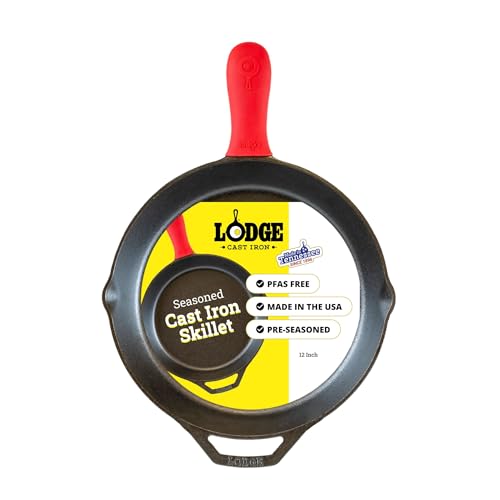
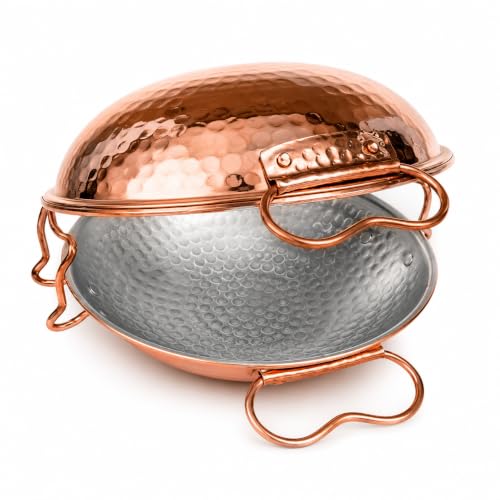
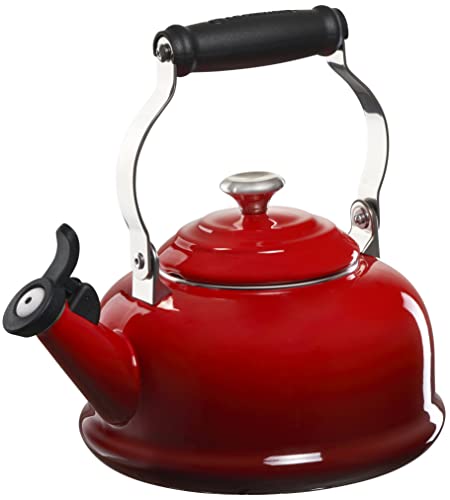
If this guide helped you decide what to look for, these products are a place to start.

As an Amazon Associate we earn from qualifying purchases. Prices and availability are shown on Amazon.
Measuring Warp Carefully: Turning a Feeling Into a Finding
Most cooks diagnose warping by feel: the pan rocks, the oil runs to one side, the eggs gather in a corner. Turning that feeling into a finding you can act on takes only a few minutes and a methodical approach. Start with the pan completely cold and clean, because a pan checked straight off the heat may be showing temporary flex rather than permanent warp, and a pan with baked-on residue under its base will rock for reasons that have nothing to do with its shape. Set it on the flattest surface you own. A glass cooktop is ideal where one is available; otherwise use the most trustworthy stretch of counter you have, and remember that the test is only as honest as the surface beneath it. Press gently on the rim at several points around the pan. A sound pan sits still. A warped one answers with a small rock or a click, and noting which points trigger the movement tells you where the high spot sits.
Next, use a straight edge. A metal ruler, the back of a long knife used carefully, or any strip you trust to be straight can be laid across the base, first in one direction and then across the other diagonal. Look along the contact line against the light. A flat pan meets the straight edge evenly; a domed pan touches in the middle and lifts at the edges, while a cupped pan does the opposite. Sliding a thin piece of paper under the straight edge at different points gives you a rough sense of how large the gap is without any special tools: paper that slips freely under one side and not the other confirms the direction of the bow. Spin the pan slowly on a smooth surface as a final check. A pan with a raised centre often spins a little too willingly, like a top, while a truly flat pan resists. Write down what you find, even briefly. A note that the skillet rocks on the front-left corner and domes slightly when hot is far more useful, weeks later when you are deciding whether it has worsened or whether a maker needs to hear about it, than a vague memory that the pan seemed off. Diagnosis done once, properly, ends the cycle of suspecting the pan every time a meal cooks unevenly, because you will know whether the fault is in the metal, the burner, or the recipe.
Warped Pans and Different Foods: What Still Works
A warped pan is not equally troublesome for every dish, and matching the pan to forgiving work is how many cooks get years more service from a pan that no longer sits perfectly flat. Foods cooked in plenty of liquid are the most forgiving of all. Soups, braises, curries and sauces barely notice a bowed base, because the liquid spreads the heat and fills the gaps the metal leaves. A warped pot that would scorch a fried egg can simmer a stew beautifully for a decade. Shallow frying sits in the middle of the scale: oil pools toward the low side, so food on the high side fries in too little fat while food in the pool fries fast, but a cook who knows the pan can work with it, rotating pieces and moving them between zones as they cook. Pancakes and crepes are less tolerant, because batter runs downhill and thickness decides even cooking, yet even here a slight warp can be managed by ladling batter toward the high side and letting it settle back.
The jobs that expose warping most cruelly are the ones built on even contact. Fried eggs slide and gather, their whites thinning where the pan tilts. Delicate fish fillets cook in patches, crisp where they touch and steaming where they hover. Searing is the hardest test of all, because a steak or a batch of scallops needs the whole surface in contact with hot metal at once; a domed pan gives you a ring of good browning and a pale centre, or the reverse. Baking tells its own story on sheet pans, where a twist in the metal sends juices running into one corner and leaves vegetables there steaming while the rest roast. None of this means a warped pan belongs in the bin. It means the pan has changed jobs. Demote it honestly to the work it still does well, soups, sauces, warming bread, roasting sturdy vegetables that forgive uneven heat, and let a flatter pan handle the eggs and the searing. Kitchens run better when every pan has a role it can still perform, and a cook who assigns those roles deliberately wastes neither money nor meals on a mismatch that was predictable from the start.
Buying Secondhand and Inherited Pans: A Warp Check at the Door
Some of the best pans in home kitchens arrived secondhand, inherited from family, found at estate sales, or bought used from cooks upgrading their own collections. Heavy old skillets and long-discontinued lines are worth seeking out, but a used pan deserves a warp check before money changes hands or before you build your cooking around it. Sellers rarely think to mention that a pan rocks, and in a busy sale you will not get to cook on it, so bring your tests with you. Ask to set the pan on a flat counter or table and press the rim. Sight along the base from the side at eye level; a dome or a sag is often visible to a level gaze even when it is hard to feel. Turn the pan over and look at the base itself: scorch patterns that concentrate in a ring or a crescent tell you where the pan has actually been touching the burner, which is the story of its flatness written in use.
Check the inside too. A pan can be flat underneath and still have a cooking surface that has bowed upward, which matters most for eggs and delicate work. Lay a straight edge across the interior if the seller is comfortable with it, or simply roll a marble-sized ball of foil or a dried bean across the surface and watch whether it settles in the middle or wanders to an edge. Ask about the pan’s history in plain terms: what kind of stove it lived on, whether it was ever left empty on high heat, and why it is being sold. The answers are not guarantees, but a pan that spent its life simmering on a gentle burner is a different prospect from one that survived years of preheating empty on the largest ring. Inherited pans deserve the same honesty without the transaction. A grandparent’s skillet that rocks slightly may still be the finest stew pan you own, and knowing exactly how it sits lets you give it the jobs it can still do well. Sentiment and sound judgement are not enemies; the check simply tells you which shelf, and which suppers, the pan belongs to now.
Storage Habits That Quietly Shape a Pan Over Time
Warping is usually blamed on heat, and heat deserves most of the blame, but the way pans are stored between meals influences how they age. The commonest storage fault is the heavy stack: a tower of pans nested in a cupboard, with the heaviest items on top pressing down day and night on the thinner pans below. Metal that would spring back from a brief load can take a set from a constant one, especially in softer, lighter pans, and the pan at the bottom of a long-standing stack is often the one that mysteriously starts to rock. If you must nest pans, put the heaviest at the bottom, separate layers with a cloth, a sheet of felt, or a pan protector, and avoid stacking anything on top of a pan with a delicate cooking surface. Hanging pans from hooks or a rail removes the stacking problem entirely and has the side benefit of making warping visible: a pan you see every day is a pan whose slow change you will notice early.
Temperature and handling around storage matter too. A pan put away while still warm into a cold, crowded cupboard, wedged tightly between heavier neighbours, cools under pressure in exactly the position you do not want it to keep. Let pans cool and dry fully before they are put away, both for the metal’s sake and to keep trapped moisture from marking the surface. Drawers that force a large pan in at an angle, resting on its rim with weight on top, are another quiet culprit. And be honest about drops: a pan that has fallen onto a hard floor deserves a fresh flatness check before its next use, because a knock that leaves no visible dent can still shift a base enough to change how it sits. None of these habits requires new equipment or a bigger kitchen. They ask only that storage be treated as part of a pan’s life rather than an afterthought, which it is: a pan spends far more hours in the cupboard than on the stove, and it should spend them resting flat, unloaded, and dry.
When a Warped Pan Becomes a Safety Issue Rather Than a Nuisance
Most warping is an annoyance about even cooking, but there are points where it becomes a question of safety, and it helps to know where the line sits. The clearest case is a pan that rocks enough to move. A skillet that tips when you stir, or slides because only a small ring of its base grips a glass cooktop, can shift at the moment you are moving it full of hot food, and that is a burn risk rather than a culinary one. On induction hobs, a badly bowed base may make such poor contact that the hob cycles on and off or fails to sense the pan, tempting a cook to reach across and steady it by hand. A pan that has warped so far that its handle sits at an odd angle, or that wobbles when set down on the counter beside the stove, has crossed the same line: it no longer behaves predictably, and predictable behaviour is the foundation of safe cooking.
Other warning signs are about the pan’s structure rather than its sit. A base that has begun to separate from the body of the pan, visible as a gap, a blister, or a different sound when the pan is tapped, is a pan to retire, not to nurse along. Cracks radiating from a warped area, a rim bent sharply out of round so a lid can no longer seat, and any pan that flexes with a loud pop as it heats and throws droplets of hot oil as it settles all deserve retirement rather than repair. Sheet pans twisted badly enough to spring suddenly when they heat can spill a tray of roasting vegetables in the moment the oven door opens. Judge the pan in front of you with these tests, and be willing to act on the answer. Keeping a pan for forgiving jobs is good thrift when the pan is stable, sound, and merely uneven. Keeping a pan that moves, cracks, or startles you is false economy, because the cost of one spilled pan of hot food is measured in more than money. Retire such a pan without guilt, recycle the metal where your area allows it, and replace it with something that sits still and lets you cook with your attention on the food.
Does warping matter if a pan only goes in the oven?
Less than it does on the stovetop, but it still matters. In the oven, heat surrounds the pan rather than arriving through the base, so a bowed bottom does not create the same hot and cold patches. What warping does change in the oven is where liquids go: juices, batter and melted fat all run toward the low side or corner, so a warped roasting pan gives you vegetables braising in one corner and drying out in the other, and a twisted sheet pan can spill when you lift it. For dry, sturdy jobs a slightly warped pan is fine in the oven. For anything liquid or delicate, choose your flattest pan.
Can a warped pan scratch a glass cooktop?
It can contribute. A pan that rocks concentrates its weight and movement on a small area, and if grit or a rough spot on the base gets trapped in that contact patch, the rocking motion can drag it across the glass. The defence is simple: lift pans rather than sliding them, keep bases clean and dry before they go on the hob, and check a rocking pan’s base for burrs or rough patches with your fingertips. A pan that sits flat spreads its weight and stays where you put it, which is kinder to the glass and quieter to cook on.
Why does my pan sit flat at home but rocked in the shop?
Surfaces differ, and so do temperatures. A shop counter, a display shelf and your own cooktop are three different definitions of flat, and a very slight bow can show on one and hide on another. A pan can also sit flat cold and lift when hot, as the metal expands unevenly, which no shop test will reveal. This is why the cold spin and press tests are a screening tool rather than a verdict, and why a new pan deserves a few real cooking sessions, with an eye on how oil behaves and where food browns, before you decide that it truly sits as flat as it seemed to on the shelf.
A Seasonal Pan Check: Building Flatness Into Your Kitchen Routine
Warping rarely announces itself in a single dramatic moment. More often a pan changes by degrees across a season of cooking, until one morning the eggs pool oddly and you realise the pan you trusted has been drifting for weeks. A brief seasonal check, done two or three times a year alongside the other small rituals of a kitchen, catches that drift while your options are still good. Choose a quiet moment, empty the pan cupboard or the hanging rail, and give every pan the same thirty seconds of attention: cold, clean, set on your flattest surface, pressed at the rim, spun gently, and sighted along the base. Pans you use daily deserve the closest look, because they accumulate heat cycles fastest, but the rarely used roasting pan and the big stockpot deserve a glance too, since a fault found today is a fault that will not ambush you in the middle of a holiday meal.
While the pans are out, the check naturally widens into care that supports flatness. Tighten any handle fixings that have worked loose, because a handle that shifts changes how a pan is lifted and set down. Look at bases with fresh eyes for the rough spots and burrs that scratch glass cooktops, and smooth away any loose, flaking residue that has been making a sound pan rock. Check lids against their pans; a lid that no longer seats is sometimes the first sign that a rim has moved. Note which pans have changed since the last check, even in a single line in a notebook or a note on your phone. A pan that was flat in spring and rocks slightly by autumn is telling you something about how it is being used, perhaps that it has become the default pan for the hottest burner, or that it is being cooled under the tap more often than you realised. That information is worth more than the measurement itself, because it points at a habit you can change before the next pan follows the same path.
The seasonal check also settles the question of replacement on your terms rather than the pan’s. A pan found to be worsening can be watched, demoted to forgiving work, or replaced during a sale you choose, instead of failing publicly during the most demanding meal of your year. Pans that pass the check earn a quiet confidence: you reach for them for the sear, the eggs, and the delicate sauce knowing exactly how they sit. Ten minutes, a few times a year, is a small price for that certainty, and it turns flatness from a matter of luck into a matter of record. Kitchens that run on records rather than surprises are calmer places to cook, and calmer cooks make better dinners.
My pan cooks fine but makes a ticking sound as it heats. Is that warping?
Often, yes, in its mildest form. That tick or soft ping is the sound of metal moving as it expands, and a pan whose base flexes slightly as it warms will announce the movement audibly, especially on a smooth cooktop where there is nothing to muffle it. A pan that ticks gently, sits still, and cooks evenly is not a cause for worry; many sound pans make small noises as they come up to temperature. Pay closer attention if the ticking grows into a distinct pop, if the pan visibly shifts or settles with the sound, or if the noise is new in a pan that used to heat silently. Those changes suggest the base is moving further than it used to, which is worth a cold flatness check at your next opportunity. Sound, like rocking, is information, and a cook who notices when the information changes is a cook who will never be surprised by a pan.
Should I weigh a warped pan down while it cools to flatten it?
No. Resting a heavy object on a hot or cooling pan is sometimes suggested as a gentle cure, but it works against how metal behaves. A pan cooling under a load cools unevenly, the weighted centre giving up its heat at a different rate from the rim, and uneven cooling is one of the original causes of warping rather than a remedy for it. The weight can also hold a flexed base in its flexed position while the metal sets around it. Let a hot pan cool on its own, on a trivet or a cool burner, with nothing on top of it and nothing stacked inside it. If the pan is flat when cold and only flexes in use, manage it with gentler preheating and the forgiving jobs described in this guide rather than with weights and wishes.
FAQ
Can a warped baking sheet still be used?
Often yes, since it sits on an oven rack. A thin batter may pool on one side, so check that it sits level.
How can I stop my pans from warping?
Heat gradually, match the pan to the burner size, and cool it before washing.
Can a warped pan be fixed at home?
It is not recommended. Hammering or pressing can crack the metal or damage the coating. Check the maker's guide, and consider replacing a pan that rocks or domes.
Why does my pan only rock when it is hot?
Metal expands as it heats, and some pans flex under heat and return to shape when cool. If the pan settles after a moment, it may be normal. If it stays distorted, it may be warped.
Does warping affect induction cooking?
Yes. Induction needs good contact with the cooktop, and a warped base can cause poor heating, buzzing or detection problems.
Can the dishwasher warp pans?
Heat and rapid temperature changes can contribute for some pans. Check the maker's guide and consider hand washing thin pans.
Are thicker pans always flatter?
Thicker bases tend to resist warping, but quality of construction also matters. Check the product listing and look for a pan that sits flat when you buy it.
Is it safe to cook in a slightly warped pan?
A slight bow that flattens when heated is usually fine for many tasks. A pan that rocks, spills or heats unevenly is better replaced.
What if my new pan is warped out of the box?
Contact the seller or maker, since it may be a defect. Keep the packaging and receipt, and take photos showing the problem.
The Short Version
Test on a flat counter, check with a ruler, and watch how the pan cooks. Keep mildly bowed pans for forgiving jobs and replace pans that rock or dome.