Disclosure: topratedkitchenware.com is reader-supported. When you buy through links on our site, we may earn an affiliate commission from Amazon and other retailers, at no extra cost to you.
Where to buy
If you are shopping for the best food processors for mixing dough, the six models below are the shortlist this guide is built around. Prices and availability change often on Amazon, so use the links to check the current listing before you buy. Orders are placed on Amazon, and the listing there carries the full manufacturer detail for each model.
- Best Overall: Cuisinart 14-Cup Food Processor DFP-14BCNY — Check on Amazon
- Cuisinart 14-Cup Food Processor FP-1400 — Check on Amazon
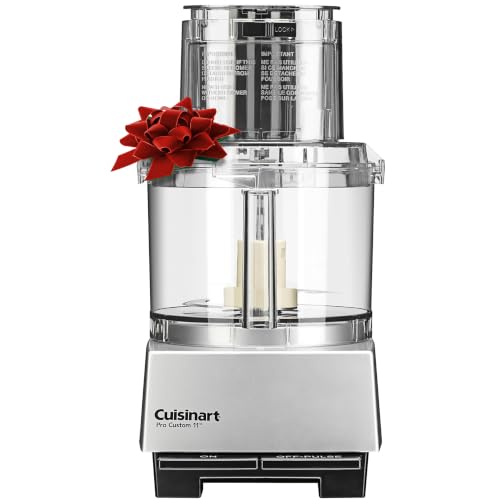
- Cuisinart Pro Custom 11 Food Processor — Check on Amazon
- Ninja Professional Plus Food Processor BN601 — Check on Amazon
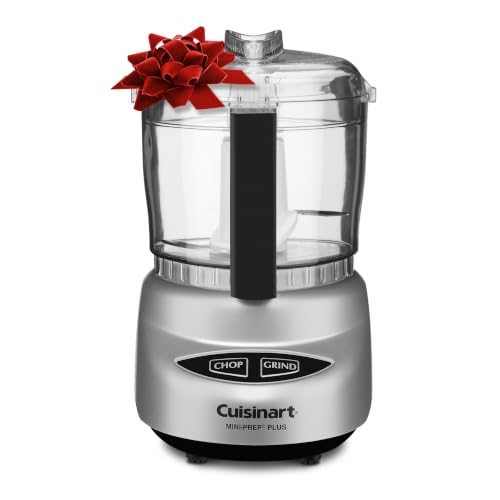
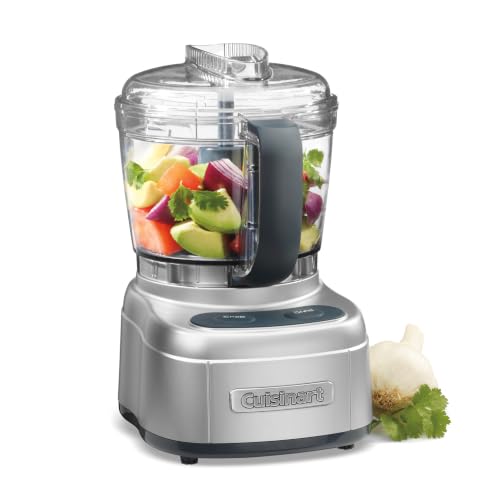
- Cuisinart Mini Food Processor 3-Cup — Check on Amazon
- Hamilton Beach 10-Cup Food Processor — Check on Amazon
Read the full guide ↓
Finding the best food processors for mixing dough starts with a simple truth: kneading is the hardest job you can ask a food processor to do. Chopping onions is easy on a motor. Pulling a stiff mass of flour and water around a bowl, over and over, until gluten develops is not. The dough climbs, the bowl flexes, the motor works against real resistance, and a machine that is wonderful for salsa can stall, walk across the counter, or simply refuse to form a ball. This guide is built around that one demanding job, and every pick below was judged first on dough and only second on everything else.
A food processor kneads differently from a stand mixer, and understanding that difference will shape which model suits you. Instead of folding dough slowly with a hook, a processor uses a blade — often a dedicated plastic dough blade — to cut and turn the mixture very quickly, bringing a ball together in a fraction of the time a mixer needs. The speed is a gift for weeknight pizza and flatbreads, but it also generates friction, so long runs can warm the dough. Short bursts, cool water, and realistic batch sizes are the habits that make processor dough work, and the machines below reward those habits to different degrees.
Capacity is the second dividing line. A full-size bowl in the eleven-to-fourteen-cup range can bring together a family-size batch of bread or pizza dough in one run, while compact and mini models have honest limits that this guide will not pretend away. One pick here is a three-cup mini, included deliberately for test batches, small enriched doughs, and kitchens where a full-size machine simply will not fit — but it is labelled for what it is. If your real interest is another heavy, motor-testing job, our companion guide to the Best Food Processors For Nut Butter applies the same thinking to a different kind of resistance.
Key Takeaways
- Dough is a torque test: motor strength and a proper dough blade matter more than slicing discs or extra speeds.
- Full-size bowls in the eleven-to-fourteen-cup range handle family bread and pizza batches; minis are for test batches only.
- Processor kneading is fast — often under two minutes of running — so use cool water and short bursts to avoid warming the dough.
- The two fourteen-cup Cuisinart models are the natural first choices for frequent bakers; the Ninja adds a dedicated dough program.
- Add flour in stages and let the ball form before judging a machine; most dough failures are loading failures, not motor failures.
- Every pick below links to its Amazon listing so you can check the latest price on Amazon before you buy.
In this guide
Quick Picks
Six machines, six different relationships with dough. The top two are large, dough-first Cuisinart models; the middle pair covers regular bakers and program-driven convenience; the last two serve small batches and tight budgets honestly, with their limits stated plainly.
| Pick | Badge | Why it earns its place |
|---|---|---|
| Cuisinart 14-Cup Food Processor DFP-14BCNY | Best Overall | The long-standing fourteen-cup design with a seven-hundred-twenty-watt motor and dough kneading named in its very purpose. |
| Cuisinart 14-Cup Food Processor FP-1400 | Best for Large Batches | The newer fourteen-cup flagship with a sealed lid, in-bowl storage, and dough kneading as a headline job. |
| Cuisinart Pro Custom 11 Food Processor | Best for Regular Home Bakers | An eleven-cup classic that covers most home baking without the footprint of the largest bowls. |
| Ninja Professional Plus Food Processor BN601 | Best with a Dough Program | Auto-iQ presets include a dough function, so the machine manages the pulsing pattern for you. |
| Cuisinart Mini Food Processor 3-Cup | Best for Small Test Batches | A three-cup mini for test batches and small enriched doughs — included with its limits stated, not hidden. |
| Hamilton Beach 10-Cup Food Processor | Best Budget Full-Size | A ten-cup full-size bowl with an easy-clean scraper, for bakers who want real capacity at a lower tier. |
How These Picks Were Chosen
These picks were chosen by comparing manufacturer listings, stated capacities, motor figures where the listing provides them, and the dough-specific features each model actually claims — a dough blade, a kneading function, or a preset program. Models were then ranked for this specific job, not for general processing. A machine can be an excellent all-rounder and still rank lower here if its bowl is small or its design is aimed at chopping rather than kneading. That is why two large Cuisinart models lead this list: their listings name dough work directly, and their bowl sizes match the batches home bakers actually make.
We also weighted honesty about scale. Dough doubles down on a processor: a batch that looks modest as flour and water becomes a single heavy mass that the motor must keep moving. Published bowl capacity describes loose ingredients, not the smaller practical ceiling for dough, so each review below talks about realistic batch thinking rather than repeating the headline cup figure as if it were a dough rating. Where a listing gives a motor wattage, we cite it as a listing figure; where it does not, we say nothing rather than inventing one.
This is a research-led guide. We did not bake with every machine on a test bench, and we will not pretend otherwise. What we can do is read the specifications carefully, compare the designs against what dough actually demands — torque, bowl volume, a blade shaped to fold rather than shred, and a lid that stays sealed under load — and explain the reasoning so you can check it against your own baking. Readers moving between heavy jobs may also find our guide to the Best Food Processors For Nut Butters useful, since nut grinding tests many of the same motor qualities.
The 6 Best Food Processors for Mixing Dough
Each review below follows the same pattern: what the machine is, how its design behaves when a dough ball forms, who it suits, and one honest limitation. Read the trade-offs as carefully as the strengths — with dough, the limitation is usually the thing that decides whether a machine fits your kitchen.

Cuisinart 14-Cup Food Processor DFP-14BCNY
Badge: Best Overall
Strengths
- Fourteen-cup bowl gives a family bread or pizza batch room to form a ball and move
- Seven-hundred-twenty-watt motor, with kneading dough named among the machine’s core jobs
- Stainless steel build and a long-established design with widely available parts
Trade-offs
- A large, heavy machine that needs permanent counter space or strong shelves
- Fast kneading can warm dough on long runs, so bursts and cool water are wise
- The wide feed tube design means the bowl is at its best fairly full, not with tiny batches
Key specs from the listing: Capacity: 14 cups. Motor: 720 watts. Jobs named: mincing, dicing, shredding, pureeing, kneading dough. Finish: stainless steel. Model: DFP-14BCNY.
The DFP-14BCNY is the machine most home bakers picture when they picture a food processor making dough, and the listing explains why: kneading is named alongside mincing, dicing, shredding, and pureeing as one of its core jobs, backed by a seven-hundred-twenty-watt motor and a fourteen-cup bowl. That bowl size is the practical headline. A family pizza batch or a standard sandwich loaf needs room for the ball to form, travel, and be turned repeatedly without packing into a corner, and fourteen cups provides it where smaller bowls start to struggle and strain.
In practice, the workflow is the classic Cuisinart one: dry ingredients pulsed to combine, liquid added steadily through the feed tube while the machine runs, then a short knead once the ball forms. Because processor kneading is fast, the whole active stage can be surprisingly brief, and the dough comes out ready for a brief finish by hand and its rise. The honest limitation is temperature and scale in the other direction — run any processor too long and friction warms the dough, and a batch that is too small for this big bowl will smear rather than ball up. Bakers who mostly make small, single-person batches should look at the eleven-cup model below instead.
Best for: frequent bakers making family-size bread and pizza batches / Not suited for: tiny batches that will smear in a fourteen-cup bowl


Cuisinart 14-Cup Food Processor FP-1400
Badge: Best for Large Batches
Strengths
- Fourteen-cup capacity with a leak-proof SealTight lid that suits wetter, softer doughs
- Slicing range from one to seven millimetres and shredding covered alongside the dough work
- Dishwasher-safe parts and in-bowl storage keep a large machine tidy between bakes
Trade-offs
- Premium positioning within this list, with features light bakers may never use
- Fourteen cups is more bowl than a solo cook making small batches needs
- A newer model line, so its long-term track record is still being written
Key specs from the listing: Capacity: 14 cups. Lid: leak-proof SealTight design. Slicing: 1–7 mm, plus shredding. Kneads dough. Care: dishwasher-safe parts. Storage: in-bowl. Model: FP-1400.
The FP-1400 is Cuisinart’s newer fourteen-cup flagship, and its listing adds two details dough makers should notice. The first is the leak-proof SealTight lid: softer, wetter doughs — the kind used for focaccia, enriched buns, and high-hydration loaves — throw liquid and loose flour around the bowl as they come together, and a lid designed to seal is a genuine advantage rather than a marketing flourish. The second is that kneading is again a headline job, not an afterthought, in a bowl the same generous size as the classic model above.
Away from dough, the specification is broad: slicing adjustable across a one-to-seven-millimetre range, shredding, dishwasher-safe parts, and in-bowl storage so the discs and blades live inside the machine instead of colonising a drawer. That storage detail matters in real kitchens, where a fourteen-cup processor plus a box of accessories can overwhelm a cupboard. The trade-off is positioning: this is the premium route to the same basic dough capability as the model above it, and a baker who kneads weekly but never slices will pay for range they do not use. A baker who processes everything, all week, will use it constantly.
Best for: bakers who work with wet, soft doughs and want a sealed, full-featured flagship / Not suited for: occasional bakers who will not use the slicing range or storage features

Cuisinart Pro Custom 11 Food Processor
Badge: Best for Regular Home Bakers
Strengths
- Eleven-cup bowl is a comfortable middle size for one-loaf and pizza-night batches
- Established Pro Custom design in stainless steel with slicing and shredding discs included
- Dishwasher-safe parts make flour-dusted cleanup straightforward
Trade-offs
- Smaller ceiling than the fourteen-cup models for double batches and big gatherings
- No dedicated dough program, so timing and pulsing are in your hands
- Chrome finish shows flour dust and fingerprints readily
Key specs from the listing: Capacity: 11 cups. Discs: slicing and shredding included. Care: dishwasher safe. Finish: stainless steel, chrome. Model: DLC-8SBCYP1.
The Pro Custom 11 is the regular home baker’s size. Eleven cups sounds like a small step down from fourteen, but in dough terms it covers the centre of home baking very well: one standard loaf, a family pizza batch, pastry for a full-size pie with room to spare, and biscuit or scone doughs that benefit from the blade cutting cold butter into flour quickly and evenly. The listing keeps the formula classic — stainless steel, slicing and shredding discs included, dishwasher-safe parts — and the design has the settled, proven feel of a machine that has been in kitchens for years.
What you give up against the fourteen-cup pair is headroom. Doubling a recipe for a crowd, or working with a very stiff, low-hydration dough at full batch size, asks more of this bowl than it comfortably has, and the sensible answer is to split the batch rather than force it. There is also no dough program to lean on, so the pulsing rhythm — combine, add liquid, rest, knead briefly — is yours to manage. For most bakers that is no hardship, and the smaller footprint and simpler brief make this the easiest large processor here to live with every day.
Best for: regular home bakers who want proven capacity without the largest footprint / Not suited for: double batches for crowds, which need splitting or a bigger bowl


Ninja Professional Plus Food Processor BN601
Badge: Best with a Dough Program
Strengths
- Auto-iQ presets include a dedicated mix-dough program that manages timing for you
- One-thousand-peak-watt class power for a nine-cup bowl, with three blades in the box
- Feed chute and pusher, plus dishwasher-safe parts for everyday processing
Trade-offs
- Nine-cup bowl caps batch size below the big Cuisinart models
- Preset programs run to their own timing, which experienced bakers may want to override
- Plastic bowl construction rather than the metal-accented build of the Cuisinart flagships
Key specs from the listing: Power: 1000 peak watts. Capacity: 9 cups. Programs: Auto-iQ presets for chop, slice, puree, and mixing dough. Blades: 3 included. Care: dishwasher-safe parts. Model: BN601.
The Ninja BN601 approaches dough from the opposite direction: instead of asking you to manage the process, its Auto-iQ presets include a program specifically for mixing dough, alongside chop, slice, and puree. For beginners, or for anyone who has ever stood over a processor wondering whether the ball has kneaded enough, a program that pulses and pauses in a pattern designed for dough is a real confidence builder. The listing rates the machine at one thousand peak watts driving a nine-cup bowl, with three blades, a feed chute and pusher, and dishwasher-safe parts.
Nine cups is the honest ceiling to note. It handles a standard pizza batch or a modest loaf, but it is not the bowl for doubling up, and stiff doughs at full capacity will test it harder than the big Cuisinart bowls. The preset also cuts both ways: experienced bakers who judge dough by look and feel may find a fixed program less flexible than their own pulsing. Judge this one as the guided, confidence-first option — the machine for a household that wants fresh dough without first becoming a student of dough. Its pureeing preset, incidentally, is the same talent explored in our guide to the Best Food Processors For Paleo cooking, where processors carry much of the prep load.
Best for: beginners who want a dough program to manage the process / Not suited for: large or doubled dough batches beyond a nine-cup ceiling

Cuisinart Mini Food Processor 3-Cup
Badge: Best for Small Test Batches
Strengths
- Tiny three-cup footprint suits test batches, small enriched doughs, and cramped counters
- Auto-reversing SmartPower blade switches between chop and grind directions
- Brushed chrome mini is easy to store and quick to rinse after a small job
Trade-offs
- Far too small for a standard bread batch — this is a test-batch and small-dough tool only
- No dough blade or kneading program; the blade chops rather than folds
- Twenty-four-ounce capacity fills fast once flour and liquid combine
Key specs from the listing: Capacity: 3 cups (24 oz). Blade: auto-reversing SmartPower, chop and grind modes. Finish: brushed chrome.
Honesty first: a three-cup mini processor is not a bread machine, and this guide will not dress it up as one. What the Cuisinart Mini is genuinely good for is the small end of dough work — a test batch when you are developing a recipe and do not want to commit a full bowl of flour, a small enriched dough for a handful of rolls, a quick pastry for a single small tart, or the crumb and rub-in stages where its auto-reversing SmartPower blade switches between chop and grind directions. At twenty-four ounces, it lives on the counter or in a small cupboard where a fourteen-cup machine simply cannot.
Used within those limits, it earns its place. Small quantities that would smear uselessly around a huge bowl actually engage with the blade here, and cleanup is a rinse rather than a project. The limitation is absolute, though: a standard loaf batch will not fit, will not form, and asking it to try helps nobody. Think of this as the specialist small-batch companion to a full-size machine, or the only processor in a very small kitchen whose baking runs to flatbreads and small pastries rather than loaves.
Best for: test batches, small enriched doughs, and very small kitchens / Not suited for: any standard loaf or family pizza batch

Hamilton Beach 10-Cup Food Processor
Badge: Best Budget Full-Size
Strengths
- Ten-cup bowl is genuinely full-size, so modest dough batches have room to form
- Built-in bowl scraper saves stopping to scrape flour down from the sides
- Stainless steel design aimed at slicing, shredding, mincing, and pureeing as well as mixing
Trade-offs
- No dough-specific blade or program is named in the listing, so technique matters more
- Ten cups is the smallest full-size bowl here, limiting double batches
- The scraper helps with batters and purees more than with a formed dough ball
Key specs from the listing: Capacity: 10 cups. Feature: easy-clean bowl scraper built in. Jobs named: slicing, shredding, mincing, pureeing. Finish: stainless steel. Model: 70730.
The Hamilton Beach 70730 brings a genuinely full-size ten-cup bowl to the lower tier of this list, and for dough that bowl size is its main argument: a modest bread batch, pizza dough for a family, or pastry in useful quantities all have room to come together, which no amount of cleverness can extract from a mini. Its built-in bowl scraper is the feature the listing leads with — a scraper you can turn to sweep the bowl sides without stopping and opening the lid. For batters, purees, and the early flour-heavy stage of a dough, that saves real interruptions; once a firm ball forms, the ball largely cleans the bowl itself.
The caveat is that the listing names slicing, shredding, mincing, and pureeing as its jobs, with no dough-specific blade or program called out. Dough is therefore a technique-led job on this machine: add flour in stages, add liquid slowly, pulse to combine before running, and stop as soon as the dough is smooth and elastic rather than letting it churn. Bakers willing to drive the process themselves get full-size capacity at this tier; bakers who want the machine to manage dough for them should look at the Ninja’s preset or the Cuisinart pair.
Best for: budget-conscious bakers who will manage dough technique themselves / Not suited for: hands-off dough making — there is no dough program to lean on
Comparison Table
Read this table for format and approach rather than raw numbers: with dough, the right bowl size and the right level of guidance matter more than any single specification.
| Pick | Bowl and format | Blade and controls | Stands out for | Listing |
|---|---|---|---|---|
| Cuisinart 14-Cup Food Processor DFP-14BCNY | 14-cup full-size bowl | Stainless steel build; kneading named as a core job | Classic, proven dough capacity | Check on Amazon |
| Cuisinart 14-Cup Food Processor FP-1400 | 14-cup full-size bowl | SealTight lid; slicing 1–7 mm; in-bowl storage | Wet doughs and all-round processing | Check on Amazon |
| Cuisinart Pro Custom 11 Food Processor | 11-cup full-size bowl | Slicing and shredding discs; dishwasher-safe parts | The regular baker’s middle size | Check on Amazon |
| Ninja Professional Plus Food Processor BN601 | 9-cup bowl | Auto-iQ presets including mix dough; 3 blades | Guided, program-led dough making | Check on Amazon |
| Cuisinart Mini Food Processor 3-Cup | 3-cup mini bowl | Auto-reversing SmartPower blade; chop and grind | Small test batches only | Check on Amazon |
| Hamilton Beach 10-Cup Food Processor | 10-cup full-size bowl | Built-in bowl scraper; stainless steel design | Full-size capacity at a lower tier | Check on Amazon |
How to Choose a Food Processor for Mixing Dough
Start with the batch you actually make, and be honest about it. Bowl capacity is measured with loose ingredients, but dough behaves as one dense mass, so the comfortable dough batch is always well below the headline cup figure. If your standard bake is one loaf or one family pizza, an eleven-cup bowl is comfortable and a fourteen-cup bowl is roomy. If you regularly double recipes, bake for gatherings, or make stiff doughs that resist movement, the fourteen-cup class earns its counter space. If your dough life is small test batches and the occasional flatbread, a mini handles those jobs and a full-size machine would mostly gather dust. Matching the bowl to the batch is the single most important decision in this guide.
Next, think about guidance versus control. A dedicated dough program, like the Ninja’s Auto-iQ preset, manages the pulse-and-pause rhythm for you and is genuinely valuable while you are learning what properly kneaded dough looks like. Manual machines ask you to run that rhythm yourself — combine the dry ingredients, drizzle in the liquid while the motor runs, rest the dough briefly, then knead in short bursts until it turns smooth and elastic. Neither approach is wrong. Programs trade flexibility for confidence; manual control trades confidence for a feel for the dough that transfers to every other baking you do.
Motor claims need reading rather than worshipping. A wattage figure tells you the motor’s rating, not how the bowl, blade shape, and gearing turn that rating into useful work on a stiff dough. Design matters as much: a blade shaped to fold and turn dough treats it differently from a chopping blade that merely cuts, and a lid that seals keeps wet doughs and loose flour where they belong. This is why the reviews above talk about bowl behaviour and lid design as much as numbers, and why a well-designed machine with a modest figure can out-knead a poorly designed one with a bigger number on the box.
Temperature is the quiet factor most buyers never consider. Processor kneading is fast and energetic, and friction warms dough as it works. For yeasted doughs that warmth can push a rise faster than your recipe intends if you run the machine long. The fixes are simple habits: use cool liquid, work in short bursts with brief rests, finish the dough by hand on the counter for the last few turns, and let time and the rise do the rest. A machine that forms a ball quickly is therefore doubly valuable — speed is not just convenience, it is temperature control.
Finally, consider the life around the dough. A processor this size will also slice, shred, and puree for the same meals — onions for the pizza sauce, cheese for the topping, vegetables for the soup the bread accompanies. Dishwasher-safe parts, sensible accessory storage, and a footprint your kitchen can actually house decide whether the machine gets used weekly or annually. Readers planning a broader whole-food kitchen may also want our guide to the Best Food Processors For Nut Flour, since the same full-size bowls that knead dough also mill small batches of nut flour. Buy for your real routine, not your most ambitious one.
How to Mix and Knead Dough in a Food Processor
The processor method is fast, so preparation matters more than endurance. Have everything measured before the lid goes on, use cool liquid for yeasted doughs, and plan to finish the dough briefly by hand — the machine does the heavy work, your hands do the final judging. The sequence below works, with small adjustments, for pizza dough, simple bread dough, and most enriched doughs on any full-size machine in this guide.
Order is the technique. Dry ingredients first, pulsed to combine; fat rubbed or cut in next where the recipe uses it; liquid added steadily while the machine runs, so the flour hydrates evenly instead of forming wet pockets and dry patches. Then patience in miniature: let the shaggy mass rest for a few minutes so the flour absorbs the water, and the kneading that follows becomes shorter and gentler on both dough and motor.
- Fit the dough blade if your machine provides one, or the standard blade, and add the flour, salt, and yeast to the bowl, keeping salt and yeast from sitting directly together.
- Pulse several times to combine the dry ingredients evenly.
- With the machine running, pour the cool liquid in a steady stream through the feed tube until a shaggy mass forms.
- Stop and rest the dough for five to ten minutes so the flour fully hydrates.
- Run the machine in short bursts until the dough forms a ball that travels around the bowl and turns smooth and elastic — usually well under two minutes of total running.
- If the ball will not form, add flour a spoonful at a time; if it is stiff and tearing, add water a spoonful at a time.
- Turn the dough onto a lightly floured counter and knead by hand for a few turns to judge its feel and finish the surface.
- Cover and leave to rise as your recipe directs; clean the bowl promptly, before dough dries onto it.
Pastry and biscuit doughs use the same machine in the opposite spirit: everything cold, the blade used in short pulses to cut butter into flour until the mixture looks like coarse crumbs, and liquid added only until the dough barely holds together. The less the machine runs, the more tender the result. The processor is arguably better at this job than at bread dough, because speed and cold are exactly what pastry wants.
Whatever you make, respect the batch ceiling of your bowl. A dough that fills the bowl cannot travel, and a dough that cannot travel cannot knead — it will ride in place, strain the motor, and come out uneven. Splitting a big recipe into two comfortable batches is faster, kinder to the machine, and produces better dough than one heroic overloaded run. That same discipline of working in right-sized batches is the core skill in our guide to the Best Food Processors For Nut Flour Grinding, where small loads are the difference between flour and paste.
Troubleshooting
Problem: The dough never forms a ball and stays a wet smear around the bowl → the mixture is too wet or the batch too small for the bowl → add flour a spoonful at a time and keep the machine running; if the batch is tiny, move it to a smaller bowl or finish it by hand.
Problem: The dough is stiff, tearing, and the motor sounds strained → the mixture is too dry or the batch too large → stop, add water a spoonful at a time, and if the bowl is crowded, split the batch in two rather than forcing one run.
Problem: The finished dough feels warm and rises much faster than the recipe suggests → friction from a long run heated it → use cooler liquid next time, knead in shorter bursts with rests, and shorten the first rise accordingly this time.
Processor Dough vs Stand Mixer Dough: Which Should You Use?
A food processor and a stand mixer knead by opposite philosophies. The mixer folds slowly with a hook, developing gluten gently over many minutes and handling large, stiff batches with patience. The processor works at blade speed, bringing dough together in a fraction of the time, which suits weeknight cooking and smaller households. The practical differences follow from that: the processor is faster and takes less counter space, the mixer is calmer with very stiff doughs and big double batches, and the processor’s speed demands the temperature awareness described earlier in this guide.
Many bakers happily use both — the processor for pizza night, flatbreads, pastry, and quick sandwich dough, the mixer for the big weekend sourdough batch. If you can only house one appliance, choose by your dominant bake. Frequent small-to-medium doughs point to the processor, which also slices and shreds for the rest of the meal. Regular large or very stiff loaves point to the mixer. Nothing in this guide pretends a nine-cup bowl replaces a mixer at full stretch; the picks above are ranked for the jobs they genuinely do well.
Getting the Most from Small-Batch and Test Doughs
Small batches deserve respect rather than apology: they are how new recipes get developed, how a household of one eats fresh bread without waste, and how enriched doughs for a few rolls or a single small tart get made without a production line. The catch is physics — a small mass in a big bowl gets smeared around the walls instead of kneaded, which is why this guide includes a genuine mini and why the eleven-cup model exists between the minis and the flagships.
The technique for small batches is to keep the mass engaged with the blade: work in the smallest bowl that fits the job, add liquid gradually, and be ready to finish by hand earlier than you would with a full batch. A test dough also teaches you the recipe cheaply — hydration, salt, and timing can all be judged on a three-cup batch before you commit a full bag of flour. Bakers exploring ingredient flexibility, including alternative flours, will find the milling side of that world covered in our guide to the Best Food Processors For Nutbutter and related nut-processing guides in this series.
Dough Types Ranked by How Hard They Work a Processor
Not all doughs ask the same of a machine, and knowing where your favourite sits on the scale helps you choose both a processor and a technique. At the gentle end are soft, wet doughs — focaccia, ciabatta-style mixtures, and enriched bun doughs — which come together easily, travel willingly around the bowl, and mainly test the lid’s seal rather than the motor. In the middle sit standard bread and pizza doughs, the centre of home baking, which form a firm ball and demand honest torque for a short, intense period. At the demanding end are stiff, low-hydration doughs — bagel dough is the famous example — which resist movement, climb, and strain, and which should be made in smaller batches than your bowl’s comfortable maximum, whatever machine you own.
Pastry, biscuit, and pasta doughs play by different rules again. Pastry wants the machine cold, fast, and barely run at all. Pasta dough is stiff but made in small quantities, and many makers use the processor only to bring it to a crumbly mass before finishing by hand, which suits even the mid-size bowls in this guide. The practical habit is to scale the batch to the dough, not to the bowl: a gentle dough can fill a bowl’s comfortable range, a stiff dough should occupy half of it, and a processor treated that way will knead happily for years.
Common Buying Mistakes
The most common mistake is buying by headline capacity alone. A fourteen-cup figure describes loose ingredients; dough needs travel room, and the comfortable batch is always smaller than the number on the box. Buy for your real batch, with a little headroom, rather than for the largest number in the comparison table.
The second mistake is running the machine too long. Processor dough comes together fast, and every extra minute adds friction heat and overworks the texture. Short bursts, a rest for hydration, and a brief finish by hand produce better dough than one long heroic run — and they are kinder to the motor you paid for.
Third, adding all the liquid at once. Hydration varies with flour, weather, and recipe, so hold a little liquid back, watch the mass form, and adjust a spoonful at a time in either direction. Most failed processor doughs were lost in the first thirty seconds of pouring, not in the kneading.
Finally, ignoring the life of the machine after the dough. Flour paste dries like cement, and a bowl left unwashed until morning turns a two-minute rinse into a scrubbing session. Rinse or soak the bowl straight after turning the dough out, and the whole processor habit stays as quick as it is supposed to be.
Final Recommendation
If you bake dough regularly, the short answer is to buy a full-size bowl with dough named in its design brief, and to learn the short-burst, cool-liquid technique that processor kneading rewards. Everything else — programs, scrapers, sealed lids — is refinement on that foundation.
Start with the Cuisinart 14-Cup Food Processor DFP-14BCNY if you want the safest all-round choice from this list. Its bowl gives family batches room to form and travel, its motor is specified for the job, and the design’s long track record means parts and knowledge are easy to find. Bakers who work with wetter doughs or who want the newest sealed-lid design should weigh the FP-1400 alongside it.
If that first choice does not fit your kitchen, the Cuisinart Pro Custom 11 Food Processor is the alternative we would look at next. The eleven-cup Pro Custom is the calmer middle choice for one-loaf households, the Ninja is the confidence pick for anyone who wants a program to run the process, the Hamilton Beach covers full-size capacity at its tier for bakers happy to drive, and the mini stays in its honest lane of test batches and small doughs. Match the machine to the batch you truly make, and any of these six will earn its counter space.
Frequently Asked Questions
Can a food processor really knead bread dough, or do I need a stand mixer?
A full-size food processor genuinely kneads bread and pizza dough, and does it faster than a mixer, by using a blade to cut and turn the mass until a smooth, elastic ball forms. A stand mixer remains calmer for very large or very stiff batches. For one-loaf and family pizza quantities, a processor in the eleven-to-fourteen-cup class is a complete answer.
How much dough can I make at once in a food processor?
Less than the headline bowl capacity suggests, because dough needs room to travel around the bowl. As a working rule, keep the flour quantity to a level where the formed ball can move freely — a standard loaf or family pizza batch in a full-size bowl. If the dough packs in place and strains, split the recipe into two batches.
Why does my processor dough come out warm?
Friction. Blade-speed kneading is energetic, and a long run heats the dough, which can speed up a yeast rise beyond the recipe’s intention. Use cool liquid, knead in short bursts with brief rests, and finish by hand. Quick ball formation is a virtue partly because it limits this warming.
Is a dough blade necessary, or will the standard blade work?
A dough blade is shaped to fold and push the mass rather than slice it, which is gentler on developing gluten and on the motor with stiff mixtures. The standard blade still brings dough together and is what several machines here rely on. If your machine offers a dough blade, use it for bread and pizza; keep the metal blade for pastry, where cutting is the point.
Can I make pastry and biscuit dough in the same machine?
Yes — pastry is one of the processor’s best jobs. Keep the butter and liquid cold, pulse in short bursts until the mixture resembles coarse crumbs, and add liquid only until the dough barely holds. The machine’s speed keeps the fat cold and distinct, which is exactly what flaky layers need.
What should I do if the dough climbs the centre column or leaks?
Stop the machine. Dough climbing usually means the batch is large or the mixture very soft; let it settle, work in shorter bursts, and consider splitting the batch. For wet doughs, a lid designed to seal — like the SealTight design on the FP-1400 in this guide — reduces leakage around the rim.